Homemade Chicken Broth
Homemade Chicken Broth is the kind of recipe I reach for when the house needs warmth, flavor, and a little comfort. The first time I made it from scratch, I remember the kitchen filling with a steady, savory steam while the radio played softly in the background. From that moment on, a pot of simmering chicken broth became my go to base for quick weeknight soups and slow Sunday stews.
Years of tinkering taught me a few simple truths about building a great broth. Good bones and honest aromatics do most of the heavy lifting, and patience rewards you with depth and clarity. I like to make a big batch and keep jars in the freezer so a ladle of rich, clear liquid is always within reach. It saves dinners, lifts leftovers, and makes simple rice or grains taste extraordinary.
When friends ask why I bother making broth at home, I tell them it is about control and memory. You control the salt, the herbs, and the level of gelatin that comes from the bones, and the smell alone often brings back family meals and slow Sunday afternoons. There is something quietly satisfying about stirring a pot and knowing the end result will quietly elevate whatever you serve it with.
Recipe Snapshot
2 hr 45 mins
15 mins
150 mins
Hard
200 kcal
American
Paleo, Gluten-Free
Soups
10 to 12 quart stock pan, Large pot for straining into
The Beauty of This Homemade Chicken Broth
Depth of flavor you cannot buy
I find that homemade stock delivers a layered, savory backbone that store bought versions rarely match. When I simmer chicken with bones and skin, the broth gains a mouth coating richness and a faint silky texture from natural collagen. That texture makes soups and sauces feel more luxurious, even when the rest of the meal is humble.
Cost effective and practical
Making your own broth stretches your grocery budget. I save bones and leftover pieces, then transform them into a valuable pantry staple. A single large pot yields enough liquid for multiple meals, and freezing portions means I rarely need to buy boxed broth again.
Customizable to your taste
I love that I can control salt, herb intensity, and aromatics. If I want a brighter broth, I add more fresh parsley and carrots. If I want something earthier, I let it simmer a bit longer. This flexibility lets me tailor the stock to the dish I am making, which is a small luxury that pays off in every spoonful.
Healthy and nourishing
Homemade broth can be a gentle, restorative food. The natural minerals and gelatin are comforting on cold days or when someone is under the weather. Instead of relying on additives, I use whole ingredients and simple techniques to produce a clean tasting, nourishing liquid.
Versatile kitchen workhorse
One pot of broth becomes many things: soup, risotto liquid, braising base, or even a cup of hot broth for sipping. Its versatility makes it one of my most used preparations, and it changes how quickly I can put a comforting meal on the table.
Ingredients for Homemade Chicken Broth
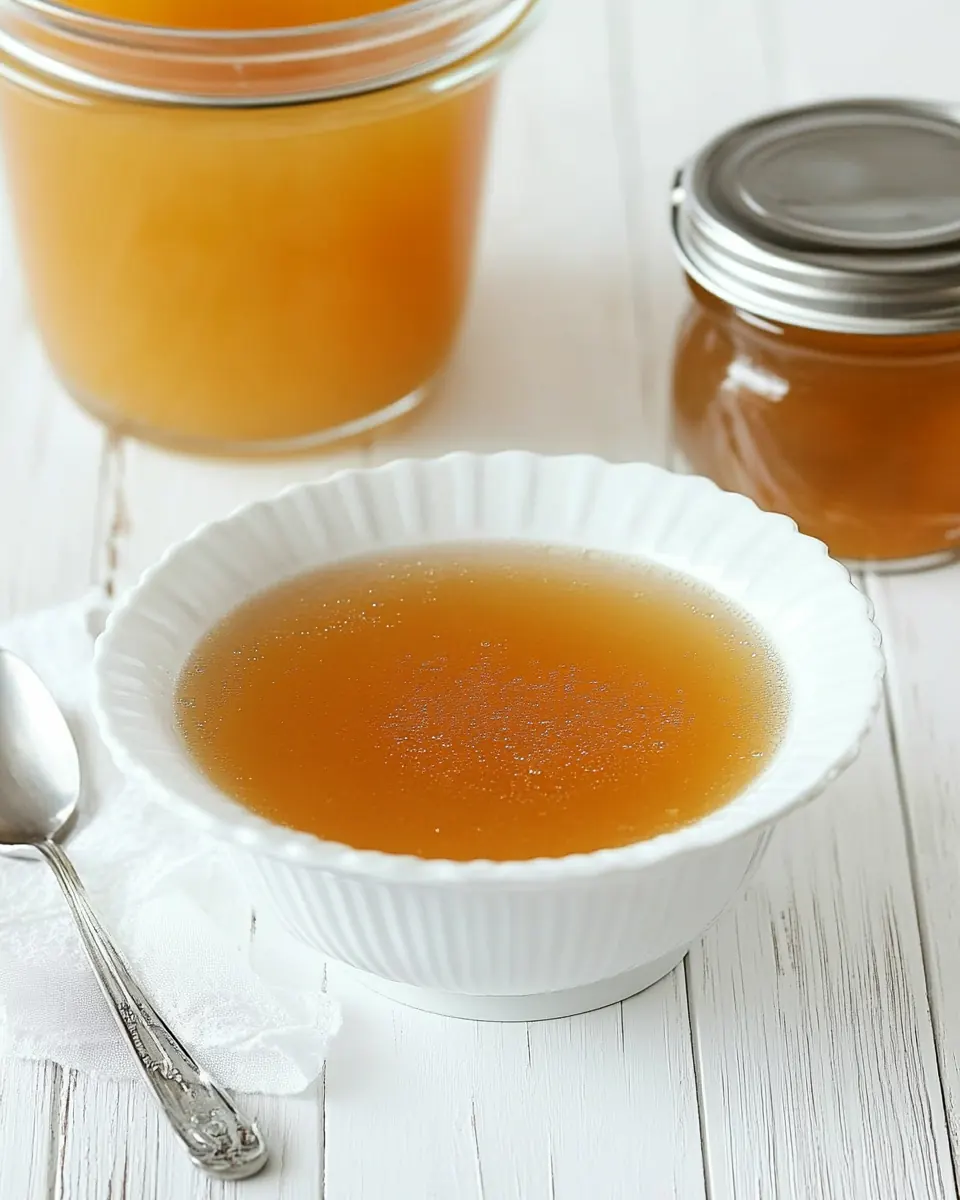
These ingredients are intentionally simple and cooperative. The heavy lifting comes from the chicken bones and skin which give body and depth, while the vegetables and herbs contribute bright, aromatic notes. Together they create a balanced, full flavored stock that is both nourishing and flexible in recipes.
- 4 lbs chicken pieces, skin-on, bone-in: Provide rich savory body and gelatin from bones; use skin-on, bone-in pieces to create a fuller mouthfeel and natural collagen release during long simmering, resulting in a gelled broth when chilled. Brown or roast pieces first for deeper flavor, then skim impurities while simmering for clarity and clean taste.
- 1 gallon water: Serve as the cooking medium and concentration base; add one gallon of water to extract flavors and soluble nutrients from the chicken and aromatics without diluting too much. Adjust simmer time according to bone size to maximize collagen and mineral extraction for a robust broth.
- 3 bay leaves fresh, (if dried, use 2): Add aromatic, slightly floral notes and subtle herbaceous bitterness; use three fresh bay leaves to layer complexity and complement other herbs, reducing to two if dried due to increased intensity. Bruise leaves lightly to release essential oils and remove before serving to avoid overpowering the broth.
- 2 teaspoon Kosher salt: Season for taste and aid in protein extraction; two teaspoons of Kosher salt help draw flavors from ingredients and enhance perceived richness. Add gradually and adjust at the end since reduction concentrates saltiness during simmering.
- 1 teaspoon black pepper (optional): Impart gentle heat and a peppery undertone when desired; one teaspoon of black pepper can be added whole or crushed to release aromatic oils without clouding the broth. Omit if a milder, clearer stock is preferred or for sensitive palates.
- 3 medium onions peeled and quartered: Provide savory sweetness and depth when peeled and quartered; three medium onions contribute natural sugars that caramelize slightly and balance the broth's savory notes. Add with skins removed for clarity, or include skins for darker color and extra flavor if desired.
- 3 large carrots peeled and roughly chopped: Offer vegetal sweetness and aromatics when peeled and roughly chopped; three large carrots soften and release sugars that round out the broth's flavor profile. Cut into large pieces to avoid excessive cloudiness while still allowing full flavor extraction.
- 4 stalks celery roughly chopped: Contribute aromatic freshness and subtle bitterness; four stalks of celery add classic mirepoix character and help build a balanced backbone for the broth. Chop roughly to expose surface area for extraction without over-fragmenting the stock.
- 2 sprigs rosemary fresh: Introduce a resinous, aromatic accent; two sprigs of fresh rosemary bring piney and savory notes that stand up well to long simmering. Add early for infusion but remove before serving to prevent overpowering other flavors.
- 2 sprigs thyme fresh: Provide delicate, woody undertones and an herbaceous backbone; two sprigs of fresh thyme release gentle savory aromas that marry well with poultry. Tie with other herbs if desired and discard stems after simmering for a clean finish.
- 2 sprigs parsley fresh: Add bright, leafy freshness and subtle herbaceous lift; two sprigs of fresh parsley contribute a clean finish and can help reduce strong meaty flavors. Add toward the end of cooking for fresher flavor or earlier if a subtler infusion is preferred.
How to Make Homemade Chicken Broth
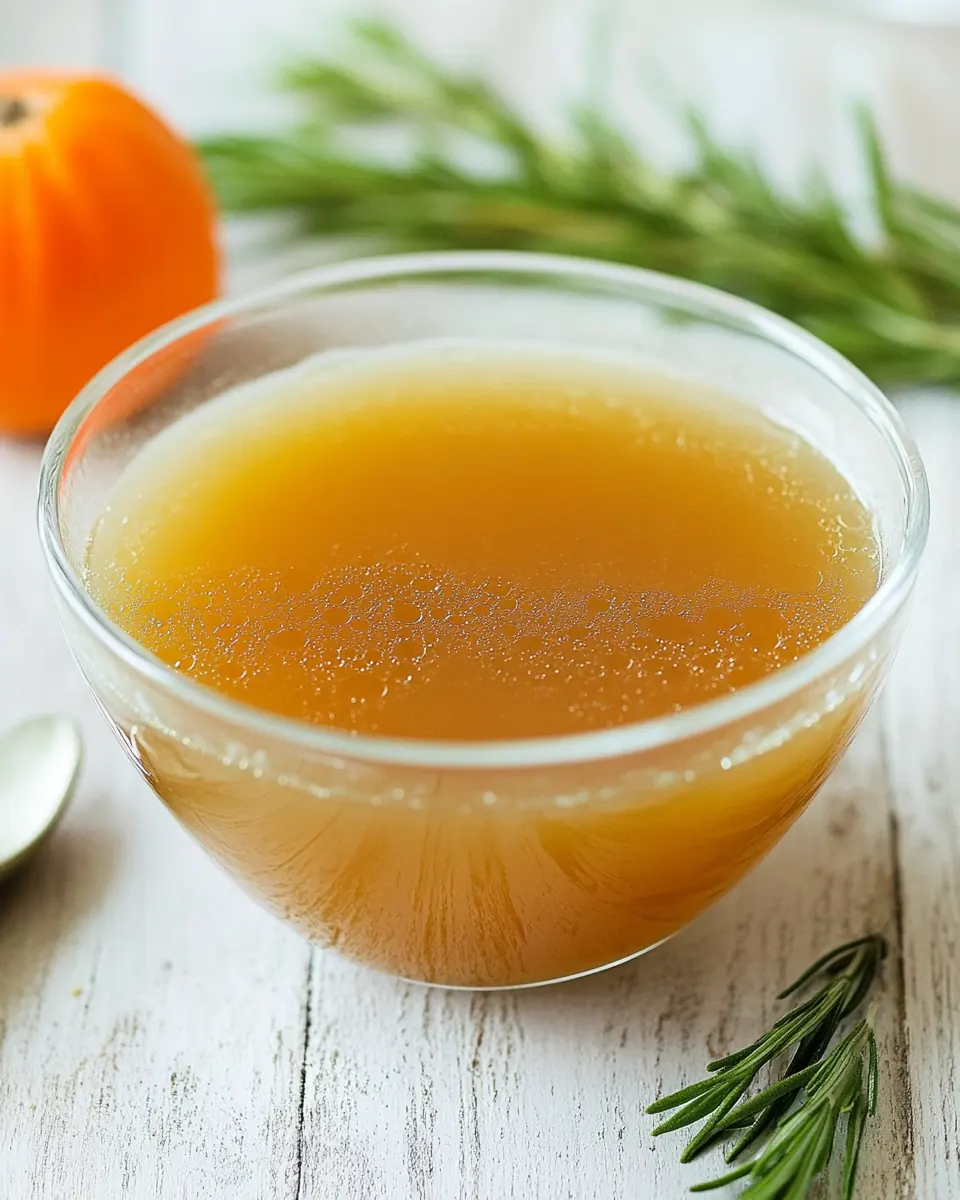
Making this broth is a process of gentle coaxing, not rushing. Below I expand each direction into detailed, sensory forward guidance so you can reproduce the clear, flavorful result I aim for in my own kitchen.
- Add the chicken to a large stock pan and fill with water until chicken is covered by about 1 inch (usually about 1 gallon of water).: The kitchen will smell faintly of raw chicken and metal as the pieces nestle into the pot, the water just covering them so there is room for gentle movement as it heats. You want enough water to extract flavor without diluting it, which is why about 1 gallon is a practical target for 4 lbs of pieces. A common mistake is overfilling which leads to weaker extraction, so check that pieces are submerged but not swimming in excess water. Use a wide pan so heat distributes evenly, and arrange the pieces so air pockets are minimized for steady, even simmering.
- Bring water to a simmer over medium-high heat and cook for 30 minutes, skimming any impurities that float to the top.: As the pot warms, watch for tiny bubbles appearing along the edge, the first sign you are nearing a simmer. You will see pale scum rise to the surface, which you should gently skim with a spoon for clearer broth. The aroma shifts from neutral to savory and faintly sweet as proteins begin to denature. Avoid a rolling boil, which agitates the contents and clouds the liquid; a tame, steady simmer yields clarity and a cleaner flavor profile. An easy trap is leaving the pot unattended until it boils vigorously, which pulls fat and broken proteins into the broth and increases cloudiness.
- Make the bouquet garni by placing the herbs on a square piece of cheesecloth and fold up the edges to form a pouch. Tie together with string, allowing enough string to easily pull the bouquet garni from the pan when needed.: Handling the herbs, you will smell sharp, green notes from the thyme and rosemary, and a fresh lift from parsley. Wrapping them in cheesecloth gives you the benefit of infused flavor while keeping tiny leaves and stems contained. Leaving a tail of string ensures you can retrieve the bundle without fishing. If you skip the pouch and just toss herbs in, you risk small bits floating around and clouding the broth, so the pouch technique protects both texture and appearance.
- Carefully add the mirepoix, bay leaves, and bouquet garni into the pot. Simmer for an additional 2 hours, skimming impurities that rise to the surface.: When the onions, carrots, and celery join the pot, the scent deepens into a savory aromatic chorus, with sweet, vegetal edges. Over the next two hours the broth will reduce slightly and concentrate, becoming more golden and fragrant. Keep the simmer low, and periodically lift off any foam with a slotted spoon to maintain clarity. If you let the heat creep up, the broth can become cloudy and taste harsher, so adjust the burner as needed. Patience here builds complexity, so resist the urge to crank the heat to speed things up.
- Use a pair of tongs to remove the large pieces of chicken from the broth into a large bowl (the chicken can be pulled from the bones and saved for another use). Carefully strain the broth through a colander into a separate pot. Season with salt.: Removing the solids reveals a glossy, amber liquid with a clean aroma. Pull the meat from the bones while warm if you plan to use it, noting it may be a bit stringy but very usable. Straining removes vegetables and any stray solids, leaving you with a clear stock. At this stage, tasting and seasoning matters because concentration during simmering changes perceived saltiness. Add a modest amount of Kosher salt , taste, then adjust after chilling. A common misstep is over salting before reduction, so err on the side of less, then finish later.
- Place in the refrigerator for at least 24 hours. Remove from the fridge and use a spoon to skim off the congealed fat that has formed on the surface. The broth is now ready to use.: Chilling turns the surface fat into a pale solid layer you can skim away for a leaner broth, or you can reserve the fat for cooking. The broth beneath will be gelled slightly if bones released enough collagen, which is a wonderful textural sign of success. When reheating, the aroma will bloom again, and you will notice a rounded mouthfeel. A common oversight is not chilling long enough before skimming, which makes fat removal harder and leaves a greasier mouthfeel in the final dish.
Making Adjustments
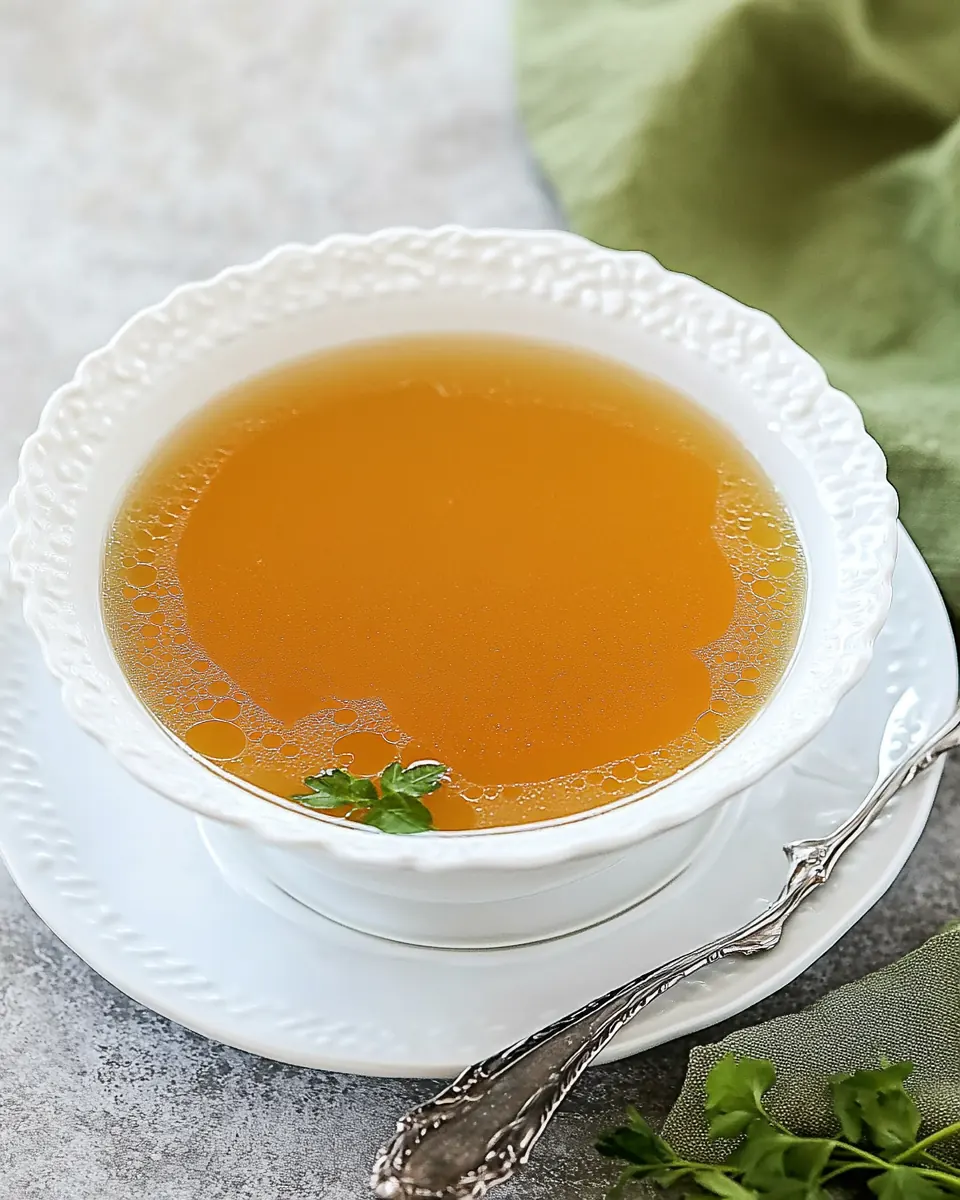
Small tweaks change the final broth more than you might expect. Below are targeted adjustments and notes I use when customizing a batch, each expanded into a practical tip you can apply immediately.
- Use skin on or off: Keeping the skin on adds gelatin and mouthcoating fat which deepens flavor. If you want a leaner broth, remove the skin before simmering and be diligent about skimming fat after chilling.
- Herb intensity: Tying herbs into a bouquet garni gives controlled flavor release. If you prefer a subtle herbal note, shorten the time the bundle spends in the pot, and always remember fresh herbs are milder than dried.
- Salt timing: Add most salt after straining and reduction, because early salting concentrates and can lead to oversalted stock. Taste after chilling and adjust gradually.
- Storage strategy: Freeze in usable portions, such as 2 cup containers or ice cube trays, so you can quickly add broth to sauces or soups without waste.
- Using leftover meat: Remove meat from bones while warm and reserve for soups and casseroles. The texture may be stringy but is perfect for blended soups and hearty stews.
- Substituting aromatics: If you lack one of the vegetables, increase the others slightly, but avoid adding strong new flavors that may overpower the delicate stock profile.
Serving Ideas for Homemade Chicken Broth
Broth is incredibly versatile and can be dressed up or kept simple depending on the meal. Below are practical serving approaches, pairing ideas, and storage suggestions to help you use every drop.
- Sip as a warm restorative: Serve a small cup of hot broth with a squeeze of lemon and a sprinkle of black pepper for a soothing, light starter during cold weather or recovery days.
- Base for classic chicken soup: Combine shredded reserved chicken, sliced carrots, and celery with simmered broth for a comforting bowl that is perfect for lunch or a light dinner.
- Cooking grains or risotto: Use the warm broth instead of water to cook rice or make risotto, which instantly deepens the flavor and yields a more savory final dish.
- Braising liquid: Use broth as a flavorful braising liquid for vegetables or proteins, enhancing savory notes without overpowering the main ingredient.
- Freezing and portioning: Freeze in labeled containers for 2 to 3 months, and defrost in the fridge overnight or gently on low heat to preserve texture and taste.
- Seasonal pairings: In winter, pair bowls of broth with crusty bread and quick salads for a cozy meal; during Ramadan, use as a warming iftar starter or base for hearty stews.
FAQ
Conclusion
What makes this recipe special is its balance of simplicity and depth, delivering a rich, clear broth from a handful of honest ingredients. I encourage you to try making Homemade Chicken Broth because it rewards patience with layers of flavor that elevate everything you cook with it. Whether you use it as a base for soup, to cook grains, or simply to sip, a homemade batch becomes a quiet kitchen hero that keeps giving back over many meals.
Homemade Chicken Broth
Ingredients
Equipment
Method
- Add the chicken to a large stock pan and fill with water until chicken is covered by about 1 inch (usually about 1 gallon of water).: The kitchen will smell faintly of raw chicken and metal as the pieces nestle into the pot, the water just covering them so there is room for gentle movement as it heats. You want enough water to extract flavor without diluting it, which is why about 1 gallon is a practical target for 4 lbs of pieces. A common mistake is overfilling which leads to weaker extraction, so check that pieces are submerged but not swimming in excess water. Use a wide pan so heat distributes evenly, and arrange the pieces so air pockets are minimized for steady, even simmering.
- Bring water to a simmer over medium-high heat and cook for 30 minutes, skimming any impurities that float to the top.: As the pot warms, watch for tiny bubbles appearing along the edge, the first sign you are nearing a simmer. You will see pale scum rise to the surface, which you should gently skim with a spoon for clearer broth. The aroma shifts from neutral to savory and faintly sweet as proteins begin to denature. Avoid a rolling boil, which agitates the contents and clouds the liquid; a tame, steady simmer yields clarity and a cleaner flavor profile. An easy trap is leaving the pot unattended until it boils vigorously, which pulls fat and broken proteins into the broth and increases cloudiness.
- Make the bouquet garni by placing the herbs on a square piece of cheesecloth and fold up the edges to form a pouch. Tie together with string, allowing enough string to easily pull the bouquet garni from the pan when needed.: Handling the herbs, you will smell sharp, green notes from the thyme and rosemary, and a fresh lift from parsley. Wrapping them in cheesecloth gives you the benefit of infused flavor while keeping tiny leaves and stems contained. Leaving a tail of string ensures you can retrieve the bundle without fishing. If you skip the pouch and just toss herbs in, you risk small bits floating around and clouding the broth, so the pouch technique protects both texture and appearance.
- Carefully add the mirepoix, bay leaves, and bouquet garni into the pot. Simmer for an additional 2 hours, skimming impurities that rise to the surface.: When the onions, carrots, and celery join the pot, the scent deepens into a savory aromatic chorus, with sweet, vegetal edges. Over the next two hours the broth will reduce slightly and concentrate, becoming more golden and fragrant. Keep the simmer low, and periodically lift off any foam with a slotted spoon to maintain clarity. If you let the heat creep up, the broth can become cloudy and taste harsher, so adjust the burner as needed. Patience here builds complexity, so resist the urge to crank the heat to speed things up.
- Use a pair of tongs to remove the large pieces of chicken from the broth into a large bowl (the chicken can be pulled from the bones and saved for another use). Carefully strain the broth through a colander into a separate pot. Season with salt.: Removing the solids reveals a glossy, amber liquid with a clean aroma. Pull the meat from the bones while warm if you plan to use it, noting it may be a bit stringy but very usable. Straining removes vegetables and any stray solids, leaving you with a clear stock. At this stage, tasting and seasoning matters because concentration during simmering changes perceived saltiness. Add a modest amount of Kosher salt , taste, then adjust after chilling. A common misstep is over salting before reduction, so err on the side of less, then finish later.
- Place in the refrigerator for at least 24 hours. Remove from the fridge and use a spoon to skim off the congealed fat that has formed on the surface. The broth is now ready to use.: Chilling turns the surface fat into a pale solid layer you can skim away for a leaner broth, or you can reserve the fat for cooking. The broth beneath will be gelled slightly if bones released enough collagen, which is a wonderful textural sign of success. When reheating, the aroma will bloom again, and you will notice a rounded mouthfeel. A common oversight is not chilling long enough before skimming, which makes fat removal harder and leaves a greasier mouthfeel in the final dish.
Notes
- Use skin on or off: Keeping the skin on adds gelatin and mouthcoating fat which deepens flavor. If you want a leaner broth, remove the skin before simmering and be diligent about skimming fat after chilling.
- Herb intensity: Tying herbs into a bouquet garni gives controlled flavor release. If you prefer a subtle herbal note, shorten the time the bundle spends in the pot, and always remember fresh herbs are milder than dried.
- Salt timing: Add most salt after straining and reduction, because early salting concentrates and can lead to oversalted stock. Taste after chilling and adjust gradually.
- Storage strategy: Freeze in usable portions, such as 2 cup containers or ice cube trays, so you can quickly add broth to sauces or soups without waste.
- Using leftover meat: Remove meat from bones while warm and reserve for soups and casseroles. The texture may be stringy but is perfect for blended soups and hearty stews.
- Substituting aromatics: If you lack one of the vegetables, increase the others slightly, but avoid adding strong new flavors that may overpower the delicate stock profile.