Italian Sausage Frittata with Peppers
Italian Sausage Frittata with Peppers is the kind of dish I turn to when I want something fast, rustic, and utterly satisfying. The first time I made this, I was nursing a sleepy weekend morning and a fridge of odds and ends, and the resulting frittata felt like a warm, savory hug. I still remember the moment the eggs hit the hot pan and the aroma of browned sausage and caramelized onion filled the kitchen, coaxing everyone out of their rooms.
Over the years I have adapted this dish into a reliable weeknight winner, a brunch staple when friends come by, and a simple dinner that needs almost no fanfare. I love that the texture is both custardy and slightly set at the edges, with pockets of juicy peppers and browned crumbles of sausage that bring bright and meaty notes. Each time I make it I tune small things, like letting the vegetables soften until they practically melt, because that depth of flavor is what makes people come back for seconds.
Recipe Snapshot
25 mins
5 mins
20 mins
Easy
300 kcal
Italian
Paleo, Gluten-Free
Breakfast
Ovenproof skillet, Spatula, Mixing bowl
Why Try This Italian Sausage Frittata with Peppers
It comes together in minutes
I adore recipes that respect time, and this Italian Sausage Frittata with Peppers is exactly that. With a short hands on window you get big results, so on busy mornings I can still plate something impressive. The technique is straightforward, yet the results feel crafted, so you get that homemade vibe without a long wait.
Layered flavor from simple steps
I love how browning the sausage first and then caramelizing the onion and peppers builds real depth. Each element contributes: the browned meat gives savory richness, the softened vegetables add natural sweetness, and the eggs unify everything into a silky custard. It is a lesson in how small techniques yield complex flavor.
Versatility on the plate
We can serve it for breakfast, lunch, or dinner, and it stands up to many pairings. I often slice wedges for a picnic, or keep it simple with a leafy salad. The recipe scales easily, and leftovers reheat well, which makes it a dependable choice when planning meals for the week.
Comfort with a bright lift
The combination of hearty sausage and vibrant peppers gives a balance of comfort and freshness. I appreciate that the peppers bring color and a sweet citrus note, while the herbs add a fragrant finish. That balance makes each bite interesting and satisfying.
Reliable technique, forgiving results
I recommend this dish to cooks of any level because the method is forgiving. Slight variations in timing or doneness still produce a pleasing result. Once you learn the signals, like set sides and a slightly jiggly center before broiling, you will make it confidently every time.
Essential Ingredients for Italian Sausage Frittata with Peppers
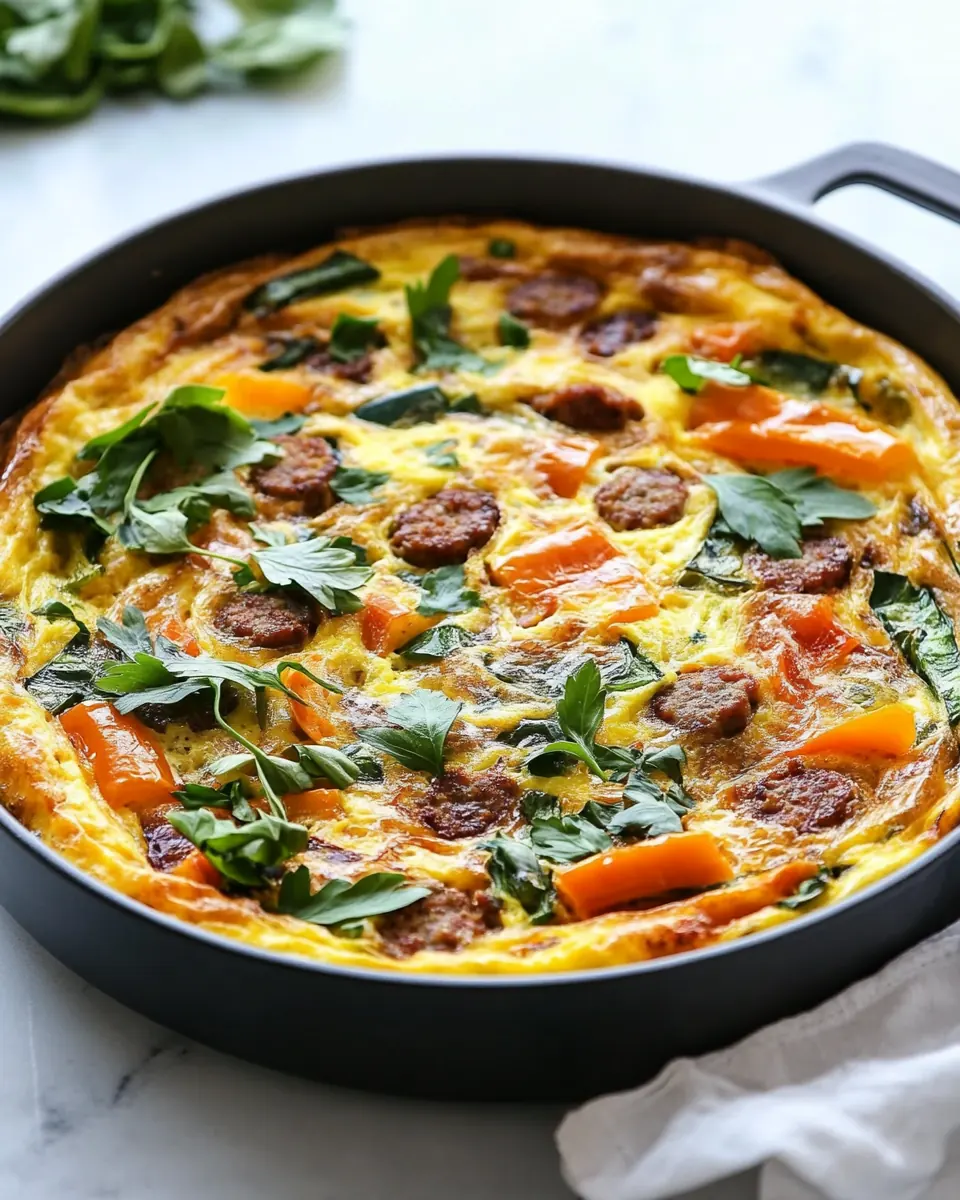
These ingredients are chosen to deliver a simple, cohesive flavor profile where texture and contrast matter. The eggs form a creamy base, while the browned sausage adds savory depth. The onion and peppers provide sweetness and brightness, and a little olive oil helps with caramelization and mouthfeel. Together they create a balanced, rustic dish that is both comforting and vibrant.
- 2 tablespoons olive oil divided: Heat and enrich the pan with a small amount of oil to prevent sticking and develop a light, glossy base for sautéing the sausage and vegetables; using divided oil allows finishing the dish with a touch of flavor at the end. Add it gradually to control browning and mouthfeel while keeping the frittata tender.
- 1/2 pound hot Italian chicken or turkey sausage casings removed: Crumble and brown the sausage to provide savory, spiced protein and depth of flavor; removing casings ensures even cooking and easier integration into the egg mixture. Cook until nicely caramelized so its rendered fat can help flavor the peppers and onions.
- 1 small sweet onion halved and thinly sliced: Slice thinly and sweat until soft and slightly caramelized to contribute a sweet, aromatic foundation that balances the heat of the sausage and peppers. Halving before slicing makes uniform strips that cook evenly and meld into the frittata texture.
- 1 orange pepper thinly sliced: Slice into thin strips to add a sweet, citrusy crunch and bright color contrast; cooking briefly preserves some bite while releasing natural sugars. Choose thin slicing to ensure quick, even cooking and a pleasing texture in each bite.
- 1 red pepper thinly sliced: Slice into thin strips to introduce a sweet, slightly tangy flavor and vibrant color that complements the orange pepper and sausage. Cooking along with the orange pepper creates a harmonious roasted-sweet profile in the finished frittata.
- 1 teaspoons ea salt divided: Season and enhance overall flavor, dividing the salt to properly season both the vegetables and the egg mixture for balanced taste; use measured amounts to avoid over-salting. Add half during cooking of vegetables and the remainder to the eggs for even distribution.
- 8 large eggs: Beat thoroughly to create the creamy, binding base that sets into the frittata; eggs provide structure, richness, and a tender custard when cooked gently. Whisk until homogeneous and season well before combining with the cooked fillings for cohesive texture.
- 2 teaspoons fresh oregano leaves: Chop or bruise lightly to release aromatic oils and scatter fresh herbal brightness through the frittata; oregano pairs with sausage to add Mediterranean herbal notes. Sprinkle toward the end of cooking or into the egg mixture to preserve its fresh flavor.
Making This Italian Sausage Frittata with Peppers
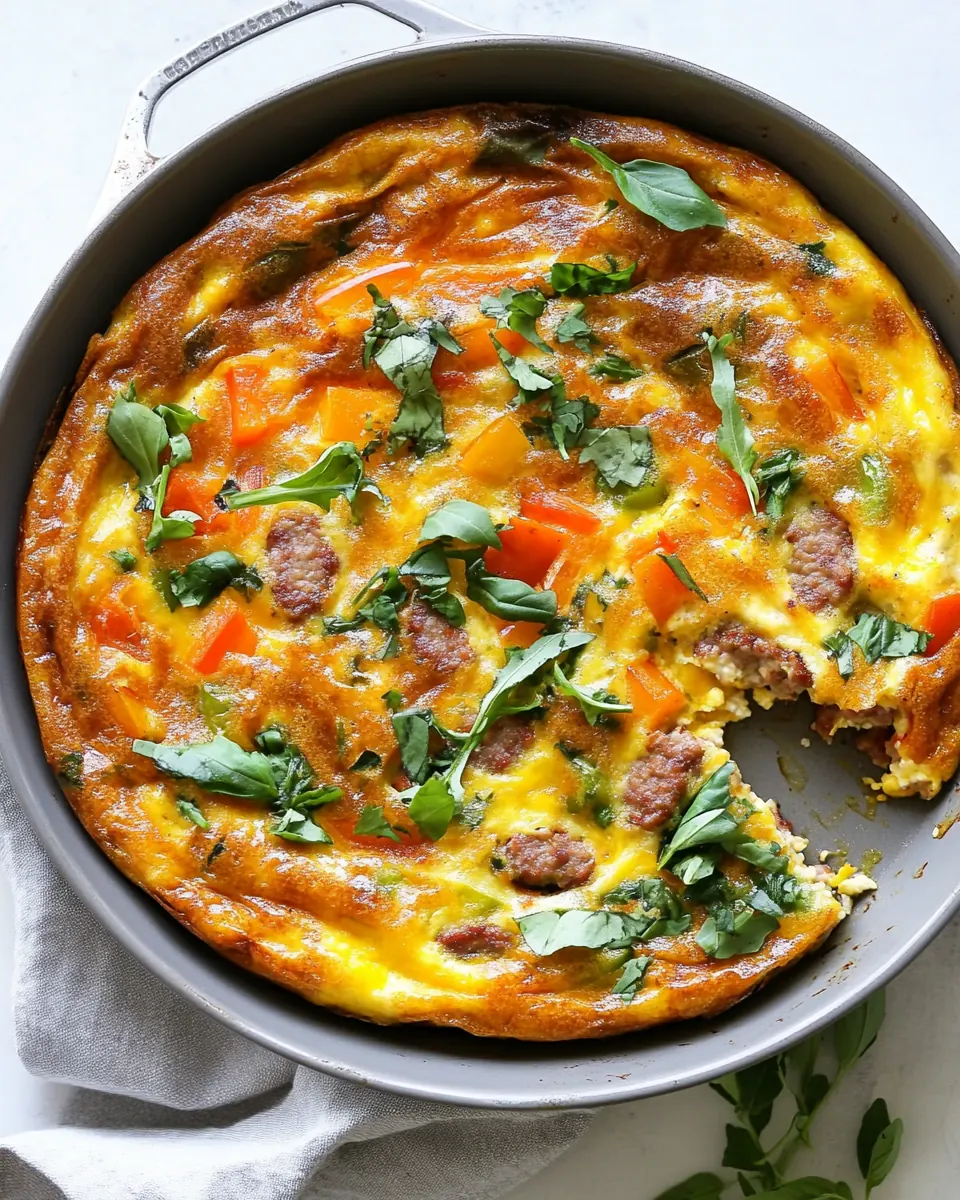
This frittata is approachable and rewarding. Follow the flow from browning the meat to softening the vegetables, then finishing under the broiler for a gently browned top. The directions below expand every step so you have clear sensory cues, reasons why each move matters, and a troubleshooting tip for each stage.
- Preheat the broiler.: You will notice a warmth building at the top of the oven and the element will glow when ready, which helps the frittata finish with a light golden color. This step ensures the top sets quickly without overcooking the base, giving you that slightly toasted finish. A common mistake is skipping this and leaving the top pale and unset, so always allow the broiler to heat fully before transferring the skillet.
- In a large (15-inch) oven-proof skillet, heat 1 tablespoon of the oil. Cook the sausage over high heat, breaking it apart with your spatula into 1-inch pieces (or smaller), until browned, about 5 minutes. Remove to a plate.: The oil should shimmer when it is hot but not smoke, which tells you it is at the right temperature for browning. When the oil heats, it sizzles as the meat hits the pan and aids in creating a deep crust on the sausage . If the oil smokes you likely overheated it, which can impart a bitter taste, so reduce the heat slightly and wipe the pan if necessary.
- Add the remaining oil to the skillet. Saute the onion and peppers over medium heat, scrapping up any brown bits from the bottom of the pan, until very soft and caramelized, about 10 minutes.: You will hear energetic sizzling and see pieces go from pale to caramelized brown, releasing savory juices. Browning concentrates the meat’s flavor and introduces Maillard notes that lift the whole dish. Avoid overcrowding the pan, because that can trap steam and prevent browning; if pieces are steaming rather than searing, remove some to a plate and continue in batches.
- Meanwhile, in a large mixing bowl, beat the eggs with 1/2 teaspoon salt until the yolk and whites are very well combined.: As you transfer the browned sausage , you will notice residual fond stuck to the pan, which is flavor gold. Removing the meat lets you use the same pan to soften vegetables without risking overcooking the sausage while caramelization proceeds. Do not discard the fond, since you will scrape it into the vegetables to build depth.
- Add the sausage back to the pan and stir to combine. Season the mixture with the remaining 1/2 teaspoon salt and arrange the veggies in an even layer. Reduce the heat to low and pour the eggs over the sausage and vegetables, making sure the pan is evenly coated with eggs. Cook until the sides are set and there’s just a shallow layer of uncooked eggs on the top, about 5 minutes.: The second portion of olive oil helps recoat the pan and carry flavors from the fond into the vegetables, creating a cohesive base. When the oil warms it will capture the aromatics and prevent sticking. If you forget this step, the vegetables may stick and tear, resulting in less even caramelization.
- Sprinkle the oregano over the top, if using, and transfer the pan to the broiler. Cook for 2 minutes, until the top is cooked and beginning to lightly brown. Remove from the oven and allow the frittata to sit in the pan for at least 5 minutes before slicing. Cut into wedges and serve warm alongside a simple salad as breakfast, lunch, or dinner.: You should see the vegetables soften, sweat, and then take on edges of deep golden color; they will smell sweet with a roasted note. Scraping the pan releases those browned bits so they mingle with the vegetables, boosting flavor. A common error is using too high heat, which will char the outsides before the centers soften, so stay patient and keep the heat moderate.
- Meanwhile, in a large mixing bowl, beat the eggs with 1/2 teaspoon salt until the yolk and whites are very well combined: The eggs should become uniform in color and slightly frothy, which helps the frittata set evenly and yields a smooth custard. Properly beaten eggs incorporate air that lightens texture, but overbeating can introduce too much air and create an eggy sponge; stop when the mixture is homogeneous.
- Add the sausage back to the pan and stir to combine: Reintroducing the browned sausage brings back savory juices and heat, allowing the flavors to mingle with the softened onion and peppers . Stirring helps distribute the meat so every bite has balance. Beware of returning cold meat that will lower pan temperature and extend cooking time; let the sausage warm through quickly before proceeding.
- Season the mixture with the remaining 1/2 teaspoon salt and arrange the veggies in an even layer: Proper seasoning at this stage ensures the vegetables and meat are flavored on their own, creating depth before the eggs come in. Even layering prevents lumps or pockets so the eggs can flow and set uniformly. A frequent oversight is uneven distribution, which leads to some areas being dense while others are sparse.
- Reduce the heat to low and pour the eggs over the sausage and vegetables, making sure the pan is evenly coated with eggs: As the eggs hit the hot pan you will hear gentle bubbling at the edges, and the sides will begin to set while the center remains softly jiggly. The low heat allows the eggs to cook slowly into a custardy texture, preventing rubberiness. Pour slowly and tilt the pan to let eggs fill gaps; rushing this can create uneven pockets and undercooked zones.
- Cook until the sides are set and there’s just a shallow layer of uncooked eggs on the top, about 5 minutes: Look for the edges to pull slightly from the pan and appear firm, while the center should still wobble a little when you gently shake the skillet, signaling readiness for broiling. This timing gives a creamy interior and stable exterior. Avoid waiting until the top is fully set on the stovetop, which can overcook the interior under the broiler.
- Sprinkle the oregano over the top, if using, and transfer the pan to the broiler: The broiler will act fast, creating a lightly browned surface and releasing the aroma of the fresh oregano . Watch closely because the top can go from golden to too dark in moments. A common mistake is leaving the oven door closed and not monitoring; broilers require attention to prevent burning.
- Cook for 2 minutes, until the top is cooked and beginning to lightly brown: You will notice a toasty fragrance and slight bubbling on the surface when it is done, with a pleasing light brown tint. This brief high heat finish gives texture contrast and a visual cue that the frittata is ready. Overbaking here will dry out the interior, so remove promptly when the top shows a gentle brown.
- Remove from the oven and allow the frittata to sit in the pan for at least 5 minutes before slicing: Resting helps the custard finish setting and makes slicing neater, as the interior firms slightly without losing creaminess. You will feel the residual heat continue to cook gently. Cutting too soon causes the eggs to slump and become ragged, so patience pays off.
- Cut into wedges and serve warm alongside a simple salad as breakfast, lunch, or dinner: Serve when the frittata is warm, not piping hot, so the texture is at its best and flavors are balanced. The contrast of a crisp salad against the soft frittata is delightful. Reheating from cold is possible but it will not have the same fresh texture as when first served.
Substitutions and Tips
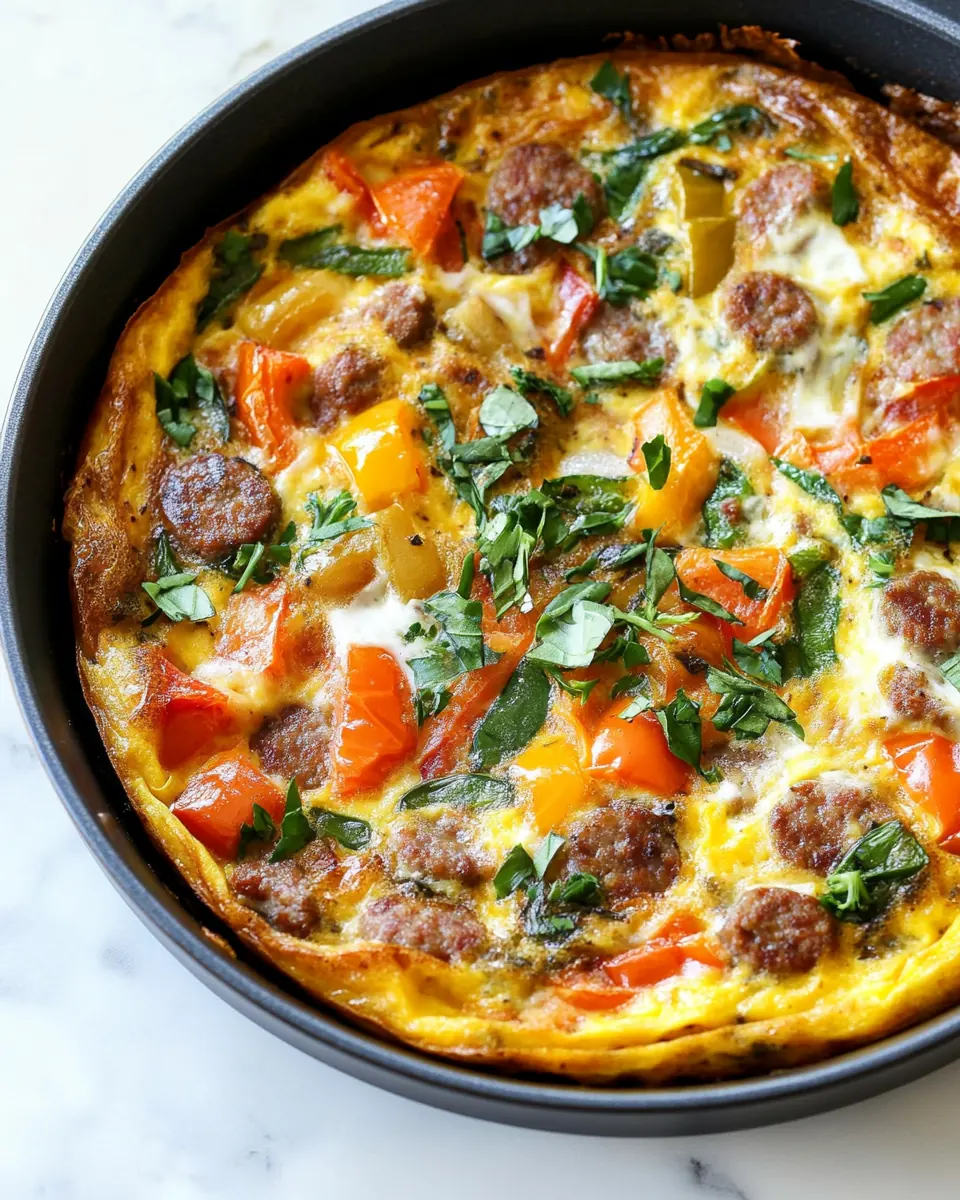
This section collects practical swaps and techniques that preserve the spirit of the dish while accommodating what you have on hand. Below are focused tips to help you adapt, store, and perfect the Italian Sausage Frittata with Peppers without compromising flavor or texture.
- Use mild sausage for less heat If you prefer less spice, choose a mild chicken or turkey sausage; the dish will retain savory richness while offering a gentler profile that appeals to more palates.
- Adjust pepper variety for color and sweetness Swap orange or red peppers with yellow or a mix for visual interest; the natural sugars in the peppers intensify with caramelization, so any sweet variety will work well.
- Cook in batches if your skillet is smaller If you do not have a 15 inch ovenproof skillet, brown the sausage in portions to ensure proper searing, then combine everything in the largest pan you have for the final cook.
- Keep herbs fresh for bright finish Sprinkle fresh oregano at the end rather than during stovetop cooking to preserve its aromatic, green quality and avoid bitterness from prolonged heat exposure.
- Serve warm for best texture The frittata tastes best slightly warm so the interior is tender and the top offers a gentle bite; reheated slices will be fine but will lose some of that freshly made creaminess.
- Prevent sticking by controlling heat Maintain medium to medium low heat while cooking the vegetables and eggs, this avoids scorching and ensures even cooking and a smoother texture.
What Complements This Italian Sausage Frittata with Peppers
This frittata pairs beautifully with simple sides and is flexible across meals and occasions. Whether you are plating it for a relaxed weekend brunch or a quick weeknight supper, these serving ideas will help you present it with confidence. Consider seasonal produce and straightforward salads to keep the focus on the frittata.
- Light green salad A crisp salad with a lemon vinaigrette provides acidity that cuts through the richness, making the meal feel balanced and bright.
- Crusty bread Warm, crusty bread or a baguette is ideal for soaking up any juices, and makes the meal more rustic and hearty without complicating flavors.
- Simple roasted potatoes Tender roasted potatoes seasoned lightly with salt and pepper create a satisfying accompaniment for a heartier breakfast or dinner.
- Casual brunch spread Include seasonal fruit, a selection of cheeses, and olives for a relaxed brunch where guests can graze and mix flavors.
- Meal occasions Serve as a versatile option for breakfast, lunch, or dinner; it is also suitable for potlucks and small gatherings where you want something that travels well and slices neatly.
- Storage tips Refrigerate leftovers in an airtight container for up to four days and reheat gently in a low oven to maintain texture; avoid microwaving at high power which can make the eggs rubbery.
- Seasonal pairings In spring and summer pair with light, herb forward salads; in cooler months pair with roasted root vegetables to lean into comfort flavors.
FAQ
Conclusion
This Italian Sausage Frittata with Peppers stands out because it balances quick technique with big, layered flavor, making it an ideal pick for any meal of the day. Give it a try when you want something satisfying, adaptable, and straightforward to prepare. You will enjoy the contrast of silky eggs, caramelized vegetables, and browned sausage, and it will likely become a repeat favorite in your rotation. Make it for a cozy breakfast, a casual dinner, or a brunch with friends, and savor how easy it is to deliver delicious results.
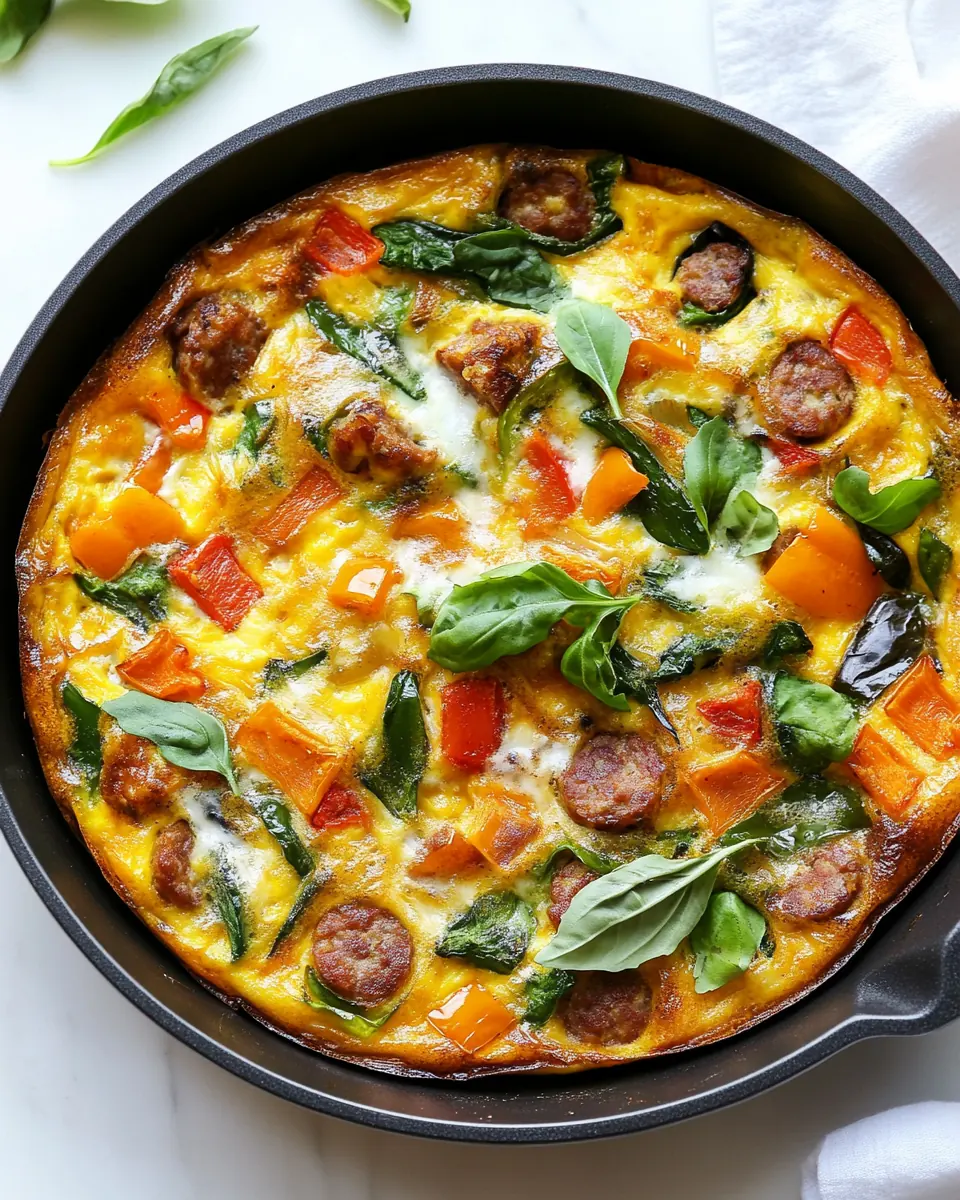
Italian Sausage Frittata with Peppers
Ingredients
Equipment
Method
- Preheat the broiler.: You will notice a warmth building at the top of the oven and the element will glow when ready, which helps the frittata finish with a light golden color. This step ensures the top sets quickly without overcooking the base, giving you that slightly toasted finish. A common mistake is skipping this and leaving the top pale and unset, so always allow the broiler to heat fully before transferring the skillet.
- In a large (15-inch) oven-proof skillet, heat 1 tablespoon of the oil. Cook the sausage over high heat, breaking it apart with your spatula into 1-inch pieces (or smaller), until browned, about 5 minutes. Remove to a plate.: The oil should shimmer when it is hot but not smoke, which tells you it is at the right temperature for browning. When the oil heats, it sizzles as the meat hits the pan and aids in creating a deep crust on the sausage . If the oil smokes you likely overheated it, which can impart a bitter taste, so reduce the heat slightly and wipe the pan if necessary.
- Add the remaining oil to the skillet. Saute the onion and peppers over medium heat, scrapping up any brown bits from the bottom of the pan, until very soft and caramelized, about 10 minutes.: You will hear energetic sizzling and see pieces go from pale to caramelized brown, releasing savory juices. Browning concentrates the meat’s flavor and introduces Maillard notes that lift the whole dish. Avoid overcrowding the pan, because that can trap steam and prevent browning; if pieces are steaming rather than searing, remove some to a plate and continue in batches.
- Meanwhile, in a large mixing bowl, beat the eggs with 1/2 teaspoon salt until the yolk and whites are very well combined.: As you transfer the browned sausage , you will notice residual fond stuck to the pan, which is flavor gold. Removing the meat lets you use the same pan to soften vegetables without risking overcooking the sausage while caramelization proceeds. Do not discard the fond, since you will scrape it into the vegetables to build depth.
- Add the sausage back to the pan and stir to combine. Season the mixture with the remaining 1/2 teaspoon salt and arrange the veggies in an even layer. Reduce the heat to low and pour the eggs over the sausage and vegetables, making sure the pan is evenly coated with eggs. Cook until the sides are set and there’s just a shallow layer of uncooked eggs on the top, about 5 minutes.: The second portion of olive oil helps recoat the pan and carry flavors from the fond into the vegetables, creating a cohesive base. When the oil warms it will capture the aromatics and prevent sticking. If you forget this step, the vegetables may stick and tear, resulting in less even caramelization.
- Sprinkle the oregano over the top, if using, and transfer the pan to the broiler. Cook for 2 minutes, until the top is cooked and beginning to lightly brown. Remove from the oven and allow the frittata to sit in the pan for at least 5 minutes before slicing. Cut into wedges and serve warm alongside a simple salad as breakfast, lunch, or dinner.: You should see the vegetables soften, sweat, and then take on edges of deep golden color; they will smell sweet with a roasted note. Scraping the pan releases those browned bits so they mingle with the vegetables, boosting flavor. A common error is using too high heat, which will char the outsides before the centers soften, so stay patient and keep the heat moderate.
- Meanwhile, in a large mixing bowl, beat the eggs with 1/2 teaspoon salt until the yolk and whites are very well combined: The eggs should become uniform in color and slightly frothy, which helps the frittata set evenly and yields a smooth custard. Properly beaten eggs incorporate air that lightens texture, but overbeating can introduce too much air and create an eggy sponge; stop when the mixture is homogeneous.
- Add the sausage back to the pan and stir to combine: Reintroducing the browned sausage brings back savory juices and heat, allowing the flavors to mingle with the softened onion and peppers . Stirring helps distribute the meat so every bite has balance. Beware of returning cold meat that will lower pan temperature and extend cooking time; let the sausage warm through quickly before proceeding.
- Season the mixture with the remaining 1/2 teaspoon salt and arrange the veggies in an even layer: Proper seasoning at this stage ensures the vegetables and meat are flavored on their own, creating depth before the eggs come in. Even layering prevents lumps or pockets so the eggs can flow and set uniformly. A frequent oversight is uneven distribution, which leads to some areas being dense while others are sparse.
- Reduce the heat to low and pour the eggs over the sausage and vegetables, making sure the pan is evenly coated with eggs: As the eggs hit the hot pan you will hear gentle bubbling at the edges, and the sides will begin to set while the center remains softly jiggly. The low heat allows the eggs to cook slowly into a custardy texture, preventing rubberiness. Pour slowly and tilt the pan to let eggs fill gaps; rushing this can create uneven pockets and undercooked zones.
- Cook until the sides are set and there’s just a shallow layer of uncooked eggs on the top, about 5 minutes: Look for the edges to pull slightly from the pan and appear firm, while the center should still wobble a little when you gently shake the skillet, signaling readiness for broiling. This timing gives a creamy interior and stable exterior. Avoid waiting until the top is fully set on the stovetop, which can overcook the interior under the broiler.
- Sprinkle the oregano over the top, if using, and transfer the pan to the broiler: The broiler will act fast, creating a lightly browned surface and releasing the aroma of the fresh oregano . Watch closely because the top can go from golden to too dark in moments. A common mistake is leaving the oven door closed and not monitoring; broilers require attention to prevent burning.
- Cook for 2 minutes, until the top is cooked and beginning to lightly brown: You will notice a toasty fragrance and slight bubbling on the surface when it is done, with a pleasing light brown tint. This brief high heat finish gives texture contrast and a visual cue that the frittata is ready. Overbaking here will dry out the interior, so remove promptly when the top shows a gentle brown.
- Remove from the oven and allow the frittata to sit in the pan for at least 5 minutes before slicing: Resting helps the custard finish setting and makes slicing neater, as the interior firms slightly without losing creaminess. You will feel the residual heat continue to cook gently. Cutting too soon causes the eggs to slump and become ragged, so patience pays off.
- Cut into wedges and serve warm alongside a simple salad as breakfast, lunch, or dinner: Serve when the frittata is warm, not piping hot, so the texture is at its best and flavors are balanced. The contrast of a crisp salad against the soft frittata is delightful. Reheating from cold is possible but it will not have the same fresh texture as when first served.
Notes
- Use mild sausage for less heat If you prefer less spice, choose a mild chicken or turkey sausage; the dish will retain savory richness while offering a gentler profile that appeals to more palates.
- Adjust pepper variety for color and sweetness Swap orange or red peppers with yellow or a mix for visual interest; the natural sugars in the peppers intensify with caramelization, so any sweet variety will work well.
- Cook in batches if your skillet is smaller If you do not have a 15 inch ovenproof skillet, brown the sausage in portions to ensure proper searing, then combine everything in the largest pan you have for the final cook.
- Keep herbs fresh for bright finish Sprinkle fresh oregano at the end rather than during stovetop cooking to preserve its aromatic, green quality and avoid bitterness from prolonged heat exposure.
- Serve warm for best texture The frittata tastes best slightly warm so the interior is tender and the top offers a gentle bite; reheated slices will be fine but will lose some of that freshly made creaminess.
- Prevent sticking by controlling heat Maintain medium to medium low heat while cooking the vegetables and eggs, this avoids scorching and ensures even cooking and a smoother texture.