Mini Caramel Rolls
Mini Caramel Rolls began as a cozy weekend fix that I first made when a rainy afternoon and an open tube of refrigerated dough collided in my kitchen. I remember the short list of pantry items and how that warm, buttery caramel filled the kitchen with a nostalgic scent that sent me straight back to a bakery I loved as a kid. The first bite was all glossy caramel, soft pastry, and a whisper of cinnamon, and I was hooked.
Over time I turned this into a reliable small-batch treat I bring to potlucks and late morning brunches. The beauty of Mini Caramel Rolls is how simple ingredients become showstoppers when they work together, and how quickly you can have something that feels celebratory. I love that they fit perfectly into a 9 inch pie plate, baking into little, gooey spirals you can share, but I also appreciate making them just for myself on a slow Sunday.
Recipe Snapshot
28 mins
10 mins
18 mins
Easy
180 kcal
American
Gluten-Free, Low FODMAP
Desserts
Small saucepan, 9 inch pie plate, Mixing bowl, Sharp knife
The Charm of This Mini Caramel Rolls
1. Speedy satisfaction
I value recipes that deliver on flavor without a long commitment. With Mini Caramel Rolls you get rich caramel and soft pastry in under an hour, so they are perfect when I need a quick baking win. The short list of pantry items means fewer decisions and more time enjoying the final result.
2. Crowd friendly but small batch adaptable
I often halve or double this recipe depending on the occasion. The format of individual rolls makes portioning effortless, and everyone can grab a sticky spiral without utensils. For gatherings, they scale cleanly, and for a cozy morning, I keep them compact and intimate.
3. Textural contrast that sings
The combination of the buttery caramel base and the pillowy crescent rolls gives a satisfying contrast. When baked properly the bottoms are glossy and caramelized while the tops become golden and tender, creating a dynamic bite that keeps people coming back for more.
4. Minimal equipment, maximum effect
There is no heavy lifting here, just a small saucepan and a pie plate. I love recipes that let technique shine without specialized tools. Even novice bakers can get professional results by focusing on a few simple steps, and that reliability makes this one of my favorites to recommend.
5. Comfort with a little flair
This recipe is familiar and comforting, yet it feels a bit special because of the caramel flip at the end. Flipping the pie plate to reveal the glossy underside is a tiny moment of theater, and I always enjoy watching people react to that oozy reveal. It turns something humble into a memorable bite.
What You Need for Mini Caramel Rolls
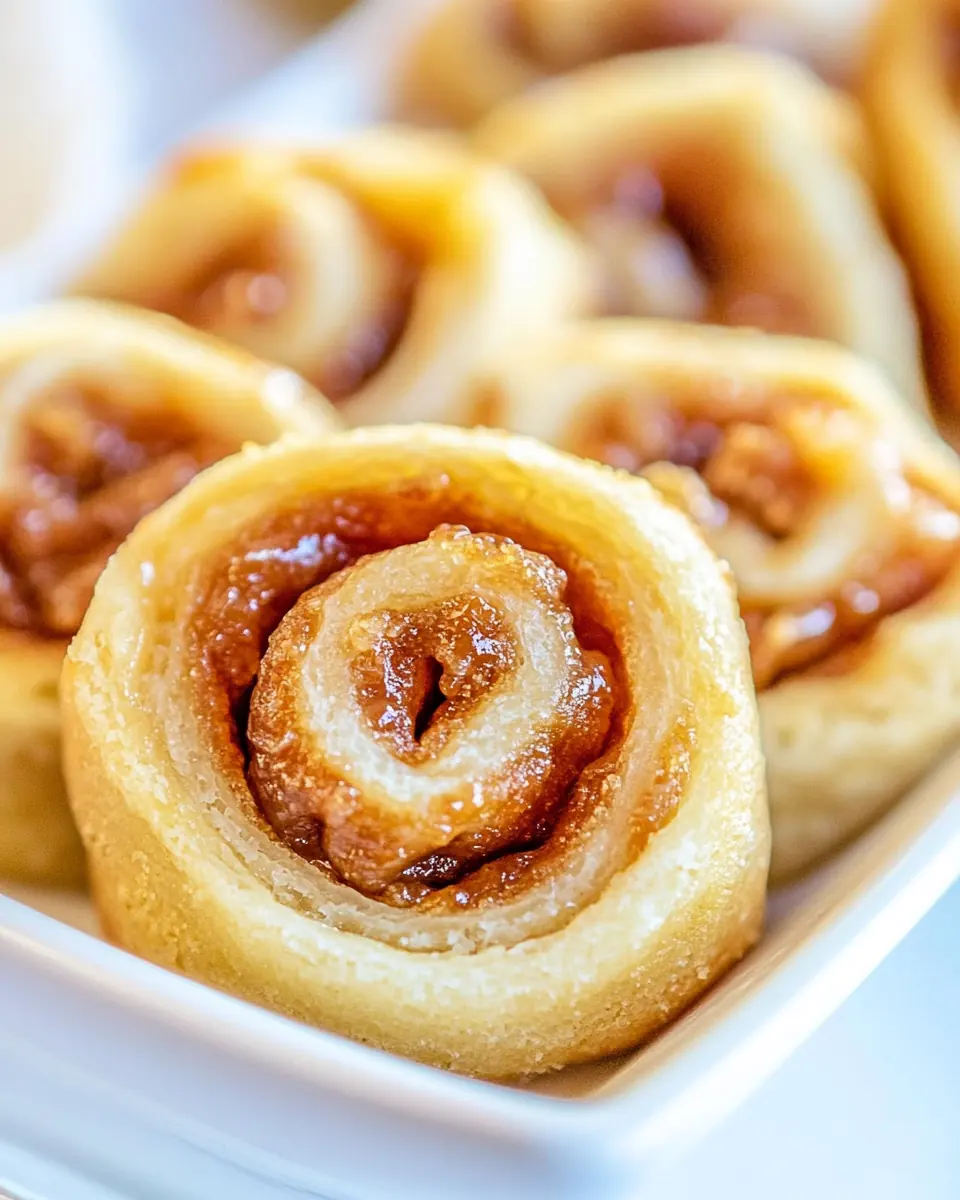
I approach these ingredients like a small ensemble cast, each player supporting the others. The caramel trio forms the foundation, the crescent rolls provide structure and loft, and the cinnamon sugar adds a bright finishing note. Together they create a balance of buttery caramel, soft pastry, and warm spice that feels both nostalgic and effortless.
- 1/3 c brown sugar packed: Provide deep molasses-like sweetness and moistness while forming the caramel base; dissolve when heated to create a sticky glaze that coats the rolls. Packed brown sugar adds richer flavor than white sugar and helps achieve a chewy, slightly toffee-like texture in the topping.
- 1/3 c butter cubed: Contribute creamy richness and help bind the caramel mixture while melting smoothly into the sugar. Cubed butter should be melted gently to combine with other topping ingredients and deliver a tender mouthfeel to the finished rolls.
- 2 tbsp light corn syrup: Help prevent crystallization and keep the caramel glossy and pliable by stabilizing the sugar syrup. Light corn syrup also adds subtle sweetness and improves the smooth pourable consistency for coating the pan or dough.
- 1 1/2 tsp milk: Loosen the caramel mixture slightly and add silkiness while balancing sweetness; milk contributes a hint of dairy flavor and reduces thickness for easier spreading. Use measured milk to adjust the caramel's consistency without thinning it excessively.
- 8 oz tube refrigerated crescent rolls: Provide the pre-made dough structure and layered flakiness that, when rolled and baked, form the mini roll spirals; refrigerated crescent roll dough saves time compared to scratch yeast dough. Unroll and shape according to recipe instructions to ensure even baking and soft interior with golden exterior.
- 2 tsp sugar: Add a touch of granular sweetness to the dough surface or filling, enhancing contrast and accentuating flavors without overpowering. Sprinkle measured sugar to promote slight caramelization on exposed edges and improve overall sweetness balance.
- 1/2 tsp ground cinnamon: Impart warm, aromatic spice and subtle heat that complements the caramel and sugar, creating classic cinnamon roll flavor. Ground cinnamon blends easily into sugar toppings or fillings and releases fragrance when baked, rounding out the taste profile.
Cooking Method for Mini Caramel Rolls
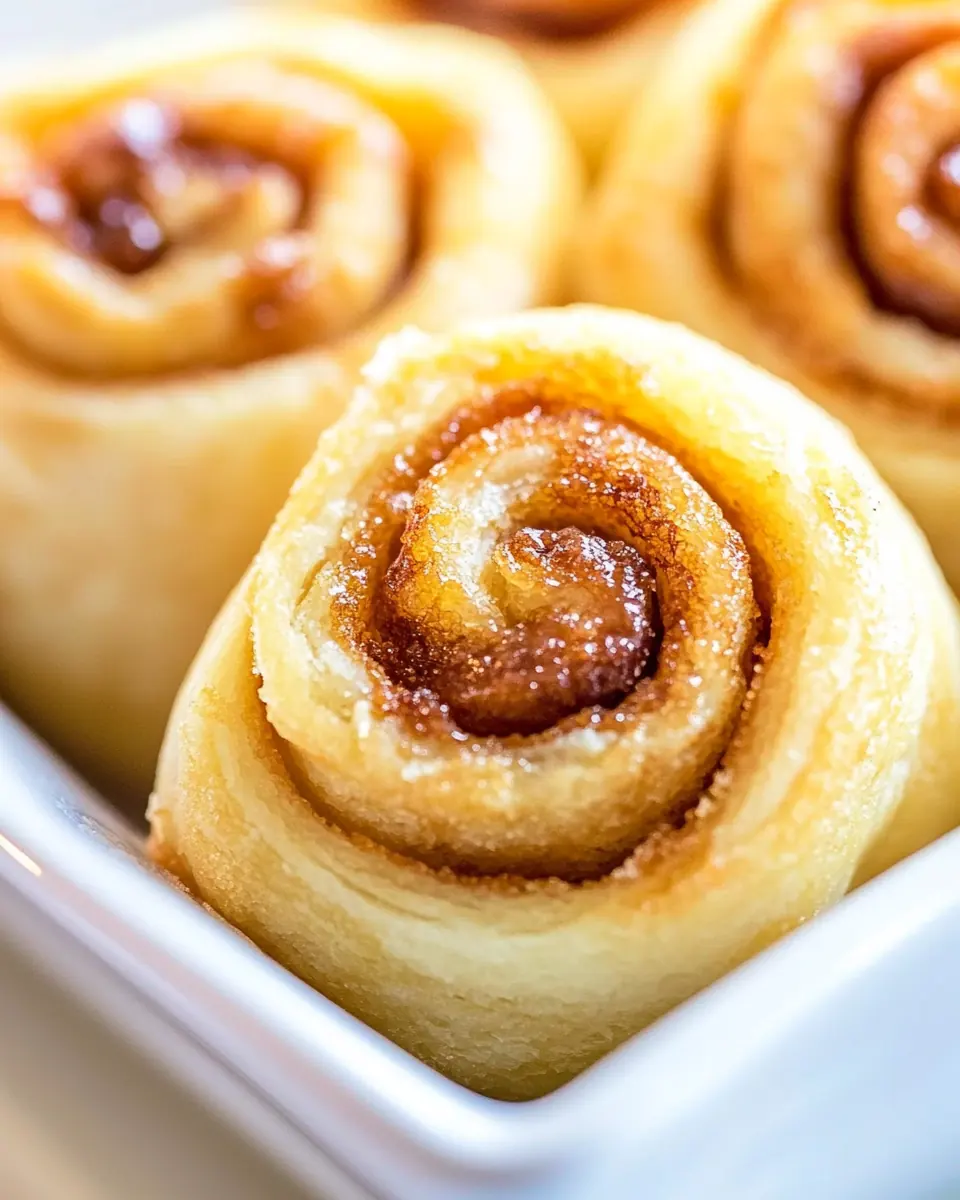
I like to think of the method as choreography, every small move shaping the final bite. The steps below follow the original directions but I expand on how it should feel and look at each stage so you can bake with confidence and joy.
- Combine brown sugar, butter, corn syrup and milk in a small saucepan. Cook and stir over medium heat until dissolved. Pour into a greased 9 in pie plate. Set aside.: When these ingredients first hit the pan you'll hear a quiet soft bubbling as the butter melts into the brown sugar, releasing a warm molasses aroma. Stir gently with a heatproof spatula so the sugar dissolves into the butter rather than settling on the pan edges. This gentle simmer encourages the corn syrup to integrate smoothly, preventing graininess. Watch for the mixture to become uniform and glossy, and avoid letting it boil vigorously because that can darken the sugars too quickly and lead to a bitter note. A common mistake is rushing to high heat, which will scorch the sugar and ruin the caramel's flavor.
- Separate crescent dough into four rectangles; press perforations to seal. Combine sugar and cinnamon in small bowl. Sprinkle evenly over rectangles. Roll up jelly-roll style, starting with a long side; pinch the seams together.: As you maintain medium heat, notice the texture change from granular to silky, and the scent will shift from sweet to a deeper toasted sweetness, signaling readiness. Stir consistently so no pockets of sugar remain, scraping the bottom to prevent hotspots. The skillet will be warm to the touch through the handle, so use a potholder when moving it. If you let it sit unmoving, the sugar can stick and burn, so active stirring is the key to smoothness.
- Cut each into 9 slices; place cut side down in prepared pie plate.: When you pour the caramel it should flow like liquid gold, evenly coating the bottom of the plate with a glossy sheen. Tilt the plate slightly to help the caramel reach the edges, creating a uniform layer that will become the sticky base for the rolls. Greasing the plate first prevents sticking and helps the caramel release when inverted. If the caramel is too hot it may bubble aggressively, so allow a moment to calm before pouring to avoid splatters.
- Bake at 375 degrees for 15-18 minutes or until golden brown. Cool in a pie plate for 1 minute before inverting onto serving plate.: Let the caramel rest while you prepare the dough so it thickens a little, which helps it hold the rolls in place during baking. The residual warmth will keep it pourable but slightly tacky. Resist the urge to chill it, because a cold caramel base will prevent the rolls from nestling into the sauce correctly. A typical oversight here is moving too fast and adding the rolls while the caramel is excessively runny, which can cause them to slide in the pan.
- Separate crescent dough into four rectangles; press perforations to seal: As you open the tube, the dough will feel soft and slightly tacky, ready to be shaped. Press along the perforations firmly so the seams do not open while rolling, ensuring even layers and a tidy spiral. Work on a lightly floured surface if the dough wants to stick, but avoid adding too much flour or you will dry the dough out. Not sealing the perforations well will let butter and fillings seep out, creating uneven rolls.
- Combine sugar and cinnamon in small bowl: Whisk these together until uniform, and smell the bright, spicy note of cinnamon that should lift the sugar's sweetness. This simple mixture distributes easily and gives consistent flavor to every roll. If you skip thorough mixing, pockets of plain sugar or concentrated cinnamon will create inconsistent bites, so make sure it is homogeneous.
- Sprinkle evenly over rectangles: Scatter the cinnamon sugar so it reaches all corners, and gently pat it into the dough with your fingers or the back of a spoon so it adheres without compressing the layers. Even coverage ensures every spiral has both sweetness and spice. Avoid overloading one section, which would create a dense, overly sweet patch that bakes differently from the rest.
- Roll up jelly-roll style, starting with a long side; pinch the seams together: As you roll, keep gentle, consistent pressure so the layers form tight spirals. The act of rolling frames the cinnamon sugar into rings that melt into ribbons of flavor while baking. Pinch the final seam firmly to keep the roll intact, and if any sugar spills out, gently tuck it back in. Loose rolling will cause the spirals to collapse, and a poorly sealed seam may unfurl during baking.
- Cut each into 9 slices; place cut side down in prepared pie plate: The sound as you slice is clean and slightly yielding, and arranging them cut side down lets the caramel bubble up between and around each roll, coating the bottoms. Space them evenly so they bake uniformly and press slightly into the caramel to nestle. If slices are uneven in thickness, the smaller pieces will brown faster, so aim for consistent cuts for even baking results.
- Bake at 375 degrees for 15-18 minutes or until golden brown: The oven will produce a warm, bakery like aroma as the caramel melts and the dough browns. Look for the tops to reach a golden brown and the edges to pull slightly from the pan, that indicates readiness. The caramel may bubble at the edges, creating a beautiful glossy finish. Overbaking will dry the dough and harden the caramel, so check at the lower end of the range and adjust for your oven's temperament.
- Cool in a pie plate for 1 minute before inverting onto serving plate: That brief rest lets the caramel settle just enough so it does not run away entirely, while still warm enough to coat the rolls when flipped. Inverting is a satisfying moment, revealing glossy caramel and neat spirals. If you wait too long the caramel can set firmly, making the release harder, so time this step carefully. Flipping too quickly while extremely hot may cause the caramel to splatter, so a one minute rest is a reliable balance.
Tips and Variations
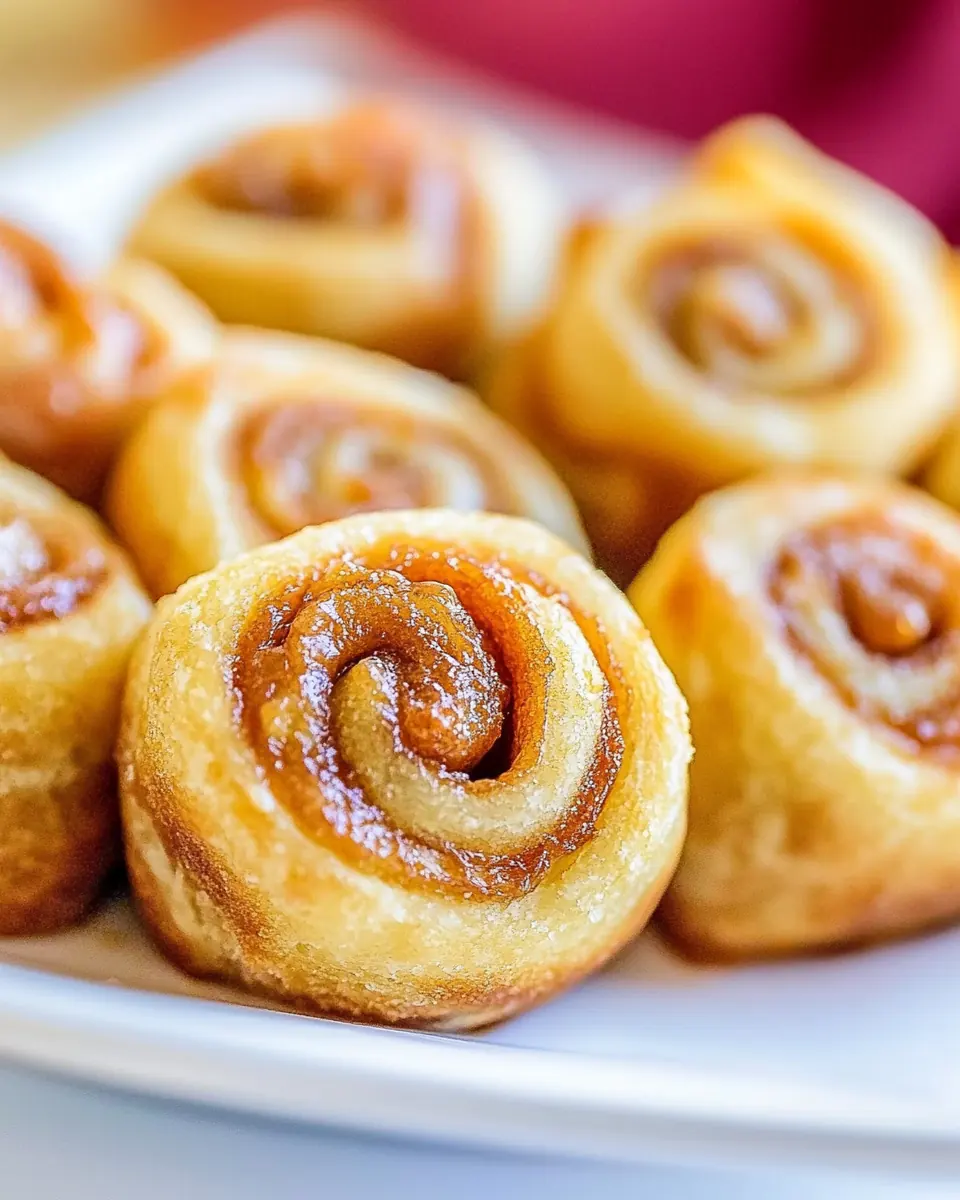
These tips will help you take Mini Caramel Rolls from good to unforgettable. I include small adaptations and troubleshooting points that I use whenever I bake them.
- Caramel consistency Make sure the caramel is glossy and smooth before pouring, a quick stir and medium heat will prevent grainy texture and ensure an even coating under the rolls.
- Seal the dough Firmly press the perforations and final seam so the rolls keep their spiral shape and do not leak filling while baking, which keeps the pan tidy and the rolls even.
- Even slicing Use a sharp knife or unwaxed floss to slice the roll into equal pieces, this prevents crushing the layers and yields uniform spirals that bake the same amount.
- Monitor baking Start checking at the lower end of the baking range and look for a golden top and aromatic caramel scent, this avoids overbaking and maintains tender centers.
- Serving warm Invert and serve still slightly warm so the caramel is gooey, but wait the recommended minute to let it settle, making the presentation clean and satisfying.
What Complements This Mini Caramel Rolls
I like to pair these rolls with beverages or light accompaniments that balance their sweet, buttery character. For gatherings, think about contrasting textures and mellow flavors so the rolls remain the star.
- Morning pairing Serve with a simple brewed coffee or a mild tea to cut through the sweetness, making the rolls feel like a special brunch treat.
- Casual gathering Present on a platter alongside fresh fruit for a bright counterpoint, the fruit’s acidity offsets the rich caramel nicely.
- Storage tips Keep leftovers in an airtight container at room temperature for a day, or refrigerate for up to two days; rewarm briefly to restore gooeyness.
- Occasions These fit well for brunches, holiday breakfasts, or a cozy weekend dessert when you want something impressive with minimal effort.
- Seasonal pairings In fall, pair with spiced apple slices or pear to echo the warm cinnamon notes in the rolls.
- Presentation Flip onto a serving plate to reveal the glossy caramel top, and serve on a warm platter to keep them soft and inviting.
FAQ
Conclusion
Mini Caramel Rolls are special because they transform a handful of pantry staples into warm, glossy spirals that feel indulgent yet are incredibly simple to make. They are a small batch delight that works for casual mornings, cozy gatherings, or when you want a quick treat with a dramatic presentation. Give them a try the next time you find a tube of refrigerated dough, and enjoy the little theatrical moment when you flip the pie plate to reveal sticky, golden caramel and perfectly formed spirals.
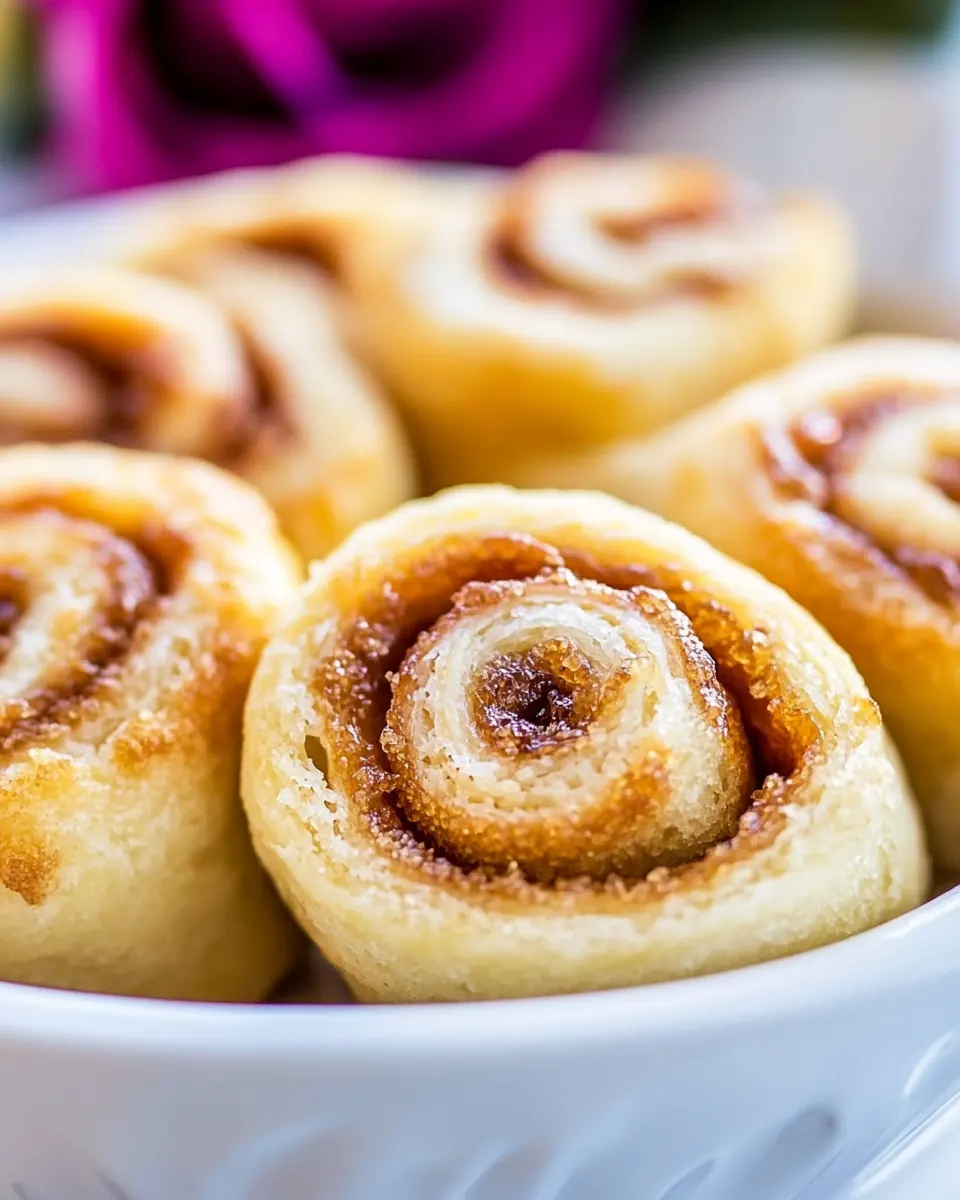
Mini Caramel Rolls
Ingredients
Equipment
Method
- Combine brown sugar, butter, corn syrup and milk in a small saucepan. Cook and stir over medium heat until dissolved. Pour into a greased 9 in pie plate. Set aside.: When these ingredients first hit the pan you'll hear a quiet soft bubbling as the butter melts into the brown sugar, releasing a warm molasses aroma. Stir gently with a heatproof spatula so the sugar dissolves into the butter rather than settling on the pan edges. This gentle simmer encourages the corn syrup to integrate smoothly, preventing graininess. Watch for the mixture to become uniform and glossy, and avoid letting it boil vigorously because that can darken the sugars too quickly and lead to a bitter note. A common mistake is rushing to high heat, which will scorch the sugar and ruin the caramel's flavor.
- Separate crescent dough into four rectangles; press perforations to seal. Combine sugar and cinnamon in small bowl. Sprinkle evenly over rectangles. Roll up jelly-roll style, starting with a long side; pinch the seams together.: As you maintain medium heat, notice the texture change from granular to silky, and the scent will shift from sweet to a deeper toasted sweetness, signaling readiness. Stir consistently so no pockets of sugar remain, scraping the bottom to prevent hotspots. The skillet will be warm to the touch through the handle, so use a potholder when moving it. If you let it sit unmoving, the sugar can stick and burn, so active stirring is the key to smoothness.
- Cut each into 9 slices; place cut side down in prepared pie plate.: When you pour the caramel it should flow like liquid gold, evenly coating the bottom of the plate with a glossy sheen. Tilt the plate slightly to help the caramel reach the edges, creating a uniform layer that will become the sticky base for the rolls. Greasing the plate first prevents sticking and helps the caramel release when inverted. If the caramel is too hot it may bubble aggressively, so allow a moment to calm before pouring to avoid splatters.
- Bake at 375 degrees for 15-18 minutes or until golden brown. Cool in a pie plate for 1 minute before inverting onto serving plate.: Let the caramel rest while you prepare the dough so it thickens a little, which helps it hold the rolls in place during baking. The residual warmth will keep it pourable but slightly tacky. Resist the urge to chill it, because a cold caramel base will prevent the rolls from nestling into the sauce correctly. A typical oversight here is moving too fast and adding the rolls while the caramel is excessively runny, which can cause them to slide in the pan.
- Separate crescent dough into four rectangles; press perforations to seal: As you open the tube, the dough will feel soft and slightly tacky, ready to be shaped. Press along the perforations firmly so the seams do not open while rolling, ensuring even layers and a tidy spiral. Work on a lightly floured surface if the dough wants to stick, but avoid adding too much flour or you will dry the dough out. Not sealing the perforations well will let butter and fillings seep out, creating uneven rolls.
- Combine sugar and cinnamon in small bowl: Whisk these together until uniform, and smell the bright, spicy note of cinnamon that should lift the sugar's sweetness. This simple mixture distributes easily and gives consistent flavor to every roll. If you skip thorough mixing, pockets of plain sugar or concentrated cinnamon will create inconsistent bites, so make sure it is homogeneous.
- Sprinkle evenly over rectangles: Scatter the cinnamon sugar so it reaches all corners, and gently pat it into the dough with your fingers or the back of a spoon so it adheres without compressing the layers. Even coverage ensures every spiral has both sweetness and spice. Avoid overloading one section, which would create a dense, overly sweet patch that bakes differently from the rest.
- Roll up jelly-roll style, starting with a long side; pinch the seams together: As you roll, keep gentle, consistent pressure so the layers form tight spirals. The act of rolling frames the cinnamon sugar into rings that melt into ribbons of flavor while baking. Pinch the final seam firmly to keep the roll intact, and if any sugar spills out, gently tuck it back in. Loose rolling will cause the spirals to collapse, and a poorly sealed seam may unfurl during baking.
- Cut each into 9 slices; place cut side down in prepared pie plate: The sound as you slice is clean and slightly yielding, and arranging them cut side down lets the caramel bubble up between and around each roll, coating the bottoms. Space them evenly so they bake uniformly and press slightly into the caramel to nestle. If slices are uneven in thickness, the smaller pieces will brown faster, so aim for consistent cuts for even baking results.
- Bake at 375 degrees for 15-18 minutes or until golden brown: The oven will produce a warm, bakery like aroma as the caramel melts and the dough browns. Look for the tops to reach a golden brown and the edges to pull slightly from the pan, that indicates readiness. The caramel may bubble at the edges, creating a beautiful glossy finish. Overbaking will dry the dough and harden the caramel, so check at the lower end of the range and adjust for your oven's temperament.
- Cool in a pie plate for 1 minute before inverting onto serving plate: That brief rest lets the caramel settle just enough so it does not run away entirely, while still warm enough to coat the rolls when flipped. Inverting is a satisfying moment, revealing glossy caramel and neat spirals. If you wait too long the caramel can set firmly, making the release harder, so time this step carefully. Flipping too quickly while extremely hot may cause the caramel to splatter, so a one minute rest is a reliable balance.
Notes
- Caramel consistency Make sure the caramel is glossy and smooth before pouring, a quick stir and medium heat will prevent grainy texture and ensure an even coating under the rolls.
- Seal the dough Firmly press the perforations and final seam so the rolls keep their spiral shape and do not leak filling while baking, which keeps the pan tidy and the rolls even.
- Even slicing Use a sharp knife or unwaxed floss to slice the roll into equal pieces, this prevents crushing the layers and yields uniform spirals that bake the same amount.
- Monitor baking Start checking at the lower end of the baking range and look for a golden top and aromatic caramel scent, this avoids overbaking and maintains tender centers.
- Serving warm Invert and serve still slightly warm so the caramel is gooey, but wait the recommended minute to let it settle, making the presentation clean and satisfying.