The Best Lemon Bread Recipe
The Best Lemon Bread Recipe is the loaf I reach for when I want something bright, tender, and quietly celebratory. The first time I baked this, I carried the warm pan to my tiny balcony and watched the steam curl up into cool spring air, and that memory of citrus and butter still pulls me back to this recipe every season.
I’ve tinkered with this lemon loaf over years, swapping tiny details until it felt right. Some weekends I make it for neighbors, other times I bake a single loaf to slice with tea. Because the flavor here is simple, each ingredient has to earn its place, and I love how the aroma of fresh lemon zest fills the kitchen while the crumb stays soft and just a little crumbly.
What keeps me coming back to The Best Lemon Bread Recipe is its balance. The crumb is tender from the buttermilk and butter, the sweetness is clean from the granulated sugar, and the lemon zest and juice cut through in the most satisfying way. When I serve a slice, people often ask for the recipe, and I tell them it is deceptively simple, a reliable loaf that makes mornings feel special.
Recipe Snapshot
1 hr 10 mins
10 mins
60 mins
Medium
250 kcal
American
Gluten-Free, Low FODMAP
Desserts
Loaf Pan
Why This The Best Lemon Bread Recipe Hits Different
Bright, uncomplicated flavor
I always say the simplest recipes are the hardest to perfect, and this loaf proves it. By focusing on fresh lemon zest and a touch of lemon juice, the cake sings without being sharp. I notice how the citrus oils released from the zest give the crumb an immediate lively note, while the juice in the glaze deepens that flavor so each bite is layered and never flat.
Trustworthy texture every time
One thing I love is the way the buttermilk and butter team up to make a tender, moist crumb. I can count on a slice that holds together yet melts on the tongue. The mixing method is forgiving, so even when life gets busy, the bread still comes out with a pleasant, even crumb.
Easy to make with pantry staples
Most of the ingredients are ones I always have on hand: all purpose flour, granulated sugar, and eggs. That makes this loaf ideal for last minute baking. I appreciate a recipe that looks special but does not demand specialty items or complicated steps.
Flexible and crowd friendly
I love bringing this loaf to small gatherings. It stores well and slices neatly, so it works for breakfast, snack, or dessert. The glaze step is quick and transforms the loaf, making it feel elevated without adding work.
Built in fail safes
I appreciate that the method gives clear cues, like the toothpick check and the feel of the crumb, so you can avoid common mistakes. For instance, taking it out a touch early makes it too dense, while baking until a tiny bit underdone yields a wonderfully moist center if you let it rest properly.
What Goes Into The Best Lemon Bread Recipe

These ingredients are intentionally simple and complementary. The structure comes from all purpose flour and baking powder, while the tender crumb comes from a balance of butter, eggs, and buttermilk. The citrus elements, lemon zest and lemon juice, bring freshness, and the small extra bit of granulated sugar in the glaze heightens brightness. Together they create a loaf that is balanced, moist, and fragrant.
- 1 1/2 cups all-purpose flour: Provides structure and bulk to the loaf by forming the gluten network when mixed with liquids; sifts or measures accurately to ensure proper texture and avoid a dense crumb.
- 1 teaspoon baking powder: Leavens the batter by releasing carbon dioxide when combined with wet ingredients and heat; ensures a light, tender crumb when properly measured and evenly distributed.
- 1/4 teaspoon table salt: Enhances overall flavor balance and strengthens gluten slightly; balances sweetness and heightens other flavors while helping control yeast or chemical leavening activity.
- 1/2 cup unsalted butter, softened: Adds richness and moisture while contributing to a tender, soft crumb; cream with sugar to incorporate air that aids in lightness and texture.
- 2 large eggs, room temperature: Adds stability, moisture, and emulsification to the batter while helping trap air for lift; bring to room temperature for better mixing and uniform texture.
- 1 cup granulated sugar: Sweetens and helps to tenderize the loaf while aiding in browning; creamed with butter, it dissolves into the batter to create a fine, even crumb.
- 1/2 cup buttermilk, or homemade buttermilk (see notes): Provides acidity and moisture, tenderizing the crumb and reacting with baking powder for additional lift; can be substituted with a homemade mix of milk and vinegar if needed.
- 2 teaspoons lemon zest, ~2 large lemons: Adds bright citrus aroma and concentrated lemon oil for intense flavor; finely grate zest from unwaxed lemons to avoid bitterness and maximize fragrance.
- 2 tablespoons lemon juice, ~2 large lemons: Contributes fresh acidic brightness and lemon flavor to balance sweetness; use freshly squeezed juice for the best flavor and acidity.
- 2 tablespoons granulated sugar: Sprinkles on top or folds in for a touch of extra sweetness or garnish; can be used to adjust surface sweetness or texture as desired.
How to Prepare The Best Lemon Bread Recipe

This recipe is straightforward yet rewarding, and I like to think of baking it as a focused, pleasant hour in the kitchen. Follow the cues in each step and pay attention to texture, smell, and visual signs so you can trust the loaf every time.
- Preheat oven to 350℉/175℃. Generously grease a 9-inch loaf pan with butter on the bottom and sides of the loaf pan. Add 1 tablespoon of flour to the pan, shaking to coat. Be sure to shake out any excess flour.: As the oven warms, you will notice a gentle, dry heat that promises even baking, and the act of greasing and flouring the pan creates a subtle barrier so the loaf releases cleanly. The greased surface should feel slightly slick, and the dusting of flour makes an even matte coating. If you skip this step or do it unevenly, the loaf can stick and tear when removed, so take the extra minute to coat every corner carefully.
- In a medium bowl, sift together 1 1/2 cups all-purpose flour, 1/4 teaspoon table salt, and 1 teaspoon baking powder and whisk to evenly distribute salt and baking powder.: The sift and whisk make the dry mix airy and homogeneous, which helps the loaf rise uniformly and prevents bitter pockets of salt or clumps of leavener. As you sift, the flour falls like a soft cloud, and whisking combines the particles so they look even and pale. A common mistake is to skip sifting, which can trap lumps; if you see any, press them through the sieve or whisk longer to avoid dense spots.
- In a large mixing bowl, cream together 1/2 cup unsalted butter, 2 large eggs, and 1 cup granulated sugar until light and fluffy.: Creaming introduces air and creates that pale, ribbon like batter texture that signals proper aeration. Your arms or mixer will notice resistance and then a lighter, softer consistency as sugar dissolves into the butter and eggs. The mixture should smell rich and slightly sweet, with the butter fragrance showing through. If you undercream, the loaf will be denser, and if you overbeat, the structure may collapse, so aim for soft peaks and a smooth, airy batter.
- Add the flour mixture to the creamed mixture, along with 1/2 cup buttermilk and 2 teaspoons lemon zest. Fold to evenly incorporate batter. Be careful to not overmix, just mix until the flour is fully moistened.: When combining wet and dry, go slow and use gentle folding motions to keep air in the batter and avoid gluten development. You will see streaks of flour disappear and the batter become glossy and cohesive, with flecks of bright lemon zest throughout. The scent will shift to a buttery citrus note. Overmixing is the main pitfall here, producing a tight crumb, so stop as soon as no dry streaks remain.
- Bake for 50-60 minutes or until a toothpick inserted into a lemon loaf comes out clean.: During baking, the kitchen will fill with warm, citrus scented steam and the top should take on a gentle golden color. The loaf edges will pull slightly away from the pan and the surface will spring back to touch. Use the toothpick as your best cue, inserting near the center to check for moist crumbs. Taking it out too soon risks a gummy center, while leaving it too long dries it out.
- While lemon bread is baking, whisk together 2 tablespoons lemon juice and 2 tablespoons granulated sugar until the sugar is dissolved. Tip: it may help to warm up your lemon juice for 20-30 seconds in the microwave before whisking with sugar.: it may help to warm up your lemon juice for 20 to 30 seconds in the microwave before whisking with sugar. : Warming the juice slightly releases aromatic oils and helps sugar dissolve quickly, resulting in a glossy, translucent glaze. The mixture should smell bright and slightly sweet, and stirring will produce a smooth syrup that pours easily. If sugar crystals remain, the glaze will look grainy and not penetrate the crumb evenly, so take the extra moment to dissolve thoroughly.
- After the bread is baked, leave your lemon bread in a loaf pan and poke holes halfway to the bottom of the pan evenly along the top of the bread.: Poking creates channels for the glaze to absorb, letting citrus flavor seep into the loaf. The toothpick or skewer should go in easily and leave tiny holes across the surface, and you will notice steam escape from these holes as the glaze soaks in. Avoid poking too close to the edge, which can cause the loaf to split or lose shape; aim for rows across the center for even infusion.
- Pour the glaze over the lemon bread. Let the bread sit in the loaf pan for 10 minutes.: As the glossy lemon syrup cascades, it will soak into the holes and top layer, adding shine and concentrated flavor. The scent will intensify, and you may see the glaze bead and then gradually disappear into the crumb. Letting it rest for 10 minutes allows the loaf to absorb moisture without becoming soggy, a balance between infusion and structure. Don’t rush this step or the glaze may run off without penetrating.
- After 10 minutes, loosen the sides of the bread from the edges of the pan with a butter knife, then remove the bread from the pan and transfer it to a cooling rack to finish cooling completely.: The final release should feel satisfying, with the loaf sliding free and the underside slightly set but still tender. Placing it on a rack prevents condensation and keeps the crust from softening too much. If you try to remove it while too hot or without loosening the sides, you risk tearing the loaf, so be gentle and patient for a neat finish.
Recipe Notes about The Best Lemon Bread Recipe
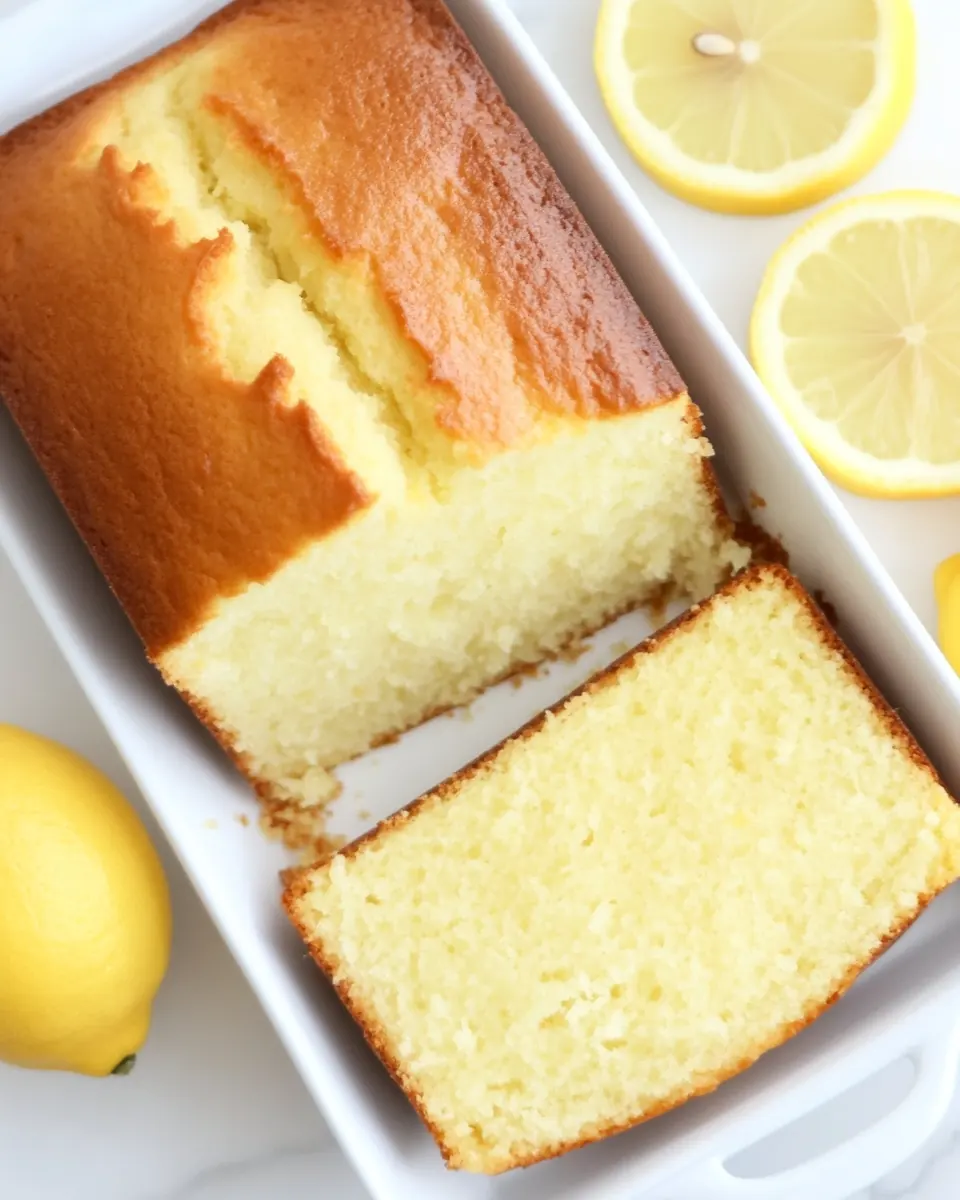
This collection of notes expands the practical advice found in the recipe and the CSV notes. I wrote these to help you nail texture, storage, and substitutions without guessing. Each tip begins with a highlighted phrase for quick scanning.
- Fresh lemons only Use only fresh lemon juice and zest for bright flavor. Bottled juice lacks the essential oils from the zest and often tastes flat. Fresh citrus ensures the glaze and batter both have lively acidity and aroma.
- Make quick buttermilk If you do not have buttermilk, add 1/2 tablespoon lemon juice to a measuring cup, then add milk to reach 1/2 cup, stir and let sit for a few minutes. This creates the tang and acidity that tenderizes the crumb.
- Room temperature ingredients Use room temperature eggs and softened butter so they combine smoothly. Cold eggs or hard butter can lead to uneven texture and difficulty aerating the batter.
- Storage at room temperature Once cooled, keep the loaf in a sealed container for about three days at room temperature to maintain moisture without refrigeration that can dry the crumb.
- Freezing for longer storage Wrap cooled slices or the whole loaf tightly in plastic wrap and place in a freezer bag for up to one month. Thaw in the refrigerator before serving to preserve texture and flavor.
Serving Ideas for The Best Lemon Bread Recipe
This loaf is versatile and lovely on many occasions. Whether you slice it for morning coffee, pack it for a picnic, or bring it to a spring gathering, the bright citrus notes feel fitting. Below are detailed serving suggestions, pairings, and storage ideas to help you plan when and how to enjoy this bread.
- Breakfast pairing Serve slices slightly warmed alongside a cup of tea or coffee. The warmth revives the glaze and releases the citrus aroma, making it an inviting start to the day.
- Brunch centerpiece Arrange several slices on a platter with fresh fruit like berries for a simple brunch spread. The loaf’s texture contrasts nicely with juicy fruit, and the bright lemon complements creamy spreads.
- Snack or afternoon treat Pack a slice in a lunchbox for a midday pick me up. It keeps well at room temperature for a few hours if wrapped, making it convenient for outings or snacks at work.
- Occasion friendly Bring the loaf to spring gatherings, baby showers, or tea parties. Its bright flavor and neat presentation make it feel celebratory without fuss.
- Storage tips For short term, keep the loaf in an airtight container at room temperature for up to three days. For longer storage, refrigerate for up to five days or freeze wrapped for one month. Thaw in the refrigerator and bring to room temperature before serving.
- Seasonal pairings In spring, pair with light salads or herbal teas. The lemon accent works particularly well when paired with fresh greens or mild cheeses for a balanced plate.
FAQ
Conclusion
This loaf stands out for its bright citrus character and reliably tender texture, making it a go to when I want something both simple and special. I encourage you to try The Best Lemon Bread Recipe because it rewards attention to small details with a deeply satisfying slice. Baking this is an easy way to bring a bit of sunshine to your table, whether you serve it for breakfast, an afternoon treat, or to share with friends. Enjoy the process and the warm, lemon scented reward.

The Best Lemon Bread Recipe
Ingredients
Equipment
Method
- Preheat oven to 350℉/175℃. Generously grease a 9-inch loaf pan with butter on the bottom and sides of the loaf pan. Add 1 tablespoon of flour to the pan, shaking to coat. Be sure to shake out any excess flour.: As the oven warms, you will notice a gentle, dry heat that promises even baking, and the act of greasing and flouring the pan creates a subtle barrier so the loaf releases cleanly. The greased surface should feel slightly slick, and the dusting of flour makes an even matte coating. If you skip this step or do it unevenly, the loaf can stick and tear when removed, so take the extra minute to coat every corner carefully.
- In a medium bowl, sift together 1 1/2 cups all-purpose flour, 1/4 teaspoon table salt, and 1 teaspoon baking powder and whisk to evenly distribute salt and baking powder.: The sift and whisk make the dry mix airy and homogeneous, which helps the loaf rise uniformly and prevents bitter pockets of salt or clumps of leavener. As you sift, the flour falls like a soft cloud, and whisking combines the particles so they look even and pale. A common mistake is to skip sifting, which can trap lumps; if you see any, press them through the sieve or whisk longer to avoid dense spots.
- In a large mixing bowl, cream together 1/2 cup unsalted butter, 2 large eggs, and 1 cup granulated sugar until light and fluffy.: Creaming introduces air and creates that pale, ribbon like batter texture that signals proper aeration. Your arms or mixer will notice resistance and then a lighter, softer consistency as sugar dissolves into the butter and eggs. The mixture should smell rich and slightly sweet, with the butter fragrance showing through. If you undercream, the loaf will be denser, and if you overbeat, the structure may collapse, so aim for soft peaks and a smooth, airy batter.
- Add the flour mixture to the creamed mixture, along with 1/2 cup buttermilk and 2 teaspoons lemon zest. Fold to evenly incorporate batter. Be careful to not overmix, just mix until the flour is fully moistened.: When combining wet and dry, go slow and use gentle folding motions to keep air in the batter and avoid gluten development. You will see streaks of flour disappear and the batter become glossy and cohesive, with flecks of bright lemon zest throughout. The scent will shift to a buttery citrus note. Overmixing is the main pitfall here, producing a tight crumb, so stop as soon as no dry streaks remain.
- Bake for 50-60 minutes or until a toothpick inserted into a lemon loaf comes out clean.: During baking, the kitchen will fill with warm, citrus scented steam and the top should take on a gentle golden color. The loaf edges will pull slightly away from the pan and the surface will spring back to touch. Use the toothpick as your best cue, inserting near the center to check for moist crumbs. Taking it out too soon risks a gummy center, while leaving it too long dries it out.
- While lemon bread is baking, whisk together 2 tablespoons lemon juice and 2 tablespoons granulated sugar until the sugar is dissolved. Tip: it may help to warm up your lemon juice for 20-30 seconds in the microwave before whisking with sugar.: it may help to warm up your lemon juice for 20 to 30 seconds in the microwave before whisking with sugar. : Warming the juice slightly releases aromatic oils and helps sugar dissolve quickly, resulting in a glossy, translucent glaze. The mixture should smell bright and slightly sweet, and stirring will produce a smooth syrup that pours easily. If sugar crystals remain, the glaze will look grainy and not penetrate the crumb evenly, so take the extra moment to dissolve thoroughly.
- After the bread is baked, leave your lemon bread in a loaf pan and poke holes halfway to the bottom of the pan evenly along the top of the bread.: Poking creates channels for the glaze to absorb, letting citrus flavor seep into the loaf. The toothpick or skewer should go in easily and leave tiny holes across the surface, and you will notice steam escape from these holes as the glaze soaks in. Avoid poking too close to the edge, which can cause the loaf to split or lose shape; aim for rows across the center for even infusion.
- Pour the glaze over the lemon bread. Let the bread sit in the loaf pan for 10 minutes.: As the glossy lemon syrup cascades, it will soak into the holes and top layer, adding shine and concentrated flavor. The scent will intensify, and you may see the glaze bead and then gradually disappear into the crumb. Letting it rest for 10 minutes allows the loaf to absorb moisture without becoming soggy, a balance between infusion and structure. Don’t rush this step or the glaze may run off without penetrating.
- After 10 minutes, loosen the sides of the bread from the edges of the pan with a butter knife, then remove the bread from the pan and transfer it to a cooling rack to finish cooling completely.: The final release should feel satisfying, with the loaf sliding free and the underside slightly set but still tender. Placing it on a rack prevents condensation and keeps the crust from softening too much. If you try to remove it while too hot or without loosening the sides, you risk tearing the loaf, so be gentle and patient for a neat finish.
Notes
- Fresh lemons only Use only fresh lemon juice and zest for bright flavor. Bottled juice lacks the essential oils from the zest and often tastes flat. Fresh citrus ensures the glaze and batter both have lively acidity and aroma.
- Make quick buttermilk If you do not have buttermilk, add 1/2 tablespoon lemon juice to a measuring cup, then add milk to reach 1/2 cup, stir and let sit for a few minutes. This creates the tang and acidity that tenderizes the crumb.
- Room temperature ingredients Use room temperature eggs and softened butter so they combine smoothly. Cold eggs or hard butter can lead to uneven texture and difficulty aerating the batter.
- Storage at room temperature Once cooled, keep the loaf in a sealed container for about three days at room temperature to maintain moisture without refrigeration that can dry the crumb.
- Freezing for longer storage Wrap cooled slices or the whole loaf tightly in plastic wrap and place in a freezer bag for up to one month. Thaw in the refrigerator before serving to preserve texture and flavor.