Smoked Meatloaf
Smoked Meatloaf is one of those recipes that changed how I think about comfort food, and it started with an impromptu backyard afternoon when I wanted something hearty without turning on the oven for hours. I remember piling up wood pellets, coaxing a steady smoke, and feeling oddly proud as savory aromas began to curl through the air. The first bite, warm and slightly sweet from the glaze, sealed the deal for me.
That day taught me how simple swaps and slow smoke can lift a family classic into something you want to serve for guests as well as a weeknight dinner. I like how the texture stays tender while the outside gets that gentle crust, and how the vegetables folded into the loaf keep every slice moist. Over the years I have tweaked the spice balance and the resting time, learning small tricks that truly matter.
Recipe Snapshot
1 hr 50 mins
20 mins
90 mins
Medium
300 kcal
American
Gluten-Free, Paleo
Dinner
Food Processor, Electric Smoker, Rimmed Baking Sheet, Meat Thermometer, Mixing Bowl
Why You Need This Smoked Meatloaf
Smoky depth that sings
I love how Smoked Meatloaf picks up an earthy, woody note from the smoker that simple baking can never give. The smoke penetrates the meat and vegetables, creating a rounded, complex flavor that keeps me coming back. When I slice into a loaf and see the soft texture with a slightly crusted exterior, I know the balance is right.
Vegetables packed in for moistness
By pulsing the bell pepper, onion, carrot, celery, garlic, and jalapeno in a food processor, the loaf gains moisture and a mosaic of flavor without large chunks that can break the slice. I appreciate that this method makes each bite consistent, and it sneaks in extra veggies for anyone at the table who is picky about texture.
Built for sharing
I often shape two loaves, because the recipe scales beautifully and it gives you flexible serving options. The loaves reheat well, and the texture holds up so you can pack slices for lunches or serve warm at dinner. I enjoy the ritual of slicing and plating, watching folks reach for seconds.
Simple pantry-forward ingredients
Most items are everyday pantry staples like breadcrumbs, eggs, and common spices, which means you can pull this together on short notice. That practicality is why I reach for this recipe when I want something special, but not fussy. The ingredient list reads like an approachable dinner plan.
Adaptable cooking technique
The two-stage smoke then roast approach gives you the best of both worlds, imparting smoke then finishing for a safe internal temperature. I’ve learned that slight temperature changes and resting time affect texture a lot, and this method gives consistent results. It is forgiving, and that makes it a reliable centerpiece for many meals.
Ingredients Overview for Smoked Meatloaf
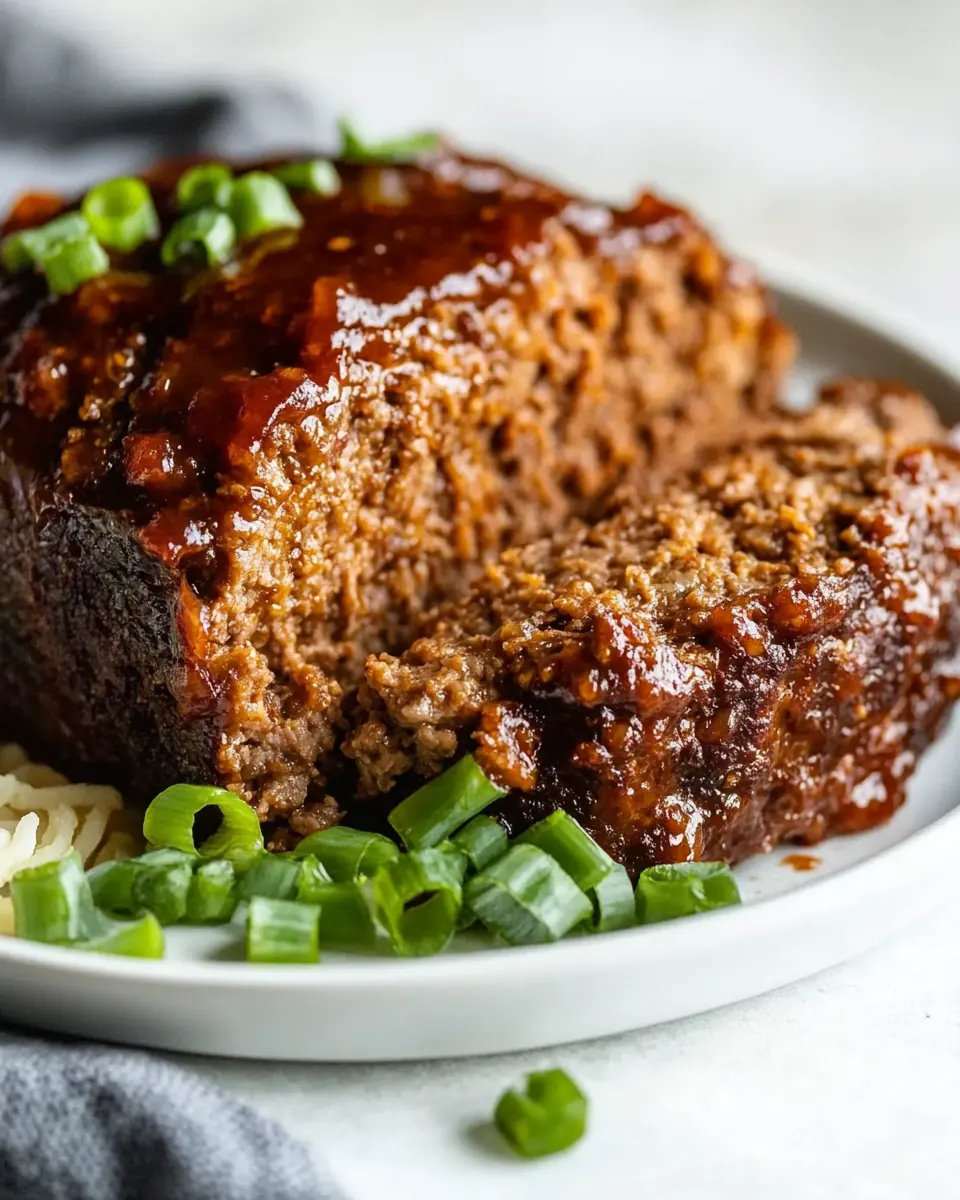
The philosophy behind these ingredients is about harmony between smoke, moisture, and binding. The lean ground beef provides savory richness while the finely minced vegetables add moisture and subtle sweetness. Breadcrumbs and eggs bind everything so slices hold together, and the BBQ sauce gives a glossy, tangy finish that balances the spices. Each component plays a distinct role in texture and flavor.
- 2 pounds lean ground beef (or half beef and half ground turkey): Provide rich, lean protein that forms the primary structure of the meatloaf; binds with eggs and breadcrumbs to create a moist, cohesive loaf. Imparts savory beef flavor while accommodating a leaner profile if combined with turkey. Benefits from gentle handling to avoid a dense texture and helps hold seasonings throughout. Keeps the meatloaf hearty and filling when smoked slowly.
- 1 cup chopped bell pepper: Add sweet, crisp freshness and mild aromatic notes that balance richness from the meat; soften when sautéed to integrate into the loaf. Contributes moisture and texture, creating small pockets of tender vegetable within each slice. Enhances color and provides subtle natural sweetness that complements spices and BBQ sauce. Chopping uniformly ensures even distribution and consistent cooking.
- 1 cup chopped onion: Contribute pungent, savory depth and natural sweetness when cooked down; meld with other aromatics to build the flavor base. Release moisture that helps keep the meatloaf tender while browning slightly for added complexity. Work well with bell pepper and garlic to create a balanced, flavorful filling. Finely chopped pieces integrate smoothly into the mixture.
- 1 cup chopped carrot: Provide natural sweetness, moisture, and slight textural contrast; soften when cooked and help prevent a dry loaf. Offer subtle earthy notes that enhance overall flavor without overpowering the meat. When grated or finely chopped, carrot fibers aid in retaining juiciness and contribute nutritional value. Pairing with other vegetables creates a more complex, layered profile.
- 1 cup chopped celery: Supply gentle savory flavor and moisture while lending slight crunch when not fully softened; help lighten the meatloaf's texture. Release aromatic compounds during cooking that blend with onions and peppers for a full-bodied base. Finely diced celery disperses evenly, aiding in moisture retention and structural integrity. Complements spices and helps carry other flavors.
- 4 6 cloves garlic: Deliver concentrated savory sharpness and aromatic intensity that elevates the overall taste; mellow and sweeten when cooked. Support umami and depth within the meatloaf, pairing especially well with onions and garlic-adjacent spices. Minced to distribute evenly so that garlic flavors permeate without creating overpowering pockets. Enhances savory richness while balancing lighter vegetables.
- 1 jalapeno seeded and chopped: Bring controlled heat and bright, peppery flavor while offering optional mildness if seeds are removed; contribute a subtle fresh bite. Add complexity to the seasoning profile and complement the chili powder and cumin with a lively, slightly vegetal note. Finely chopped jalapeno distributes heat evenly, allowing the smoke and BBQ sauce to harmonize with spicy accents. Seed removal moderates the heat level to personal preference.
- 1 1/2 cups breadcrumbs (or GF breadcrumbs): Act as a tender binder and moisture-retainer that helps the meatloaf hold shape while preventing crumbliness. Soak up and evenly distribute juices from the meat and vegetables, creating a cohesive texture when combined with eggs and milk. Offer a neutral base that carries spices and aromas throughout the loaf. Use gluten-free breadcrumbs as a direct substitute when needed.
- 1/3 cup milk: Provide a small amount of liquid fat and protein that hydrates the breadcrumbs and helps bind the mixture together; softens texture. Aid in achieving a tender interior by allowing breadcrumbs to swell and integrate with meat and eggs. Adjust milk amount slightly for drier or wetter mixtures to control final consistency. Use dairy or a suitable alternative based on dietary needs.
- 2 large eggs: Function as an essential binder that coagulates during cooking to hold the meatloaf together and add richness. Introduce structure and slight lift, promoting a sliceable loaf with a tender crumb. Contribute body and emulsify fats, ensuring an even texture throughout. Use at room temperature for better incorporation and thorough mixing.
- 1 tablespoon chili powder: Introduce smoky, warm heat and depth that complements the smoked cooking method and BBQ glaze. Enhance complexity and provide a cohesive spicy undertone that ties together meat and vegetables. Work well with cumin and oregano to build a southwestern-inspired seasoning profile. Adjust amount to taste for mild or more pronounced chili character.
- 2 teaspoons salt: Provide salt seasoning that enhances all flavors, balances sweetness from vegetables and sauce, and aids in protein extraction for improved binding. Help season the meat uniformly so each bite tastes cohesive and well-rounded. Use measured amounts to avoid over-salting, adjusting for salty condiments like certain BBQ sauces. Dissolve into the mixture for even distribution.
- 1 1/2 teaspoons ground cumin: Add warm, earthy aroma and a subtle depth that accentuates the chili powder and complements smoked flavor. Provide a lightly bitter, citrusy background note that pairs well with tomato-based sauces and grilled meats. Help round out the seasoning profile while remaining unobtrusive when balanced correctly. Use ground form for even mixing and consistent flavor.
- 1 teaspoon dried oregano: Contribute herbal, slightly floral notes that brighten and layer with other spices; support savory components without dominating. Offer Mediterranean-inspired fragrance that pairs well with beef and tomato-forward sauces. Use dried oregano for an even, long-lasting herb presence that survives smoking. Sprinkle evenly to avoid pungent clusters.
- 1/2 teaspoon black pepper: Deliver mild heat and astringency that sharpens flavors and balances fatty richness from the meat. Provide subtle backbone pepper flavor that lifts the seasoning mix and enhances overall taste perception. Use sparingly to prevent overpowering the other spices and vegetables. Ground form integrates smoothly for consistent seasoning.
- 3/4 cup BBQ sauce: Supply a glossy, tangy-sweet finishing layer that caramelizes on the exterior while adding moistness and flavor contrast. Balance savory and smoky elements with sweetness and acidity, creating an attractive glaze and bold final taste. Brush on during the final smoking stage so the sugars in the sauce set without burning. Choose a complementary BBQ flavor to match spice levels.
The Process for Making Smoked Meatloaf
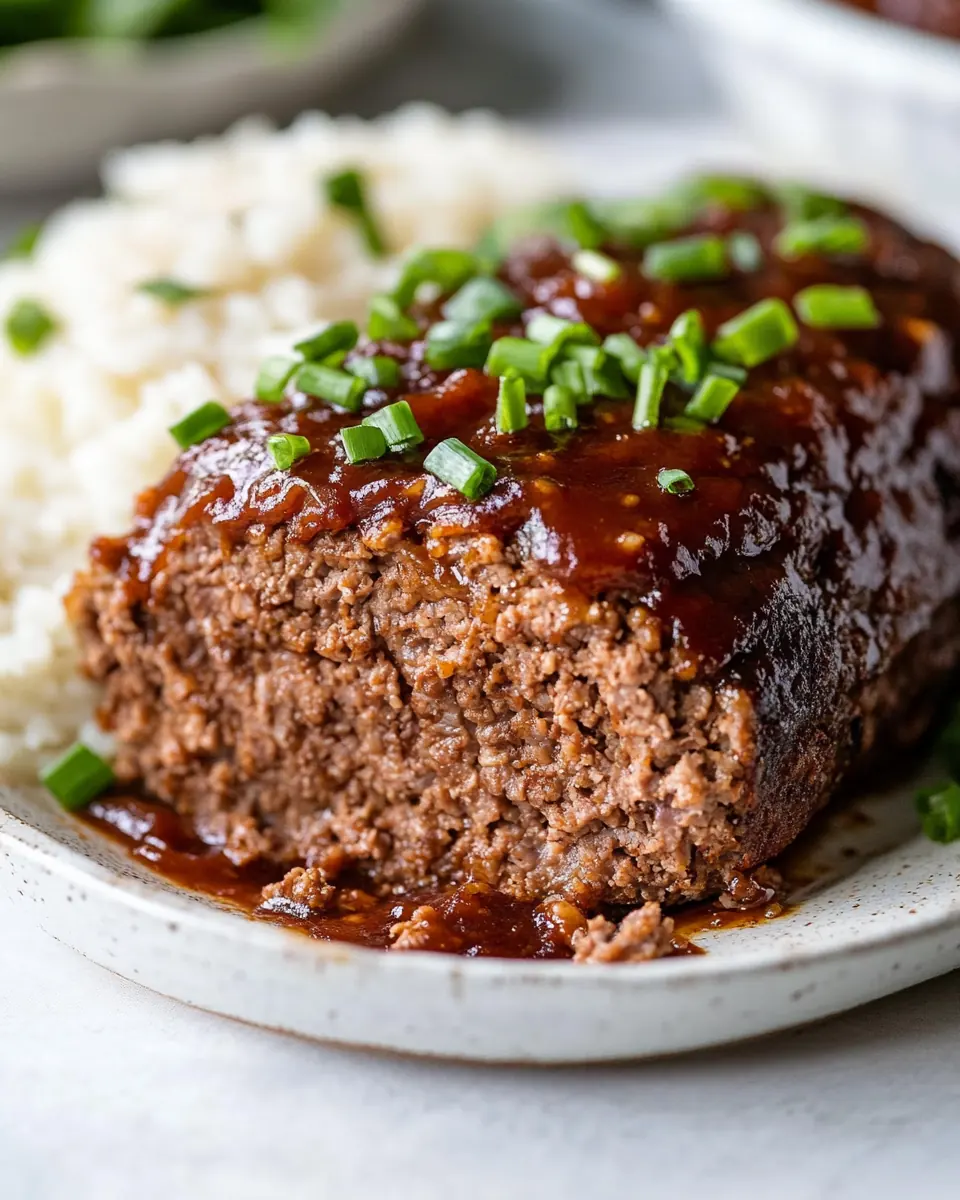
I approach the cooking process as a rhythm of prep, smoke, and finish, and I try to keep the kitchen relaxed while the smoker does the heavy lifting. These next steps expand on each action with sensory cues and common pitfalls so you can reproduce consistent results.
- Roughly chop the fresh produce. It does not need to be chopped well because it's going in the food processor.: The scent of fresh onion and garlic will be bright at this stage, and the texture does not need to be perfect since the processor will take care of uniformity. Aim for roughly even pieces so the food processor works efficiently, and avoid overloading the bowl which can produce an uneven chop. One common mistake is leaving very large chunks that will not incorporate evenly, causing textural pockets in the loaf.
- Set out a food processor. Add the chopped bell peppers, onions, carrots, celery, garlic, and jalapeno to the food processor. Pulse until the vegetables are ground into a fine mince.: You will notice the mixture releasing moisture and a fragrant, vegetal aroma as the blades work. Pulse in short bursts to avoid turning the vegetables into a paste, and watch for a uniform mince that mixes smoothly with the meat. If you overprocess, the mixture can get too wet which will affect the loaf structure; a little texture is good for body.
- Preheat an electric smoker to 200°F, and add your favorite wood pellets.: The smoker should smell faintly of wood as it comes up to temperature, and steady smoke at this low temperature will slowly permeate the loaf. Using fruit woods or a mild hickory works well for balanced smoke. A frequent error is starting with too hot a fire, which drives moisture out and yields a drier loaf, so be patient with the low start.
- Set out a large mixing bowl. Add the ground beef, pureed veggies, breadcrumbs, milk, eggs, and all spices to the bowl. Mix by hand until very smooth.: Touch is key here, you should feel the mixture come together into a cohesive mass with a slightly tacky texture. The aroma of spices will bloom as they meet the meat, and the mixture should be thoroughly combined so each slice tastes the same. Overmixing can make the loaf dense and tough, so stop as soon as it is homogeneous and smooth.
- Divide the meat mixture into two equal portions. Shape each portion into a loaf about 10 X 4 inches, and place both loaves on a rimmed baking sheet. Brush the tops and sides of the meatloaves with barbecue sauce.: As you shape, you will notice the loaves hold their form when the binder is correct, and the surface should be smooth enough to accept a glaze. Brushing on BBQ sauce adds a glossy, fragrant top that will caramelize. A common mistake is shaping too loosely, which causes crumbling when sliced; compact gently but do not compress excessively.
- Smoke the meatloaves for 30 minutes. Leave the loaves in the smoker, and raise the temperature to 350°F. Once the temperature reaches 350, set a timer for 1 hour. Continue to cook the meatloaves until the timer goes off. The internal temperature reads 165°F on a meat thermometer.: During the smoke you will notice the surface taking on a deeper color and a subtle crust forming. The transition from low smoke to roast builds a complex outer texture while bringing the internal temperature up evenly. Use a reliable meat thermometer to check for 165°F so the meat is safe and tender. A typical misstep is relying solely on time; internal temperature is the dependable indicator that the loaf is done.
- Let the loaves rest for 5 minutes. Slice the meatloaf and serve warm.: Resting allows juices to redistribute so the slices stay moist and not runny. You will hear a slight sigh of steam as you tent the loaves, and the aroma intensifies during the brief wait. Cutting too soon causes juices to spill and a drier slice, so patience here rewards you with clean, juicy servings.
Change It Up
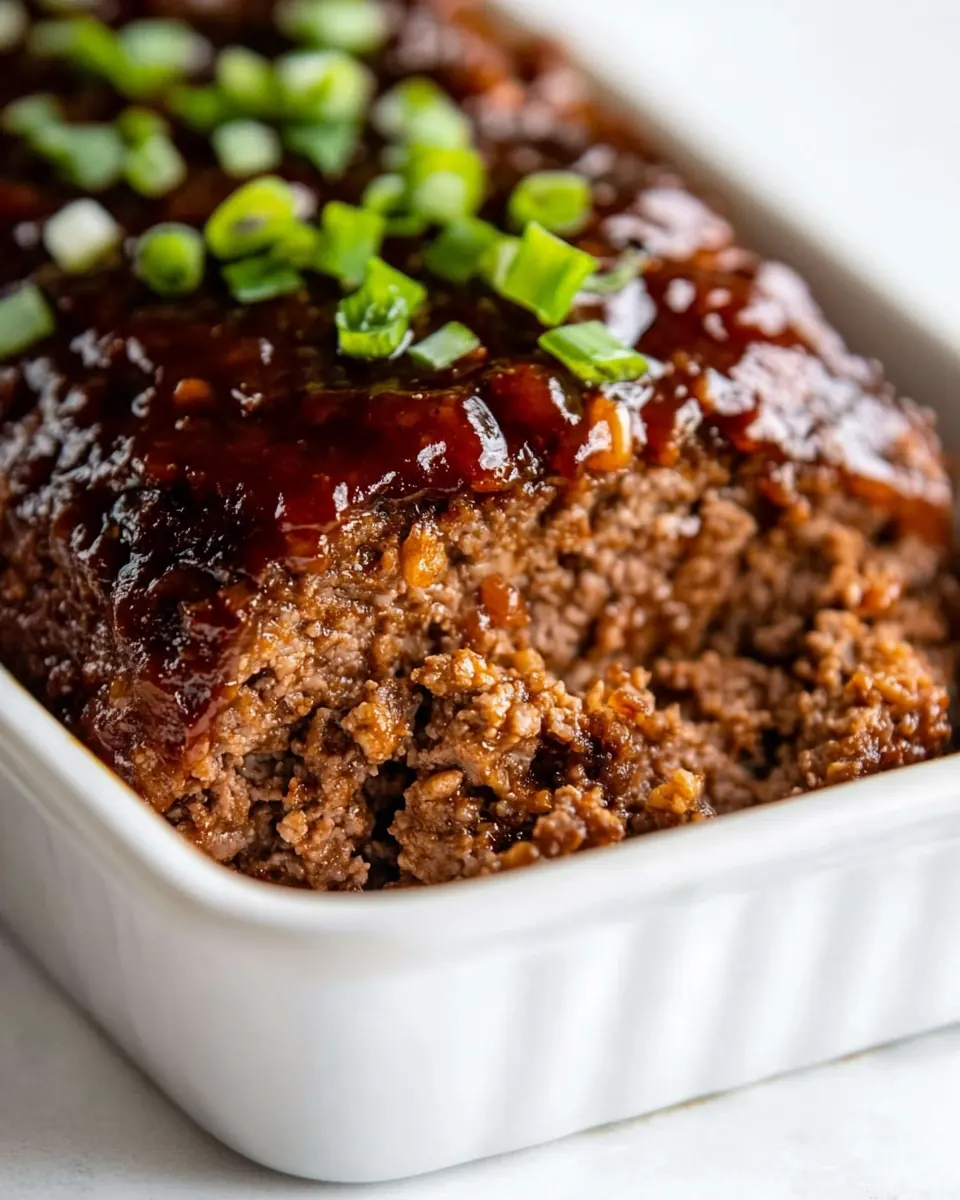
If you want to vary the loaf, small adjustments can make a big difference. Below are tips that expand on the recipe notes and provide practical swaps and serving ideas you can use right away.
- Swap meats carefully — If you split between ground beef and ground turkey, keep an eye on moisture since turkey is leaner. Slightly increase the milk or add one extra egg white if the mix feels dry.
- Choose your wood — Mild woods like apple or cherry provide gentle sweetness that complements BBQ sauce, while hickory adds bolder smoke. Match the wood to how pronounced you want the smoky character.
- Adjust heat level — Keep the jalapeno seeds if you prefer more kick, or omit them for milder flavor. Small changes here shift the overall bite without altering the loaf’s structure.
- Make it gluten free — Use gluten free breadcrumbs and check your BBQ sauce for hidden gluten ingredients. The texture will remain similar with the proper substitutions.
- Freeze for later — Wrap shaped loaves tightly if freezing before cooking. Thaw overnight in the fridge and finish the cook as written for convenience and consistent results.
Serving Suggestions
This loaf serves as a cozy main and pairs well with simple sides. The suggestions below cover casual weeknight meals to larger gatherings, with storage and seasonal ideas so you can plan ahead.
- Classic dinner plate — Serve warm slices with mashed potatoes and a green vegetable; the creamy starch balances the smoky intensity perfectly.
- Sandwich style — Thinly slice the loaf and place on toasted bread with a swipe of extra BBQ sauce for handheld lunches that travel well.
- Family gatherings — Make two loaves so you can serve one and refrigerate the other for easy reheating the next day, ideal for a low stress hosting strategy.
- Storage tips — Keep leftovers in an airtight container in the fridge for up to three days, or freeze wrapped tightly for up to three months to preserve flavor and texture.
- Seasonal pairing — In cooler months, pair with roasted root vegetables and a warm gravy; in warmer seasons, keep it lighter with a crisp salad and grilled corn.
FAQ
Conclusion
What makes this recipe special is the way smoke, vegetables, and a simple glaze transform a classic into something deeply flavorful and reliably tender. Give it a try on a weekend when you can enjoy the slow progression from gentle smoke to a warm, caramelized finish. Share slices with friends or save extras for easy lunches, and notice how a small shift in technique elevates a familiar dish into a keeper.
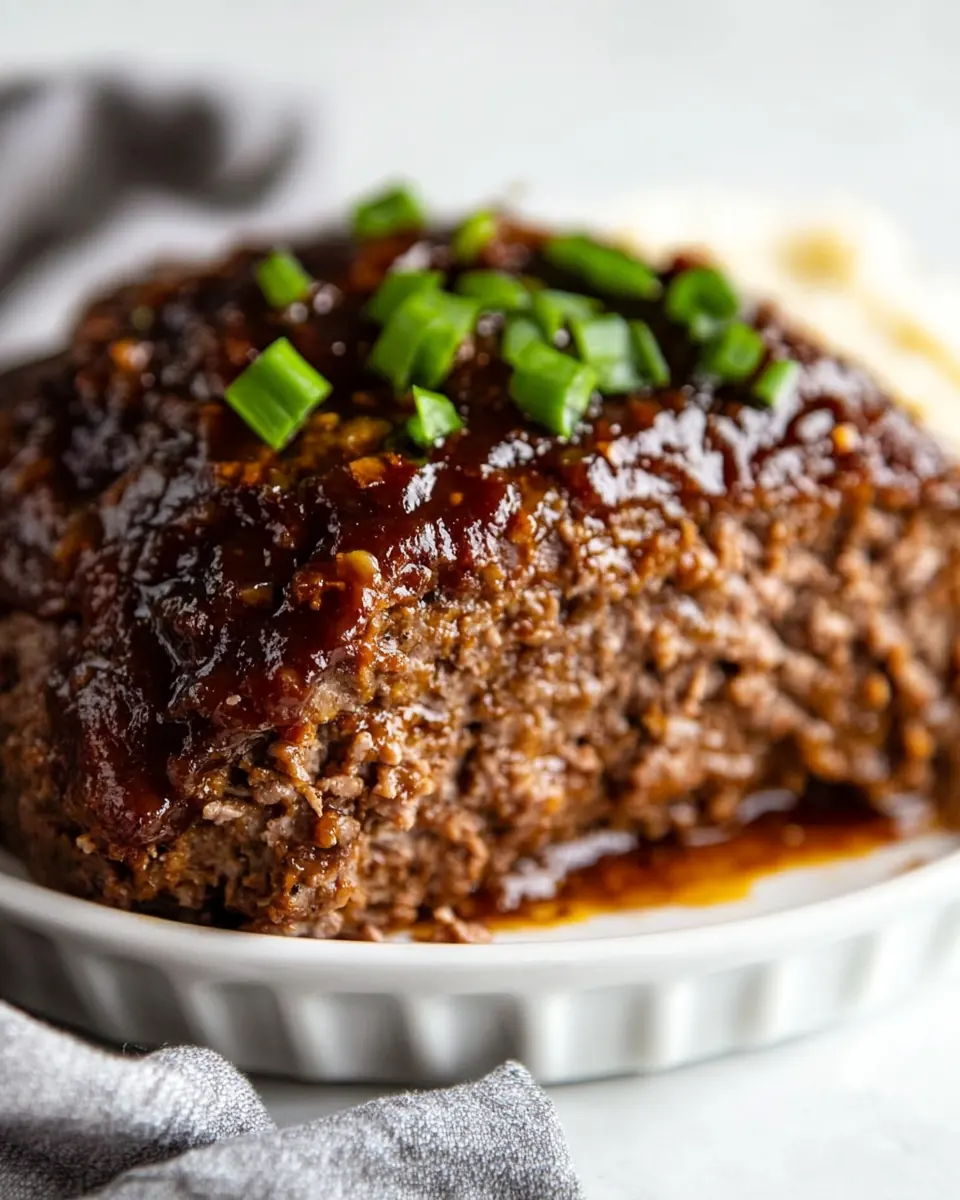
Smoked Meatloaf
Ingredients
Equipment
Method
- Roughly chop the fresh produce. It does not need to be chopped well because it's going in the food processor.: The scent of fresh onion and garlic will be bright at this stage, and the texture does not need to be perfect since the processor will take care of uniformity. Aim for roughly even pieces so the food processor works efficiently, and avoid overloading the bowl which can produce an uneven chop. One common mistake is leaving very large chunks that will not incorporate evenly, causing textural pockets in the loaf.
- Set out a food processor. Add the chopped bell peppers, onions, carrots, celery, garlic, and jalapeno to the food processor. Pulse until the vegetables are ground into a fine mince.: You will notice the mixture releasing moisture and a fragrant, vegetal aroma as the blades work. Pulse in short bursts to avoid turning the vegetables into a paste, and watch for a uniform mince that mixes smoothly with the meat. If you overprocess, the mixture can get too wet which will affect the loaf structure; a little texture is good for body.
- Preheat an electric smoker to 200°F, and add your favorite wood pellets.: The smoker should smell faintly of wood as it comes up to temperature, and steady smoke at this low temperature will slowly permeate the loaf. Using fruit woods or a mild hickory works well for balanced smoke. A frequent error is starting with too hot a fire, which drives moisture out and yields a drier loaf, so be patient with the low start.
- Set out a large mixing bowl. Add the ground beef, pureed veggies, breadcrumbs, milk, eggs, and all spices to the bowl. Mix by hand until very smooth.: Touch is key here, you should feel the mixture come together into a cohesive mass with a slightly tacky texture. The aroma of spices will bloom as they meet the meat, and the mixture should be thoroughly combined so each slice tastes the same. Overmixing can make the loaf dense and tough, so stop as soon as it is homogeneous and smooth.
- Divide the meat mixture into two equal portions. Shape each portion into a loaf about 10 X 4 inches, and place both loaves on a rimmed baking sheet. Brush the tops and sides of the meatloaves with barbecue sauce.: As you shape, you will notice the loaves hold their form when the binder is correct, and the surface should be smooth enough to accept a glaze. Brushing on BBQ sauce adds a glossy, fragrant top that will caramelize. A common mistake is shaping too loosely, which causes crumbling when sliced; compact gently but do not compress excessively.
- Smoke the meatloaves for 30 minutes. Leave the loaves in the smoker, and raise the temperature to 350°F. Once the temperature reaches 350, set a timer for 1 hour. Continue to cook the meatloaves until the timer goes off. The internal temperature reads 165°F on a meat thermometer.: During the smoke you will notice the surface taking on a deeper color and a subtle crust forming. The transition from low smoke to roast builds a complex outer texture while bringing the internal temperature up evenly. Use a reliable meat thermometer to check for 165°F so the meat is safe and tender. A typical misstep is relying solely on time; internal temperature is the dependable indicator that the loaf is done.
- Let the loaves rest for 5 minutes. Slice the meatloaf and serve warm.: Resting allows juices to redistribute so the slices stay moist and not runny. You will hear a slight sigh of steam as you tent the loaves, and the aroma intensifies during the brief wait. Cutting too soon causes juices to spill and a drier slice, so patience here rewards you with clean, juicy servings.
Notes
- Swap meats carefully — If you split between ground beef and ground turkey, keep an eye on moisture since turkey is leaner. Slightly increase the milk or add one extra egg white if the mix feels dry.
- Choose your wood — Mild woods like apple or cherry provide gentle sweetness that complements BBQ sauce, while hickory adds bolder smoke. Match the wood to how pronounced you want the smoky character.
- Adjust heat level — Keep the jalapeno seeds if you prefer more kick, or omit them for milder flavor. Small changes here shift the overall bite without altering the loaf's structure.
- Make it gluten free — Use gluten free breadcrumbs and check your BBQ sauce for hidden gluten ingredients. The texture will remain similar with the proper substitutions.
- Freeze for later — Wrap shaped loaves tightly if freezing before cooking. Thaw overnight in the fridge and finish the cook as written for convenience and consistent results.