Lemon Bars
Lemon Bars are one of those recipes I reach for when I want something bright, tart, and undeniably comforting.
I remember the first time I made Lemon Bars for a neighborhood potluck, juggling a zester and a crowd of curious friends. The kitchen smelled like sunshine, the counter was dusted with flour, and I kept sneaking a tiny corner piece while no one was looking. That sticky sweet and tangy bite, with a buttery base that crumbles just right, turned skeptics into converts and made me realize how simple ingredients can create a memorable treat.
I often think of Lemon Bars as the dessert equivalent of a pick-me-up. They travel well in a tin, they please picky and adventurous eaters alike, and they pair with a lot more moments than you might think a dessert should. Over the years I adjusted the balance of lemon to sugar until it felt like the kind of thing I could serve without apology, and every batch still brings that same small thrill.
When I slice through the chilled filling and see that clean, glossy cut, I feel smug and satisfied in the best way. Friends ask for the recipe every time, and I like to tell them the secret is in respecting the textures, not rushing the chill time. Try these when you need a little brightness at brunch or a calm finish after a busy dinner, they rarely disappoint.
Recipe Snapshot
50 mins
15 mins
35 mins
Medium
250 kcal
American
Gluten-Free, Low FODMAP
Desserts
9×13 inch baking dish, parchment paper, hand-held mixer, mixing bowls, measuring cups and spoons, sharp knife
The Beauty of This Lemon Bars
Bright and Balanced Flavor
I love how Lemon Bars deliver citrus without being overwhelmingly sour. The interplay between the freshly squeezed lemon juice and the two different sugars creates a bright, layered taste that wakes up your palate. I like to think of the filling as a concentrated lemon silk, where acidity and sweetness meet in perfect harmony.
Buttery, Tender Crust
The crust made from unsalted butter and all purpose flour is simple yet essential. When baked just until it begins to blush at the edges, it provides a tender, slightly crisp foundation that contrasts beautifully with the smooth filling. I always press it firmly and evenly so each square has structure without being tough.
Trustworthy Techniques
These Lemon Bars reward careful technique more than fancy tools. Room temperature eggs, properly mixed filling, and precise baking times make a noticeable difference. Over the years I learned that a gentle hand while combining ingredients keeps the texture silky rather than cakey.
Perfect for Sharing
I find these bars ideal for gatherings, because they slice into neat squares after chilling, and they travel well. The dusting of confectioner's sugar is optional, but it adds a classic bakery look that always earns compliments. Because they chill fully, you can make them ahead and enjoy less hectic hosting.
Highly Customizable
While I stick to this reliable version often, the recipe adapts easily. You can nudge the lemon up or down, or swap a bit of flour in the filling if you prefer a firmer set. I appreciate recipes that stand up to small tweaks without losing their essence, and these Lemon Bars do exactly that.
What You’ll Need for Lemon Bars
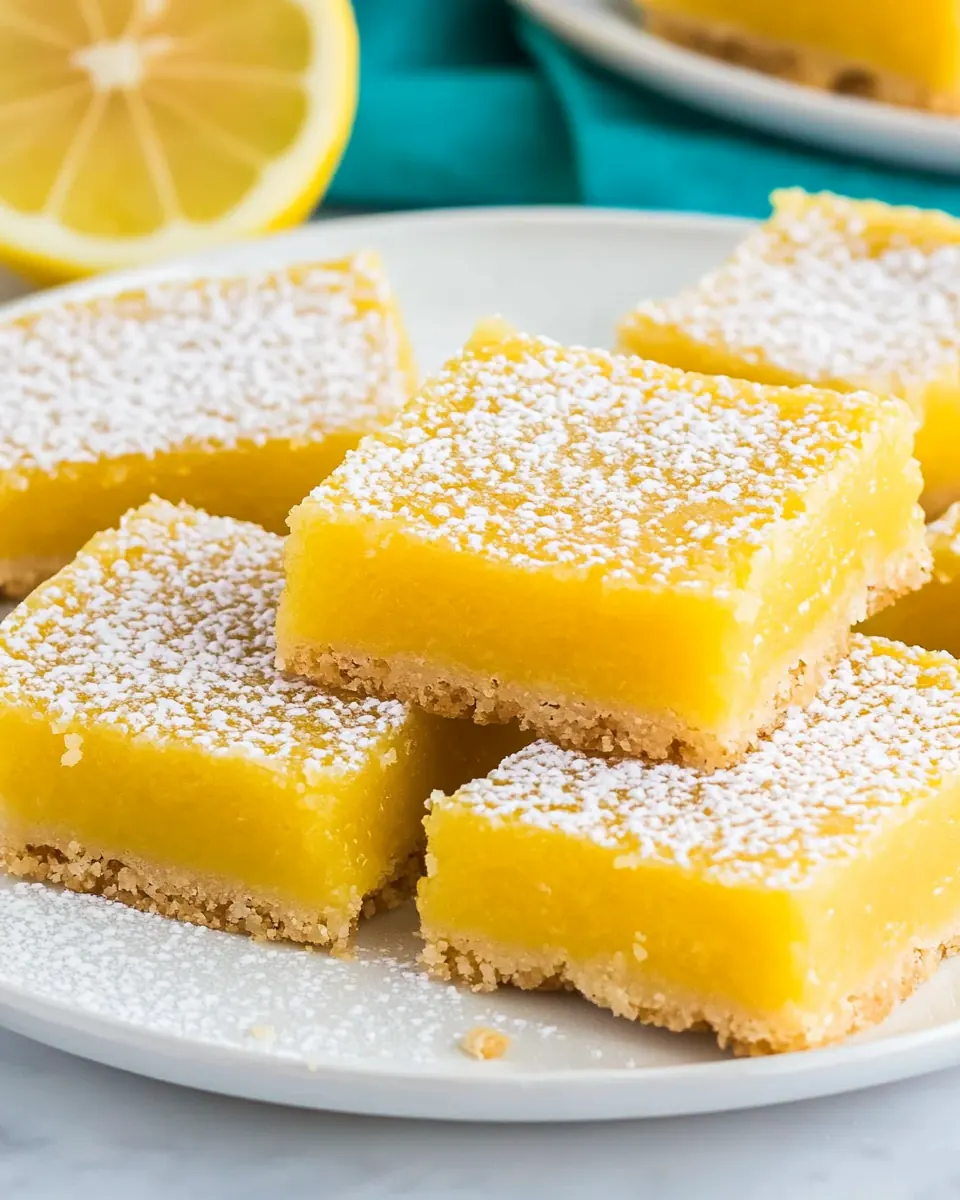
These ingredients are straightforward and purposeful. The key players are the rich unsalted butter that gives the crust its flaky tenderness, the reliable structure from all purpose flour, and the bright punch from freshly squeezed lemon juice that makes the filling sing. Each item plays a simple role, and together they produce a dessert that feels both homey and special.
- 8 ounces unsalted butter, melted: Melted to provide a rich, tender base and bind the crust together; contributes buttery flavor and moist mouthfeel while helping the shortbread set during baking.
- 1/2 cup granulated sugar: Granulated for the crust adds sweetness and helps create a slightly crisp texture; also aids in browning and balancing the butter’s richness in the base.
- 2 cups all purpose flour: All-purpose flour for structure and bulk in the crust; develops just enough gluten to hold the shortbread together while remaining tender.
- 1/4 tsp finely ground sea salt: Finely ground sea salt to enhance overall flavor and balance the sweetness; sharp mineral notes also strengthen the crust’s taste profile without adding moisture.
- 6 large eggs room temperature: Room temperature large eggs to emulsify and thicken the lemon filling; their proteins set during baking, giving the bars a custard-like stability and smooth texture.
- 1 1/2 cups granulated sugar: Granulated sugar for the filling to provide sweetness and to help the lemon curd set; dissolves into the eggs to create a glossy, balanced tartness.
- 1 cup freshly squeezed lemon juice from 6-7 lemons: Freshly squeezed lemon juice for bright acidity and authentic citrus flavor; provides tartness that firms the filling and cuts through the sweetness for classic lemon bar taste.
- 2 tsp clear vanilla extract: Clear vanilla extract to add subtle floral and sweet aromatic notes; rounds out the citrus and provides depth to the filling without altering color.
- 1/4 cup all purpose flour: All-purpose flour used sparingly in the filling to help thicken and stabilize the custard; absorbs some liquid so the filling holds its shape when chilled and sliced.
- confectioner's sugar (for dusting) (optional): Confectioner's sugar for an optional light dusting that adds gentle sweetness and a decorative finish; melts slightly into the surface for an attractive, delicate appearance.
Making Lemon Bars
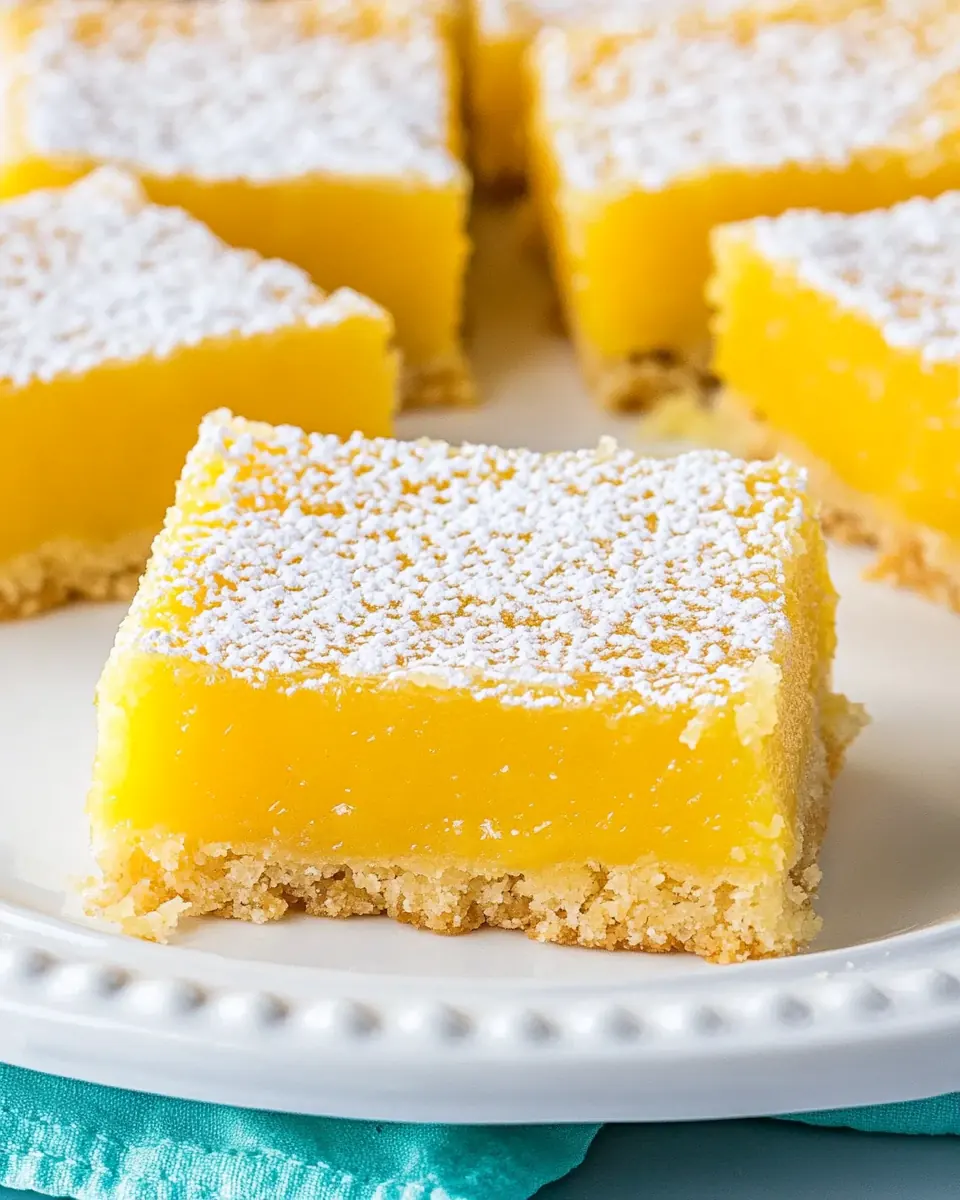
These directions walk you through every sensory cue and technical choice so your bars come out reliably. I like to move deliberately, making sure the crust is even and the filling is glossy before it returns to the oven. Keep an eye on the edges and trust the chill time; that final refrigeration step completes the texture.
- Preheat the oven to 350° F. Line a 9×13 inch baking dish with parchment paper and set aside.: As the oven warms and the air takes on a gentle dry heat, you will feel the kitchen shift into focus, readying for baking. The temperature ensures the crust bakes quickly enough to set without overbrowning, and the filling will cook at a steady rate. A common mistake is placing an unlined pan in at this stage which can cause sticking, so line a 9×13 inch baking dish with parchment paper first to make removal easy. Listen for the oven click and watch the dial, because accurate heat means consistent texture later.
- Add the butter to a large mixing bowl. Add in the granulated sugar and use a hand-held mixer or whisk to cream together the butter and sugar until well-combined.: The tactile act of smoothing parchment into the pan makes later slicing effortless, and it prevents the buttery crust from sticking. Properly fitted parchment will come out in one piece, carrying the baked slab for cooling. Avoid crinkling the paper too much, as deep folds can create uneven crust thickness; press it gently so the base is flat and even.
- Mix in the flour and salt.: When you combine the slightly cooled melted unsalted butter with sugar, the bowl will gleam, and the butter's rich aroma will become noticeable. The warmed fats make it easier to incorporate the dry ingredients evenly. A trap to avoid is using butter that is too hot, which can make the flour clump; let it cool a touch until it is warm but not steaming before mixing.
- Press the crust into the bottom of the prepared baking pan and bake for 15-20 minutes, or until just beginning to lightly brown around the edges. While the crust is baking, prepare the filling.: As you beat, the mixture will lighten subtly, and the sugar will start to dissolve into the fat, creating a cohesive base. Creaming gives the crust a delicate crumb, promoting browning and structure. Overbeating can incorporate excess air and change texture, so mix just until uniform; scrape the bowl so no dry pockets remain.
- Add the eggs and sugar to a large mixing bowl. Use a hand-held mixer to mix the eggs and sugar until well-combined.: When the all purpose flour and sea salt meet the butter mixture, the texture will shift from glossy to gently sandy. Use a spatula or low speed to combine until no streaks of flour remain, taking care not to develop gluten which would make the crust tough. If you overwork this stage, the crust can become dense rather than tender, so fold until just incorporated.
- Add in the lemon juice and vanilla and mix until well-combined. Mix in the flour until combined.: Pressing the dough evenly creates a uniform base that bakes predictably. As it bakes, small nutty aromas will come forward and the edges will take on a pale golden hue, your key visual signal. Avoid pressing too thinly which can cause a crispy, brittle base, and do not underbake, otherwise the filling may soak into a raw crust.
- Pour the filling mixture over the cooked crust and return to the oven to bake for 20-22 minutes, or until the filling is set.: This step lets the crust set while you work in rhythm on the filling, maximizing efficiency. The counter will hum with citrus scents as you juice lemons and the kitchen will feel organized. A frequent oversight is rushing the filling assembly while the crust is still very hot, which can make the eggs scramble when poured, so give the crust a minute to cool.
- Remove from the oven and allow to come to room temperature before placing in the fridge to chill for 2 hours. Dust the bars with powdered sugar if desired and remove from pan before cutting into squares.: When you beat large eggs with granulated sugar , the mixture will become glossy and slightly thickened, trapping air and creating a custardy body. This emulsion is important for texture, and using room temperature eggs helps them combine smoothly. Cold eggs can cause uneven mixing, and under-mixing can leave grainy pockets of sugar.
- Use a hand-held mixer to mix the eggs and sugar until well combined: As you mix, the sound will shift from thin to more substantial, and the color will lighten. This step develops the filling base and ensures the sugar integrates fully with the eggs for a silky finish. Be mindful not to overbeat into foam, which could create tiny bubbles in the finished filling rather than a uniform surface.
- Add in the lemon juice and vanilla and mix until well combined: The moment you pour in freshly squeezed lemon juice , a bright aroma will rise, and the mixture will loosen slightly. Clear vanilla extract adds a fragrant warmth that balances the citrus edge. Mixing here emulsifies the acids and sugars, but do this gently enough to avoid aeration that could create fissures during baking.
- Mix in the flour until combined: A small amount of all purpose flour stabilizes the filling, helping it set with a clean cut. As you incorporate the flour, the texture will become smooth and slightly denser. Overworking can create a gummy texture, so stir just until the streaks disappear and the batter looks uniform and glossy.
- Pour the filling mixture over the cooked crust and return to the oven to bake for 20 to 22 minutes, or until the filling is set: Pouring creates that satisfying contrast between the pale crust and the lemon custard. During baking, the filling will puff a touch and then settle, and the center will become matte and no longer jiggle excessively, which indicates doneness. A common mistake is underbaking, leaving the center too soft, so follow the visual cues rather than exact time alone.
- Remove from the oven and allow to come to room temperature before placing in the fridge to chill for 2 hours: Cooling is a quiet but crucial phase where residual heat finishes the set and prevents condensation when chilling. The bars will firm up and flavors will mingle. Don't rush to cut while warm, because you'll get messy edges; patience here rewards you with clean slices.
- Dust the bars with powdered sugar if desired and remove from pan before cutting into squares: A final dusting of confectioner's sugar adds a soft finish and a bakery look. Lift the slab using the parchment, transfer to a cutting board, and use a sharp knife for neat squares. If the bars feel sticky, chill a bit longer; forcing cuts can smear the filling.
Variations to Try
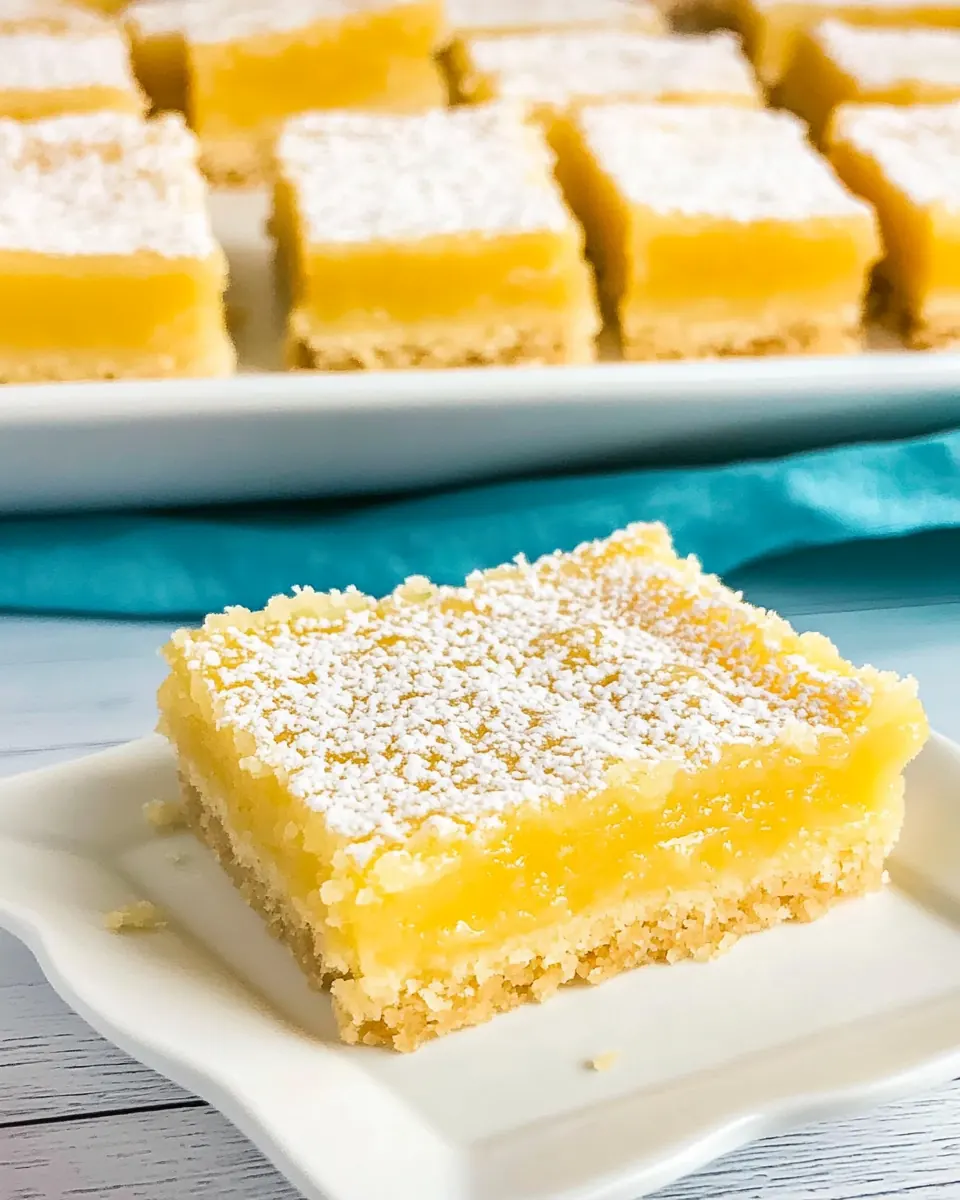
If you like to experiment, these variations let you nudge flavor and texture without changing the core approach. Each idea keeps the spirit of the recipe while offering a new dimension to try at brunch, tea, or a casual gathering.
- Extra Bright Lemon Increase the freshly squeezed lemon juice by a couple tablespoons for a more assertive citrus punch, but taste the batter first so the balance with sugar stays pleasing.
- Less Sweet Reduce the filling granulated sugar by two to three tablespoons if you prefer tart desserts, remembering that chilling temp mutes sweetness slightly.
- Decorative Dusting Sift confectioner’s sugar over the chilled bars right before serving to keep the surface pristine and elegant, rather than dusting too early which can dissolve.
- Firm Set Add a touch more of the 1/4 cup all purpose flour in the filling if you favor a firmer sliceable bar, but avoid adding too much to prevent a dense texture.
- Advance Prep Bake the crust a day ahead and store it wrapped at room temperature, then finish with the filling the next day for easier party day assembly.
What Complements This Lemon Bars
Lemon Bars pair beautifully with a range of simple accompaniments and occasions. Their bright acidity makes them great after heavy meals, and they fit casual gatherings as well as more formal brunches. Think about presentation and timing, because chilled bars shine when served slightly cool.
- Serving Style Serve chilled squares on a simple platter with a light dusting of confectioner’s sugar for an elegant, bakery style presentation that is easy to transport.
- Occasions These bars are perfect for spring gatherings, afternoon tea, baby showers, or potlucks where a portable, crowd pleasing dessert is welcome.
- Pairing Pair with mildly sweet beverages or herbal teas that do not compete with the citrus, and offer small forks for neat bites if guests are standing.
- Storage Store in an airtight container in the refrigerator for up to four days, keeping layers separated with parchment to prevent sticking and preserve appearance.
- Advance Prep Make the bars a day ahead and chill overnight to let flavors meld, which also makes slicing cleaner and less stressful on serving day.
FAQ
Conclusion
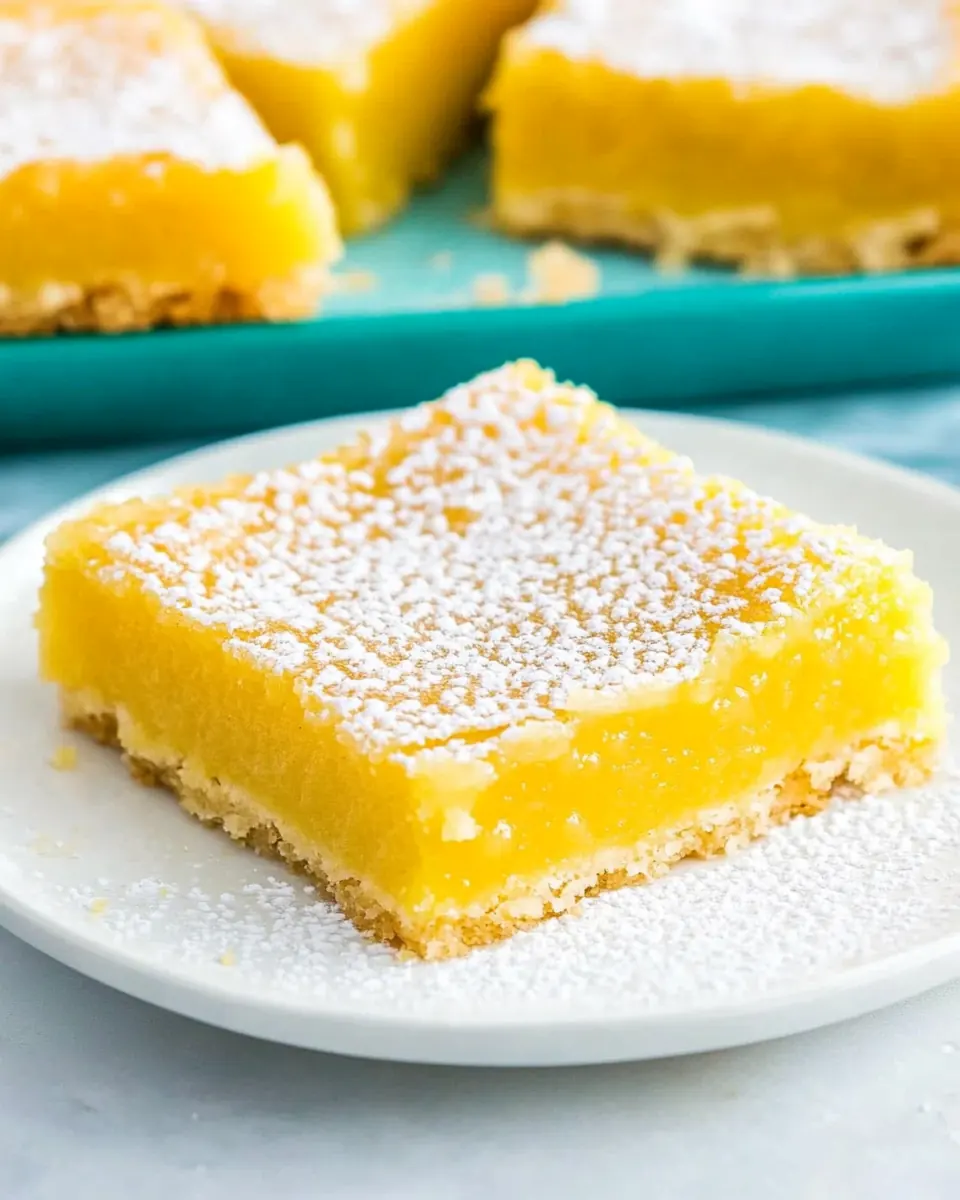
These Lemon Bars are special because they marry a tender, buttery crust with a bright, silky lemon filling that is both comforting and refreshingly lively. I encourage you to give them a try, because the recipe rewards careful technique and makes a memorable dish for gatherings or quiet afternoons. They are straightforward to prepare, travel well, and offer that satisfying combination of sweet and tart that keeps everyone coming back for one more square.
Lemon Bars
Ingredients
Equipment
Method
- Preheat the oven to 350° F. Line a 9×13 inch baking dish with parchment paper and set aside.: As the oven warms and the air takes on a gentle dry heat, you will feel the kitchen shift into focus, readying for baking. The temperature ensures the crust bakes quickly enough to set without overbrowning, and the filling will cook at a steady rate. A common mistake is placing an unlined pan in at this stage which can cause sticking, so line a 9x13 inch baking dish with parchment paper first to make removal easy. Listen for the oven click and watch the dial, because accurate heat means consistent texture later.
- Add the butter to a large mixing bowl. Add in the granulated sugar and use a hand-held mixer or whisk to cream together the butter and sugar until well-combined.: The tactile act of smoothing parchment into the pan makes later slicing effortless, and it prevents the buttery crust from sticking. Properly fitted parchment will come out in one piece, carrying the baked slab for cooling. Avoid crinkling the paper too much, as deep folds can create uneven crust thickness; press it gently so the base is flat and even.
- Mix in the flour and salt.: When you combine the slightly cooled melted unsalted butter with sugar, the bowl will gleam, and the butter's rich aroma will become noticeable. The warmed fats make it easier to incorporate the dry ingredients evenly. A trap to avoid is using butter that is too hot, which can make the flour clump; let it cool a touch until it is warm but not steaming before mixing.
- Press the crust into the bottom of the prepared baking pan and bake for 15-20 minutes, or until just beginning to lightly brown around the edges. While the crust is baking, prepare the filling.: As you beat, the mixture will lighten subtly, and the sugar will start to dissolve into the fat, creating a cohesive base. Creaming gives the crust a delicate crumb, promoting browning and structure. Overbeating can incorporate excess air and change texture, so mix just until uniform; scrape the bowl so no dry pockets remain.
- Add the eggs and sugar to a large mixing bowl. Use a hand-held mixer to mix the eggs and sugar until well-combined.: When the all purpose flour and sea salt meet the butter mixture, the texture will shift from glossy to gently sandy. Use a spatula or low speed to combine until no streaks of flour remain, taking care not to develop gluten which would make the crust tough. If you overwork this stage, the crust can become dense rather than tender, so fold until just incorporated.
- Add in the lemon juice and vanilla and mix until well-combined. Mix in the flour until combined.: Pressing the dough evenly creates a uniform base that bakes predictably. As it bakes, small nutty aromas will come forward and the edges will take on a pale golden hue, your key visual signal. Avoid pressing too thinly which can cause a crispy, brittle base, and do not underbake, otherwise the filling may soak into a raw crust.
- Pour the filling mixture over the cooked crust and return to the oven to bake for 20-22 minutes, or until the filling is set.: This step lets the crust set while you work in rhythm on the filling, maximizing efficiency. The counter will hum with citrus scents as you juice lemons and the kitchen will feel organized. A frequent oversight is rushing the filling assembly while the crust is still very hot, which can make the eggs scramble when poured, so give the crust a minute to cool.
- Remove from the oven and allow to come to room temperature before placing in the fridge to chill for 2 hours. Dust the bars with powdered sugar if desired and remove from pan before cutting into squares.: When you beat large eggs with granulated sugar , the mixture will become glossy and slightly thickened, trapping air and creating a custardy body. This emulsion is important for texture, and using room temperature eggs helps them combine smoothly. Cold eggs can cause uneven mixing, and under-mixing can leave grainy pockets of sugar.
- Use a hand-held mixer to mix the eggs and sugar until well combined: As you mix, the sound will shift from thin to more substantial, and the color will lighten. This step develops the filling base and ensures the sugar integrates fully with the eggs for a silky finish. Be mindful not to overbeat into foam, which could create tiny bubbles in the finished filling rather than a uniform surface.
- Add in the lemon juice and vanilla and mix until well combined: The moment you pour in freshly squeezed lemon juice , a bright aroma will rise, and the mixture will loosen slightly. Clear vanilla extract adds a fragrant warmth that balances the citrus edge. Mixing here emulsifies the acids and sugars, but do this gently enough to avoid aeration that could create fissures during baking.
- Mix in the flour until combined: A small amount of all purpose flour stabilizes the filling, helping it set with a clean cut. As you incorporate the flour, the texture will become smooth and slightly denser. Overworking can create a gummy texture, so stir just until the streaks disappear and the batter looks uniform and glossy.
- Pour the filling mixture over the cooked crust and return to the oven to bake for 20 to 22 minutes, or until the filling is set: Pouring creates that satisfying contrast between the pale crust and the lemon custard. During baking, the filling will puff a touch and then settle, and the center will become matte and no longer jiggle excessively, which indicates doneness. A common mistake is underbaking, leaving the center too soft, so follow the visual cues rather than exact time alone.
- Remove from the oven and allow to come to room temperature before placing in the fridge to chill for 2 hours: Cooling is a quiet but crucial phase where residual heat finishes the set and prevents condensation when chilling. The bars will firm up and flavors will mingle. Don't rush to cut while warm, because you'll get messy edges; patience here rewards you with clean slices.
- Dust the bars with powdered sugar if desired and remove from pan before cutting into squares: A final dusting of confectioner's sugar adds a soft finish and a bakery look. Lift the slab using the parchment, transfer to a cutting board, and use a sharp knife for neat squares. If the bars feel sticky, chill a bit longer; forcing cuts can smear the filling.
Notes
- Extra Bright Lemon Increase the freshly squeezed lemon juice by a couple tablespoons for a more assertive citrus punch, but taste the batter first so the balance with sugar stays pleasing.
- Less Sweet Reduce the filling granulated sugar by two to three tablespoons if you prefer tart desserts, remembering that chilling temp mutes sweetness slightly.
- Decorative Dusting Sift confectioner's sugar over the chilled bars right before serving to keep the surface pristine and elegant, rather than dusting too early which can dissolve.
- Firm Set Add a touch more of the 1/4 cup all purpose flour in the filling if you favor a firmer sliceable bar, but avoid adding too much to prevent a dense texture.
- Advance Prep Bake the crust a day ahead and store it wrapped at room temperature, then finish with the filling the next day for easier party day assembly.