Panera Bread Creamy Tomato Soup
Panera Bread Creamy Tomato Soup is the kind of bowl I reach for when the sky turns pewter and I want to feel soothed from the inside out. I first learned to make this at home on a chilly Sunday while nursing a cold, and the warmth of the simmering pot and the sweet, roasted tomato aroma felt like a hug. That first spoonful reminded me of the cozy Panera Cafes I used to duck into between errands, and I set out to capture that same silky texture and tangy sweetness in my own kitchen.
Over time I tweaked it until it hit the notes I loved most, creamy but bright, with a whisper of herbs and just enough sugar to balance the tomatoes. When friends drop by unexpectedly I often ladle this into bowls and watch how quickly the room quiets down, everyone focused on that velvety mouthfeel. It has become my go to for quick dinner nights and for serving when I want something comforting yet not fussy.
Recipe Snapshot
40 mins
10 mins
30 mins
Medium
250 kcal
American
Gluten-Free, Keto
Soups
Heavy bottomed pot or dutch oven, Immersion blender, Cutting board and knife
What’s Great About This Panera Bread Creamy Tomato Soup
Silky, not heavy
I adore how Panera Bread Creamy Tomato Soup manages to feel indulgent without weighing you down. The addition of half and half gives the soup a lush texture that coats the tongue gently, while the tomatoes keep it bright. I often choose this when I want comfort food that still leaves room for a light main or salad.
Simple pantry driven
This recipe uses staples you probably already have, like olive oil, garlic, and dried basil, which makes it accessible on busy evenings. I love that I can pull a couple cans of tomatoes from the pantry and have dinner on the table quickly, which is a huge win on weeknights.
Layered flavor in few steps
Carmelizing the onion and gently simmering the tomatoes builds depth, so even with minimal ingredients the soup tastes complex. I find the slow simmer and the sugar to be small moves that pay big dividends, turning acidic tomatoes into a round, cozy base.
Versatile for serving
We serve it plain for a light meal, or with crunchy bread for dunking. The soup pairs well with grilled cheeses and salads, making it great for lunch or a casual dinner. I often keep a batch in the fridge because it reheats beautifully.
Reliable make ahead
I appreciate that this recipe stores well. I sometimes make a double batch, freeze half, and pull it out when I need a fast, satisfying meal. The texture and flavor remain true after reheating, which is why it has earned a spot in my meal rotation.
Main Ingredients for Panera Bread Creamy Tomato Soup

These ingredients are chosen to create a balance between bright tomato acidity, herbal warmth, and creamy finish. The tomatoes provide the structural flavor, while aromatic onion and garlic add savory depth. The half and half smooths the edges and the dried herbs lift the profile so each spoonful feels coherent and satisfying.
- 2 tablespoons olive oil: Heat gently to provide the cooking medium and help release flavors; olive oil also contributes a smooth mouthfeel and light richness to the soup base. Use a modest amount to sauté aromatics without overpowering the tomato brightness.
- 6 garlic cloves minced: Mince finely to disperse pungent garlic flavor throughout the soup; garlic adds savory depth and a subtle sweet edge when softened. Add early in cooking to bloom its oils and enhance overall aroma.
- 1 large yellow onion diced: Dice uniformly to ensure even softening and a sweet, aromatic foundation; onion builds body and natural sweetness that balances tomato acidity. Sauté until translucent to develop gentle caramelization and complexity.
- 2 cans San Marzano peeled tomatoes (28 oz can sizes) crushed or blended: Crush or blend to create a silky, robust tomato backbone; San Marzano tomatoes offer concentrated, slightly sweet tomato flavor ideal for a creamy soup. Use whole peeled tomatoes crushed by hand or pulsed for texture control and authentic taste.
- 1 cup vegetable stock: Add as a liquid base to adjust consistency and carry flavors; vegetable stock provides savory umami notes and deepens the soup without overpowering the tomatoes. Use low-sodium stock if you plan to adjust seasoning later.
- 2 tablespoons sugar: Sprinkle in to counteract tomato acidity and enhance perceived sweetness; sugar rounds out sharp edges and smooths the overall flavor profile. Dissolve fully during simmering so it integrates seamlessly into the soup.
- 1 teaspoon dried oregano: Stir in to impart warm, herbal earthiness; dried oregano complements tomato and onion with Mediterranean herbal notes. Add early so it rehydrates and releases aroma into the simmering soup.
- 1 teaspoon dried basil: Include to contribute sweet, slightly peppery herb character; dried basil brightens and echoes classic tomato-basil pairings. Add toward the simmering stage to infuse its fragrant notes without turning bitter.
- 1 cup half and half or heavy cream: Whisk in to enrich texture and create a velvety, creamy finish; half and half or heavy cream provides body and softens acidity for a smooth mouthfeel. Add off heat or on low to avoid curdling and preserve creaminess.
- kosher salt and freshly ground black pepper to taste: Season to taste to balance and enhance all flavors; kosher salt and freshly ground black pepper sharpen and elevate the soup’s overall profile. Adjust gradually and taste as you go to achieve the preferred seasoning.
How to Cook Panera Bread Creamy Tomato Soup
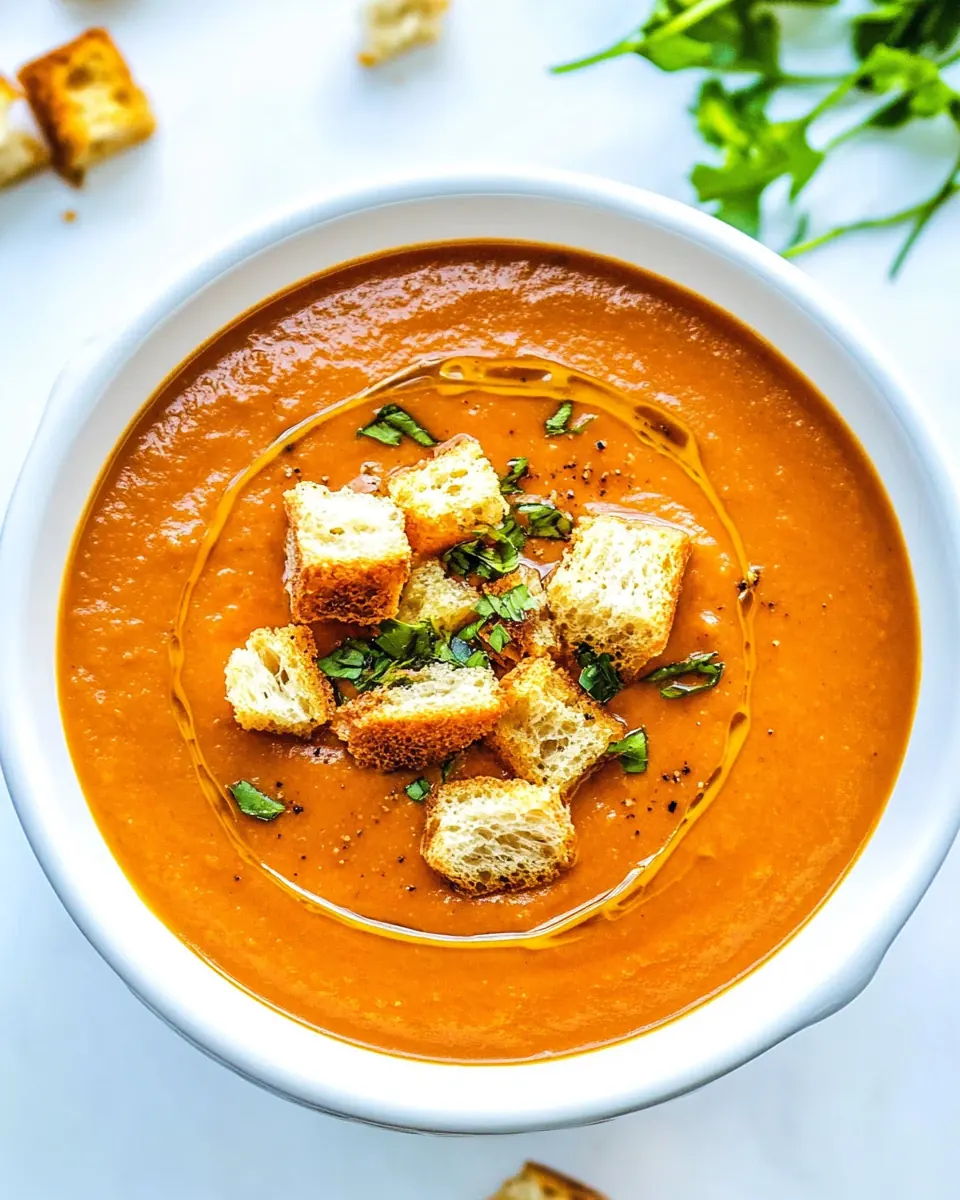
Cooking this soup is straightforward, but the small details make a huge difference. Below I expand each CSV direction into step by step guidance, focusing on sensory cues and troubleshooting so you know you are on track.
- In a heavy-bottomed pot or dutch oven, heat olive oil over medium-high heat.: You will notice the oil shimmer when it is ready, and it should move fluidly across the pan. This sheen indicates the temperature is right for sweating vegetables without burning them. The sound is a gentle sizzle as the first pieces of onion touch the oil. Using a heavy-bottomed pot ensures steady heat distribution, preventing hot spots that can scorch aromatics. A common mistake is overheating the oil so it smokes, which ruins the delicate flavors; if it begins to smoke, remove the pan from heat for a moment to cool slightly.
- Add diced onion and garlic. Cook, stirring as needed, until onion is translucent – about 5-8 minutes.: As the onion softens you will see it turn from opaque to translucent and the edges will become glossy. The kitchen will fill with a sweet, savory aroma as the natural sugars in the onion caramelize slightly. Stir every minute or so to ensure even softening and to prevent the garlic from sticking to the pan and burning; burnt garlic tastes acrid and will overpower the soup. If the mixture starts to brown quickly, reduce the heat and add a splash of the vegetable stock to deglaze the pan.
- Add the San Marzano peeled tomatoes, including the juice, vegetable stock, dried oregano, dried basil, and sugar. Season with salt and pepper and stir to combine. Bring to a low simmer. Cook uncovered, for 12 minutes or until it has thickened. Stir occasionally.: When you add the canned tomatoes and stock the pot will huff and sputter as the liquid hits the hot surface, then settle into a gentle simmer. The aroma shifts to bright, concentrated tomato with herbal notes. Stirring helps break the tomatoes apart if they are whole and integrates the herbs and sugar . The mixture will reduce slightly, concentrating flavors, and you will see it thicken and cling to the spoon. Avoid a rapid rolling boil, which can make the soup taste flat; keep it at a low simmer. If the soup seems too thin after 12 minutes, extend simmering, checking every few minutes until it reaches the desired body.
- Add the half-and-half or heavy cream and season to taste with salt and pepper.: Pouring in the half and half will soften the tomato tang and add a creamy sheen. Visually you will notice the color mellow to a gentle orangey red, and a faint steam will rise as it warms. Stir gently to incorporate the cream into the base, and then taste, adjusting with kosher salt and freshly ground black pepper . If the cream curdles, the soup was too hot when added; temper by removing from heat and stirring vigorously while cooling slightly. Take care not to over salt at this stage since reduction concentrated the salts earlier.
- Using an immersion blender (or carefully transfer soup to a blender), puree soup until there are no large chunks left.: The soup will transform under the blade into a silkier, cohesive texture. With an immersion blender you can work directly in the pot, moving the head methodically to ensure no large pieces remain. If using a countertop blender, work in batches and vent the lid so steam can escape, covering with a towel to prevent splatter. The sound becomes a steady whir, and you'll see bubbles on the surface as air gets incorporated. Overblending can thin the soup excessively and introduce air that changes mouthfeel, so pulse until smooth.
- Serve immediately garnished with croutons and french bread on the side.: Pour the soup into warmed bowls so it stays hot longer, and add croutons for a contrasting crunch. The first spoonful should be warm and silky, with herbal hits and a gentle sweetness. I like to place sliced french bread alongside for dunking, which provides texture contrast and makes the meal more satisfying. A typical pitfall is letting the soup sit too long before serving, which can dull the aromatics, so time serving to when everyone is ready to eat.
- Store in an airtight container in the fridge for up to 5 days or you can freeze the soup for up to 3 months.: Cool the soup to near room temperature before sealing to avoid condensation and dilution. In the fridge it will thicken slightly as it chills, and flavors often meld overnight, improving the profile. For freezing, leave headroom in the container because liquids expand when frozen. When reheating, do so gently over low heat to prevent separation, stirring frequently. A mistake to avoid is reheating at too high heat, which can break the cream and alter texture.
Tips and Variations
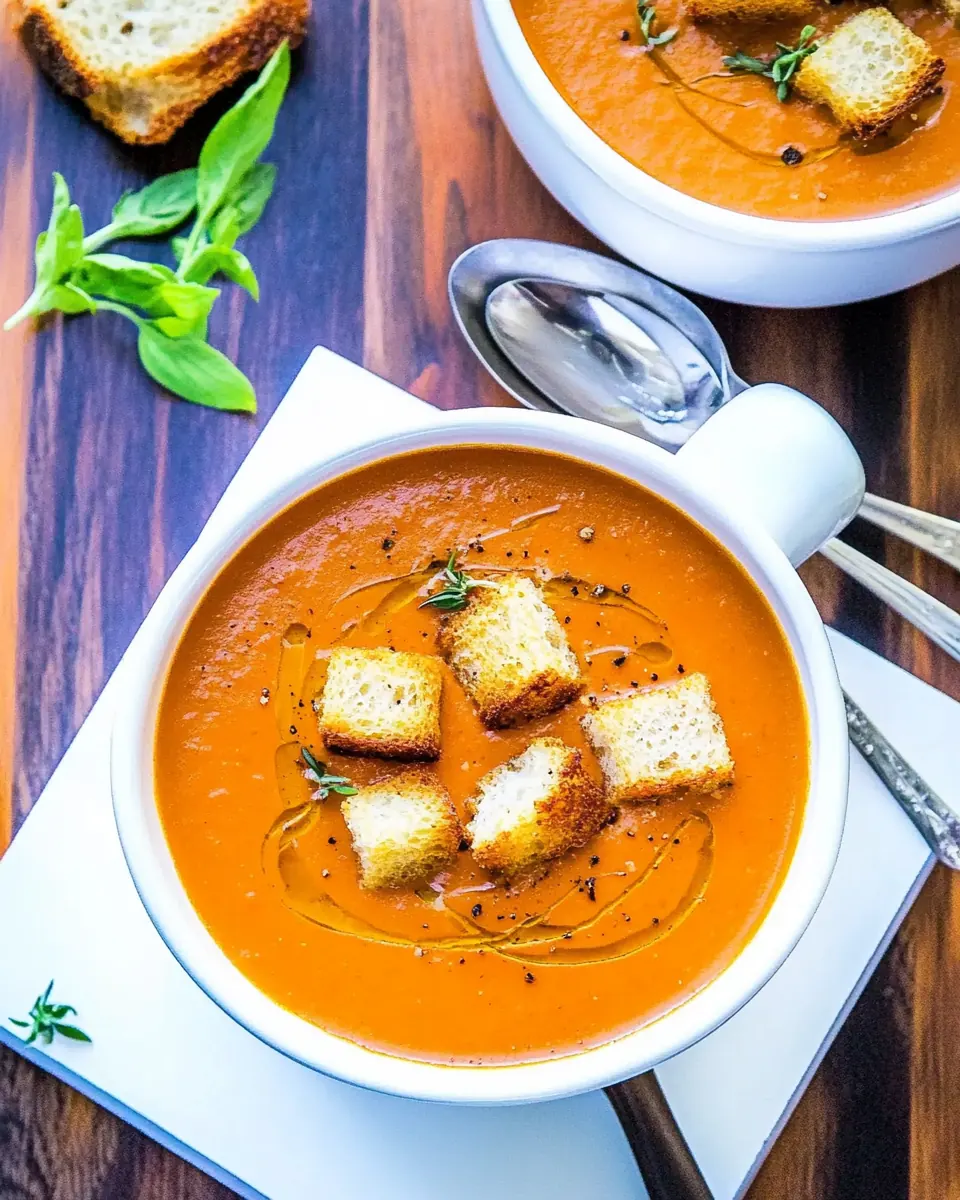
I like to keep these tips handy because small changes make this soup truly sing. Below are practical variations and troubleshooting notes that I use regularly to adapt the recipe for flavor or convenience.
- Choose San Marzano style tomatoes for sweeter, less acidic tomato flavor which reduces the need for sugar and yields a cleaner finish.
- Gently caramelize the onion to develop natural sweetness that counterbalances the tomato acidity, but don’t let it brown too dark or the soup will taste overcooked.
- Tempering cream helps avoid curdling, add a ladle of warm soup into the cream before mixing it into the pot if you are concerned about heat shock.
- Use an immersion blender for convenience and safety, it avoids hot transfers and gives you more control over texture.
- Adjust sugar carefully to achieve balance, add in small increments and taste frequently so you do not mask the tomato character.
What Goes Well With This Panera Bread Creamy Tomato Soup
This soup pairs with many simple sides and occasions, making it a versatile addition to your meal plan. Below I cover serving ideas, pairings, and storage notes so you can plan around meals and seasons.
- Classic grilled cheese pairing Serve the soup with a golden grilled cheese for a nostalgic combo that works for lunch or casual dinner. The crunchy, buttery bread contrasts the silky soup beautifully.
- Crusty bread and salad Pairing with a crisp green salad and warm crusty bread creates a light but satisfying meal suitable for a weekday dinner or a cozy lunch.
- Family gatherings This soup is suitable for fall and winter gatherings where you want something warm and comforting served alongside simple mains or a sandwich bar.
- Storage for meal prep Store in airtight containers in the fridge for up to 5 days or freeze in portions for up to 3 months, then reheat gently to preserve texture and creaminess.
- Seasonal pairings In colder months serve with roasted vegetables and warm bread, in milder weather keep it light with a seasonal green salad and citrus vinaigrette.
FAQ
Conclusion
This Panera Bread Creamy Tomato Soup stands out for its velvety texture and balanced tomato forward flavor. It is a dependable, comforting bowl that is quick enough for weeknights yet satisfying enough for guests, and the simple ingredient list makes it accessible. Give it a try on a cool evening, and you may find it becoming a staple in your meal rotation. I hope it brings the same warmth and ease to your table as it has to mine, and that you enjoy customizing it to your taste.
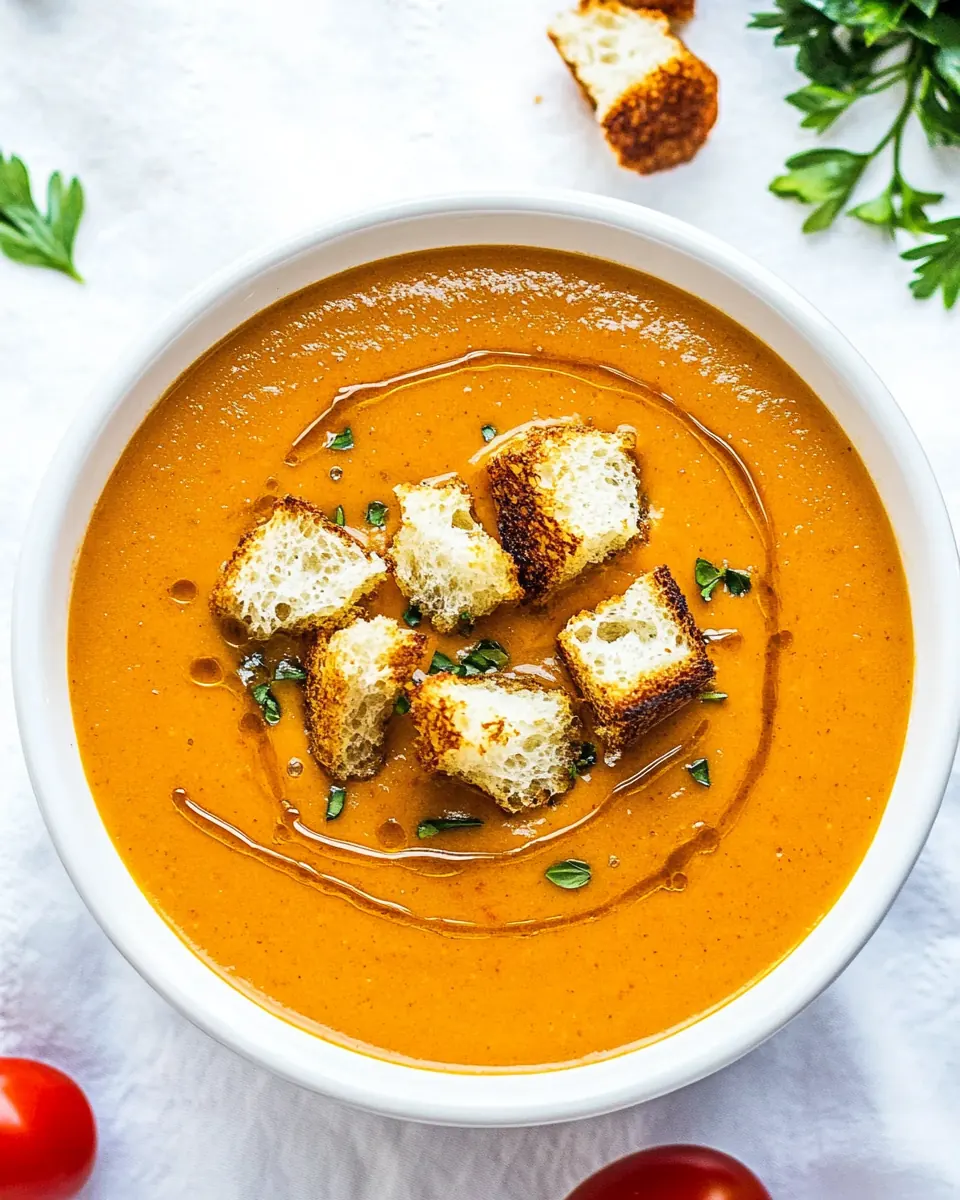
Panera Bread Creamy Tomato Soup
Ingredients
Equipment
Method
- In a heavy-bottomed pot or dutch oven, heat olive oil over medium-high heat.: You will notice the oil shimmer when it is ready, and it should move fluidly across the pan. This sheen indicates the temperature is right for sweating vegetables without burning them. The sound is a gentle sizzle as the first pieces of onion touch the oil. Using a heavy-bottomed pot ensures steady heat distribution, preventing hot spots that can scorch aromatics. A common mistake is overheating the oil so it smokes, which ruins the delicate flavors; if it begins to smoke, remove the pan from heat for a moment to cool slightly.
- Add diced onion and garlic. Cook, stirring as needed, until onion is translucent – about 5-8 minutes.: As the onion softens you will see it turn from opaque to translucent and the edges will become glossy. The kitchen will fill with a sweet, savory aroma as the natural sugars in the onion caramelize slightly. Stir every minute or so to ensure even softening and to prevent the garlic from sticking to the pan and burning; burnt garlic tastes acrid and will overpower the soup. If the mixture starts to brown quickly, reduce the heat and add a splash of the vegetable stock to deglaze the pan.
- Add the San Marzano peeled tomatoes, including the juice, vegetable stock, dried oregano, dried basil, and sugar. Season with salt and pepper and stir to combine. Bring to a low simmer. Cook uncovered, for 12 minutes or until it has thickened. Stir occasionally.: When you add the canned tomatoes and stock the pot will huff and sputter as the liquid hits the hot surface, then settle into a gentle simmer. The aroma shifts to bright, concentrated tomato with herbal notes. Stirring helps break the tomatoes apart if they are whole and integrates the herbs and sugar . The mixture will reduce slightly, concentrating flavors, and you will see it thicken and cling to the spoon. Avoid a rapid rolling boil, which can make the soup taste flat; keep it at a low simmer. If the soup seems too thin after 12 minutes, extend simmering, checking every few minutes until it reaches the desired body.
- Add the half-and-half or heavy cream and season to taste with salt and pepper.: Pouring in the half and half will soften the tomato tang and add a creamy sheen. Visually you will notice the color mellow to a gentle orangey red, and a faint steam will rise as it warms. Stir gently to incorporate the cream into the base, and then taste, adjusting with kosher salt and freshly ground black pepper . If the cream curdles, the soup was too hot when added; temper by removing from heat and stirring vigorously while cooling slightly. Take care not to over salt at this stage since reduction concentrated the salts earlier.
- Using an immersion blender (or carefully transfer soup to a blender), puree soup until there are no large chunks left.: The soup will transform under the blade into a silkier, cohesive texture. With an immersion blender you can work directly in the pot, moving the head methodically to ensure no large pieces remain. If using a countertop blender, work in batches and vent the lid so steam can escape, covering with a towel to prevent splatter. The sound becomes a steady whir, and you'll see bubbles on the surface as air gets incorporated. Overblending can thin the soup excessively and introduce air that changes mouthfeel, so pulse until smooth.
- Serve immediately garnished with croutons and french bread on the side.: Pour the soup into warmed bowls so it stays hot longer, and add croutons for a contrasting crunch. The first spoonful should be warm and silky, with herbal hits and a gentle sweetness. I like to place sliced french bread alongside for dunking, which provides texture contrast and makes the meal more satisfying. A typical pitfall is letting the soup sit too long before serving, which can dull the aromatics, so time serving to when everyone is ready to eat.
- Store in an airtight container in the fridge for up to 5 days or you can freeze the soup for up to 3 months.: Cool the soup to near room temperature before sealing to avoid condensation and dilution. In the fridge it will thicken slightly as it chills, and flavors often meld overnight, improving the profile. For freezing, leave headroom in the container because liquids expand when frozen. When reheating, do so gently over low heat to prevent separation, stirring frequently. A mistake to avoid is reheating at too high heat, which can break the cream and alter texture.
Notes
- Choose San Marzano style tomatoes for sweeter, less acidic tomato flavor which reduces the need for sugar and yields a cleaner finish.
- Gently caramelize the onion to develop natural sweetness that counterbalances the tomato acidity, but don’t let it brown too dark or the soup will taste overcooked.
- Tempering cream helps avoid curdling, add a ladle of warm soup into the cream before mixing it into the pot if you are concerned about heat shock.
- Use an immersion blender for convenience and safety, it avoids hot transfers and gives you more control over texture.
- Adjust sugar carefully to achieve balance, add in small increments and taste frequently so you do not mask the tomato character.