Lemon Cupcakes
Lemon Cupcakes are the kind of treat I reach for when I want something bright and comforting at the same time. The first time I baked these I remember the kitchen filling with a clean citrus scent that cut through the usual sweet smells, and I felt instantly lighter. I was testing recipes for a spring brunch and these cupcakes felt like sunshine in a paper liner, cheerful and unexpectedly tender.
Since then I make Lemon Cupcakes when friends drop by without warning, because they come together fast and always vanish faster. I like to think of them as a small, personal celebration, each bite offering soft crumb and a citrus pop. Over the years I adjusted tiny things, learning which textures sing together, and each version taught me something new about balance and timing. That kind of trial and error is what makes a recipe feel like your own.
Recipe Snapshot
35 mins
20 mins
15 mins
Easy
210 kcal
American
Gluten-Free, Low FODMAP
Desserts
Cupcake tin, Paper liners, Mixing bowls, Whisk, Sifter, Toothpick
Why You’ll Love This Lemon Cupcakes
Bright, clean flavor that wakes the palate
I love how Lemon Cupcakes bring a lively lemon note without being aggressively tart. The lemon juice and zest work in tandem to give both fragrance and a subtle acidity that keeps each bite fresh rather than cloying. When I taste these, I notice the way the citrus elevates the sugar, and that brightness is the main reason I keep this recipe handy.
Moist crumb from simple swaps
Using Greek yogurt and vegetable oil keeps the crumb tender and moist, even a day later. I found that this combination holds onto moisture better than butter alone, so the cupcakes stay soft without feeling greasy. I often make them ahead, and they still feel freshly baked at tea time.
Speed and reliability
I appreciate recipes that are forgiving, and Lemon Cupcakes are exactly that. The batter comes together quickly in a bowl, and the whole process fits into a short afternoon window. For busy hosts, this reliability is a huge advantage, because you get consistent results without overthinking the steps.
Flexible for decorating and occasions
These cupcakes are a blank canvas. I usually finish them with a bright frosting of choice, but they also shine with a simple dusting of powdered sugar or a light glaze. That adaptability means you can dress them up for a shower or keep them casual for an after school snack.
Accessible ingredients and technique
Everything in this recipe is approachable, most items are pantry staples, and nothing requires exotic shopping. Because of that, Lemon Cupcakes feel like a recipe anyone can pull off the first time they try it, and I love sharing it for that reason.
Main Ingredients for Lemon Cupcakes
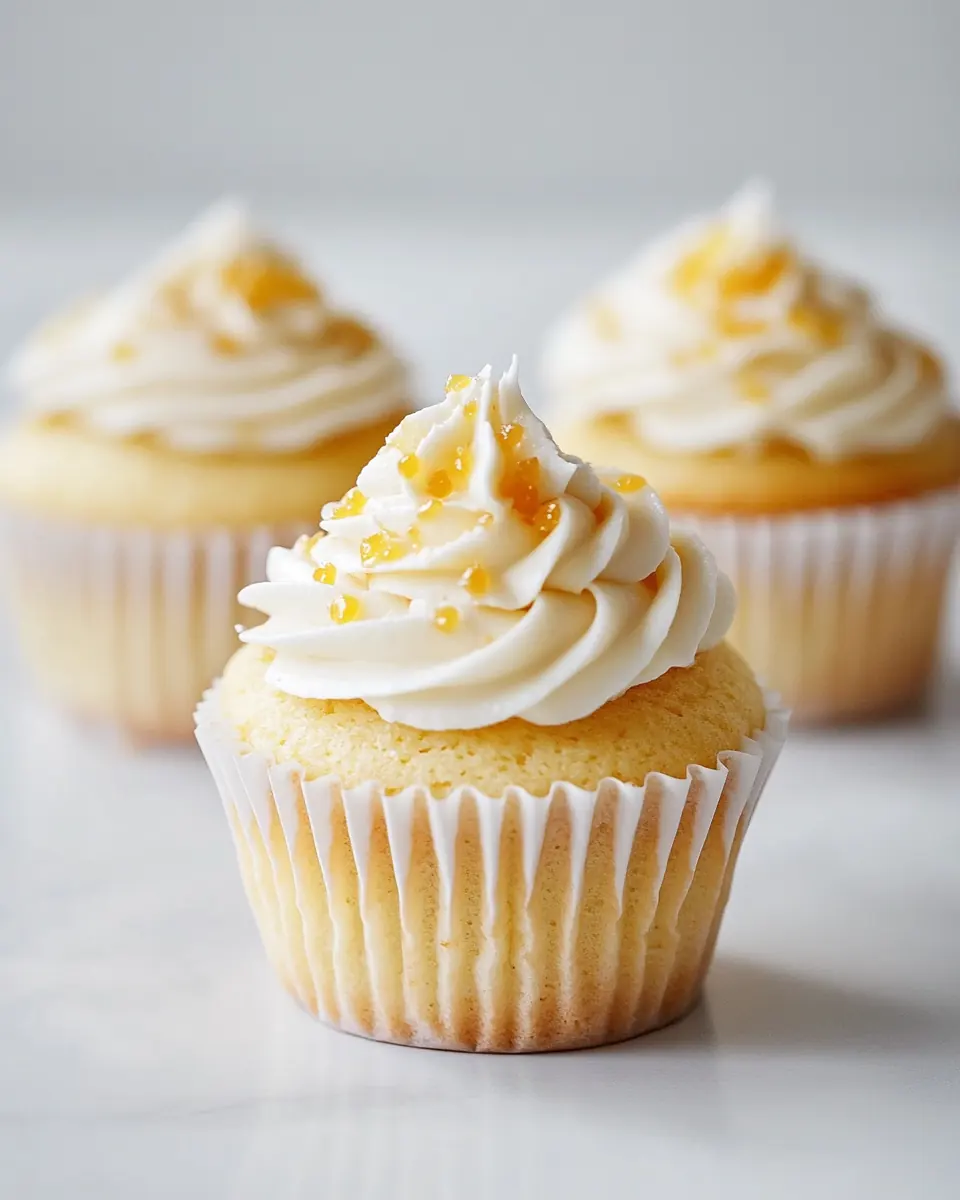
These ingredients are chosen to create a soft, tender cupcake with a bright lemon profile. The starches form the structure, the leaveners give lift, and the dairy plus oil keep the crumb tender and moist. The lemon elements are the starring notes that tie the whole cake together, and the sugar balances the acidity so every bite is cheerful rather than sharp.
- 1 2/3 cups all-purpose flour: Provides structure and bulk to the batter, giving cupcakes their crumb and stability; sift or whisk to remove lumps and ensure even mixing. Balances moisture and helps incorporate leavening for an even rise during baking.
- 1/4 teaspoon baking soda: Acts as a mild leavening contributor that reacts with acidic components to produce carbon dioxide for added lift; measure precisely as small amounts affect texture. Ensures a tender crumb when combined with other leavening agents.
- 1 1/2 teaspoons baking powder: Delivers primary leavening power, helping the cupcakes rise and become light and airy; distribute evenly through the dry ingredients. Works with baking soda and acidic elements to create a consistent, springy texture.
- 1 pinch kosher salt: Enhances overall flavor by providing a subtle savory balance and helps strengthen gluten structure slightly; use a small pinch to avoid noticeable saltiness. Can accentuate sweetness and lemon brightness when evenly mixed.
- 3/4 cup vegetable oil: Adds moisture and richness while keeping the cake tender; use neutral-flavored oil to maintain lemon flavor prominence. Contributes to a moist crumb and longer-lasting softness compared with butter.
- 2 large eggs room temperature: Provides structure, richness, and emulsification, aiding in lift and color; bring to room temperature for better incorporation. Beaten eggs help trap air and bind ingredients for cohesive batter.
- 1/2 cup Greek yogurt room temperature: Contributes tenderness and moisture while adding slight tang and acidity to react with leavening; use at room temperature for smooth blending. Helps create a moist, dense-but-tender crumb with subtle flavor.
- 1/4 cup whole milk warm: Thins the batter slightly and adds moisture while helping to dissolve sugar; warm milk integrates more smoothly into the batter. Adds richness from milk fats and promotes even texture.
- 2 tablespoons lemon zest: Adds concentrated citrus aroma and intense lemon flavor without extra acidity; gently grate only the yellow peel to avoid bitterness. Distributes lemon oils throughout the batter for bright, fresh notes.
- 1/4 cup fresh lemon juice: Provides bright, fresh lemon flavor and acidity which interacts with leavening agents to enhance rise and balance sweetness. Use freshly squeezed juice for best flavor and natural brightness.
- 1 cup granulated sugar: Sweetens the cupcakes and aids in browning and tenderness; creaming with oil and eggs helps incorporate air for a lighter texture. Adjust slightly if your frosting or fillings are very sweet.
- Frosting of choice for decorating: Used to finish and decorate cupcakes, adding sweetness, texture, and visual appeal; choose a frosting that complements lemon flavor. Can be piped or spread and may include garnishes like zest for contrast.
How to Cook Lemon Cupcakes
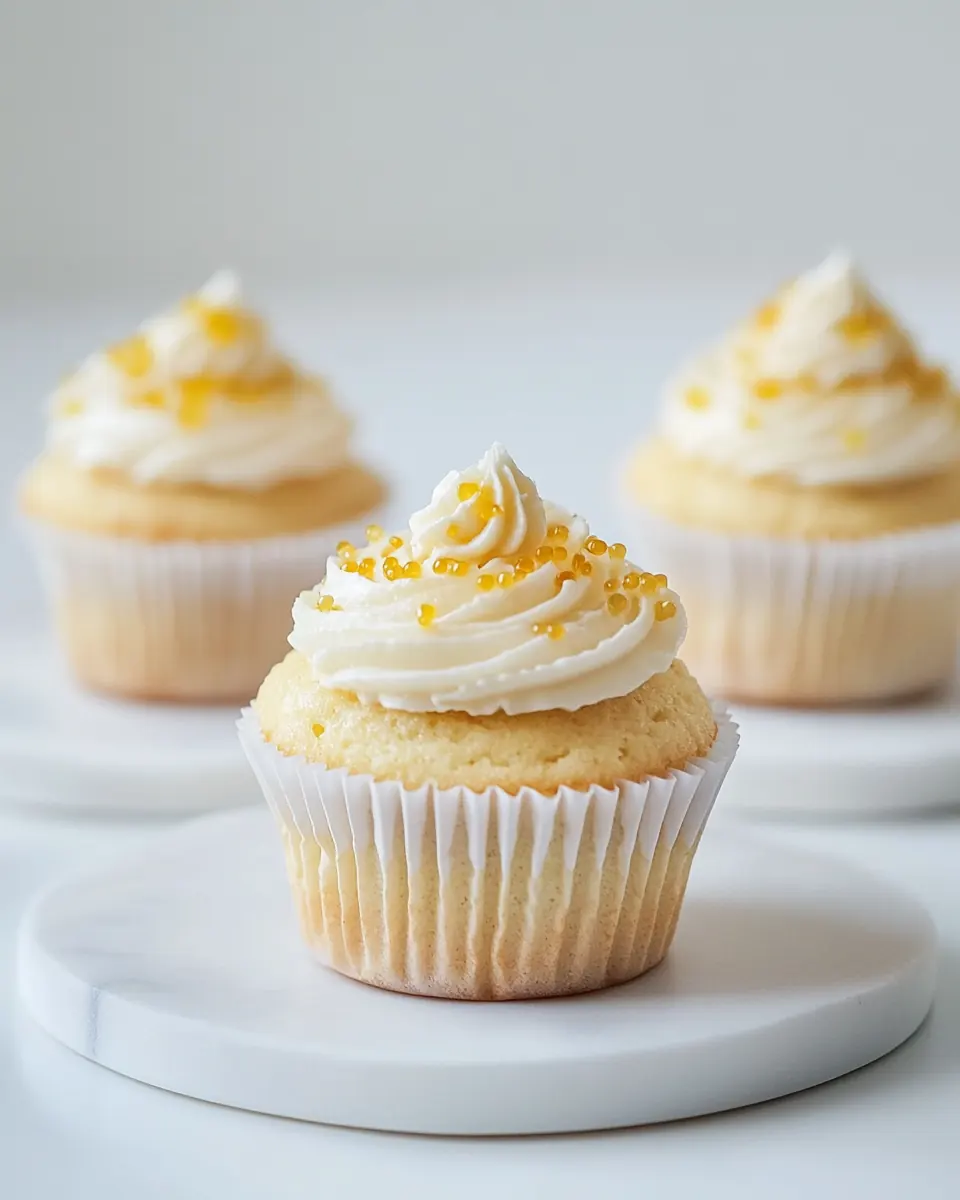
These instructions are straightforward, but the details matter for texture and flavor. I like to move through the steps with intention, paying attention to aromas and visual cues so the cupcakes come out consistent every time. Keep your tools ready and your mixer speed controlled for the best results.
- Preheat oven to 375°F. Line a cupcake tin with paper liners.: A warm oven yields a fast initial rise, and the smell of the heat hitting the batter is the first signal everything is progressing. You should feel mild warmth in the kitchen as the oven reaches temperature, and the liners protect the sides while allowing the tops to brown. Always let the oven fully preheat to avoid uneven rise or underbaked centers, which happens when the oven is still heating.
- Sift together flour, baking soda, baking powder, and salt in a large bowl.: Airy, sifted dry ingredients make a lighter texture and help distribute the leaveners so the rise is uniform. As you sift, you will see the mixture lighten in color and texture, and gently whisking afterward ensures evenness. A common mistake is skipping sifting, which can leave lumps of leavening and cause uneven pockets or flavor.
- In a separate bowl, whisk together oil, eggs, yogurt, milk, zest, lemon juice, and sugar until smooth.: As you whisk, the batter will take on a sheen and the sugar will begin to dissolve, releasing the lemon aroma. The sound is a steady, light whisking and the mixture should smell bright and slightly tangy. If the eggs are cold, emulsification can be stubborn, so room temperature ingredients help create a cohesive batter; cold components can lead to slight curdling or uneven texture.
- Add wet ingredients to dry ingredients and mix until just combined.: After combining, you should see a homogenous batter with small streaks that disappear with gentle folding. Overmixing develops gluten and yields a tougher crumb, so stop when you no longer see flour streaks. A telltale sign of overmixing is a glossy, stretchy batter, which often results in denser cupcakes.
- Fill cupcake liners 3/4 full and bake for 13-17 minutes or until a toothpick inserted comes out clean. Once cool, decorate with preferred frosting.: While baking, watch the tops for a pale golden color and a slight spring when touched. The oven will emit a gentle, sweet aroma as the lemon and sugar brown. Test for doneness with a toothpick; if it comes out with wet batter, they need more time. Baking too long dries them out, while pulling them too early leaves gummy centers.
- Once cool, decorate with preferred frosting.: Cooling allows the crumb to set and makes frosting easier to apply, and you will notice the lemon scent settle into the cupcake as steam dissipates. Frosting warm cupcakes can melt the topping and ruin presentation, so be patient and let them reach room temperature. Rushing this step is the most common misstep and will cause the frosting to slide off.
Change It Up
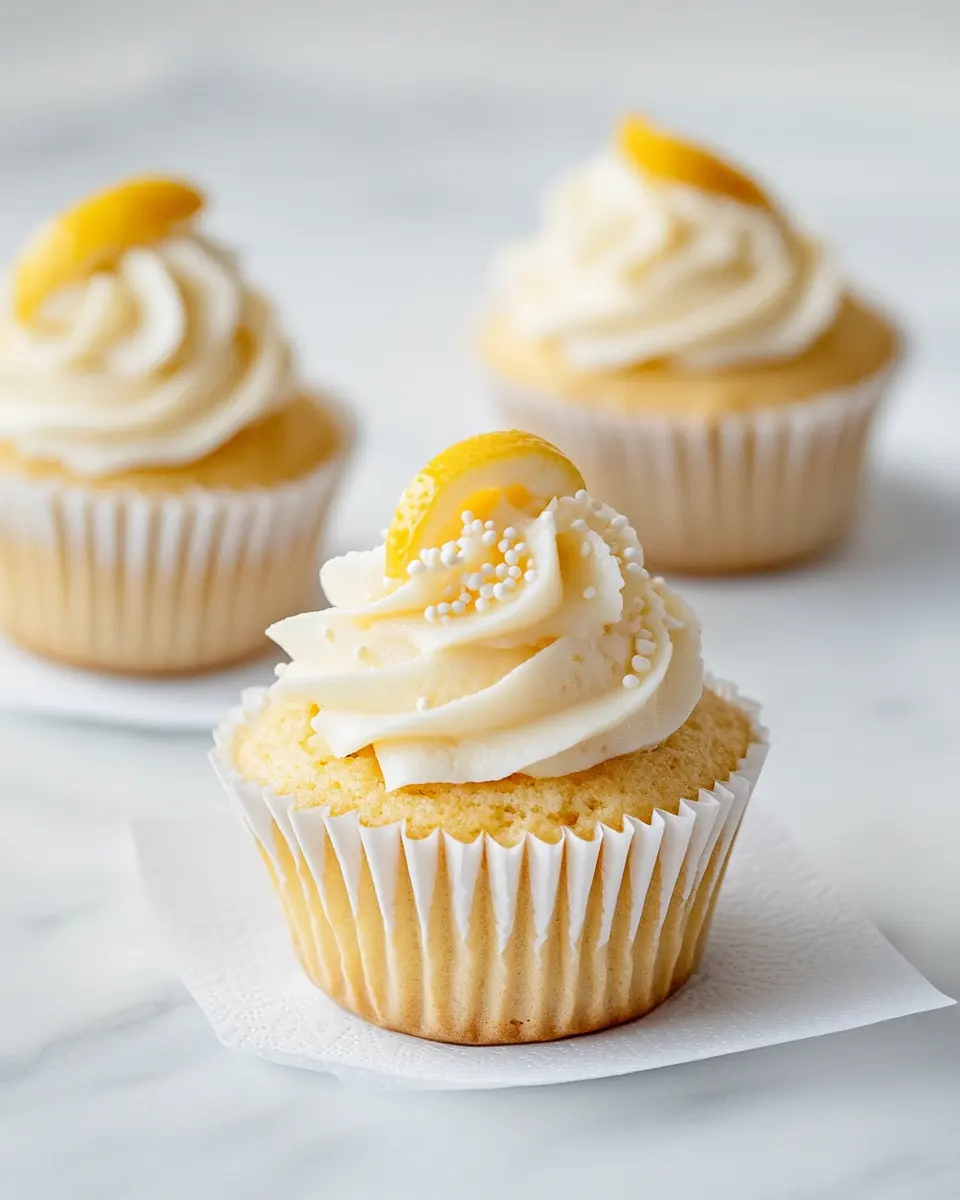
If you want to vary presentation or flavor, small tweaks will make a big difference. Below are practical adjustments and ideas that keep the base intact while giving you new results for different occasions. Each tip starts with a bold phrase to help you skim and apply quickly.
- Try a light glaze Instead of heavy frosting, whisk together powdered sugar and a few teaspoons of fresh lemon juice to make a thin glaze, then drizzle over cooled cupcakes for a glossy, delicate finish that still emphasizes the lemon.
- Use cream cheese frosting A tangy cream cheese style frosting complements the citrus while adding richness, especially appealing for celebratory gatherings, but keep it lightly sweetened to avoid masking the lemon.
- Decorate with candied lemon Thin strips of lemon peel candied in sugar look decorative and amplify the citrus aroma, placing one atop each cupcake for an elegant touch suited to brunches.
- Make mini cupcakes Reduce bake time slightly for mini liners, and they become perfect bite sized treats for parties or when you want portion control without losing texture.
- Swap yogurt styles If you prefer a milder tang, use plain yogurt instead of Greek; the batter will be slightly looser, so keep an eye on bake time to avoid overbaking.
- Infuse milk Warm the milk with a strip of lemon zest and let it cool before adding to the batter to deepen the citrus perfume without increasing acidity.
What to Pair With Lemon Cupcakes
Lemon Cupcakes are wonderfully versatile when it comes to pairing, whether you are serving them at a casual afternoon tea or a spring celebration. Their bright flavor contrasts well with creamy, mildly sweet beverages and light fruit sides. Below are thoughtful serving suggestions, storage notes, and occasion ideas in a list format to help you plan presentation and timing.
- Afternoon tea pairing Serve with a mild green tea or light herbal infusion to complement the citrus without overwhelming it, ideal for a relaxed gathering.
- Brunch spread Place alongside other small pastries and fresh fruit like sliced berries for a colorful brunch spread that balances sweet and tangy flavors.
- Party platter Arrange on a tiered stand with simple piping of frosting and candied zest for showers or birthdays, offering a delicate sweet option that feels festive.
- Storage tip Keep unfrosted cupcakes in an airtight container at room temperature for up to two days, or refrigerate frosted cupcakes for up to three days, bringing to room temperature before serving to restore softness.
- Make ahead Bake the cupcakes and freeze them unfrosted for up to one month, then thaw and add frosting on the day of serving for fresh presentation.
- Seasonal pairings These shine in spring when citrus and light gatherings are common, and they also work well as a palate cleanser after heavier meals at dinner parties.
- Occasion ideas Great for baby showers, bridal showers, casual birthdays, or a simple weekend treat, their approachable flavor profile fits many events.
FAQ
Conclusion
Lemon Cupcakes are special because they balance bright citrus with a tender, moist crumb that feels both comforting and festive. Give them a try when you want a quick dessert that still looks thoughtful and tastes fresh. They are forgiving, versatile, and perfect for sharing, so whip up a batch and enjoy the way they brighten any small gathering.
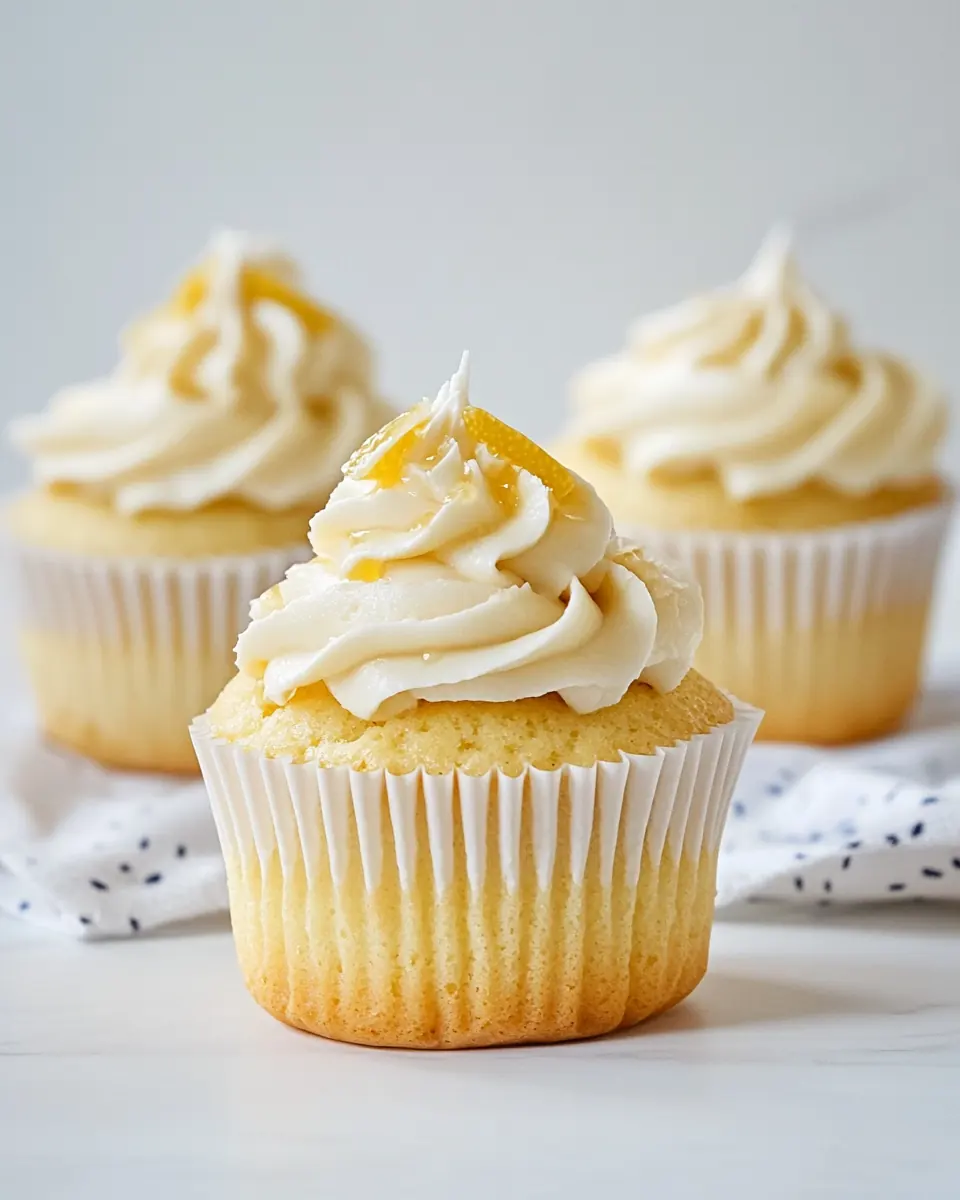
Lemon Cupcakes
Ingredients
Equipment
Method
- Preheat oven to 375°F. Line a cupcake tin with paper liners.: A warm oven yields a fast initial rise, and the smell of the heat hitting the batter is the first signal everything is progressing. You should feel mild warmth in the kitchen as the oven reaches temperature, and the liners protect the sides while allowing the tops to brown. Always let the oven fully preheat to avoid uneven rise or underbaked centers, which happens when the oven is still heating.
- Sift together flour, baking soda, baking powder, and salt in a large bowl.: Airy, sifted dry ingredients make a lighter texture and help distribute the leaveners so the rise is uniform. As you sift, you will see the mixture lighten in color and texture, and gently whisking afterward ensures evenness. A common mistake is skipping sifting, which can leave lumps of leavening and cause uneven pockets or flavor.
- In a separate bowl, whisk together oil, eggs, yogurt, milk, zest, lemon juice, and sugar until smooth.: As you whisk, the batter will take on a sheen and the sugar will begin to dissolve, releasing the lemon aroma. The sound is a steady, light whisking and the mixture should smell bright and slightly tangy. If the eggs are cold, emulsification can be stubborn, so room temperature ingredients help create a cohesive batter; cold components can lead to slight curdling or uneven texture.
- Add wet ingredients to dry ingredients and mix until just combined.: After combining, you should see a homogenous batter with small streaks that disappear with gentle folding. Overmixing develops gluten and yields a tougher crumb, so stop when you no longer see flour streaks. A telltale sign of overmixing is a glossy, stretchy batter, which often results in denser cupcakes.
- Fill cupcake liners 3/4 full and bake for 13-17 minutes or until a toothpick inserted comes out clean. Once cool, decorate with preferred frosting.: While baking, watch the tops for a pale golden color and a slight spring when touched. The oven will emit a gentle, sweet aroma as the lemon and sugar brown. Test for doneness with a toothpick; if it comes out with wet batter, they need more time. Baking too long dries them out, while pulling them too early leaves gummy centers.
- Once cool, decorate with preferred frosting.: Cooling allows the crumb to set and makes frosting easier to apply, and you will notice the lemon scent settle into the cupcake as steam dissipates. Frosting warm cupcakes can melt the topping and ruin presentation, so be patient and let them reach room temperature. Rushing this step is the most common misstep and will cause the frosting to slide off.
Notes
- Try a light glaze Instead of heavy frosting, whisk together powdered sugar and a few teaspoons of fresh lemon juice to make a thin glaze, then drizzle over cooled cupcakes for a glossy, delicate finish that still emphasizes the lemon.
- Use cream cheese frosting A tangy cream cheese style frosting complements the citrus while adding richness, especially appealing for celebratory gatherings, but keep it lightly sweetened to avoid masking the lemon.
- Decorate with candied lemon Thin strips of lemon peel candied in sugar look decorative and amplify the citrus aroma, placing one atop each cupcake for an elegant touch suited to brunches.
- Make mini cupcakes Reduce bake time slightly for mini liners, and they become perfect bite sized treats for parties or when you want portion control without losing texture.
- Swap yogurt styles If you prefer a milder tang, use plain yogurt instead of Greek; the batter will be slightly looser, so keep an eye on bake time to avoid overbaking.
- Infuse milk Warm the milk with a strip of lemon zest and let it cool before adding to the batter to deepen the citrus perfume without increasing acidity.