Soft and Chewy Nutella Chocolate Chip Cookies
Soft and Chewy Nutella Chocolate Chip Cookies are the kind of treat I reach for when I want something that feels both nostalgic and a little bit indulgent. The first time I made these, a jar of Nutella sat on my counter like a dare, and I ended up with warm, glossy cookies that disappeared faster than I could style a photo. I remember laughing as my neighbor popped by, drawn in by the aroma, and asking for the recipe before the plate was empty.
There is something comfortingly familiar about biting into one of these cookies, the soft center giving way to pockets of melty chocolate chips and a subtle swirl of hazelnut from the Nutella. I love that these cookies are approachable enough for a weeknight baking session, yet special enough to bring to a gathering. Over time I tweaked chilling times and scoop sizes until the texture felt right, and each small change made the cookies more reliably soft and chewy.
Recipe Snapshot
20 mins
10 mins
10 mins
Medium
150 kcal
American
Gluten-Free, Low FODMAP
Desserts
Stand mixer, Mixing bowl, Electric mixer, Baking sheet, Silpat, Cookie scoop
Why This Soft and Chewy Nutella Chocolate Chip Cookies Stands Out
Texture That Hits the Sweet Spot
I adore how these cookies stay soft in the middle while developing slightly firmer edges. The combination of creamed butter, the right amount of all purpose flour, and a hint of cornstarch produces that tender crumb you want. I often tell friends this balance is what keeps them coming back for seconds.
Flavor Depth from Simple Ingredients
Using both Nutella and semi sweet chocolate chips layers the hazelnut and chocolate flavors so the cookie never tastes one dimensional. I carefully stir ingredients to keep air in the batter, which helps the aroma bloom while baking. When I serve these warm, people notice the round, cozy flavor first, and then the playful chocolate bursts.
Reliable Technique for Consistent Results
I value recipes that reproduce well, and this one does. Chilling the dough is a game changer, it controls spread so you get thick, soft cookies. I learned to resist the temptation to bake immediately, because unchilled dough makes thin and flat cookies, and you lose that irresistible chew.
Flexible and Friendly
These cookies are forgiving for bakers of all levels. The method does not demand fancy tools, and the dough holds up well in the fridge for days, which is perfect when you want freshly baked cookies on short notice. I often prepare the dough in the morning and finish the baking later in the week, which saves time and still delivers fresh warmth.
Perfect for Sharing
Whether I pack them for a picnic or leave them on the counter for unexpected visitors, these cookies feel communal. The visual of glossy, slightly underbaked centers draws people in, and the texture keeps them talking about the recipe long after the last crumb is gone.
Ingredients Required for Soft and Chewy Nutella Chocolate Chip Cookies
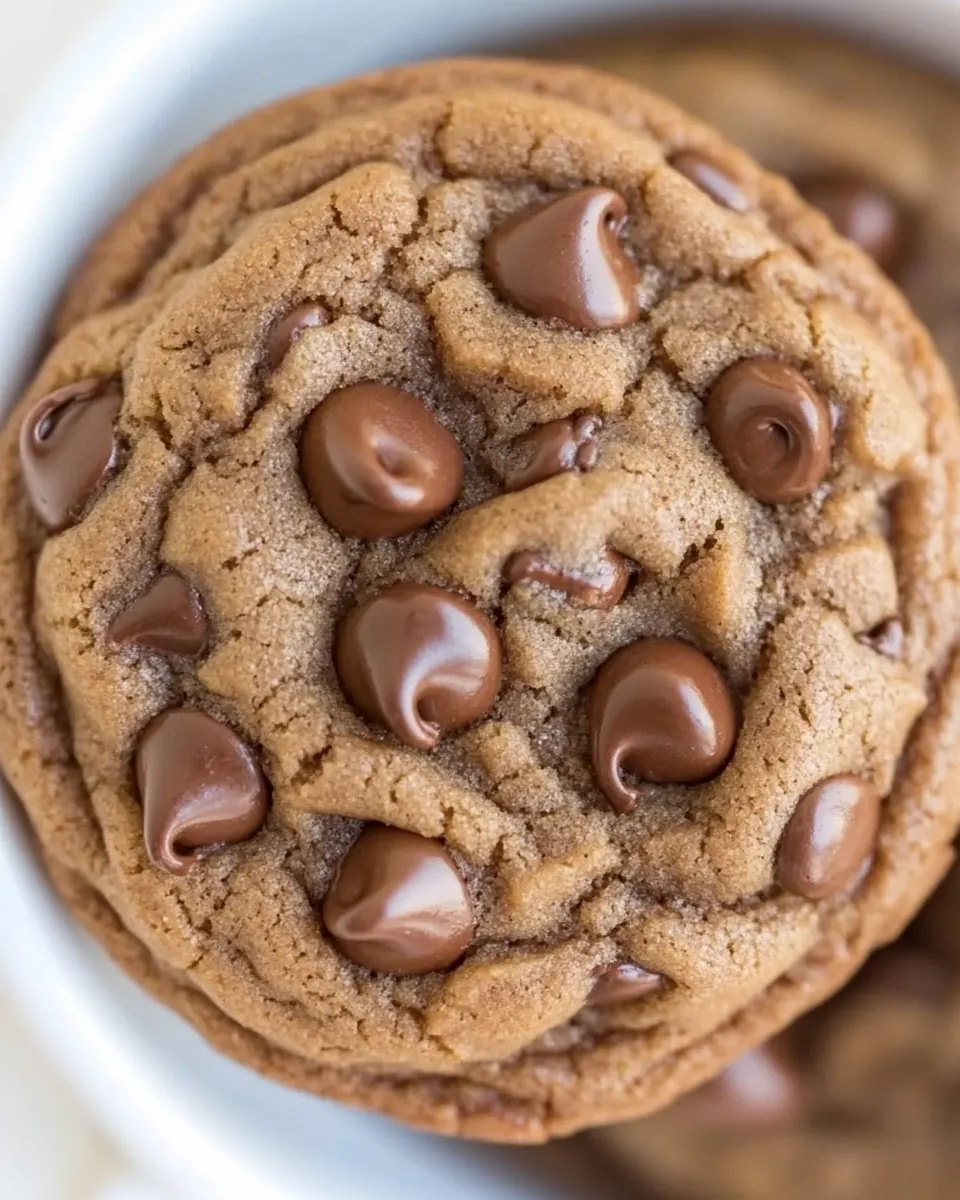
These ingredients come together to deliver a cookie that is soft in the center and gently set around the edges. The philosophy here is simple, quality over gimmicks. Each component plays a clear role, from tenderizing to flavor layering, and together they produce a dependable cookie that bakes beautifully.
- 1/2 cup unsalted butter, softened (1 stick): Soften to provide a tender, rich base and help create a chewy cookie texture when creamed with sugars. Contribute buttery flavor and assist with spreading during baking, while helping dissolve sugars for a smooth dough.
- 1/2 cup Nutella, stir well before adding: Stir well and fold in to add intense chocolate-hazelnut flavor and moistness, creating chewy pockets of rich filling throughout the cookie. Also adds fat that enriches dough and helps produce a soft interior.
- 1/2 cup light brown sugar, packed: Pack to add deep, caramel-like sweetness and moisture that enhances chewiness and color during baking. Help balance the richness of chocolate and provide tender crumb structure when creamed with butter.
- 1/4 cup granulated sugar: Granulate for bright sweetness and also help with cookie spread and crisp edges by dissolving during baking. Provide contrast in texture to brown sugar and contribute to balanced sweetness.
- 1 large egg: Beat in to bind ingredients, add structure, and contribute tenderness through its liquid and proteins, which set while baking. Also helps emulsify fats and liquids for a cohesive dough.
- 2 teaspoons vanilla extract: Add aromatic warmth and deepen overall flavor profile, complementing chocolate and hazelnut notes for a more rounded cookie taste. Help enhance perceived sweetness without adding sugar.
- 1 3/4 cups all-purpose flour: Sift or stir to combine into the dough as the primary dry structure, providing gluten that gives cookies their body and chew when appropriately mixed. Ensure proper balance with leavening and dry ingredients for desired texture.
- 2 teaspoons cornstarch: Whisk in to tenderize the cookie by inhibiting gluten formation, producing a softer, more delicate crumb. Help create a soft mouthfeel and slightly cakey lift when combined with leavening agents.
- 1 teaspoon baking soda: Activate leavening to produce lift and create a light, airy texture by reacting with nearby acidic or wet ingredients. Help cookies spread and puff slightly for a chewy yet tender result.
- 1/2 teaspoons salt, or to taste: Season lightly to enhance and balance the sweetness and chocolate flavors, elevating overall taste while preventing flatness. Adjust to personal preference to avoid overpowering other ingredients.
- 1 3/4 cups semi-sweet chocolate chips: Fold in generous chocolate morsels to deliver gooey, melty pockets of chocolate and rich flavor throughout the cookie. Provide textural contrast and classic chocolate-chip appeal when baked.
The Process for Making Soft and Chewy Nutella Chocolate Chip Cookies
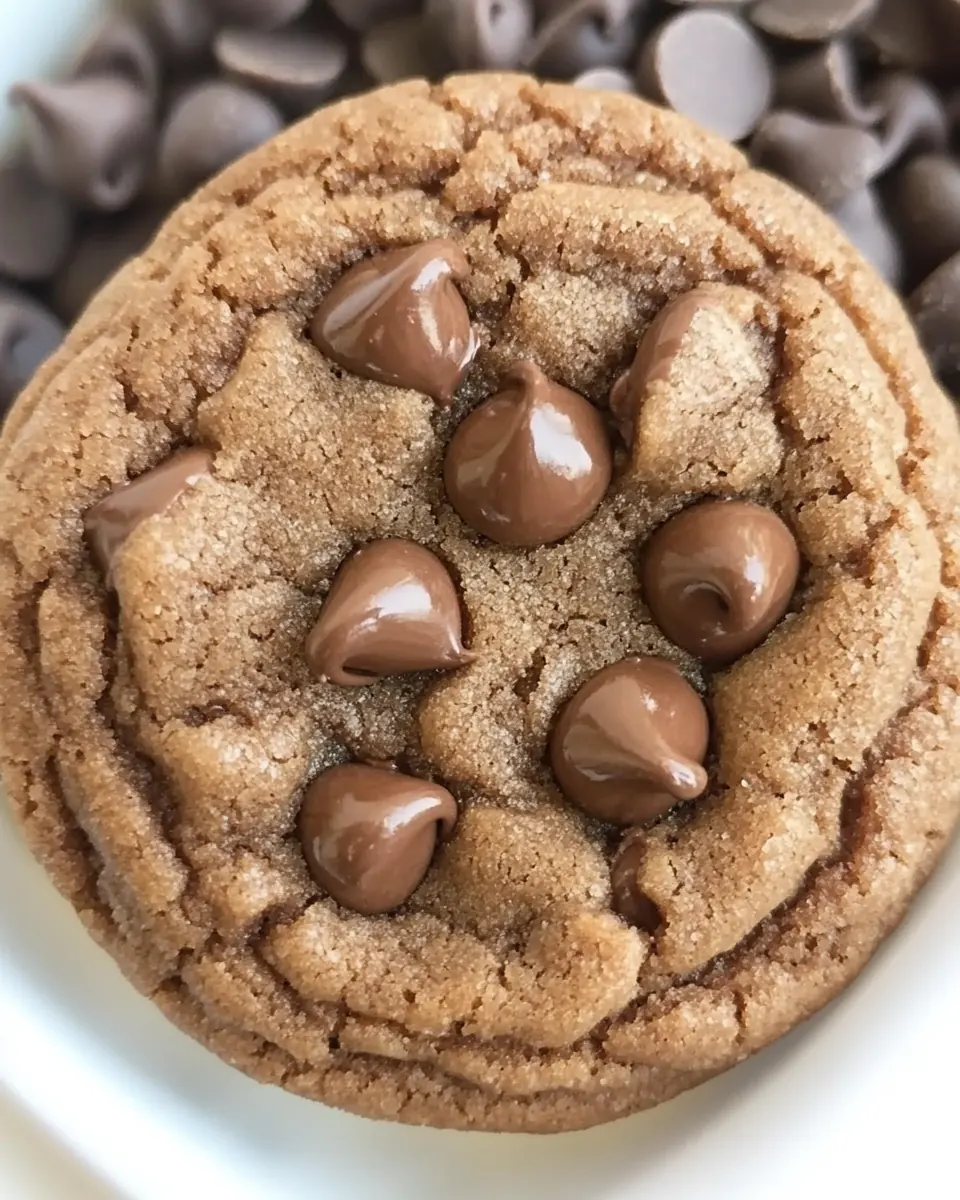
These steps guide you from mixing to the moment you bite into a warm cookie. I like to walk through the process slowly the first time to notice the subtle cues that tell you the dough is ready. Keep your bowl handy and trust your eyes and nose as much as the clock.
- To the bowl of a stand mixer fitted with the paddle attachment (or large mixing bowl and electric mixer) add the butter, Nutella, sugars, egg, vanilla, and beat on medium-high speed until creamed and well combined, about 4 minutes.: The bowl will smell rich and sweet as the butter and Nutella emulsify with the sugars, producing a pale, slightly fluffy batter. You should hear a steady, even whir from the mixer, and when you stop to check, the batter will ribbon slightly off the paddle. This creaming step is critical because it traps air, which contributes to gentle rise and a tender interior. If your butter is too warm, the mixture will look greasy rather than creamy, causing the dough to be loose and the cookies to spread excessively during baking. To fix over softened butter , briefly chill the bowl for 10 minutes before continuing.
- Stop, scrape down the sides of the bowl, and add the flour, cornstarch, baking soda, optional salt, and beat on low speed until just combined, about 1 minute.: After adding dry ingredients, the mixture's sound will change to a quieter thump as the dough tightens. You will see streaks of flour disappear and the dough pull away slightly from the bowl sides. This low speed mixing preserves tenderness by avoiding overdevelopment of gluten in the all purpose flour . Overmixing at this stage creates a tougher cookie with a denser crumb, so stop as soon as the white streaks vanish. If you notice a dry flour pocket, gently fold with a spatula rather than continuing to beat.
- Stop, scrape down the sides of the bowl, and add the chocolate chips, and beat on low speed until just combined, about 30 seconds.: When the semi sweet chocolate chips are folded in, the dough becomes dotted with glossy dark pockets. The smell shifts to a richer chocolate aroma, and the visual contrast makes it tempting to sample. Mixing only briefly ensures the chips stay intact and prevents them from breaking down into the dough, which would change texture and distribution. A common mistake is overmixing here, which can create streaks of melted chocolate or clumps that alter baking behavior.
- Using a large cookie scoop, 1/4-cup measure, or your hands, form approximately 16 equal-sized mounds of dough, roll into balls, and flatten slightly. Tip – Strategically place a few chocolate chips on top of each mound of dough by taking chips from the underside and adding them on top.: As you shape each mound, you'll feel the dough's pliability and slight tackiness. Rolling into uniform balls ensures even baking and consistent texture across the batch. Flattening slightly helps the center set while keeping a chewy interior. If the dough is sticky and unmanageable, chill it briefly to firm up; too warm dough leads to misshapen cookies and uneven baking.
- Place mounds on a large plate or tray, cover with plastic wrap, and refrigerate for at least 3 hours, up to 5 days. Do not bake with unchilled dough because cookies will bake thinner, flatter, and be more prone to spreading.: Chilling solidifies the fats and hydrates the flour, which controls spread and deepens flavor as ingredients meld. During refrigeration you might notice the dough firms and the texture becomes less sticky, which is what you want before baking. A key reason to chill is to avoid thin, flat cookies that bake too quickly at the edges. Baking unchilled dough often results in a disappointing, overly spread cookie.
- Preheat oven to 350 F, line a baking sheet with a Silpat or spray with cooking spray. Place dough mounds on baking sheet, spaced at least 2 inches apart (I bake 8 cookies per sheet).: When the oven reaches temperature you will notice a warm, dry air and a predictable rise in kitchen temperature. Lining the sheet prevents sticking and promotes even browning. I space dough mounds at least 2 inches apart to allow proper airflow around each cookie. Placing them too close will cause cookies to merge into each other, so give them breathing room on the tray.
- Bake for about 9 to 10 minutes, or until edges have set and tops are just set, even if slightly undercooked and glossy in the center; don’t overbake. Cookies firm up as they cool.: On the sheet the dough will warm slightly and the surface may get a touch glossy. This spacing yields even heat distribution so edges set while centers remain soft. Arranging cookies in a single layer allows consistent baking; overcrowding changes heat dynamics and can make the batch uneven. If your oven runs hot in spots, rotate the sheet halfway through the bake to ensure uniform color.
- Allow cookies to cool on baking sheet for about 10 minutes before serving. I let them cool on the baking sheet and don’t use a rack.: You will see the edges take on a light golden tone while the centers remain shiny and slightly jiggly. The aroma intensifies, filling the kitchen with chocolate and toasted notes. The cookies will feel soft when touched gently, and they firm as they cool, so resist the urge to bake until fully dry. Overbaking robs them of chew and makes them crisp rather than soft. If you err on the side of underbaking, the texture will still be excellent once cooled.
- Allow cookies to cool on baking sheet for about 10 minutes before serving: As they rest, the interior sets and the surface loses its glossy sheen, producing the perfect tender bite. The sound of a quiet settling is followed by a wonderful aroma waft as steam escapes. If you transfer them too early, they may fall apart; letting them rest ensures they hold shape. I often leave them on the sheet until plates are ready, since this step completes the texture transformation.
How to Switch It Up
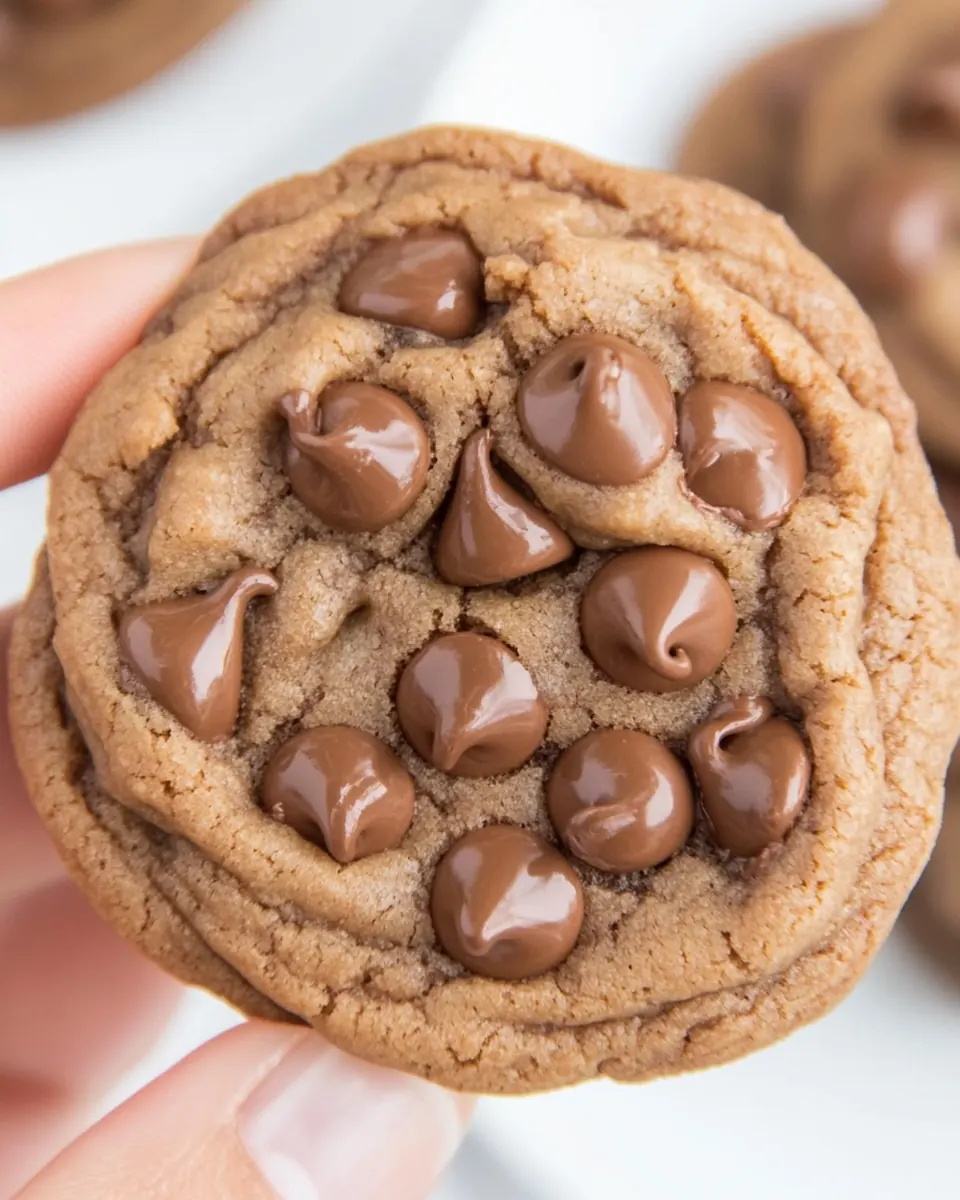
Switching elements of this recipe lets you personalize texture and flavor while keeping the method intact. Below are practical ideas to vary the cookies without losing the soft and chewy center that defines them.
- Adjust scoop size to make bite sized cookies or larger shareable rounds; smaller scoops bake faster so reduce time by a couple of minutes to keep centers soft.
- Chill time variation can be used to control spread; a longer chill up to 48 hours deepens flavor and reduces spreading even more compared to the minimum three hours.
- Top with extra chips before baking to create an attractive finish and ensure visible chocolate pockets on each cookie for a bakery look.
- Swap chocolate chip placement by pressing a few chips on top just before baking, which yields photo worthy cookies with glossy chips on the surface.
- Freeze dough portions for later baking; frozen mounds can be baked straight from the freezer with an extra minute or two of bake time for fresh cookies on demand.
Serving Options for Soft and Chewy Nutella Chocolate Chip Cookies
These cookies are versatile for many occasions and can be served warm or at room temperature. Think of them as a portable dessert that works at casual gatherings or as a comforting snack.
- For a casual get together serve a platter of cookies on a wooden board with napkins so guests can grab and go.
- As an after school treat pair a cookie with a glass of milk for a classic pairing that children and adults both love.
- For gifting stack cooled cookies in a decorative box with parchment paper layers, they travel well and look polished.
- Storage at room temperature keep cookies airtight for up to one week, which preserves softness and flavor.
- Freezing tips freeze baked cookies up to six months, or freeze dough portions for later baking to enjoy freshly baked texture.
- Seasonal occasions these cookies fit every season, and they are easy to include in holiday cookie exchanges or casual celebrations.
FAQ
Conclusion
What makes these cookies special is their combination of soft, chewy centers and slightly set edges, anchored by the hazelnut richness of Nutella and melty pockets of chocolate. They are reliably comforting, easy enough for everyday baking, and flexible for preparing ahead. I encourage you to try this recipe, give the dough its chill time, and enjoy the warm, glossy centers that make people smile. Bake a batch, share with friends, and savor the simple pleasure of a truly soft cookie.
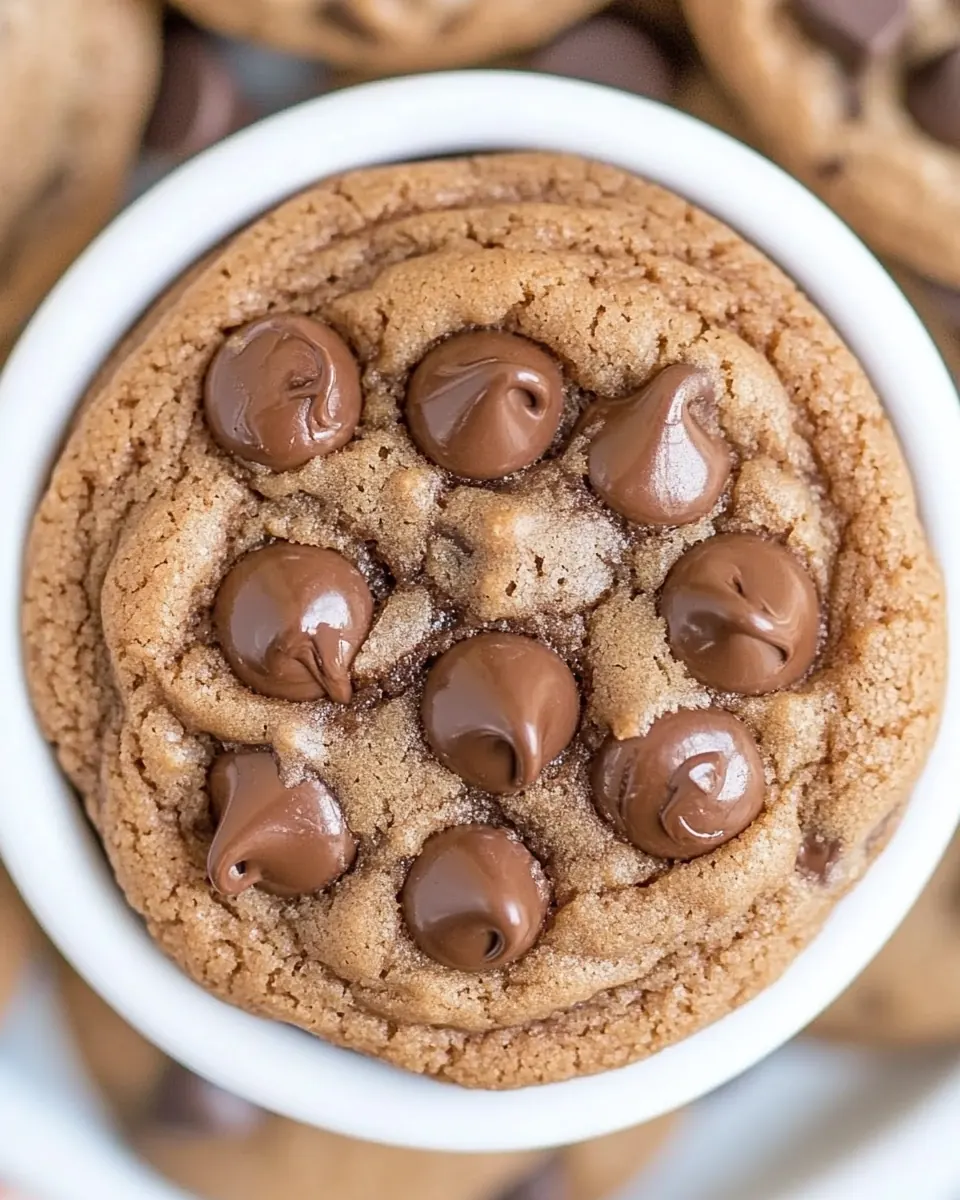
Soft and Chewy Nutella Chocolate Chip Cookies
Ingredients
Equipment
Method
- To the bowl of a stand mixer fitted with the paddle attachment (or large mixing bowl and electric mixer) add the butter, Nutella, sugars, egg, vanilla, and beat on medium-high speed until creamed and well combined, about 4 minutes.: The bowl will smell rich and sweet as the butter and Nutella emulsify with the sugars, producing a pale, slightly fluffy batter. You should hear a steady, even whir from the mixer, and when you stop to check, the batter will ribbon slightly off the paddle. This creaming step is critical because it traps air, which contributes to gentle rise and a tender interior. If your butter is too warm, the mixture will look greasy rather than creamy, causing the dough to be loose and the cookies to spread excessively during baking. To fix over softened butter , briefly chill the bowl for 10 minutes before continuing.
- Stop, scrape down the sides of the bowl, and add the flour, cornstarch, baking soda, optional salt, and beat on low speed until just combined, about 1 minute.: After adding dry ingredients, the mixture's sound will change to a quieter thump as the dough tightens. You will see streaks of flour disappear and the dough pull away slightly from the bowl sides. This low speed mixing preserves tenderness by avoiding overdevelopment of gluten in the all purpose flour . Overmixing at this stage creates a tougher cookie with a denser crumb, so stop as soon as the white streaks vanish. If you notice a dry flour pocket, gently fold with a spatula rather than continuing to beat.
- Stop, scrape down the sides of the bowl, and add the chocolate chips, and beat on low speed until just combined, about 30 seconds.: When the semi sweet chocolate chips are folded in, the dough becomes dotted with glossy dark pockets. The smell shifts to a richer chocolate aroma, and the visual contrast makes it tempting to sample. Mixing only briefly ensures the chips stay intact and prevents them from breaking down into the dough, which would change texture and distribution. A common mistake is overmixing here, which can create streaks of melted chocolate or clumps that alter baking behavior.
- Using a large cookie scoop, 1/4-cup measure, or your hands, form approximately 16 equal-sized mounds of dough, roll into balls, and flatten slightly. Tip – Strategically place a few chocolate chips on top of each mound of dough by taking chips from the underside and adding them on top.: As you shape each mound, you'll feel the dough's pliability and slight tackiness. Rolling into uniform balls ensures even baking and consistent texture across the batch. Flattening slightly helps the center set while keeping a chewy interior. If the dough is sticky and unmanageable, chill it briefly to firm up; too warm dough leads to misshapen cookies and uneven baking.
- Place mounds on a large plate or tray, cover with plastic wrap, and refrigerate for at least 3 hours, up to 5 days. Do not bake with unchilled dough because cookies will bake thinner, flatter, and be more prone to spreading.: Chilling solidifies the fats and hydrates the flour, which controls spread and deepens flavor as ingredients meld. During refrigeration you might notice the dough firms and the texture becomes less sticky, which is what you want before baking. A key reason to chill is to avoid thin, flat cookies that bake too quickly at the edges. Baking unchilled dough often results in a disappointing, overly spread cookie.
- Preheat oven to 350 F, line a baking sheet with a Silpat or spray with cooking spray. Place dough mounds on baking sheet, spaced at least 2 inches apart (I bake 8 cookies per sheet).: When the oven reaches temperature you will notice a warm, dry air and a predictable rise in kitchen temperature. Lining the sheet prevents sticking and promotes even browning. I space dough mounds at least 2 inches apart to allow proper airflow around each cookie. Placing them too close will cause cookies to merge into each other, so give them breathing room on the tray.
- Bake for about 9 to 10 minutes, or until edges have set and tops are just set, even if slightly undercooked and glossy in the center; don’t overbake. Cookies firm up as they cool.: On the sheet the dough will warm slightly and the surface may get a touch glossy. This spacing yields even heat distribution so edges set while centers remain soft. Arranging cookies in a single layer allows consistent baking; overcrowding changes heat dynamics and can make the batch uneven. If your oven runs hot in spots, rotate the sheet halfway through the bake to ensure uniform color.
- Allow cookies to cool on baking sheet for about 10 minutes before serving. I let them cool on the baking sheet and don’t use a rack.: You will see the edges take on a light golden tone while the centers remain shiny and slightly jiggly. The aroma intensifies, filling the kitchen with chocolate and toasted notes. The cookies will feel soft when touched gently, and they firm as they cool, so resist the urge to bake until fully dry. Overbaking robs them of chew and makes them crisp rather than soft. If you err on the side of underbaking, the texture will still be excellent once cooled.
- Allow cookies to cool on baking sheet for about 10 minutes before serving: As they rest, the interior sets and the surface loses its glossy sheen, producing the perfect tender bite. The sound of a quiet settling is followed by a wonderful aroma waft as steam escapes. If you transfer them too early, they may fall apart; letting them rest ensures they hold shape. I often leave them on the sheet until plates are ready, since this step completes the texture transformation.
Notes
- Adjust scoop size to make bite sized cookies or larger shareable rounds; smaller scoops bake faster so reduce time by a couple of minutes to keep centers soft.
- Chill time variation can be used to control spread; a longer chill up to 48 hours deepens flavor and reduces spreading even more compared to the minimum three hours.
- Top with extra chips before baking to create an attractive finish and ensure visible chocolate pockets on each cookie for a bakery look.
- Swap chocolate chip placement by pressing a few chips on top just before baking, which yields photo worthy cookies with glossy chips on the surface.
- Freeze dough portions for later baking; frozen mounds can be baked straight from the freezer with an extra minute or two of bake time for fresh cookies on demand.