Overnight Sour Cream Rolls
Overnight Sour Cream Rolls have been my go to when I want soft, pillow like rolls with a tender crumb and a golden top. The first time I made these they rescued a last minute family dinner, and ever since the smell of melting butter and warm yeast has become a comfort scent in my kitchen.
I remember mixing the dough after a long day, folding in the creamy tang of sour cream, and feeling reassured that letting the dough rest overnight would do most of the work. When I take them from the fridge the next morning the house already smells faintly of bread, and the slow rise gives the crumb such a delicate texture that everyone assumes I woke up early to bake.
These Overnight Sour Cream Rolls are the kind of recipe I reach for when I want something fuss free but impressive. I like the way the dough is forgiving, so even a beginner can get a great result. Over the years I have learned small tricks, like brushing the tops with a foamy egg white for extra sheen, that elevate these rolls quietly but noticeably.
Every time I serve them warm, people ask for the recipe, and I always say it is the patience overnight that does the magic. The process feels generous, you prepare a little the night before, and enjoy the payoff the next day. These rolls work for casual brunches and holiday tables alike, so I keep this method in my rotation.
Recipe Snapshot
31 mins
15 mins
16 mins
Medium
200 kcal
American
Gluten-Free, Low FODMAP
Breakfast
Electric Stand Mixer
Why You’ll Love This Overnight Sour Cream Rolls
1. Texture That Feels Homemade
I adore how the slow overnight chill develops a tender, almost brioche like crumb without demanding complicated techniques. The combination of all purpose flour, eggs, and the richness from sour cream and butter creates a soft interior that stays fresh longer, which means you can bake ahead and still serve warm rolls the next day.
2. Flavor Built by Time
Because the dough rests overnight, subtle flavors deepen. The yeast gets a gentle, patient chance to ferment, producing a mild tang that pairs beautifully with the creamy sour cream. I find it more interesting than a quick rise, and guests often comment on the superior taste compared to same day rolls.
3. Simple, Reliable Ingredients
This recipe leans on pantry staples like sugar, salt, and eggs. There is nothing exotic required, which makes it practical for weekday planning. I appreciate recipes that reward a little time rather than fancy shopping, and these rolls fit that bill perfectly.
4. Versatile for Any Meal
You can serve these at breakfast, with soup at lunch, or alongside a roast for dinner. Their neutral, slightly tangy flavor lets them pair with sweet or savory accompaniments. I often use them for family gatherings because they satisfy a variety of tastes without extra effort.
5. Forgiving Technique
Between the dough being slightly sticky and the option to add up to a half cup of extra flour, the method is forgiving for varying kitchen conditions. I like that you can adapt based on humidity or how your flour behaves, so even if your first try is not textbook perfect, the result is still delicious.
What You’ll Need for Overnight Sour Cream Rolls
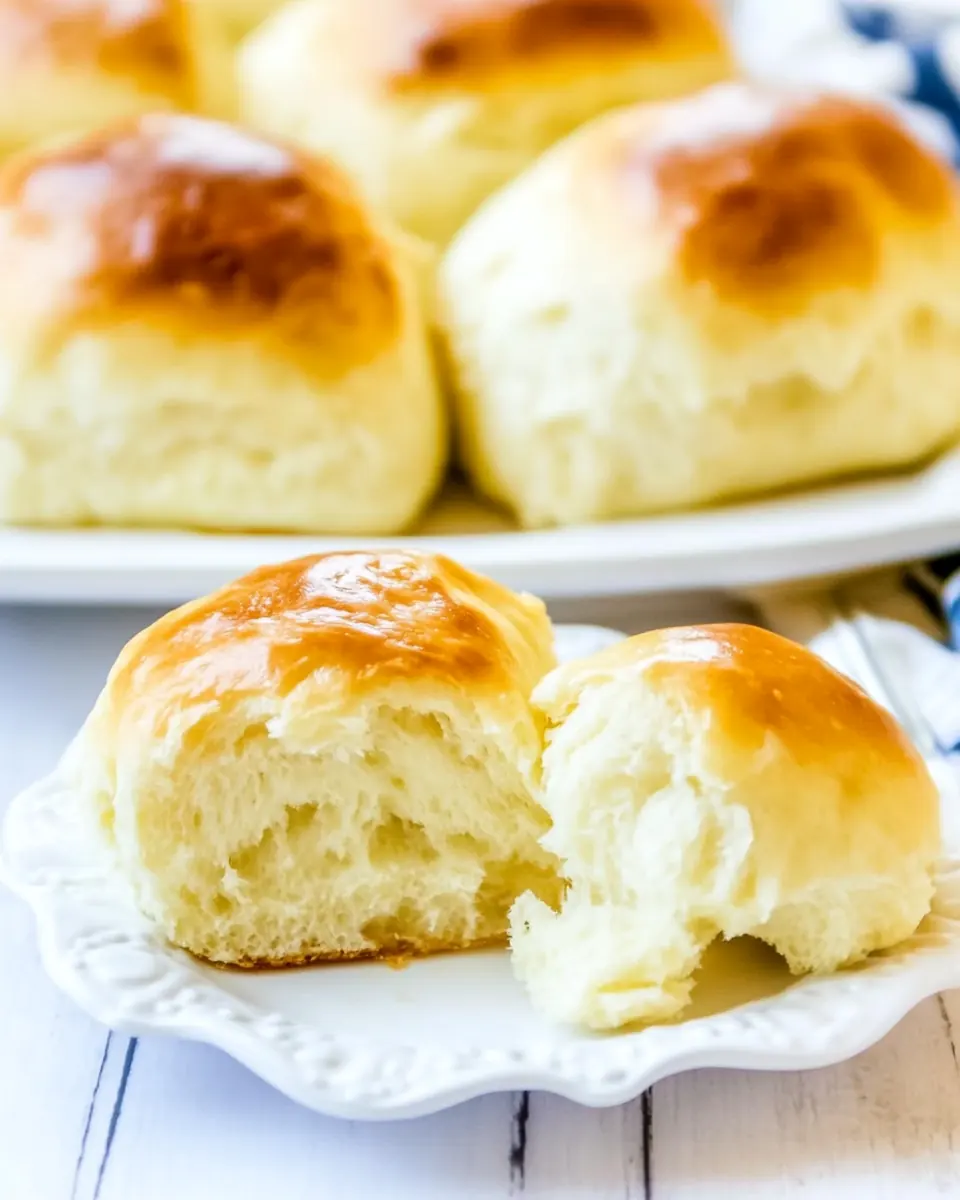
These ingredients are straightforward and purposeful, each playing a role in texture and flavor. The fats add tenderness, the yeast brings lift, and the eggs help structure. Together they form a dough that benefits from a slow, cold fermentation so the final rolls are soft, slightly tangy, and golden.
- 8 tablespoons salted butter: Melted and softened to enrich the dough with fat and flavor, providing a tender crumb and golden crust when baked. Adds richness and helps keep rolls moist during overnight proofing. Can be browned slightly for a nuttier flavor before incorporating.
- 1/2 cup sugar: Granulated sugar used to add sweetness and tenderize the dough by interfering with gluten development. Also helps feed the yeast during fermentation when combined with warm water and yeast. Balances the tang of sour cream and enhances browning.
- 8 ounces sour cream: Thick cultured dairy added to create a tangy flavor and tender, moist texture in the rolls. Contributes acidity that reacts with yeast and weakens gluten slightly for a softer crumb. Helps extend freshness and adds richness.
- 2 packages active dry yeast: Active dry yeast used as the leavening agent to ferment sugars and produce carbon dioxide for rise and oven spring. Proofed in warm water with a bit of sugar to ensure activity before combining with other ingredients. Provides the characteristic airy texture of rolls.
- 1/2 cup warm water, 105 to 110 degrees: Warm water maintained between 105 and 110 degrees used to activate the yeast without killing it, creating an optimal environment for fermentation. Also helps dissolve sugar and distribute yeast evenly through the dough. Must be measured for proper proofing.
- 2 teaspoons sugar: Small amount of sugar reserved to feed the yeast during proofing and encourage a vigorous bloom. Helps verify yeast is alive by producing foam and bubbles when proofed. Can affect fermentation speed and final flavor.
- 4 to 4 1/2 cups all-purpose flour: All-purpose flour provides the bulk structure and gluten needed to form the dough and trap gas from fermentation. Quantity adjusted to achieve proper dough consistency; too much yields dense rolls, too little yields sticky dough. Supplies proteins and starches essential for rise and texture.
- 1 teaspoon salt: Salt added to strengthen gluten structure and enhance overall flavor, balancing the dough's sweetness and tang. Regulates yeast activity to prevent overproofing and improve dough handling. Distributes evenly to ensure consistent taste.
- 2 eggs, lightly beaten: Lightly beaten eggs incorporated to enrich the dough with proteins, fat, and moisture, contributing to structure and a tender crumb. Aid in browning and add a richer flavor and softer texture to the finished rolls. Help bind ingredients together during mixing.
- 1 egg white, whisked until foamy: Whisked egg white used as an egg wash to give the rolls a glossy, slightly firm exterior when baked. Applied before baking to promote attractive browning and a smooth finish. Can be seasoned or brushed carefully to avoid excess pooling.
Cooking Method for Overnight Sour Cream Rolls
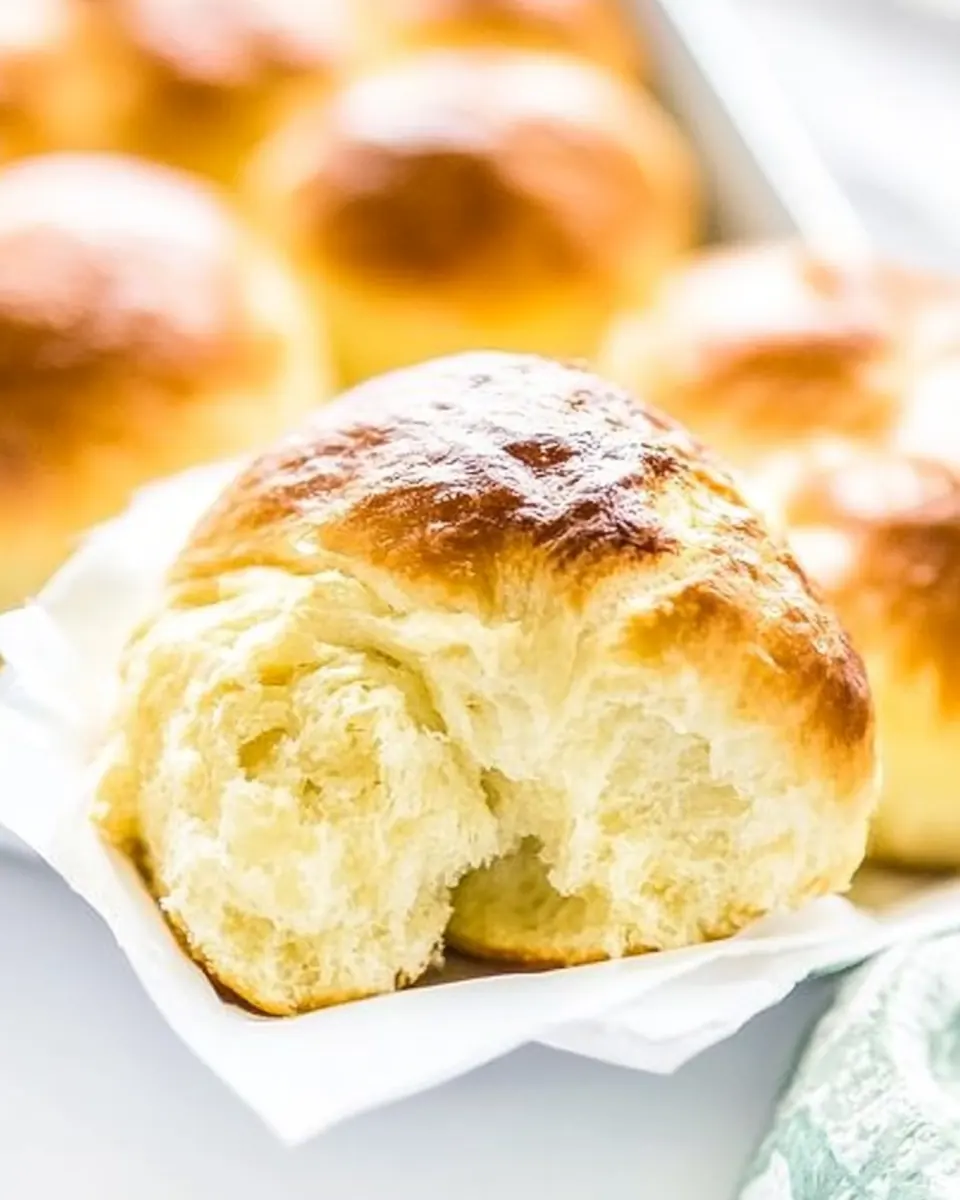
This method walks you through melting and mixing, proofing the yeast, forming the dough, and the overnight rest that makes these rolls special. I will expand each original direction into a deeply sensory, practical step so you know what to expect and how to troubleshoot common problems.
- Melt butter in a small saucepan over low heat. Once melted, stir in 1/2 cup sugar, sour cream and salt. Remove from heat and let cool some while you proceed with next step.: The warm mixture should smell rich with butter and sweet with sugar , and the creamy aroma of sour cream will come forward, creating a comforting base scent. Letting it cool slightly prevents it from killing the yeast when combined later, and it also helps the fats blend smoothly into the dough. A common mistake is adding this while it is still piping hot, which can deactivate the yeast and prevent proper rising.
- Measure warm water in a glass measuring cup. Stir in yeast and sugar. Let sit 5 minutes.: After combining, you should see the surface become foamy and slightly frothy as the yeast wakes up, releasing a yeasty, slightly bready scent. The sound is quiet, but visually the foam confirms activity. If nothing happens within five to ten minutes, your yeast may be old or the water the wrong temperature, in which case start over to avoid dense rolls.
- Add 4 cups flour to a mixing bowl for an electric mixer. Make a well in center and add salt, yeast mixture and eggs.: The flour will look dry and powdery, with a neutral, wheaty aroma. Creating a well keeps wet ingredients contained so the dough forms evenly. When adding the salty edge, the salt will balance the sweetness. Avoid packing the flour tight, which can lead to adding too much and producing a heavy dough.
- Add sour cream mixture and turn mixture on LOW. Once mixed fairly well, turn mixer to MEDIUM and mix for 1 minute.: Initially you will hear a soft mixing hum, and the dough will start to come together into a shaggy mass. The low speed prevents flour from puffing everywhere while letting the wet ingredients incorporate. Once on medium, the dough should smooth slightly and you will feel it pull away from the bowl. If it stays overly sticky despite mixing, resist adding a lot of extra flour immediately, as that can dry the rolls; instead rest it for a few minutes to hydrate.
- Dough should be soft, not a tight ball, but add a little extra flour (up to 1/2 cup) if too wet. (I added 1/4 cup).: The ideal dough is slightly tacky and elastic, springing back gently when poked, and it should hold its shape without collapsing. Adding extra flour helps manage stickiness, but too much results in dense rolls. If you add flour, mix briefly to avoid overworking gluten, which would toughen the crumb.
- Cover bowl with plastic wrap and refrigerate overnight.: The fridge will quiet fermentation and allow flavor to deepen slowly; you will notice a faintly tangy, developed aroma the next morning. Cold proofing strengthens the dough and enhances texture, producing rolls that are tender yet structured. A mistake here is leaving the dough uncovered, which can form a skin; keep it sealed to retain moisture.
- Punch dough down and shape into balls about the size of a golf ball. You should get 16-20.: When you press the chilled dough it should feel cool and slightly resistant, and small air pockets may escape with a soft sigh. Rolling into balls creates even portions, and the tactile feedback helps you judge consistency. If the dough sticks to your hands, lightly butter them rather than adding more flour, preserving the intended hydration.
- Place on a buttered baking sheet.: The surface should glisten slightly from the butter , which will help the rolls slide off easily after baking and contribute to a golden bottom crust. Arrange them evenly with a little space to allow expansion. Crowding them too close will cause uneven browning and misshapen rolls.
- Cover and let rise until doubled, 60-90 minutes.: As they warm, you will see the rolls puff and the dough surface smooth out; the smell becomes pleasantly yeasty. The timeframe varies with room temperature, so watch for visual doubling rather than relying strictly on time. A common issue is underproofing, which yields tight crumb; if in doubt, give them a little more time until visibly doubled.
- Preheat oven to 375 degrees.: The oven should reach a steady temperature so the rolls bake evenly and develop a golden crust. The air will take on a warm, slightly caramelizing scent as it approaches temperature. Avoid putting unbaked rolls into a not fully preheated oven, which can lead to poor oven spring and underbaked centers.
- Brush rolls with beaten egg white.: The foamy egg white will give the tops a glossy sheen and encourage even browning. Use a light, even stroke so the rolls keep their shape and the surface becomes smooth. Overbrushing or pressing down can deflate the rolls, so be gentle and deliberate.
- Bake for 14 to 16 minutes or until golden brown.: You should hear a faint crackle as the crust forms, and the tops will turn an inviting golden brown; the aroma will be fully developed, a mix of sweet butter and toasted flour. Tap the bottom of a roll, it should sound hollow, indicating it's baked through. The main pitfall is overbaking which yields dry rolls, so check toward the lower end of the time range and rely on color and the hollow sound.
Recipe Variations about Overnight Sour Cream Rolls
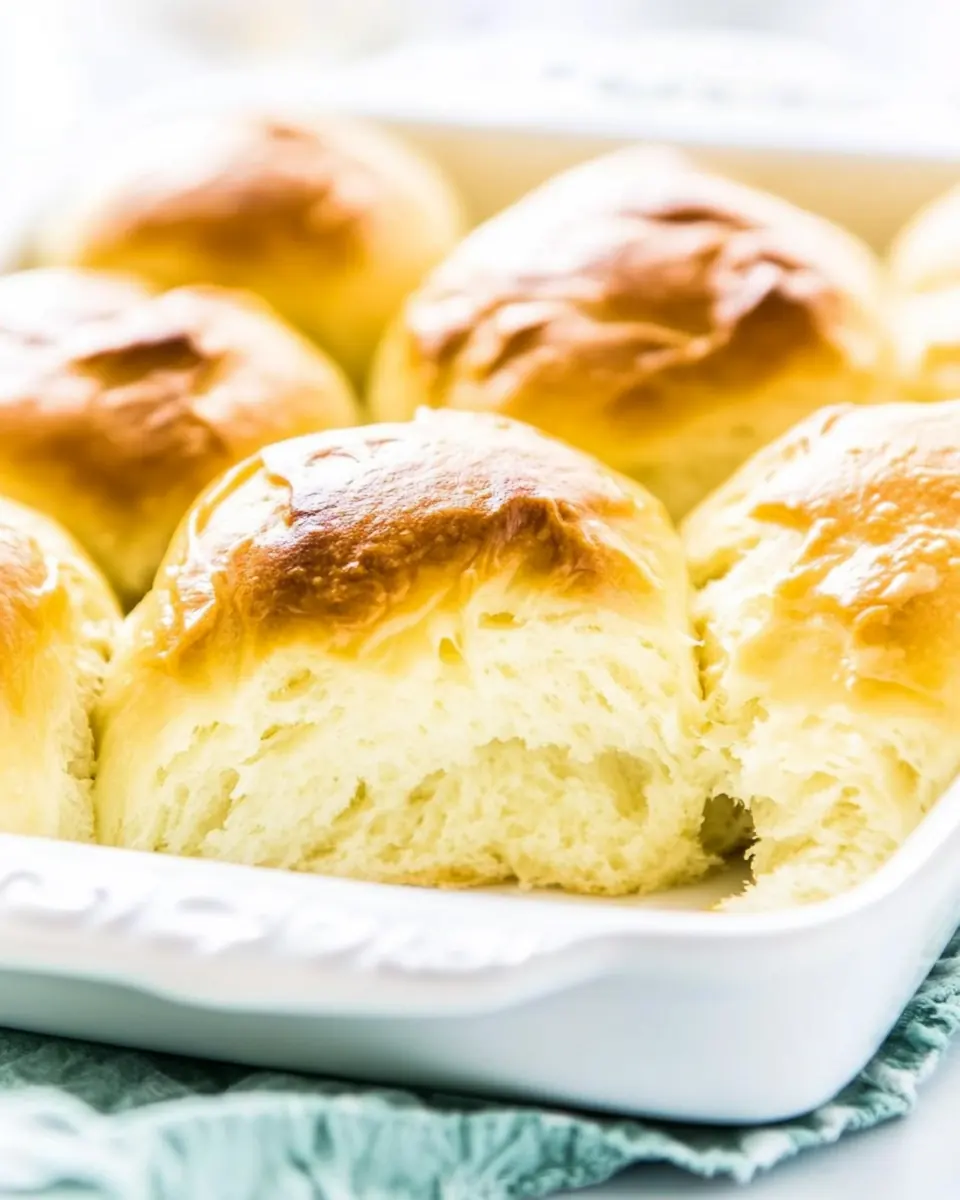
There are small ways to change texture and presentation without altering the core technique. Below are helpful variations and ideas that keep the spirit of the recipe intact while offering versatility for different meals and preferences.
- Extra Tender Crumb, incorporate a touch more sour cream or use the full 8 ounces for a creamier, moister interior, but be careful not to add too much liquid which will require more flour and can dry the rolls.
- Even Browning, rotate the baking sheet halfway through the bake to ensure all rolls develop equal color, especially if your oven has hot spots.
- Shiny Finish, use a thin layer of whisked egg white for gloss without deep browning, perfect when you want a lighter golden top.
- Make Ahead, shape the rolls and refrigerate on the sheet overnight, then let them warm and rise in the morning for a quick finish before baking.
- Portion Control, make slightly larger balls if you prefer dinner roll sized portions, adjusting the bake time a few minutes longer until tops are golden.
- Even Fluff, avoid overmixing once the dough comes together; mix until smooth but stop before the dough becomes too tight to keep a soft crumb.
How to Enjoy Overnight Sour Cream Rolls
These rolls are versatile and pair well with many meals. Serve them warm with soups, stews, or as part of a breakfast spread. They also shine on festive tables where a simple, homemade bread feels special. Below are detailed serving ideas, pairings, and storage guidance in list form.
- Warm with Butter, split the rolls and spread softened butter for a classic, comforting bite that highlights the tender crumb.
- Breakfast Sandwiches, slice and fill with eggs for a hearty morning option that benefits from the roll’s soft texture.
- Side for Soup, serve alongside a bowl of soup where the rolls can soak up broth without falling apart, ideal for family lunches.
- Holiday Table, present them in a basket as part of a larger spread, they hold up well and appeal to a wide range of tastes during celebrations.
- Make Ahead and Reheat, store baked rolls in an airtight container for up to two days, and reheat in a low oven to refresh the crust and crumb.
- Freezing, freeze shaped but unbaked rolls on a tray, then transfer to a bag; thaw and let rise before baking for convenient future meals.
FAQ
Conclusion
These Overnight Sour Cream Rolls stand out for their soft crumb, gentle tang, and the simplicity of preparing them the night before. The quiet power of an overnight rest means you do minimal work and get maximum flavor and tenderness. I hope you give them a try, because once you taste how the slow chill elevates the texture, they will likely become a reliable favorite in your baking rotation. Enjoy the process and the warm reward at your table.
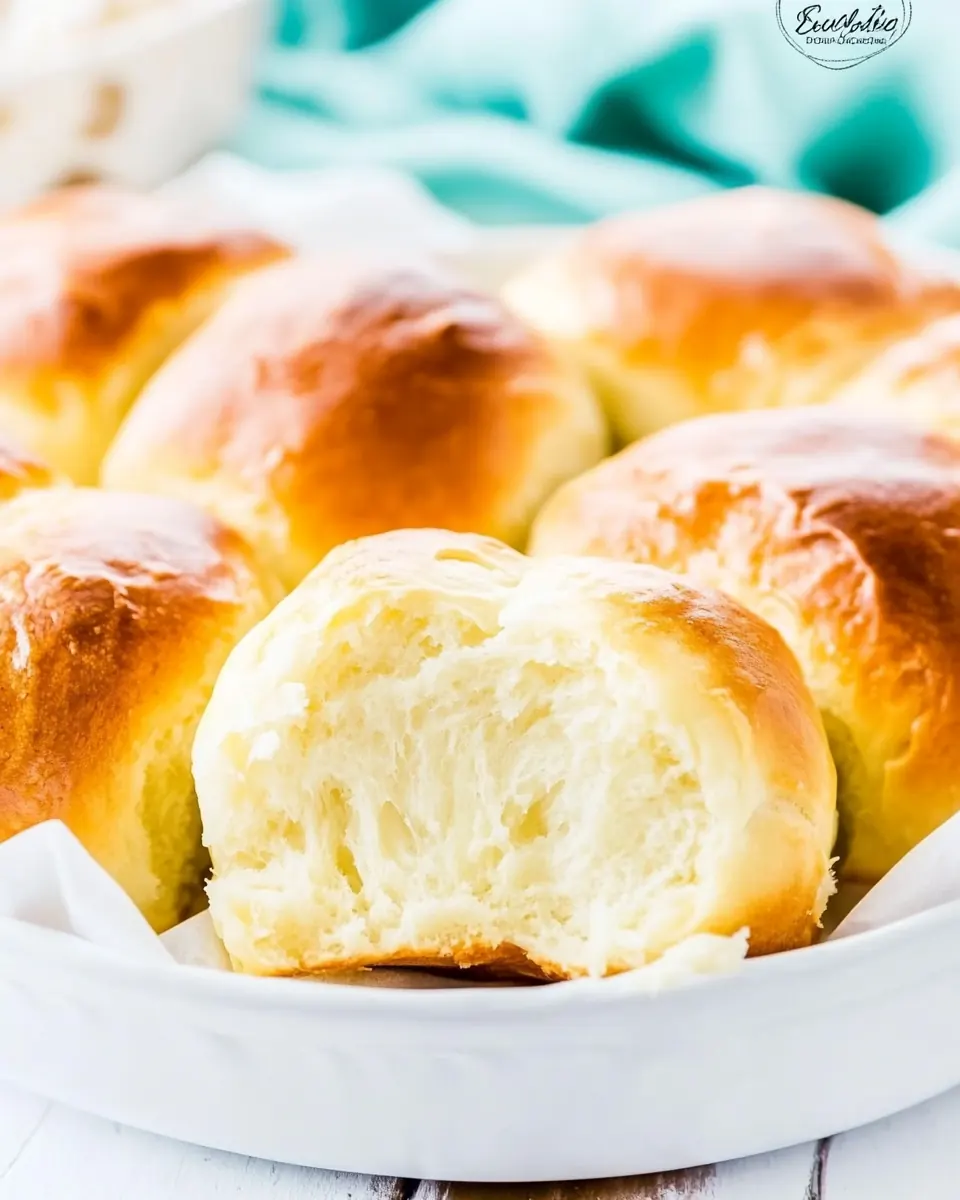
Overnight Sour Cream Rolls
Ingredients
Equipment
Method
- Melt butter in a small saucepan over low heat. Once melted, stir in 1/2 cup sugar, sour cream and salt. Remove from heat and let cool some while you proceed with next step.: The warm mixture should smell rich with butter and sweet with sugar , and the creamy aroma of sour cream will come forward, creating a comforting base scent. Letting it cool slightly prevents it from killing the yeast when combined later, and it also helps the fats blend smoothly into the dough. A common mistake is adding this while it is still piping hot, which can deactivate the yeast and prevent proper rising.
- Measure warm water in a glass measuring cup. Stir in yeast and sugar. Let sit 5 minutes.: After combining, you should see the surface become foamy and slightly frothy as the yeast wakes up, releasing a yeasty, slightly bready scent. The sound is quiet, but visually the foam confirms activity. If nothing happens within five to ten minutes, your yeast may be old or the water the wrong temperature, in which case start over to avoid dense rolls.
- Add 4 cups flour to a mixing bowl for an electric mixer. Make a well in center and add salt, yeast mixture and eggs.: The flour will look dry and powdery, with a neutral, wheaty aroma. Creating a well keeps wet ingredients contained so the dough forms evenly. When adding the salty edge, the salt will balance the sweetness. Avoid packing the flour tight, which can lead to adding too much and producing a heavy dough.
- Add sour cream mixture and turn mixture on LOW. Once mixed fairly well, turn mixer to MEDIUM and mix for 1 minute.: Initially you will hear a soft mixing hum, and the dough will start to come together into a shaggy mass. The low speed prevents flour from puffing everywhere while letting the wet ingredients incorporate. Once on medium, the dough should smooth slightly and you will feel it pull away from the bowl. If it stays overly sticky despite mixing, resist adding a lot of extra flour immediately, as that can dry the rolls; instead rest it for a few minutes to hydrate.
- Dough should be soft, not a tight ball, but add a little extra flour (up to 1/2 cup) if too wet. (I added 1/4 cup).: The ideal dough is slightly tacky and elastic, springing back gently when poked, and it should hold its shape without collapsing. Adding extra flour helps manage stickiness, but too much results in dense rolls. If you add flour, mix briefly to avoid overworking gluten, which would toughen the crumb.
- Cover bowl with plastic wrap and refrigerate overnight.: The fridge will quiet fermentation and allow flavor to deepen slowly; you will notice a faintly tangy, developed aroma the next morning. Cold proofing strengthens the dough and enhances texture, producing rolls that are tender yet structured. A mistake here is leaving the dough uncovered, which can form a skin; keep it sealed to retain moisture.
- Punch dough down and shape into balls about the size of a golf ball. You should get 16-20.: When you press the chilled dough it should feel cool and slightly resistant, and small air pockets may escape with a soft sigh. Rolling into balls creates even portions, and the tactile feedback helps you judge consistency. If the dough sticks to your hands, lightly butter them rather than adding more flour, preserving the intended hydration.
- Place on a buttered baking sheet.: The surface should glisten slightly from the butter , which will help the rolls slide off easily after baking and contribute to a golden bottom crust. Arrange them evenly with a little space to allow expansion. Crowding them too close will cause uneven browning and misshapen rolls.
- Cover and let rise until doubled, 60-90 minutes.: As they warm, you will see the rolls puff and the dough surface smooth out; the smell becomes pleasantly yeasty. The timeframe varies with room temperature, so watch for visual doubling rather than relying strictly on time. A common issue is underproofing, which yields tight crumb; if in doubt, give them a little more time until visibly doubled.
- Preheat oven to 375 degrees.: The oven should reach a steady temperature so the rolls bake evenly and develop a golden crust. The air will take on a warm, slightly caramelizing scent as it approaches temperature. Avoid putting unbaked rolls into a not fully preheated oven, which can lead to poor oven spring and underbaked centers.
- Brush rolls with beaten egg white.: The foamy egg white will give the tops a glossy sheen and encourage even browning. Use a light, even stroke so the rolls keep their shape and the surface becomes smooth. Overbrushing or pressing down can deflate the rolls, so be gentle and deliberate.
- Bake for 14 to 16 minutes or until golden brown.: You should hear a faint crackle as the crust forms, and the tops will turn an inviting golden brown; the aroma will be fully developed, a mix of sweet butter and toasted flour. Tap the bottom of a roll, it should sound hollow, indicating it's baked through. The main pitfall is overbaking which yields dry rolls, so check toward the lower end of the time range and rely on color and the hollow sound.
Notes
- Extra Tender Crumb, incorporate a touch more sour cream or use the full 8 ounces for a creamier, moister interior, but be careful not to add too much liquid which will require more flour and can dry the rolls.
- Even Browning, rotate the baking sheet halfway through the bake to ensure all rolls develop equal color, especially if your oven has hot spots.
- Shiny Finish, use a thin layer of whisked egg white for gloss without deep browning, perfect when you want a lighter golden top.
- Make Ahead, shape the rolls and refrigerate on the sheet overnight, then let them warm and rise in the morning for a quick finish before baking.
- Portion Control, make slightly larger balls if you prefer dinner roll sized portions, adjusting the bake time a few minutes longer until tops are golden.
- Even Fluff, avoid overmixing once the dough comes together; mix until smooth but stop before the dough becomes too tight to keep a soft crumb.