Tomato Galette with Gruyere and Caramelized Onions
Tomato Galette with Gruyere and Caramelized Onions arrived on my table the first summer I tried to throw together a relaxed dinner for friends, and it instantly became the dish I reach for when I want something that feels both rustic and thoughtful.
That night I remember the kitchen smelling like sweet onions and warm butter, while the crust blistered at the edges and the tomatoes began to send out a bright, tomatoey perfume. I loved how casual the assembly was, yet the finished galette looked like something I had spent hours on, which made everyone at the table grin. It was one of those recipes that encourages me to slow down, sip a cold drink, and chat while the oven does the heavy lifting.
I keep coming back to this simple combination because it rewards patience. The long, slow cooking of the onion develops a deep sweetness that contrasts the tang of the tomato and the nutty, melty richness of the Gruyere cheese. I often make the dough ahead of time and tuck it into the fridge, which helps me feel calm and prepared on the day I want to serve this. Everyone who tries it asks for the recipe, and I always tell them it is forgiving, soulful, and perfect for summer guests.
Recipe Snapshot
1 hr 35 mins
25 mins
70 mins
Medium
300 kcal
French
Gluten-Free, Low FODMAP
Dinner
Food processor, Pizza stone or baking sheet
What Makes This Tomato Galette with Gruyere and Caramelized Onions Special
It balances rustic charm and elegance
I love how Tomato Galette with Gruyere and Caramelized Onions looks like a casual tart but tastes refined. The freeform edge makes it approachable to make, and the presentation feels special without fuss. I often serve it on simple plates and watch people light up at the first bite.
Flavor layering that sings
We get sweet, deeply savory onion underneath ripe tomato slices, then the melted Gruyere cheese ties everything together. The contrast between the buttery crust and the juicy interior makes each forkful interesting. I find the thyme adds a bittersweet herbal note that gently wakes up the other flavors.
Versatile and forgiving technique
I appreciate recipes that are forgiving when life gets busy. This galette lets me make the dough in advance, caramelize the onion earlier in the day, and assemble when guests arrive. Even when my tomatoes are irregularly sliced, the galette still bakes into a beautiful, tasty pie.
Great for sharing and seasons
We especially love this in summer when tomatoes are at their peak, but its comforting warmth works any month you can find good tomatoes. It is excellent for casual dinners, brunches, or when you want to bring something impressive to a friend’s gathering.
Minimal equipment, maximum payoff
I don’t need fancy tools to make this shine. A rolling surface, skillet for caramelizing the onion, and a baking sheet go a long way. The technique focuses on patience and sensory cues more than precision, which I find liberating in the kitchen.
Recipe Ingredients for Tomato Galette with Gruyere and Caramelized Onions
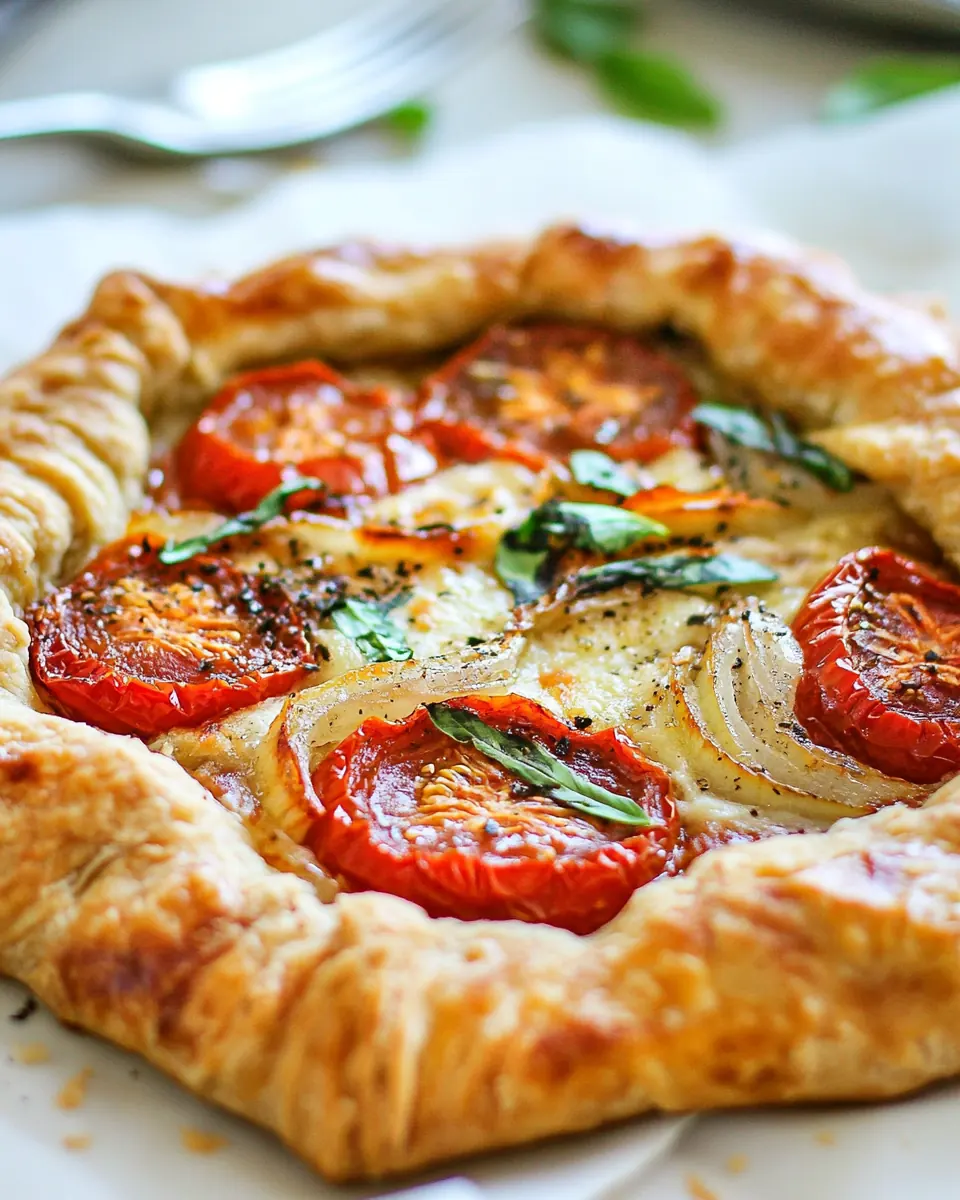
These ingredients form a straightforward, harmonious trio. The dough creates a flaky, buttery frame, while the sautéed onion supplies deep sweetness, the Gruyere cheese offers a nutty, melty backbone, and the fresh tomato slices deliver bright acidity. Small additions like olive oil, thyme, and an egg wash help texture, aroma, and color come together, making each bite balanced and satisfying.
- 19 inch pie dough (click link for recipe): Provides a ready-rolled base for the galette, offering a flaky, buttery crust that holds the fillings; follow the linked recipe for best texture and chill before rolling. Acts as the structural element that crisps in the oven and contrasts with the soft, juicy toppings. Ensure the dough is cold to prevent shrinking and sogginess when baked.
- 2 tablespoon olive oil: Adds a fruity, savory foundation for caramelizing onions and sautéing; heats evenly and imparts a light olive flavor that complements tomatoes and cheese. Helps prevent sticking in the pan and contributes healthy monounsaturated fats to the dish.
- 1 large onion thinly sliced: Produces sweet, deeply flavored caramelized layers when cooked slowly in oil; thin slicing ensures even browning and a tender texture that contrasts with the crust. Builds savory complexity and moisture that melds with cheese and tomatoes during baking.
- 1 tablespoon semolina flour or fine cornmeal () (optional): Creates a slight barrier between the dough and juicy tomatoes, helping absorb excess moisture to keep the crust crisp; optional nature allows flexibility based on tomato juiciness. Fine semolina or cornmeal also adds a subtle grit and additional texture to the base.
- 6 oz Gruyere cheese shredded: Melts into a rich, nutty layer that provides savory depth and a creamy mouthfeel; shredding promotes even distribution across the galette. Complements the sweetness of caramelized onions and the acidity of tomatoes while browning attractively under heat.
- 3 ripe tomatoes sliced: Contributes bright acidity, juiciness, and fresh tomato flavor when sliced and layered atop the cheese; ripe tomatoes offer optimal balance of sweetness and tang. Slicing uniformly ensures even cooking and prevents single spots from overpowering the galette.
- Salt and pepper: Season to taste to enhance the natural flavors of the onions, cheese, and tomatoes; balancing salt and pepper is essential to avoid blandness. Use sparingly at first and adjust after baking if needed to achieve optimal seasoning.
- 1 tablespoon thyme fresh, chopped: Provides an aromatic, herbaceous note that uplifts the overall flavor profile; fresh chopped thyme adds subtle earthiness and pairs well with Gruyere and caramelized onions. Sprinkle evenly to ensure each bite receives a hint of herb fragrance.
- 1 large egg beaten, combined with 1 tablespoon water: Creates an egg wash that produces a glossy, golden-brown finish on the crust when brushed along the edges; beating with water thins the egg for smooth application. Also helps any sesame or coarse salt adhere if you choose to add them.
Preparation Steps for Tomato Galette with Gruyere and Caramelized Onions
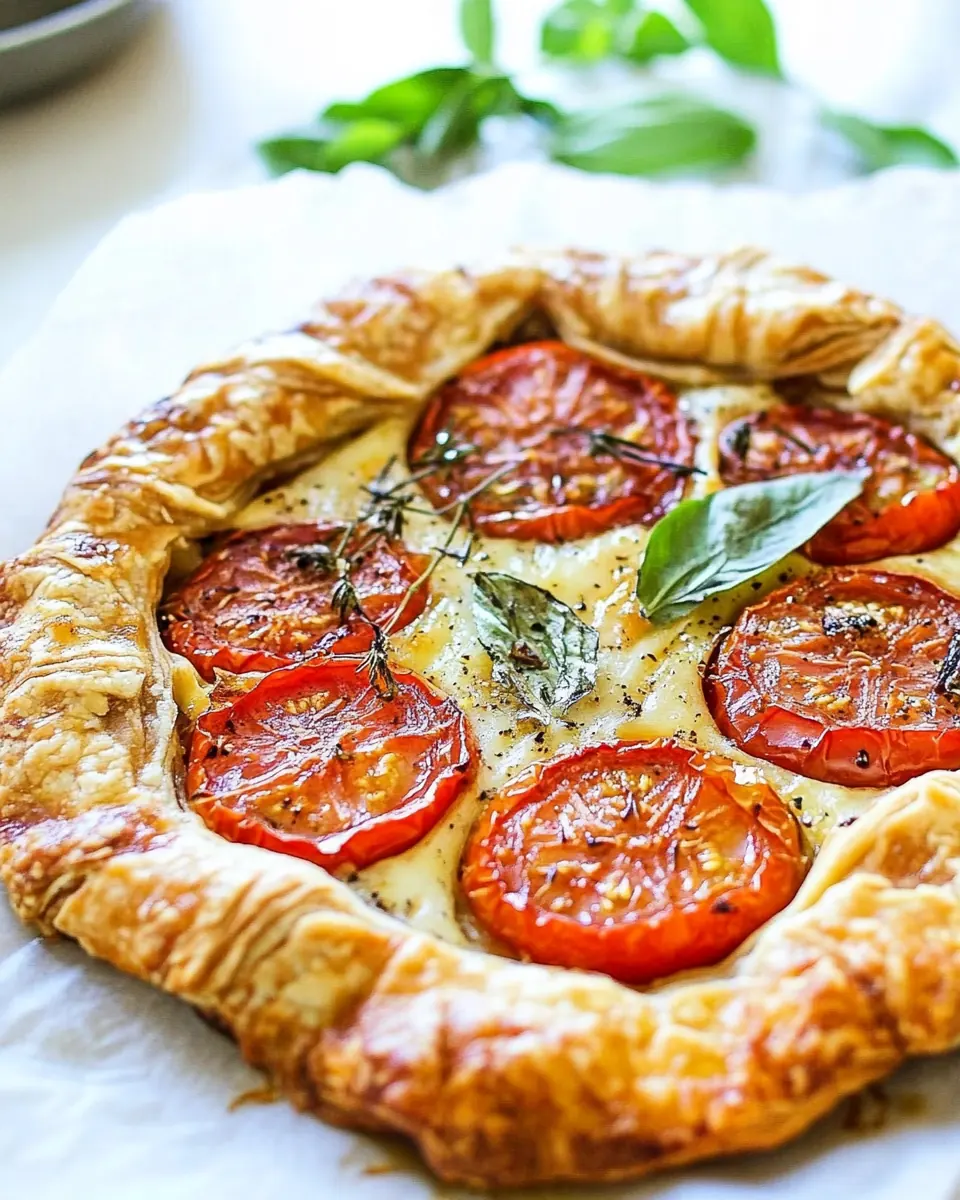
These steps guide you through dough prep, slow caramelization, assembly, and baking. I like to move through the recipe with calm attention, listening for the right sounds and watching for color changes. Below you will find detailed, sensory-forward instructions that explain the why and what to watch for.
- Make the pie dough. Wrap in plastic wrap and refrigerate for at least 30 minutes or for up to 24 hours. If frozen, allow the dough to thaw completely.: As the dough chills, you will notice the butter firm up and the gluten relax, which helps when you roll it out later; a cold dough gives you flakier layers in the finished crust. The surface should feel cool to the touch and slightly springy after refrigeration. Common mistake to avoid is working with dough that is too warm, which will tear and lose its structure; if that happens, pop it back into the fridge for 20 to 30 minutes before proceeding. The tactile cue is key, aim for a dough that yields under gentle pressure but does not stick excessively to your fingers.
- In a large skillet, heat the oil over medium-high heat. Add the onions and cook until browned all over, stirring frequently. About 30 to 40 minutes. Set aside.: Early on the onions will sizzle and smell sharp, then gradually they soften and turn translucent before taking on golden, then deep brown edges; this transformation brings a sweet, caramel aroma that fills the kitchen. As the onions brown, stir often to promote even color and prevent burnt bits, adjust heat down if the pan smokes or dark spots appear too quickly. A frequent error is rushing the caramelization with high heat, which yields bitter edges; patience and steady stirring produce glossy, jammy onions with rich flavor.
- Preheat oven to 400°F.: When the oven approaches this temperature, you should feel a steady, dry warmth from the vent and hear the faint hum of the fan as it holds heat. Preheating ensures the crust begins to set and brown immediately when it hits the oven, giving you a crisp edge and a properly baked interior. Avoid placing an unheated baking sheet into a cold oven because the crust may become soggy and overbaked; always wait until the oven reads the target temperature.
- On a lightly floured surface roll out the dough to a circular shape about 10 to 12 inches in diameter. Add more flour to the surface as needed to prevent sticking.: Rolling should feel smooth, with the dough releasing easily as you turn it; the surface should show faint flour dusting without becoming dry. Rotate and lift the dough frequently to ensure it does not cling, and use light, even pressure to keep the thickness uniform. A common misstep is over-flouring, which can make the crust dry; if the dough resists, chill briefly and then continue rolling.
- Gently transfer the dough to a pizza stone or baking sheet. (Before doing this, you can sprinkle the stone or baking sheet with semolina flour or fine cornmeal. This isn't completely necessary, but helps to ensure the dough won't stick to the stone).: Moving the dough is delicate work, you should feel a slight give as it settles onto the baking surface; if you hear dragging or see tears, support the dough with your hands or a rolling pin beneath as you lift. The semolina adds tiny gritty pockets that prevent sticking and crisp the bottom, giving a pleasing texture contrast. Prevent tearing by using slow, steady motions and avoid stretching the edges out of shape during transfer.
- Add the caramelized onions in the center of the dough, leaving about 1 to 2 inches of dough around the edges. Place the cheese over the onions, and then arrange the tomato slices over the cheese (you may not use all of the tomato slices).: As you layer, the smell will shift from sweet onion to a more complex, layered scent as the Gruyere cheese and tomato combine; the cheese creates a cushion that melts and holds the tomatoes, preventing soggy spots directly on the dough. Arrange the slices so they overlap slightly for an even cook and an attractive top. A common issue is overcrowding the center which traps excess juice; leave the margin as instructed so the crust can fold and crisp.
- Liberally sprinkle salt and pepper over all of the tomatoes and then sprinkle on the chopped thyme.: Seasoning here awakens the tomato flavor, drawing out juices and elevating the savory notes of the Gruyere and caramelized onion . The aroma of chopped thyme will add herbaceous top notes that brighten the overall profile. Be mindful not to over-salt, especially if your cheese is on the saltier side; taste a small scrap of tomato with a little cheese beforehand if you are unsure.
- Use your hands to gently pull the edges of the dough toward the center of the galette. Bring the sides of the dough so about 2/3 of the tomatoes are visible.: Folding the edges creates that signature rustic look while trapping some filling juices, and you will hear a soft, papery rustle as the dough is manipulated. The crust should overlap the filling snugly, creating a rim that browns and crisps; handle the dough gently to avoid tearing. One mistake is folding too tightly which can squeeze juices out and cause leaks; aim for a loose, graceful fold that still frames the filling.
- In a small bowl, mix the lightly beaten egg with 1 tablespoon of water. Brush the egg wash all over the top portion of the dough.: The egg wash will give you a glossy, honeyed brown crust and help the folded edges develop an even color. Brushing should be done with a light hand so the wash does not drip onto the filling where it can create gummy spots. If you skip this step the crust will still bake, but it will lack that deep, appetizing sheen; avoid pooling the wash in crevices to prevent uneven browning.
- Bake for 35 to 40 minutes, or until the dough is lightly browned and the interior is bubbly. Use a couple of flat spatulas to gently transfer the galette from the stone (or baking sheet) to a cutting board. Allow to rest for 15 minutes before slicing. Serve warm or at room temperature.: As the galette bakes you will hear a gentle crackle as the crust browns and see steam rise from the bubbling interior, releasing savory, baked aromas. The edges should be a golden brown with flecks of deeper color where the butter has caramelized, and the center should bubble slightly where the cheese and tomato juices mingle. Avoid cutting too soon; resting helps the filling set so slices hold together. A common error is underbaking, which leaves the center floppy; ensure the crust is firm and the center is visibly bubbling for a properly baked galette.
Tips and Variations
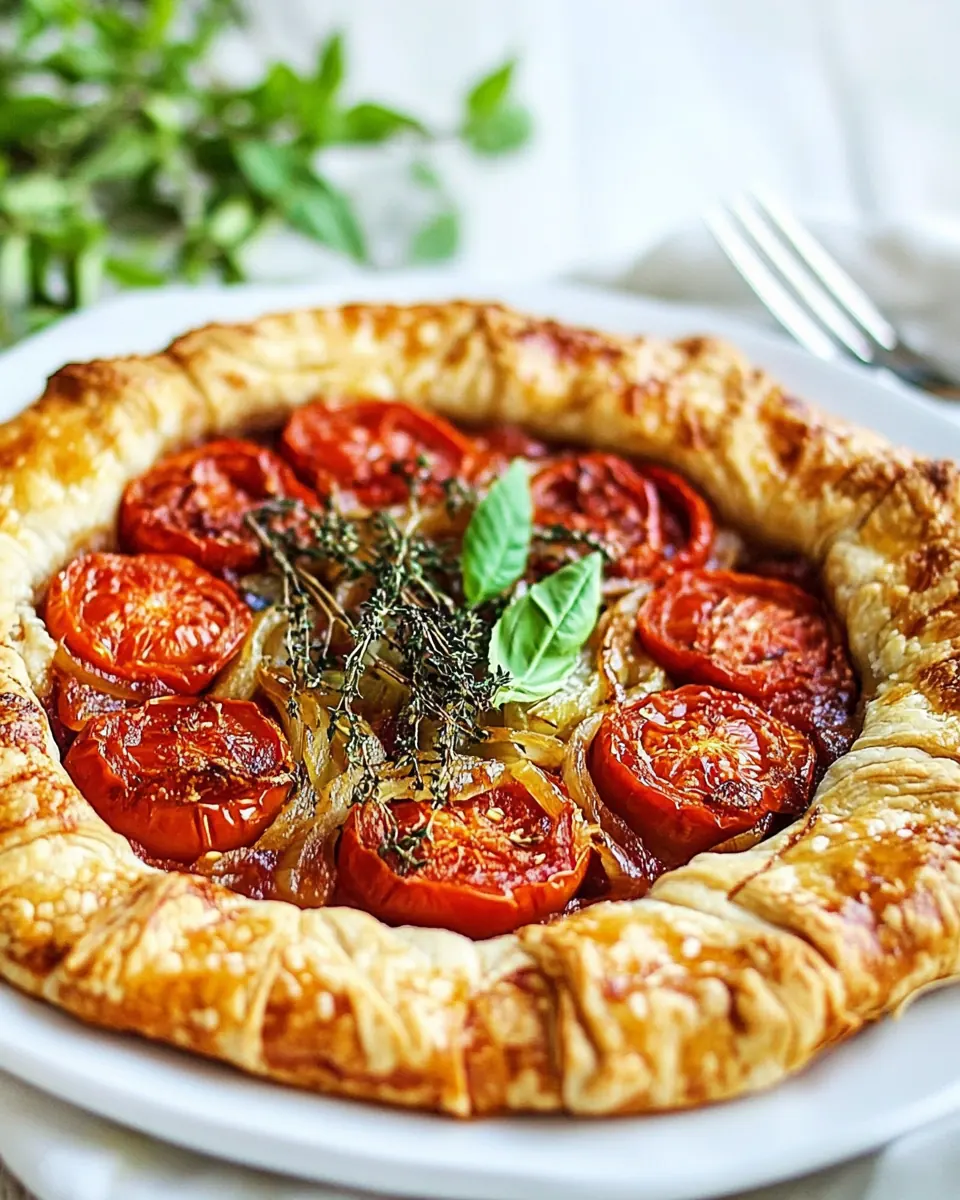
I like to think of tips as small chef secrets that help the recipe shine. Below are practical notes and variations that help you adapt this galette to your schedule and pantry while keeping the central flavors intact.
- Make the dough ahead: Prepare the pie dough up to 24 hours in advance and keep it chilled so you are not rushed when assembling the galette.
- Use room temperature cheese: Let the Gruyere cheese sit briefly at room temperature before grating for better melting and more even coverage under the tomato slices.
- Gentle rolling: Roll from the center outward using light pressure to avoid compressing the dough and losing flaky layers.
- Control onion color: Start with medium heat, then reduce to medium low as the onion softens so the sugars can develop without burning.
- Prevent sogginess: If your tomato is particularly juicy, salt slices lightly and let them rest on paper towel for a few minutes to draw off excess moisture before layering.
Great Combinations for Tomato Galette with Gruyere and Caramelized Onions
This galette pairs beautifully with light salads and relaxed gatherings. Below are serving ideas, occasions, storage advice, and seasonal pairings to help you plan a meal around this dish.
- Light green salad: Serve with a simple mixed green salad dressed in a bright vinaigrette to balance the richness of the Gruyere and the buttery crust.
- Simple soup: Pair with a clear vegetable broth or a chilled cucumber soup for a summer lunch that feels composed and nourishing.
- Brunch centerpiece: Offer the galette alongside a bowl of fresh fruit and coffee for a casual weekend brunch where guests can slice and serve themselves.
- Picnic or potluck: Because it travels well at room temperature, bring the galette to outdoor gatherings or potlucks for an easy shareable dish.
- Storage tips: Wrap leftovers tightly and refrigerate for several days; reheat in a low oven at 300°F to restore crispness, or serve cold at room temperature for convenience.
- Seasonal pairing: Make this in summer when tomatoes are at their peak, and consider adding a bowl of roasted seasonal vegetables on the same table for a complete seasonal spread.
FAQ
Conclusion
This galette stands out because it marries a flaky, golden crust with sweet, slowly caramelized onion, melty Gruyere cheese, and bright tomato slices in a relaxed, rustic package. Give it a try on a weekend when you have time to savor the process, or make components ahead for an effortless dinner that impresses without stress. It is the kind of recipe that rewards attention and patience while remaining wonderfully forgiving and shareable.
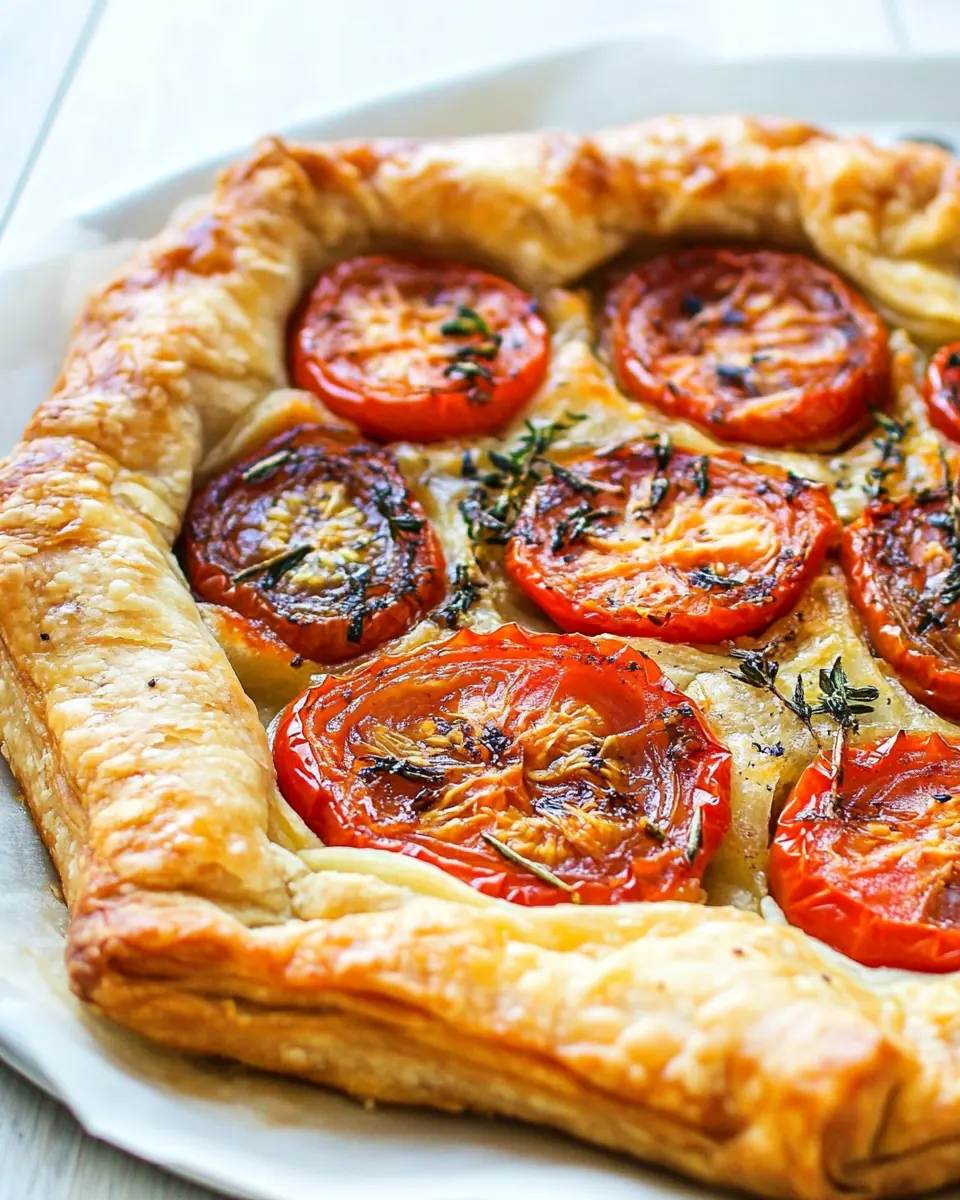
Tomato Galette with Gruyere and Caramelized Onions
Ingredients
Equipment
Method
- Make the pie dough. Wrap in plastic wrap and refrigerate for at least 30 minutes or for up to 24 hours. If frozen, allow the dough to thaw completely.: As the dough chills, you will notice the butter firm up and the gluten relax, which helps when you roll it out later; a cold dough gives you flakier layers in the finished crust. The surface should feel cool to the touch and slightly springy after refrigeration. Common mistake to avoid is working with dough that is too warm, which will tear and lose its structure; if that happens, pop it back into the fridge for 20 to 30 minutes before proceeding. The tactile cue is key, aim for a dough that yields under gentle pressure but does not stick excessively to your fingers.
- In a large skillet, heat the oil over medium-high heat. Add the onions and cook until browned all over, stirring frequently. About 30 to 40 minutes. Set aside.: Early on the onions will sizzle and smell sharp, then gradually they soften and turn translucent before taking on golden, then deep brown edges; this transformation brings a sweet, caramel aroma that fills the kitchen. As the onions brown, stir often to promote even color and prevent burnt bits, adjust heat down if the pan smokes or dark spots appear too quickly. A frequent error is rushing the caramelization with high heat, which yields bitter edges; patience and steady stirring produce glossy, jammy onions with rich flavor.
- Preheat oven to 400°F.: When the oven approaches this temperature, you should feel a steady, dry warmth from the vent and hear the faint hum of the fan as it holds heat. Preheating ensures the crust begins to set and brown immediately when it hits the oven, giving you a crisp edge and a properly baked interior. Avoid placing an unheated baking sheet into a cold oven because the crust may become soggy and overbaked; always wait until the oven reads the target temperature.
- On a lightly floured surface roll out the dough to a circular shape about 10 to 12 inches in diameter. Add more flour to the surface as needed to prevent sticking.: Rolling should feel smooth, with the dough releasing easily as you turn it; the surface should show faint flour dusting without becoming dry. Rotate and lift the dough frequently to ensure it does not cling, and use light, even pressure to keep the thickness uniform. A common misstep is over-flouring, which can make the crust dry; if the dough resists, chill briefly and then continue rolling.
- Gently transfer the dough to a pizza stone or baking sheet. (Before doing this, you can sprinkle the stone or baking sheet with semolina flour or fine cornmeal. This isn't completely necessary, but helps to ensure the dough won't stick to the stone).: Moving the dough is delicate work, you should feel a slight give as it settles onto the baking surface; if you hear dragging or see tears, support the dough with your hands or a rolling pin beneath as you lift. The semolina adds tiny gritty pockets that prevent sticking and crisp the bottom, giving a pleasing texture contrast. Prevent tearing by using slow, steady motions and avoid stretching the edges out of shape during transfer.
- Add the caramelized onions in the center of the dough, leaving about 1 to 2 inches of dough around the edges. Place the cheese over the onions, and then arrange the tomato slices over the cheese (you may not use all of the tomato slices).: As you layer, the smell will shift from sweet onion to a more complex, layered scent as the Gruyere cheese and tomato combine; the cheese creates a cushion that melts and holds the tomatoes, preventing soggy spots directly on the dough. Arrange the slices so they overlap slightly for an even cook and an attractive top. A common issue is overcrowding the center which traps excess juice; leave the margin as instructed so the crust can fold and crisp.
- Liberally sprinkle salt and pepper over all of the tomatoes and then sprinkle on the chopped thyme.: Seasoning here awakens the tomato flavor, drawing out juices and elevating the savory notes of the Gruyere and caramelized onion . The aroma of chopped thyme will add herbaceous top notes that brighten the overall profile. Be mindful not to over-salt, especially if your cheese is on the saltier side; taste a small scrap of tomato with a little cheese beforehand if you are unsure.
- Use your hands to gently pull the edges of the dough toward the center of the galette. Bring the sides of the dough so about 2/3 of the tomatoes are visible.: Folding the edges creates that signature rustic look while trapping some filling juices, and you will hear a soft, papery rustle as the dough is manipulated. The crust should overlap the filling snugly, creating a rim that browns and crisps; handle the dough gently to avoid tearing. One mistake is folding too tightly which can squeeze juices out and cause leaks; aim for a loose, graceful fold that still frames the filling.
- In a small bowl, mix the lightly beaten egg with 1 tablespoon of water. Brush the egg wash all over the top portion of the dough.: The egg wash will give you a glossy, honeyed brown crust and help the folded edges develop an even color. Brushing should be done with a light hand so the wash does not drip onto the filling where it can create gummy spots. If you skip this step the crust will still bake, but it will lack that deep, appetizing sheen; avoid pooling the wash in crevices to prevent uneven browning.
- Bake for 35 to 40 minutes, or until the dough is lightly browned and the interior is bubbly. Use a couple of flat spatulas to gently transfer the galette from the stone (or baking sheet) to a cutting board. Allow to rest for 15 minutes before slicing. Serve warm or at room temperature.: As the galette bakes you will hear a gentle crackle as the crust browns and see steam rise from the bubbling interior, releasing savory, baked aromas. The edges should be a golden brown with flecks of deeper color where the butter has caramelized, and the center should bubble slightly where the cheese and tomato juices mingle. Avoid cutting too soon; resting helps the filling set so slices hold together. A common error is underbaking, which leaves the center floppy; ensure the crust is firm and the center is visibly bubbling for a properly baked galette.
Notes
- Make the dough ahead: Prepare the pie dough up to 24 hours in advance and keep it chilled so you are not rushed when assembling the galette.
- Use room temperature cheese: Let the Gruyere cheese sit briefly at room temperature before grating for better melting and more even coverage under the tomato slices.
- Gentle rolling: Roll from the center outward using light pressure to avoid compressing the dough and losing flaky layers.
- Control onion color: Start with medium heat, then reduce to medium low as the onion softens so the sugars can develop without burning.
- Prevent sogginess: If your tomato is particularly juicy, salt slices lightly and let them rest on paper towel for a few minutes to draw off excess moisture before layering.