Smoked New York Strip Roast
Smoked New York Strip Roast is one of those recipes that changed how I think about weekend cooking, and the moment I smoked my first roast I knew I had to make it a go to for gatherings. The aroma of smoke drawing into a well seasoned piece of beef, the attentive ritual of trimming and tying, and the satisfaction of a perfectly pink center made this an instant favorite in my kitchen. I remember the first time I served it, neighbors knocked on the door asking for a slice, and that kind of response is what keeps me coming back to this recipe.
Over the years I learned to treat each roast like a small project, paying attention to the little things that matter. I enjoy scoring the fat cap, letting the salt work overnight, and watching the color deepen in the smoker as gentle heat transforms the meat. There is a calm, almost meditative quality to the process that I find comforting, and the payoff is always worth the patience. Friends ask for tips, and I find telling stories about the trials and the wins helps them get excited about trying Smoked New York Strip Roast for themselves.
Recipe Snapshot
2 hr 50 mins
20 mins
150 mins
Hard
450 kcal
American
Keto, Paleo
Dinner
Smoker, Butcher’s twine, Sheet tray with rack, Instant read thermometer
The Beauty of This Smoked New York Strip Roast
True Beef Focus
I love that Smoked New York Strip Roast puts the beef front and center. With just coarse salt and ground pepper, the natural beef flavor sings. I often find that minimal seasoning lets the quality of the roast and the smoke wood shine without competing elements. When the crust develops and the interior stays tender, it’s proof that a simple approach can be wildly rewarding.
Low and Slow, Then Hot
The reverse sear method in this recipe gives the best of both worlds, a full smoke ring and a caramelized crust. Starting at a low smoker temperature allows the smoke to penetrate while keeping juices locked in, and finishing at very high heat creates that Maillard reaction we all crave. I’ve noticed this method reduces overcooking and yields more consistent slices for serving guests.
Hands On, Yet Relaxed
I appreciate that this roast asks for patience, not constant babysitting. The long fridge rest and gentle smoke phase let me prep other dishes, host, or simply enjoy time with company. There’s a relaxed rhythm to the timeline that makes it ideal for celebrations or slow weekends, and the ritual of trussing and monitoring internal temperature is enjoyable rather than stressful.
Flexible Equipment Options
I’ve tested this on pellet smokers, charcoal grills, and even digital smokers. The method translates well, so you don’t need a fancy setup to get great results. That adaptability makes Smoked New York Strip Roast approachable for many home cooks, and I often recommend trying different woods like cherry or oak to tweak the flavor profile.
Impressive Results, Simple Steps
Finally, the dish looks impressive on the table, but the ingredient list is short and the technique is straightforward. For family gatherings or special dinners, that balance of elegance and simplicity is why I keep returning to this recipe. The roast carves beautifully, and the presentation feels upscale without requiring advanced skills.
Everything You Need for Smoked New York Strip Roast
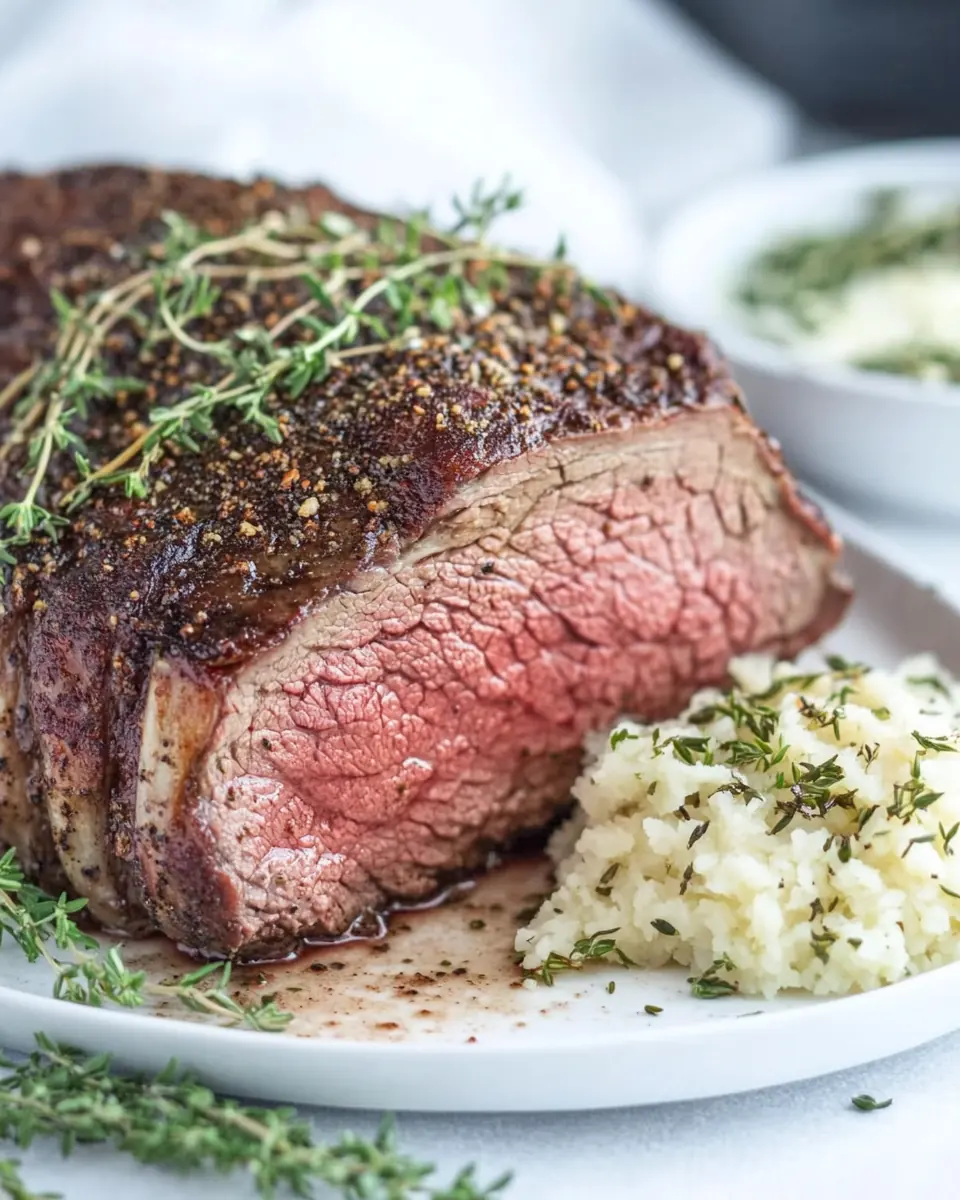
The ingredients for Smoked New York Strip Roast are intentionally simple. This philosophy is about quality over complexity, letting each component perform a clear role. The roast is the star, the coarse salt seasons and draws moisture to the surface to improve crust formation, and ground pepper provides aromatic heat and texture. Together they create a pronounced beef forward profile enhanced by smoke.
- 8 pound trimmed New York strip roast: Season generously and enhance the roast’s natural beef flavor by creating a savory crust; coarse texture helps provide even seasoning adhesion and a satisfying exterior after smoking. Allow to penetrate the meat for at least an hour or overnight in the refrigerator to improve depth of flavor and moisture retention. Coarse grains also aid in forming a proper bark during long, low-temperature smoking.
- 2 tablespoons coarse salt: Add bold, sharp heat to complement the roast and cut through richness; ground pepper contributes aromatic, slightly fruity spice that brightens the overall profile. Use freshly ground for maximum fragrance and a more complex peppery finish when smoked. Sprinkle evenly so each slice benefits from balanced seasoning without overpowering the beef.
- 2 teaspoons ground pepper: Bind flavors and draw out surface moisture to help form a flavorful bark during smoking; salt is essential for seasoning and enhancing the meat’s innate taste. Apply evenly and allow time for salt to penetrate, improving texture and juiciness through mild curing action. Coarse salt is preferred for controlled distribution and preserving the roast during long smoking sessions.
How to Assemble Smoked New York Strip Roast
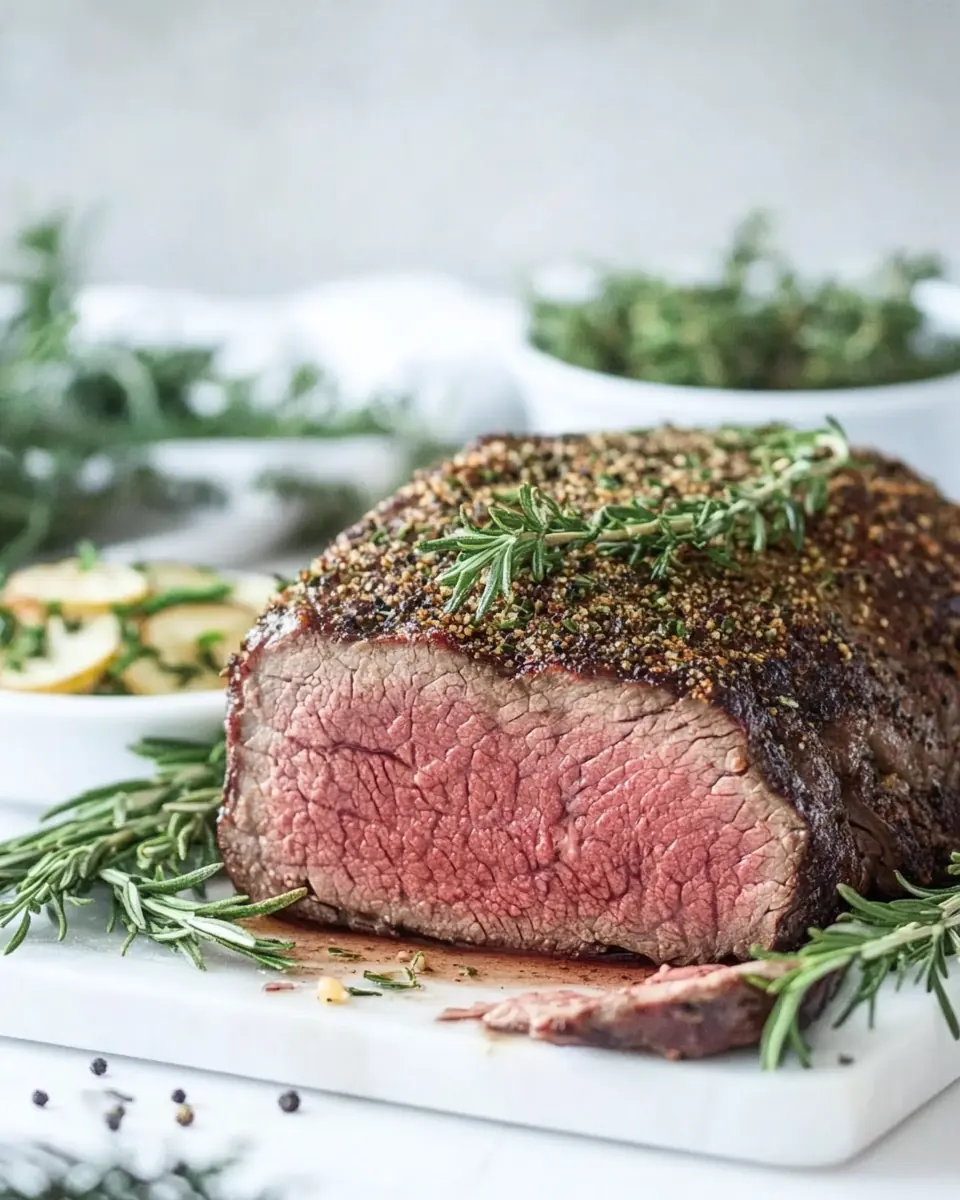
These directions walk you through fabricating, seasoning, smoking, and reverse searing the roast. Follow the sequence carefully for the best flavor and texture, and keep a reliable instant read thermometer on hand so you hit ideal internal temperatures every time.
- Trim the roast from fat on the top, bottom, and sides. All sinew, silver skin, and stringy-like fat should be removed. However, I like keeping a 1/2" fat cap on the top.: When you first approach the roast, you will notice both smooth and stringy pieces of fat, and removing sinew and silver skin makes slicing easier and prevents chewy bits. The slight fat cap you leave will slowly render and baste the meat while smoking, giving silkiness to each bite. As you trim, listen for the soft tearing of membranes and feel for stubborn sinew with your fingertips, cutting carefully to preserve the roast shape. A common mistake is over trimming and removing too much fat, which can lead to drier meat during the long smoke, so aim to preserve that half inch when possible.
- Using your knife, score the fat cap on the top, going about an eighth to a max of one-quarter inch deep in both directions.: Scoring helps heat and smoke penetrate more evenly and allows the fat to render faster into the muscle beneath. You should hear a slight scraping sound as the blade cuts shallow grooves, and visually you will see a grid that will crisp up during the final sear. The scoring also creates edges that develop more bark and texture, which enhances the eating experience. Avoid cutting too deep, which can create channels where juices run away, leaving the interior less moist.
- Next, truss the beef roast using butcher’s twine.: Trussing ensures the roast holds a uniform shape, which promotes even cooking and nicer slices when you serve. As you tie, feel the roast compress slightly, and keep turns snug but not constrictive, allowing the roast to expand a little as it heats. The visual cue is a neatly bundled roast that cooks predictably and slices into consistent thickness. A frequent oversight is tying too loosely, which can let the roast spread and cook unevenly, so double check tension while tying.
- Place the roast on a rack over a sheet tray and generously season all sides with coarse salt and ground pepper.: When seasoning, sprinkle from above so the salt and pepper distribute evenly; you will see a textured crust forming on the surface as the seasonings cling. The coarse salt will draw moisture to the surface in the fridge rest, and the ground pepper will become embedded in the scoring grooves adding aromatic pockets. A common error is under seasoning, which can result in bland edges, so be generous and consistent on every side.
- Put the roast on the rack in the fridge uncovered for 12 to 48 hours.: This dry brine period is when salt works its magic, pulling moisture out then reabsorbing it with concentrated flavor, which also firms the surface for a better crust. You will notice the roast surface dries slightly and becomes tacky, which is a good sign for eventual browning. Leave it uncovered so air can circulate and dry the outer layer; wrapping too early will trap moisture and prevent crust development.
- Remove the roast from the fridge and let it sit at room temperature for 25-30 minutes to take the chill off it.: Bringing the roast closer to ambient temperature helps it cook more evenly in the smoker, reducing the time the interior spends cold which can cause uneven doneness. As it rests, you may feel the roast relax and the surface lose its chill, and that small change affects how gently the internal temperature climbs during the initial smoke. Do not leave it out much longer than recommended, as extended room time risks bacterial growth, so 25 to 30 minutes is the safe sweet spot.
- In the meantime, preheat the smoker to 225°.: Preheating stabilizes the airflow and smoke generation, creating a consistent environment for that low and slow phase. You should smell the faint wood smoke and see a steady thin stream of smoke before the roast goes in. Achieving and maintaining 225° is key for the smoke ring and gentle cooking; fluctuating temps can lead to uneven bark and variable internal doneness, so adjust vents or controls early to lock the heat.
- Place a thermometer from the top into the center of the roast and reverse sear it on the top rack in the smoker at 225° until it reaches 100° internally, which takes about 2 1/2 hours.: Inserting the probe from the top into the roast center gives you an accurate internal read, and during the low heat phase you will observe a slow, steady rise in temperature and a deepening mahogany color on the exterior. The smoker will impart subtle wood notes while the meat remains juicy, and you may hear occasional gentle pops from fat rendering. A typical misstep is removing the roast too early or relying on time alone; always use the internal temperature as your guide.
- Once it hits that temperature turn the smoker heat up to 500°.: Cranking the heat creates the intense surface browning needed for a crust, and you will see the exterior sizzle and darken quickly, which adds crunchy textural contrast. The smell will shift from smoky sweetness to a toasty, roasted aroma as the Maillard reaction accelerates. Be alert during this stage, because high heat can go from perfect to overdone in minutes; monitor closely and avoid leaving it unattended.
- Cook it until it reaches 118° to 120° for rare to medium-rare, which takes about 25 minutes.: As the roast approaches these final temps, you will notice juices bead near the surface and the crust deepen to a rich brown. The precise moment you remove it will determine the final doneness, so rely on the thermometer rather than time alone. If you aim for this range, carryover cooking will bring the roast a few degrees higher as it rests. A common error is waiting for visual cues only, which can lead to overcooking; trust the thermometer.
- Remove the roast and let it rest for 30 to 45 minutes. Cut off the butcher's twine. Slice and serve the roast.: Resting lets the juices redistribute, and when you tent or cover briefly you will feel the roast become firmer to the touch, a welcome sign. After resting, cutting the twine frees the roast and reveals an evenly pink interior with a crisp crust, and slicing across the grain yields tender bites. Resist the urge to slice immediately, as doing so too soon will spill precious juices and dry the slices, so patience here rewards you with juicier servings.
Helpful Hints
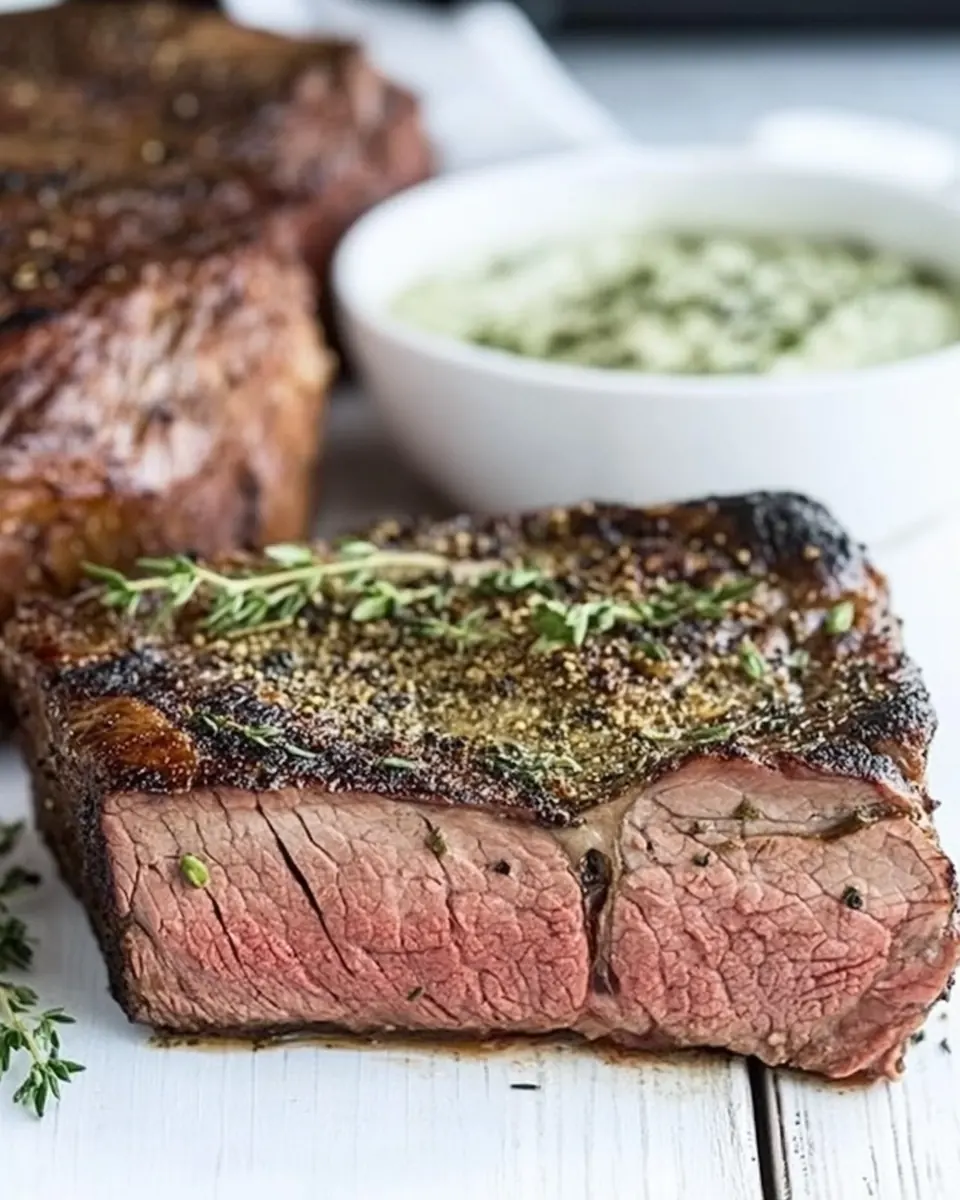
This roast responds best to careful timing and consistent temperatures, and a few targeted hints can make the process feel effortless. Below are practical tips I use each time I cook Smoked New York Strip Roast, expanded into details so you can adopt them with confidence.
- Season Early Use the 12 to 48 hour fridge rest to let coarse salt penetrate, which firms the surface and improves crust formation for a more flavorful bite.
- Keep the Fat Cap Retaining about a one half inch fat cap helps render flavor into the meat, keeping slices succulent during the long smoke phase.
- Probe Placement Insert the thermometer into the center from the top to get the most representative internal temperature and avoid false readings near air pockets.
- Wood Choice Matters Test woods like cherry, apple, or oak to discover which profile you prefer, each lending distinct fruity or nutty notes to the beef.
- Use a Rack Elevate the roast on a rack above a sheet tray to promote even airflow and to capture drippings for sauces or gravy if desired.
- Watch the Final Sear The jump to 500° creates rapid browning, so stay attentive and remove the roast when the internal temp aligns with your target to avoid overcooking.
Side Dish Ideas for Smoked New York Strip Roast
When serving Smoked New York Strip Roast, choosing complementary sides elevates the meal and balances the rich beef flavors. Below I outline pairing ideas, serving contexts, and storage suggestions to make your dinner memorable.
- Roasted Vegetables Root vegetables like carrots and parsnips roast well alongside the timeline of this recipe, offering sweet, caramelized contrasts to the savory meat. Serve them warm and tossed with a little oil and salt to keep flavors simple and bright.
- Creamy Mashed Potatoes A classic pairing, creamy mashed potatoes soak up the juices and provide a soft mouthfeel that pairs beautifully with the roast slices. For special occasions, fold in a touch of butter and warm milk for silkiness.
- Green Salad A crisp salad with a tangy vinaigrette cuts through the richness, adding refreshing acidity and a textural lift. Include sturdy greens like romaine or mixed baby greens for contrast.
- Occasions This roast is ideal for dinner parties, winter gatherings, or holiday-style feasts when you want an impressive centerpiece without fussy techniques. It works well for family Sunday dinners or celebratory meals where a show stopping main is desired.
- Storage Tips Cool leftover slices quickly and store in an airtight container in the fridge for up to four days. Reheat gently in a low oven to preserve juiciness, or serve cold thinly sliced for sandwiches over the next day or two.
- Seasonal Pairings In winter, pair with roasted squash and braised greens. The heartier sides match the robust beef and warming smoke notes, making the meal feel seasonal and satisfying.
FAQ
Conclusion
This recipe stands out because it combines simple seasoning, patient smoking, and a high heat finish to produce a roast with serious flavor and impressive presentation. If you want a center that stays tender and juicy with a deeply caramelized exterior, this method reliably delivers. I encourage you to try the timing and thermometer approach I describe, because the process is as rewarding as the result and makes for a memorable meal with friends or family.
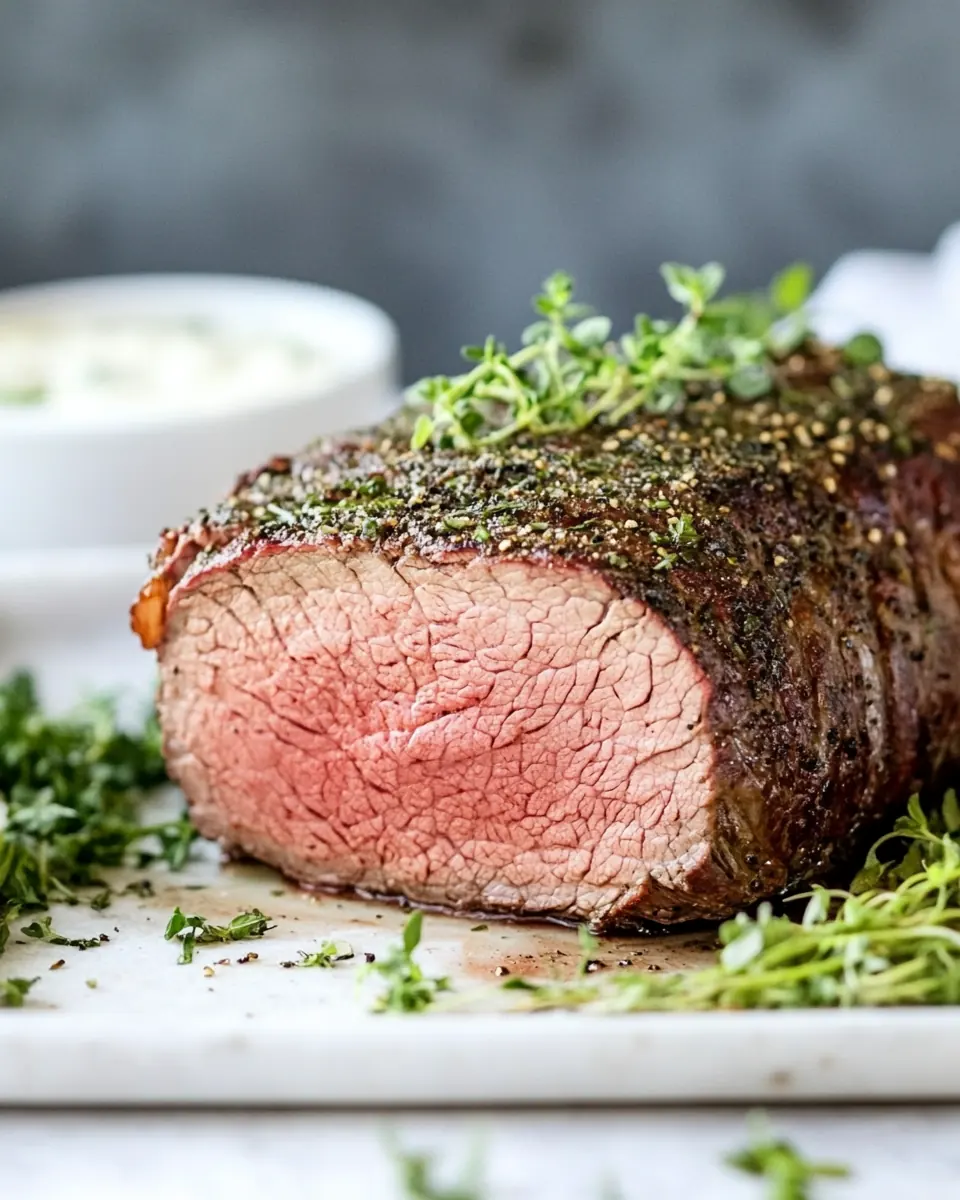
Smoked New York Strip Roast
Ingredients
Equipment
Method
- Trim the roast from fat on the top, bottom, and sides. All sinew, silver skin, and stringy-like fat should be removed. However, I like keeping a 1/2" fat cap on the top.: When you first approach the roast, you will notice both smooth and stringy pieces of fat, and removing sinew and silver skin makes slicing easier and prevents chewy bits. The slight fat cap you leave will slowly render and baste the meat while smoking, giving silkiness to each bite. As you trim, listen for the soft tearing of membranes and feel for stubborn sinew with your fingertips, cutting carefully to preserve the roast shape. A common mistake is over trimming and removing too much fat, which can lead to drier meat during the long smoke, so aim to preserve that half inch when possible.
- Using your knife, score the fat cap on the top, going about an eighth to a max of one-quarter inch deep in both directions.: Scoring helps heat and smoke penetrate more evenly and allows the fat to render faster into the muscle beneath. You should hear a slight scraping sound as the blade cuts shallow grooves, and visually you will see a grid that will crisp up during the final sear. The scoring also creates edges that develop more bark and texture, which enhances the eating experience. Avoid cutting too deep, which can create channels where juices run away, leaving the interior less moist.
- Next, truss the beef roast using butcher’s twine.: Trussing ensures the roast holds a uniform shape, which promotes even cooking and nicer slices when you serve. As you tie, feel the roast compress slightly, and keep turns snug but not constrictive, allowing the roast to expand a little as it heats. The visual cue is a neatly bundled roast that cooks predictably and slices into consistent thickness. A frequent oversight is tying too loosely, which can let the roast spread and cook unevenly, so double check tension while tying.
- Place the roast on a rack over a sheet tray and generously season all sides with coarse salt and ground pepper.: When seasoning, sprinkle from above so the salt and pepper distribute evenly; you will see a textured crust forming on the surface as the seasonings cling. The coarse salt will draw moisture to the surface in the fridge rest, and the ground pepper will become embedded in the scoring grooves adding aromatic pockets. A common error is under seasoning, which can result in bland edges, so be generous and consistent on every side.
- Put the roast on the rack in the fridge uncovered for 12 to 48 hours.: This dry brine period is when salt works its magic, pulling moisture out then reabsorbing it with concentrated flavor, which also firms the surface for a better crust. You will notice the roast surface dries slightly and becomes tacky, which is a good sign for eventual browning. Leave it uncovered so air can circulate and dry the outer layer; wrapping too early will trap moisture and prevent crust development.
- Remove the roast from the fridge and let it sit at room temperature for 25-30 minutes to take the chill off it.: Bringing the roast closer to ambient temperature helps it cook more evenly in the smoker, reducing the time the interior spends cold which can cause uneven doneness. As it rests, you may feel the roast relax and the surface lose its chill, and that small change affects how gently the internal temperature climbs during the initial smoke. Do not leave it out much longer than recommended, as extended room time risks bacterial growth, so 25 to 30 minutes is the safe sweet spot.
- In the meantime, preheat the smoker to 225°.: Preheating stabilizes the airflow and smoke generation, creating a consistent environment for that low and slow phase. You should smell the faint wood smoke and see a steady thin stream of smoke before the roast goes in. Achieving and maintaining 225° is key for the smoke ring and gentle cooking; fluctuating temps can lead to uneven bark and variable internal doneness, so adjust vents or controls early to lock the heat.
- Place a thermometer from the top into the center of the roast and reverse sear it on the top rack in the smoker at 225° until it reaches 100° internally, which takes about 2 1/2 hours.: Inserting the probe from the top into the roast center gives you an accurate internal read, and during the low heat phase you will observe a slow, steady rise in temperature and a deepening mahogany color on the exterior. The smoker will impart subtle wood notes while the meat remains juicy, and you may hear occasional gentle pops from fat rendering. A typical misstep is removing the roast too early or relying on time alone; always use the internal temperature as your guide.
- Once it hits that temperature turn the smoker heat up to 500°.: Cranking the heat creates the intense surface browning needed for a crust, and you will see the exterior sizzle and darken quickly, which adds crunchy textural contrast. The smell will shift from smoky sweetness to a toasty, roasted aroma as the Maillard reaction accelerates. Be alert during this stage, because high heat can go from perfect to overdone in minutes; monitor closely and avoid leaving it unattended.
- Cook it until it reaches 118° to 120° for rare to medium-rare, which takes about 25 minutes.: As the roast approaches these final temps, you will notice juices bead near the surface and the crust deepen to a rich brown. The precise moment you remove it will determine the final doneness, so rely on the thermometer rather than time alone. If you aim for this range, carryover cooking will bring the roast a few degrees higher as it rests. A common error is waiting for visual cues only, which can lead to overcooking; trust the thermometer.
- Remove the roast and let it rest for 30 to 45 minutes. Cut off the butcher's twine. Slice and serve the roast.: Resting lets the juices redistribute, and when you tent or cover briefly you will feel the roast become firmer to the touch, a welcome sign. After resting, cutting the twine frees the roast and reveals an evenly pink interior with a crisp crust, and slicing across the grain yields tender bites. Resist the urge to slice immediately, as doing so too soon will spill precious juices and dry the slices, so patience here rewards you with juicier servings.
Notes
- Season Early Use the 12 to 48 hour fridge rest to let coarse salt penetrate, which firms the surface and improves crust formation for a more flavorful bite.
- Keep the Fat Cap Retaining about a one half inch fat cap helps render flavor into the meat, keeping slices succulent during the long smoke phase.
- Probe Placement Insert the thermometer into the center from the top to get the most representative internal temperature and avoid false readings near air pockets.
- Wood Choice Matters Test woods like cherry, apple, or oak to discover which profile you prefer, each lending distinct fruity or nutty notes to the beef.
- Use a Rack Elevate the roast on a rack above a sheet tray to promote even airflow and to capture drippings for sauces or gravy if desired.
- Watch the Final Sear The jump to 500° creates rapid browning, so stay attentive and remove the roast when the internal temp aligns with your target to avoid overcooking.