Slow Cooker Greek Lamb Shanks
Slow Cooker Greek Lamb Shanks is a recipe that anchors many of my cold weather dinners, and the aroma always draws everyone to the kitchen. The first time I made it I was juggling a busy week and wanted something that felt special without demanding my full attention, so I browned the lamb, added bright citrus and briny olives, then let the slow cooker do the rest. That slow, patient simmer transformed the meat into something I still talk about months later.
Over the years I learned little rituals that make this version mine: rubbing the spice mix into the lamb so the herbs cling, nestling halved baby potatoes into the juices so they soak up every flavor, and using a jar of sundried tomatoes for an intense tomato note without fuss. I like how the dish feels rustic yet refined, perfect for an intimate dinner or a casual weekend meal when I want company without the stress of last minute prep.
Recipe Snapshot
8 hr 10 mins
10 mins
480 mins
Hard
480 kcal
Mediterranean
Paleo, Gluten-Free
Dinner
Skillet, 6 quart slow cooker
The Charm of This Slow Cooker Greek Lamb Shanks
Comforting, hands off cooking
I love that Slow Cooker Greek Lamb Shanks lets me set things up and walk away, while still delivering deep, layered flavors. The slow cooker creates a gentle environment where connective tissue melts, yielding fork tender lamb that falls off the bone. For busy nights I relish how the appliance handles the heavy lifting.
Bold Mediterranean flavors
The pairing of bright lemon juice, briny Kalamata olives, and fragrant dried herbs gives the dish a true Greek profile. I enjoy how the olives add salt and character, while the oregano and rosemary bring warmth, balancing the richness of the lamb. Each bite has a clear sense of place.
Made for sharing
When friends come over I turn to this recipe because it fills the room with inviting smells. It feels celebratory without fuss, and plating a big bowl of lamb alongside roasted vegetables invites conversation. I find that the generous portioning makes it ideal for feeding four with leftovers for the next day.
Minimal fuss, maximum payoff
I appreciate that ingredient prep is straightforward, and the method rewards patience. Browning first layers in caramelized notes, and the long cook time amplifies flavors into something complex. I especially value that I can adjust herbs and acidity to my mood, and the dish still comes together beautifully.
Versatile in serving
This recipe adapts easily: serve it over creamy mashed potatoes, alongside a simple salad, or with crusty bread to soak up the juices. I often tweak sides depending on the season, and it never fails to feel satisfying. That flexibility keeps this one in my regular rotation.
What’s In This Slow Cooker Greek Lamb Shanks
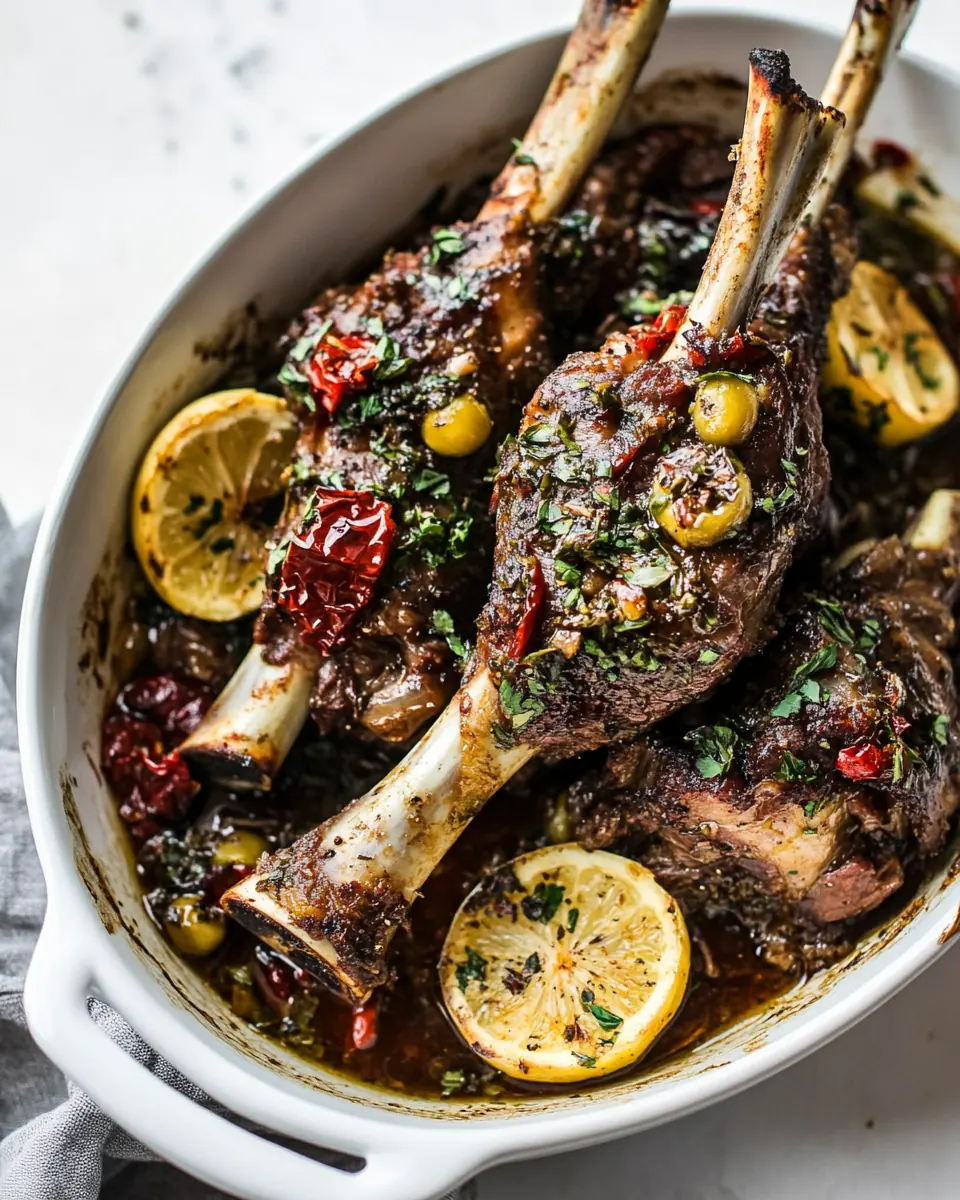
The ingredients for Slow Cooker Greek Lamb Shanks are deliberately straightforward, focused on building layers of savory, briny, and bright notes that age well over long cooking. The key players are the lamb for deep meaty richness, the Kalamata olives and sundried tomatoes for concentrated savory accents, and the citrus and dried herbs to cut through and lift the dish. Together they create a balanced, slow cooked stew that tastes like it simmered for hours in a coastal kitchen.
- 1 tablespoon olive oil: Sear in a hot skillet to develop a deep brown crust and lock in savory juices before slow cooking; imparts a fruity richness that helps prevent sticking and adds subtle flavor complexity to the lamb shanks.
- 4 lamb shanks: Brown slowly to render fat and create a fond that enhances the sauce; provides the main protein structure and hearty mouthfeel central to this slow cooker Greek-style dish.
- salt and pepper: Season generously to enhance all flavors and balance richness; a pinch of salt brightens the lamb while pepper contributes mild heat and aromatic complexity throughout the braise.
- 1 pound halved baby potatoes: Parboil or add directly to the slow cooker for a tender, creamy texture; offers a rustic, starchy accompaniment that soaks up the braising liquid and complements the lamb.
- 1 cup Kalamata olives: Stir in near the end to retain texture and add briny, fruity notes; contributes salty, slightly tangy bursts that brighten the savory sauce and contrast the richness of the meat.
- 1 jar sundried tomatoes: Chop if jarred in oil and add to the pot to infuse sweet, concentrated tomato flavor; provides chewy texture and an umami-sweet accent that complements the olives and herbs.
- 1 cup chicken broth: Deglaze the pan or pour into the slow cooker to build a savory braising liquid; supplies body and savory depth while helping to tenderize the lamb during long, low-temperature cooking.
- 3 tablespoons lemon juice: Add for bright acidity and citrus aroma to balance richness; cuts through the fatty lamb and complements the Mediterranean herb profile for a fresher finish.
- 2 1/2 teaspoons dried oregano: Sprinkle for classic Greek herb character and earthy, slightly minty notes; supports the lamb and potatoes with aromatic warmth and ties together the Mediterranean flavors.
- 1 teaspoon dried basil: Dust in to add a subtle, sweet, and slightly peppery herbal layer; blends with oregano and rosemary to create a more complex, balanced herbaceous background.
- 1 teaspoon dried rosemary: Crumble or crush into the dish to release piney, woody aromatics; helps tenderize the meat slightly and contributes a savory backbone that pairs well with lemon and olives.
- 1 teaspoon onion powder: Sprinkle to add savory depth and a mild onion flavor without adding moisture; enhances overall savory notes and complements the dried herbs in the braising liquid.
Instructions for Slow Cooker Greek Lamb Shanks
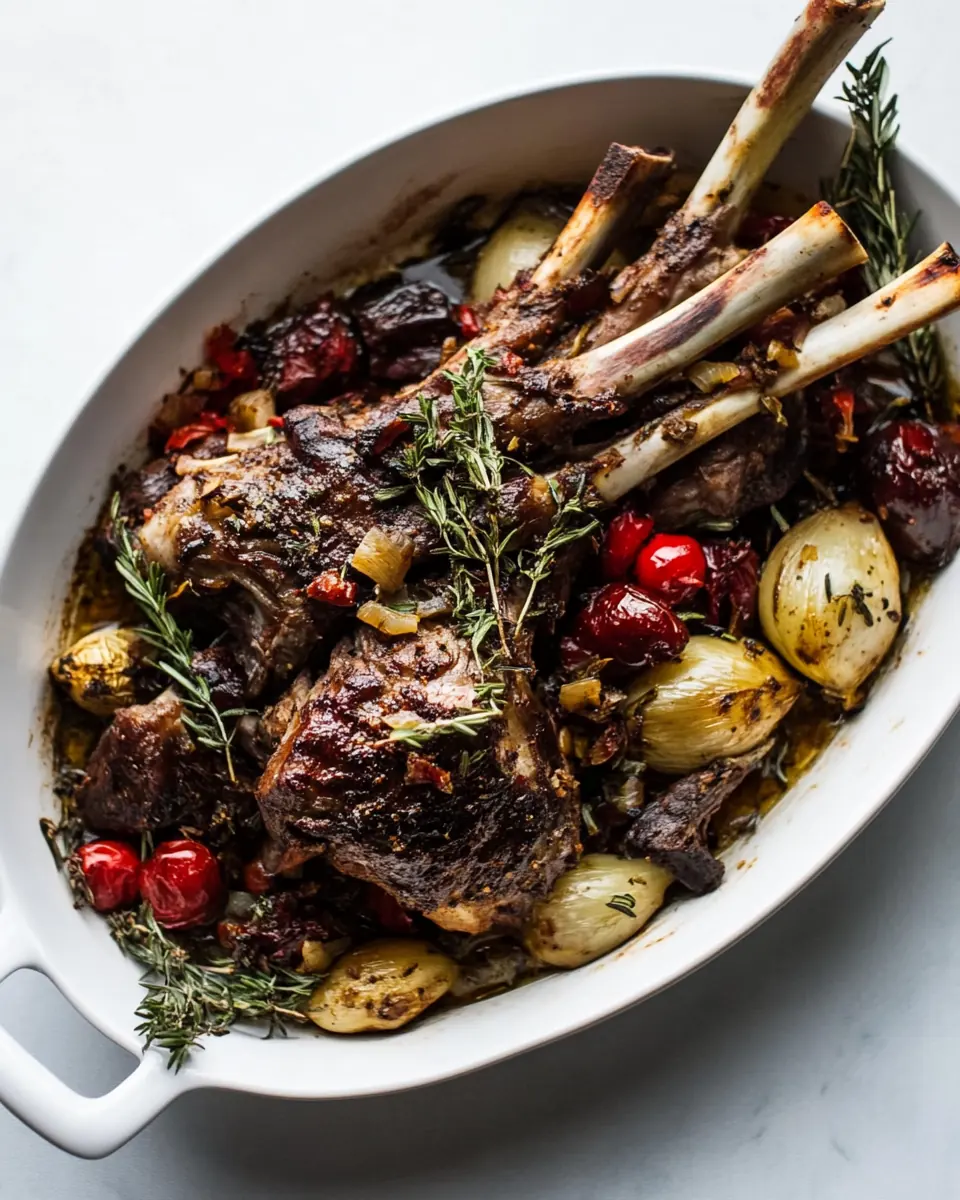
This method guides you step by step, combining simple prep with long slow cooking for a rich, yielding result. I like to move deliberately through each phase so flavors build naturally. Keep sensory cues in mind and taste as you go for the best outcome.
- Heat a large heavy skillet with the 1 tablespoon olive oil. Season 4 lamb shanks with salt and pepper. Brown the shanks on each side 3-4 minutes.: The first sensory cue you will notice is the gentle shimmer of the olive oil across the pan surface, and shortly after a warm, toasty aroma as the oil heats. This step matters because a properly heated pan yields quick, even browning on the outside of the lamb , forming a flavorful crust that the slow cooker cannot create on its own. When the meat hits the pan you want to hear a confident sizzle, signaling the Maillard reaction at work; if you hear only a muted sound the pan may not be hot enough, so raise the heat slightly and wait for the oil to ripple again. Browning also adds texture contrast, helping the finished shank present beautifully. A common mistake is crowding the pan which traps steam and prevents browning, so work in batches or use a larger skillet if needed. Watch for small browned bits in the pan, they are flavor gold and can be deglazed later into the braising liquid.
- Add 1 pound halved baby potatoes, 1 cup Kalamata olives, 1 jar sundried tomatoes, and salt and pepper. Add 1 cup chicken broth and 3 tablespoons lemon juice to the bottom of your 6 quart slow cooker. Add the lamb on top and rub the greek spice rub on the lamb shanks.: As you season, run your fingers along the surface so the salt and pepper adhere, releasing a faint mineral scent and peppery warmth that lifts the raw meat. Seasoning early gives the salt time to start penetrating the surface, enhancing internal flavor during the long cook. The visual cue is a light speckling of seasoning on the meat; if it looks pale, it may need a touch more salt , but be cautious because the later additions of Kalamata olives and chicken broth will also contribute sodium. Avoid oversalting at this stage to prevent a harsh finished taste.
- In a small bowl combine 2 1/2 teaspoons dried oregano, 1 teaspoon dried basil, 1 teaspoon dried rosemary and 1 teaspoon onion powder. Rub on top of the lamb shanks.: When you place the lamb into the hot skillet you should hear a steady sizzle and observe the edges taking on a deep mahogany hue within a few minutes. This caramelization produces nutty, savory aromas and a crisp exterior that contrasts the eventual fall apart texture. Browning for about three to four minutes per side develops a robust flavor foundation; pushing beyond that risks burning the surface, which yields bitter notes. If you notice excessive smoke or scorching, lower the heat and add a touch more oil. A common misstep is flipping too often which interrupts crust formation, so be patient and only turn when the meat releases easily from the pan.
- Cook on low for 8 hours or until tender.: As you layer these ingredients into the slow cooker you will notice the contrast of textures and aromas, from the earthy, starchy scent of halved baby potatoes to the briny perfume of Kalamata olives and the concentrated sweet tang of jarred sundried tomatoes . These components build complexity in the braising liquid and create complementary textures; the potatoes release starch which slightly thickens the sauce, while the olives and tomatoes provide bursts of salinity and acidity. Adjust seasoning carefully here because the olives add salt naturally. Avoid overfilling the cooker so steam can circulate, and place the potatoes on the bottom to cook evenly.
- Add 1 cup chicken broth and 3 tablespoons lemon juice to the bottom of your 6 quart slow cooker: Pouring the warm or room temperature chicken broth and fresh lemon juice into the base creates the cooking bath that will slowly tenderize the meat and fuse flavors. The broth offers gentle savory support while the citrus brightens the whole pot, cutting through richness for balance. You should notice a clean, slightly acidic tang on the breath when you lift the lid during early simmering, which is desirable because it prevents the finished dish from feeling heavy. Common errors include using overly salty broth; if so, dilute with water to control sodium. Ensure that the liquid level comes partway up the sides of the shanks so they braise evenly without needing to be fully submerged.
- Add the lamb on top and rub the greek spice rub on the lamb shanks: Positioning the browned lamb on top keeps the crust intact while allowing steam and braising liquid to circulate and mingle with the meat. When you rub the Greek spice mix onto the shanks, inhale the herbal bouquet of dried oregano and rosemary and feel the spices cling to the surface; this technique ensures the aromatics infuse the meat throughout the long cook. Rubbing also helps the herbs to toast lightly in the residual heat, unlocking their essential oils. Avoid overhandling which can tear the exterior crust and let the spices sit for a few minutes before closing the lid so flavors begin to marry.
- In a small bowl combine 2 1/2 teaspoons dried oregano, 1 teaspoon dried basil, 1 teaspoon dried rosemary and 1 teaspoon onion powder: Mixing these dried herbs releases their scents and produces a cohesive seasoning profile for the lamb . The immediate sensory cue is a herbaceous, slightly piney aroma from the rosemary with warm, peppery notes from the oregano and a subtle sweetness from the onion powder. This blend is important because it layers into the meat and the sauce as it cooks, creating a unified Mediterranean flavor. If the blend smells muted, gently crush the herbs in your palms to awaken the oils. A mistake to avoid is using fresh herbs in the same proportions which can overpower the dish; dried herbs are more concentrated here.
- Rub on top of the lamb shanks: As you press the herb mixture into the lamb surfaces you will notice the spices adhere and the meat takes on a fragrant coat, visible as a textured crust. This tactile step helps the flavors penetrate during the slow braise, and as the meat cooks those aromatics mellow into the sauce for depth. Press evenly so each shank gets the same seasoning coverage. One common oversight is applying the rub unevenly, resulting in inconsistent flavor; take a moment to distribute it thoroughly with your hands.
- Cook on low for 8 hours or until tender: During the long, low cook you will observe the pot gradually filling with savory steam and the broth reducing into a concentrated, glossy sauce. The lamb becomes fork tender, the connective tissues breaking down into silky mouthfeel, and the aromas shift from raw meat to complex, savory comfort. This patient approach matters because it transforms tough cuts into luxurious bites, and it allows the flavors to meld gently without becoming sharp. A troubleshooting tip is to check for tenderness after seven hours, since slow cooker temperatures vary; if the meat resists, continue cooking and test every 30 minutes. Avoid switching to high heat late in the process, which can dry or overcook the exterior before the interior is ready.
Substitutions and Tips
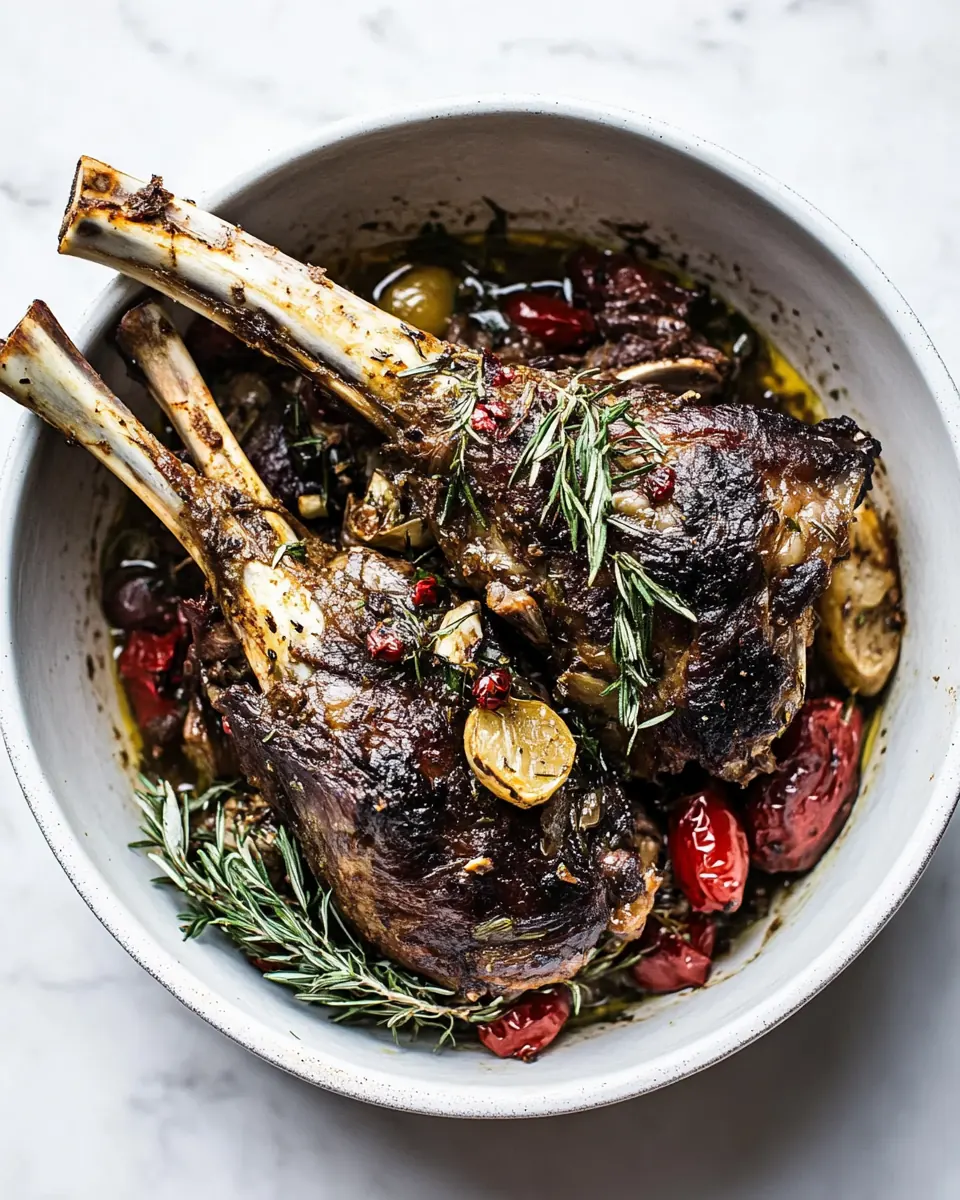
I usually offer a few practical swaps and ideas that keep the soul of Slow Cooker Greek Lamb Shanks intact while accommodating what you have on hand. These tips focus on texture, timing, and flavor balance so the final dish remains satisfying and true to its Mediterranean roots.
- Swap for beef shanks, if you prefer a different red meat the technique and flavors work well with beef though the taste will be heartier; adjust cooking time if needed for doneness.
- Use low sodium broth, to control overall saltiness since the Kalamata olives contribute significant brininess that can quickly push the dish past balanced seasoning.
- Pit the olives, for easier eating and a smoother dining experience, but leaving pits in can add a rustic note during serving if you prefer to remove them plate side.
- Adjust lemon to taste, add the lemon juice gradually and taste near the end, acidity brightens the dish but too much can overshadow the herbaceous notes.
- Trim excess fat, from the lamb shanks if you want a leaner final sauce, but remember some fat contributes to mouthfeel and flavor depth.
- Double the recipe for a crowd, this slow cooker method scales well, just ensure your cooker is not filled beyond two thirds to allow even heat circulation.
What Complements This Slow Cooker Greek Lamb Shanks
This section covers how I like to serve Slow Cooker Greek Lamb Shanks, with pairing ideas that highlight the dish s savory, briny, and bright qualities. Think about textures and temperatures when you plan sides, and choose accompaniments that soak up the juices.
- Mashed potatoes or creamy polenta, these provide a silky base that captures the juices and contrasts the shredded lamb texture, making every bite comforting and cohesive for dinner occasions.
- Simple green salad, a crisp salad with a lemon vinaigrette adds freshness and a palate-cleansing counterpoint, ideal for balancing the richness during a family meal.
- Crusty bread, use good country bread to sop up the sauce, which is particularly satisfying for casual weekend dinners or when sharing this dish at the table.
- Roasted seasonal vegetables, like carrots or fennel complement the Mediterranean profile and bring added color and natural sweetness for a balanced plate.
- Occasions, I serve this for comfortable winter dinners, weekend gatherings, or special family meals when you want something impressive yet relaxed; it works especially well for cozy holiday-style evenings.
- Storage tips, refrigerate in an airtight container for up to three days, or freeze portions for up to three months; reheat gently to preserve texture and avoid drying out the lamb.
- Seasonal pairings, in winter serve with hearty root vegetables, while in spring lighten sides with a crisp salad and lemony grains to echo the dish s brightness.
FAQ
Conclusion
Slow Cooker Greek Lamb Shanks stands out because it combines bold Mediterranean flavors with truly effortless technique, producing fork tender meat and a sauce that sings of herbs, lemon, and briny olives. It s a dish that feels both rustic and refined, perfect for a cozy winter dinner or a relaxed gathering where the aroma does half the hosting for you. I encourage you to set aside a morning to brown and assemble this recipe, then let the slow cooker work its magic; the result is reliably impressive and deeply satisfying. Once the lamb is falling apart and the potatoes are soaked in those savory juices, you ll understand why this one keeps coming back to my table.
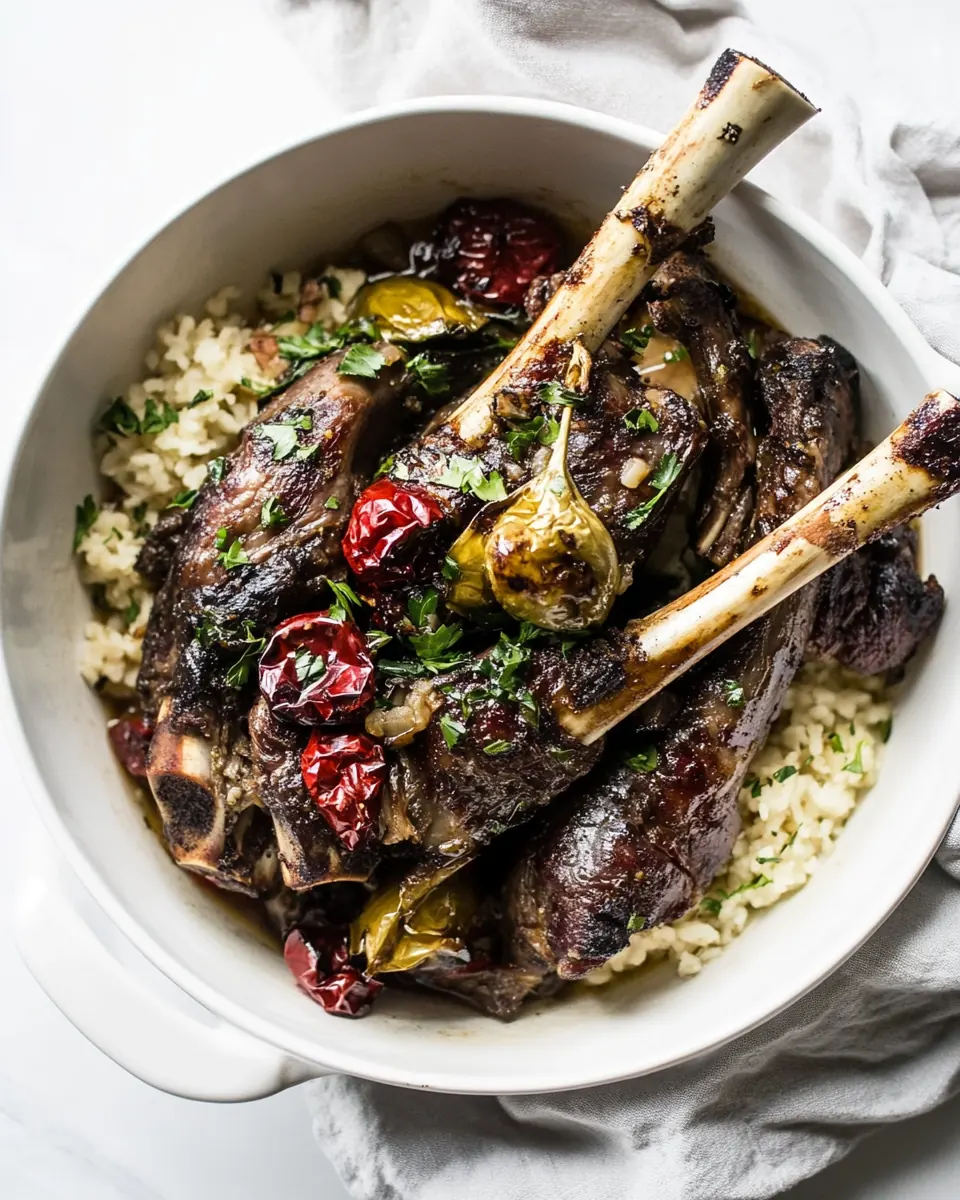
Slow Cooker Greek Lamb Shanks
Ingredients
Equipment
Method
- Heat a large heavy skillet with the 1 tablespoon olive oil. Season 4 lamb shanks with salt and pepper. Brown the shanks on each side 3-4 minutes.: The first sensory cue you will notice is the gentle shimmer of the olive oil across the pan surface, and shortly after a warm, toasty aroma as the oil heats. This step matters because a properly heated pan yields quick, even browning on the outside of the lamb , forming a flavorful crust that the slow cooker cannot create on its own. When the meat hits the pan you want to hear a confident sizzle, signaling the Maillard reaction at work; if you hear only a muted sound the pan may not be hot enough, so raise the heat slightly and wait for the oil to ripple again. Browning also adds texture contrast, helping the finished shank present beautifully. A common mistake is crowding the pan which traps steam and prevents browning, so work in batches or use a larger skillet if needed. Watch for small browned bits in the pan, they are flavor gold and can be deglazed later into the braising liquid.
- Add 1 pound halved baby potatoes, 1 cup Kalamata olives, 1 jar sundried tomatoes, and salt and pepper. Add 1 cup chicken broth and 3 tablespoons lemon juice to the bottom of your 6 quart slow cooker. Add the lamb on top and rub the greek spice rub on the lamb shanks.: As you season, run your fingers along the surface so the salt and pepper adhere, releasing a faint mineral scent and peppery warmth that lifts the raw meat. Seasoning early gives the salt time to start penetrating the surface, enhancing internal flavor during the long cook. The visual cue is a light speckling of seasoning on the meat; if it looks pale, it may need a touch more salt , but be cautious because the later additions of Kalamata olives and chicken broth will also contribute sodium. Avoid oversalting at this stage to prevent a harsh finished taste.
- In a small bowl combine 2 1/2 teaspoons dried oregano, 1 teaspoon dried basil, 1 teaspoon dried rosemary and 1 teaspoon onion powder. Rub on top of the lamb shanks.: When you place the lamb into the hot skillet you should hear a steady sizzle and observe the edges taking on a deep mahogany hue within a few minutes. This caramelization produces nutty, savory aromas and a crisp exterior that contrasts the eventual fall apart texture. Browning for about three to four minutes per side develops a robust flavor foundation; pushing beyond that risks burning the surface, which yields bitter notes. If you notice excessive smoke or scorching, lower the heat and add a touch more oil. A common misstep is flipping too often which interrupts crust formation, so be patient and only turn when the meat releases easily from the pan.
- Cook on low for 8 hours or until tender.: As you layer these ingredients into the slow cooker you will notice the contrast of textures and aromas, from the earthy, starchy scent of halved baby potatoes to the briny perfume of Kalamata olives and the concentrated sweet tang of jarred sundried tomatoes . These components build complexity in the braising liquid and create complementary textures; the potatoes release starch which slightly thickens the sauce, while the olives and tomatoes provide bursts of salinity and acidity. Adjust seasoning carefully here because the olives add salt naturally. Avoid overfilling the cooker so steam can circulate, and place the potatoes on the bottom to cook evenly.
- Add 1 cup chicken broth and 3 tablespoons lemon juice to the bottom of your 6 quart slow cooker: Pouring the warm or room temperature chicken broth and fresh lemon juice into the base creates the cooking bath that will slowly tenderize the meat and fuse flavors. The broth offers gentle savory support while the citrus brightens the whole pot, cutting through richness for balance. You should notice a clean, slightly acidic tang on the breath when you lift the lid during early simmering, which is desirable because it prevents the finished dish from feeling heavy. Common errors include using overly salty broth; if so, dilute with water to control sodium. Ensure that the liquid level comes partway up the sides of the shanks so they braise evenly without needing to be fully submerged.
- Add the lamb on top and rub the greek spice rub on the lamb shanks: Positioning the browned lamb on top keeps the crust intact while allowing steam and braising liquid to circulate and mingle with the meat. When you rub the Greek spice mix onto the shanks, inhale the herbal bouquet of dried oregano and rosemary and feel the spices cling to the surface; this technique ensures the aromatics infuse the meat throughout the long cook. Rubbing also helps the herbs to toast lightly in the residual heat, unlocking their essential oils. Avoid overhandling which can tear the exterior crust and let the spices sit for a few minutes before closing the lid so flavors begin to marry.
- In a small bowl combine 2 1/2 teaspoons dried oregano, 1 teaspoon dried basil, 1 teaspoon dried rosemary and 1 teaspoon onion powder: Mixing these dried herbs releases their scents and produces a cohesive seasoning profile for the lamb . The immediate sensory cue is a herbaceous, slightly piney aroma from the rosemary with warm, peppery notes from the oregano and a subtle sweetness from the onion powder. This blend is important because it layers into the meat and the sauce as it cooks, creating a unified Mediterranean flavor. If the blend smells muted, gently crush the herbs in your palms to awaken the oils. A mistake to avoid is using fresh herbs in the same proportions which can overpower the dish; dried herbs are more concentrated here.
- Rub on top of the lamb shanks: As you press the herb mixture into the lamb surfaces you will notice the spices adhere and the meat takes on a fragrant coat, visible as a textured crust. This tactile step helps the flavors penetrate during the slow braise, and as the meat cooks those aromatics mellow into the sauce for depth. Press evenly so each shank gets the same seasoning coverage. One common oversight is applying the rub unevenly, resulting in inconsistent flavor; take a moment to distribute it thoroughly with your hands.
- Cook on low for 8 hours or until tender: During the long, low cook you will observe the pot gradually filling with savory steam and the broth reducing into a concentrated, glossy sauce. The lamb becomes fork tender, the connective tissues breaking down into silky mouthfeel, and the aromas shift from raw meat to complex, savory comfort. This patient approach matters because it transforms tough cuts into luxurious bites, and it allows the flavors to meld gently without becoming sharp. A troubleshooting tip is to check for tenderness after seven hours, since slow cooker temperatures vary; if the meat resists, continue cooking and test every 30 minutes. Avoid switching to high heat late in the process, which can dry or overcook the exterior before the interior is ready.
Notes
- Swap for beef shanks, if you prefer a different red meat the technique and flavors work well with beef though the taste will be heartier; adjust cooking time if needed for doneness.
- Use low sodium broth, to control overall saltiness since the Kalamata olives contribute significant brininess that can quickly push the dish past balanced seasoning.
- Pit the olives, for easier eating and a smoother dining experience, but leaving pits in can add a rustic note during serving if you prefer to remove them plate side.
- Adjust lemon to taste, add the lemon juice gradually and taste near the end, acidity brightens the dish but too much can overshadow the herbaceous notes.
- Trim excess fat, from the lamb shanks if you want a leaner final sauce, but remember some fat contributes to mouthfeel and flavor depth.
- Double the recipe for a crowd, this slow cooker method scales well, just ensure your cooker is not filled beyond two thirds to allow even heat circulation.