Lemon Raspberry Oatmeal Creme Pies
Lemon Raspberry Oatmeal Creme Pies began showing up in my kitchen the first spring I decided to chase bright flavors and cozy textures at the same time. I was craving a cookie that felt nostalgic, like something from a lunchbox, but with a grown up twist: bright lemon and a fresh hit of raspberry folded into a soft, oaty sandwich. I remember the first batch I made for friends, how the aroma of warm butter and lemon zest braided through my small apartment, and how everyone reached for a second one before I even had a chance to plate them.
Over the years I tinkered with the balance of spices and the texture of the cookie, because I wanted the filling to sing without overpowering the rustic chew from the oats. The play between crumbly cookie edges and pillowy centers, paired with a tart, slightly seeded raspberry filling, became my go to for spring weekend baking sessions. I find these cookies travel well to potlucks, and they last through a picnic, though they rarely make it that far at my house.
Recipe Snapshot
35 mins
25 mins
10 mins
Medium
150 kcal
American
Gluten-Free, Low FODMAP
Desserts
Stand mixer or handheld mixer, Mixing bowls, Cookie scoop, Baking sheet, Parchment paper or nonstick baking mat, Wire rack, Food processor (optional for oats)
What You’ll Enjoy About This Lemon Raspberry Oatmeal Creme Pies
Bright, balanced flavor
I love how Lemon Raspberry Oatmeal Creme Pies combine zesty lemon with true raspberry fruit. The citrus lifts the butter and sugar, while the raspberry filling adds a natural tartness that keeps the overall sweetness from feeling cloying. When I bake them, I deliberately add a touch more lemon zest than some recipes call for, because that tiny twist wakes up every bite.
Textural contrast
The cookies are chewy and slightly crisp at the edges thanks to the quick oats. The creamy filling is silky, with a whisper of fruit seeds if you choose to keep them. I find this contrast keeps each mouthful interesting, and guests always comment on how satisfying the bite feels in their hands and on the palate.
Approachable technique
Even though these feel fancy, the method is straightforward. You don’t need advanced pastry skills to cream butter and sugar, fold in dry ingredients, and bake. I often make the dough with a handheld mixer at the counter while chatting with someone, because it is that easy and forgiving.
Flexible for gatherings
I appreciate that Lemon Raspberry Oatmeal Creme Pies scale well. I’ve doubled the batch for brunches, and I’ve also used leftover filling on toast. They travel nicely because the filling helps protect the cookies from crumbling, which makes them ideal to bring to potlucks or share with neighbors.
Bright seasonal appeal
These feel especially right in spring, when citrus and berries are on my mind. The recipe captures that seasonality without being fussy, so I make them when I want something light, cheerful, and slightly nostalgic all at once.
What to Gather for Lemon Raspberry Oatmeal Creme Pies
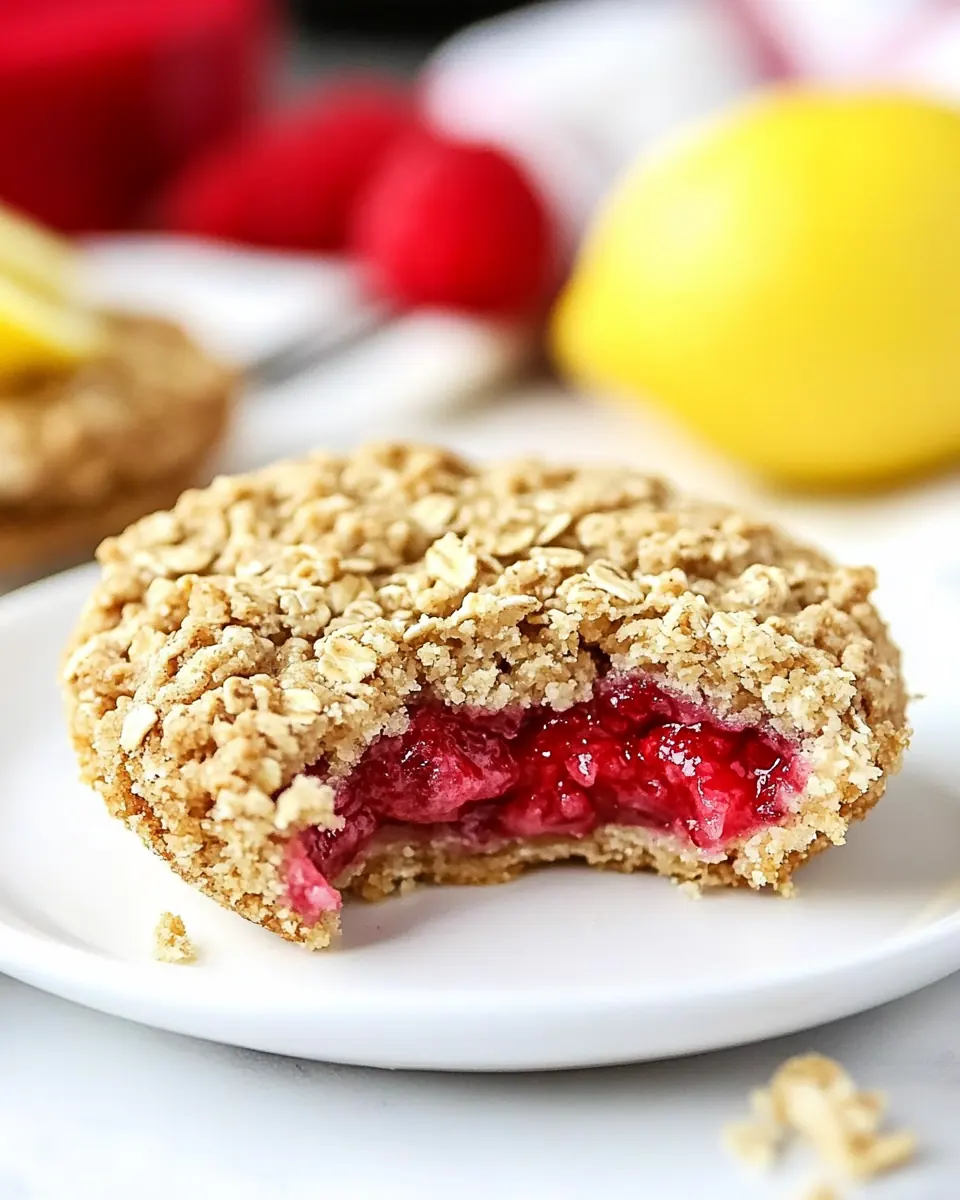
These ingredients come together to create a cookie that is equal parts bright, sweet, and comforting. The key players are the rich butter and sugars that provide tender structure, the quick oats that lend chew, and the lemon components that lift the whole profile. The raspberry filling is the personality, bringing freshness and color to every sandwich.
- 1 1/4 cups unsalted butter softened to room temperature: Creamy and rich, provides structure, moisture, and tender crumb to the cookie bases while aiding in spreading during baking.
- 1 cup + 2 tablespoons granulated sugar: Granular and sweet, balances tart and tangy flavors while contributing to browning and a slightly crisp edge on the cookies.
- 1/2 cup brown sugar, packed: Moist and caramel-like, adds depth of flavor and chewiness while enhancing overall sweetness and tenderness in the dough.
- 1 large egg: Binder and leavening aid, helps emulsify fats and liquids for a uniform dough while contributing slight lift and golden color.
- 1 tablespoon lemon juice: Acidic and bright, activates baking soda for lift and adds a fresh lemon tang to complement other citrus elements.
- 2 tablespoons lemon extract: Concentrated lemon flavor, intensifies citrus aroma and taste without adding liquid, enhancing the cookies’ lemon profile.
- 2 teaspoons vanilla extract: Warm and floral, rounds out flavor by adding depth and complexity, supporting both the lemon and spice notes in the dough.
- 1 1/2 cups all-purpose flour: Starchy and binding, creates structure and body for the cookies while balancing moisture from butter and sugars.
- 1 teaspoon baking soda: Leavening agent, reacts with acidic components to create carbon dioxide for lift, producing a lighter texture in the cookies.
- 1/2 teaspoons salt: Flavor balancer, enhances other flavors and controls yeast or chemical leavening reactions while contributing a subtle savory note.
- 1/2 teaspoon ground cinnamon: Aromatic spice, contributes warm, slightly sweet undertones that complement lemon and raspberry flavors without overpowering them.
- 1/4 teaspoon ground cloves: Pungent spice, adds a warm, slightly bitter complexity in small amounts to deepen overall flavor profile without dominating.
- 1 tablespoon lemon zest: Zesty and aromatic, boosts fresh lemon character and fragrance while providing small bursts of citrus oil for brightness.
- 3 1/2 cups uncooked quick-cooking oats not whole-rolled oats: Chewy texturizer, adds hearty body and rustic chew to the cookies while absorbing moisture and holding shapes together.
- 3/4 cup unsalted butter softened to room temperature: Buttery and creamy, used in the filling to create a smooth, rich mouthfeel and help stabilize the frosting consistency.
- 3 1/2 cups confectioners’ sugar: Powdery sweetener, delivers bulk and sweetness to the filling while lending a smooth, creamy texture when beaten with butter.
- 1/2 cup fresh raspberries, pureed and strained of seeds: Fruity and tart puree, provides natural raspberry flavor and color to the filling while adding moisture and tang.
- 1/2 teaspoons vanilla extract: Warm and sweet, adds subtle depth to the filling’s flavor and complements the fruit and citrus notes with a mellow vanilla tone.
- 1/4 teaspoon lemon extract: Delicate citrus accent, offers a faint lemon lift to the filling’s flavor, enhancing brightness without overpowering the raspberry.
- 1/8 salt plus more to taste: Seasoning enhancer, lightly balances sweetness with a hint of savory contrast and can be adjusted to taste for final balance.
Step by Step Instructions for Lemon Raspberry Oatmeal Creme Pies
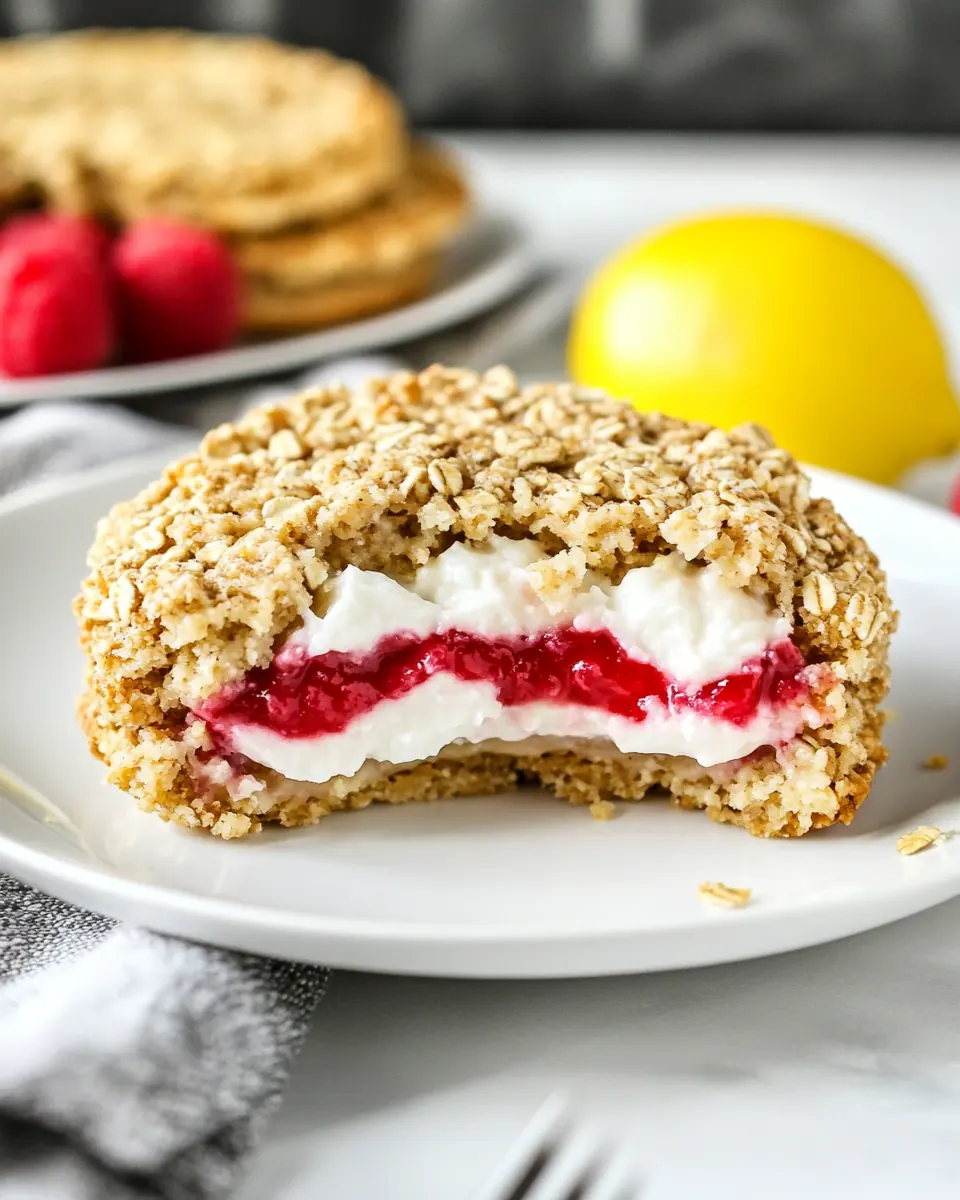
These directions walk you through building the cookies and the filling from start to finish. Take your time with the creaming and the folding, and let sensory cues guide you: color, aroma, and texture will tell you when things are right. I recommend setting out ingredients ahead of time so you can focus on rhythm and flow.
- Cookies:: The air in the creamed mixture should look pale and slightly fluffy, and you will notice a soft, sweet butter aroma. Pay attention to the feel of the bowl as you cream, because when the sugar has incorporated into the butter properly it will glide more smoothly on the paddle and form a ribbon when lifted. This texture matters because it traps tiny pockets of air that translate to a tender crumb. A common mistake is working with butter that is too warm, which creates greasy batter and overly flat cookies; if that happens, chill the bowl briefly before continuing.
- Wet Ingredients: With a stand or handheld mixer, cream the butter and sugars together at medium speed until light and creamy. Add egg, lemon juice, lemon extract and vanilla, scraping down the sides as needed. Set aside.: After adding the egg and liquids, the mixture will smell bright with lemon and slightly floral from the extracts, and the texture will smooth out. Scraping down the sides avoids pockets of unincorporated butter or sugar. The 'why' here is that even mixing ensures even leavening and a consistent crumb. A common pitfall is under-scraping, leaving streaks of unmixed butter that cause irregular cookies; make sure the bowl bottom and edges are cleanly mixed.
- Dry Ingredients: In a medium-sized bowl, add the flour, baking soda, salt, cinnamon, and cloves and whisk to combine. Add the quick oats and lemon zest and whisk to combine.: As you whisk, the spices release a warm scent that balances the citrus, and the lemon zest releases oils that smell intensely fresh. Combining dry ingredients first ensures even distribution of leavening and spices so every bite tastes uniform. Mixing them separately prevents pockets of baking soda, which could create uneven rise; do not skip this step or you risk bitter or spotty flavor pockets.
- With the mixer running on low, slowly add the Dry Ingredients to Wet Ingredients. The dough will be quite thick and you may have to mix it all by hand after a few seconds in the mixer.: As the dough comes together you will feel resistance on the mixer, which is normal because of the quick oats . The scent will shift toward baked cookie notes even before hitting the oven. The technique matters because overmixing at this stage can develop gluten and make cookies tough, while undermixing leaves streaks of flour; stop when the last bits are just incorporated, and finish by hand if needed. Avoid adding extra flour to firm the dough, as that can dry out the cookie.
- Preheat oven to 375 F degrees. Line a large cookie sheet with parchment paper or nonstick baking mat. Drop dough with a large cookie scoop, or make sure each ball of dough is 3 tablespoons in measurement. Cookies will spread in the oven, so drop each ball of dough at least 2 inches apart.: The oven temperature gives a quick set to the edges while the center stays tender, producing the ideal contrast. When you place the trays in the oven you should hear a faint settling sound as the dough hits heat, and you will smell a toasty oat aroma as they bake. Spacing matters because overcrowding leads to merged cookies. A common error is not rotating pans; if your oven has hotspots, rotate halfway through baking for even coloring.
- Bake for 10 minutes, until cookies are lightly golden around the edges. Allow cookies to cool on cookie sheet for 3 minutes before transferring to a wire rack to cool completely.: Look for edges that are just golden and centers that still look slightly soft, because they will continue to set as they cool. The smell at this point becomes rich with browned butter notes and warm spices. Letting them rest briefly on the sheet lets the bottoms finish baking without overcooking the centers. Taking them off too early will cause collapse, and leaving them too long on the hot pan can overbrown the bottom, so transfer after the short rest.
- Raspberry Filling: With a stand or handheld mixer, beat butter until smooth. Add 2 cups confectioners’ sugar, pureed raspberries, vanilla extract, lemon extract and salt. Beat on low just until combined. Add 1 1/2 cups more confectioner’s sugar and beat on high for 3-4 minutes until fluffy. Add more powdered sugar if frosting is too thin, or add heavy cream or milk (a teaspoon at a time) if it is too thick. Taste and add a pinch or two of salt as desired.: The filling should whip to a soft, airy texture and smell of bright raspberry and citrus. Whipping on high incorporates air for a pillowy finish, and the confectioners’ sugar helps stabilize it. The 'why' is that a light filling gives contrast to the denser oat cookie and prevents the sandwich from feeling heavy. Common mistakes include adding liquid too quickly, which can make the filling weep, or overbeating, which can break the emulsion and make it grainy.
- Spoon 1 1/2 tablespoons of cream filling on the bottom side of half of cookies; top with remaining cookies right side up and push down to spread filling.: When you assemble, you will notice the filling squeeze slightly to the edges, creating an appealing rim of pink between cookies. Pressing gently ensures an even distribution so each bite has the right ratio of cookie to filling. Assembly matters for appearance and eating experience; pressing too hard will force filling out and make the sandwich messy, while too little filling will taste dry.
- Devour.: The first bite should release a burst of citrus and a soft, fruity cream melding with chewy oats. Pay attention to the textures as you eat, because that confirms you hit the balance right. The pleasure of sharing freshly made cookies is part of the recipe; serve at room temperature for the best mouthfeel. A common misstep is refrigerating immediately, which firms the filling and dulls flavors; let them rest at room temperature before serving if chilled.
Helpful Hints
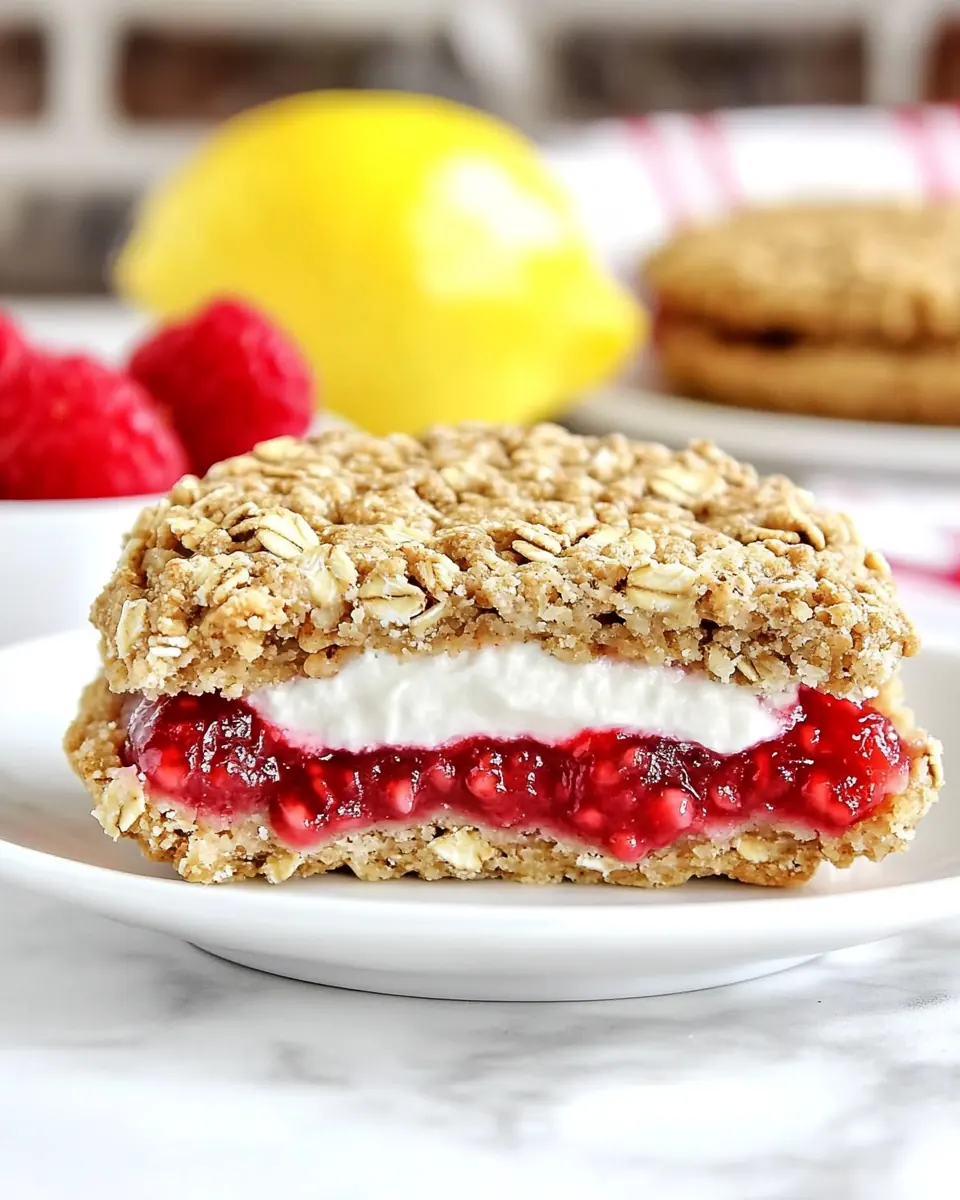
These hints come from repeated batches and small course corrections I learned along the way. They focus on timing, texture, and small tricks that make assembling and storing simpler. Keep them handy when you bake to avoid the common traps I learned from the first handful of imperfect batches.
- Use room temperature ingredients to ensure even mixing and a smooth dough, especially the butter and egg.
- Pulse rolled oats if necessary if you only have old fashioned oats, but do not over-process them or they will become paste like.
- Sift confectioners’ sugar before adding to the filling to avoid lumps and achieve a silky texture quickly.
- Chill baked cookies briefly if your kitchen is very warm; this helps the filling set faster when assembling.
- Store properly in an airtight container at room temperature for two days, then refrigerate to extend freshness as noted in the original recipe guidance.
Serving Suggestions
These cookies are versatile for gatherings and solo treats. They can be plated for a spring tea or boxed for a bake sale, and they pair well with simple beverages. Below are ideas for presentation, occasions, storage, and seasonal pairings to make the most of them.
- Casual dessert serving Place a small stack of Lemon Raspberry Oatmeal Creme Pies on a simple platter, garnished with a few extra fresh raspberries to echo the filling color.
- Brunch or tea-time Arrange them alongside scones and light pastries for a spring brunch, where their citrus brightness complements savory quiches.
- Gift packaging Wrap individual cookies in parchment and tie with ribbon for a charming homemade gift, perfect for neighbors or as a small thank you.
- Picnic or potluck Pack cookies in a single layer in an airtight container; they travel well and resist crumbling because of the creme filling.
- Storage tips Keep in an airtight container at room temperature for up to two days, then refrigerate to prolong shelf life; to freeze, wrap each cookie tightly and place in a freezer bag, thawing briefly at room temperature before serving.
- Seasonal pairing These are ideal in spring when berries and citrus feel fresh; the bright flavors make them a light alternative to heavier winter desserts.
FAQ
Conclusion
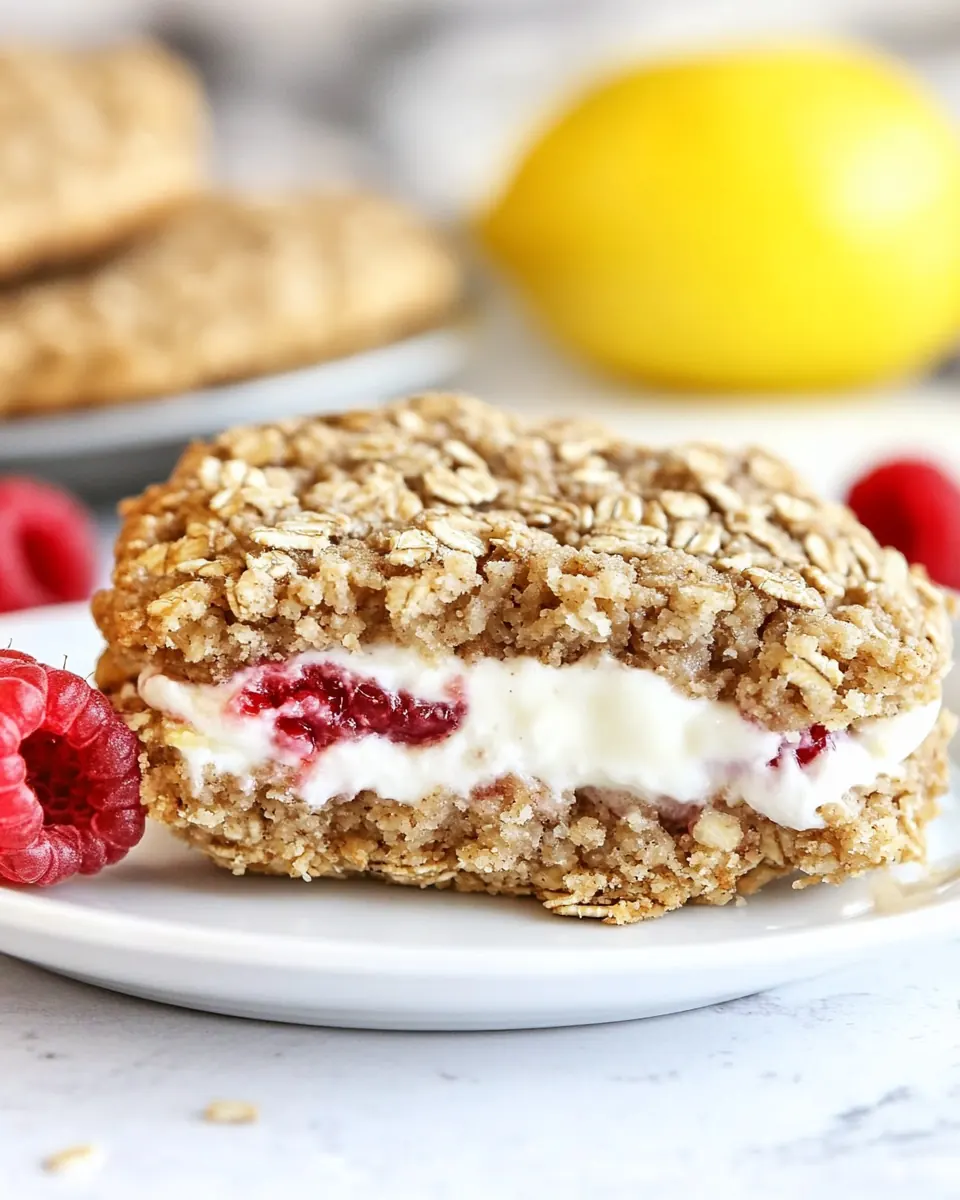
What makes these cookies special is the lively partnership between bright lemon, fresh raspberry, and comforting quick oats. They manage to be both nostalgic and sophisticated, with chewy cookies and a silky fruity filling that feel purposeful together. Give them a try the next time you want a springtime treat that travels well, looks pretty on a platter, and offers layered flavors. I hope you enjoy the process as much as I do, and that these become a recipe you return to whenever you want something cheerful and shareable.
Lemon Raspberry Oatmeal Creme Pies
Ingredients
Equipment
Method
- Cookies:: The air in the creamed mixture should look pale and slightly fluffy, and you will notice a soft, sweet butter aroma. Pay attention to the feel of the bowl as you cream, because when the sugar has incorporated into the butter properly it will glide more smoothly on the paddle and form a ribbon when lifted. This texture matters because it traps tiny pockets of air that translate to a tender crumb. A common mistake is working with butter that is too warm, which creates greasy batter and overly flat cookies; if that happens, chill the bowl briefly before continuing.
- Wet Ingredients: With a stand or handheld mixer, cream the butter and sugars together at medium speed until light and creamy. Add egg, lemon juice, lemon extract and vanilla, scraping down the sides as needed. Set aside.: After adding the egg and liquids, the mixture will smell bright with lemon and slightly floral from the extracts, and the texture will smooth out. Scraping down the sides avoids pockets of unincorporated butter or sugar. The 'why' here is that even mixing ensures even leavening and a consistent crumb. A common pitfall is under-scraping, leaving streaks of unmixed butter that cause irregular cookies; make sure the bowl bottom and edges are cleanly mixed.
- Dry Ingredients: In a medium-sized bowl, add the flour, baking soda, salt, cinnamon, and cloves and whisk to combine. Add the quick oats and lemon zest and whisk to combine.: As you whisk, the spices release a warm scent that balances the citrus, and the lemon zest releases oils that smell intensely fresh. Combining dry ingredients first ensures even distribution of leavening and spices so every bite tastes uniform. Mixing them separately prevents pockets of baking soda, which could create uneven rise; do not skip this step or you risk bitter or spotty flavor pockets.
- With the mixer running on low, slowly add the Dry Ingredients to Wet Ingredients. The dough will be quite thick and you may have to mix it all by hand after a few seconds in the mixer.: As the dough comes together you will feel resistance on the mixer, which is normal because of the quick oats . The scent will shift toward baked cookie notes even before hitting the oven. The technique matters because overmixing at this stage can develop gluten and make cookies tough, while undermixing leaves streaks of flour; stop when the last bits are just incorporated, and finish by hand if needed. Avoid adding extra flour to firm the dough, as that can dry out the cookie.
- Preheat oven to 375 F degrees. Line a large cookie sheet with parchment paper or nonstick baking mat. Drop dough with a large cookie scoop, or make sure each ball of dough is 3 tablespoons in measurement. Cookies will spread in the oven, so drop each ball of dough at least 2 inches apart.: The oven temperature gives a quick set to the edges while the center stays tender, producing the ideal contrast. When you place the trays in the oven you should hear a faint settling sound as the dough hits heat, and you will smell a toasty oat aroma as they bake. Spacing matters because overcrowding leads to merged cookies. A common error is not rotating pans; if your oven has hotspots, rotate halfway through baking for even coloring.
- Bake for 10 minutes, until cookies are lightly golden around the edges. Allow cookies to cool on cookie sheet for 3 minutes before transferring to a wire rack to cool completely.: Look for edges that are just golden and centers that still look slightly soft, because they will continue to set as they cool. The smell at this point becomes rich with browned butter notes and warm spices. Letting them rest briefly on the sheet lets the bottoms finish baking without overcooking the centers. Taking them off too early will cause collapse, and leaving them too long on the hot pan can overbrown the bottom, so transfer after the short rest.
- Raspberry Filling: With a stand or handheld mixer, beat butter until smooth. Add 2 cups confectioners’ sugar, pureed raspberries, vanilla extract, lemon extract and salt. Beat on low just until combined. Add 1 1/2 cups more confectioner’s sugar and beat on high for 3-4 minutes until fluffy. Add more powdered sugar if frosting is too thin, or add heavy cream or milk (a teaspoon at a time) if it is too thick. Taste and add a pinch or two of salt as desired.: The filling should whip to a soft, airy texture and smell of bright raspberry and citrus. Whipping on high incorporates air for a pillowy finish, and the confectioners’ sugar helps stabilize it. The 'why' is that a light filling gives contrast to the denser oat cookie and prevents the sandwich from feeling heavy. Common mistakes include adding liquid too quickly, which can make the filling weep, or overbeating, which can break the emulsion and make it grainy.
- Spoon 1 1/2 tablespoons of cream filling on the bottom side of half of cookies; top with remaining cookies right side up and push down to spread filling.: When you assemble, you will notice the filling squeeze slightly to the edges, creating an appealing rim of pink between cookies. Pressing gently ensures an even distribution so each bite has the right ratio of cookie to filling. Assembly matters for appearance and eating experience; pressing too hard will force filling out and make the sandwich messy, while too little filling will taste dry.
- Devour.: The first bite should release a burst of citrus and a soft, fruity cream melding with chewy oats. Pay attention to the textures as you eat, because that confirms you hit the balance right. The pleasure of sharing freshly made cookies is part of the recipe; serve at room temperature for the best mouthfeel. A common misstep is refrigerating immediately, which firms the filling and dulls flavors; let them rest at room temperature before serving if chilled.
Notes
- Use room temperature ingredients to ensure even mixing and a smooth dough, especially the butter and egg.
- Pulse rolled oats if necessary if you only have old fashioned oats, but do not over-process them or they will become paste like.
- Sift confectioners’ sugar before adding to the filling to avoid lumps and achieve a silky texture quickly.
- Chill baked cookies briefly if your kitchen is very warm; this helps the filling set faster when assembling.
- Store properly in an airtight container at room temperature for two days, then refrigerate to extend freshness as noted in the original recipe guidance.