Strawberry Cheesecake
Strawberry Cheesecake has always been my go to for celebrations when I want something that feels both elegant and comforting. The first time I made this dessert I remember the slow hum of the oven and the patient waiting as the filling settled into its silky texture, while the bright strawberry topping promised a sweet contrast. It’s the sort of recipe I reach for when I want guests to lean in and say tell me how you made this, because the flavor balance of creamy filling and fresh strawberries hits a sweet spot that never gets old.
Over the years I’ve learned small habits that change everything, like bringing the cream cheese to room temperature so the batter is luxuriously smooth, or gently heating the berry topping until it turns glossy and fragrant. I still think about the first slice I served to my family, the slow clean break of the knife and the hush that followed. You will notice this is a recipe that rewards patience, and I enjoy that ritual. It gives a moment to breathe between the mixing and the sharing.
When friends ask for an impressive yet approachable dessert, I hand them this recipe. It feels festive without being fussy, and it scales nicely whether I’m making it for a small dinner or a larger gathering. In my kitchen the aroma of baked graham cracker crumbs toasted in butter is an instant mood lifter. I hope you find this version of Strawberry Cheesecake as satisfying to make as it is to eat.
Recipe Snapshot
1 hr 50 mins
45 mins
65 mins
Medium
350 kcal
American
Gluten-Free, Low FODMAP
Desserts
9-inch springform pan, Large mixing bowl, Small saucepan, Baking dish for water bath
Why This Strawberry Cheesecake Shines
Classic, reliable texture
I love how the filling of this Strawberry Cheesecake sets up creamy yet slightly jiggly, which is exactly the texture that makes people swoon. Because I mix the cream cheese until completely smooth and add the eggs one at a time, the batter stays silky. That attention to texture means you get a luscious mouthfeel with every bite, and it slices cleanly for beautiful presentation.
Simple fresh topping
The fresh strawberries tossed with a touch of granulated sugar and brightened with lemon juice cook down into a glossy topping that sings against the rich filling. I prefer this to store bought sauces because the fruit retains a little bit of texture, offering a pleasing contrast. It also gives you control over sweetness and acidity, so the berries never overpower the cheesecake.
Make ahead friendly
This dessert is forgiving when you plan ahead, which is something I appreciate on busy days. The cheesecake chills impeccably overnight, and the topping can be made the day before too. I often prepare the crust and filling in the evening and finish the topping the next day, which saves stress and improves flavor melding.
Impressive without the fuss
Despite feeling showy, the technique is approachable, and I find friends are surprised at how little specialized equipment is needed. You do not need fancy stabilizers or mysterious ingredients, just good cream cheese, ripe strawberries, and a gentle hand. That makes it a reliable choice for holiday tables or special dinners when you want to shine.
Versatile and adaptable
I’ve swapped citrus zest, adjusted sugar levels, and changed berry proportions to suit seasons, and it always holds up. The method supports small tweaks, so you can tailor sweetness or tartness to taste. For me, that flexibility is part of the joy, because the base recipe is so strong it can handle playful variations.
Strawberry Cheesecake Shopping List
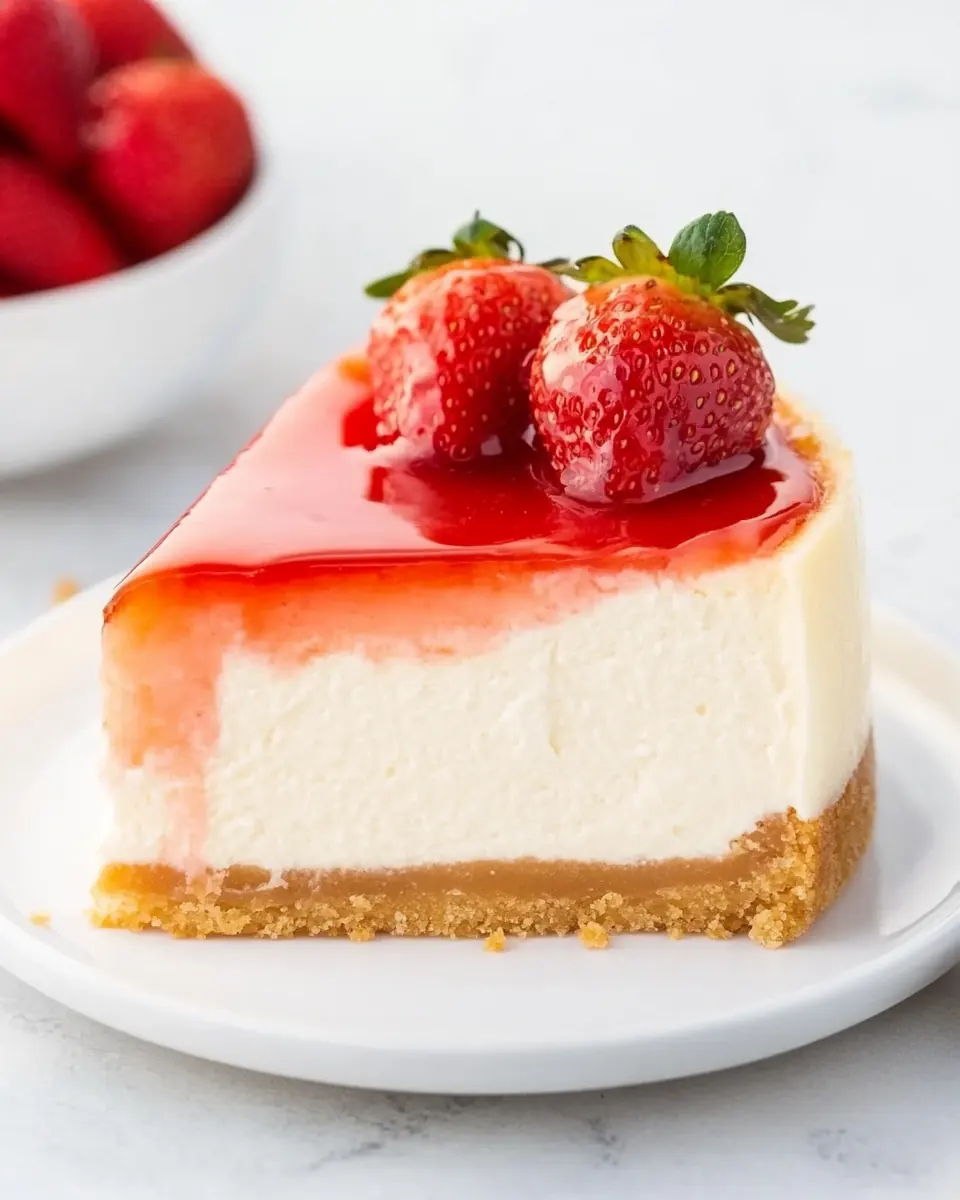
These ingredients come together to build a cheesecake that balances a crunchy base, a lush filling, and a bright fruit topping. The key players here are the graham cracker crumbs for texture, the rich cream cheese for the luxurious body, and the fresh strawberries which provide acidity and freshness. Each item plays a specific role, and together they create the classic profile you expect from a homemade cheesecake.
- 1 1/2 cups graham cracker crumbs: Crushed to form the base and provide structure for the crust; combines with sugar and melted butter to bind into a compact foundation. Adds a toasty, slightly sweet flavor that complements the creamy filling and supports the cheesecake when sliced.
- 3 tablespoons granulated sugar: Sprinkled into the crust mixture to balance sweetness and enhance caramelized notes; helps tenderize the crumbs slightly when mixed with melted butter. Also used in the filling to sweeten and develop a smooth texture.
- 1/3 cup unsalted butter melted: Melted and mixed with crumbs to bind the crust firmly; contributes rich, buttery flavor and helps the crust hold its shape when chilled or baked. Adds a smooth mouthfeel and prevents the crust from becoming too dry.
- 24 ounces cream cheese softened: Softened and whipped until smooth to create the rich, creamy body of the cheesecake filling; provides the primary tangy, dairy flavor and dense texture. Must be at room temperature for lump-free blending and to ensure a silky, stable filling.
- 1 cup granulated sugar: Added to the filling to sweeten and balance the tang from the cream cheese and sour cream; helps achieve the desired level of sweetness in the finished cheesecake. Also assists in creating a smooth consistency when properly incorporated.
- 1/3 cup sour cream: Folded into the filling to add a subtle tang and creaminess, which lightens the texture and balances sweetness. Stabilizes the filling slightly while contributing moisture and a tender mouthfeel.
- 1 1/2 teaspoons vanilla extract: Stirred into the filling to enhance flavor with warm, aromatic notes and to complement the cream cheese's richness. Small amount provides depth without overpowering the delicate dessert.
- 3 large eggs at room temperature: Beaten in one at a time to emulsify the filling, providing structure and helping the custard set as it bakes. Eggs also contribute to a glossy finish and create a smooth, dense texture when properly mixed.
- Zest of 1 lemon (optional): Grated and added for a bright, aromatic citrus lift that cuts through the richness; used optionally to enhance complexity and freshness in the filling. Small amounts enhance flavor without altering texture.
- 1 1/2 pounds fresh strawberries hulled and quartered: Prepared as the fresh fruit component, hulled and quartered to produce a juicy topping or swirl; offers natural sweetness and bright acidity that pairs with the creamy cheesecake. Provides visual appeal and a vibrant, summery flavor.
- 4 1/2 tablespoons granulated sugar: Sprinkled onto the strawberries to macerate and draw out juices, intensifying sweetness and creating a syrupy consistency for topping. Helps balance the fruit's acidity and integrates better with the cornstarch mixture.
- 1 tablespoon lemon juice: Squeezed into the fruit mixture to add brightness and acidity, which accentuates strawberry flavor and balances sweetness. Also helps activate the cornstarch to slightly thicken the fruit sauce when cooked.
- 2 tablespoons cornstarch: Mixed with water to form a slurry and used as a thickening agent for the strawberry topping; when heated, creates a glossy, slightly gelled sauce that coats the fruit. Ensures the topping sets and doesn't become watery on the cheesecake.
- 3 tablespoons water: Combined with cornstarch and heated to stabilize and finish the strawberry sauce; provides the necessary hydration to dissolve starch and form a smooth glaze. Balances consistency so the topping spreads evenly and holds its shape.
Strawberry Cheesecake Instructions
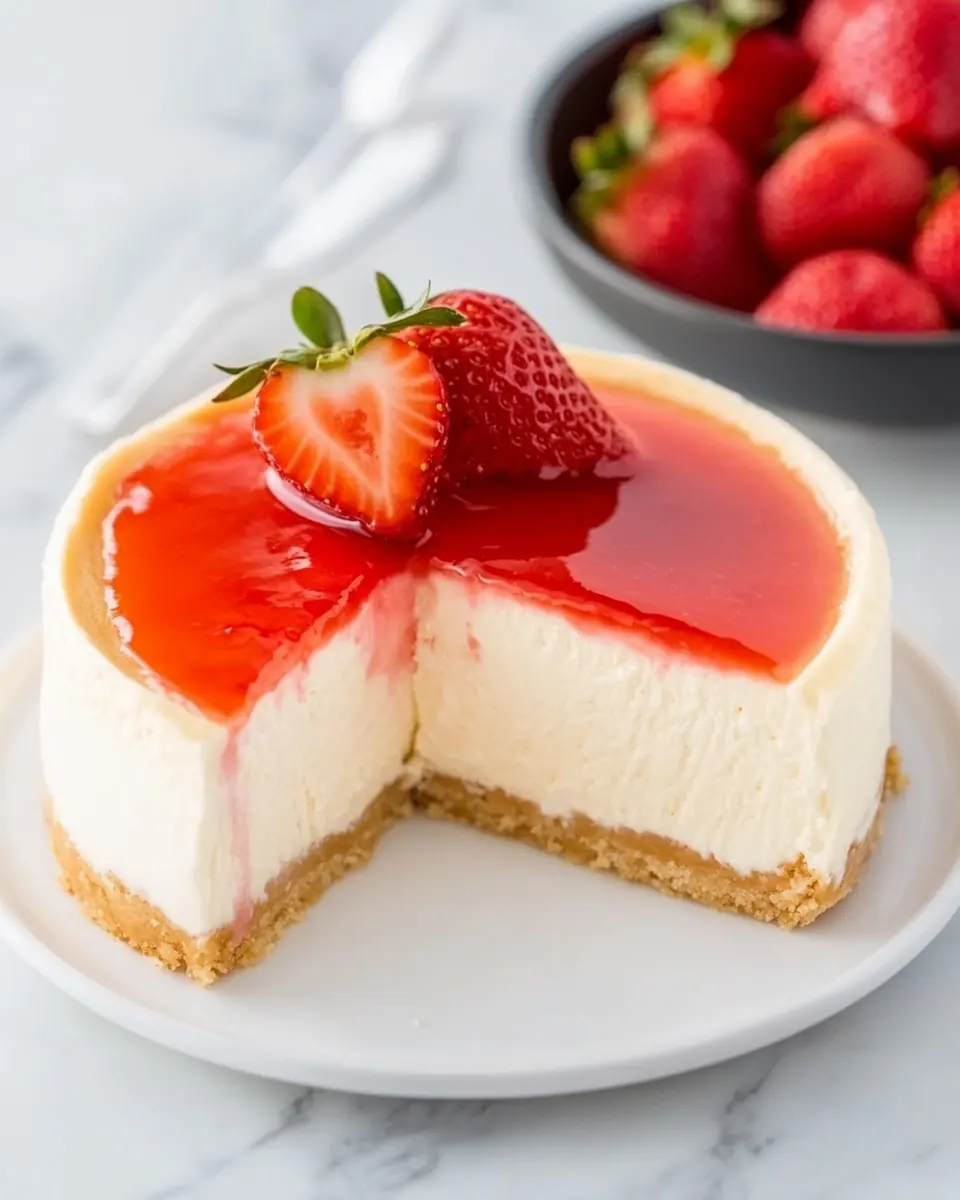
These directions walk you through building the crust, crafting a silky filling, baking in a water bath, and finishing with a bright strawberry topping. I like to move deliberately during each phase so textures and temperatures align. Follow the sensory cues for best results, and remember a little patience goes a long way.
- Preheat your oven to 325°F. Prepare a 9-inch springform pan by lightly greasing it.: The warm oven smell will start to calm your nerves as you assemble, and a lightly greased pan ensures the cheesecake releases cleanly after chilling. Use your fingers to feel that the grease is evenly applied, not pooled, so the crust does not stick. A common mistake is skipping this step, which makes unmolding difficult; take the extra minute to prevent frustration.
- In a bowl, mix graham cracker crumbs, sugar, and melted butter until well combined. Press the mixture firmly into the bottom of the pan and about 1 inch up the sides. Bake the crust for 10 minutes. Remove and let cool slightly.: As you press the crumb mixture, you should hear a faint compacting sound and feel resistance under the back of a spoon, indicating it is packed firmly. The butter scent becomes more toasty as it bakes, and the edges will take on a light golden note. Pressing firmly matters because it gives structural integrity to the base, preventing the filling from collapsing it. Avoid pressing unevenly, or you may get thin spots that crumble when sliced.
- In a large bowl, beat the softened cream cheese until smooth. Add sugar and sour cream, then mix in the vanilla extract and eggs one at a time until just combined. If using, stir in the lemon zest. Pour the filling evenly over the prepared crust.: When you beat the cream cheese , stop once it becomes silky and free of lumps, the texture should be satiny and slightly glossy. Adding the eggs one at a time creates a stable emulsion, and you will notice the batter become more fluid after each addition. The aroma will be rich and dairy forward, with a hint of vanilla . Overworking the batter can incorporate air, which causes bubbling and potential cracks, so mix gently and watch for smoothness rather than speed.
- Place the springform pan into a larger baking dish. Pour hot water into the larger dish until it reaches halfway up the side of the pan. Bake for 55 minutes, or until the edges are set and the center is slightly jiggly.: The water bath creates humidity in the oven, which prevents the cheesecake surface from drying and cracking, resulting in an unctuous texture. You will hear a soft hiss as the hot water meets the dish, and the oven will smell faintly of warm dairy. Look for the edges to appear firm and the center to wobble like jelly when nudged this indicates proper doneness. Avoid opening the oven early, as sudden temperature changes can cause your cheesecake to sink.
- Remove from the oven and let the cheesecake cool to room temperature. Then refrigerate for at least 4 hours, preferably overnight, before serving.: Cooling slowly is key, the cheesecake will release steam and settle into that dense yet creamy interior we all love. At room temperature the surface will go from glossy to matte, which means it is stabilizing. Chilling allows the fats to firm and flavors to meld; overnight chilling deepens the flavor and makes slicing neater. A common error is trying to slice too soon, which yields a sloppy cut and overly soft texture.
- For the topping, combine the quartered strawberries, sugar, and lemon juice in a small saucepan over medium heat. Bring to a simmer and allow the strawberries to break down.: As the mixture heats, you will hear a gentle bubbling and smell bright, sweet berry notes mingled with citrus, and the fruit will begin to soften and release juices. This breakdown concentrates flavor and forms the base of a glossy topping. Stir occasionally to prevent burning, and stop simmering once the berries are soft but still maintain some shape; overcooking can make the sauce too thin or overly reduced.
- Mix the cornstarch with water to create a slurry, then stir it into the saucepan. Cook for about 2 minutes until the sauce thickens. Let cool, then spoon evenly over the chilled cheesecake before serving.: Adding the cold slurry will cause the sauce to visibly thicken and become shiny, clinging to a spoon and coating the back when properly done. The aroma will deepen into a cooked jam scent and the color will deepen to a richer red. Cooling the sauce is important so it does not melt the chilled filling on contact. A mistake to avoid is adding the slurry too late, which can create lumps, so whisk it well before stirring it in and cook just long enough to activate the thickener.
Recipe Notes about Strawberry Cheesecake
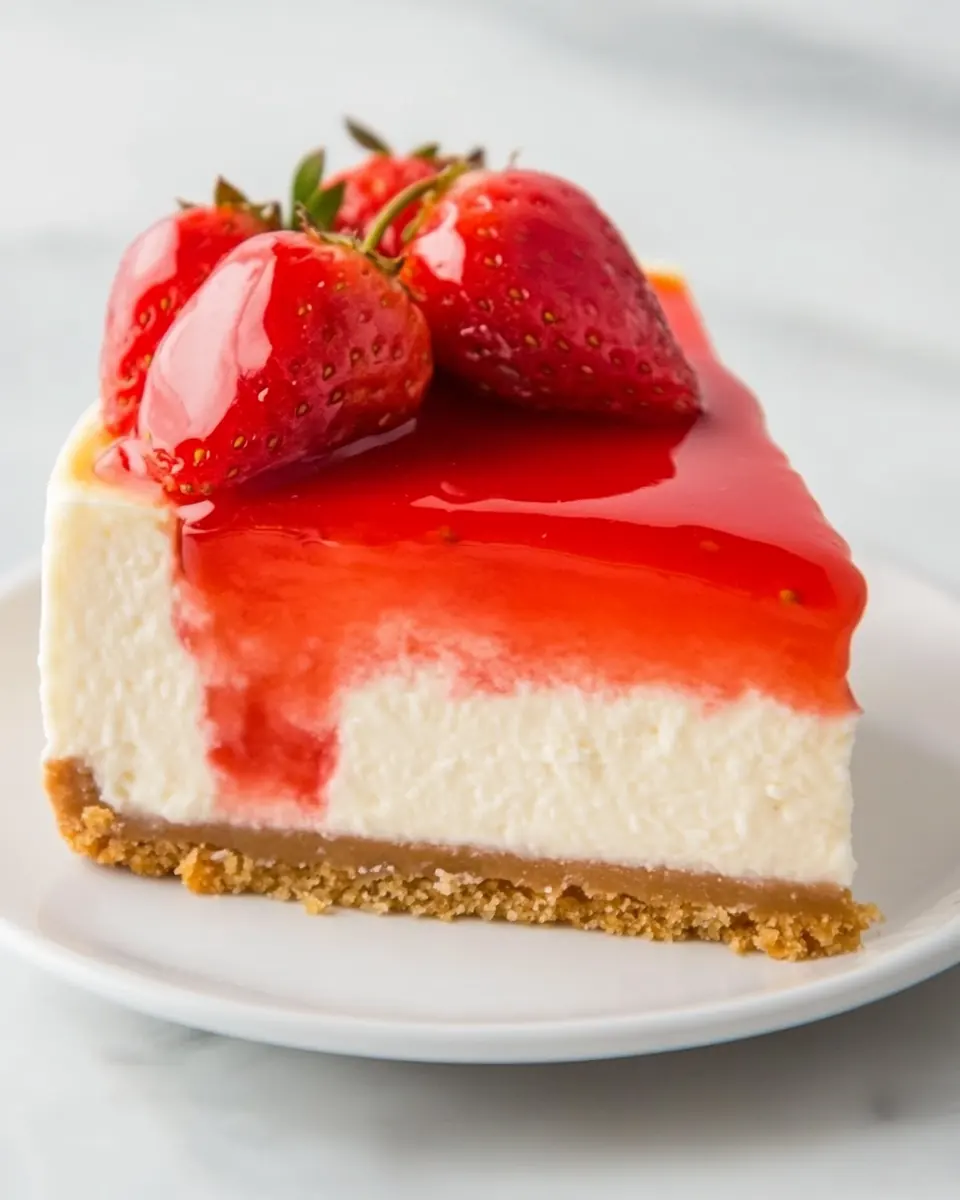
I like to keep a short list of practical pointers nearby when I bake cheesecake. These notes cover texture, timing, and presentation so you can achieve consistent results. Below are helpful tips, each expanded to give you context and confidence as you work through the recipe.
- Room temperature ingredients: Allow the cream cheese, eggs, and sour cream to reach room temperature before mixing so the batter becomes silky and lump free. Cold ingredients create a curdled or lumpy filling, which leads to an uneven texture. If you forget to plan ahead, set the eggs in warm water for ten to fifteen minutes and let the cream cheese sit on the counter for thirty to forty five minutes.
- Water bath technique: The water bath prevents cracking and creates a creamy interior, because it moderates oven heat and adds moisture. Use hot, not boiling, water and pour carefully to avoid splashes into the filling. If water gets into the filling you risk soggy edges, so shield the pan while pouring.
- Prevent overbeating: When you beat the filling, stop mixing as soon as the batter is smooth and glossy, overbeating traps air and leads to rise and fall, which can cause cracks. Scrape the bowl frequently to ensure even mixing and fold gently when adding delicate ingredients like zest.
- Chill thoroughly: Refrigerate the cheesecake for at least four hours, preferably overnight, to let the flavors settle and the texture firm up for clean slicing. Cutting too soon will yield a soft center and messy slices. If pressed for time, cool on the counter for an hour then chill for a minimum of four hours.
- Strawberry topping timing: Prepare the topping shortly before serving and allow it to cool so it does not melt the filling on contact. The cooled glossy sauce adheres beautifully and preserves the cheesecake’s texture. If you make it too early, store in an airtight container in the refrigerator and bring to room temperature a bit before serving to refresh its consistency.
Accompaniments for Strawberry Cheesecake
Cheesecake pairs well with a variety of serving styles and occasions. Whether you are presenting it at a family dinner or a festive gathering, small choices in plating and sides elevate the experience. Below I outline thoughtful ways to serve and store your Strawberry Cheesecake.
- Classic plated slice: Serve a clean wedge on a chilled plate with a spoonful of the cooled strawberry topping spooned over the top. A light dusting of powdered sugar adds a delicate finish if desired. This simple presentation is ideal for dinner parties where you want each serving to look tidy and refined.
- Family style: Place the whole cheesecake on a decorative cake stand and serve the topping in a bowl on the side so guests can spoon as much as they like. This relaxed approach works well for birthdays and casual gatherings, giving people control over sweetness levels.
- Occasion pairing: For holiday meals or celebratory dinners, garnish slices with a few fresh quartered strawberries or a curl of lemon zest for brightness. The fresh fruit emphasizes seasonality and lends a festive appearance suitable for spring events like showers or Mother s Day.
- Storage tips: Store leftover cheesecake covered in the refrigerator for up to four days; the topping should be kept separate if possible to maintain texture. For longer storage, wrap tightly and freeze for up to one month, thawing slowly in the refrigerator to preserve creaminess. Avoid leaving the dessert at room temperature for prolonged periods, especially with fresh fruit topping.
- Serving temperature: Serve slightly chilled rather than ice cold so the flavors and texture are at their best; take from the refrigerator about twenty to thirty minutes before slicing. This brief rest softens the fats just enough for a melt in your mouth mouthfeel, while keeping the cake firm enough to slice cleanly.
- Seasonal pairings: In spring and early summer, highlight the fruit by using ripe local strawberries and a light floral tea alongside the dessert. For cozy indoor gatherings later in the year, a small cup of espresso complements the richness without overpowering the delicate berry notes.
FAQ
Conclusion
This Strawberry Cheesecake stands out because it balances a buttery graham crust, a velvety cream cheese filling, and a bright fresh strawberry topping for a classic dessert experience. Give it a try when you want a show stopping yet approachable dessert, because it rewards a little patience with superb flavor and texture. I hope you enjoy assembling and serving it as much as I do, and that it becomes a favorite on your special occasions and cozy family moments.
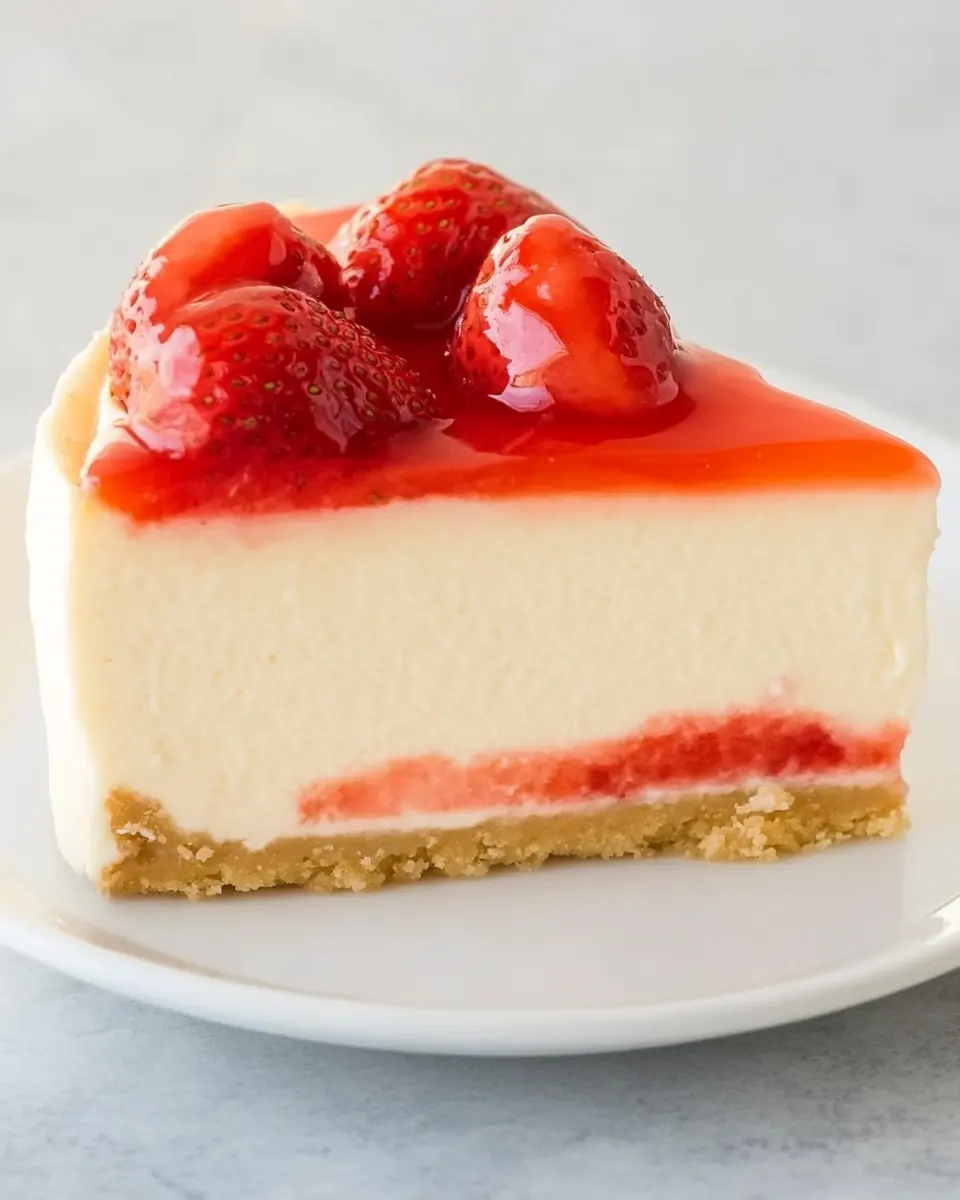
Strawberry Cheesecake
Ingredients
Equipment
Method
- Preheat your oven to 325°F. Prepare a 9-inch springform pan by lightly greasing it.: The warm oven smell will start to calm your nerves as you assemble, and a lightly greased pan ensures the cheesecake releases cleanly after chilling. Use your fingers to feel that the grease is evenly applied, not pooled, so the crust does not stick. A common mistake is skipping this step, which makes unmolding difficult; take the extra minute to prevent frustration.
- In a bowl, mix graham cracker crumbs, sugar, and melted butter until well combined. Press the mixture firmly into the bottom of the pan and about 1 inch up the sides. Bake the crust for 10 minutes. Remove and let cool slightly.: As you press the crumb mixture, you should hear a faint compacting sound and feel resistance under the back of a spoon, indicating it is packed firmly. The butter scent becomes more toasty as it bakes, and the edges will take on a light golden note. Pressing firmly matters because it gives structural integrity to the base, preventing the filling from collapsing it. Avoid pressing unevenly, or you may get thin spots that crumble when sliced.
- In a large bowl, beat the softened cream cheese until smooth. Add sugar and sour cream, then mix in the vanilla extract and eggs one at a time until just combined. If using, stir in the lemon zest. Pour the filling evenly over the prepared crust.: When you beat the cream cheese , stop once it becomes silky and free of lumps, the texture should be satiny and slightly glossy. Adding the eggs one at a time creates a stable emulsion, and you will notice the batter become more fluid after each addition. The aroma will be rich and dairy forward, with a hint of vanilla . Overworking the batter can incorporate air, which causes bubbling and potential cracks, so mix gently and watch for smoothness rather than speed.
- Place the springform pan into a larger baking dish. Pour hot water into the larger dish until it reaches halfway up the side of the pan. Bake for 55 minutes, or until the edges are set and the center is slightly jiggly.: The water bath creates humidity in the oven, which prevents the cheesecake surface from drying and cracking, resulting in an unctuous texture. You will hear a soft hiss as the hot water meets the dish, and the oven will smell faintly of warm dairy. Look for the edges to appear firm and the center to wobble like jelly when nudged this indicates proper doneness. Avoid opening the oven early, as sudden temperature changes can cause your cheesecake to sink.
- Remove from the oven and let the cheesecake cool to room temperature. Then refrigerate for at least 4 hours, preferably overnight, before serving.: Cooling slowly is key, the cheesecake will release steam and settle into that dense yet creamy interior we all love. At room temperature the surface will go from glossy to matte, which means it is stabilizing. Chilling allows the fats to firm and flavors to meld; overnight chilling deepens the flavor and makes slicing neater. A common error is trying to slice too soon, which yields a sloppy cut and overly soft texture.
- For the topping, combine the quartered strawberries, sugar, and lemon juice in a small saucepan over medium heat. Bring to a simmer and allow the strawberries to break down.: As the mixture heats, you will hear a gentle bubbling and smell bright, sweet berry notes mingled with citrus, and the fruit will begin to soften and release juices. This breakdown concentrates flavor and forms the base of a glossy topping. Stir occasionally to prevent burning, and stop simmering once the berries are soft but still maintain some shape; overcooking can make the sauce too thin or overly reduced.
- Mix the cornstarch with water to create a slurry, then stir it into the saucepan. Cook for about 2 minutes until the sauce thickens. Let cool, then spoon evenly over the chilled cheesecake before serving.: Adding the cold slurry will cause the sauce to visibly thicken and become shiny, clinging to a spoon and coating the back when properly done. The aroma will deepen into a cooked jam scent and the color will deepen to a richer red. Cooling the sauce is important so it does not melt the chilled filling on contact. A mistake to avoid is adding the slurry too late, which can create lumps, so whisk it well before stirring it in and cook just long enough to activate the thickener.
Notes
- Room temperature ingredients: Allow the cream cheese, eggs, and sour cream to reach room temperature before mixing so the batter becomes silky and lump free. Cold ingredients create a curdled or lumpy filling, which leads to an uneven texture. If you forget to plan ahead, set the eggs in warm water for ten to fifteen minutes and let the cream cheese sit on the counter for thirty to forty five minutes.
- Water bath technique: The water bath prevents cracking and creates a creamy interior, because it moderates oven heat and adds moisture. Use hot, not boiling, water and pour carefully to avoid splashes into the filling. If water gets into the filling you risk soggy edges, so shield the pan while pouring.
- Prevent overbeating: When you beat the filling, stop mixing as soon as the batter is smooth and glossy, overbeating traps air and leads to rise and fall, which can cause cracks. Scrape the bowl frequently to ensure even mixing and fold gently when adding delicate ingredients like zest.
- Chill thoroughly: Refrigerate the cheesecake for at least four hours, preferably overnight, to let the flavors settle and the texture firm up for clean slicing. Cutting too soon will yield a soft center and messy slices. If pressed for time, cool on the counter for an hour then chill for a minimum of four hours.
- Strawberry topping timing: Prepare the topping shortly before serving and allow it to cool so it does not melt the filling on contact. The cooled glossy sauce adheres beautifully and preserves the cheesecake's texture. If you make it too early, store in an airtight container in the refrigerator and bring to room temperature a bit before serving to refresh its consistency.