Skillet White Chicken Lasagna
Skillet White Chicken Lasagna is the kind of recipe I reach for when the week has been full and I want something comforting without a lot of fuss. The first time I made it I remember the cozy steam rising from the pan as I stirred in the cheeses, and how everyone circled the skillet at the table, spoons poised, ready to dive in. That warm, communal moment reminded me that a one pan dinner can feel just as indulgent as a layered lasagna, but much easier to pull off on a weeknight.
I’ve made this version many ways over the years, but the skillet preparation always wins for its speed and flavor. I love how the pasta soaks up the creamy sauce, and how the shredded chicken stays tender after being folded in. There is a comforting balance of textures, the silky ricotta with the stretchy mozzarella, plus little bites of sautéed mushrooms that add earthiness. When I serve it, I often watch people pause, close their eyes, and savor that first forkful, which never gets old.
For busy nights when you still want something that feels special, this skillet dish is my reliable answer. It reheats well, and leftovers are one of those rare dishes that taste as good the next day. Over time I learned a few small tricks to get the sauce just right and to keep the pasta from going gummy. Those tweaks make a big difference, and I enjoy sharing them with friends who are new to skillet cooking.
Recipe Snapshot
30 mins
10 mins
20 mins
Easy
450 kcal
Italian
Gluten-Free, Low FODMAP
Dinner
12-inch Cast Iron Skillet
Why This Skillet White Chicken Lasagna Hits Different
Comfort in a Single Pan
I adore how Skillet White Chicken Lasagna concentrates all the classic lasagna feelings into one skillet, so you get creamy layers, savory chicken, and melty cheese without stacking sheets. That one pan approach means fewer dishes and more time enjoying the meal with people I care about.
Speed without Sacrifice
We often need dinners that are fast but still satisfying. This recipe cooks the pasta in the sauce, which cuts steps and cuts down on pots. The end result is a rich, creamy texture that tastes like it simmered for ages, even though it comes together quickly.
Layered Flavors
I love the way sautéed onion, aromatic garlic, and browned mushrooms build a savory backbone for the creamy sauce. Adding a touch of Italian seasoning and a hint of red pepper flakes gives depth and a gentle warmth that keeps every bite interesting.
Flexible and Family Friendly
Because this is skillet cooking, you can easily adapt it to what you have on hand. The recipe supports using different small pasta shapes, and it welcomes swaps if needed. It feeds a crowd or provides generous leftovers, so it earns a spot in my regular rotation.
Textural Satisfaction
The mixture of creamy ricotta, nutty Parmesan, and gooey mozzarella creates a comforting mouthfeel that makes this dish feel indulgent. Folded in spinach and shredded chicken bring brightness and heft, so one forkful has contrast and balance.
Skillet White Chicken Lasagna Shopping List
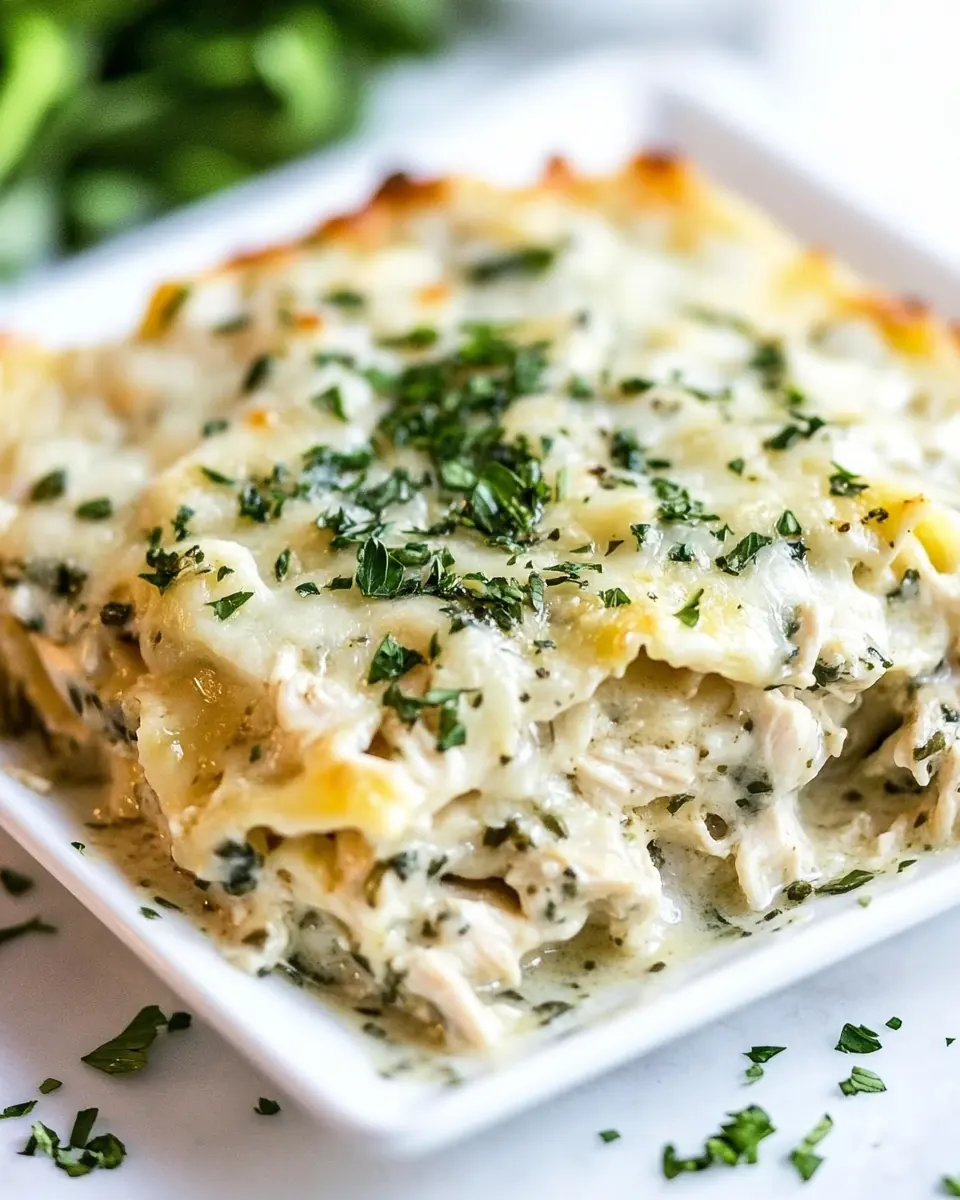
These ingredients are chosen to create a creamy, well rounded skillet meal. The key players are the dairy trio which builds richness, the aromatics and mushrooms which add savory depth, and the pasta and chicken which make it hearty. Each item plays a supporting role so the final dish feels like a cozy, layered lasagna but with far less effort.
- 2 tablespoons butter (unsalted): Melted to add a rich, silky base and help sauté vegetables while contributing a subtle creaminess to the sauce; use unsalted to control overall seasoning and prevent overt saltiness.
- 1 onion (chopped): Chopped to build flavor layers through caramelization and provide a sweet, aromatic backbone that complements garlic and mushrooms in the skillet.
- 4 cloves garlic (minced): Minced to release pungent, savory aromatics that brighten the dish and deepen the sauce’s flavor when gently cooked with butter and onion.
- 5 ounces mushrooms (cleaned and chopped): Cleaned and chopped to introduce an earthy, meaty texture and umami depth; mushrooms absorb the sauce and balance the richness of cheeses.
- 1/2 teaspoons salt (or to taste): Added sparingly to season and enhance all flavors without overpowering; adjust to taste to maintain balance with salted cheeses and broth.
- 1/4 teaspoon pepper (or to taste): Ground to season and provide a subtle heat and complexity that accentuates savory components and rounds out the dish’s flavor profile.
- 2 teaspoons Italian seasoning: Blended to impart a fragrant herbal blend of oregano, basil, thyme, and other Mediterranean flavors that harmonize with tomato-free lasagna ingredients.
- 1/2 teaspoon red pepper flakes: Sprinkled to introduce a touch of heat and lively contrast that lifts the creamy sauce and complements the savory cheeses and chicken.
- 3 tablespoons all-purpose flour: Whisked in to thicken the sauce by forming a roux, providing body and smoothness so the pasta and cheeses coat evenly in the skillet.
- 2 cups chicken broth (low sodium): Poured to create the savory liquid base, adding depth and umami while thinning the roux; low sodium helps control final seasoning levels.
- 2 cups milk: Stirred in to enrich the sauce with creaminess and a gentle dairy flavor; combines with broth and roux to make a smooth, velvety sauce.
- 8 ounces mafalda pasta: Added to provide hearty pasta curls that capture sauce and cheese; mafalda’s ruffled edges hold onto creamy components for each bite.
- 8 ounces ricotta cheese: Spoonable to contribute creamy texture and mild tang that adds richness between pasta layers and helps bind the filling together.
- 1 cup Parmesan cheese: Grated to deliver nutty, salty complexity and melting power that enhances savory depth and adds a finishing savory lift to the sauce.
- 4 ounces fresh spinach: Torn or chopped to add bright, leafy freshness and mild vegetal notes; spinach wilts into the sauce, boosting color and nutrition.
- 2 chicken breasts (cooked and shredded): Shredded and folded in to supply tender poultry protein and savory substance that complements the cheeses and fills out the skillet lasagna.
- 10 ounces mozzarella cheese (shredded): Shredded to provide gooey, melty stretch and a mild milky flavor that creates the desirable cheesy topping and binds components together.
- 1 tablespoon fresh parsley (chopped): Chopped and sprinkled to add a fresh, herbal finish that brightens the dish visually and in flavor, balancing richness from cheeses and butter.
How to Make Skillet White Chicken Lasagna
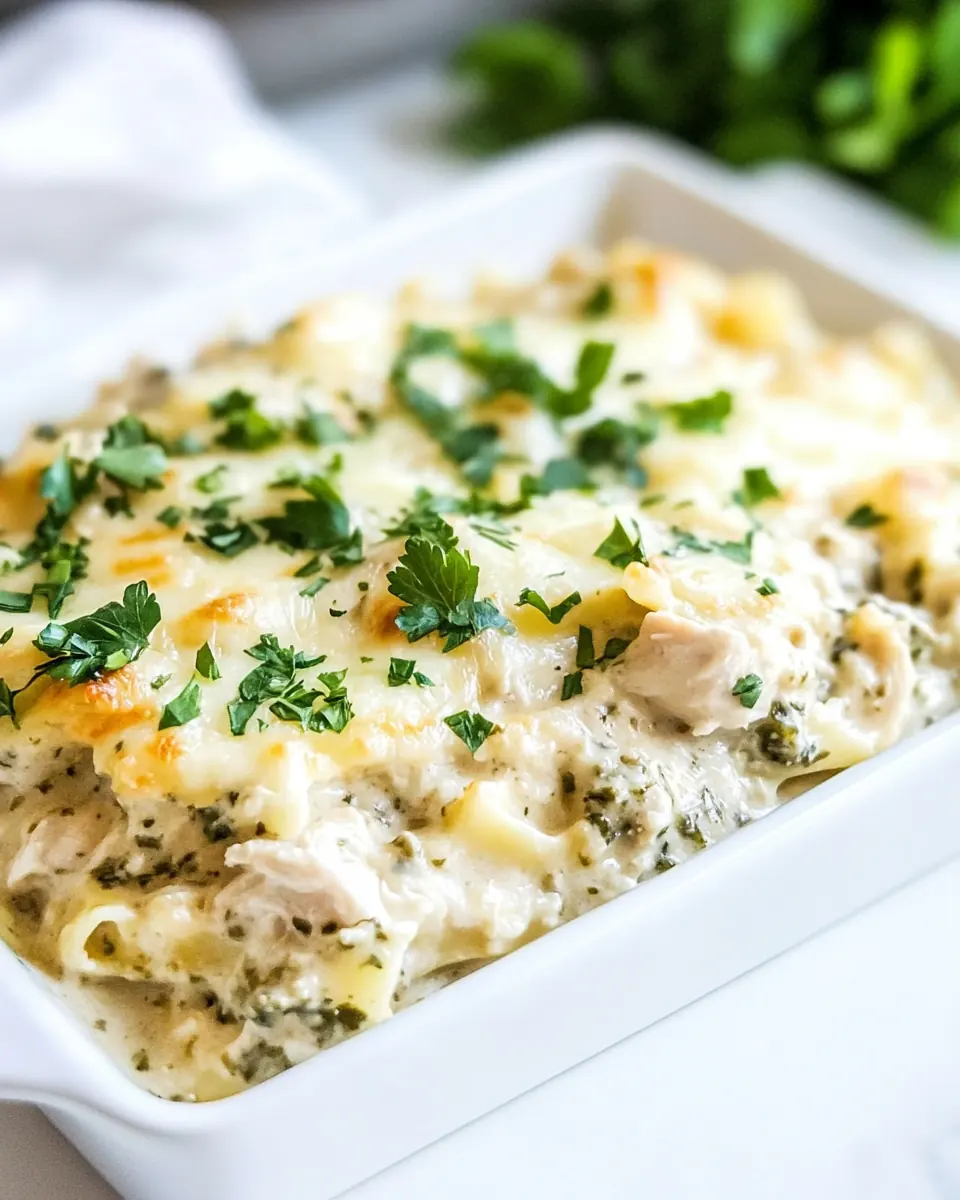
This recipe moves at a friendly pace and rewards attention to small cues like color and aroma. Follow the steps in order and watch for the sensory signs that tell you textures are developing correctly. I find reading ahead helps, and having everything prepped before you start keeps the process calm.
- In a large skillet melt the butter over medium heat. Add the onion and garlic and cook for a couple minutes until the onion softens.: The kitchen should fill with a warm, buttery scent almost immediately, the sound a faint settling as the butter liquefies. Melting unsalted butter over medium heat prepares a slick surface for the onion and garlic to sweat without browning too fast, which is essential so the aromatics become sweet and fragrant instead of sharp. You want the butter to shimmer but not smoke, which indicates you are at the right temperature. If it browns quickly, reduce the heat and start again to avoid burnt notes that will make the sauce bitter. A common mistake is turning the heat too high, which wilts the butter and ruins the subtle base you need.
- Stir in the mushrooms and season with salt, pepper, Italian seasoning and red pepper flakes. Cook for about 5 minutes until the mushrooms cook down a bit and start to brown.: You will hear a gentle hiss as the vegetables hit the skillet, and the onion should become translucent and tender in about two to three minutes. The aroma will shift toward sweet and savory, and the garlic will perfume the pan. Softening rather than browning preserves the mellow flavor that complements the creamy sauce, so stir frequently to cook evenly. If you notice any bits turning dark, lower the heat and stir more often to prevent a bitter edge. A typical slip here is rushing to high heat, which crisps the onion instead of releasing its sweetness.
- Sprinkle the flour over the mushrooms and stir. Stir in the chicken broth and milk. Add the mafalda pasta, stir and cook for about 8 to 10 minutes or until the pasta is cooked through. There should be enough liquid but if you find that the pasta is not cooked enough and all the liquid is gone, add a bit more chicken broth.: As you add the chopped mushrooms , they will release moisture and create a deeper, earthy aroma. The pan may hiss more as liquid evaporates and the mushrooms begin to brown, giving small golden edges that intensify their flavor. Seasoning at this stage allows the salt to help draw out moisture while the herbs and red pepper flakes infuse their fragrance. Keep the heat at medium to medium high so the mushrooms can reduce and take on color without becoming soggy. If too much liquid pools, lift the pan off the heat briefly to encourage evaporation. A common error is overcrowding the skillet, which steams the mushrooms instead of browning them, so give them space to cook.
- Stir in the ricotta and Parmesan cheese, then add the spinach and stir. Cook for another minute until the spinach cooks down.: You should see the mushrooms shrink and develop darker edges, and the pan will smell nutty and rich. This browning adds a caramelized note that complements the creamy cheeses later. Stir occasionally so that pieces brown evenly, and watch for any sticking that signals you need to reduce heat or add a splash of broth. If you skip this step, the final dish loses some depth of flavor, because unbrowned mushrooms stay bland and watery.
- Stir in the chicken and sprinkle with mozzarella cheese. Place the skillet under the broiler for a couple minutes to melt the cheese.: The dry dusting of flour will look like a light coat on the vegetables, and stirring it in will create a pasty stage that cooks out the raw flour scent. This is the thickening moment for the sauce, and you want to cook the flour just long enough that it smells toasty rather than raw, usually a minute or two. Doing this prevents a floury aftertaste and ensures the sauce develops body as liquid is added. If lumps form, push them against the skillet surface with a spoon to loosen them, and stir vigorously to smooth things out. A typical mistake is not cooking the flour long enough, resulting in a chalky texture.
- Garnish with chopped parsley and serve.: Pouring in the chicken broth and milk will transform the pan into a simmering sauce, and you should hear a steady, gentle bubbling as the mixture comes together. The broth provides savory depth while the milk lends creaminess, and together they thin the cooked flour into a velvety base. Bring to a gentle simmer to activate the thickening power of the flour, stirring to ensure the sauce is smooth. If you notice any separation or the sauce is too thin, continue simmering to concentrate flavors. Avoid boiling vigorously, which can break the milk down and cause an undesirable texture.
- Add the mafalda pasta stir and cook for about 8 to 10 minutes or until the pasta is cooked through: As the pasta hits the sauce it will initially float then become nestled in the liquid. You will see the sauce thicken and cling to the noodle ridges as the pasta absorbs liquid, and the aroma becomes fuller and creamier. Stir periodically to prevent sticking and to ensure each piece cooks evenly. If the pasta is not fully tender when the liquid is nearly gone, add more chicken broth , a little at a time, to finish the cook without drying the pan. A common misstep is walking away during this stage, which can cause sticking or unevenly cooked pasta.
- There should be enough liquid but if you find that the pasta is not cooked enough and all the liquid is gone add a bit more chicken broth: When you test a piece of pasta it should be tender with a slight bite, not chalky in the center. If the pan becomes dry before the pasta reaches that stage, the sauce will turn gummy and the texture will suffer. Adding additional warm chicken broth keeps the cooking environment moist and allows the pasta to finish perfectly, while preserving the creamy consistency you want. Avoid adding cold liquid straight from the fridge, which can shock the pan and interrupt the gentle simmer. One mistake people make is adding too much liquid at once, which dilutes flavor, so add small amounts and stir in between.
- Stir in the ricotta and Parmesan cheese then add the spinach and stir: Folding in the ricotta and Parmesan enriches the sauce with a tangy creaminess and nutty umami, while the added spinach wilts quickly and brightens the mixture visually and flavor wise. You will notice the sauce becoming thicker and silkier, and the spinach will collapse in a minute, releasing a fresh scent that balances the dairy. Stir gently so the ricotta disperses without breaking into grainy pieces, and allow the Parmesan to melt so it melds into the sauce. A common error is adding the cheeses over high heat, which can cause separation; keep the pan at low to medium to maintain a smooth consistency.
- Cook for another minute until the spinach cooks down: The sound will be a soft simmer and the sight a glossy, compacted bed of spinach . This brief cook ensures the leaves are tender but still bright, preventing a mushy texture that masks the other elements. Quick wilting melds the greens into the creamy sauce, giving pleasant green flecks throughout the dish. If the spinach looks slimy rather than wilted, that is a sign of overcooking, so remove the pan from heat promptly.
- Stir in the chicken and sprinkle with mozzarella cheese: Folding in the shredded chicken warms it through and lets it soak up the sauce, contributing to the hearty body of the dish. The moment you sprinkle the shredded mozzarella across the top, the aroma shifts toward a toasty, melty note that makes the whole skillet feel indulgent. The cheese will begin to soften into glossy ribbons that promise satisfying stretch. If the chicken was overcooked earlier, it can dry out here, so ensure it is gentle warmed rather than boiled. A misstep to avoid is stirring excessively after adding the mozzarella, which can cause it to clump rather than form a unified top.
- Place the skillet under the broiler for a couple minutes to melt the cheese: Under the broiler the surface will bubble and the mozzarella will develop light golden spots, signaling it is ready. Watch closely because cheese can go from perfectly melted to over browned quickly, and you want a few caramelized edges but not blackened patches. Broiling adds texture contrast, producing a slight crisp on top while leaving the sauce beneath luscious. If your skillet handle is not oven proof, transfer to an oven proof dish first. A frequent error is leaving the broiler unattended, which can turn the attractive golden top into an overly charred mess.
- Garnish with chopped parsley and serve: Freshly chopped parsley scattered over the melted top brings a fresh herbal note and a visual pop of green that balances the creamy colors. Serving straight from the skillet keeps the meal communal and cozy, and you will notice the steam rising with a warm, inviting aroma. Let the dish sit a minute so the sauce settles slightly, making it easier to plate. A common mistake is serving immediately when it is too hot, which can mask delicate flavors and make it uncomfortable to eat.
Helpful Notes about Skillet White Chicken Lasagna
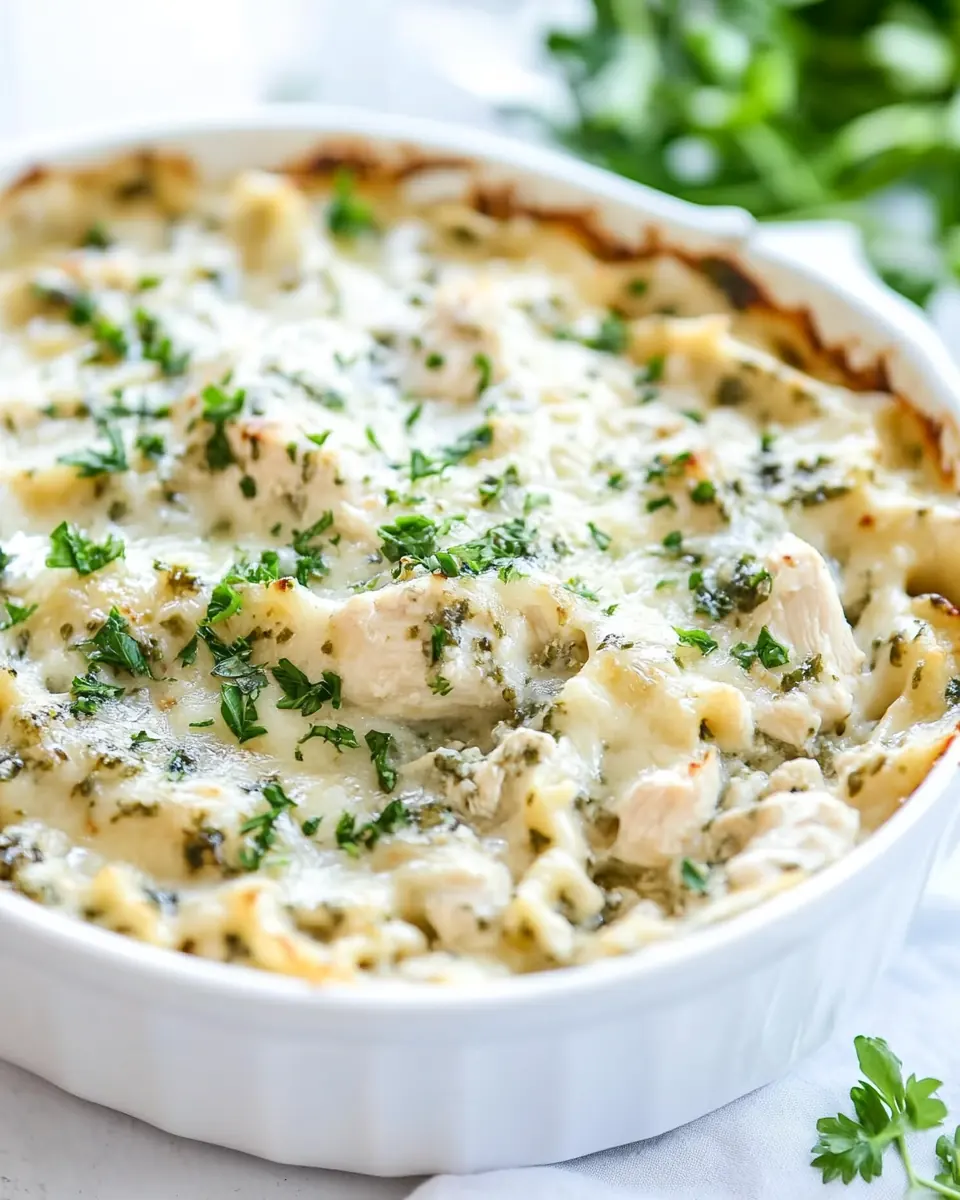
This dish responds well to small adjustments, and these notes will help you get consistent, delicious results. Read them before you start, and keep them in mind as you cook so the final skillet is creamy, balanced, and perfectly textured.
- Substitutions for mushrooms, If you don’t like mushrooms, zucchini works well as a swap, sliced thin so it softens quickly and complements the creamy sauce.
- Pasta options, Mafalda pasta resembles small lasagna sheets, but small shapes like penne, rotini, bowties, or rigatoni will also hold the sauce nicely and finish in roughly the same time.
- Small lasagna idea, If you want to use full lasagna sheets instead, this recipe makes enough filling for a compact layered lasagna, starting with a spoonful of sauce on the bottom, then a noodle layer, sauce, cheese, repeat.
- Adjusting doneness, If the pasta is not cooked enough, add more warm chicken broth a little at a time until the texture is right so you avoid ending up with gummy noodles.
- Cooling before storage, Allow the lasagna to cool properly before storing so it freezes and refrigerates evenly, and refrigerate in airtight containers for three to five days or freeze for two to three months.
Perfect Matches for Skillet White Chicken Lasagna
This skillet supper pairs wonderfully with light sides and makes a great option for casual or special occasions. Below are ideas for serving, storage, and seasonal contexts to help you make the most of the dish.
- Fresh green salad, A crisp salad with a bright vinaigrette provides contrast to the creamy skillet, making it a balanced weeknight meal.
- Garlic bread or crusty loaf, Warm bread is ideal for mopping up any leftover sauce, adding a satisfying textural contrast to the soft pasta.
- Family dinners, Serve straight from the skillet for a cozy family style meal where everyone helps themselves, making it perfect for busy weeknights when you want something comforting.
- Meal prep and leftovers, Portion into airtight containers and refrigerate for three to five days, reheating gently in a skillet or oven so the texture remains creamy.
- Freezing, Cool fully before freezing in a suitable dish; it will keep for two to three months, and thaw overnight in the fridge before reheating slowly.
- Occasions, This recipe works well for small gatherings or holidays when you want comfort food without elaborate assembly, especially in cooler months like winter.
- Serving temperature, Let the skillet rest a minute after broiling so the sauce sets slightly, making it easier to serve neat portions.
FAQ
Conclusion
This Skillet White Chicken Lasagna brings the best parts of lasagna to the table with far less fuss, combining creamy cheeses, tender shredded chicken, and pasta cooked right in the sauce. I encourage you to give it a try on a busy weeknight or when you want a cozy, crowd pleasing meal with minimal cleanup. Serve it straight from the skillet, enjoy the melty cheese and comforting textures, and take pleasure in how this one pan dish manages to feel both indulgent and effortless.
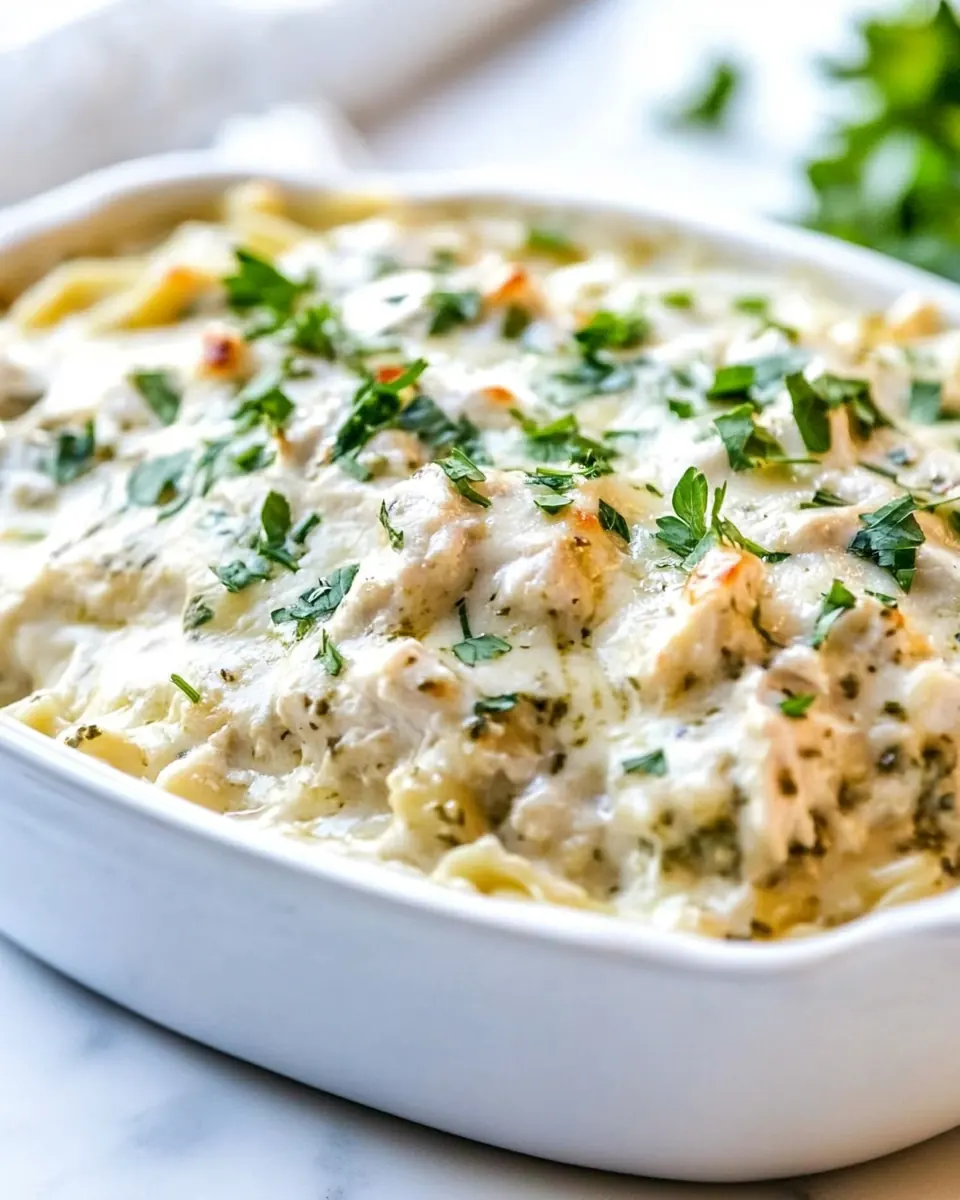
Skillet White Chicken Lasagna
Ingredients
Equipment
Method
- In a large skillet melt the butter over medium heat. Add the onion and garlic and cook for a couple minutes until the onion softens.: The kitchen should fill with a warm, buttery scent almost immediately, the sound a faint settling as the butter liquefies. Melting unsalted butter over medium heat prepares a slick surface for the onion and garlic to sweat without browning too fast, which is essential so the aromatics become sweet and fragrant instead of sharp. You want the butter to shimmer but not smoke, which indicates you are at the right temperature. If it browns quickly, reduce the heat and start again to avoid burnt notes that will make the sauce bitter. A common mistake is turning the heat too high, which wilts the butter and ruins the subtle base you need.
- Stir in the mushrooms and season with salt, pepper, Italian seasoning and red pepper flakes. Cook for about 5 minutes until the mushrooms cook down a bit and start to brown.: You will hear a gentle hiss as the vegetables hit the skillet, and the onion should become translucent and tender in about two to three minutes. The aroma will shift toward sweet and savory, and the garlic will perfume the pan. Softening rather than browning preserves the mellow flavor that complements the creamy sauce, so stir frequently to cook evenly. If you notice any bits turning dark, lower the heat and stir more often to prevent a bitter edge. A typical slip here is rushing to high heat, which crisps the onion instead of releasing its sweetness.
- Sprinkle the flour over the mushrooms and stir. Stir in the chicken broth and milk. Add the mafalda pasta, stir and cook for about 8 to 10 minutes or until the pasta is cooked through. There should be enough liquid but if you find that the pasta is not cooked enough and all the liquid is gone, add a bit more chicken broth.: As you add the chopped mushrooms , they will release moisture and create a deeper, earthy aroma. The pan may hiss more as liquid evaporates and the mushrooms begin to brown, giving small golden edges that intensify their flavor. Seasoning at this stage allows the salt to help draw out moisture while the herbs and red pepper flakes infuse their fragrance. Keep the heat at medium to medium high so the mushrooms can reduce and take on color without becoming soggy. If too much liquid pools, lift the pan off the heat briefly to encourage evaporation. A common error is overcrowding the skillet, which steams the mushrooms instead of browning them, so give them space to cook.
- Stir in the ricotta and Parmesan cheese, then add the spinach and stir. Cook for another minute until the spinach cooks down.: You should see the mushrooms shrink and develop darker edges, and the pan will smell nutty and rich. This browning adds a caramelized note that complements the creamy cheeses later. Stir occasionally so that pieces brown evenly, and watch for any sticking that signals you need to reduce heat or add a splash of broth. If you skip this step, the final dish loses some depth of flavor, because unbrowned mushrooms stay bland and watery.
- Stir in the chicken and sprinkle with mozzarella cheese. Place the skillet under the broiler for a couple minutes to melt the cheese.: The dry dusting of flour will look like a light coat on the vegetables, and stirring it in will create a pasty stage that cooks out the raw flour scent. This is the thickening moment for the sauce, and you want to cook the flour just long enough that it smells toasty rather than raw, usually a minute or two. Doing this prevents a floury aftertaste and ensures the sauce develops body as liquid is added. If lumps form, push them against the skillet surface with a spoon to loosen them, and stir vigorously to smooth things out. A typical mistake is not cooking the flour long enough, resulting in a chalky texture.
- Garnish with chopped parsley and serve.: Pouring in the chicken broth and milk will transform the pan into a simmering sauce, and you should hear a steady, gentle bubbling as the mixture comes together. The broth provides savory depth while the milk lends creaminess, and together they thin the cooked flour into a velvety base. Bring to a gentle simmer to activate the thickening power of the flour, stirring to ensure the sauce is smooth. If you notice any separation or the sauce is too thin, continue simmering to concentrate flavors. Avoid boiling vigorously, which can break the milk down and cause an undesirable texture.
- Add the mafalda pasta stir and cook for about 8 to 10 minutes or until the pasta is cooked through: As the pasta hits the sauce it will initially float then become nestled in the liquid. You will see the sauce thicken and cling to the noodle ridges as the pasta absorbs liquid, and the aroma becomes fuller and creamier. Stir periodically to prevent sticking and to ensure each piece cooks evenly. If the pasta is not fully tender when the liquid is nearly gone, add more chicken broth , a little at a time, to finish the cook without drying the pan. A common misstep is walking away during this stage, which can cause sticking or unevenly cooked pasta.
- There should be enough liquid but if you find that the pasta is not cooked enough and all the liquid is gone add a bit more chicken broth: When you test a piece of pasta it should be tender with a slight bite, not chalky in the center. If the pan becomes dry before the pasta reaches that stage, the sauce will turn gummy and the texture will suffer. Adding additional warm chicken broth keeps the cooking environment moist and allows the pasta to finish perfectly, while preserving the creamy consistency you want. Avoid adding cold liquid straight from the fridge, which can shock the pan and interrupt the gentle simmer. One mistake people make is adding too much liquid at once, which dilutes flavor, so add small amounts and stir in between.
- Stir in the ricotta and Parmesan cheese then add the spinach and stir: Folding in the ricotta and Parmesan enriches the sauce with a tangy creaminess and nutty umami, while the added spinach wilts quickly and brightens the mixture visually and flavor wise. You will notice the sauce becoming thicker and silkier, and the spinach will collapse in a minute, releasing a fresh scent that balances the dairy. Stir gently so the ricotta disperses without breaking into grainy pieces, and allow the Parmesan to melt so it melds into the sauce. A common error is adding the cheeses over high heat, which can cause separation; keep the pan at low to medium to maintain a smooth consistency.
- Cook for another minute until the spinach cooks down: The sound will be a soft simmer and the sight a glossy, compacted bed of spinach . This brief cook ensures the leaves are tender but still bright, preventing a mushy texture that masks the other elements. Quick wilting melds the greens into the creamy sauce, giving pleasant green flecks throughout the dish. If the spinach looks slimy rather than wilted, that is a sign of overcooking, so remove the pan from heat promptly.
- Stir in the chicken and sprinkle with mozzarella cheese: Folding in the shredded chicken warms it through and lets it soak up the sauce, contributing to the hearty body of the dish. The moment you sprinkle the shredded mozzarella across the top, the aroma shifts toward a toasty, melty note that makes the whole skillet feel indulgent. The cheese will begin to soften into glossy ribbons that promise satisfying stretch. If the chicken was overcooked earlier, it can dry out here, so ensure it is gentle warmed rather than boiled. A misstep to avoid is stirring excessively after adding the mozzarella, which can cause it to clump rather than form a unified top.
- Place the skillet under the broiler for a couple minutes to melt the cheese: Under the broiler the surface will bubble and the mozzarella will develop light golden spots, signaling it is ready. Watch closely because cheese can go from perfectly melted to over browned quickly, and you want a few caramelized edges but not blackened patches. Broiling adds texture contrast, producing a slight crisp on top while leaving the sauce beneath luscious. If your skillet handle is not oven proof, transfer to an oven proof dish first. A frequent error is leaving the broiler unattended, which can turn the attractive golden top into an overly charred mess.
- Garnish with chopped parsley and serve: Freshly chopped parsley scattered over the melted top brings a fresh herbal note and a visual pop of green that balances the creamy colors. Serving straight from the skillet keeps the meal communal and cozy, and you will notice the steam rising with a warm, inviting aroma. Let the dish sit a minute so the sauce settles slightly, making it easier to plate. A common mistake is serving immediately when it is too hot, which can mask delicate flavors and make it uncomfortable to eat.
Notes
- Substitutions for mushrooms, If you don’t like mushrooms, zucchini works well as a swap, sliced thin so it softens quickly and complements the creamy sauce.
- Pasta options, Mafalda pasta resembles small lasagna sheets, but small shapes like penne, rotini, bowties, or rigatoni will also hold the sauce nicely and finish in roughly the same time.
- Small lasagna idea, If you want to use full lasagna sheets instead, this recipe makes enough filling for a compact layered lasagna, starting with a spoonful of sauce on the bottom, then a noodle layer, sauce, cheese, repeat.
- Adjusting doneness, If the pasta is not cooked enough, add more warm chicken broth a little at a time until the texture is right so you avoid ending up with gummy noodles.
- Cooling before storage, Allow the lasagna to cool properly before storing so it freezes and refrigerates evenly, and refrigerate in airtight containers for three to five days or freeze for two to three months.