Oatmeal Packet Pancakes
Oatmeal Packet Pancakes started as a messy weeknight rescue for me, a tiny ritual that turned rushed mornings into something comforting and reliably good. I discovered this idea on a slow Saturday when my pantry held only a packet of instant oatmeal and a few basic staples, and the results felt like a small triumph. The batter was forgiving, the griddle was warm, and I remember the kitchen filling with a faint, toasty oat aroma that made everything feel honest and homey.
That first batch taught me to trust simple swaps, and since then I reach for this recipe when mornings are hurried, when kids want something homey, or when I need a portable breakfast to take on the go. I learned little tricks along the way that make the pancakes tender but not gummy, and they stack up beautifully with a smear of softened butter or a drizzle of syrup. Over time I started treating the packet as the hero, not a shortcut, because it keeps the texture consistent and the cleanup minimal. These days I make a small mix ahead when I know the week will be busy, and it feels like a tiny act of kindness to myself.
Recipe Snapshot
15 mins
5 mins
10 mins
Easy
300 kcal
American
Gluten-Free, Low FODMAP
Breakfast
Mixing bowl, Skillet or griddle, Spatula, Measuring cup
Why We Love This Oatmeal Packet Pancakes
I love how quick and practical these pancakes are
Because the recipe relies on a single packet of instant oatmeal, you can whisk batter in less time than it takes to toast bread. I often lean on this when mornings are chaotic, and the speed never sacrifices a pleasant, slightly chewy bite.
The texture is surprisingly satisfying
These pancakes balance a tender crumb with a bit of oat body, so they feel more substantial than plain flour pancakes. When the edges brown and tiny bubbles dot the surface, you know the interior will be soft and not gummy.
They are endlessly adaptable
I like that you can top them however you please, and they pair well with sweet or mildly savory options. Because the base is neutral, the pancakes act like a blank canvas for fruit, honey, or a yogurt dollop.
Minimal ingredients, maximal reliability
With pantry staples like flour, egg, and milk, this recipe rarely fails me. It is ideal when you want something homemade without a long ingredient list, and the consistency stays steady from batch to batch.
Family friendly and kid approved
These pancakes are easy for kids to help with, from stirring the batter to spotting when the edges turn golden. I’ve found involving helpers makes breakfast feel celebratory even on ordinary days.
Main Ingredients for Oatmeal Packet Pancakes
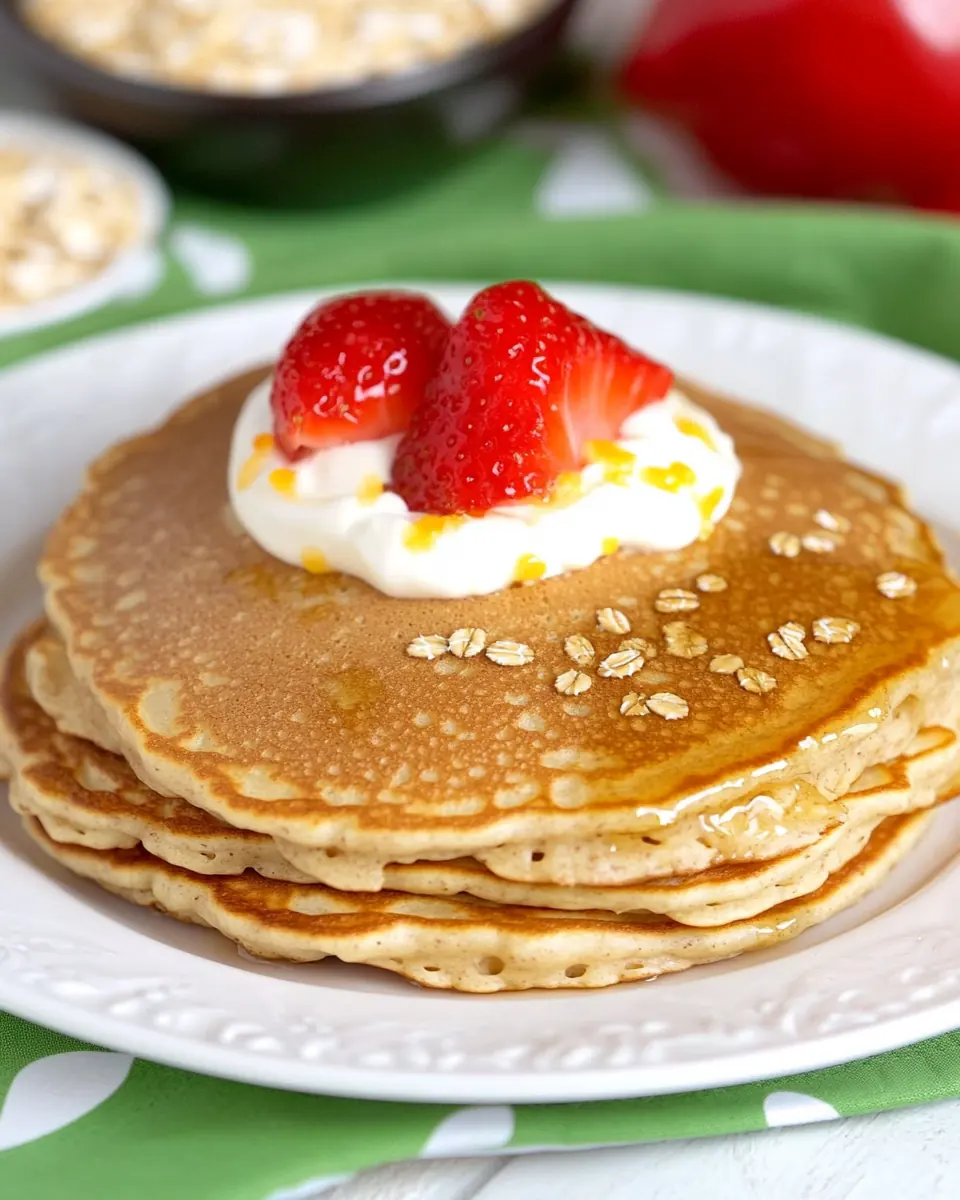
These ingredients are intentionally simple, built around convenience with a few key players. The instant oatmeal packet provides flavor and body, while flour gives structure. Egg and milk add moisture and richness, and a small lift from baking powder creates lightness. The sugar introduces a touch of sweetness that caramelizes at the edges, making each pancake feel balanced rather than flat.
- 1 packet Quaker® Organic Instant Oatmeal: Adds hearty texture and oat flavor while providing whole-grain starch and fiber; helps form the base of the batter and soak up liquids for consistent pancakes. Enhances nutritional profile with complex carbohydrates and contributes a slightly chewy crumb when cooked.
- 1/4 cup flour: Provides structure and bulk to the batter by supplying gluten and starch; helps thicken the mixture so pancakes hold together during flipping. Balances the moisture from the oatmeal and milk to produce a tender, cohesive cake.
- 1 egg: Contributes richness, moisture, and protein, which help bind the batter and create a tender crumb; promotes browning through Maillard reactions. Adds lightness when beaten and combines with leavening to improve texture and lift.
- 1/4 cup milk: Adds liquid to hydrate dry ingredients and dissolve sugar and baking powder, producing a pourable batter; contributes subtle creaminess and mouthfeel. Can influence batter consistency and steam generation for fluffier pancakes.
- 1 tsp sugar: Sweetens the batter lightly, balancing oat and flour flavors while enhancing browning; dissolves into the liquid to distribute sweetness evenly. Can be adjusted to taste and helps caramelize the pancake surface during cooking.
- 1 tsp baking powder not baking soda: Acts as the primary leavening agent to produce lift and lightness by releasing gas when heated; ensures pancakes rise and develop an airy texture. Also helps neutralize any acidity and contributes slight tenderness to the crumb.
Making This Oatmeal Packet Pancakes
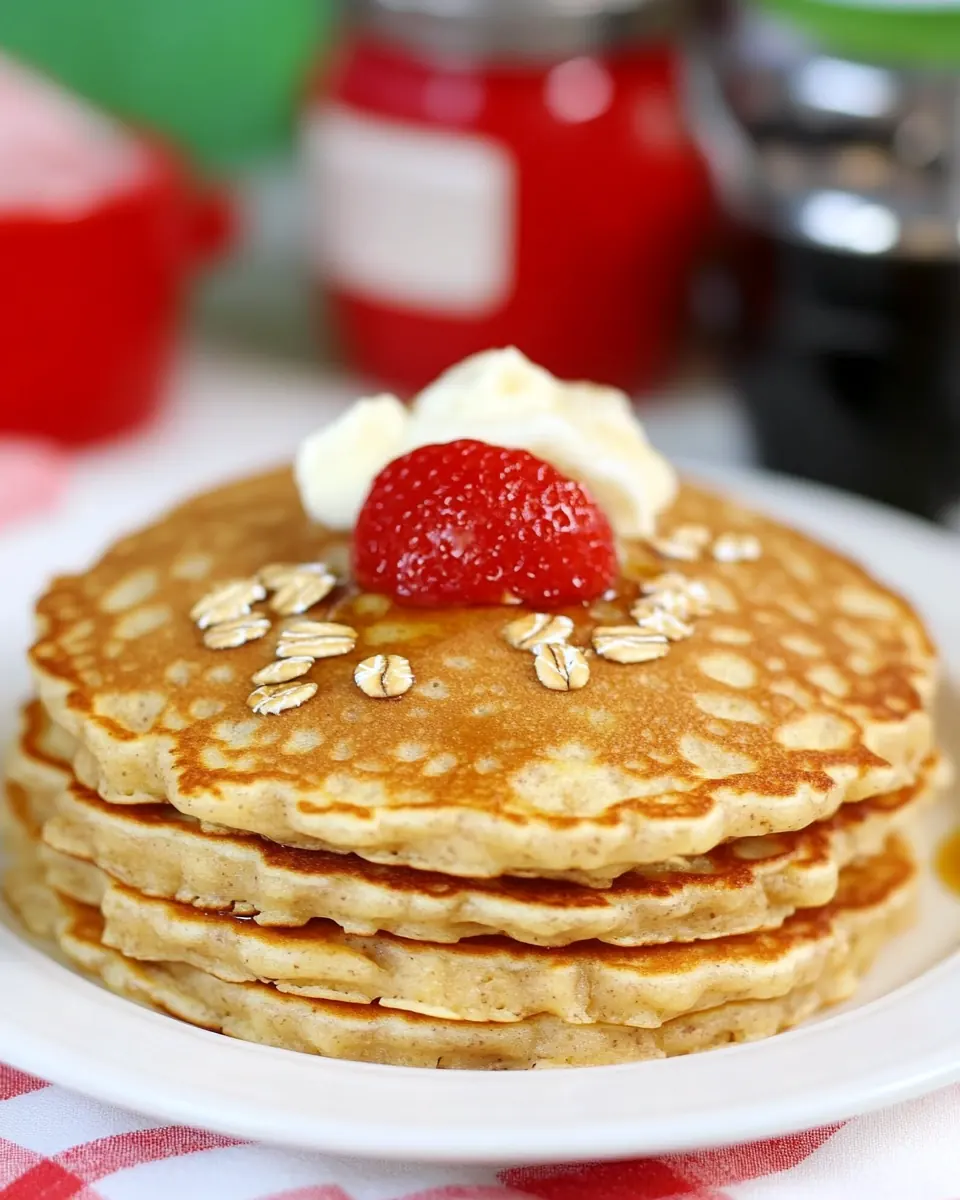
These directions are straightforward, and I like to walk through them slowly the first few times to notice the sensory cues. A warm griddle and patient flipping make a big difference, and you will learn the visual signs that the pancake is ready to turn. Keep a spatula close and try not to fuss with the batter once it is on the pan.
- In a bowl, combine Quaker® Organic Instant Oatmeal packet, flour, egg, milk, sugar and baking powder. Stir to combine, but do not over mix. Mixture may appear to "foam" a bit, from the baking powder. This is what helps make your pancakes fluffy.: The kitchen will fill with a mild oat scent as you add the packet, and the dry ingredients should look evenly mixed, with little clumps breaking up as you stir. This step matters because even distribution ensures every bite has balanced flavor and rise. A common mistake is stirring aggressively, which develops gluten and makes pancakes chewy rather than tender. Watch the batter visually: it should look homogenous but not glassy. If you notice streaks of flour or pockets of powder, gently fold until integrated. The texture at this stage should be slightly thick but pourable, not gluey. Use a spoon to scrape the bowl so nothing is wasted, and keep the bowl warm to avoid chilling the batter too much. If your kitchen smells faintly of oats and warm sugar, you are on the right track. Take a moment to check your baking powder; if the powder is old the batter may not foam properly. When you stir, you may see small bubbles forming slowly, indicating the leavening is waking up, which is desirable for a light pancake.
- Spray a griddle or pan with non-stick cooking spray, then place a skillet or pan on medium heat. Scoop pancake batter (I like using an ice cream scoop) into pan. You can make two large size pancakes or three medium size pancakes. Cook until edges start to brown and bubbles form. Flip to cook on other side. Remove from pan, repeat with remaining batter and serve with toppings of your choice.: You will notice the batter become smoother as you fold ingredients together, and tiny air pockets may appear on the surface. This delicate aeration is what helps create lightness, so resist the urge to beat insistently. Over mixing tightens the batter and can result in dense, rubbery pancakes. A good test is to stop when most of the flour is just moistened, with a few faint streaks remaining if needed. The sound here is subtle, but you may hear a gentle swish as the spoon moves through the batter, and the feel should be slightly lumpy rather than perfectly silky. If you have time, let the batter rest for a couple of minutes so the oats hydrate a bit, which deepens flavor and gives a more cohesive texture. If you skip resting, your pancakes may be slightly gummy in the center. Use a light hand and trust the visual cues to know when to stop mixing.
- Mixture may appear to "foam" a bit, from the baking powder: When bubbles form and the surface looks slightly aerated, the leavening is doing its job and the batter is alive. This foaming will keep the pancakes tender while they cook, so it is a good sign. If the batter is completely still with no bubbles, the baking powder might be old or the mix too cold, and you can warm it slightly to reactivate the agents. Avoid adding extra leavening to force bubbling, which throws off flavor and texture. Smell the batter; a fresh, faintly tangy note is normal due to the reaction. If you see large pockets of foam, a quick gentle fold will distribute them without collapsing the mixture. For troubleshooting, if pancakes fail to rise in the pan, check that the baking powder was measured correctly and that the griddle is properly heated.
- Spray a griddle or pan with non-stick cooking spray, then place a skillet or pan on medium heat: The sizzling sound when a drop of batter hits the surface lets you know the pan is hot enough, and you should smell a faint toasty note as the batter hits the metal. A steady medium heat encourages a golden exterior without burning before the center cooks. If the pan is too cool, pancakes will spread thin and take longer, producing a denser texture. Conversely if the pan is too hot, the exterior will darken too quickly while the inside stays undercooked. One mistake is crowding the pan; give each pancake space so steam can escape and the edges crisp. Preheating for a few minutes ensures even color and consistent results. Wipe out any excess spray that pools, as it can create uneven browning. When you set the pan, listen for an immediate gentle hiss, which is the right temperature.
- Scoop pancake batter (I like using an ice cream scoop) into pan: The batter should fall off the scoop in a steady, rounded dollop that flattens slightly on the hot surface. The visual should be a neat circle with a gently textured top where tiny bubbles may already be forming. Using a consistent scoop size ensures pancakes cook at the same rate, avoiding one burnt and one underdone. If the scoop drips too slowly, your batter is too thick; add a teaspoon of milk at a time to loosen. A common error is pouring uneven amounts which results in uneven cooking times, so stick to one scoop size per batch. You will notice the edges begin to set within a minute to two, solidifying from the outside inward, which is the cue that the interior is cooking through.
- You can make two large size pancakes or three medium size pancakes: Choosing size affects cooking time and mouthfeel, with larger pancakes needing a bit more patience to cook through, while medium pancakes get more edge caramelization per bite. When you make larger pancakes, watch the center for bubbles and look for tiny holes forming across the top before flipping. If you opt for smaller pancakes, they will cook faster and develop a higher ratio of crisp edge to tender center. Avoid flipping too soon, or the center will remain raw. For troubleshooting, if your large pancakes are browning too quickly on the outside, lower the heat slightly and allow more time for the interior to set. Keep track of timing so each size finishes consistently throughout the batch.
- Cook until edges start to brown and bubbles form: This is the most reliable sensory cue. You will see the outer edge firm up and a ring of small bubbles dot the surface. The aroma will shift from raw batter to toasty oats and a hint of caramelizing sugar. This stage is crucial because flipping after these signs ensures the interior is cooked but still moist. If you flip before bubbles form, pancakes risk falling apart and being gummy. A common mistake is waiting until large bubbles burst and leave holes; flip earlier for a tender crumb. When the bottom is golden, it will release easily from the pan with a gentle nudge from your spatula.
- Flip to cook on other side: The second side cooks faster, and you should hear a softer sizzle compared to the first cook. Visual cues are helpful here; the flipped side will bloom in color to an even golden brown while steam escapes. The texture will firm up but remain tender, and the center should no longer look wet when you press lightly. Avoid pressing down, which squeezes out air and dries the pancake. A common pitfall is flipping multiple times, which interrupts the cook and yields uneven doneness. Let the flipped side finish in a minute to two, watching for a gentle rise in the center as the heat finishes the interior.
- Remove from pan, repeat with remaining batter and serve with toppings of your choice: As you stack the pancakes, the residual heat will continue to finish them, and the stack will steam slightly, creating a cozy aroma. Serving right away preserves the crisp edges and tender centers. If you must hold them, keep pancakes loosely covered in a 200 degree oven to stay warm without sweating. A frequent mistake is stacking pancakes immediately without any separation if they are still too wet, which can make them soggy; allow a brief rest before stacking tightly. When plating, consider texture contrasts like a smear of butter or a sprinkle of fruit to complement the oat body and gentle sweetness.
Ways to Adapt This Recipe
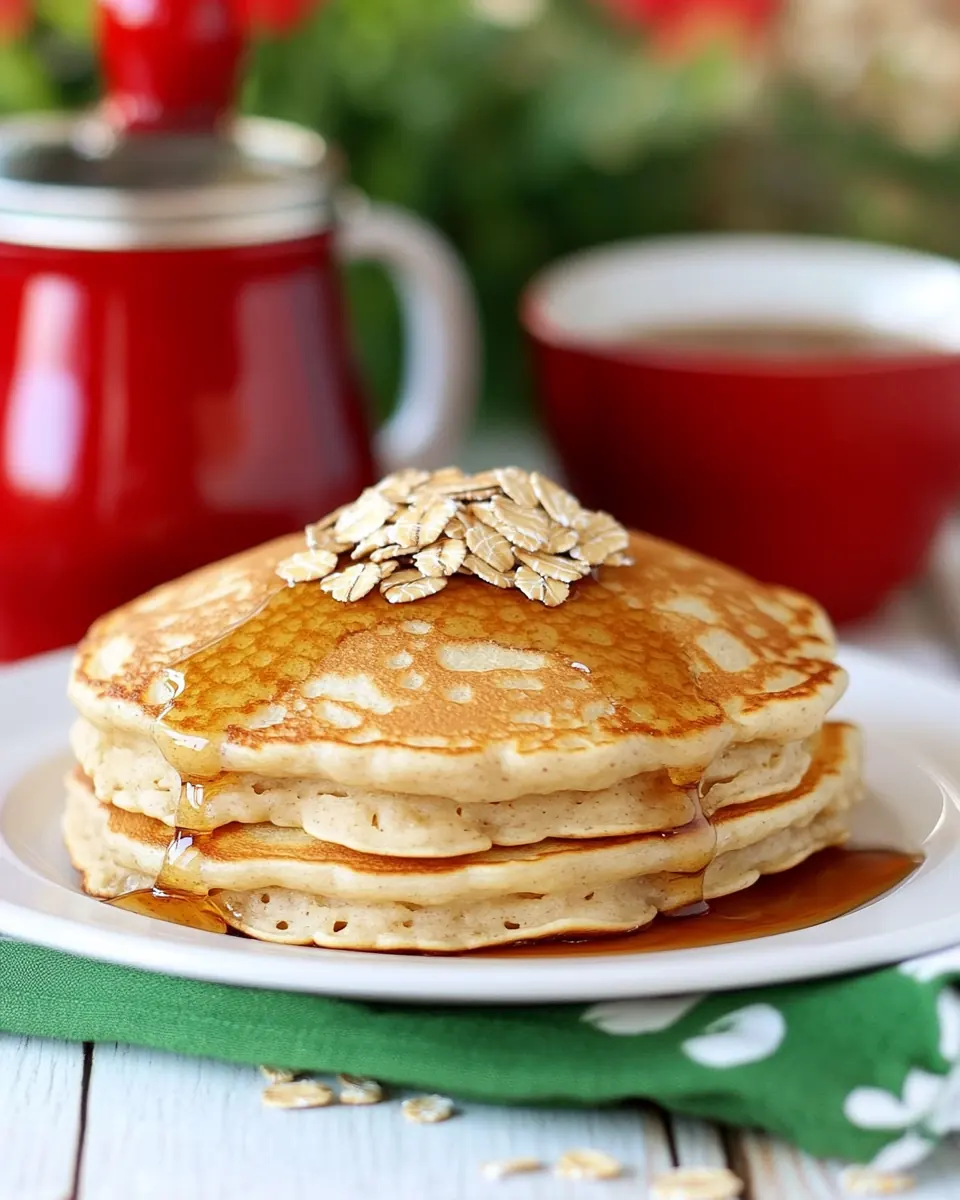
I like to think of adaptations as small experiments that keep the base familiar while adding interest. Below I share practical, hands on variations and techniques that keep breakfast exciting without complicating the process.
- Make it dairy free Use a plant based milk in equal measure and the pancakes will remain tender and moist, though the mouthfeel may be slightly lighter. I often reach for oat milk to double down on oat flavor. If you notice a thinner batter, reduce the milk or add a spoonful more of flour gradually.
- Adjust sweetness Reduce or omit the teaspoon of sugar if you prefer a less sweet base, especially if you plan to top with sweet syrups or fruit. The sugar primarily aids browning, so watch the griddle heat to prevent overbrowning when it is removed.
- Batch and store a dry mix Combine several packets of instant oatmeal with measured flour, sugar, and baking powder into a jar. When ready, add egg and milk to a scoop of dry mix for a fast single serving. Keep the dry mix in a cool, dry place and label it with the date to ensure freshness.
- Control batter thickness For thinner crepe like pancakes, add milk a tablespoon at a time until desired pourability is reached. For thicker, fluffier pancakes, reduce liquid slightly. Adjusting consistency helps you customize texture for stacking or rolling.
- Warm plates before serving Place plates in a low oven for a minute to keep pancakes from cooling quickly. Warm plates preserve the texture and make breakfast feel more polished without extra effort.
Side Dish Ideas for Oatmeal Packet Pancakes
These pancakes fit many serving situations, from a quick weekday breakfast to a casual brunch spread. Below are ideas and pairings that highlight texture contrasts and seasonal choices, plus storage suggestions to keep leftovers tasting fresh.
- Fresh fruit Seasonal berries or sliced banana add bright acidity and a juicy contrast to the oat body, complementing the pancakes without overpowering them.
- Yogurt dollop A spoonful of plain or lightly sweetened yogurt provides creamy tang and balances the pancake sweetness for a more balanced bite.
- Maple or honey drizzle A thin stream of syrup or honey adds glossy sweetness and moistens the top pancake, making each forkful feel indulgent.
- Nut butter smear Almond or peanut butter adds protein and a savory layer, turning the pancakes into a more sustaining meal for busy mornings.
- Serve for casual brunch These pancakes are approachable for groups, pairing well with coffee and simple sides when you want an unfussy menu.
- Storage tips Cool completely, then refrigerate in an airtight container for up to two days, or freeze between sheets of parchment for up to one month. Reheat gently in a toaster or oven to revive texture.
- Seasonal pairings In cooler months I lean on warmed fruit compotes, while in warmer months a citrus fruit salad brightens the plate and complements the oat flavor.
FAQ
Conclusion
These Oatmeal Packet Pancakes stand out because they transform a single instant oatmeal packet into a warm, dependable breakfast that feels both simple and satisfying. The recipe is friendly to busy schedules and yields pancakes with pleasant oat flavor and tender texture, making them an easy go to for weeknights or relaxed weekends. Give them a try and you may find that this small, resourceful recipe becomes a regular at your table. I hope you enjoy the comforting aroma and the little ritual of stacking and topping these pancakes as much as I do.
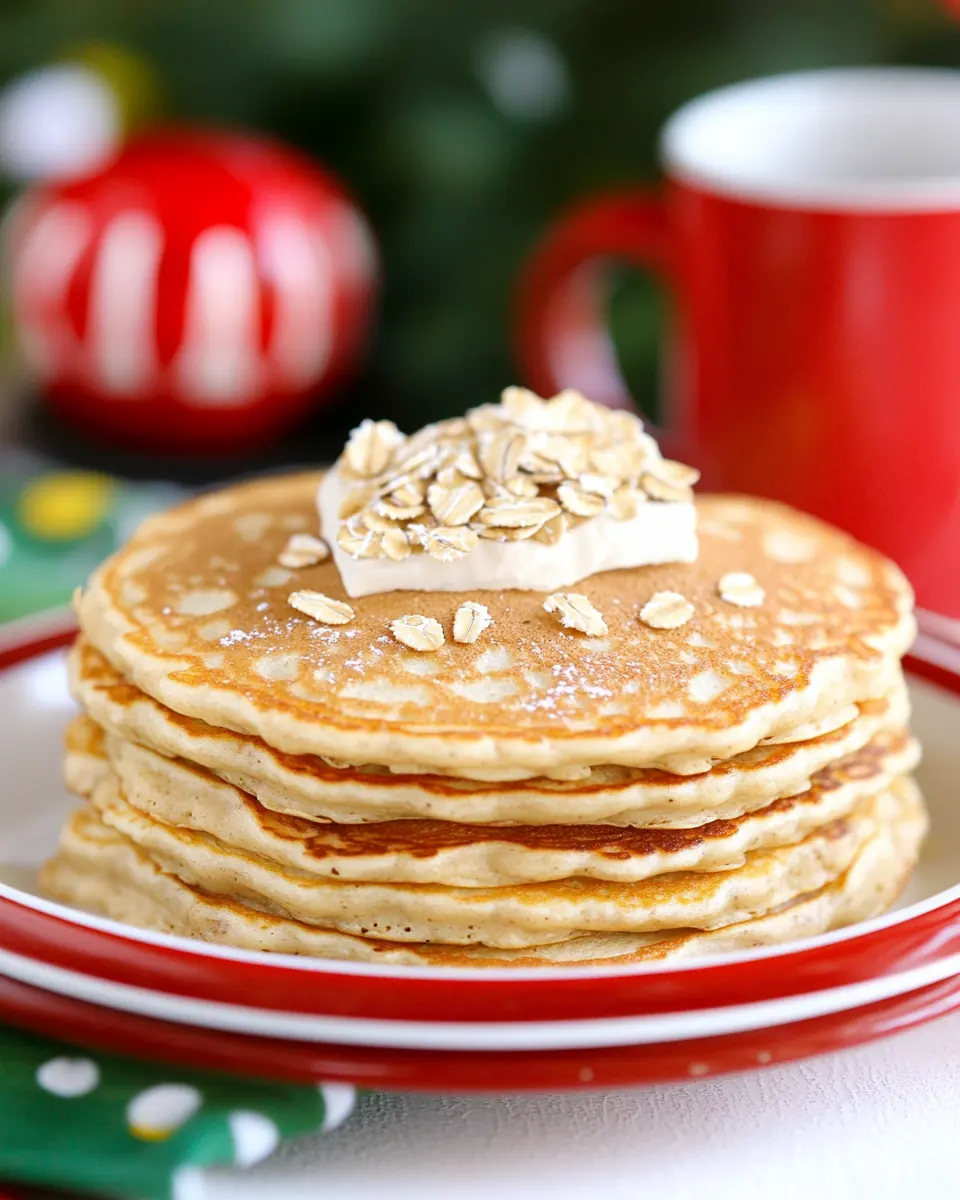
Oatmeal Packet Pancakes
Ingredients
Equipment
Method
- In a bowl, combine Quaker® Organic Instant Oatmeal packet, flour, egg, milk, sugar and baking powder. Stir to combine, but do not over mix. Mixture may appear to "foam" a bit, from the baking powder. This is what helps make your pancakes fluffy.: The kitchen will fill with a mild oat scent as you add the packet, and the dry ingredients should look evenly mixed, with little clumps breaking up as you stir. This step matters because even distribution ensures every bite has balanced flavor and rise. A common mistake is stirring aggressively, which develops gluten and makes pancakes chewy rather than tender. Watch the batter visually: it should look homogenous but not glassy. If you notice streaks of flour or pockets of powder, gently fold until integrated. The texture at this stage should be slightly thick but pourable, not gluey. Use a spoon to scrape the bowl so nothing is wasted, and keep the bowl warm to avoid chilling the batter too much. If your kitchen smells faintly of oats and warm sugar, you are on the right track. Take a moment to check your baking powder; if the powder is old the batter may not foam properly. When you stir, you may see small bubbles forming slowly, indicating the leavening is waking up, which is desirable for a light pancake.
- Spray a griddle or pan with non-stick cooking spray, then place a skillet or pan on medium heat. Scoop pancake batter (I like using an ice cream scoop) into pan. You can make two large size pancakes or three medium size pancakes. Cook until edges start to brown and bubbles form. Flip to cook on other side. Remove from pan, repeat with remaining batter and serve with toppings of your choice.: You will notice the batter become smoother as you fold ingredients together, and tiny air pockets may appear on the surface. This delicate aeration is what helps create lightness, so resist the urge to beat insistently. Over mixing tightens the batter and can result in dense, rubbery pancakes. A good test is to stop when most of the flour is just moistened, with a few faint streaks remaining if needed. The sound here is subtle, but you may hear a gentle swish as the spoon moves through the batter, and the feel should be slightly lumpy rather than perfectly silky. If you have time, let the batter rest for a couple of minutes so the oats hydrate a bit, which deepens flavor and gives a more cohesive texture. If you skip resting, your pancakes may be slightly gummy in the center. Use a light hand and trust the visual cues to know when to stop mixing.
- Mixture may appear to "foam" a bit, from the baking powder: When bubbles form and the surface looks slightly aerated, the leavening is doing its job and the batter is alive. This foaming will keep the pancakes tender while they cook, so it is a good sign. If the batter is completely still with no bubbles, the baking powder might be old or the mix too cold, and you can warm it slightly to reactivate the agents. Avoid adding extra leavening to force bubbling, which throws off flavor and texture. Smell the batter; a fresh, faintly tangy note is normal due to the reaction. If you see large pockets of foam, a quick gentle fold will distribute them without collapsing the mixture. For troubleshooting, if pancakes fail to rise in the pan, check that the baking powder was measured correctly and that the griddle is properly heated.
- Spray a griddle or pan with non-stick cooking spray, then place a skillet or pan on medium heat: The sizzling sound when a drop of batter hits the surface lets you know the pan is hot enough, and you should smell a faint toasty note as the batter hits the metal. A steady medium heat encourages a golden exterior without burning before the center cooks. If the pan is too cool, pancakes will spread thin and take longer, producing a denser texture. Conversely if the pan is too hot, the exterior will darken too quickly while the inside stays undercooked. One mistake is crowding the pan; give each pancake space so steam can escape and the edges crisp. Preheating for a few minutes ensures even color and consistent results. Wipe out any excess spray that pools, as it can create uneven browning. When you set the pan, listen for an immediate gentle hiss, which is the right temperature.
- Scoop pancake batter (I like using an ice cream scoop) into pan: The batter should fall off the scoop in a steady, rounded dollop that flattens slightly on the hot surface. The visual should be a neat circle with a gently textured top where tiny bubbles may already be forming. Using a consistent scoop size ensures pancakes cook at the same rate, avoiding one burnt and one underdone. If the scoop drips too slowly, your batter is too thick; add a teaspoon of milk at a time to loosen. A common error is pouring uneven amounts which results in uneven cooking times, so stick to one scoop size per batch. You will notice the edges begin to set within a minute to two, solidifying from the outside inward, which is the cue that the interior is cooking through.
- You can make two large size pancakes or three medium size pancakes: Choosing size affects cooking time and mouthfeel, with larger pancakes needing a bit more patience to cook through, while medium pancakes get more edge caramelization per bite. When you make larger pancakes, watch the center for bubbles and look for tiny holes forming across the top before flipping. If you opt for smaller pancakes, they will cook faster and develop a higher ratio of crisp edge to tender center. Avoid flipping too soon, or the center will remain raw. For troubleshooting, if your large pancakes are browning too quickly on the outside, lower the heat slightly and allow more time for the interior to set. Keep track of timing so each size finishes consistently throughout the batch.
- Cook until edges start to brown and bubbles form: This is the most reliable sensory cue. You will see the outer edge firm up and a ring of small bubbles dot the surface. The aroma will shift from raw batter to toasty oats and a hint of caramelizing sugar. This stage is crucial because flipping after these signs ensures the interior is cooked but still moist. If you flip before bubbles form, pancakes risk falling apart and being gummy. A common mistake is waiting until large bubbles burst and leave holes; flip earlier for a tender crumb. When the bottom is golden, it will release easily from the pan with a gentle nudge from your spatula.
- Flip to cook on other side: The second side cooks faster, and you should hear a softer sizzle compared to the first cook. Visual cues are helpful here; the flipped side will bloom in color to an even golden brown while steam escapes. The texture will firm up but remain tender, and the center should no longer look wet when you press lightly. Avoid pressing down, which squeezes out air and dries the pancake. A common pitfall is flipping multiple times, which interrupts the cook and yields uneven doneness. Let the flipped side finish in a minute to two, watching for a gentle rise in the center as the heat finishes the interior.
- Remove from pan, repeat with remaining batter and serve with toppings of your choice: As you stack the pancakes, the residual heat will continue to finish them, and the stack will steam slightly, creating a cozy aroma. Serving right away preserves the crisp edges and tender centers. If you must hold them, keep pancakes loosely covered in a 200 degree oven to stay warm without sweating. A frequent mistake is stacking pancakes immediately without any separation if they are still too wet, which can make them soggy; allow a brief rest before stacking tightly. When plating, consider texture contrasts like a smear of butter or a sprinkle of fruit to complement the oat body and gentle sweetness.
Notes
- Make it dairy free Use a plant based milk in equal measure and the pancakes will remain tender and moist, though the mouthfeel may be slightly lighter. I often reach for oat milk to double down on oat flavor. If you notice a thinner batter, reduce the milk or add a spoonful more of flour gradually.
- Adjust sweetness Reduce or omit the teaspoon of sugar if you prefer a less sweet base, especially if you plan to top with sweet syrups or fruit. The sugar primarily aids browning, so watch the griddle heat to prevent overbrowning when it is removed.
- Batch and store a dry mix Combine several packets of instant oatmeal with measured flour, sugar, and baking powder into a jar. When ready, add egg and milk to a scoop of dry mix for a fast single serving. Keep the dry mix in a cool, dry place and label it with the date to ensure freshness.
- Control batter thickness For thinner crepe like pancakes, add milk a tablespoon at a time until desired pourability is reached. For thicker, fluffier pancakes, reduce liquid slightly. Adjusting consistency helps you customize texture for stacking or rolling.
- Warm plates before serving Place plates in a low oven for a minute to keep pancakes from cooling quickly. Warm plates preserve the texture and make breakfast feel more polished without extra effort.