Roasted Fingerling Potatoes
Roasted Fingerling Potatoes have been my go to when I want something simple that still feels thoughtful, a dish I bring to weeknight dinners and weekend gatherings alike.
Years ago I roasted a batch for a friend who was recovering from surgery, and watching her brighten at the first warm bite reminded me why I cook: comfort that does not fuss, and texture that makes you smile. I love how the skins crisp and the centers stay tender, and how a small handful of pantry staples transforms humble potatoes into a rustic side everyone asks about. Over time I learned to coax extra flavor with a broth infusion and a quick broil to get those golden edges, and now this preparation is my default when I need something reliable yet impressive.
I also enjoy the tactile part of the process, the way the oil clings to the creases of the fingerling potatoes and the oven fills with a toasty, garlicky scent that hints at the finish. If you serve them at a casual dinner, they arrive warm and glossy; if you pack them for a picnic, they travel well and taste almost better the next day. This recipe honors the natural character of the potatoes, while adding bright notes from lemon juice and a vegetal depth from vegetable broth, so the result feels both comforting and fresh.
Recipe Snapshot
50 mins
10 mins
40 mins
Medium
200 kcal
American
Vegan, Gluten-Free
Side Dishes
Baking sheet, Oven, Mixing bowl, Tongs
Why This Roasted Fingerling Potatoes Stands Out
Simple ingredients, big payoff
I love that this version of Roasted Fingerling Potatoes uses pantry staples to create a layered flavor profile. The combination of olive oil, garlic, and dried oregano gives you aromatic richness while the vegetable broth lends gentle umami, so the dish never tastes flat.
Texture that sings
What keeps me coming back is the contrast between the crisped edges and the pillowy interior of each potato. The initial high heat and turning cut side down encourages caramelization, and the later broil adds that final crunch that makes every bite interesting.
Bright finish
The splash of lemon juice at the cooking stage brightens the whole pan, cutting through the oil and lifting the savory notes. I find it turns an ordinary roast into something that pairs easily with many mains.
Make ahead friendly
I often roast a double batch and reheat gently in a skillet. They rewarm beautifully, keeping texture and flavor, so these potatoes are fantastic for meal prep or entertaining without last minute stress.
Accessible for cooks of any level
There is no fancy technique here, just clear steps and sensory cues you can use to know when they are done. That accessibility is why I recommend this recipe to friends who are building confidence in the kitchen.
Ingredient List for Roasted Fingerling Potatoes
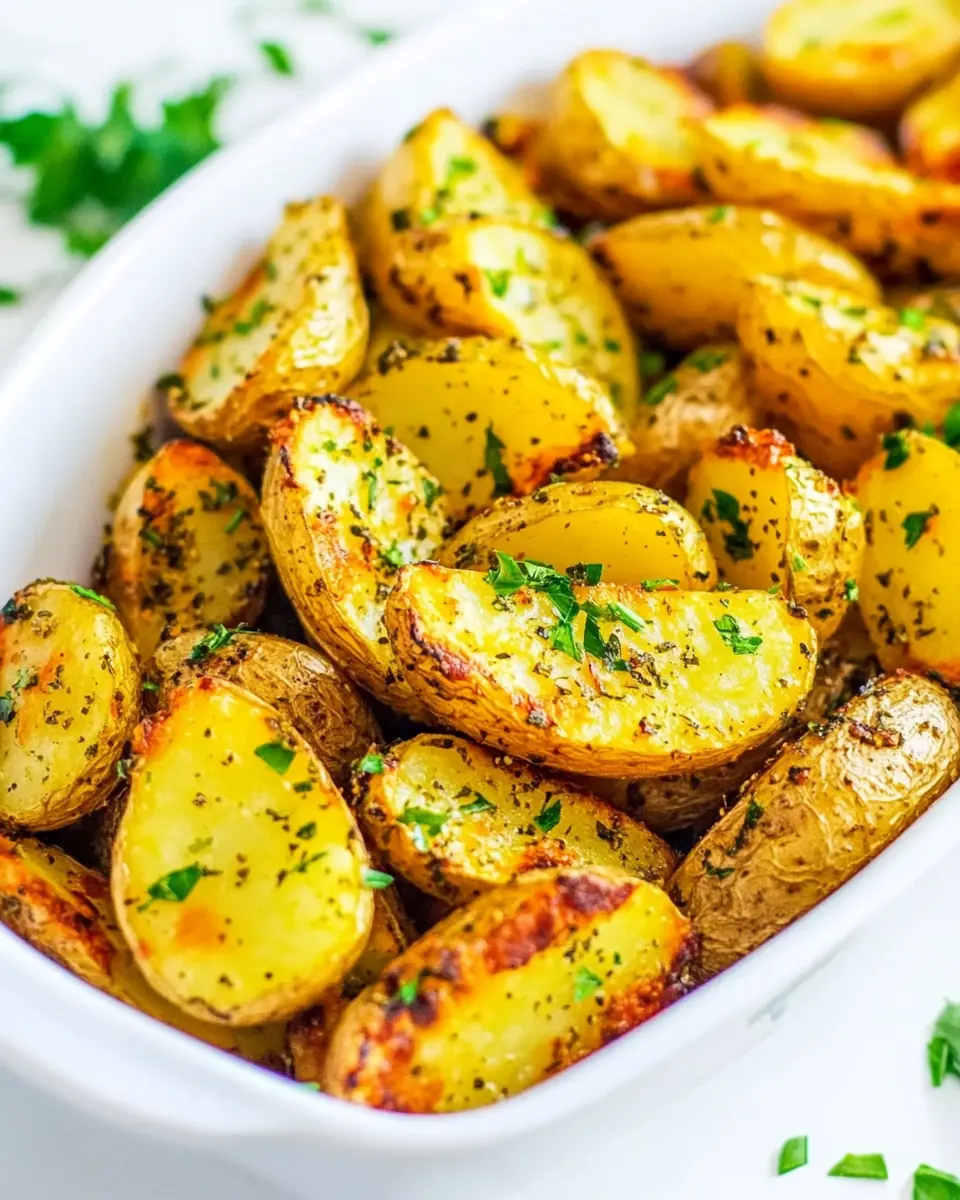
These ingredients are intentionally straightforward, chosen to highlight the natural flavor and texture of the potatoes. I treat the olive oil as the conductor that helps crisp the skins, while the vegetable broth and lemon juice work together to infuse moisture and bright notes. The garlic and dried oregano add aromatic depth, and the finishing seasoning balances the whole pan. They all play clear, supporting roles so the fingerling potatoes remain the star.
- 2 lb fingerling potatoes any variety: Provide small, firm tubers that roast evenly and hold their shape; choose any fingerling variety for texture and flavor. Slice or halve as needed to ensure uniform cooking and crisp edges when roasted. Contribute a creamy interior that contrasts with a golden, crispy exterior once finished.
- 3 tbsp olive oil: Coat potatoes to promote browning and develop a crisp, golden skin while adding a smooth mouthfeel. Use enough to lightly cover pieces so seasonings adhere and oil distributes heat during roasting. Contribute subtle fruity richness that complements herbs and garlic.
- 1 1/2 cup vegetable broth: Add moisture and a gentle savory base that keeps potatoes tender without making them soggy; use vegetable broth for a vegetarian-friendly option. Pour into the roasting pan partially to create steam during cooking, which helps cook interiors through. Provide additional seasoning depth and slight umami to balance bright lemon and herbs.
- 3 tbsp lemon juice: Bring bright acidity to brighten flavors and cut through the richness of oil and potatoes. Toss with potatoes and seasonings before roasting or drizzle afterward for fresh lift. Help balance the dish and enhance other aromatics like garlic and oregano.
- 3 garlic cloves minced: Deliver pungent, aromatic depth that browns and mellows with heat; mince to distribute flavor evenly. Infuse oil and potatoes during roasting, creating savory pockets of taste in each bite. Also contribute subtle sweetness when caramelized.
- 1 tbsp dried oregano: Impart warm, earthy herbiness that complements Mediterranean-style roasting; use dried oregano for concentrated flavor. Sprinkle with the potatoes and oil so the herb rehydrates and releases aroma during cooking. Tie together lemon, garlic, and broth into a cohesive savory profile.
- 1/2 tsp salt or to taste: Season to taste and enhance all other flavors while controlling overall saltiness; add gradually to avoid over-salting. Dissolve into oil and broth to distribute evenly across potatoes, ensuring balanced seasoning in every bite. Allow adjustment at the end for personal preference.
- 1/2 tsp pepper: Provide mild heat and aromatic sharpness that rounds out the seasoning profile. Grind or sprinkle evenly to ensure consistent peppery notes throughout the dish. Adjust quantity as needed to complement the salt level and other flavors.
How to Prepare Roasted Fingerling Potatoes
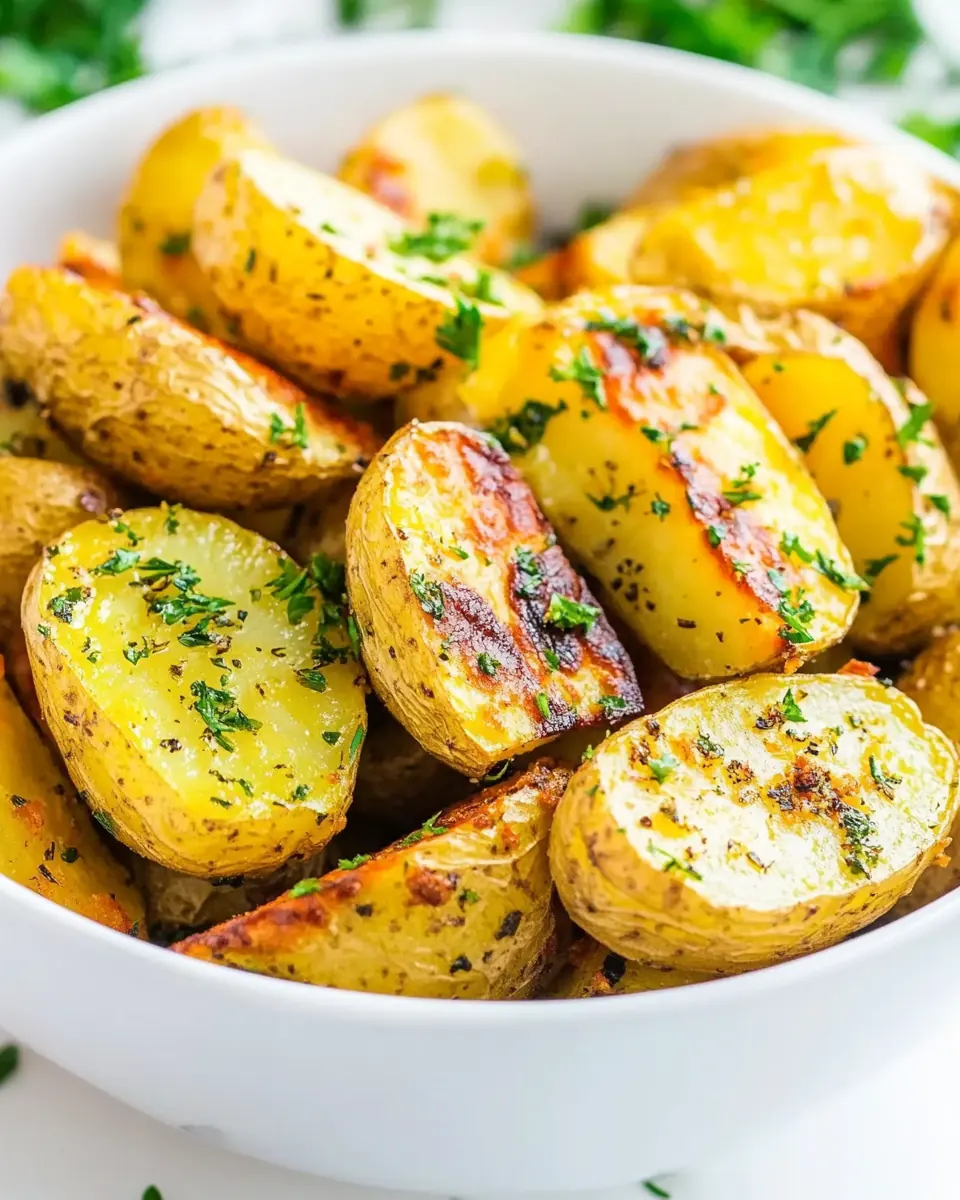
I approach these steps as a short performance, where timing and sensory checks matter more than strict rules. Read each step before you start, and use the visual cues and smells to know you are on track. Keep simple tools handy and be ready to adjust heat or time based on your oven.
- Preheat the oven to 375º F.: You will feel the warmth build as the oven comes up, and the small hum before it clicks into steady heat is your cue to prep the pan. A properly preheated oven ensures even roasting, which is why this step matters. If you skip preheating, the potatoes may cook unevenly and fail to develop those golden edges. Common mistake to avoid is not giving the oven enough time to reach temperature, which can add 5 to 10 minutes to your overall cooking time.
- Wash the potatoes thoroughly and cut lengthwise. Place them onto a large (about 12×17 inches), non-stick baking sheet in a single layer.: As you wash, you will notice the soil rinse away and the skins shine; that tactile moment helps you decide if they need scrubbing. Cutting lengthwise exposes more surface area for browning and creates a pleasing shape on the plate. A single layer is crucial because overlapping pieces steam instead of roast, resulting in limp skins. One common error is crowding the pan, which prevents proper caramelization and yields soggy spots.
- Season the potatoes with salt and pepper, and drizzle with olive oil. Using your hands, mix the potatoes, making sure they are covered with oil. Turn them cut-side down, and bake for 15 minutes.: When you rub the olive oil and seasonings in, you should feel the skins take on a silky coating, and you will smell the pepper and salt lift the natural aroma. Turning them cut-side down encourages direct contact with the hot sheet, which promotes browning and a slightly crisp rim. The initial bake develops a foundation of texture. Avoid tossing with metal utensils that can scrape skins, and do not skip turning cut-side down, otherwise you lose concentrated caramelization.
- In the meantime, mix together the veggie broth, lemon juice, garlic, and oregano.: As you whisk these elements, the sharp citrus scent from the lemon juice will balance the savory, vegetal notes of the vegetable broth , while the minced garlic releases a fragrant edge. This mixture acts as an infusion so the potatoes pick up flavor internally as the liquid reduces. A poorly mixed infusion can lead to uneven flavor, so taste the liquid and adjust if the lemon feels too assertive.
- Remove the potatoes from the oven and pour the veggie broth mixture on top. Bake for an additional 20-25 minutes, or until the liquid has disappeared and the potatoes are cooked through.: When you pour the broth, listen for a gentle hiss as it hits the hot pan and take in the steam that carries the herb and garlic aromas. The liquid will bubble and then slowly reduce, concentrating flavors and tenderizing the centers. Visual cues include the surface beginning to brown and the pan being nearly dry. A typical pitfall is adding too much liquid, which can prevent crisping and extend cooking time; measure carefully for consistent results.
- Once cooked, remove the potatoes from the oven and flip them cut-side up. Broil for 5-7 minutes, until they brown a bit. Sprinkle them with freshly chopped parsley, if desired.: The broil step creates a short, intense burst of heat that crisps the exposed flesh and produces lively, toasted notes. Watch closely during broiling because the visual change happens quickly from golden to burnt. You will hear small crackles as moisture evaporates and smell a deeper roasted scent. A common mistake is walking away during broil; staying attentive prevents charring and ensures the perfect finish.
Customization Ideas
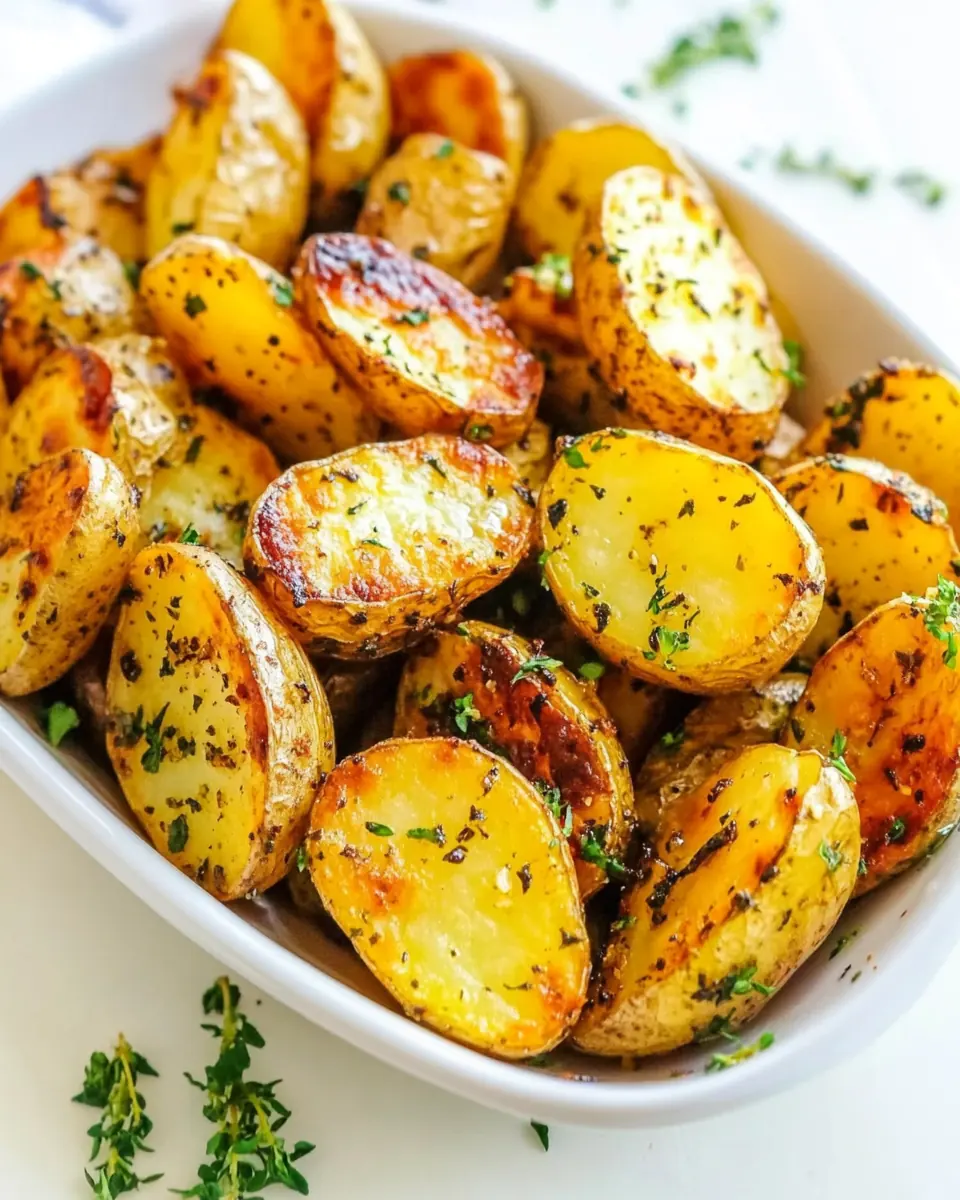
These suggestions help you tailor the dish to different meals or preferences. I focus on simple swaps that respect the original flavors so the core of the recipe remains intact. Each tip starts with a bold phrase to make scanning easy.
- Roast with herbs: Add a mix of fresh herbs like parsley or thyme after cooking to add fresh aroma and color without altering the roasting process.
- Switch the citrus: Use a splash of orange juice instead of lemon juice for a sweeter, more caramelized finish; balance with a touch less broth if your citrus is very sweet.
- Make it spicy: Stir in a pinch of red pepper flakes to the broth mixture for a gentle heat that builds with each bite.
- Double the batch: Roast two sheet pans and keep one warm in a low oven if serving a crowd, they hold their texture well at 200º F for short periods.
- Meal prep friendly: Store leftovers in an airtight container in the fridge for up to three days, and reheat in a skillet to restore crispness.
Great Combinations for Roasted Fingerling Potatoes
These pairing ideas and serving details will help you plan menus and present the potatoes in ways that feel appropriate for different occasions. Think about temperature, texture, and complementary flavors when you serve.
- Casual weeknight dinners: Serve alongside a simply grilled protein and a crisp green salad, offering contrasting textures and a balanced plate.
- Holiday side: These potatoes work well on festive tables because they are easy to scale and pair with rich mains, while the lemon keeps the palate bright.
- Picnic or potluck: Bring them warm or at room temperature; they travel well and are easy for guests to enjoy without extra plating.
- Storage tip: Refrigerate leftovers in an airtight container for up to three days, then reheat in a skillet for best texture, rather than the microwave which will soften them.
- Seasonal pairings: In fall, pair with roasted root vegetables and braised greens; in spring, pair with lighter salads and steamed asparagus for freshness.
FAQ
Conclusion
Roasted Fingerling Potatoes stand out for their effortless combination of crisp skins, tender interiors, and bright, savory flavors. They are approachable to make, easy to scale, and versatile enough to pair with many proteins and salads, making them a reliable choice for both weekday meals and special occasions. I encourage you to try this version the next time you want a simple side that feels elevated; pay attention to the visual and aromatic cues during roasting and you will end up with a satisfying result that guests will ask about.
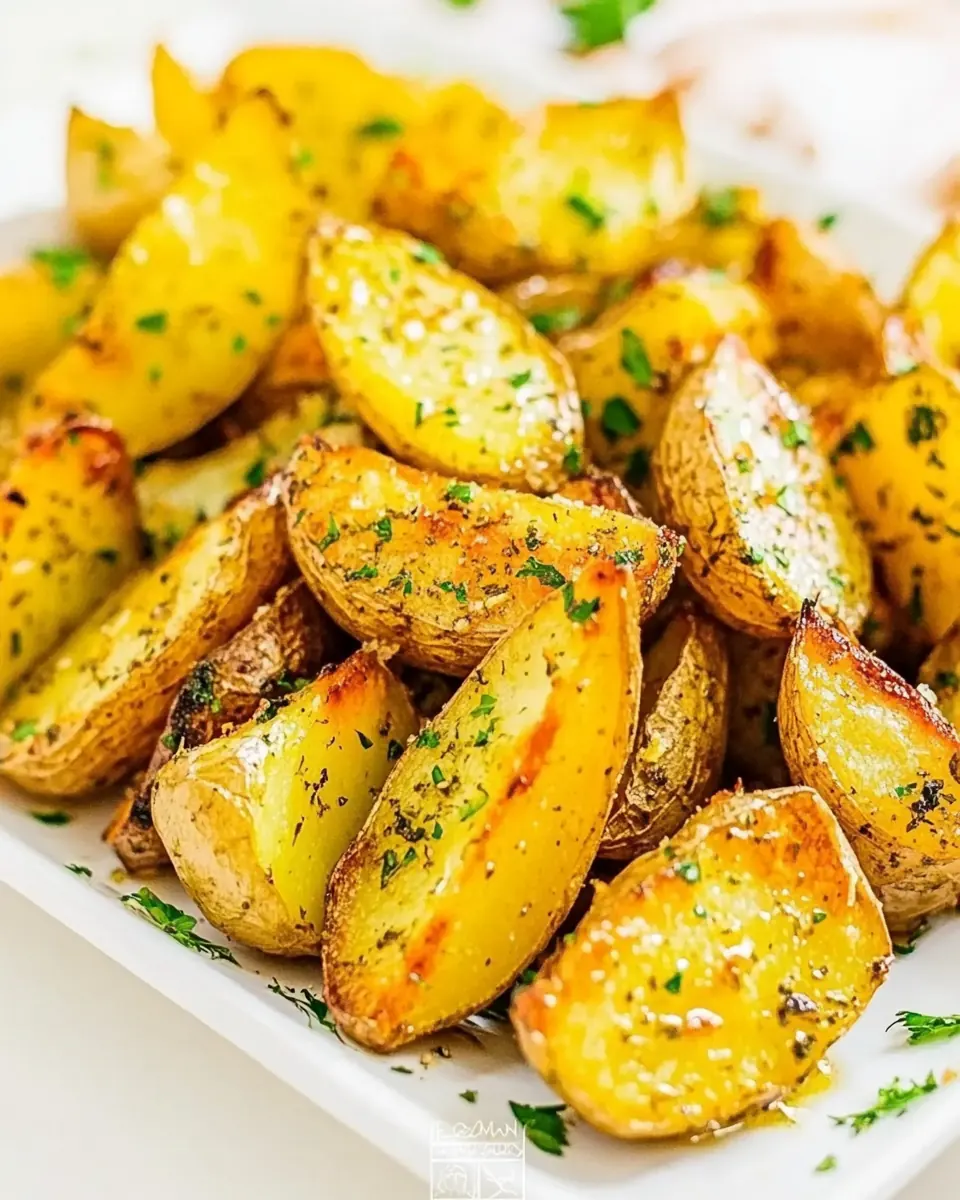
Roasted Fingerling Potatoes
Ingredients
Equipment
Method
- Preheat the oven to 375º F.: You will feel the warmth build as the oven comes up, and the small hum before it clicks into steady heat is your cue to prep the pan. A properly preheated oven ensures even roasting, which is why this step matters. If you skip preheating, the potatoes may cook unevenly and fail to develop those golden edges. Common mistake to avoid is not giving the oven enough time to reach temperature, which can add 5 to 10 minutes to your overall cooking time.
- Wash the potatoes thoroughly and cut lengthwise. Place them onto a large (about 12×17 inches), non-stick baking sheet in a single layer.: As you wash, you will notice the soil rinse away and the skins shine; that tactile moment helps you decide if they need scrubbing. Cutting lengthwise exposes more surface area for browning and creates a pleasing shape on the plate. A single layer is crucial because overlapping pieces steam instead of roast, resulting in limp skins. One common error is crowding the pan, which prevents proper caramelization and yields soggy spots.
- Season the potatoes with salt and pepper, and drizzle with olive oil. Using your hands, mix the potatoes, making sure they are covered with oil. Turn them cut-side down, and bake for 15 minutes.: When you rub the olive oil and seasonings in, you should feel the skins take on a silky coating, and you will smell the pepper and salt lift the natural aroma. Turning them cut-side down encourages direct contact with the hot sheet, which promotes browning and a slightly crisp rim. The initial bake develops a foundation of texture. Avoid tossing with metal utensils that can scrape skins, and do not skip turning cut-side down, otherwise you lose concentrated caramelization.
- In the meantime, mix together the veggie broth, lemon juice, garlic, and oregano.: As you whisk these elements, the sharp citrus scent from the lemon juice will balance the savory, vegetal notes of the vegetable broth , while the minced garlic releases a fragrant edge. This mixture acts as an infusion so the potatoes pick up flavor internally as the liquid reduces. A poorly mixed infusion can lead to uneven flavor, so taste the liquid and adjust if the lemon feels too assertive.
- Remove the potatoes from the oven and pour the veggie broth mixture on top. Bake for an additional 20-25 minutes, or until the liquid has disappeared and the potatoes are cooked through.: When you pour the broth, listen for a gentle hiss as it hits the hot pan and take in the steam that carries the herb and garlic aromas. The liquid will bubble and then slowly reduce, concentrating flavors and tenderizing the centers. Visual cues include the surface beginning to brown and the pan being nearly dry. A typical pitfall is adding too much liquid, which can prevent crisping and extend cooking time; measure carefully for consistent results.
- Once cooked, remove the potatoes from the oven and flip them cut-side up. Broil for 5-7 minutes, until they brown a bit. Sprinkle them with freshly chopped parsley, if desired.: The broil step creates a short, intense burst of heat that crisps the exposed flesh and produces lively, toasted notes. Watch closely during broiling because the visual change happens quickly from golden to burnt. You will hear small crackles as moisture evaporates and smell a deeper roasted scent. A common mistake is walking away during broil; staying attentive prevents charring and ensures the perfect finish.
Notes
- Roast with herbs: Add a mix of fresh herbs like parsley or thyme after cooking to add fresh aroma and color without altering the roasting process.
- Switch the citrus: Use a splash of orange juice instead of lemon juice for a sweeter, more caramelized finish; balance with a touch less broth if your citrus is very sweet.
- Make it spicy: Stir in a pinch of red pepper flakes to the broth mixture for a gentle heat that builds with each bite.
- Double the batch: Roast two sheet pans and keep one warm in a low oven if serving a crowd, they hold their texture well at 200º F for short periods.
- Meal prep friendly: Store leftovers in an airtight container in the fridge for up to three days, and reheat in a skillet to restore crispness.