Strawberry Ricotta Scones
Strawberry Ricotta Scones began as a sunlit Saturday experiment when I wanted something that felt both tender and celebratory, a treat to share at a tiny brunch with friends. I remember pulling a cold tub of ricotta cheese from the fridge, thinking about how its creamy texture could keep a scone moist without weighing it down. That first bite, still warm from the oven, had that perfect contrast of a delicate crumb and bursts of bright strawberry juice, and I knew I had a recipe worth repeating.
Over time I learned to pay attention to small decisions that change everything, like how cold butter should look in the dough, or how a quick rub of sugar and lemon zest wakes up the strawberry aroma. I often make a batch when I want company, because these scones are forgiving, and they tell a soft story on the table, not trying to impress so much as to comfort. Each weekend I tweak one tiny thing and take notes, then notice which version my friends ask for by name.
When I first tested this formula I scribbled a list of sensory cues to trust: the dough should be tacky but not clingy, the top should shiver slightly when you tap it, and the edges should be golden while the center stays pillowy. Those little signs keep you calm in the kitchen, and they make the process enjoyable instead of tense. I like to serve these warm, with an extra bowl of turbinado sugar nearby for guests who want extra sparkle.
Recipe Snapshot
35 mins
15 mins
20 mins
Easy
200 kcal
American
Gluten-Free, Low FODMAP
Breakfast
Baking sheet, Parchment paper, Mixing bowls, Pastry cutter, Wire rack
What We Adore About This Strawberry Ricotta Scones
Bright, Balanced Flavor
I love how the combination of strawberry, lemon zest, and ricotta cheese creates a lively flavor profile. The lemon zest and a touch of lemon juice lift the natural sweetness of the strawberries, while the ricotta cheese gives a subtle dairy tang that keeps the crumb moist. This trio makes every bite taste thoughtful without being heavy.
Texture That Feels Like a Hug
These scones strike a pleasing contrast between a slightly crisp exterior and an interior that is soft and tender. Using cold, cubed butter ensures small pockets of fat remain, melting in the oven to create a flakey structure. I like when the top is gently golden with a light sparkle of turbinado sugar, because that little crunch makes the crumb feel all the more luxurious.
Accessible Ingredients
One of the reasons I return to this recipe is how approachable the pantry list is. Most of the components like all-purpose flour, granulated sugar, and baking powder are staples, and the only fresh item that truly matters is the strawberry. That means you can pull this together on short notice and still end up with something special.
Forgiving Technique
I appreciate that the dough tolerates a little handling and the ricotta makes it more forgiving than a dry biscuit-style dough. You do not need artisanal tools to succeed. If your dough gets a touch sticky, a light dusting of flour while shaping keeps things manageable, and the scones still bake up beautifully.
Perfect for Sharing
Finally, these scones are inherently social. They are easy to portion into wedges or rounds, and they travel well to picnics or morning gatherings. I often double the batch when I know company is coming, because they vanish fast, and they make a humble brunch feel considered.
Strawberry Ricotta Scones Shopping List
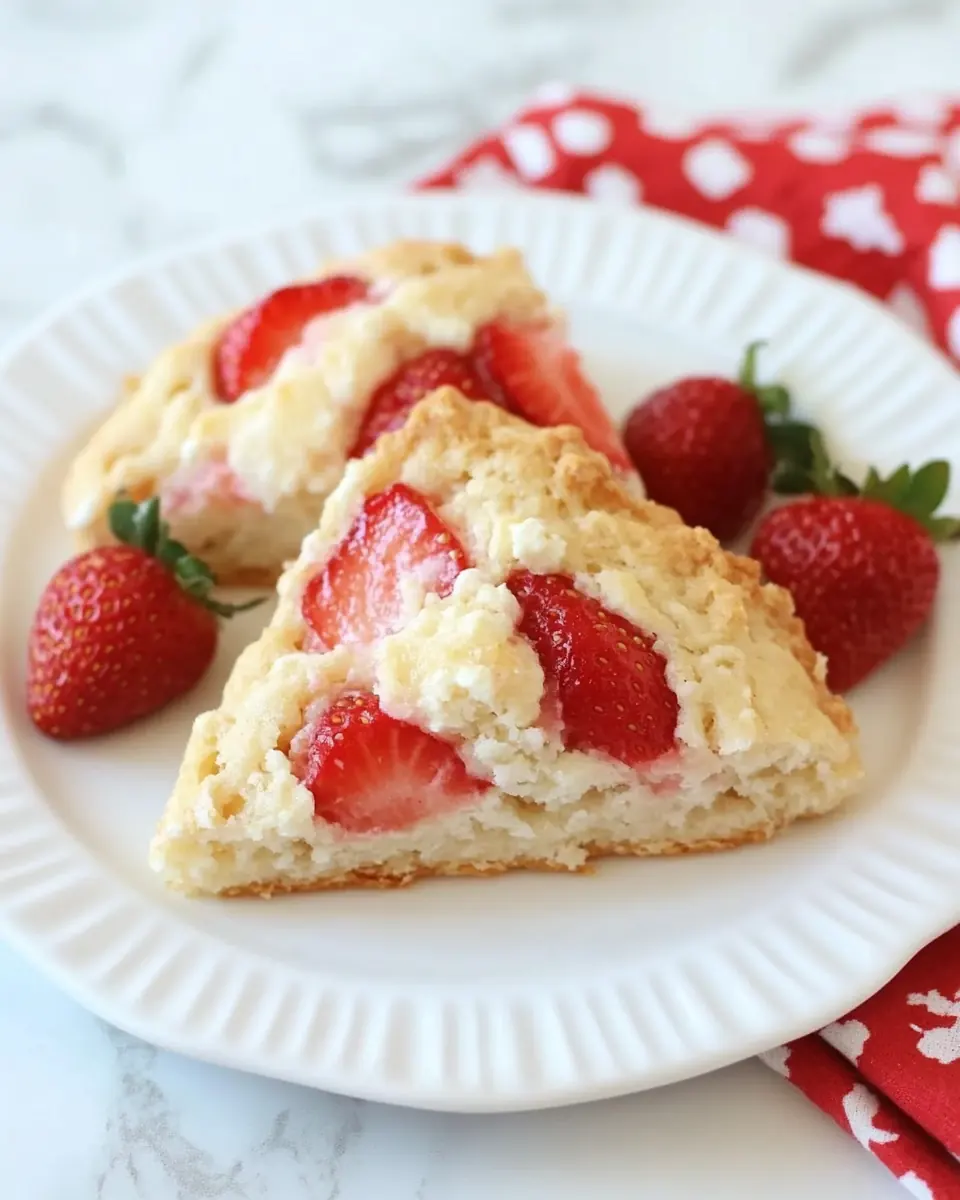
These ingredients come together to balance richness, lift, and bright berry notes. The ricotta cheese keeps the crumb tender while the butter creates flakiness. Strawberries add fresh bursts of juiciness and the lemon zest and lemon juice provide a citrus counterpoint that keeps the sweetness lively. Each element plays a clear role in texture and flavor.
- 1 large egg: Whisk together to help bind wet ingredients and add tenderness and richness to the scone dough, contributing to a golden crust when baked.
- 1/2 cup buttermilk: Provide acidity and moisture to tenderize the dough and react with leaveners, adding a subtle tang that balances the sweetness in the scones.
- 2 tablespoons fresh lemon juice: Add bright acidity and fresh citrus aroma to brighten the overall flavor, cutting richness and enhancing the strawberry and ricotta notes.
- 1 teaspoon vanilla extract: Impart warm, sweet aromatic notes that enhance the overall flavor profile and complement the lemon and vanilla-scented dough.
- 1/2 cup ricotta cheese: Lend creamy moisture and a delicate milky richness that keeps scones tender while adding a mild tang that pairs well with strawberries.
- 3 tablespoons granulated sugar: Contribute sweetness and help with browning, balancing the tartness of lemon and strawberries while slightly caramelizing during baking.
- 2 tablespoons lemon zest: Release fragrant citrus oils that intensify lemon flavor and aroma, elevating the scones with fresh, zesty brightness throughout the dough.
- 2 cups all-purpose flour: Form the structural base of the scones by providing starch and gluten for shape and texture, determining crumb and density when mixed.
- 2 1/4 teaspoons baking powder: Provide chemical leavening to create lift and lightness, producing tender, flaky layers when activated by the dough’s moisture and acidity.
- 1/4 teaspoon baking soda: Work with acidic components to add gentle lift and tenderness, helping balance pH and contributing to a fine crumb structure.
- 1/4 teaspoon salt: Enhance and balance flavors while controlling fermentation and chemical reactions, ensuring the scones taste rounded rather than flat.
- 1/2 cup cold butter cut into small cubes: Contribute cold fat that creates flaky layers and tender crumb when cut into the flour, producing a desirable buttery richness.
- 1 cup chopped fresh strawberries: Introduce juicy fruit pockets and fresh sweetness, adding bursts of strawberry flavor and color that complement the ricotta and lemon.
- Milk or heavy cream for brushing the scones: Brush on the scones before baking to promote browning and shine, helping any sugar on top adhere and creating an appealing crust.
- Turbinado sugar for sprinkling on scones: Sprinkle on top for a crunch and coarse sparkle that adds contrast to the soft interior while providing a caramelized sweetness.
Cooking Method for Strawberry Ricotta Scones
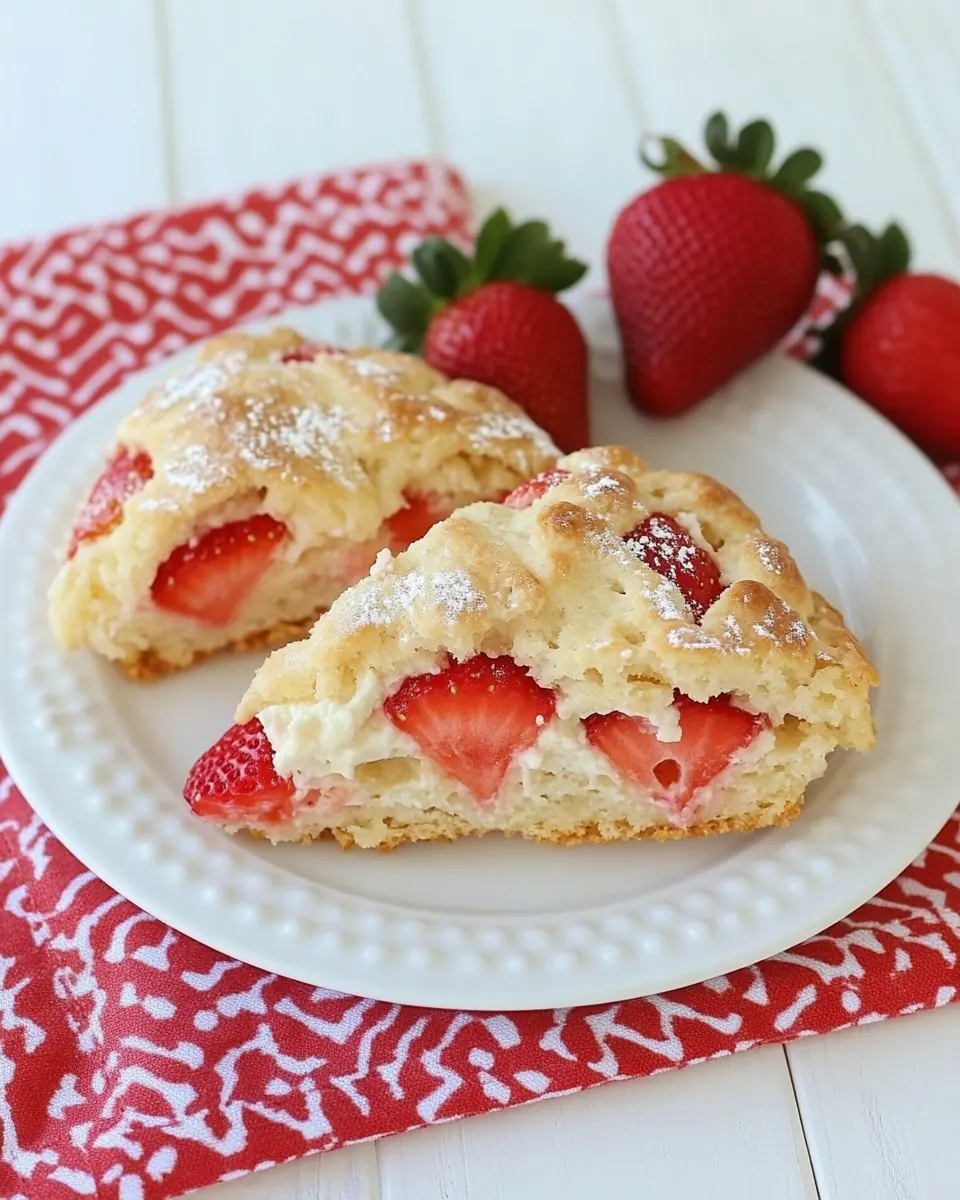
These directions transform simple pantry staples into tender, fruit studded scones with a slightly crisp top. The steps guide you through mixing, shaping, and baking, with attention to temperature and texture so the final scones feel light and moist. Read each step, listen for visual and tactile cues, and trust small adjustments if necessary.
- Preheat the oven to 400°F. Line a large baking sheet with parchment paper or a Silpat baking mat and set aside.: You will notice the oven warming with a clean dry heat smell that signals readiness, and lining the sheet prevents sticking and promotes even browning. Preheating is essential because scones rely on an immediate burst of heat to create lift and flaky layers. A common mistake is to skip full preheating, which can result in heavier scones. If your oven runs hot, rotate the pan midway to ensure even color.
- Whisk together the egg, buttermilk, lemon juice, and vanilla in a medium bowl. Add the ricotta cheese and whisk until combined. There will still be a few lumps. Set aside.: The mixture will look slightly frothy and smell bright from the lemon juice and warm from the vanilla extract ; lumps in the ricotta cheese are fine because they melt into pockets that keep the scone moist. This wet blend should feel cool to the touch, which helps the cold butter remain solid when mixed into the dry ingredients. One trap is overwhisking, which can thin the mixture too much and affect texture.
- In a small bowl, combine the sugar and lemon zest. Rub together with your fingers until fragrant. In another large bowl, whisk together the flour, baking powder, baking soda, salt, and lemon sugar mixture. Add the butter pieces to the flour mixture and toss with a fork just until the butter is coated with flour. Using a pastry cutter, fork, or your hands, cut the butter into the flour until you have a mixture of pea-sized or slightly larger clumps of butter and flour.: Rubbing the lemon zest into the granulated sugar releases aromatic citrus oils that perfume the dry mix; you will smell the citrus right away. The flour mixture should have a sandy texture with visible flecks of cold butter , signaling that those pockets will steam in the oven to create a flaky interior. Avoid warming the butter with your hands; if it softens, chill the bowl briefly before proceeding.
- Pour the liquid ingredients over the dry ingredients and stir with a spatula until just combined. Don’t overmix the dough. Gently fold in the strawberries. Turn out the dough onto a well floured space and gently and shortly knead the dough. If the dough is too sticky, you can add a little bit of flour as you knead. Pat the dough down into a disk, about 1/2 inch thick. Cut the dough into 8 wedges or cut into rounds with a biscuit or cookie cutter.: As you mix, the batter will transform from dry crumbs to a cohesive, slightly tacky dough; stop when streaks of flour disappear to avoid a tough result. Folding in the chopped strawberries should be gentle to keep the fruit from bleeding too much juice into the dough, which would make it soggy. When you press the dough into a disk, it should hold its shape and feel cool; overworking will develop gluten and make the scones dense. A frequent error is adding too much flour while kneading; add only a dusting to control stickiness.
- Transfer the scones to the prepared baking sheet and brush with milk or heavy cream. Sprinkle scones with turbinado sugar. Bake for about 15-20 mins, or until the scones are golden brown. Let cool on a wire rack and serve.: Brushing the tops with milk or heavy cream creates Maillard reaction for a golden color and helps the coarse turbinado sugar stick and glisten. You should hear a faint crackle as the edges set and see the tops take on an even golden hue; that visual cue marks readiness. Cooling briefly on a wire rack lets steam escape so the bottoms do not become soggy. A common slip is baking too long for a deep brown color which dries the interior; watch the scones in the final minutes.
- Note – the dough is sticky due to the ricotta cheese. You might have to add more flour when kneading. Just try to be gentle and not overwork the dough.: The tackiness from the ricotta cheese gives a tender result, and the dough should remain slightly adhesive rather than dry and crumbly; if you add flour, do so sparingly to preserve moisture. You will feel the difference when shaping the disk, it should be pliable and cool. Overhandling to fix stickiness will tighten the crumb and reduce tenderness. If you find your hands getting warm, chill the dough briefly before cutting.
Recipe Notes about Strawberry Ricotta Scones
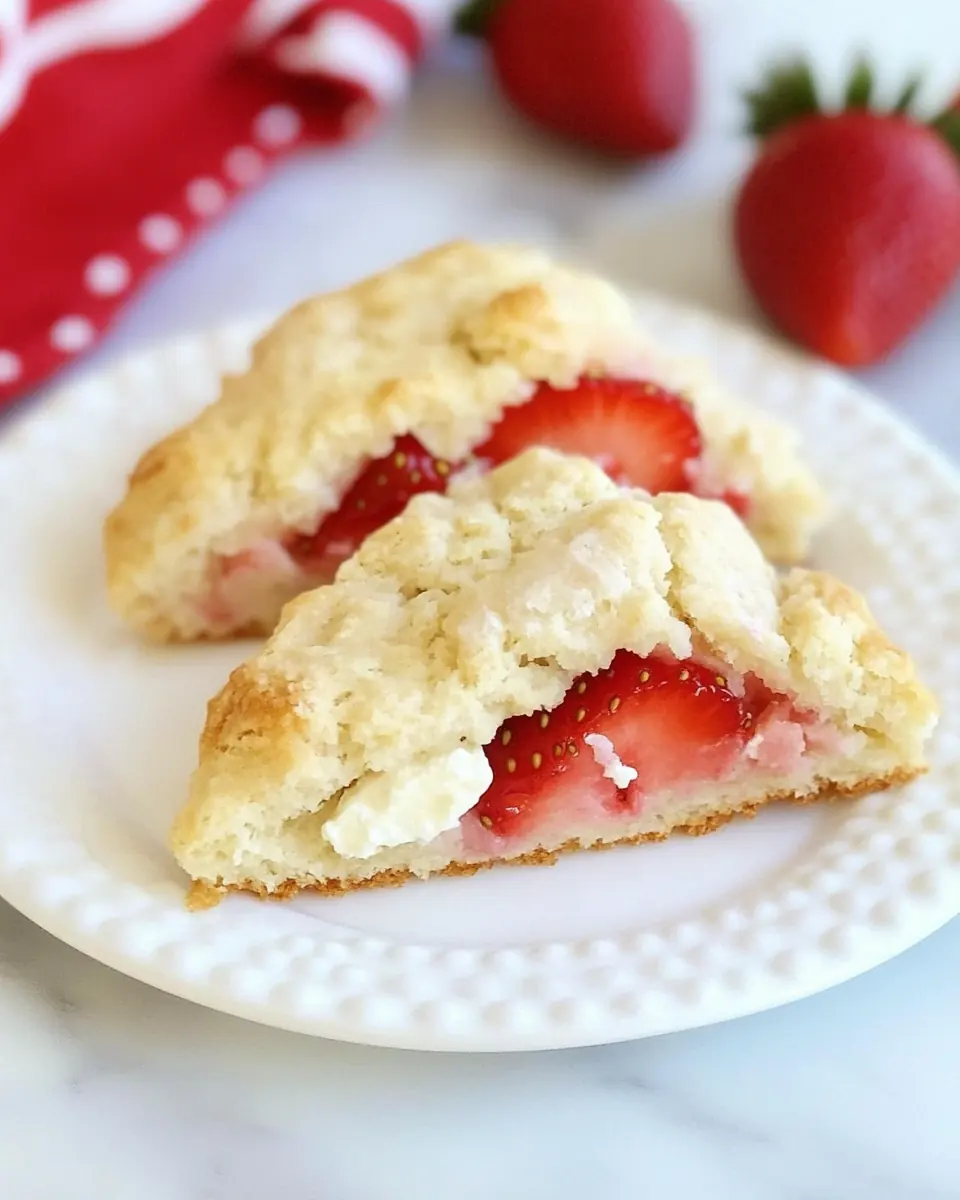
These notes expand on small technique and timing choices that make a big difference. Below are practical tips I use when I want consistent results, from ingredient temperature to handling and reheating. Each item highlights one focused action that improves texture or flavor.
- Keep the butter very cold Right before cutting the butter into the flour, pop it in the freezer for a few minutes if your kitchen is warm, cold fat ensures flakiness during baking.
- Use room temperature egg but cool wet mix Crack the egg into the liquid and whisk quickly, but ensure the overall wet mixture stays cool so it does not soften the butter.
- Measure flour correctly Spoon the all-purpose flour into your measuring cup and level it off instead of scooping directly from the bag to avoid dense scones.
- Gently fold in strawberries Use a spatula to fold in the chopped strawberries to retain distinct fruit pockets and avoid bleeding too much juice into the dough.
- Chill briefly if dough warms If your hands warm the dough while shaping, wrap and chill for 10 minutes to firm the butter and make cutting cleaner.
- Watch baking time closely Start checking at 15 minutes; visual cues like a golden top and a slight spring indicate doneness to prevent overbaking.
What to Pair With Strawberry Ricotta Scones
These scones pair beautifully with simple additions that complement their bright and creamy profile. Think light spreads, fresh fruit, and warm beverages that echo the citrus and berry notes. Serve them at casual brunches, afternoon tea, or a spring gathering for a naturally festive touch.
- Fresh fruit platter A small selection of sliced seasonal fruit complements the strawberry inside the scones and keeps the spread light and colorful for a brunch table.
- Soft whipped cream or clotted cream Serve a bowl of softly whipped cream for guests to add a decadent, smooth contrast to the slightly crunchy turbinado sugar tops.
- Light spreads Offer a mild, lightly sweet jam to echo the strawberry flavor without overpowering the citrus and ricotta cheese notes.
- Herbal tea or mild coffee A gentle herbal tea or a low acidity coffee complements the scones, highlighting the aromatic lemon zest and berry flavors without masking them.
- Occasions These are ideal for springtime brunches, baby showers, or a relaxed weekend morning. Their fresh profile suits celebrations that call for something light and joyful.
- Storage tips Store cooled scones in an airtight container at room temperature for up to two days, or freeze individually wrapped for up to two months. Rewarm gently to restore the soft interior.
- Seasonal pairing In spring, lean into bright accompaniments like a citrus salad; the lemon zest in the scones harmonizes with other fresh flavors.
FAQ
Conclusion
These Strawberry Ricotta Scones shine because they balance creamy richness with bright, fruity notes and a tender, flaky texture. They are approachable to make and forgiving, thanks to the moisture-retaining quality of the ricotta and simple mixing steps, making them perfect for casual brunches or a weekend treat. Try the recipe with ripe, firm strawberries and cold butter, and you will be rewarded with warm, fragrant scones that make any morning feel a little more special.
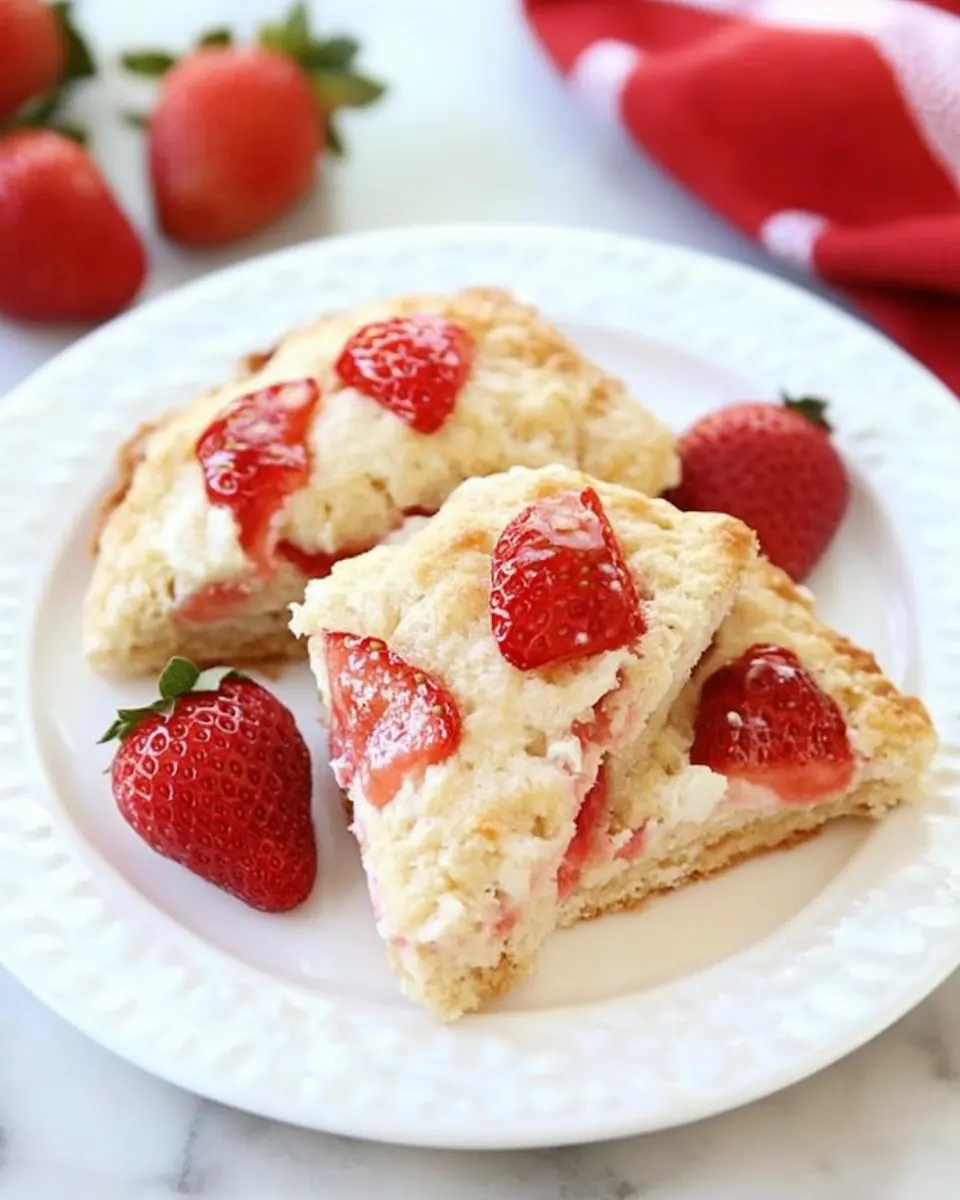
Strawberry Ricotta Scones
Ingredients
Equipment
Method
- Preheat the oven to 400°F. Line a large baking sheet with parchment paper or a Silpat baking mat and set aside.: You will notice the oven warming with a clean dry heat smell that signals readiness, and lining the sheet prevents sticking and promotes even browning. Preheating is essential because scones rely on an immediate burst of heat to create lift and flaky layers. A common mistake is to skip full preheating, which can result in heavier scones. If your oven runs hot, rotate the pan midway to ensure even color.
- Whisk together the egg, buttermilk, lemon juice, and vanilla in a medium bowl. Add the ricotta cheese and whisk until combined. There will still be a few lumps. Set aside.: The mixture will look slightly frothy and smell bright from the lemon juice and warm from the vanilla extract ; lumps in the ricotta cheese are fine because they melt into pockets that keep the scone moist. This wet blend should feel cool to the touch, which helps the cold butter remain solid when mixed into the dry ingredients. One trap is overwhisking, which can thin the mixture too much and affect texture.
- In a small bowl, combine the sugar and lemon zest. Rub together with your fingers until fragrant. In another large bowl, whisk together the flour, baking powder, baking soda, salt, and lemon sugar mixture. Add the butter pieces to the flour mixture and toss with a fork just until the butter is coated with flour. Using a pastry cutter, fork, or your hands, cut the butter into the flour until you have a mixture of pea-sized or slightly larger clumps of butter and flour.: Rubbing the lemon zest into the granulated sugar releases aromatic citrus oils that perfume the dry mix; you will smell the citrus right away. The flour mixture should have a sandy texture with visible flecks of cold butter , signaling that those pockets will steam in the oven to create a flaky interior. Avoid warming the butter with your hands; if it softens, chill the bowl briefly before proceeding.
- Pour the liquid ingredients over the dry ingredients and stir with a spatula until just combined. Don’t overmix the dough. Gently fold in the strawberries. Turn out the dough onto a well floured space and gently and shortly knead the dough. If the dough is too sticky, you can add a little bit of flour as you knead. Pat the dough down into a disk, about 1/2 inch thick. Cut the dough into 8 wedges or cut into rounds with a biscuit or cookie cutter.: As you mix, the batter will transform from dry crumbs to a cohesive, slightly tacky dough; stop when streaks of flour disappear to avoid a tough result. Folding in the chopped strawberries should be gentle to keep the fruit from bleeding too much juice into the dough, which would make it soggy. When you press the dough into a disk, it should hold its shape and feel cool; overworking will develop gluten and make the scones dense. A frequent error is adding too much flour while kneading; add only a dusting to control stickiness.
- Transfer the scones to the prepared baking sheet and brush with milk or heavy cream. Sprinkle scones with turbinado sugar. Bake for about 15-20 mins, or until the scones are golden brown. Let cool on a wire rack and serve.: Brushing the tops with milk or heavy cream creates Maillard reaction for a golden color and helps the coarse turbinado sugar stick and glisten. You should hear a faint crackle as the edges set and see the tops take on an even golden hue; that visual cue marks readiness. Cooling briefly on a wire rack lets steam escape so the bottoms do not become soggy. A common slip is baking too long for a deep brown color which dries the interior; watch the scones in the final minutes.
- Note - the dough is sticky due to the ricotta cheese. You might have to add more flour when kneading. Just try to be gentle and not overwork the dough.: The tackiness from the ricotta cheese gives a tender result, and the dough should remain slightly adhesive rather than dry and crumbly; if you add flour, do so sparingly to preserve moisture. You will feel the difference when shaping the disk, it should be pliable and cool. Overhandling to fix stickiness will tighten the crumb and reduce tenderness. If you find your hands getting warm, chill the dough briefly before cutting.
Notes
- Keep the butter very cold Right before cutting the butter into the flour, pop it in the freezer for a few minutes if your kitchen is warm, cold fat ensures flakiness during baking.
- Use room temperature egg but cool wet mix Crack the egg into the liquid and whisk quickly, but ensure the overall wet mixture stays cool so it does not soften the butter.
- Measure flour correctly Spoon the all-purpose flour into your measuring cup and level it off instead of scooping directly from the bag to avoid dense scones.
- Gently fold in strawberries Use a spatula to fold in the chopped strawberries to retain distinct fruit pockets and avoid bleeding too much juice into the dough.
- Chill briefly if dough warms If your hands warm the dough while shaping, wrap and chill for 10 minutes to firm the butter and make cutting cleaner.
- Watch baking time closely Start checking at 15 minutes; visual cues like a golden top and a slight spring indicate doneness to prevent overbaking.