No Bake Chilled Cheesecake
No Bake Chilled Cheesecake has been my go to when I want something that feels special without a lot of fuss. The first time I made this, a friend dropped by unannounced and I had minutes to pull a dessert together, so I reached for a simple crumb base and a bowl of room temperature cream cheese. We sat on the couch while it chilled, and the way the filling smoothed out into a silky slice felt like a small victory worth celebrating.
Over the years I learned how the balance of textures makes all the difference. The crunchy crumb is the anchor, while the cool, airy filling gives the pies a light lift. I also began experimenting with how long to chill it, and which citrus notes brighten the filling without stealing the show. For warm evenings and casual dinners, this version of No Bake Chilled Cheesecake always earns compliments and an easy second helping request.
Recipe Snapshot
30 mins
30 mins
0 mins
Easy
350 kcal
American
Gluten-Free, Low FODMAP
Desserts
8 ” Springform pan, 7″ (18cm) square loose base baking tin, 5 X 4″ (12cm x 10cm) springform pan
The Beauty of This No Bake Chilled Cheesecake
Textural Contrast That Wins
I love how No Bake Chilled Cheesecake delivers a crunchy base and an unbelievably creamy filling. The contrast is what makes each forkful interesting, and it brings a restaurant level feel without complicated techniques.
Speed and Ease
I can usually get the crust set and the filling mixed in under an hour, then let the fridge do the rest. That hands off time makes it ideal for busy days when you still want something homemade to share.
Adaptable to Toppings
We can dress this simply with fresh fruit or go bold with a rich sauce. The filling is a forgiving canvas, so I often change toppings to match the season or guest preferences.
Gentle, No Heat Method
Because this recipe does not use heat, the flavors remain bright and the texture stays soft rather than dense. If you prefer a lighter dessert after a heavy meal, this chilled approach is perfect.
Reliable for Gatherings
I trust No Bake Chilled Cheesecake for casual get togethers and special occasions alike. It holds up well in the fridge and is easy to portion, which takes the stress out of hosting.
Everything You Need for No Bake Chilled Cheesecake
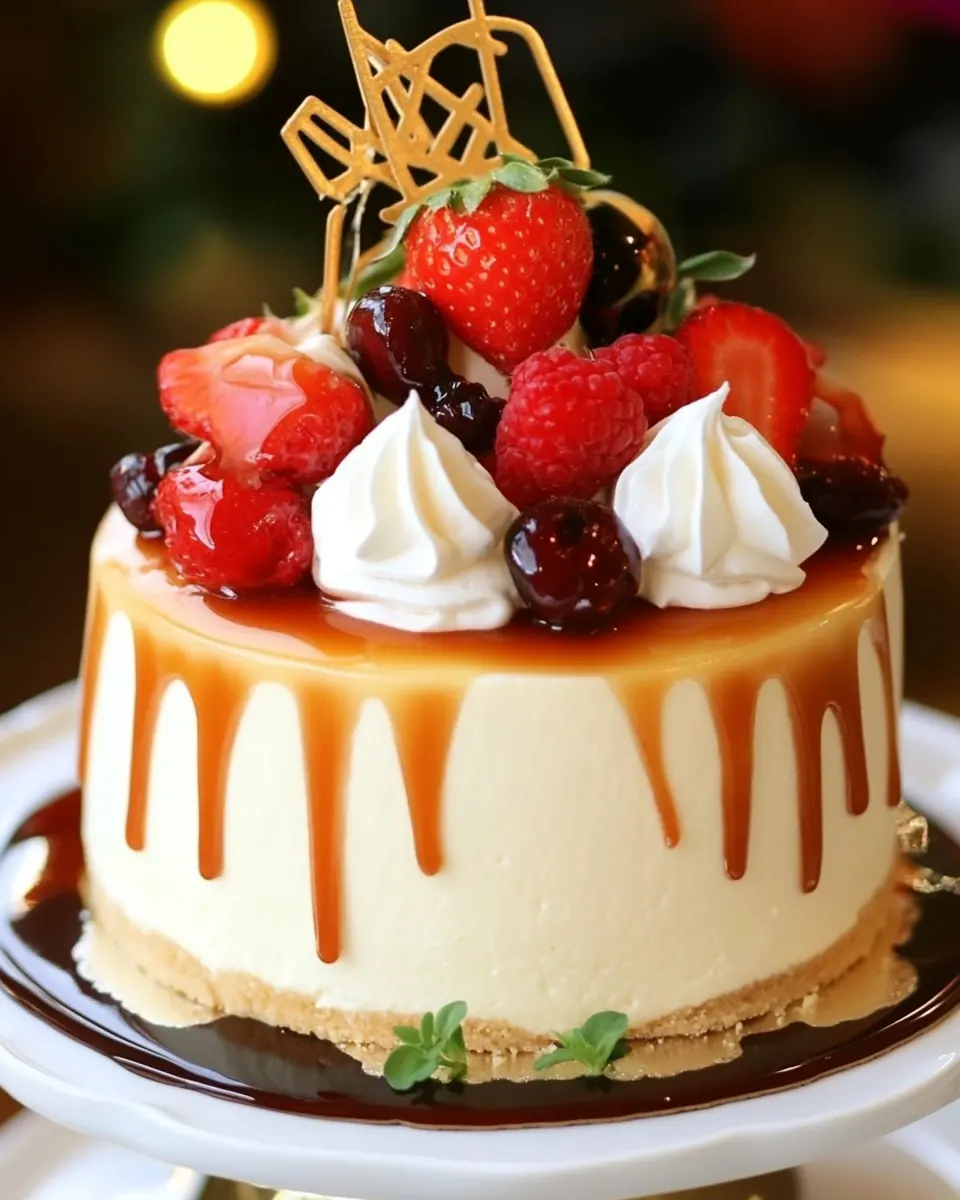
These ingredients are intentionally simple, focusing on three key players: the crumb, the rich cheese filling, and the whipped cream that lightens everything up. Each component plays a defined role so the final texture is creamy yet stable, and the flavor is balanced between sweet and bright.
- 7 oz (200 g) graham cracker, or Oreo, crushed (approx 2 cups): Crushed to form the base layer and provide structure for the cheesecake crust, adding a crunchy texture contrast to the creamy filling. Combine with melted butter to bind the crumbs together and press evenly into the pan for a firm foundation. Use either graham crackers for a classic flavor or Oreos for a sweeter, chocolatey variation.
- 1/2 stick butter, melted: Melted to bind the crushed crackers into a cohesive crust, contributing richness and helping the base hold its shape without baking. Add gradually and adjust quantity to achieve a compact, sliceable foundation. Distribute evenly to ensure consistent texture beneath the filling.
- 2 blocks cream cheese: Softened and blended to create the rich, creamy body of the cheesecake, offering a smooth texture and tangy dairy flavor. Beat thoroughly to remove lumps and incorporate air for a lighter consistency while still maintaining firmness after chilling. Use at room temperature to ensure even integration with other filling components.
- 120 g (4⅕ oz) sugar: Granulated sugar used to sweeten the cream cheese mixture, balancing its tang and enhancing overall flavor. Dissolve into the filling mixture to maintain a smooth texture and prevent grittiness. Adjust sweetness cautiously if using sweetened crumbs like Oreos.
- 1 tablespoon lemon juice: Added to provide bright acidity that balances the richness of the cream cheese, enhancing flavor complexity and preventing the filling from tasting flat. Stir into the cream cheese mixture to distribute tang evenly and brighten the overall profile. Also helps slightly loosen the texture for easier mixing.
- 1 3/4 cup whipping cream: Whipped to soft or stiff peaks to lighten the filling, introducing air and a delicate mouthfeel while increasing volume without baking. Fold gently into the sweetened cream cheese base to preserve aeration and avoid deflation. Chilled whipping cream also helps the cheesecake set firmly when refrigerated.
- 2 tablespoons sugar: Used to sweeten the whipped cream component, adding subtle sweetness without overpowering the filling and helping stabilize the whipped texture. Sprinkle in while whipping to ensure even distribution and help achieve desired peak firmness. Taste and adjust to maintain balanced sweetness in the final dessert.
Making This No Bake Chilled Cheesecake
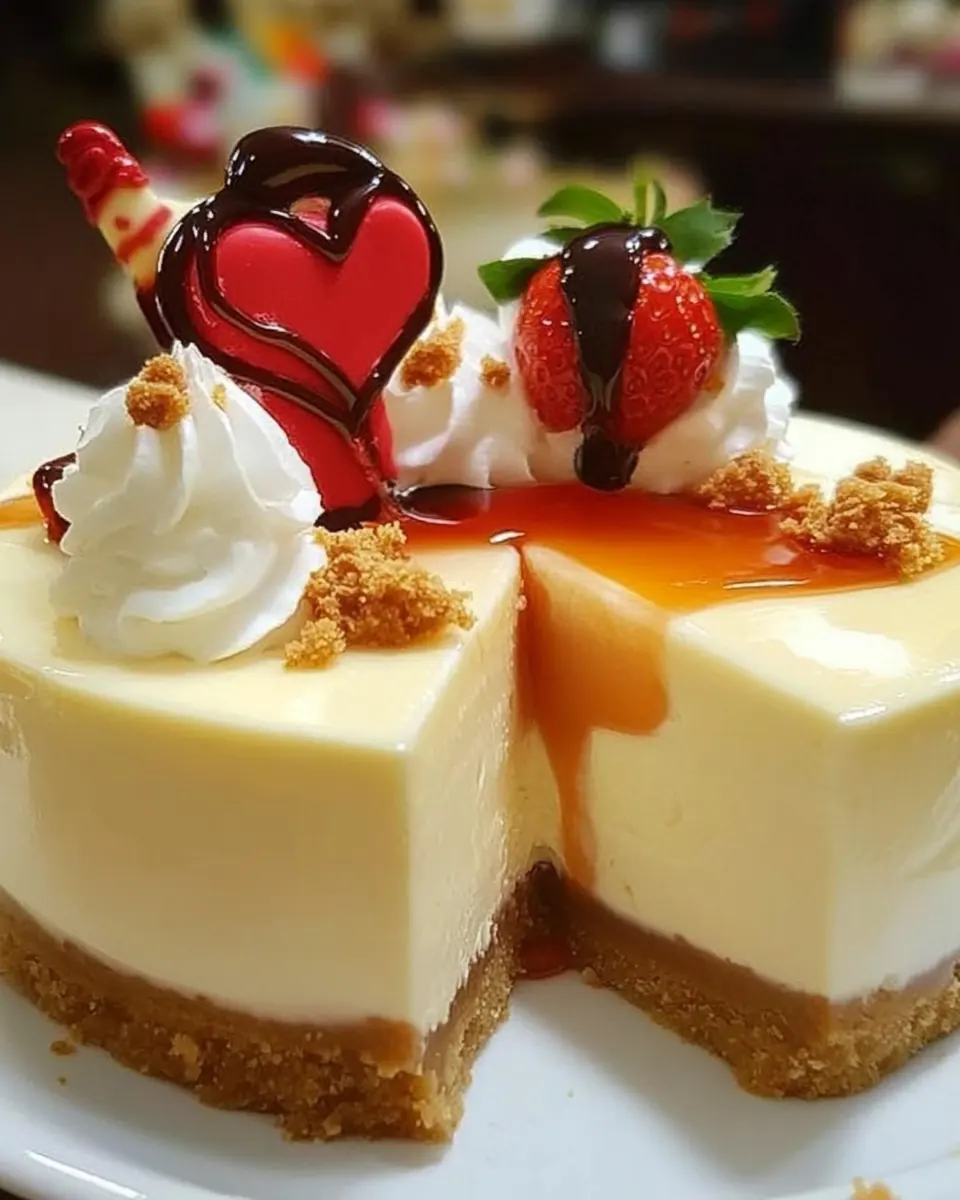
The method is straightforward and forgiving. Start by preparing the crust and chilling it while you make the filling. Then combine the creamy elements and fold gently to keep the texture light, pour into your prepared pan and let the refrigerator do the work overnight for best results.
- Combine ingredients (A) and press them into the springform pan. Chill in the refrigerator.: The smell of warm butter with the crushed crumbs is comforting and signals the base is coming together. Pressing should be firm and even so the crust holds when sliced, using the back of a spoon or a measuring cup to compact the mix into a smooth, uniform layer. You want tactile feedback, the surface should feel solid under pressure and not crumble apart. If the crumbs shift, it means they are not compacted enough, so press again focusing on the edges to create a defined rim. A common mistake is pressing too lightly, which results in a loose crust that falls apart when serving. Chill the assembled crust for at least 20 to 30 minutes to let the butter set and lock the crumb structure, this helps prevent a soggy interface when the filling is added.
- Beat the cream cheese from ingredients (B) until smooth on low speed. Add the sugar and lemon juice, and mix well on medium speed until smooth.: Right away you will notice the rich aroma of cream cheese as it softens, and the texture should shift from dense to velvety during mixing. Start slow to break down the blocky texture without incorporating air, then increase speed to fully blend in the sugar and lemon juice , which should leave the bowl with a glossy, lump free consistency. The lemon juice brightens the flavor and balances the richness; too much can make the mixture tangy, so stick to the measured amount. If the mixture looks curdled, it likely means the cream cheese was too cold; let it sit at room temperature briefly and rebeat on low to rescue the texture. Avoid overbeating which can make the filling runny and prevent proper setting later.
- From ingredients (C), whip the cream and sugar until medium peaks form and the mixture is no longer runny.: As you whip the cold whipping cream with the small amount of sugar , listen for the change in sound from soft to firmer thumps, and watch the surface transform into glossy swirls. Medium peaks mean the cream holds shape but still yields slightly when the whisk is lifted, offering lift without stiffness. Chilling the bowl and whisk beforehand helps the cream whip faster and achieve stable peaks. A usual pitfall is whipping too far to stiff peaks which makes folding difficult and can create a grainy mouthfeel once combined. If the cream becomes too stiff, loosely stir in a tablespoon of liquid cream to soften it back to medium peaks.
- Combine the cheese mixture and whipped cream. Pour into the prepared pan and chill overnight.: When you fold the airy whipping cream into the dense cheese mixture, you will notice a change in weight and texture as it lightens dramatically, going from thick to an airy, mousse like filling. Use a gentle folding motion to preserve the whipped structure, scraping the sides so everything is homogenous but not deflated. The smell should be clean and slightly tangy from the lemon juice , and the color pale and smooth. Pour the filling into the chilled crust and level the top for an even set. Refrigerating overnight allows the filling to firm and all flavors to marry, providing cleaner slices. A common mistake is rushing the chill time, which results in a soft, unset center, so give it at least eight hours or ideally overnight for the best texture.
Change It Up
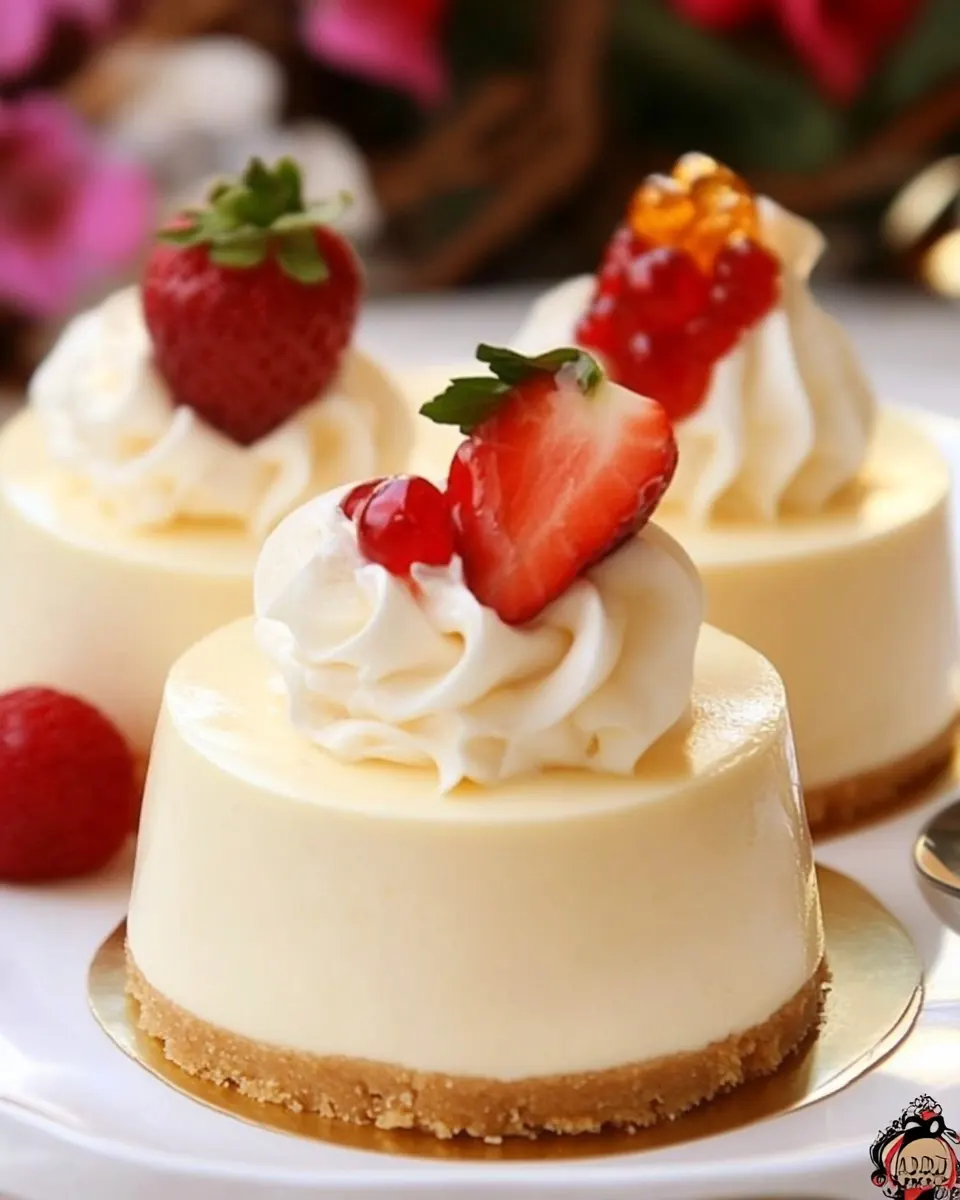
Small swaps and presentation choices let you personalize No Bake Chilled Cheesecake. Below are helpful tips and variations, expanded from the notes, to guide you through toppings, containers, and serving options that fit different occasions.
- Warm your knife before slicing Warm a thin chef knife under hot water, wipe dry, and slice the chilled cake in steady motions to get neat clean pieces, wiping the blade between cuts to avoid smudged edges.
- Use different containers Try individual cups, ramekins, or glasses instead of a springform pan for single servings, divide the mixture evenly to ensure consistent set and chilling time across portions.
- Swap toppings freely Fresh fruits, berry compote, crushed nuts, caramel sauce, or chocolate ganache all change the flavor profile dramatically, pick a topping that complements the creamy filling without overpowering it.
- No gelatin needed Because this recipe sets from chilled dairy structure rather than gelatin, the texture remains soft and luxurious, but plan for firm chilling time rather than quick set options.
- Storing and serving Keep the cheesecake covered in the fridge for up to three days for best texture, and remove it 10 to 15 minutes before serving so the slices are slightly softer and more flavorful.
What Goes Well With This No Bake Chilled Cheesecake
A chilled cheesecake pairs wonderfully with light accompaniments and seasonal touches. Below are ideas for pairing, occasions, storage, and presentation, presented as practical options for serving and enjoying this dessert.
- Fresh berries A spoonful of raspberries or sliced strawberries provides a tart contrast that brightens the creamy filling and adds a refreshing burst each bite.
- Fruit compote Warm or cooled berry compote spooned over the top gives a jam like richness and beautiful visual appeal, suitable for brunch or a casual dinner.
- Crumbled nuts Toasted almonds or hazelnuts add texture and a toasty note that pairs with the sweet, creamy profile of the cheesecake.
- Chocolate drizzle A light ganache or chocolate sauce creates a richer, decadent option for special occasions and pairs well with an Oreo crumb base.
- Occasions This dessert works for summer gatherings, birthday celebrations, or festive dinners where you want something make ahead and effortless to serve.
- Storage tips Store covered in the fridge for up to three days, or freeze individual slices in airtight containers for up to one month, thawing overnight in the fridge before serving.
- Portioning For parties, consider serving in individual cups to simplify plating and speed up service, plus guests enjoy a tidy single serving.
- Seasonal pairings In summer, pair with citrus segments or stone fruit, while in cooler months choose spiced compotes or caramel to add warmth.
FAQ
Conclusion
This No Bake Chilled Cheesecake stands out because it combines a buttery crumb with an airy, creamy filling that sets in the refrigerator for effortless, elegant results. Give it a try the next time you need a make ahead dessert that still feels special, and don’t be shy about changing toppings to suit the season. I hope you enjoy how simple ingredients can create a memorable finish to any meal; it has become a staple in my repertoire for good reason.
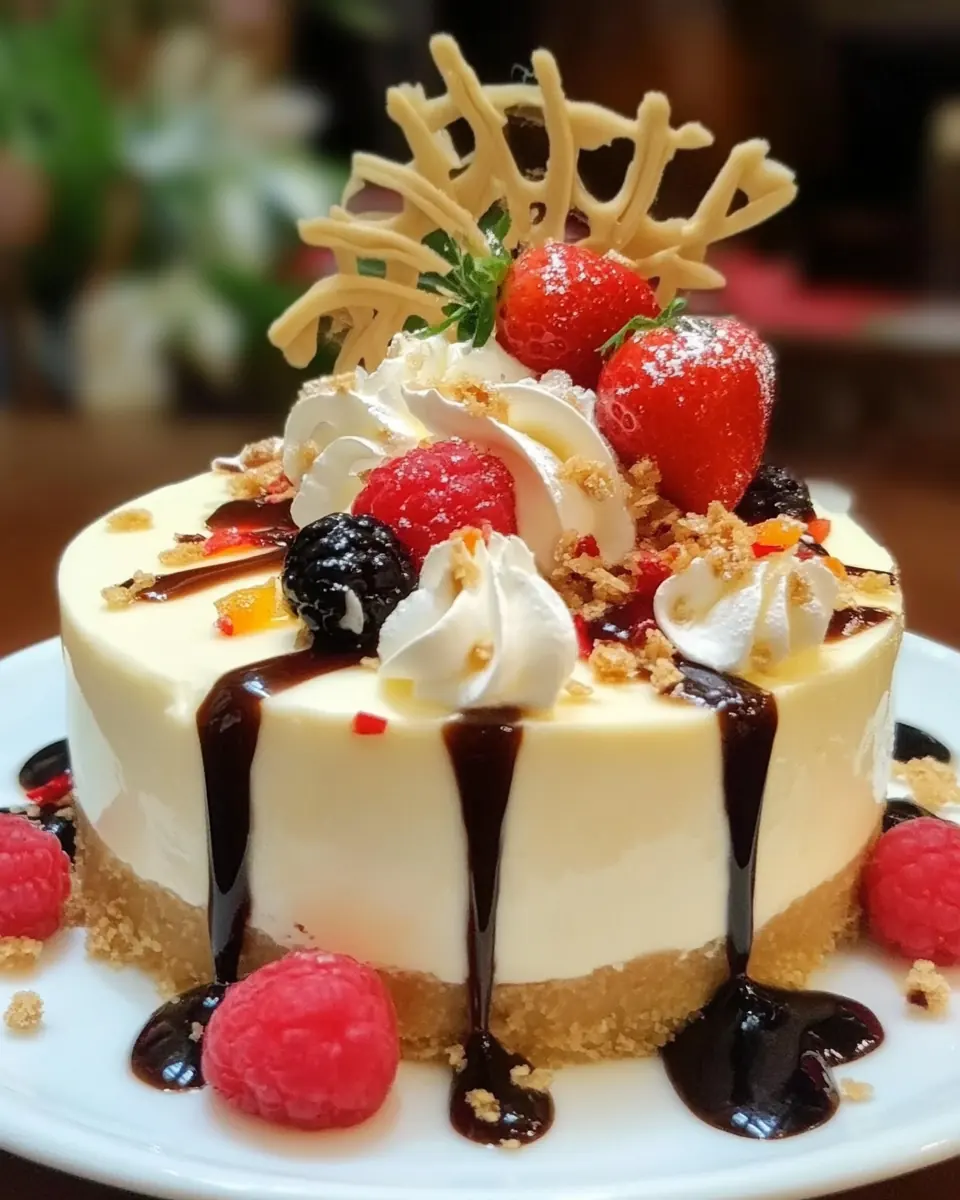
No Bake Chilled Cheesecake
Ingredients
Equipment
Method
- Combine ingredients (A) and press them into the springform pan. Chill in the refrigerator.: The smell of warm butter with the crushed crumbs is comforting and signals the base is coming together. Pressing should be firm and even so the crust holds when sliced, using the back of a spoon or a measuring cup to compact the mix into a smooth, uniform layer. You want tactile feedback, the surface should feel solid under pressure and not crumble apart. If the crumbs shift, it means they are not compacted enough, so press again focusing on the edges to create a defined rim. A common mistake is pressing too lightly, which results in a loose crust that falls apart when serving. Chill the assembled crust for at least 20 to 30 minutes to let the butter set and lock the crumb structure, this helps prevent a soggy interface when the filling is added.
- Beat the cream cheese from ingredients (B) until smooth on low speed. Add the sugar and lemon juice, and mix well on medium speed until smooth.: Right away you will notice the rich aroma of cream cheese as it softens, and the texture should shift from dense to velvety during mixing. Start slow to break down the blocky texture without incorporating air, then increase speed to fully blend in the sugar and lemon juice , which should leave the bowl with a glossy, lump free consistency. The lemon juice brightens the flavor and balances the richness; too much can make the mixture tangy, so stick to the measured amount. If the mixture looks curdled, it likely means the cream cheese was too cold; let it sit at room temperature briefly and rebeat on low to rescue the texture. Avoid overbeating which can make the filling runny and prevent proper setting later.
- From ingredients (C), whip the cream and sugar until medium peaks form and the mixture is no longer runny.: As you whip the cold whipping cream with the small amount of sugar , listen for the change in sound from soft to firmer thumps, and watch the surface transform into glossy swirls. Medium peaks mean the cream holds shape but still yields slightly when the whisk is lifted, offering lift without stiffness. Chilling the bowl and whisk beforehand helps the cream whip faster and achieve stable peaks. A usual pitfall is whipping too far to stiff peaks which makes folding difficult and can create a grainy mouthfeel once combined. If the cream becomes too stiff, loosely stir in a tablespoon of liquid cream to soften it back to medium peaks.
- Combine the cheese mixture and whipped cream. Pour into the prepared pan and chill overnight.: When you fold the airy whipping cream into the dense cheese mixture, you will notice a change in weight and texture as it lightens dramatically, going from thick to an airy, mousse like filling. Use a gentle folding motion to preserve the whipped structure, scraping the sides so everything is homogenous but not deflated. The smell should be clean and slightly tangy from the lemon juice , and the color pale and smooth. Pour the filling into the chilled crust and level the top for an even set. Refrigerating overnight allows the filling to firm and all flavors to marry, providing cleaner slices. A common mistake is rushing the chill time, which results in a soft, unset center, so give it at least eight hours or ideally overnight for the best texture.
Notes
- Warm your knife before slicing Warm a thin chef knife under hot water, wipe dry, and slice the chilled cake in steady motions to get neat clean pieces, wiping the blade between cuts to avoid smudged edges.
- Use different containers Try individual cups, ramekins, or glasses instead of a springform pan for single servings, divide the mixture evenly to ensure consistent set and chilling time across portions.
- Swap toppings freely Fresh fruits, berry compote, crushed nuts, caramel sauce, or chocolate ganache all change the flavor profile dramatically, pick a topping that complements the creamy filling without overpowering it.
- No gelatin needed Because this recipe sets from chilled dairy structure rather than gelatin, the texture remains soft and luxurious, but plan for firm chilling time rather than quick set options.
- Storing and serving Keep the cheesecake covered in the fridge for up to three days for best texture, and remove it 10 to 15 minutes before serving so the slices are slightly softer and more flavorful.