Lemon Garlic Baked Chicken Dinner
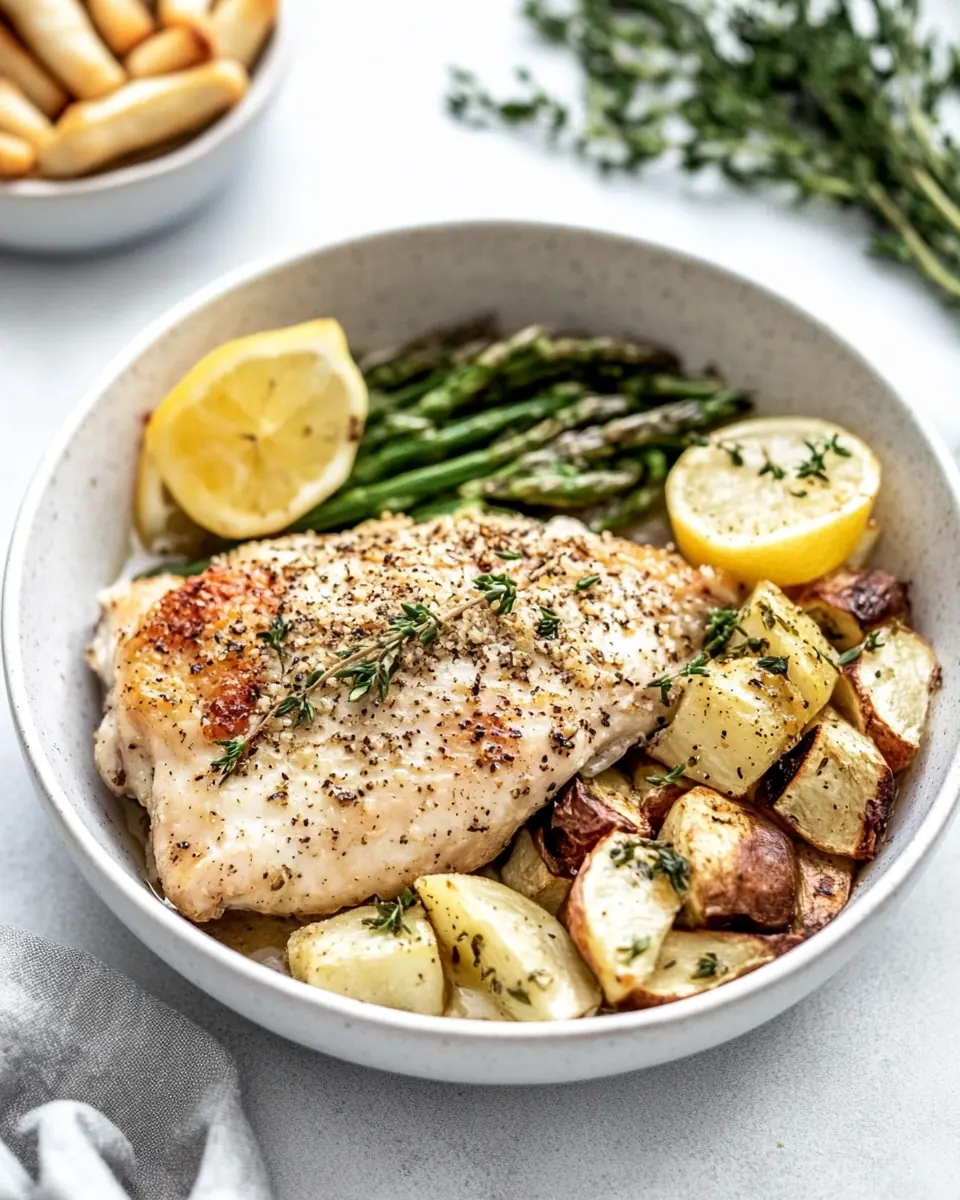
Lemon Garlic Baked Chicken Dinner is one of those meals I turn to when I want something comforting, bright, and effortless yet special enough for a Sunday night.
I remember the first time I combined chicken with lemon and garlic and roasted it with baby potatoes and asparagus, it felt like the kind of home cooking that quietly impresses everyone at the table. That night, the kitchen filled with sharp citrus and roasted garlic notes, and my partner kept peeking into the oven to see when the golden edges would appear. I love how the jus from the chicken mingles with the melted parmesan cheese on the potatoes, each forkful offering a balance of tang, savory, and a little crisp.
Over the years I refined the technique so the vegetables and chicken finish at the same moment without fuss. Nothing fancy, just thoughtful small touches, like pounding the breasts thin for even cooking and using lemon zest and juice for layered citrus flavor. If you’re someone who prefers minimal clean up and big flavor, this is your kind of baked supper. I’ll share what I do, what to watch for, and how to rescue things when they look like they might overcook, so you can walk away confident and with dinner on the table.
Recipe Snapshot
45 mins
15 mins
30 mins
Medium
400 kcal
American
Gluten-Free, Paleo
Dinner
Baking sheet, Parchment paper, Rolling pin, Small bowl, Meat thermometer
Why This Lemon Garlic Baked Chicken Dinner Shines
Bright, Balanced Flavor
I adore how Lemon Garlic Baked Chicken Dinner layers citrusy brightness over savory roasted notes. The combination of lemon zest and juice with garlic cuts through the richness of the chicken and parmesan cheese, so every bite feels lively rather than heavy. I often tell friends this recipe is proof that simple ingredients can sing when paired thoughtfully.
One Pan Convenience
One of the reasons I keep coming back to Lemon Garlic Baked Chicken Dinner is the minimal cleanup. Roasting the potatoes, chicken, and asparagus together lets the juices mingle, saving time and kitchen effort. When I’m short on energy, I appreciate that the sheet pan method still delivers layered textures, from crisp edges to tender centers.
Reliable Weeknight Performer
I find this recipe perfect for an easy weeknight dinner. The prep is approachable and forgiving, and small adjustments like changing the herb from rosemary to another favorite won’t break the dish. It hits the sweet spot between cozy and quick, which is why I recommend it for busy evenings.
Textural Contrast
I love the contrast between the roasted, slightly crispy potatoes edged with parmesan cheese and the juicy, tender chicken. The asparagus adds a fresh snap that keeps the plate feeling balanced. These contrasts make every forkful interesting, which is why guests always ask for seconds.
Flexible and Forgiving
Lemon Garlic Baked Chicken Dinner adapts well to what you have on hand. I’ve swapped the vegetables a few times with great results, and the flavor profile holds up. For me, that flexibility is a huge selling point when planning weeknight menus or last minute guests.
Ingredients to Make Lemon Garlic Baked Chicken Dinner
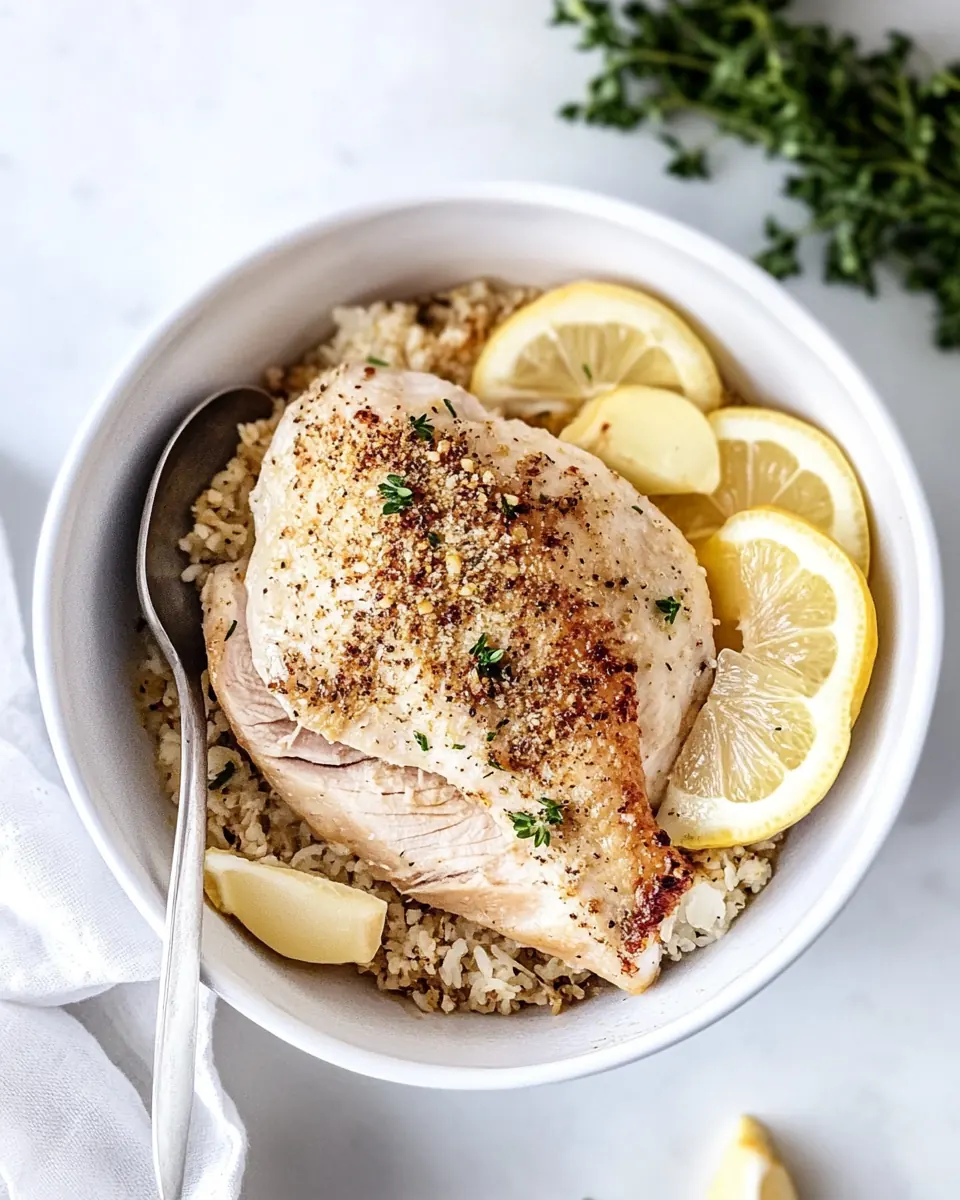
These ingredients are intentionally straightforward, each playing a clear role: the potatoes provide body and caramelized texture, the chicken is the protein and flavor carrier, and the asparagus contributes a fresh green element. Olive oil, garlic, lemon, and rosemary create an aromatic backbone that ties everything together, while parmesan cheese adds savory umami and a salty crust on the potatoes.
- 1 lb baby red potatoes, quartered: Quartered to ensure even cooking and crisp edges, adds a creamy, earthy base to the dish and soaks up lemon–garlic flavors during roasting.
- 2 large boneless skinless chicken breasts, trimmed and pounded thin: Pounded thin to promote quick, uniform cooking and tender texture, provides the main protein element and easily absorbs marinades for enhanced flavor.
- 1 lb asparagus, trimmed: Trimmed to remove tough ends and ensure consistent tenderness, contributes a fresh, slightly grassy note and offers a bright, textural contrast to potatoes and chicken.
- 3 tsp olive oil, divided: Divided to control coating and roasting, supplies fat for browning and helps distribute garlic and lemon flavors across vegetables and chicken.
- 2 tsp garlic, minced, divided: Minced and divided to infuse intense aromatic flavor, delivers pungent garlicky depth throughout the dish while softening and mellowing during baking.
- 1 medium lemon, zest and juice: Zested and juiced to supply bright citrus aroma and acidity, balances richness, brightens flavors, and helps tenderize the chicken slightly.
- 1 tsp salt, divided: Divided to season both vegetables and chicken evenly, provides essential savory balance and enhances the overall flavor profile without overpowering.
- 1/2 tsp black pepper, divided: Divided to add mild heat and aromatics, contributes warm peppery notes that lift the dish while being adjusted to taste during preparation.
- 1/4 cup parmesan cheese, grated: Grated to offer a nutty, salty finishing touch, melts slightly when baked to create a savory crust and enhances umami without overwhelming other flavors.
- 1 tbsp rosemary, freshly chopped or 1 tsp dried: Freshly chopped or measured dried to contribute herbal, piney fragrance, complements lemon and garlic while adding a subtle earthy complexity to the roast.
How to Cook Lemon Garlic Baked Chicken Dinner
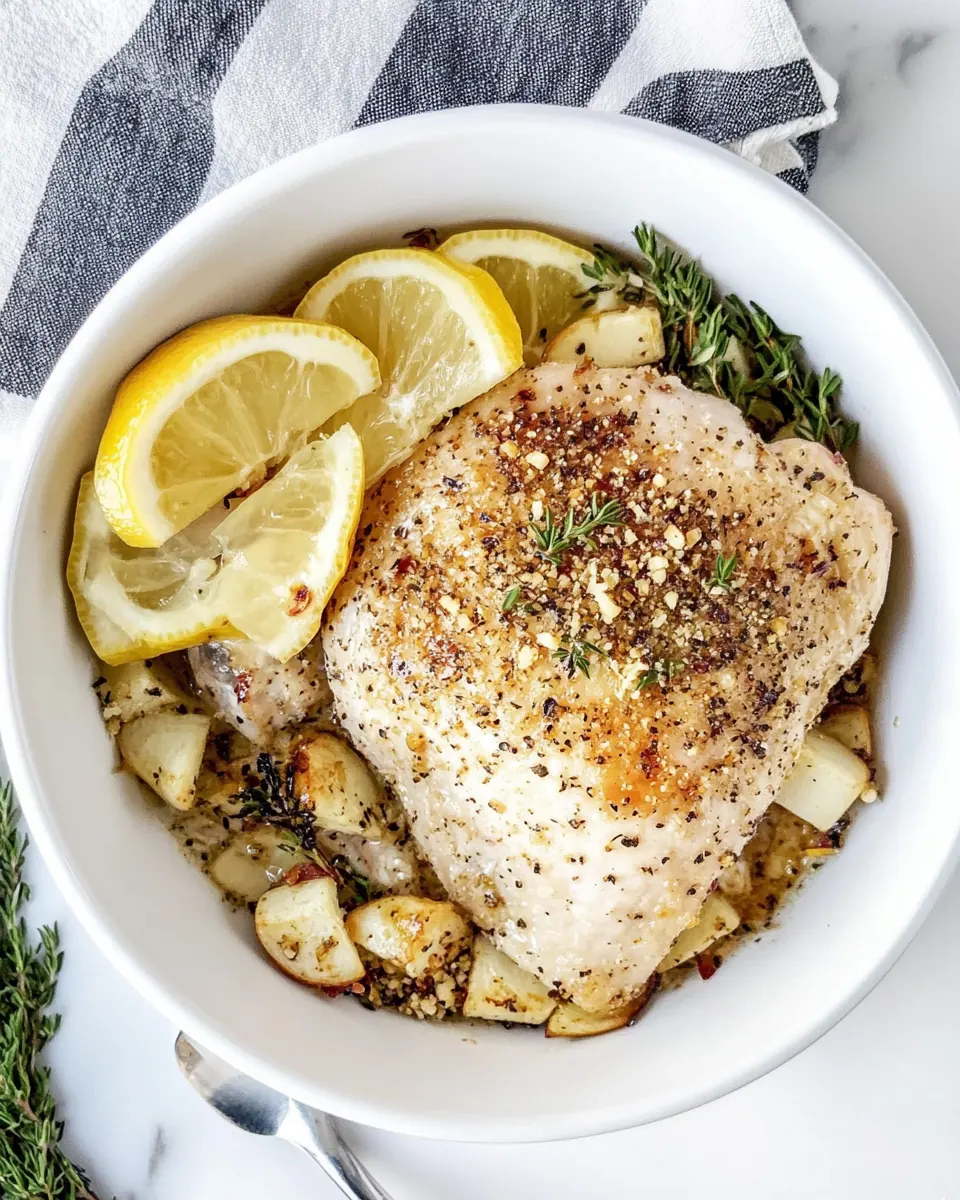
This method is straightforward and designed to synchronize the potatoes, chicken, and asparagus so they finish together. Follow the timeline and sensory cues I describe to know when things are perfectly roasted and when to rest the meat for juicier slices.
- Preheat oven to 425 degrees F. Line a baking sheet with foil and coat with non-stick spray.: The moment the oven reaches high heat you will notice a dry warmth in the air, which sets the stage for rapid browning and crisp edges on the potatoes . Using foil and non stick spray keeps cleanup minimal and reflects heat for even roasting. If you skip lining the pan you may scorch the sheet, and food will stick, making cleanup harder. A common mistake is not waiting for the oven to fully preheat, which leads to uneven roasting and longer cook times.
- Add potatoes to baking sheet and drizzle with 1 tsp olive oil, 1 tsp minced garlic, 1/2 tsp salt and 1/4 tsp black pepper. Use clean hands to evenly coat potatoes and push potatoes to one side of the baking sheet, being sure to keep them in an even layer. Bake in oven for 10 minutes.: You will smell the garlic begin to warm and the olive oil start to shimmer as the oven heat hits the pan. Even spacing is critical for crisping; crowded pieces steam instead of roast. When they start to brown at the edges and smell nutty, they are ready for the next step. A troubleshooting tip is to check that pieces are similar size, quartering ensures uniform doneness. Avoid piling them up, which prevents that golden crust formation.
- Meanwhile, place chicken breast between two sheets of parchment paper and pound to an even thickness using a rolling pin or heavy bottomed pan. In a small dish combine 1 tsp olive oil with 1/2 tsp garlic, 1/2 tsp salt, 1/4 tsp black pepper, 1 tsp lemon zest, 1 tbsp lemon juice and 1 tbsp chopped rosemary (reduce to 1 tsp if using dried herbs).: As you pound, the chicken will soften and flatten, making it receptive to the lemon garlic mixture and ensuring even cooking. The aromatics in the marinade release fragrant oils that you can almost taste when you brush it on. Use gentle, even strikes to avoid tearing the meat. If the breast is uneven, it will cook unevenly and some parts may dry out—pounding fixes this. Be careful not to overmix the marinade, because too much liquid can prevent the herbs from adhering.
- Remove the potatoes from the oven and carefully place the chicken breasts on the baking sheet in the center. Brush the chicken breasts with the lemon rosemary mixture. Stir the potatoes and top with the parmesan cheese.: The potatoes should show signs of browning and a tender interior when probed with a fork. Placing the chicken in the center puts it in the oven hotspot and allows juices to mingle with the vegetables. Brushing the meat distributes the herbaceous citrus blend which will caramelize slightly on the surface, creating savory pockets of flavor. Sprinkle the parmesan cheese over the warm potatoes so it melts and forms a crisp layer. Be cautious when moving hot pans to avoid burns, and use a spatula to prevent tearing the meat or scraping melted cheese off the sheet.
- Add the trimmed asparagus to the remaining 1/3 of the baking sheet and drizzle with 1 tsp olive oil and season with salt and pepper. Continue baking at 425 degrees F. for an additional 20 minutes, until chicken breast is cooked through (165 degrees F) and potatoes are tender. Remove from oven and let rest for about 5 minutes before slicing the chicken. Enjoy!: During the last 20 minutes, listen for gentle sizzling as the pan crisps and watch the asparagus tips darken to a lively green while the stalks soften. The high temperature helps the chicken develop a browned exterior while retaining juices inside; the internal temperature should reach 165 degrees F . A resting period is essential, as it allows juices to redistribute and prevents them from escaping when you slice. Overcooking is the most common issue here; remove the pan promptly when the thermometer reads the target and the potatoes are fork tender, otherwise the meat can dry. Let it rest on the cutting board and slice with a sharp knife for clean presentation.
Tips and Variations
This recipe is forgiving and adaptable, so small changes can personalize it without derailing results. Below are my favorite tips and simple variations to keep things interesting and reliably delicious.
- Control oven heat: Preheat fully to 425 degrees F so the potatoes and chicken get that immediate blast of heat needed for crisping and caramelization.
- Pound evenly: Flatten chicken breasts to uniform thickness to avoid dry edges and undercooked centers, which ensures a juicy finish.
- Parmesan finishing: Add the parmesan cheese to the potatoes after the first roast so it melts and crisps without burning, creating savory contrast.
- Herb adjustments: If you only have dried rosemary, use less because dried herbs are concentrated; adjust to taste but avoid over seasoning.
- Vegetable swaps: If you prefer, substitute green beans, broccoli, or Brussels sprouts for the asparagus, keeping in mind different veg may need a slightly longer or shorter roast time.
- Tent if necessary: If the asparagus or potatoes brown faster than desired, loosely tent that area with foil to slow browning while the rest finishes.
Serving Suggestions
This dish presents beautifully and suits many occasions from casual weeknights to relaxed weekend dinners. Serve straight from the pan or transfer to a platter for a slightly elevated look. Below are thoughtful serving ideas and pairing notes to round out the meal.
- Serve family style: Place the roasted chicken, potatoes, and asparagus on a large platter so everyone can help themselves at the table.
- Light dinner: For an easy weeknight option, pair a single portion with a crisp green salad dressed lightly with lemon and olive oil for balance.
- Casual gathering: This recipe works well for small groups because it scales easily, and you can roast additional pans in sequence to serve more people.
- Seasonal pairing: In spring, the fresh snap of asparagus feels especially appropriate; consider serving with seasonal greens for a cohesive menu.
- Storage tips: Store leftovers in an airtight container in the fridge for up to three days. Rewarm gently in a low oven to maintain texture, and avoid the microwave which can make the chicken rubbery.
- Serving style: Slice the chicken against the grain for tender bites, and spoon any accumulated juices from the pan over the top to keep each plate moist.
FAQ
Conclusion
Lemon Garlic Baked Chicken Dinner shines because it balances bright citrus, savory garlic, and textured roasted vegetables in one easy pan. The method is forgiving, family friendly, and flexible, making it a reliable choice for weeknights or casual gatherings. I encourage you to give it a try, follow the sensory cues and timing, and adjust herbs or vegetables to suit your tastes. With a little attention to even layering and resting the meat, you’ll have a flavorful, satisfying meal that feels special without the fuss.
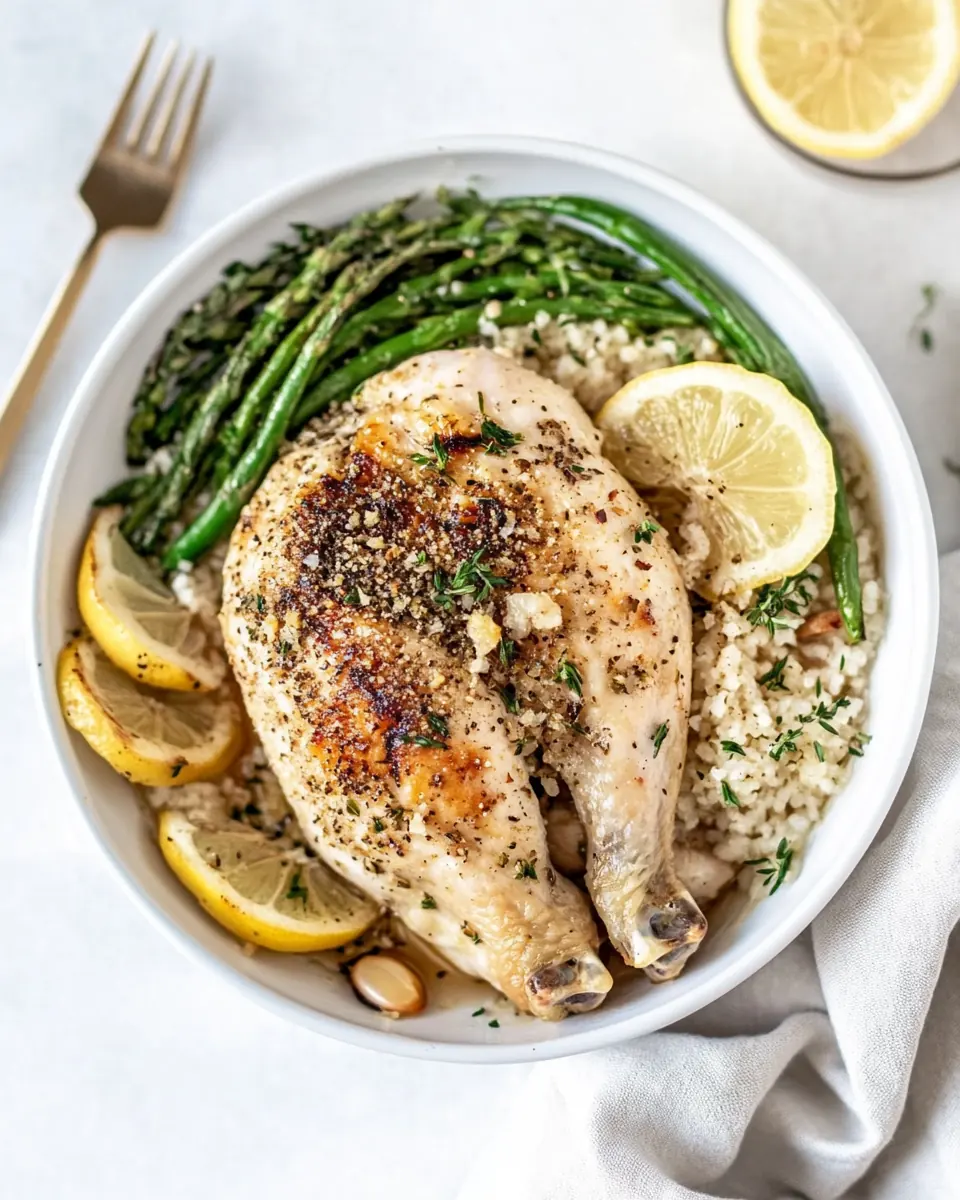
Lemon Garlic Baked Chicken Dinner
Ingredients
Equipment
Method
- Preheat oven to 425 degrees F. Line a baking sheet with foil and coat with non-stick spray.: The moment the oven reaches high heat you will notice a dry warmth in the air, which sets the stage for rapid browning and crisp edges on the potatoes . Using foil and non stick spray keeps cleanup minimal and reflects heat for even roasting. If you skip lining the pan you may scorch the sheet, and food will stick, making cleanup harder. A common mistake is not waiting for the oven to fully preheat, which leads to uneven roasting and longer cook times.
- Add potatoes to baking sheet and drizzle with 1 tsp olive oil, 1 tsp minced garlic, 1/2 tsp salt and 1/4 tsp black pepper. Use clean hands to evenly coat potatoes and push potatoes to one side of the baking sheet, being sure to keep them in an even layer. Bake in oven for 10 minutes.: You will smell the garlic begin to warm and the olive oil start to shimmer as the oven heat hits the pan. Even spacing is critical for crisping; crowded pieces steam instead of roast. When they start to brown at the edges and smell nutty, they are ready for the next step. A troubleshooting tip is to check that pieces are similar size, quartering ensures uniform doneness. Avoid piling them up, which prevents that golden crust formation.
- Meanwhile, place chicken breast between two sheets of parchment paper and pound to an even thickness using a rolling pin or heavy bottomed pan. In a small dish combine 1 tsp olive oil with 1/2 tsp garlic, 1/2 tsp salt, 1/4 tsp black pepper, 1 tsp lemon zest, 1 tbsp lemon juice and 1 tbsp chopped rosemary (reduce to 1 tsp if using dried herbs).: As you pound, the chicken will soften and flatten, making it receptive to the lemon garlic mixture and ensuring even cooking. The aromatics in the marinade release fragrant oils that you can almost taste when you brush it on. Use gentle, even strikes to avoid tearing the meat. If the breast is uneven, it will cook unevenly and some parts may dry out—pounding fixes this. Be careful not to overmix the marinade, because too much liquid can prevent the herbs from adhering.
- Remove the potatoes from the oven and carefully place the chicken breasts on the baking sheet in the center. Brush the chicken breasts with the lemon rosemary mixture. Stir the potatoes and top with the parmesan cheese.: The potatoes should show signs of browning and a tender interior when probed with a fork. Placing the chicken in the center puts it in the oven hotspot and allows juices to mingle with the vegetables. Brushing the meat distributes the herbaceous citrus blend which will caramelize slightly on the surface, creating savory pockets of flavor. Sprinkle the parmesan cheese over the warm potatoes so it melts and forms a crisp layer. Be cautious when moving hot pans to avoid burns, and use a spatula to prevent tearing the meat or scraping melted cheese off the sheet.
- Add the trimmed asparagus to the remaining 1/3 of the baking sheet and drizzle with 1 tsp olive oil and season with salt and pepper. Continue baking at 425 degrees F. for an additional 20 minutes, until chicken breast is cooked through (165 degrees F) and potatoes are tender. Remove from oven and let rest for about 5 minutes before slicing the chicken. Enjoy!: During the last 20 minutes, listen for gentle sizzling as the pan crisps and watch the asparagus tips darken to a lively green while the stalks soften. The high temperature helps the chicken develop a browned exterior while retaining juices inside; the internal temperature should reach 165 degrees F . A resting period is essential, as it allows juices to redistribute and prevents them from escaping when you slice. Overcooking is the most common issue here; remove the pan promptly when the thermometer reads the target and the potatoes are fork tender, otherwise the meat can dry. Let it rest on the cutting board and slice with a sharp knife for clean presentation.
Notes
- Control oven heat: Preheat fully to 425 degrees F so the potatoes and chicken get that immediate blast of heat needed for crisping and caramelization.
- Pound evenly: Flatten chicken breasts to uniform thickness to avoid dry edges and undercooked centers, which ensures a juicy finish.
- Parmesan finishing: Add the parmesan cheese to the potatoes after the first roast so it melts and crisps without burning, creating savory contrast.
- Herb adjustments: If you only have dried rosemary, use less because dried herbs are concentrated; adjust to taste but avoid over seasoning.
- Vegetable swaps: If you prefer, substitute green beans, broccoli, or Brussels sprouts for the asparagus, keeping in mind different veg may need a slightly longer or shorter roast time.
- Tent if necessary: If the asparagus or potatoes brown faster than desired, loosely tent that area with foil to slow browning while the rest finishes.