Koulourakia Greek Easter Cookies
Koulourakia Greek Easter Cookies have been part of my spring baking rituals since I first watched my neighbor shape dough into little braids on an old wooden table, sunlight catching the orange zest as it lifted from the bowl. From that very first batch I learned that these cookies are more than a recipe, they are a way to slow down and celebrate small moments with family, laughter, and the smell of citrus filling the kitchen.
When I make Koulourakia Greek Easter Cookies, I think of the rhythm of my hands rolling ropes of dough, the little imperfections that make each cookie feel handcrafted, and the excited faces of people reaching for one while they are still warm. Over the years I have tweaked timing and technique, but the soul of the cookie stays the same: a tender, slightly crisp exterior, a soft crumb inside, and a bright whisper of orange zest. That balance is what keeps me coming back to this dough every Easter season.
These cookies travel well, they reward a patient baker, and they create moments: a simple neighborly offering, an after-dinner treat, or a colorful addition to a holiday table. I always set aside an extra tray to test different shapes, because the process of shaping is as joyful as the tasting. If you want to bake something that carries tradition and feels personal, making Koulourakia Greek Easter Cookies is a lovely way to spend an afternoon with family, friends, or just your own thoughts and a cup of tea.
Recipe Snapshot
1 hr 5 mins
45 mins
20 mins
Medium
150 kcal
Greek
Gluten-Free, Low FODMAP
Desserts
Mixing bowl, Electric mixer, Rubber spatula, Baking sheets, Parchment paper or silicone baking mats, Cookie scoop, Whisk
Why This Koulourakia Greek Easter Cookies Works
1. Heritage in Every Bite
I love how Koulourakia Greek Easter Cookies connect me to a tradition that is tactile and easy to share. Each braid or ring is a small piece of cultural memory, and the simple ingredients emphasize comfort rather than complexity. When I shape the dough, I feel linked to generations who made the same movement, and that gives the cookies emotional warmth beyond taste.
2. Bright, Balanced Flavor
The orange zest and a touch of vanilla extract lift the sweetness, so the cookies never feel cloying. I appreciate that the flavor profile is cheerful yet restrained, making these cookies versatile for afternoon tea, holiday plates, or casual snacking. The milk and butter enrich the dough, producing a tender interior that contrasts with the slightly crisp exterior.
3. Hands On, Very Rewarding
Shaping dough into ropes and braids is meditative, and that hands on work translates into baker satisfaction. I find the process calming, and the visual payoff is immediate when the tray comes out of the oven golden and shiny from the egg wash. That ritual keeps me baking these each spring.
4. Reliable Technique, Flexible Results
I value recipes that tolerate small variations, and this one does. Whether you make braids, rings, or pinwheels, the dough responds well. I often adapt shapes to suit my mood, and each yields a slightly different texture, but all keep that classic flavor. This flexibility makes the recipe approachable for beginners and enjoyable for experienced bakers alike.
5. Great for Gifting
These cookies keep for days in an airtight tin, making them ideal for sharing. I love packaging a few in a simple box for neighbors or bringing a tin to a holiday gathering. The combination of aroma, shape, and crunch makes them feel thoughtful and homemade.
Everything You Need for Koulourakia Greek Easter Cookies
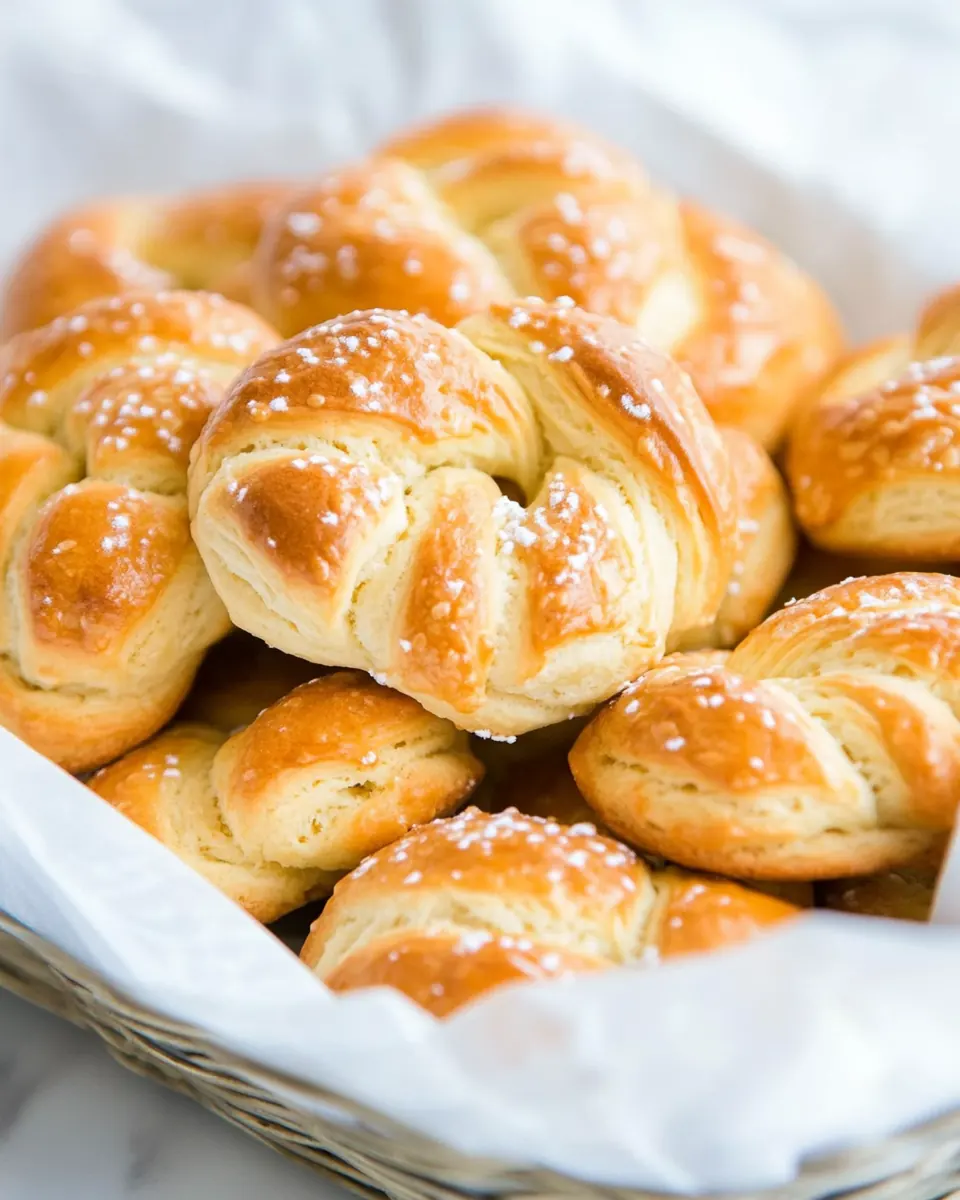
These ingredients form a classic, balanced dough that yields tender, slightly crisp cookies. The key players are the citrus zest for brightness, granulated sugar and butter for flavor and texture, and all purpose flour with baking powder to provide structure. Together they create a dough that is soft enough to shape but firm enough to hold braids and coils.
- 3/4 cup (150 g) granulated sugar: Sweeten and provide structure by creaming with butter; granulated sugar helps create a tender crumb and light caramelization during baking.
- Zest of 1 orange: Impart bright citrus aroma and a subtle tang; orange zest enhances flavor complexity and balances the cookie's sweetness when grated into the dough.
- 1/2 cup (113.5 g) unsalted butter: Create richness and flakiness by creaming with sugar; unsalted butter contributes fat for tender texture and helps carry flavor throughout the cookies.
- 2 eggs: Bind ingredients and add moisture; eggs provide structure, leavening while trapping air, and contribute to a glossy, golden finish.
- 1/4 cup (61 ml) milk: Add moisture and adjust dough consistency; milk hydrates dry ingredients and helps dissolve sugar for a smooth, tender cookie dough.
- 1 1/2 teaspoons vanilla extract: Contribute warm, sweet aroma and deepen flavor; vanilla extract enhances other flavors and lends a subtle, familiar perfume to the dough.
- 3 cups (375 g) all-purpose flour: Form the bulk of the dough and provide structure; all-purpose flour supplies gluten and starch that determine texture and density of the cookies.
- 1 teaspoon baking powder: Provide gentle leavening and lift; baking powder releases carbon dioxide when heated, helping the cookies puff slightly and maintain a light texture.
- 1/2 teaspoon (0.5 teaspoon) salt: Enhance flavor and control fermentation; salt balances sweetness, strengthens gluten, and accentuates other ingredient tastes in the dough.
- 1 egg yolk: Add richness and help create an egg wash; egg yolk increases fat content, promotes browning, and contributes sheen when brushed on before baking.
- 1 1/2 teaspoons water: Thin out the egg yolk for glazing and improve gloss; water combines with yolk to create a smooth wash that promotes even browning.
Preparation Steps for Koulourakia Greek Easter Cookies
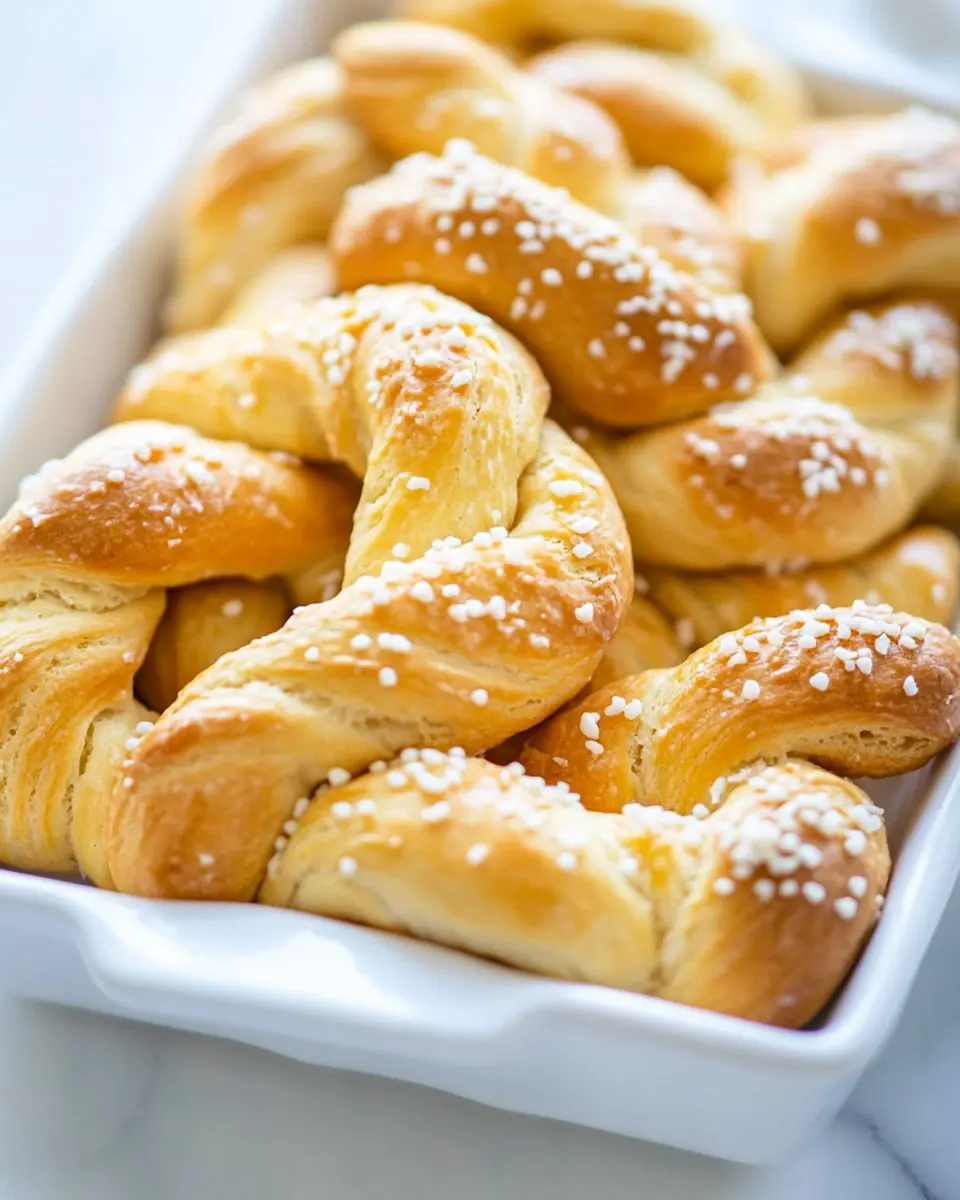
These directions guide you from fragrant sugaring to golden braids. Follow each step and pay attention to the sensory cues, because texture and timing make the difference between good cookies and exceptional ones.
- In a large mixing bowl, use your fingertips to rub together the sugar and orange zest until all of the sugar is evenly moistened with the zest.: The moment you rub the granulated sugar with the orange zest, you will smell a sudden burst of citrus oils, bright and sharp, which signals the aroma has transferred. This fragrant step perfumes the base of the dough, ensuring orange essence in every bite. Use gentle pressure so the sugar grains absorb the oils rather than becoming pasty. If you press too hard, you risk releasing bitter pith or creating a clumpy mixture that will not fold smoothly into the butter. A common mistake is rushing this step, which results in uneven flavor distribution; take your time to coax out the oils for an even, aromatic foundation.
- Add the butter and beat on medium-high speed for 5 minutes, stopping to scrape the sides of the bowl occasionally, until the mixture is pale, light and fluffy.: As the unsalted butter incorporates with the citrus-scented sugar, the mixture will transition to a pale, creamy texture and a lighter color, showing that air has been trapped. You should hear a slight change in the mixer sound as the mixture loosens and becomes aerated. Scrape the bowl periodically so pockets of butter or sugar do not remain unincorporated. This aeration is why the cookies finish with a delicate crumb; skipping adequate beating can cause dense cookies. Avoid overheating the butter; if it appears greasy or liquid, chill briefly before continuing.
- Add the eggs one at a time, beating for a full minute on medium speed after each addition. Add the milk and vanilla extract and beat to combine.: After each egg , the batter will become silkier and glossier, and the beaters will move more smoothly through the mixture, indicating a stable emulsion. The milk and vanilla extract round out the liquid phase, softening the batter and adding depth. If you add eggs too fast, the mixture may break or separate, creating a curdled appearance that will flatten the cookies. If curdling occurs, a few seconds of brisk beating or a brief addition of a tablespoon of flour can help bring it back together, but prevention by paced egg addition is best.
- Sift the flour, baking powder and salt into the dough a little at a time, and beat on low speed until just combined. Use a rubber spatula to give the dough a final mix and incorporate any pockets of flour. The dough should be soft, but not sticky. Cover with plastic wrap and allow to rest for 20 minutes.: As you add the sifted all purpose flour , baking powder , and salt , the dry ingredients will disappear into the batter and the sound of the mixer will change to a deeper, slower thrum. The dough should come together into a soft mass that holds shape without clinging to your fingers. Resting the dough allows the gluten to relax, which makes shaping easier and prevents spring back. If the dough is sticky after resting, sprinkle a tablespoon of flour and gently fold; too much extra flour will dry out the cookie. A common misstep is skipping the rest, which can make ropes difficult to shape and result in misshapen cookies.
- Preheat oven to 400 degrees F. Line two baking sheets with parchment paper or silicone baking mats.: As the oven warms to 400 degrees F , you will hear the faint hum of preheating and the kitchen will start to carry a neutral warmth. Proper preheating ensures even browning and that the cookies begin setting immediately upon entering the oven, preserving shape and texture. Use parchment or silicone to prevent sticking and to promote even bottoms. If the oven is not fully preheated, cookies may spread too much or bake unevenly. Ovens vary; consider using an oven thermometer to confirm accurate temperature.
- Using about 2 tablespoons of dough at a time (or a medium cookie scoop), roll the dough into 7-inch ropes and then shape as desired: braids, circles, pinwheels, "S"s, etc. Place at least 2 inches apart on the prepared baking sheet.: braids, circles, pinwheels, "S"s, etc. Place at least 2 inches apart on the prepared baking sheet : When you roll each 2 tablespoon portion into a 7 inch rope, you will feel the dough become silky and pliable, slightly cooling under your hands. The dough should hold its shape well when shaped into braids or coils, and the tension you create while rolling helps produce a smooth exterior that bakes to a lovely surface. Spacing is important so that cookies have room to expand and brown; cramped cookies will touch and lose definition. A common error is making ropes too thin or too thick, which will change baking time and texture; aim for consistent thickness for even baking.
- In a small bowl, whisk together the egg yolk and water for the egg wash. Brush over the shaped cookies.: The egg yolk mixed with water becomes a glossy glaze that deepens color and highlights shapes. Whisk until smooth and slightly frothy; brush lightly and evenly so the wash does not pool. The wash will give a shiny, attractive finish and encourage gentle browning. Too heavy an application can drip and create dark patches, so tap off excess from your brush. If your brush has bristles that shed, use a silicone brush to avoid stray fibers.
- Bake, one sheet at a time, until golden brown, about 20 minutes. Allow to cool on the baking sheet, then store in an airtight container for up to 2 weeks.: As you brush the wash, you will notice the dough gleam immediately, and the brush strokes help define braided edges and creases. The thin, even coating ensures uniform browning without altering the cookie interior. If the dough surface seems tacky or the wash beads, you may have added too much water; blot lightly with a paper towel. A common oversight is brushing after the cookies are already on a very warm sheet, which can cause uneven spreading of the wash; aim to brush before they hit the oven.
- Bake, one sheet at a time, until golden brown, about 20 minutes. Allow to cool on the baking sheet, then store in an airtight container for up to 2 weeks: The aroma in the kitchen will shift from citrus to a warm, buttery bread scent as the edges begin to turn golden. Listen for a faint, gentle crackle as steam escapes; visually, you want an even golden brown all over. Baking one sheet at a time helps maintain oven temperature, ensuring consistent results. Removing them too early can yield doughy centers, while leaving them too long produces dryness. Letting them cool on the sheet lets the cookie finish setting; transferring too soon risks breakage. Stored properly in an airtight container, they retain texture for days, but humidity can soften them over time, so keep them in a cool, dry place.
Tips and Variations
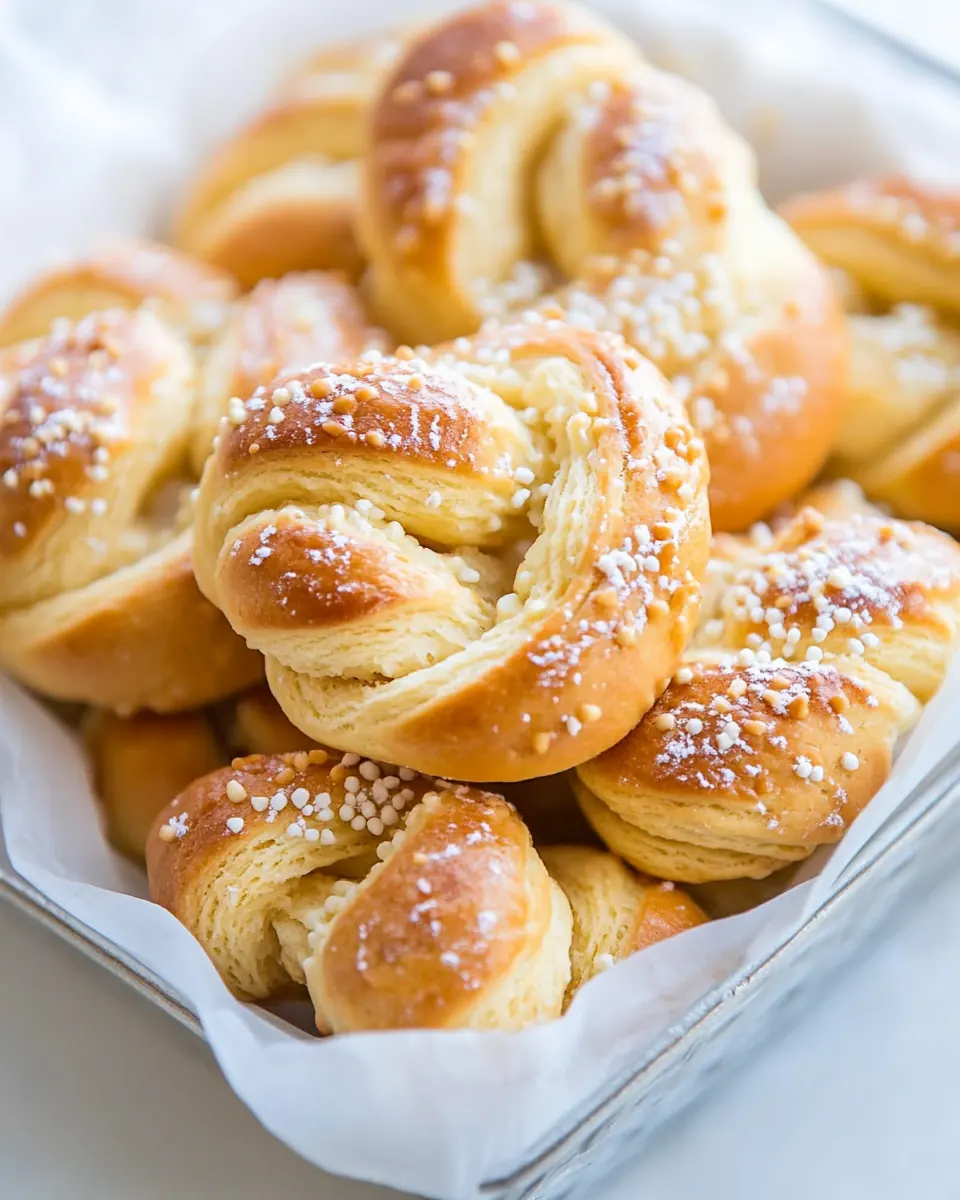
I like offering variations while keeping the original character intact. Below are practical tips and possible small changes to make the process smoother and let your creativity shine. Each item highlights a focused tip, and expands into how and why it works.
- Room Temperature Ingredients: Ensure your butter and eggs are at room temperature for smoother creaming and better emulsion. Cold ingredients can make the batter curdle or resist aeration, which produces denser cookies. If eggs are straight from the fridge, place them in a bowl of warm water for a few minutes to gently bring them up to temperature.
- Even Shaping: Roll each rope to a consistent thickness for uniform baking. I use a piece of parchment as a guide to keep ropes the same length. Consistent shapes help cookies bake in the same time, preventing some from drying out while others remain underbaked.
- Fresh Leavening: Check the potency of your baking powder by testing a small pinch in hot water. If it fizzes vigorously, it is fresh. Fresh leavening ensures light, tender cookies; old baking powder can produce flat, dense results.
- Gentle Mixing: After adding the flour, mix on low and stop as soon as combined. Overmixing develops gluten and tightens the crumb, making cookies tougher. Use a rubber spatula to finish folding, ensuring there are no dry pockets while keeping the texture tender.
- Egg Wash Care: Mix the egg yolk with water and brush lightly for an even gloss. Avoid pooling which causes darker spots; a thin, even coat will brown uniformly and highlight shapes without burning edges.
- Cooling on Sheet: Let cookies cool on the baking sheet for several minutes before transferring. This final rest finishes internal setting and reduces breakage when moving them. Use a thin spatula for support when transferring to a rack.
- Storage Tips: Store in an airtight container at room temperature to preserve texture. If you live in a humid climate, slip a paper towel into the tin to absorb excess moisture and keep cookies crisper longer.
Perfect Matches for Koulourakia Greek Easter Cookies
These cookies pair well with simple beverages and light accompaniments. They are flexible for different occasions, and this list covers serving ideas, storage suggestions, and seasonal pairings to make the most of the batch you bake.
- Tea and Coffee Service: Serve with a bright black tea or a mild coffee; the cookies complement hot beverages with their citrus and buttery notes.
- Holiday Platters: Arrange alongside other small cookies and nuts for an Easter table, using colorful linens and simple boxes for gifting.
- Afternoon Snack: Offer with a small bowl of fresh fruit to balance sweetness for an afternoon treat.
- Picnic Addition: Pack in a flat tin for outdoor gatherings, protecting shapes with parchment layers to avoid breakage.
- Storage and Make Ahead: Bake up to two days ahead and store in an airtight container at room temperature; for longer storage freeze unbaked ropes on a tray, then transfer to a bag and bake from frozen with an extra minute or two.
FAQ
Conclusion
Koulourakia Greek Easter Cookies stand out for their charming shapes, bright orange aroma, and tender crumb, blending tradition with approachable technique. I encourage you to try these if you enjoy hands on baking that rewards patience with fragrant, beautiful cookies to share. Baking them can become a small ritual in your home, offering warm memories alongside delicious results, so gather your ingredients, shape some ropes, and let the kitchen fill with that inviting citrus butter scent.
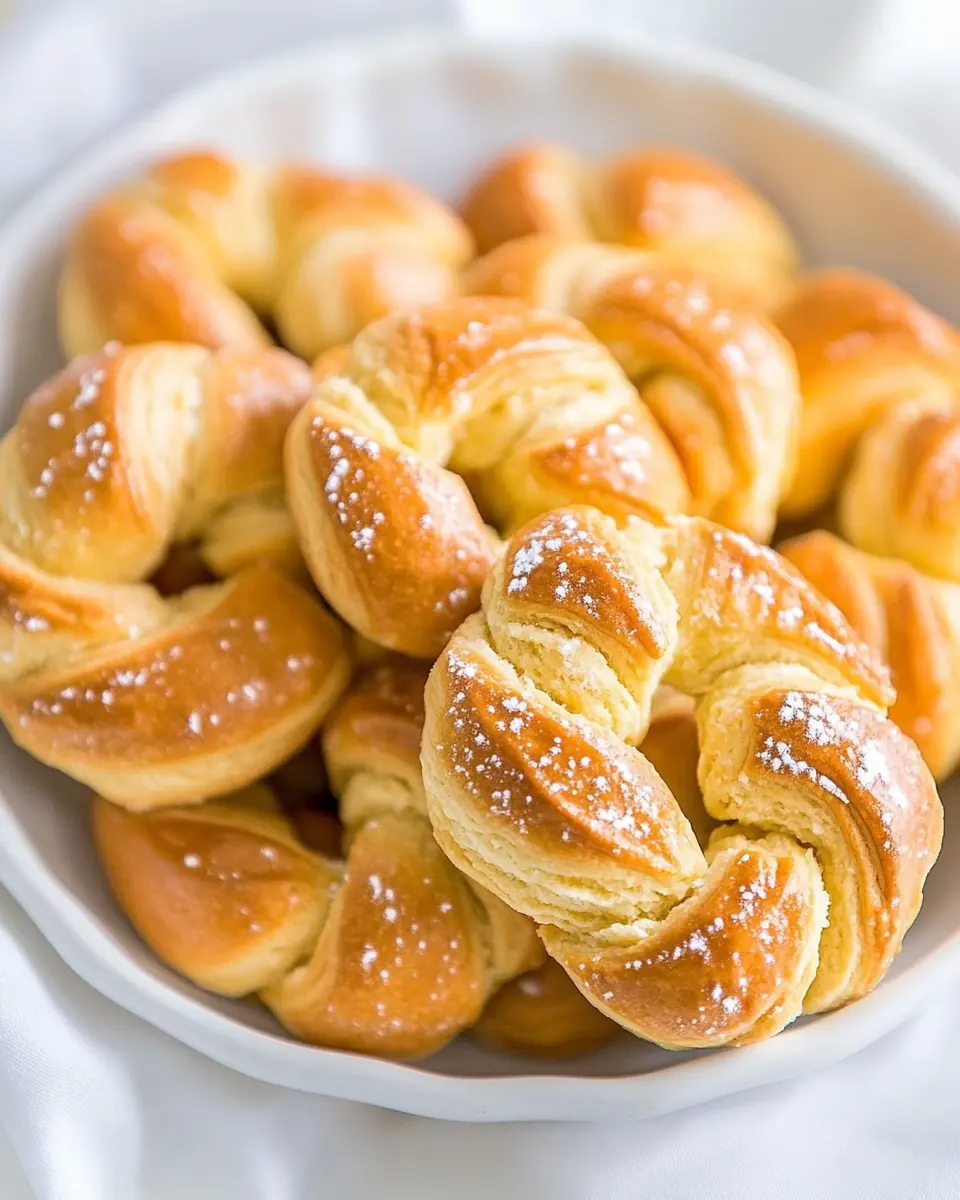
Koulourakia Greek Easter Cookies
Ingredients
Equipment
Method
- In a large mixing bowl, use your fingertips to rub together the sugar and orange zest until all of the sugar is evenly moistened with the zest.: The moment you rub the granulated sugar with the orange zest, you will smell a sudden burst of citrus oils, bright and sharp, which signals the aroma has transferred. This fragrant step perfumes the base of the dough, ensuring orange essence in every bite. Use gentle pressure so the sugar grains absorb the oils rather than becoming pasty. If you press too hard, you risk releasing bitter pith or creating a clumpy mixture that will not fold smoothly into the butter. A common mistake is rushing this step, which results in uneven flavor distribution; take your time to coax out the oils for an even, aromatic foundation.
- Add the butter and beat on medium-high speed for 5 minutes, stopping to scrape the sides of the bowl occasionally, until the mixture is pale, light and fluffy.: As the unsalted butter incorporates with the citrus-scented sugar, the mixture will transition to a pale, creamy texture and a lighter color, showing that air has been trapped. You should hear a slight change in the mixer sound as the mixture loosens and becomes aerated. Scrape the bowl periodically so pockets of butter or sugar do not remain unincorporated. This aeration is why the cookies finish with a delicate crumb; skipping adequate beating can cause dense cookies. Avoid overheating the butter; if it appears greasy or liquid, chill briefly before continuing.
- Add the eggs one at a time, beating for a full minute on medium speed after each addition. Add the milk and vanilla extract and beat to combine.: After each egg , the batter will become silkier and glossier, and the beaters will move more smoothly through the mixture, indicating a stable emulsion. The milk and vanilla extract round out the liquid phase, softening the batter and adding depth. If you add eggs too fast, the mixture may break or separate, creating a curdled appearance that will flatten the cookies. If curdling occurs, a few seconds of brisk beating or a brief addition of a tablespoon of flour can help bring it back together, but prevention by paced egg addition is best.
- Sift the flour, baking powder and salt into the dough a little at a time, and beat on low speed until just combined. Use a rubber spatula to give the dough a final mix and incorporate any pockets of flour. The dough should be soft, but not sticky. Cover with plastic wrap and allow to rest for 20 minutes.: As you add the sifted all purpose flour , baking powder , and salt , the dry ingredients will disappear into the batter and the sound of the mixer will change to a deeper, slower thrum. The dough should come together into a soft mass that holds shape without clinging to your fingers. Resting the dough allows the gluten to relax, which makes shaping easier and prevents spring back. If the dough is sticky after resting, sprinkle a tablespoon of flour and gently fold; too much extra flour will dry out the cookie. A common misstep is skipping the rest, which can make ropes difficult to shape and result in misshapen cookies.
- Preheat oven to 400 degrees F. Line two baking sheets with parchment paper or silicone baking mats.: As the oven warms to 400 degrees F , you will hear the faint hum of preheating and the kitchen will start to carry a neutral warmth. Proper preheating ensures even browning and that the cookies begin setting immediately upon entering the oven, preserving shape and texture. Use parchment or silicone to prevent sticking and to promote even bottoms. If the oven is not fully preheated, cookies may spread too much or bake unevenly. Ovens vary; consider using an oven thermometer to confirm accurate temperature.
- Using about 2 tablespoons of dough at a time (or a medium cookie scoop), roll the dough into 7-inch ropes and then shape as desired: braids, circles, pinwheels, "S"s, etc. Place at least 2 inches apart on the prepared baking sheet.: braids, circles, pinwheels, "S"s, etc. Place at least 2 inches apart on the prepared baking sheet : When you roll each 2 tablespoon portion into a 7 inch rope, you will feel the dough become silky and pliable, slightly cooling under your hands. The dough should hold its shape well when shaped into braids or coils, and the tension you create while rolling helps produce a smooth exterior that bakes to a lovely surface. Spacing is important so that cookies have room to expand and brown; cramped cookies will touch and lose definition. A common error is making ropes too thin or too thick, which will change baking time and texture; aim for consistent thickness for even baking.
- In a small bowl, whisk together the egg yolk and water for the egg wash. Brush over the shaped cookies.: The egg yolk mixed with water becomes a glossy glaze that deepens color and highlights shapes. Whisk until smooth and slightly frothy; brush lightly and evenly so the wash does not pool. The wash will give a shiny, attractive finish and encourage gentle browning. Too heavy an application can drip and create dark patches, so tap off excess from your brush. If your brush has bristles that shed, use a silicone brush to avoid stray fibers.
- Bake, one sheet at a time, until golden brown, about 20 minutes. Allow to cool on the baking sheet, then store in an airtight container for up to 2 weeks.: As you brush the wash, you will notice the dough gleam immediately, and the brush strokes help define braided edges and creases. The thin, even coating ensures uniform browning without altering the cookie interior. If the dough surface seems tacky or the wash beads, you may have added too much water; blot lightly with a paper towel. A common oversight is brushing after the cookies are already on a very warm sheet, which can cause uneven spreading of the wash; aim to brush before they hit the oven.
- Bake, one sheet at a time, until golden brown, about 20 minutes. Allow to cool on the baking sheet, then store in an airtight container for up to 2 weeks: The aroma in the kitchen will shift from citrus to a warm, buttery bread scent as the edges begin to turn golden. Listen for a faint, gentle crackle as steam escapes; visually, you want an even golden brown all over. Baking one sheet at a time helps maintain oven temperature, ensuring consistent results. Removing them too early can yield doughy centers, while leaving them too long produces dryness. Letting them cool on the sheet lets the cookie finish setting; transferring too soon risks breakage. Stored properly in an airtight container, they retain texture for days, but humidity can soften them over time, so keep them in a cool, dry place.
Notes
- Room Temperature Ingredients: Ensure your butter and eggs are at room temperature for smoother creaming and better emulsion. Cold ingredients can make the batter curdle or resist aeration, which produces denser cookies. If eggs are straight from the fridge, place them in a bowl of warm water for a few minutes to gently bring them up to temperature.
- Even Shaping: Roll each rope to a consistent thickness for uniform baking. I use a piece of parchment as a guide to keep ropes the same length. Consistent shapes help cookies bake in the same time, preventing some from drying out while others remain underbaked.
- Fresh Leavening: Check the potency of your baking powder by testing a small pinch in hot water. If it fizzes vigorously, it is fresh. Fresh leavening ensures light, tender cookies; old baking powder can produce flat, dense results.
- Gentle Mixing: After adding the flour, mix on low and stop as soon as combined. Overmixing develops gluten and tightens the crumb, making cookies tougher. Use a rubber spatula to finish folding, ensuring there are no dry pockets while keeping the texture tender.
- Egg Wash Care: Mix the egg yolk with water and brush lightly for an even gloss. Avoid pooling which causes darker spots; a thin, even coat will brown uniformly and highlight shapes without burning edges.
- Cooling on Sheet: Let cookies cool on the baking sheet for several minutes before transferring. This final rest finishes internal setting and reduces breakage when moving them. Use a thin spatula for support when transferring to a rack.
- Storage Tips: Store in an airtight container at room temperature to preserve texture. If you live in a humid climate, slip a paper towel into the tin to absorb excess moisture and keep cookies crisper longer.