Tandoori Shrimp
Tandoori Shrimp has been a go to in my kitchen for years, a quick way to bring bright, spicy flavors to a weeknight table without fuss. The first time I made Tandoori Shrimp I was racing the clock between errands and dinner, and the tang of lime and warm notes of garam masala stopped everyone in their tracks. I remember standing at the grill, watching the edges curl and sizzle, and feeling oddly proud that something so simple could taste so layered.
Over time I’ve learned little habits that make a big difference, like patting the shrimp dry before it meets the marinade and letting the yogurt gently tenderize the flesh. Friends always ask for the secret, and it’s rarely a single thing, it’s the balance of heat, citrus, and char. I usually double the batch when company comes, because it’s one of those recipes that disappears fast, served straight from the skewers with extra lime wedges for squeezing.
Recipe Snapshot
50 mins
40 mins
10 mins
Medium
250 kcal
Indian
Keto, Gluten-Free
Dinner
Bamboo skewers soaked in water before using
What Makes This Tandoori Shrimp Special
Bold, Instant Flavor
I love how Tandoori Shrimp delivers big taste with minimal effort. The combination of tangy Greek yogurt, zesty lime juice, and fragrant garam masala means you get a bright, layered profile in minutes. You don’t need complex steps to achieve restaurant style flavor, and that convenience wins me over on busy nights.
Fast to Marinate, Faster to Cook
What keeps me coming back is speed. After a short soak, the shrimp cooks in mere minutes on a hot grill, giving you crispy edges and tender interior. This is perfect for when you want something impressive without being stuck in the kitchen all evening.
Great for Gatherings
I often bring Tandoori Shrimp to casual parties because it travels well and looks colorful on a platter. Threaded on skewers, it’s easy to pass around, and guests love squeezing extra lime for a fresh pop. The visual appeal makes it feel festive, even when the prep is low stress.
Flexible and Friendly
I’ve adapted this recipe for stovetop griddles, broilers, and open flame grills depending on what I have available. The core idea, marinating the shrimp in yogurt and spices, is forgiving, so even cooks with limited experience can get consistently tasty results. That reliability builds confidence, and I like teaching friends this technique.
Clean, Simple Ingredients
The ingredient list is short and accessible, which I appreciate on busy grocery runs. Each item plays a clear role, from tenderizing to seasoning to finishing. When I shop for this, I focus on fresh shrimp and bright lime, and the rest falls into place quickly.
Ingredients Required for Tandoori Shrimp
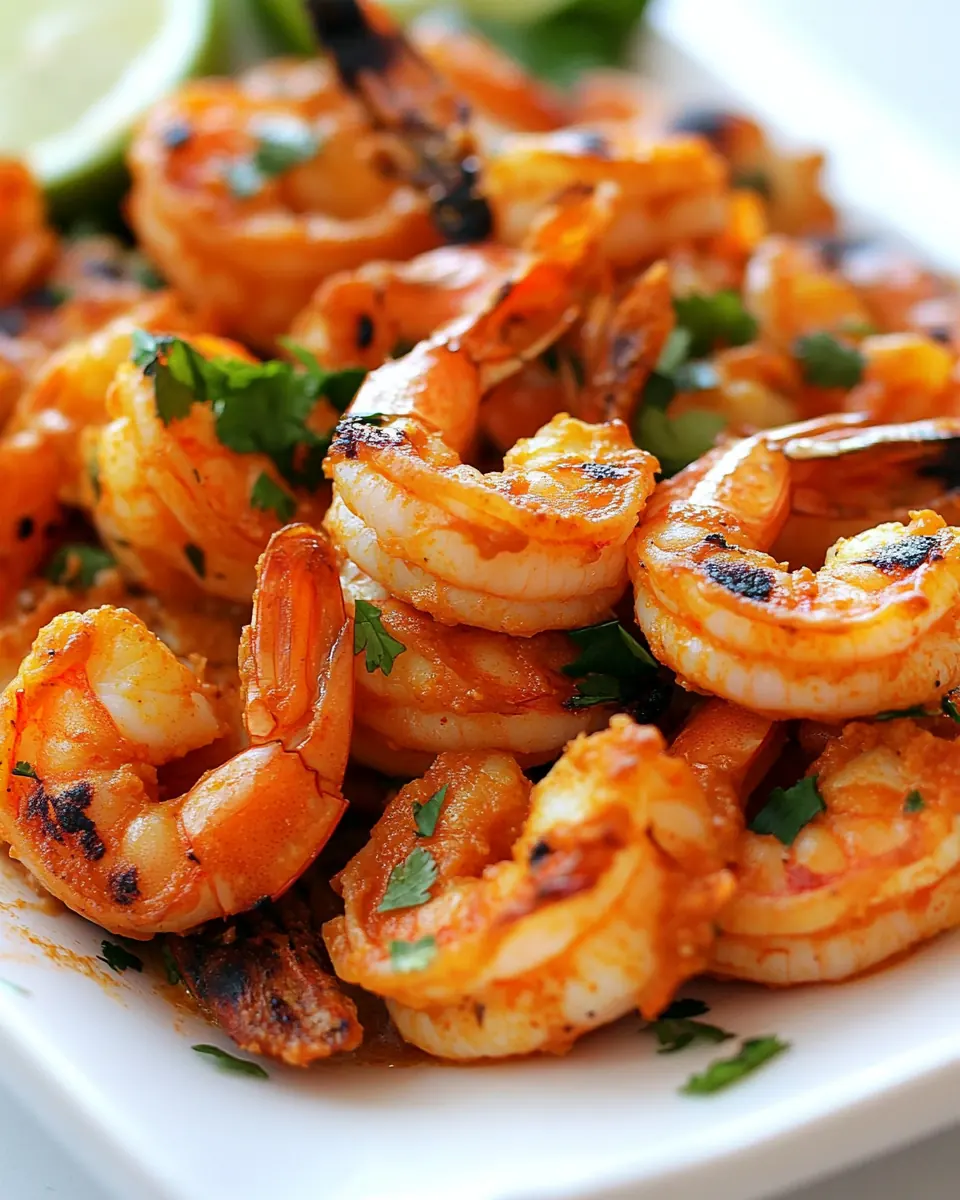
These ingredients form a compact but powerful cast. The creamy Greek yogurt soothes and tenderizes the shrimp, citrus brightens, and spices like garam masala and turmeric bring warmth and color. Together they create a balanced marinade that caramelizes beautifully when exposed to high heat.
- 1 lb shrimp, tiger prawn preferred, shelled and deveined, tails on: Provide a firm, sweet seafood base that cooks quickly and absorbs marinade flavors; ensure shrimp are shelled and deveined with tails on for easy handling and attractive presentation. Pat dry before marinating to help the yogurt mixture adhere and achieve even charring when grilled or broiled.
- oil, for basting: Use to baste during cooking to prevent sticking and add a subtle richness; choose a neutral oil with a high smoke point for grilling. Apply sparingly between turns to maintain a crisp exterior without steaming the shrimp.
- 1/2 tablespoon chopped cilantro: Add a bright, fresh herbal note that complements the tangy, spiced marinade; finely chopped cilantro disperses flavor without overwhelming the dish. Sprinkle over the finished shrimp for color contrast and an herbaceous finish.
- 1 lime, cut into wedges: Serve as acidic wedges to squeeze over the finished shrimp, adding brightness and balancing the spices. Cut into wedges for easy squeezing and to let diners adjust acidity to taste.
- 1/3 cup Greek yogurt: Provide a creamy, tangy base that tenderizes the shrimp and carries spices; use Greek yogurt for thickness and a rich mouthfeel. Whisk with spices and lime juice to create a cohesive marinade that clings well to the shrimp.
- 1 teaspoon finely minced garlic: Deliver sharp, pungent heat that deepens savory notes and helps build the characteristic tandoori flavor; mince finely so it disperses evenly. Incorporate into the yogurt mixture to infuse the shrimp with aromatic garlic intensity.
- 1/2 teaspoon garam masala: Impart warm, aromatic complexity with notes of clove, cinnamon, and nutmeg that anchor the spice profile; use measured amounts to avoid overpowering. Mix thoroughly into the marinade so its layered flavors permeate the shrimp.
- 1/4 teaspoon chili powder: Contribute concentrated heat and color, enhancing the tandoori character; adjust quantity to match desired spiciness. Stir into the yogurt marinade for an even distribution of chili warmth.
- 2 tablespoons lime juice: Introduce fresh citrus acidity to balance richness and help tenderize the shrimp; use freshly squeezed juice for the best bright flavor. Combine with yogurt and spices to create an evenly acidic marinade that enhances overall taste.
- 1 tablespoon oil: Provide body and help emulsify the marinade while adding a touch of fat for browning; choose a neutral oil for unobtrusive flavor. Add during mixing to smooth the marinade and aid coating adhesion on the shrimp.
- 1/2 teaspoon salt, or to taste: Season to enhance and balance all flavors throughout the dish; start with the stated amount and adjust after cooking if needed. Dissolve into the yogurt mixture to ensure even seasoning of each shrimp.
- 1/4 teaspoon turmeric powder: Offer earthy color and a warm, slightly bitter undertone that complements other spices; use judiciously to avoid overpowering the delicate seafood. Blend into the marinade so the turmeric disperses evenly for color and subtle flavor.
- red coloring (optional): Provide optional visual intensity and a signature deep red color associated with tandoori dishes; use a small amount if desired for aesthetics. Add sparingly to the marinade to achieve the preferred hue without affecting flavor.
How to Assemble Tandoori Shrimp
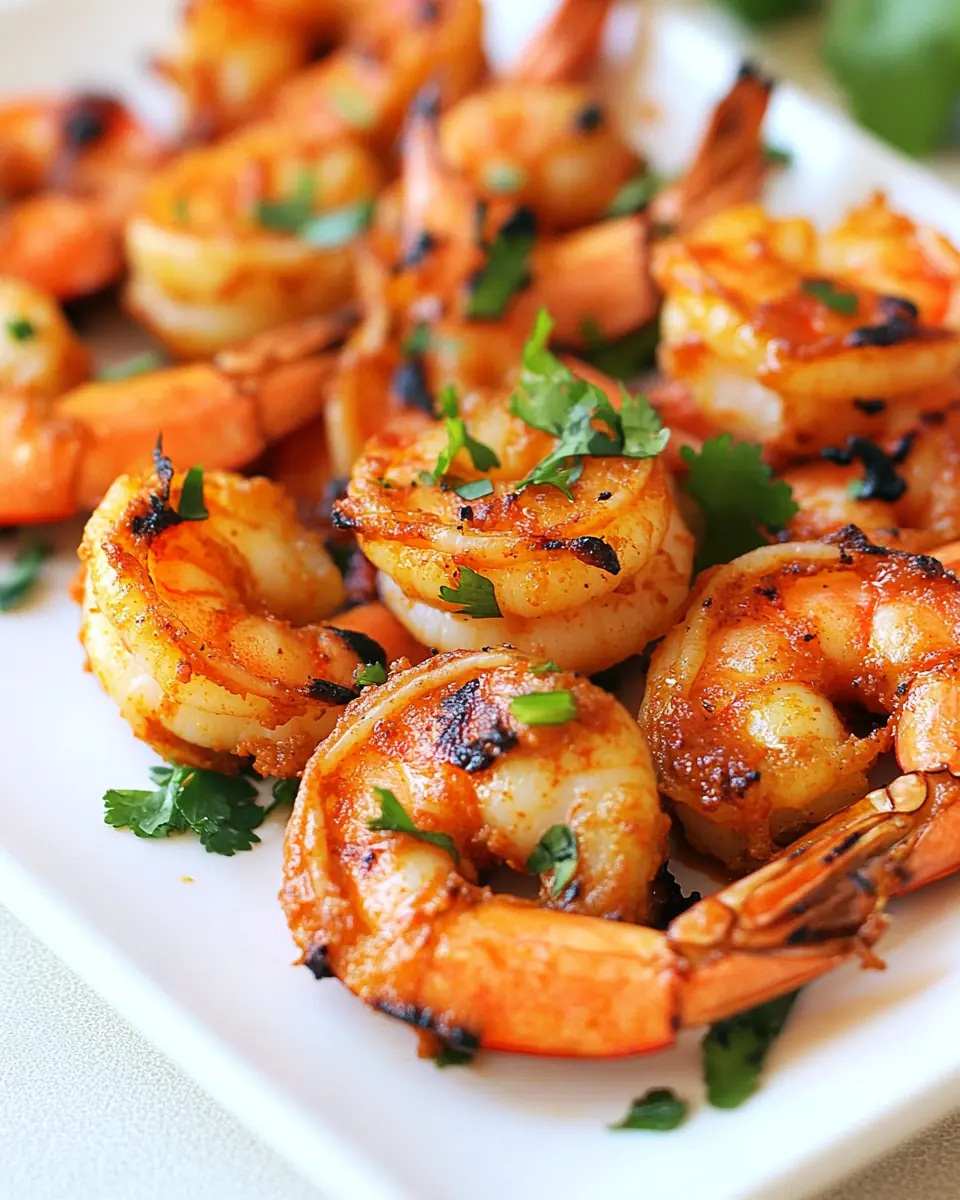
This recipe is straightforward but benefits from attention to detail. Follow the sequence for the best texture and flavor, and remember that resting in the marinade deepens the taste. Keep your tools ready and your grill hot for immediate searing.
- Mix all the ingredients for the marinade in a bowl and stir to combine well. Add the shrimp to the marinade and marinate for at least 30 minutes, or preferably for two hours.: The moment you mix the Greek yogurt , spices, minced garlic , lime juice , and oil , you get a tangy aromatic paste that smells bright and spicy. The yogurt should feel cool and creamy as you fold in the dry spices, and the mixture should be smooth enough to coat but not runny. This emulsion helps the flavors adhere to the shrimp , and the acids start to gently break down surface proteins, improving tenderness. A common mistake is using watery yogurt, which dilutes flavor, so drain excess whey if needed. If the marinade looks too thick, add a small splash of oil to loosen it. Visually, you want an even, glossy coating that clings when you lift a spoonful.
- Thread the shrimp onto the bamboo skewers and set aside.: As the shrimp rests, the yogurt will calm the raw sharpness of the spices, and the acids from the lime juice will gently firm the flesh. Smell the bowl after thirty minutes and note how the garlic aroma softens and the spices meld into a harmonious scent. Marinating too long can make the texture mealy because of acid overexposure, so avoid going beyond two hours for delicate seafood. A common pitfall is marinating at room temperature; always refrigerate to keep the shrimp safe. When ready, the surface will look evenly coated and slightly tacky, signaling it will take char well on the grill.
- Grill the shrimp on both sides until they are cooked and slightly charred on the surface. Baste with oil while grilling.: Threading the shrimp through the thickest part keeps them stable while grilling. The skewers should feel balanced and not crowded, so the heat can circulate. You will notice the tacky marinade helping the pieces cling in place as you push them through. If your skewers were soaked, they should be damp and cool to the touch, preventing burning. A typical mistake is threading too tightly, which prevents even cooking; leave a little space between pieces. Visually, the skewers should present neat rows of curved, coated shrimp , ready to sizzle.
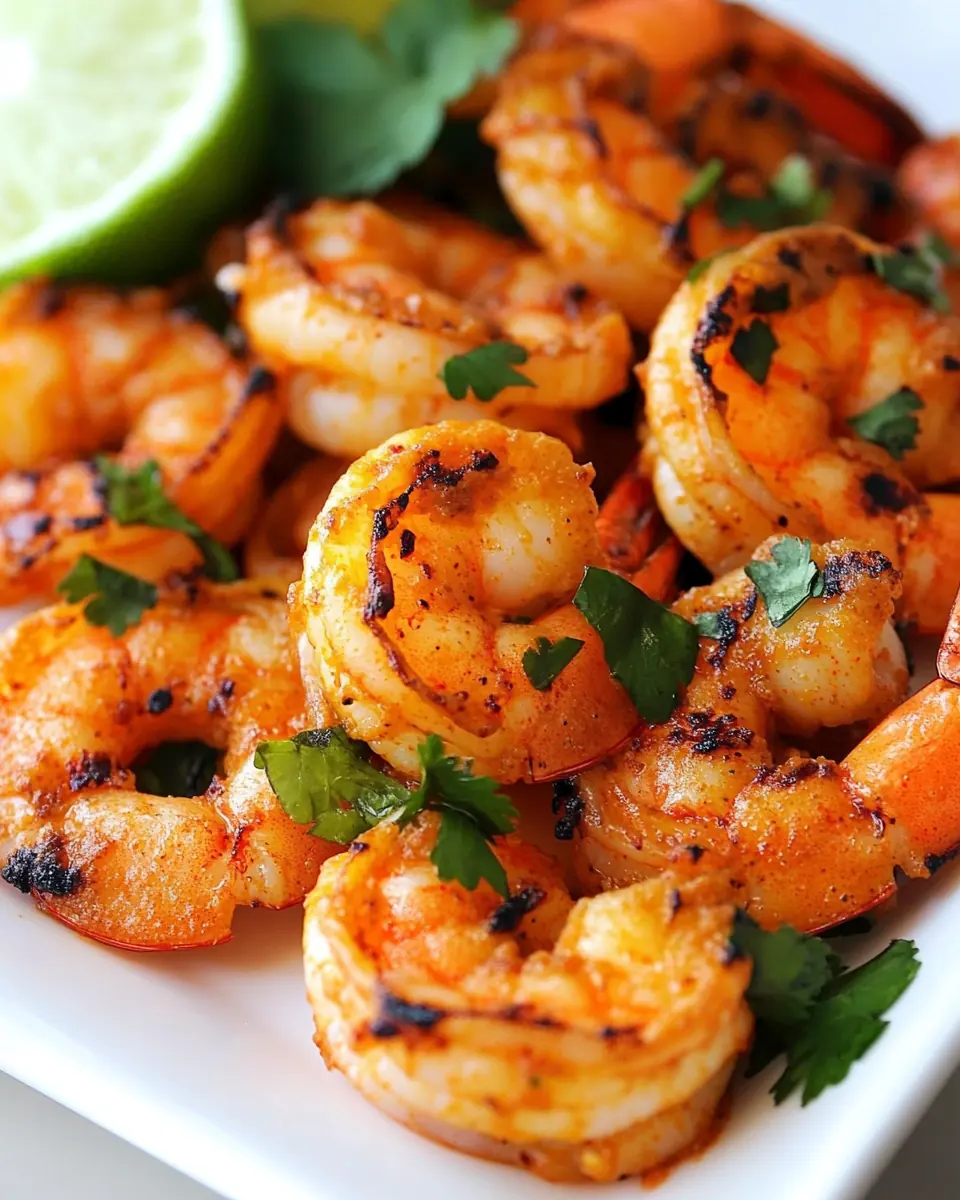
- Remove from the grill, garnish with chopped cilantro, and serve immediately with lime wedges.: On a properly heated grill the shrimp will sing with a quick sizzle when they hit the grates, and you should hear brief popping sounds as moisture escapes and sugars caramelize. Watch for the flesh to turn opaque and the edges to curl into tight C shapes, often taking just a couple of minutes per side. The surface should develop small charred flecks that add smoky depth. Overcooking is the main misstep here, leading to rubbery texture, so work quickly and rely on visual cues rather than strictly time. If the grill is too hot, the exterior may blacken before the center cooks, so moderate the heat or move the skewers to a slightly cooler zone if needed.
- Baste with oil while grilling: Brushing the surface with a little oil as the shrimp sears keeps the exterior glossy and helps the spices toast without drying out. You will notice a brief hiss when the oil hits hot metal, and the roasted aromas intensify, releasing a warm, nutty perfume. Basting also promotes even browning and prevents the marinade from sticking too aggressively to the grill. Avoid overbasting which can cause flare ups that char the coating excessively. Use a light, even layer to maintain juiciness and encourage attractive caramelization.
- Remove from the grill, garnish with chopped cilantro, and serve immediately with lime wedges: Once off the heat, the smell should be a brilliant mix of smoky spice and citrus. Garnishing with chopped cilantro introduces a fresh, green aroma that contrasts the warm spices, and a squeeze of lime brightens each bite. Serve right away to enjoy the contrast of hot, charred edges and juicy interiors. A common error is letting the skewers sit too long, which cools the shrimp and dulls the flavors. Present them hot and encourage guests to squeeze lime to their liking for a lively finish.
Recipe Notes about Tandoori Shrimp
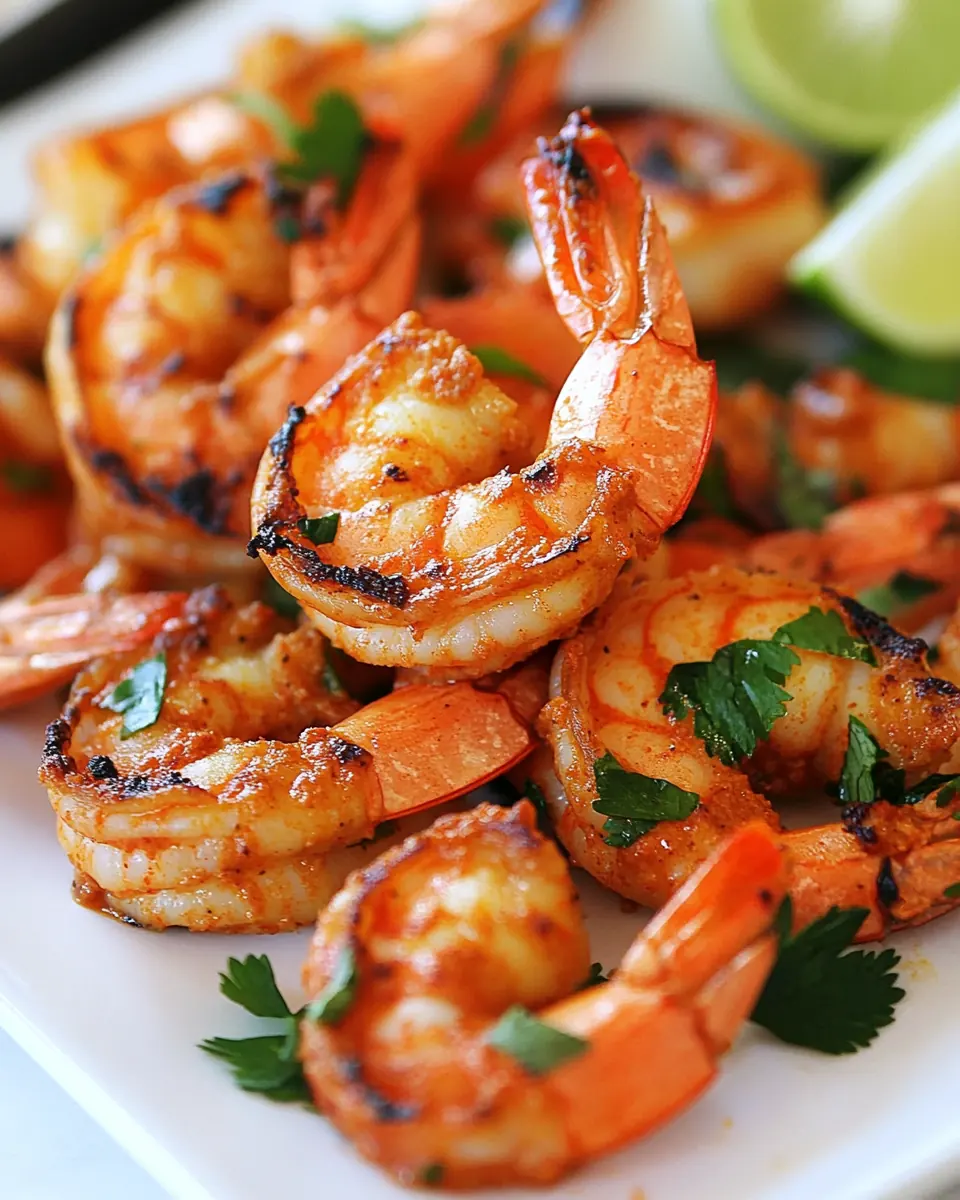
This recipe is forgiving, but small choices change results significantly. Below are practical notes I rely on when preparing Tandoori Shrimp, expanded into actionable tips to get consistent, delicious results every time.
- Choose firm, fresh shrimp When possible pick firm, translucent shrimp that smell briny not fishy. Freshness affects texture and overall taste more than any spice tweak.
- Drain or thicken the yogurt If your Greek yogurt is runny, strain it through cheesecloth so the marinade clings properly, producing a concentrated coating that roasts rather than steams.
- Time your marinating Aim for at least thirty minutes but under two hours. The marinade tenderizes quickly and long marination risks an undesirable texture from acid overexposure.
- Monitor grill heat High heat gives the best char, but be ready to move skewers if flare ups occur. Using a medium hot zone ensures the interior cooks evenly without burning the exterior.
- Oil the grates or baste lightly Prevent sticking by oiling grates or brushing oil on the skewers while cooking. This also enhances the glossy finish and encourages even browning.
- Finish with fresh herbs and lime A scatter of chopped cilantro and fresh lime wedges at the end brightens the dish and balances the warm spices.
What Complements This Tandoori Shrimp
Tandoori Shrimp pairs beautifully with simple, cooling sides and lively accents. Below are suggestions for serving occasions, side dishes, and storage ideas to help you build a complete meal that sings on the plate.
- Serve with fragrant rice A bowl of plain basmati rice or a lightly spiced pilaf absorbs the marinade juices and balances the intensity, making it ideal for a sit down dinner.
- Offer cooling yogurt sauces A cucumber raita or plain Greek yogurt dip calms the palate and complements the spices, perfect for casual lunches or backyard gatherings.
- Include crisp salads A simple green salad with lemon and olive oil adds crunch and freshness, working well for summer meals and light dinner menus.
- Set it out as an appetizer Threaded skewers make an excellent starter for a party. Place them on a platter with lime wedges and toothpicks so guests can grab and eat standing up.
- Occasions and timing This dish fits summer cookouts, casual weeknight dinners, and festive buffets. Its quick cook time makes it a reliable choice when you want something impressive without long prep.
- Storage tips Refrigerate leftovers in an airtight container for up to two days. Reheat briefly under a broiler or on a hot skillet to revive the char, and avoid microwaving which softens the texture.
- Seasonal pairings In summer pair with grilled vegetables and light salads. In cooler months offer with warm pilafs and roasted root vegetables for comforting contrast.
FAQ
Conclusion
What makes this recipe special is its effortless balance of bright citrus, warm spices, and quick char that turns simple shrimp into a memorable dish. Give it a try the next time you want a show stopping yet low stress meal, and take comfort in how little time it takes from marinade to plate. The combination of creamy Greek yogurt and direct high heat creates tender, flavorful bites that guests will ask about, and it’s an easy formula to repeat confidently.
Tandoori Shrimp
Ingredients
Equipment
Method
- Mix all the ingredients for the marinade in a bowl and stir to combine well. Add the shrimp to the marinade and marinate for at least 30 minutes, or preferably for two hours.: The moment you mix the Greek yogurt , spices, minced garlic , lime juice , and oil , you get a tangy aromatic paste that smells bright and spicy. The yogurt should feel cool and creamy as you fold in the dry spices, and the mixture should be smooth enough to coat but not runny. This emulsion helps the flavors adhere to the shrimp , and the acids start to gently break down surface proteins, improving tenderness. A common mistake is using watery yogurt, which dilutes flavor, so drain excess whey if needed. If the marinade looks too thick, add a small splash of oil to loosen it. Visually, you want an even, glossy coating that clings when you lift a spoonful.
- Thread the shrimp onto the bamboo skewers and set aside.: As the shrimp rests, the yogurt will calm the raw sharpness of the spices, and the acids from the lime juice will gently firm the flesh. Smell the bowl after thirty minutes and note how the garlic aroma softens and the spices meld into a harmonious scent. Marinating too long can make the texture mealy because of acid overexposure, so avoid going beyond two hours for delicate seafood. A common pitfall is marinating at room temperature; always refrigerate to keep the shrimp safe. When ready, the surface will look evenly coated and slightly tacky, signaling it will take char well on the grill.
- Grill the shrimp on both sides until they are cooked and slightly charred on the surface. Baste with oil while grilling.: Threading the shrimp through the thickest part keeps them stable while grilling. The skewers should feel balanced and not crowded, so the heat can circulate. You will notice the tacky marinade helping the pieces cling in place as you push them through. If your skewers were soaked, they should be damp and cool to the touch, preventing burning. A typical mistake is threading too tightly, which prevents even cooking; leave a little space between pieces. Visually, the skewers should present neat rows of curved, coated shrimp , ready to sizzle.
- Remove from the grill, garnish with chopped cilantro, and serve immediately with lime wedges.: On a properly heated grill the shrimp will sing with a quick sizzle when they hit the grates, and you should hear brief popping sounds as moisture escapes and sugars caramelize. Watch for the flesh to turn opaque and the edges to curl into tight C shapes, often taking just a couple of minutes per side. The surface should develop small charred flecks that add smoky depth. Overcooking is the main misstep here, leading to rubbery texture, so work quickly and rely on visual cues rather than strictly time. If the grill is too hot, the exterior may blacken before the center cooks, so moderate the heat or move the skewers to a slightly cooler zone if needed.
- Baste with oil while grilling: Brushing the surface with a little oil as the shrimp sears keeps the exterior glossy and helps the spices toast without drying out. You will notice a brief hiss when the oil hits hot metal, and the roasted aromas intensify, releasing a warm, nutty perfume. Basting also promotes even browning and prevents the marinade from sticking too aggressively to the grill. Avoid overbasting which can cause flare ups that char the coating excessively. Use a light, even layer to maintain juiciness and encourage attractive caramelization.
- Remove from the grill, garnish with chopped cilantro, and serve immediately with lime wedges: Once off the heat, the smell should be a brilliant mix of smoky spice and citrus. Garnishing with chopped cilantro introduces a fresh, green aroma that contrasts the warm spices, and a squeeze of lime brightens each bite. Serve right away to enjoy the contrast of hot, charred edges and juicy interiors. A common error is letting the skewers sit too long, which cools the shrimp and dulls the flavors. Present them hot and encourage guests to squeeze lime to their liking for a lively finish.
Notes
- Choose firm, fresh shrimp When possible pick firm, translucent shrimp that smell briny not fishy. Freshness affects texture and overall taste more than any spice tweak.
- Drain or thicken the yogurt If your Greek yogurt is runny, strain it through cheesecloth so the marinade clings properly, producing a concentrated coating that roasts rather than steams.
- Time your marinating Aim for at least thirty minutes but under two hours. The marinade tenderizes quickly and long marination risks an undesirable texture from acid overexposure.
- Monitor grill heat High heat gives the best char, but be ready to move skewers if flare ups occur. Using a medium hot zone ensures the interior cooks evenly without burning the exterior.
- Oil the grates or baste lightly Prevent sticking by oiling grates or brushing oil on the skewers while cooking. This also enhances the glossy finish and encourages even browning.
- Finish with fresh herbs and lime A scatter of chopped cilantro and fresh lime wedges at the end brightens the dish and balances the warm spices.