Apple Pie Bars
Apple Pie Bars have a way of transporting me back to brisk afternoons when the kitchen smelled like cinnamon and warm fruit, and everyone found reasons to linger. I remember wrapping my hands around a steaming square straight from the pan, the edges still warm, the top crust crackling softly beneath a drizzle of sweet glaze. There is something honest and comforting about a bar form, it feels homey and practical, yet celebratory enough for a weekend bake.
On one rainy October, I made a double batch for a neighborhood potluck, and the pan returned mostly empty, a few sticky crumbs left behind. I loved how the crust shifted between tender and flaky, holding juicy apple slices without getting soggy, while the glaze added just enough shine and sweetness. That afternoon I learned small swaps that matter, and I started keeping extra apples and butter on hand for spontaneous baking. Baking these is a little ritual to me, each step inviting a pause, a sniff of cinnamon, a playful pinch of sugar.
Recipe Snapshot
2 hr 35 mins
120 mins
35 mins
Hard
250 kcal
American
Gluten-Free, Vegan
Desserts
Food processor, Jellyroll pan, Mixing bowl, Whisk
The Charm of This Apple Pie Bars
Comfort in a Slice
I adore Apple Pie Bars because they capture everything I want from a dessert in one tidy square. The texture contrast between a flaky crust and tender, warmly spiced apples keeps me coming back, bite after bite. These bars serve like a hug after a long day, and they travel easily, which makes them my go to for gatherings.
Speed and Practicality
What wins me over is how practical they are, you get pie flavor without fussing with full pie assembly. Rolling two dough balls and layering simplifies portion control, and the bars bake evenly across a jellyroll pan, which I appreciate when feeding a group. I often make them when I need a reliable dessert that is both crowd pleasing and transport friendly.
Ingredient Focus
The recipe leans on a few strong players, and that restraint is deliberate. A good balance of flour, butter, and shortening builds a crust that is flaky yet sturdy. The filling centers on tart baking apples, sugar, and a hint of cinnamon, a trio that sings when rested together briefly. I appreciate recipes that rely on technique rather than a laundry list of components.
Versatility
I like that you can change the finish to suit the occasion. A simple egg white wash with coarse sugar adds sparkle and crunch, while a thin glaze softens the top and adds a glossy finish. For casual coffee mornings I skip glaze, for potlucks I drizzle and watch people line up. Those options make these bars adaptable without altering the core method.
Reliable Results
I’ve baked these many times and found them forgiving. Chilling the dough helps control shrinkage and keeps the layers distinct, and choosing firm baking apples prevents a watery filling. For me, that reliability makes Apple Pie Bars a go to when I want something impressive without anxiety.
Shopping List for Apple Pie Bars
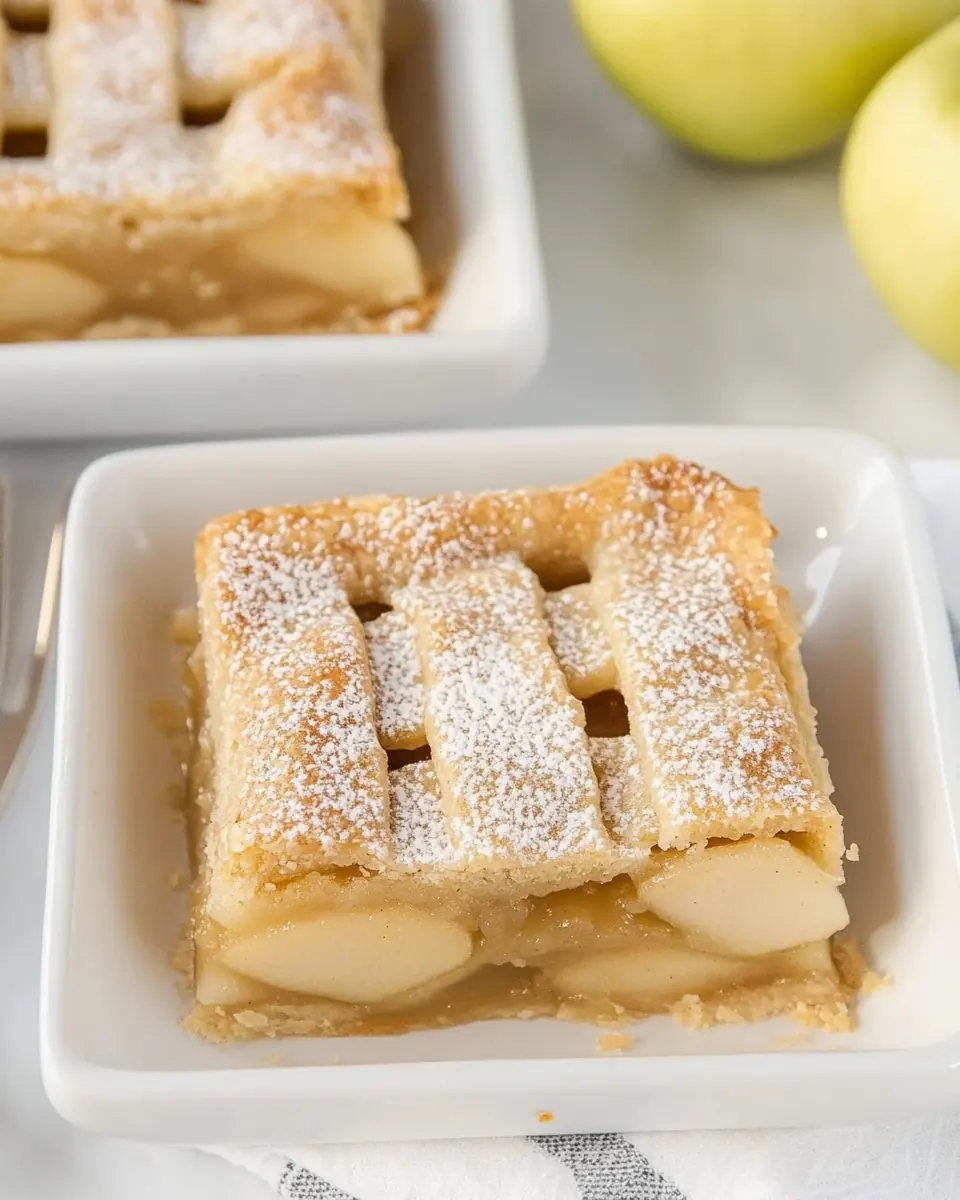
These ingredients are straightforward and purposeful. I believe less is more, and each item plays a clear role in texture and flavor. The crust relies on a marriage of flour, shortening, and butter to create flakiness and structure. The filling uses baking apples with sugar and a touch of cinnamon for warmth, while a small amount of flour helps bind juices so the bars hold together well.
- 4 cup s flour: Measure and combine to form the base dough; provides the primary structure and bulk for the pastry, contributing gluten for strength when mixed into dough. Works with fats and liquid to create a pliable, rollable crust that holds the filling and browns when baked.
- 1 teaspoon salt: Season sparingly to balance and enhance flavors; helps control yeast activity in other recipes and strengthens dough taste without overwhelming sweetness. Distributes evenly to bring out natural flavors of fruit and butter in the finished bars.
- 1 tablespoon sugar: Add for a touch of sweetness and to promote browning; helps balance tartness of apples and contributes to a slightly crisp crust edge. Can caramelize during baking to deepen overall flavor of the bars.
- 3/4 cup shortening, cut into pieces: Cut into pieces and incorporate as a shortening fat to tenderize the crust; contributes flakiness by interfering with gluten development and creating layers when dough is rolled. Remains solid at room temperature, helping the dough hold shape and produce a tender texture.
- 1 cup cold butter, cut into pieces: Keep cold and cut into pieces to create flaky layers and rich flavor; butter adds moisture, richness, and helps produce a golden, flavorful crust when baked. Cold pieces encourage small pockets of fat in the dough that steam and puff during baking.
- 3/4 cup very cold water: Use very cold to hydrate the dough without melting fats; helps bring the flour together into a cohesive dough while keeping fat pieces intact for flakiness. Cold water also controls dough temperature and makes handling easier.
- Filling: Label for the component containing the fruit mixture; designates where the apple filling ingredients begin and separates crust components from the fruity center. Acts as an organizational marker in the recipe so proportions and steps remain clear.
- 6 8 cups peeled, cored, and sliced baking apples (Jonagold recommended): Prepare peeled, cored, and sliced to form the bulk of the filling; offers texture, moisture, and natural sweetness, with baking apple varieties holding shape and developing flavor when cooked. Slice thickness affects cook time and mouthfeel, while proper preparation ensures even cooking.
- 1 scant cup sugar: Sweeten to taste and adjust filling balance; granulated sugar helps macerate the apples, draw out juices, and create a syrupy filling as it dissolves during baking. Quantity can be adjusted depending on apple tartness and desired sweetness.
- 1/2 teaspoon cinnamon or to taste: Spice lightly to complement the fruit without overpowering it; cinnamon adds warm, aromatic notes that pair well with apples and enhances perceived sweetness. Sprinkle and mix evenly so that each bite has a balanced spice profile.
- 1 tablespoon flour: Thicken the filling by absorbing excess juices and preventing a soggy crust; flour helps create a cohesive, sliceable filling as it cooks and gels with released apple juices. Distribute uniformly to avoid clumping and ensure consistent texture throughout the bars.
Apple Pie Bars Instructions
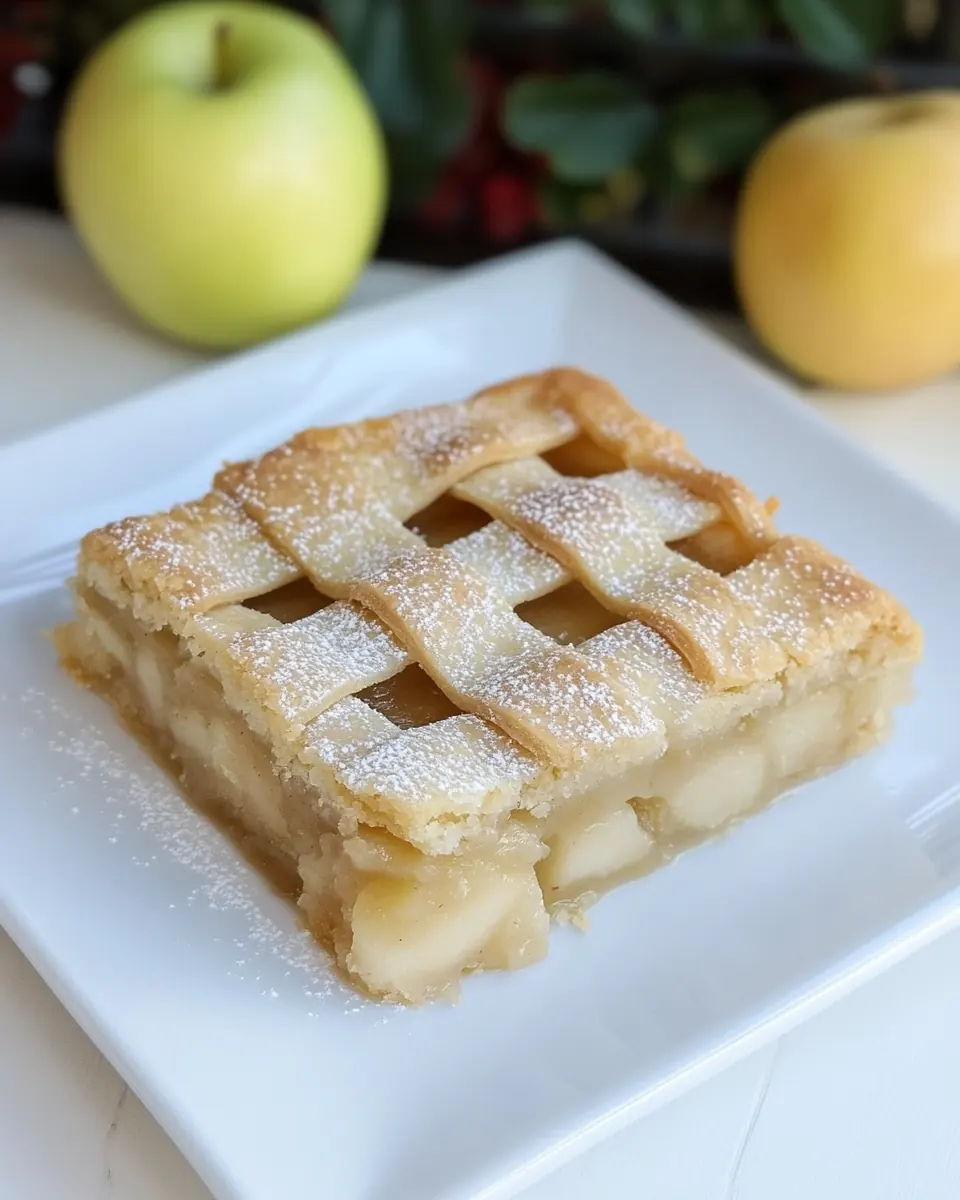
I like to think of the baking process as a series of sensory check points: feel the dough, smell the cinnamon, watch the crust color. The directions below expand on each action so you know what to expect and how to steer the bake toward success.
- In a food processor (or by hand), mix together the flour, salt, and sugar.: Right away you will notice the dry aroma of flour and the faint sweetness of sugar , a plain canvas before the fats arrive. Mixing these dry ingredients ensures even seasoning and browning later on. If you use a food processor the pulsing action keeps the mixture cool, whereas hand mixing gives you control over texture. A common pitfall is uneven salt distribution, which can make bites taste inconsistent; take a moment to stir thoroughly so the seasoning feels uniform.
- Add shortening and butter and pulse (or cut) until it's crumbly (and resembles coarse cornmeal).: As the cold butter and shortening mingle with the dry mix you will see pea sized pieces and a sandy texture, that is exactly what you want. The combination of fats gives both flavor and flakiness, and those visible flecks of butter are what turn into flaky pockets while baking. Avoid letting the fats soften or melt in your hands, as that will reduce flakiness; if things warm up, pop the bowl into the fridge for a few minutes.
- Slowly add and pulse the water into the flour mixture. Pulse until the mixture comes together. You may not need all the water.: When you introduce the very cold water , the dough will begin to bind into clumps that hold shape when pressed. The sensory cue I watch for is a slightly tacky surface that is not wet. Adding water slowly prevents a gluey dough. One frequent error is over hydrating which leads to a sticky, tough crust; stop adding water as soon as the dough forms.
- Divide dough into two balls, wrap in plastic, and refrigerate until cold, about 2 hours.: Chilling firms the fats and relaxes the gluten, so the crust will roll out without shrinking and will be tender when baked. You will feel the dough become cool and slightly firm to the touch after refrigeration. Rushing this step often causes the dough to tear while rolling, so be patient and let it rest sufficiently.
- Make the filling by mixing apple slices, sugar, flour, and cinnamon.: Tossing the peeled, cored, and sliced apples with sugar , flour , and cinnamon brings a juicy, fragrant filling. Smell the spices bloom as the sugar draws moisture from the fruit. Ensure the coating is even so every bite tastes balanced; clumps of flour or cinnamon can create gritty spots, so toss thoroughly.
- Preheat oven to 400º.: Preheating sets the stage for proper oven spring and crust color, and you will want the oven to be at full temperature when the pan goes in. A well preheated oven produces a golden crust and tender cooked apples . A typical oversight is placing the pan in too cool an oven, which can lead to pale crusts and undercooked filling, so give your oven time to reach temperature.
- Roll one ball of dough large enough to fit the bottom of a jellyroll pan. Arrange apples over dough. Roll out the second ball of dough and cover the apples. Pinch edges to seal.: Rolling the bottom layer thin and even ensures a sturdy base that bakes through. Layering the sliced apples in an even layer helps them cook uniformly and keeps the bars from becoming top heavy. When sealing, press the edges firmly; a poor seal can lead to leaking juices. Watch for thin spots in the dough, they can balloon during baking, so patch them before the pan goes in.
- Whisk egg whites and brush over the crust (only if you don't want to use the glaze). Cut vents in several places.: Brushing with whisked egg white gives a glossy finish and helps coarse sugar adhere, producing a crunchy top. Making several vents allows steam to escape so the filling does not soak the crust beneath. A common mistake is under venting, which can cause the filling to bubble up and crack the top layer; be generous with vents.
- Alternatively, you can cut strips of dough out of the rolled dough and apply a lattice topping.: A lattice gives classic pie aesthetics and creates extra crisp surface edges that brown attractively. As the lattice bakes, the smell of caramelizing sugar and butter becomes pronounced. Be mindful of even spacing so the topping cooks consistently; uneven strips can bake at different rates, leaving some edges overdone.
- If you don't want to use the glaze, brush the crust with the egg whites and sprinkle with coarse sugar.: Coarse sugar adds a satisfying crunch and sparkles under the oven light, contrasting the tender filling. The sensory payoff is a lightly crackling top that sings when you cut a slice. Avoid using too much sugar which can make the crust overly crunchy and overly sweet, altering the balance with the fruit.
- Bake for 35 minutes or till the crust is brown and the apples are tender.: During baking you will notice the aroma deepen and the top turn a golden brown, that color is your cue. The filling should be bubbling slightly near vents and the apples will be tender when pierced. Overbaking can dry the filling and toughen the crust, while underbaking yields a soggy center; check visually and with a fork in the apples.
- To make the glaze, mix powdered sugar, vanilla and add hot water till you reach your desired consistency. Drizzle or brush over the top crust.: The glaze smooths into glossy ribbons and introduces an extra sweet note and sheen that looks professional. Use hot water gradually until you achieve a thin, drizzling consistency. A common slip is making the glaze too thin which causes it to run off; if that happens, let the bars cool and the glaze will set more slowly but still provide shine.
- Serve warm or cold.: Serving temperature changes the experience, warm bars yield a softer filling with melting edges, while chilled bars are firmer and easier to slice. I often serve some warm for immediate enjoyment and save extras chilled for neat slices. Avoid cutting too soon when warm, as the filling may not have settled and slices can fall apart.
Change It Up
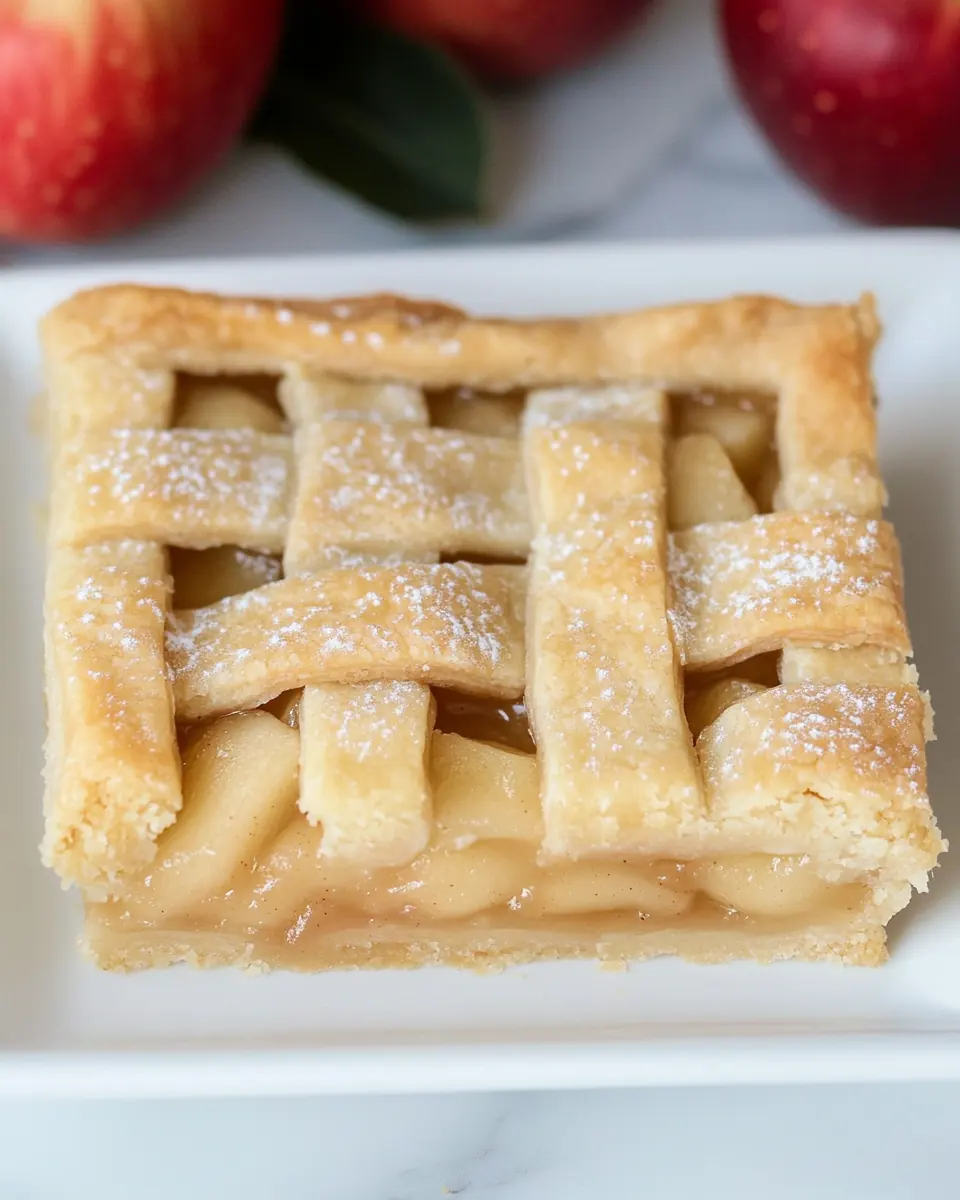
These suggestions help you personalize Apple Pie Bars while keeping the core technique intact. Small swaps and finishing touches can shift the mood from rustic to elegant without changing the method.
- Swap apples: Try mixing two varieties to balance sweet and tart, adjusting sugar slightly to taste, and you will get a nuanced filling.
- Use a crumble topping: Sprinkle a coarse oat and butter crumble over the top before baking for a crunchy contrast that plays well with the tender apples.
- Extra spice: Add a pinch of nutmeg or allspice to the filling for seasonal warmth, but introduce spices sparingly so they do not overpower the fruit.
- Glaze variations: Swap plain glaze for a maple glaze by replacing part of the hot water with warmed maple syrup to add depth and a subtle caramel note.
- Presentation: Cut into smaller bars for party bites or larger squares for dessert plates, and dust lightly with powdered sugar before serving for an inviting look.
- Make ahead: Bake the bars fully, then wrap and refrigerate. Reheat gently to revive the top and serve warm when guests arrive.
- Storage: Store cooled bars in an airtight container at room temperature for up to two days, or freeze slices for longer keeping and thaw gently before serving.
How to Serve Apple Pie Bars
These bars adapt well to many occasions, from casual coffee mornings to holiday dessert tables. Present them warm for a cozy feel, or chilled for neat slices that are easy to plate. They pair well with simple accompaniments and fit seasonal menus beautifully.
- Casual gatherings: Serve squares on a platter with napkins for easy grabbing, they make a friendly contribution to potlucks or school events.
- Dessert course: Plate a warm square with a dollop of whipped cream or a scoop of vanilla ice cream to complement the spiced apples.
- Breakfast or brunch: Offer a small square alongside coffee or tea for a sweet morning treat, the bars are sturdy for buffet style serving.
- Holiday table: Include them on a dessert board with nuts and fruit, their familiar flavors blend well with other seasonal sweets.
- Storage tips: Keep cooled bars in an airtight container up to two days at room temperature, or freeze wrapped slices for up to three months for make ahead convenience.
- Serving size: Cut into small or large squares depending on the crowd, smaller bites are perfect for sampling, larger slices feel indulgent for dessert.
FAQ
Conclusion
Apple Pie Bars are special because they condense the best parts of pie into an approachable, sliceable format that is both homey and elegant. The combination of a flaky crust and warmly spiced apples creates a texture and flavor harmony that guests notice right away. Give these bars a try when you want a reliable dessert that travels well and appeals to a crowd, and savor those moments when a simple recipe brings people together over bites of comfort.
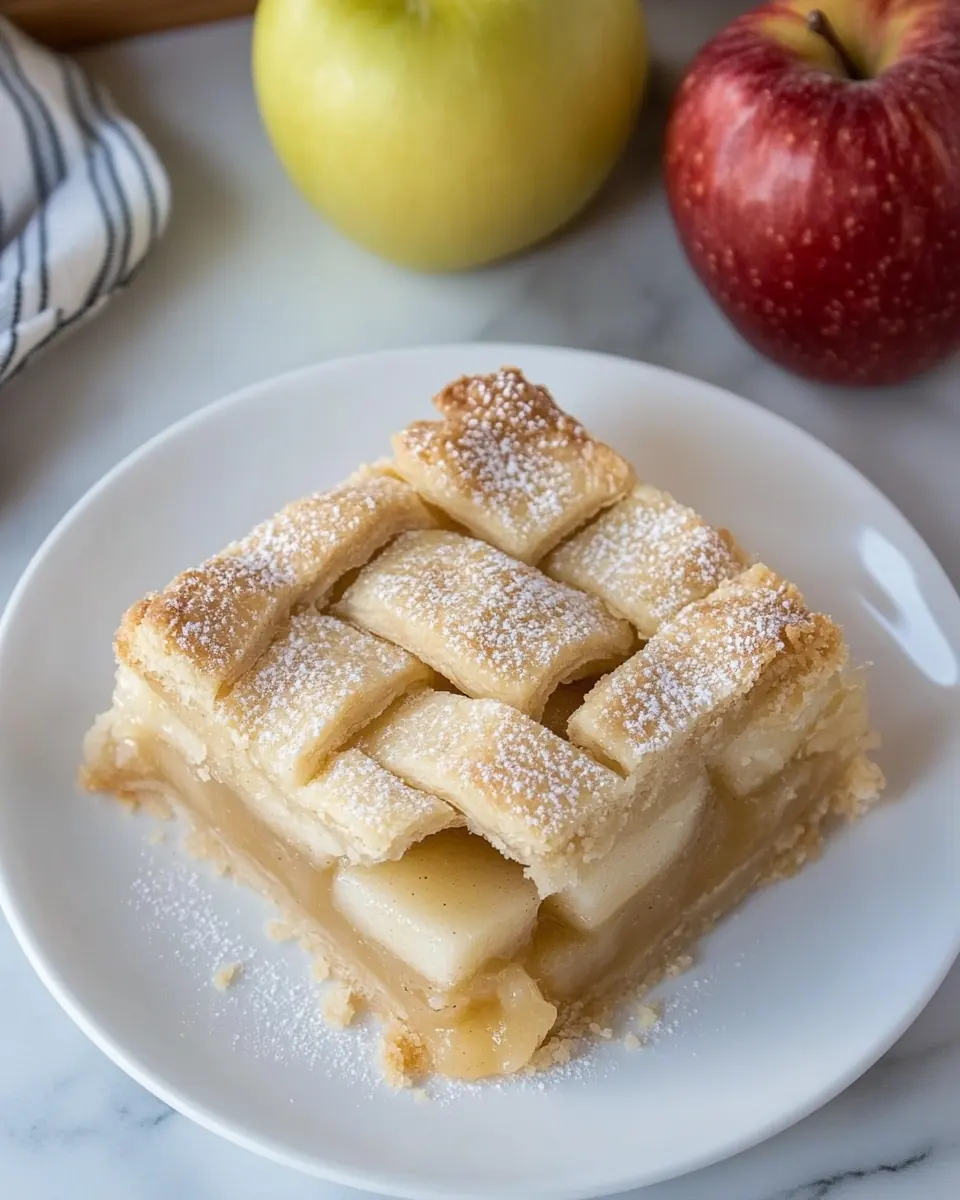
Apple Pie Bars
Ingredients
Equipment
Method
- In a food processor (or by hand), mix together the flour, salt, and sugar.: Right away you will notice the dry aroma of flour and the faint sweetness of sugar , a plain canvas before the fats arrive. Mixing these dry ingredients ensures even seasoning and browning later on. If you use a food processor the pulsing action keeps the mixture cool, whereas hand mixing gives you control over texture. A common pitfall is uneven salt distribution, which can make bites taste inconsistent; take a moment to stir thoroughly so the seasoning feels uniform.
- Add shortening and butter and pulse (or cut) until it's crumbly (and resembles coarse cornmeal).: As the cold butter and shortening mingle with the dry mix you will see pea sized pieces and a sandy texture, that is exactly what you want. The combination of fats gives both flavor and flakiness, and those visible flecks of butter are what turn into flaky pockets while baking. Avoid letting the fats soften or melt in your hands, as that will reduce flakiness; if things warm up, pop the bowl into the fridge for a few minutes.
- Slowly add and pulse the water into the flour mixture. Pulse until the mixture comes together. You may not need all the water.: When you introduce the very cold water , the dough will begin to bind into clumps that hold shape when pressed. The sensory cue I watch for is a slightly tacky surface that is not wet. Adding water slowly prevents a gluey dough. One frequent error is over hydrating which leads to a sticky, tough crust; stop adding water as soon as the dough forms.
- Divide dough into two balls, wrap in plastic, and refrigerate until cold, about 2 hours.: Chilling firms the fats and relaxes the gluten, so the crust will roll out without shrinking and will be tender when baked. You will feel the dough become cool and slightly firm to the touch after refrigeration. Rushing this step often causes the dough to tear while rolling, so be patient and let it rest sufficiently.
- Make the filling by mixing apple slices, sugar, flour, and cinnamon.: Tossing the peeled, cored, and sliced apples with sugar , flour , and cinnamon brings a juicy, fragrant filling. Smell the spices bloom as the sugar draws moisture from the fruit. Ensure the coating is even so every bite tastes balanced; clumps of flour or cinnamon can create gritty spots, so toss thoroughly.
- Preheat oven to 400º.: Preheating sets the stage for proper oven spring and crust color, and you will want the oven to be at full temperature when the pan goes in. A well preheated oven produces a golden crust and tender cooked apples . A typical oversight is placing the pan in too cool an oven, which can lead to pale crusts and undercooked filling, so give your oven time to reach temperature.
- Roll one ball of dough large enough to fit the bottom of a jellyroll pan. Arrange apples over dough. Roll out the second ball of dough and cover the apples. Pinch edges to seal.: Rolling the bottom layer thin and even ensures a sturdy base that bakes through. Layering the sliced apples in an even layer helps them cook uniformly and keeps the bars from becoming top heavy. When sealing, press the edges firmly; a poor seal can lead to leaking juices. Watch for thin spots in the dough, they can balloon during baking, so patch them before the pan goes in.
- Whisk egg whites and brush over the crust (only if you don't want to use the glaze). Cut vents in several places.: Brushing with whisked egg white gives a glossy finish and helps coarse sugar adhere, producing a crunchy top. Making several vents allows steam to escape so the filling does not soak the crust beneath. A common mistake is under venting, which can cause the filling to bubble up and crack the top layer; be generous with vents.
- Alternatively, you can cut strips of dough out of the rolled dough and apply a lattice topping.: A lattice gives classic pie aesthetics and creates extra crisp surface edges that brown attractively. As the lattice bakes, the smell of caramelizing sugar and butter becomes pronounced. Be mindful of even spacing so the topping cooks consistently; uneven strips can bake at different rates, leaving some edges overdone.
- If you don't want to use the glaze, brush the crust with the egg whites and sprinkle with coarse sugar.: Coarse sugar adds a satisfying crunch and sparkles under the oven light, contrasting the tender filling. The sensory payoff is a lightly crackling top that sings when you cut a slice. Avoid using too much sugar which can make the crust overly crunchy and overly sweet, altering the balance with the fruit.
- Bake for 35 minutes or till the crust is brown and the apples are tender.: During baking you will notice the aroma deepen and the top turn a golden brown, that color is your cue. The filling should be bubbling slightly near vents and the apples will be tender when pierced. Overbaking can dry the filling and toughen the crust, while underbaking yields a soggy center; check visually and with a fork in the apples.
- To make the glaze, mix powdered sugar, vanilla and add hot water till you reach your desired consistency. Drizzle or brush over the top crust.: The glaze smooths into glossy ribbons and introduces an extra sweet note and sheen that looks professional. Use hot water gradually until you achieve a thin, drizzling consistency. A common slip is making the glaze too thin which causes it to run off; if that happens, let the bars cool and the glaze will set more slowly but still provide shine.
- Serve warm or cold.: Serving temperature changes the experience, warm bars yield a softer filling with melting edges, while chilled bars are firmer and easier to slice. I often serve some warm for immediate enjoyment and save extras chilled for neat slices. Avoid cutting too soon when warm, as the filling may not have settled and slices can fall apart.
Notes
- Swap apples: Try mixing two varieties to balance sweet and tart, adjusting sugar slightly to taste, and you will get a nuanced filling.
- Use a crumble topping: Sprinkle a coarse oat and butter crumble over the top before baking for a crunchy contrast that plays well with the tender apples.
- Extra spice: Add a pinch of nutmeg or allspice to the filling for seasonal warmth, but introduce spices sparingly so they do not overpower the fruit.
- Glaze variations: Swap plain glaze for a maple glaze by replacing part of the hot water with warmed maple syrup to add depth and a subtle caramel note.
- Presentation: Cut into smaller bars for party bites or larger squares for dessert plates, and dust lightly with powdered sugar before serving for an inviting look.
- Make ahead: Bake the bars fully, then wrap and refrigerate. Reheat gently to revive the top and serve warm when guests arrive.
- Storage: Store cooled bars in an airtight container at room temperature for up to two days, or freeze slices for longer keeping and thaw gently before serving.