Air Fryer Coconut Shrimp
Air Fryer Coconut Shrimp has been one of those recipes I reach for when I want something crunchy yet light, a little tropical, and fast enough for a weeknight pivot. The first time I made it, I was racing the clock before guests arrived, and the air fryer rescued me with perfectly crisp shrimp that stayed tender inside while the exterior turned golden and nutty. I still remember the warm coconut aroma that filled my kitchen, and how everyone hovered around the plate, dipping into the sticky, bright sauce.
Over the years I have played with coatings and found that a simple trio of flour, egg, and a panko plus coconut mix gives the best texture. You get that satisfying crunch, but the crumbs do not feel heavy or greasy. I love serving these as an appetizer for gatherings or as a playful main with a crisp salad. When I make a batch, I always double the dipping sauce because it disappears fast.
Recipe Snapshot
22 mins
15 mins
7 mins
Easy
250 kcal
American
Gluten-Free, Low FODMAP
Appetizers
Air Fryer, Mesh Basket, Shallow Rimmed Plate, Small Bowl
Why This Air Fryer Coconut Shrimp Shines
Crunch without the guilt
I adore how Air Fryer Coconut Shrimp achieves a crunchy exterior with minimal oil. The air fryer crisps the panko and coconut so you get that toasted nuttiness, without deep frying, making it feel lighter yet still indulgent.
Speed meets predictable results
I often need food that performs under pressure. This recipe is reliably quick, going from prep to crispy in under 30 minutes. The timing is forgiving, and I can usually chat with guests while the air fryer does the heavy lifting.
Simple pantry ingredients
The ingredient list is straightforward, and the key players like panko breadcrumbs and unsweetened coconut flakes transform plain shrimp into something special. I appreciate recipes that don’t require a trip to a specialty market.
Textural contrast and flavor balance
The combination of airy panko and crisped coconut creates layers of texture. Paired with a bright, sweet dipping sauce, each bite balances crunchy, sweet, and savory notes, which keeps everyone reaching for more.
Versatile for occasions
I serve Air Fryer Coconut Shrimp for summer parties, casual weeknight dinners, and as a starter for a seaside themed meal. It is easy to scale, and the presentation is always crowd friendly.
Recipe Ingredients for Air Fryer Coconut Shrimp
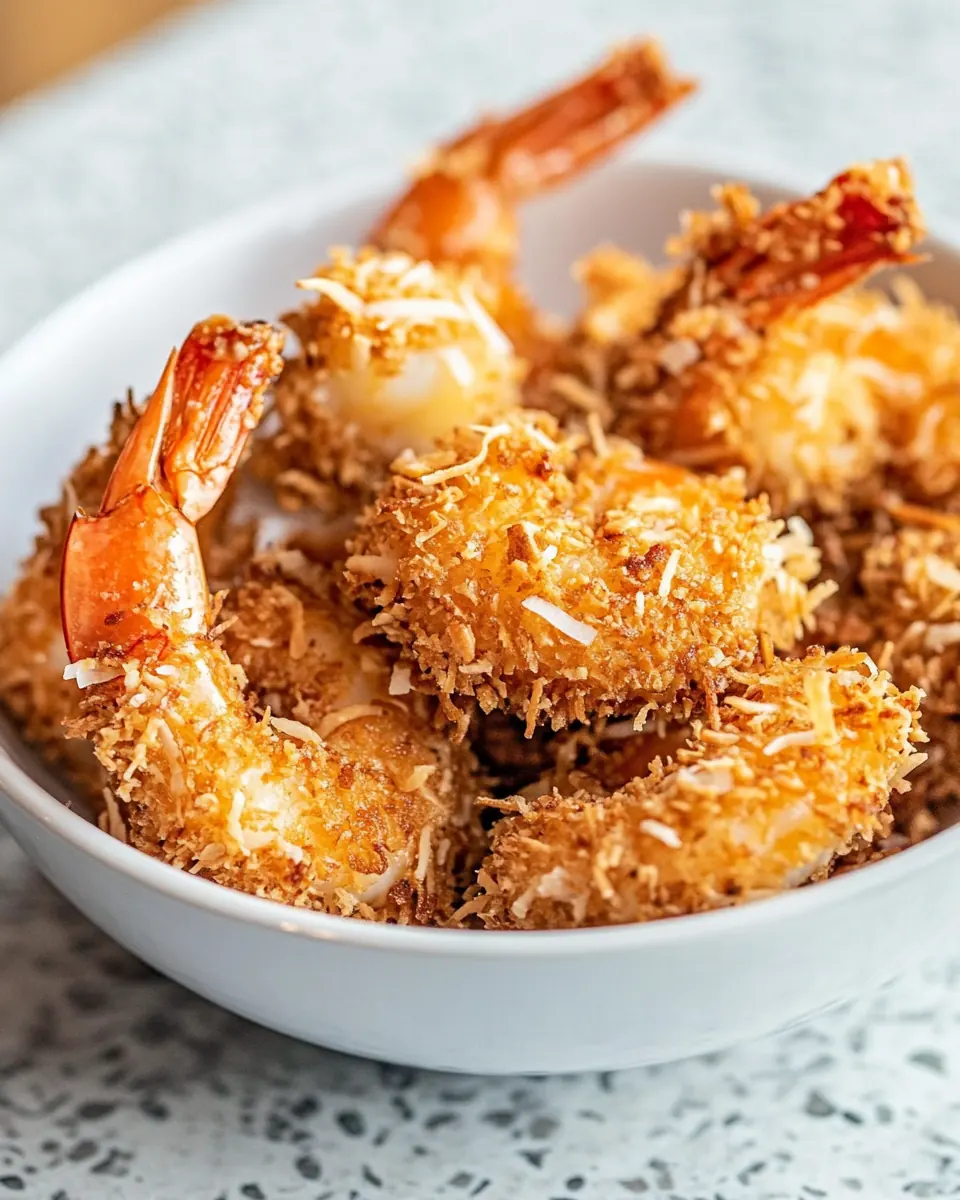
These ingredients reflect a philosophy of crisp simplicity. Each element plays a clear role in texture, seasoning, and structure. The shrimp provides tender protein, the flour helps the coating adhere, the egg creates a sticky binder, while the panko breadcrumbs and unsweetened coconut flakes deliver toasted crunch and coconut aroma. A final sprinkle of salt wakes up flavors, and a sweet chili dipping sauce adds contrast.
- 8 ounces large, raw shrimp tail on and deveined: Provide firm, meaty texture and protein; use peeled and deveined shrimp with tails on to make handling easier and to keep shape during cooking. Pat dry before coating to ensure the breading adheres properly and to achieve a crisp exterior in the air fryer.
- Salt: Enhance overall flavor by seasoning with just enough salt to bring out the natural sweetness of the shrimp; sprinkle evenly on both sides before dredging. Balance salt carefully if using salty dipping sauces to avoid over-seasoning.
- 2 tablespoons white whole-wheat flour: Act as a light coating binder and drier for the egg wash; use whole–wheat white flour sparingly to help the breadcrumb mixture stick to the shrimp. Sift or lightly shake off excess flour to prevent a gummy coating after air frying.
- 1 egg: Bind the flour and breadcrumb layers together and provide moisture for the coating to adhere; beat the egg briefly until uniform. Use a shallow bowl for easy dipping and ensure excess egg is allowed to drip off to avoid a heavy batter.
- 6 tablespoons panko breadcrumbs: Contribute crunchy texture and golden color to the crust; use panko for its coarse flakes that crisp well in the air fryer. Combine with coconut flakes for even coverage and shake off excess to prevent clumping.
- 6 tablespoons unsweetened coconut flakes: Offer sweet, tropical flavor and additional crunch; unsweetened coconut flakes keep sugar content low while toasting quickly in the air fryer. Mix evenly with panko so flakes adhere to the shrimp for consistent coconut flavor in every bite.
- Thai sweet chili sauce for dipping: Provide a tangy-sweet dipping contrast that complements the crunchy, coconut-coated shrimp; serve chilled or at room temperature for dipping. Offer alongside the shrimp to add spicy-sweet notes and enhance overall presentation.
Step by Step Guide for Air Fryer Coconut Shrimp
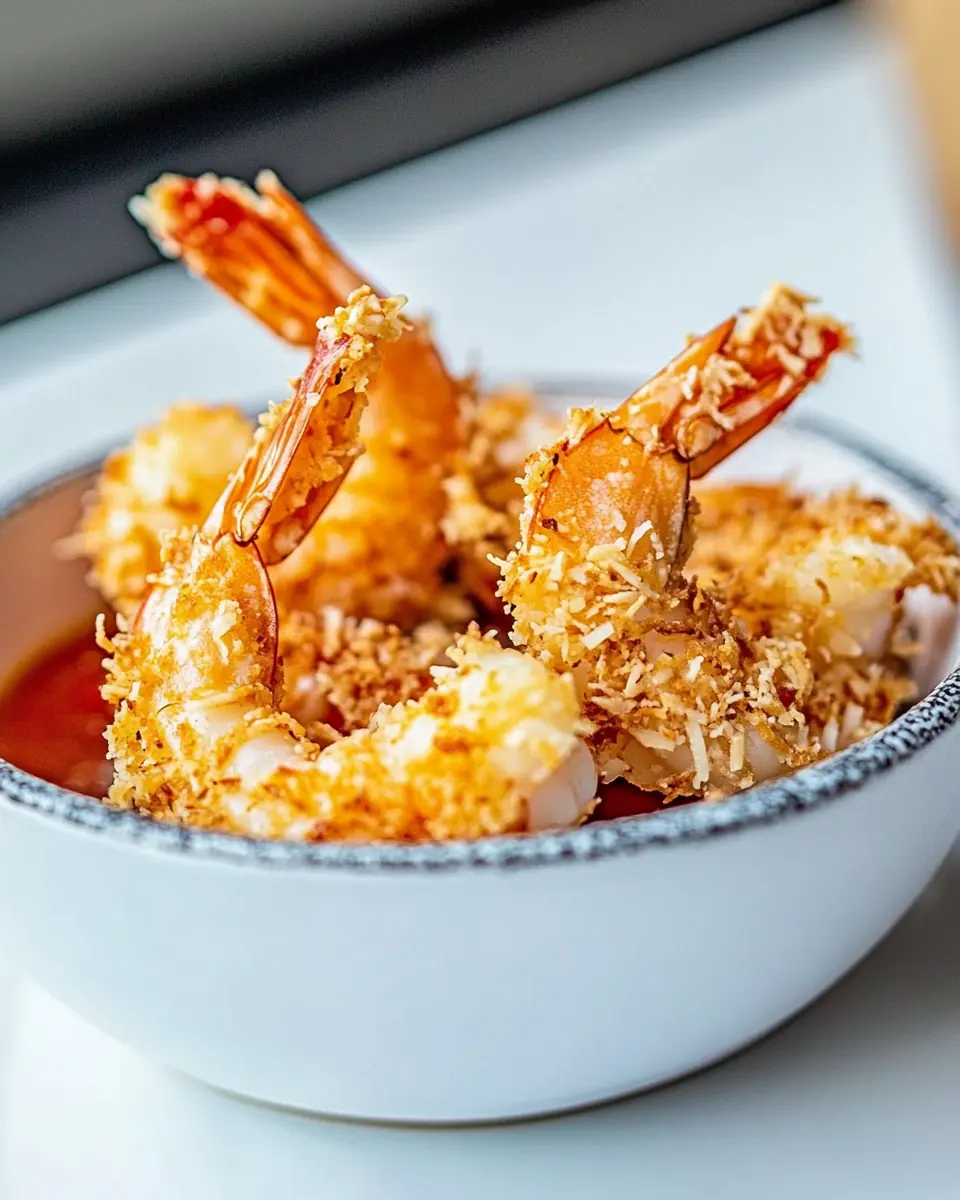
We will move through the steps with sensory cues to guide you. Read each expanded step fully so you know how the dish should smell, look, and feel at every moment. I like keeping a steady rhythm as I work, and these cues make the process more intuitive.
- Remove the shell from the shrimp, leaving the tail on. Gently pat the shrimp dry with paper towel. Sprinkle with salt.: The shrimp should feel cool and slightly firm to the touch, not limp. When you remove the shell, the exposed flesh will look glossy and pale gray. Pat the surface with a paper towel until it feels dry, this helps the coating adhere and prevents steaming in the air fryer. You will notice the shrimp smell faintly of the sea, a clean briny note that gets amplified when cooked. A common mistake is leaving too much moisture on the shrimp ; that causes the coating to slide off. Take your time here, and if any tails have fragments of shell, remove them carefully to avoid a gritty bite.
- Place the flour in a shallow, rimmed plate. Place the egg in a small bowl and mix the panko and coconut together in a separate shallow, rimmed plate.: After patting, the surface should appear matte, not wet. This dryness is the secret to a crisp crust because excess water generates steam and softens the coating. As you press gently, you may hear a slight rustling from the paper towel, and the surface should feel tack-free. If you skip this, the next layer will clump, leading to uneven browning. For best results, use clean, absorbent towels and press, don't rub, to preserve the texture of the shrimp .
- Hold the tail of the shrimp and dredge in the flour. Then, dip into the egg, shaking off any excess. Finally, dip the shrimp in the panko mixture, coating well. Place into the mesh basket of your air fryer. Repeat with all the shrimp, leaving a little room between the shrimp in the basket. Season again generously with salt.: The faint crystalline crunch of salt on raw shrimp seems small, but it awakens flavors as the shrimp cooks. Sprinkle evenly so that each piece receives a whisper of seasoning. You should not see big salt piles, just a light dusting that dissolves during cooking. The smell will brighten slightly as the salt interacts with the natural juices. Avoid over-salting now, since you will season again later; taste discipline prevents a dish that finishes overly salty.
- Spray the tops with avocado oil spray and cook at 400 degrees Fahrenheit for 3 minutes. Flip the shrimp and cook another 3-4 minutes, until pink and opaque.: The flour should coat the shrimp in a thin veil, helping the binder stick. Spread it evenly in the plate so each piece can be dredged quickly. When you press a shrimp into the flour , it will pick up a silky, dry coat. Too much flour creates thick clumps that will not crisp properly, giving a gummy texture instead of light crunch. Keep the dredging light and uniform.
- Serve with Thai sweet chili sauce for dipping.: Beat the egg until yolk and white are joined, creating a smooth, glossy binder; it should glide over the shrimp without pooling. In the other plate combine the panko breadcrumbs and unsweetened coconut flakes so they form a consistent coating mixture that toasts evenly. When you press the mix between fingers it should feel slightly coarse and airy, not clumpy. If the mix smells faintly toasted already, that is fine, but avoid any pre-burnt flakes. Mixing well prevents spots of pure coconut that can brown too quickly.
- Hold the tail of the shrimp and dredge in the flour: Grasping the tail gives you control and preserves presentation. As you dredge, the flour will cling to the moist areas and create a base layer. The visual cue is a thin, even white coating over the surface. You might hear a soft brushing sound as excess flour falls away. If you see large lumps of flour , tap the shrimp lightly to remove them; lumps will steam rather than crisp.
- Dip into the egg, shaking off any excess: The egg should cling like a glossy sheen, not a drippy glaze. After dipping, hold the shrimp for a second to let excess drip back into the bowl. This prevents a heavy batter that can slide off during the next step. You'll notice the surface becomes tacky and slightly opaque. A common error is to submerge for too long, creating a thick coating that turns gummy rather than crispy. Keep movements deliberate and swift.
- Finally, dip the shrimp in the panko mixture, coating well: Press the panko and coconut onto the shrimp so the coating adheres in an even layer. The mixture should cling with texture, and you may hear a soft crunch as crumbs press into the binder. Visually, the shrimp will look textured and pale, with bits of coconut visible. Avoid overpacking the crumbs; a thick, uneven coating can result in undercooked interior or burnt exterior. If you find bare spots, gently pat more crumbs where needed.
- Place into the mesh basket of your air fryer: Arrange the coated shrimp in a single layer with small spaces between them. Proper airflow is crucial; the shrimp should not touch heavily, or they will steam instead of crisp. The basket gives a light rattling as you set each piece in place. At this stage you should sense a nutty coconut scent from the exposed flakes. Packing too many will produce uneven browning, so cook in batches if necessary.
- Repeat with all the shrimp, leaving a little room between the shrimp in the basket: As you work through the batch, maintain consistent spacing so each piece cooks evenly. The repetition helps build a rhythm, and the visual reference of evenly spaced rows prevents crowding. If you rush, you will likely stack shrimp, which creates soggy patches. Keep an eye on uniformity for predictable texture across the batch.
- Season again generously with salt: A second seasoning round makes the flavor pop after the coating is applied. A light, even dusting enhances both the crust and the interior. The salt will meld into the crust as it heats, deepening the savory notes. Be careful not to overdo it; taste discipline ensures balance between sweet dipping sauce and seasoned crust.
- Spray the tops with avocado oil spray and cook at 400 degrees Fahrenheit for 3 minutes: The light spray encourages even browning and a golden color on the exposed tops. As the basket enters the air fryer, you may smell the first toasty coconut notes. At 400 degrees Fahrenheit the crumbs begin to crisp quickly, generating a faint sizzling sound and turning golden at the edges. A common pitfall is using too much oil which can produce a greasy finish, so a fine mist is ideal.
- Flip the shrimp and cook another 3 to 4 minutes, until pink and opaque: When you flip, the underside should already be lightly golden and fragrant. After finishing, the shrimp will look firm, curl slightly, and display an opaque pink hue throughout. The internal texture should be springy and tender, not rubbery. If the shrimp are overcooked they become tight and dry, so watch closely in the final minute. If your air fryer runs hot, reduce the second phase to three minutes and check for doneness.
- Serve with Thai sweet chili sauce for dipping: Plate the warm shrimp with the Thai sweet chili sauce on the side; the sauce adds sticky, bright sweetness against the toasted crust. You will notice the sweet chili enhances the coconut aroma and gives each bite a glossy finish. A bad move here is serving the sauce too warm which can melt the crust; room temperature or slightly chilled sauce provides the best contrast.
Helpful Notes about Air Fryer Coconut Shrimp
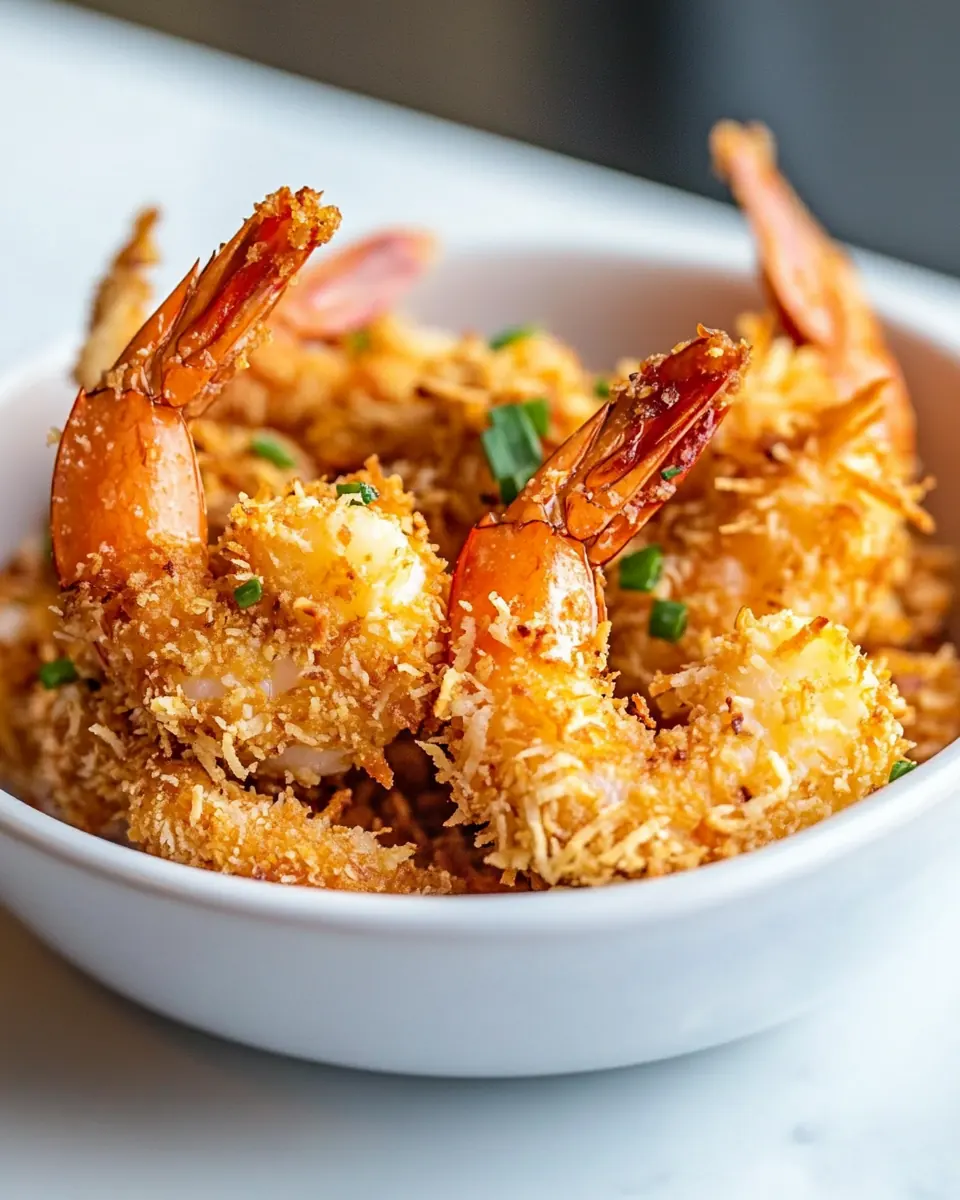
I like to think of these notes as the small choices that change the result from good to memorable. They cover timing, texture, and presentation so you can serve with confidence. Below are practical tips expanded into helpful items.
- Choose large, uniform shrimp to ensure even cooking. Picking shrimp that are similar in size helps them finish at the same time. If pieces vary, smaller shrimp will overcook before larger ones are done. Consistent size makes the texture predictable and prevents dry bites.
- Dry completely before breading because moisture is the enemy of crispness. Pat each shrimp with paper towels until the surface is matte. This reduces steaming in the air fryer and ensures the panko and coconut crisp instead of becoming pasty.
- Mix panko and coconut thoroughly so every mouthful has balanced crunch and coconut flavor. Stirring ensures small pieces of coconut are evenly distributed and toast at the same rate as the breadcrumbs. Uneven mixing leads to burnt coconut in spots and bland crumbs elsewhere.
- Use a light oil spray on the basket and tops of the shrimp for golden color. A fine mist encourages even browning while keeping the crust airy. Over-oiling results in soggy texture and masks the nutty coconut notes.
- Cook in batches if needed to avoid overcrowding the air fryer. Space allows hot air to circulate and produce an even crust. Although it adds a bit of time, the improvement in texture is worth it for a crisp, professional result.
Serving This Air Fryer Coconut Shrimp
These serving notes help you transform a simple appetizer into a memorable plate. Consider contrast, temperature, and occasion when plating, and highlight practicality for leftovers and storage.
- As an appetizer: Serve a small stack of shrimp with a ramekin of Thai sweet chili sauce. The sticky sauce and crunchy coating are a natural pairing for cocktail hour or small gatherings.
- Light meal: Arrange over a bed of crisp greens for a refreshing plate, the crunchy texture complements tender lettuce and bright vinaigrettes. This is ideal for a relaxed lunch or quick dinner.
- Summer entertaining: These are perfect for outdoor parties, because they reheat well and hold their shape. Keep sauce chilled and set up a dipping station so guests can help themselves.
- Storage tips: Cool completely, then store in an airtight container in the fridge for up to two days. Reheat in the air fryer at 350 degrees Fahrenheit for a few minutes to restore crispness. Avoid microwaving, which softens the coating.
- Occasions: Great for casual dinners, poolside snacks, or Ramadan if served as part of a larger spread. Their playful texture and sweet heat pair well with a variety of side dishes and festive menus.
- Presentation: Garnish with a wedge of lime or small herb sprigs for color and a citrus lift. Use small dipping bowls for each guest to keep the coating from getting soggy.
FAQ
Conclusion
What makes this recipe special is the way it produces a crunchy, toasted coconut crust on tender shrimp with minimal oil and effort. It’s fast, forgiving, and delivers consistent texture that guests notice and remember. I encourage you to try it soon, whether for a relaxed weeknight treat or as an impressive appetizer for friends. With simple pantry ingredients and a short cook time, this is one of those recipes that feels elevated yet easy, and it reliably disappears from the plate.
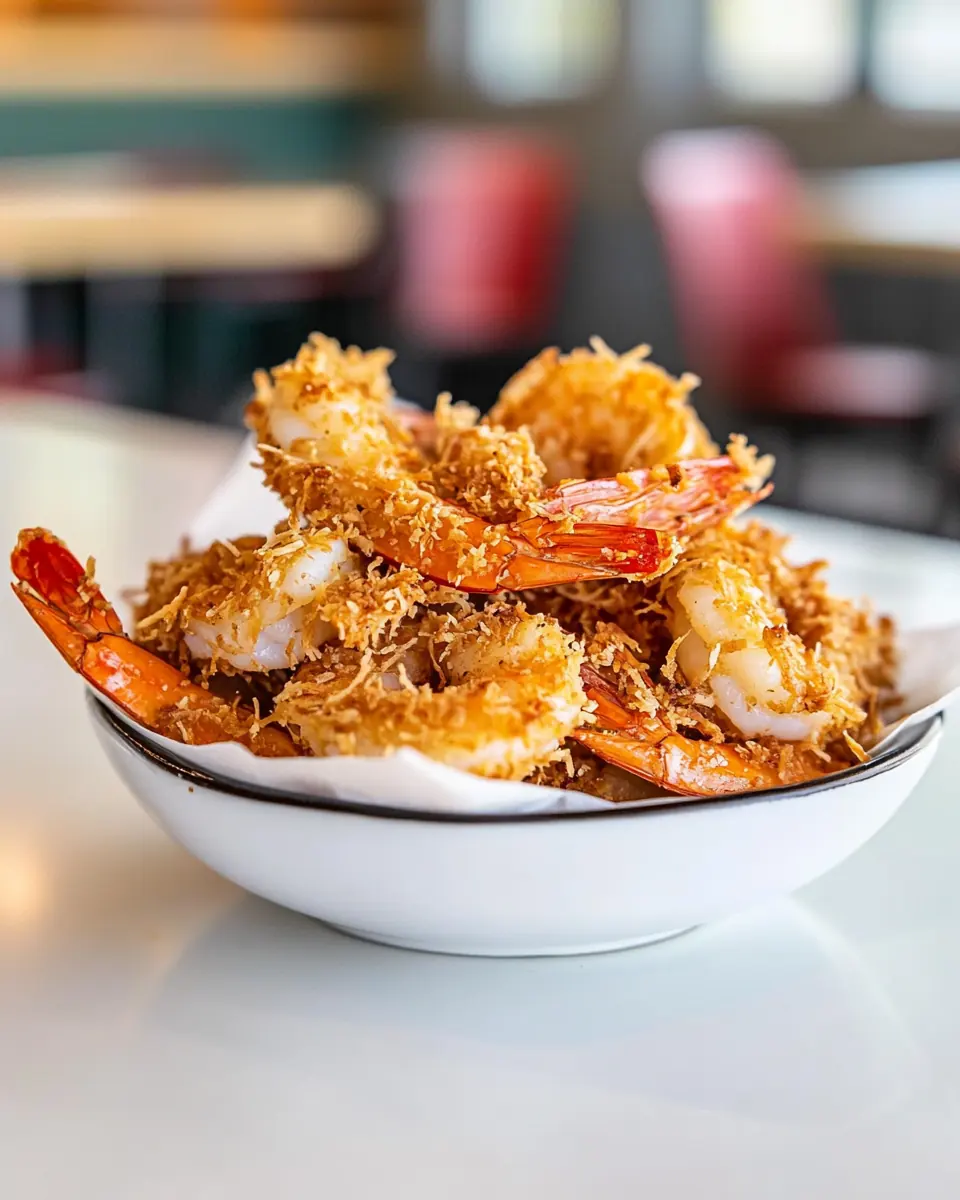
Air Fryer Coconut Shrimp
Ingredients
Equipment
Method
- Remove the shell from the shrimp, leaving the tail on. Gently pat the shrimp dry with paper towel. Sprinkle with salt.: The shrimp should feel cool and slightly firm to the touch, not limp. When you remove the shell, the exposed flesh will look glossy and pale gray. Pat the surface with a paper towel until it feels dry, this helps the coating adhere and prevents steaming in the air fryer. You will notice the shrimp smell faintly of the sea, a clean briny note that gets amplified when cooked. A common mistake is leaving too much moisture on the shrimp ; that causes the coating to slide off. Take your time here, and if any tails have fragments of shell, remove them carefully to avoid a gritty bite.
- Place the flour in a shallow, rimmed plate. Place the egg in a small bowl and mix the panko and coconut together in a separate shallow, rimmed plate.: After patting, the surface should appear matte, not wet. This dryness is the secret to a crisp crust because excess water generates steam and softens the coating. As you press gently, you may hear a slight rustling from the paper towel, and the surface should feel tack-free. If you skip this, the next layer will clump, leading to uneven browning. For best results, use clean, absorbent towels and press, don't rub, to preserve the texture of the shrimp .
- Hold the tail of the shrimp and dredge in the flour. Then, dip into the egg, shaking off any excess. Finally, dip the shrimp in the panko mixture, coating well. Place into the mesh basket of your air fryer. Repeat with all the shrimp, leaving a little room between the shrimp in the basket. Season again generously with salt.: The faint crystalline crunch of salt on raw shrimp seems small, but it awakens flavors as the shrimp cooks. Sprinkle evenly so that each piece receives a whisper of seasoning. You should not see big salt piles, just a light dusting that dissolves during cooking. The smell will brighten slightly as the salt interacts with the natural juices. Avoid over-salting now, since you will season again later; taste discipline prevents a dish that finishes overly salty.
- Spray the tops with avocado oil spray and cook at 400 degrees Fahrenheit for 3 minutes. Flip the shrimp and cook another 3-4 minutes, until pink and opaque.: The flour should coat the shrimp in a thin veil, helping the binder stick. Spread it evenly in the plate so each piece can be dredged quickly. When you press a shrimp into the flour , it will pick up a silky, dry coat. Too much flour creates thick clumps that will not crisp properly, giving a gummy texture instead of light crunch. Keep the dredging light and uniform.
- Serve with Thai sweet chili sauce for dipping.: Beat the egg until yolk and white are joined, creating a smooth, glossy binder; it should glide over the shrimp without pooling. In the other plate combine the panko breadcrumbs and unsweetened coconut flakes so they form a consistent coating mixture that toasts evenly. When you press the mix between fingers it should feel slightly coarse and airy, not clumpy. If the mix smells faintly toasted already, that is fine, but avoid any pre-burnt flakes. Mixing well prevents spots of pure coconut that can brown too quickly.
- Hold the tail of the shrimp and dredge in the flour: Grasping the tail gives you control and preserves presentation. As you dredge, the flour will cling to the moist areas and create a base layer. The visual cue is a thin, even white coating over the surface. You might hear a soft brushing sound as excess flour falls away. If you see large lumps of flour , tap the shrimp lightly to remove them; lumps will steam rather than crisp.
- Dip into the egg, shaking off any excess: The egg should cling like a glossy sheen, not a drippy glaze. After dipping, hold the shrimp for a second to let excess drip back into the bowl. This prevents a heavy batter that can slide off during the next step. You'll notice the surface becomes tacky and slightly opaque. A common error is to submerge for too long, creating a thick coating that turns gummy rather than crispy. Keep movements deliberate and swift.
- Finally, dip the shrimp in the panko mixture, coating well: Press the panko and coconut onto the shrimp so the coating adheres in an even layer. The mixture should cling with texture, and you may hear a soft crunch as crumbs press into the binder. Visually, the shrimp will look textured and pale, with bits of coconut visible. Avoid overpacking the crumbs; a thick, uneven coating can result in undercooked interior or burnt exterior. If you find bare spots, gently pat more crumbs where needed.
- Place into the mesh basket of your air fryer: Arrange the coated shrimp in a single layer with small spaces between them. Proper airflow is crucial; the shrimp should not touch heavily, or they will steam instead of crisp. The basket gives a light rattling as you set each piece in place. At this stage you should sense a nutty coconut scent from the exposed flakes. Packing too many will produce uneven browning, so cook in batches if necessary.
- Repeat with all the shrimp, leaving a little room between the shrimp in the basket: As you work through the batch, maintain consistent spacing so each piece cooks evenly. The repetition helps build a rhythm, and the visual reference of evenly spaced rows prevents crowding. If you rush, you will likely stack shrimp, which creates soggy patches. Keep an eye on uniformity for predictable texture across the batch.
- Season again generously with salt: A second seasoning round makes the flavor pop after the coating is applied. A light, even dusting enhances both the crust and the interior. The salt will meld into the crust as it heats, deepening the savory notes. Be careful not to overdo it; taste discipline ensures balance between sweet dipping sauce and seasoned crust.
- Spray the tops with avocado oil spray and cook at 400 degrees Fahrenheit for 3 minutes: The light spray encourages even browning and a golden color on the exposed tops. As the basket enters the air fryer, you may smell the first toasty coconut notes. At 400 degrees Fahrenheit the crumbs begin to crisp quickly, generating a faint sizzling sound and turning golden at the edges. A common pitfall is using too much oil which can produce a greasy finish, so a fine mist is ideal.
- Flip the shrimp and cook another 3 to 4 minutes, until pink and opaque: When you flip, the underside should already be lightly golden and fragrant. After finishing, the shrimp will look firm, curl slightly, and display an opaque pink hue throughout. The internal texture should be springy and tender, not rubbery. If the shrimp are overcooked they become tight and dry, so watch closely in the final minute. If your air fryer runs hot, reduce the second phase to three minutes and check for doneness.
- Serve with Thai sweet chili sauce for dipping: Plate the warm shrimp with the Thai sweet chili sauce on the side; the sauce adds sticky, bright sweetness against the toasted crust. You will notice the sweet chili enhances the coconut aroma and gives each bite a glossy finish. A bad move here is serving the sauce too warm which can melt the crust; room temperature or slightly chilled sauce provides the best contrast.
Notes
- Choose large, uniform shrimp to ensure even cooking. Picking shrimp that are similar in size helps them finish at the same time. If pieces vary, smaller shrimp will overcook before larger ones are done. Consistent size makes the texture predictable and prevents dry bites.
- Dry completely before breading because moisture is the enemy of crispness. Pat each shrimp with paper towels until the surface is matte. This reduces steaming in the air fryer and ensures the panko and coconut crisp instead of becoming pasty.
- Mix panko and coconut thoroughly so every mouthful has balanced crunch and coconut flavor. Stirring ensures small pieces of coconut are evenly distributed and toast at the same rate as the breadcrumbs. Uneven mixing leads to burnt coconut in spots and bland crumbs elsewhere.
- Use a light oil spray on the basket and tops of the shrimp for golden color. A fine mist encourages even browning while keeping the crust airy. Over-oiling results in soggy texture and masks the nutty coconut notes.
- Cook in batches if needed to avoid overcrowding the air fryer. Space allows hot air to circulate and produce an even crust. Although it adds a bit of time, the improvement in texture is worth it for a crisp, professional result.