Applewiches
Applewiches came into my life on an ordinary autumn afternoon when I was craving something crisp, sweet, and just a little playful.
I remember grabbing a bright, tart apple from my fruit bowl, thinking of childhood snack sandwiches and how a few simple ingredients could spark that same cozy feeling. I sliced into the apple, and the first scent of cold fruit made me smile, and I decided to build a tiny sandwich. The crunch of the first bite transported me back to school lunches, but with a grown up, wholesome twist.
Over the years I have turned this into a reliable nibble for busy mornings, a quick lunch addition, or a fun treat at family gatherings. I like that it feels playful, yet it is genuinely satisfying. The pop of juice from the apple, the creamy pull of peanut butter, and the savory snap of cheddar cheese make each mouthful interesting. I often change the apple variety depending on mood, but the idea stays the same, and it always brightens the table.
Whether you need a fast snack before a meeting, something to tuck into a packed lunch, or a simple dessert alternative after dinner, Applewiches is the kind of recipe that instantaneously fits the moment without fuss. I love how the ingredients are ordinary, yet together they feel inventive. Try it when you want something quick and satisfying, and you may end up making it a staple too.
Recipe Snapshot
5 mins
5 mins
0 mins
Easy
180 kcal
American
Gluten-Free, Vegan
Appetizers
Knife, Cutting board
The Magic of This Applewiches
Simple but surprising flavor contrasts
I love how Applewiches pairs crisp, slightly tart apple with creamy peanut butter and sharp cheddar cheese. Each bite balances sweet, savory, and crunchy textures, and that contrast keeps my taste buds interested. When I serve these to friends, they often comment on how unexpected the combo is, and then they ask for the recipe.
Speed and accessibility
One of the main reasons I reach for Applewiches is how fast it is. With almost no prep and no cooking, it is my go to for busy afternoons. I appreciate recipes that respect time without sacrificing flavor, and this one does precisely that. Whenever I need a quick energy boost, it is my fallback.
Kid friendly and customizable
Kids adore the fun of apple slices as bread. I remember making these with my niece, and she loved assembling her own pockets. The structure invites creativity, and I like to let people build their own so everyone gets exactly what they want. It is a gentle way to introduce new flavors to picky eaters.
Healthy-ish indulgence
For me, Applewiches feels like an indulgence that does not derail the day. The apple brings fiber and freshness, while peanut butter adds protein and richness, and cheddar cheese supplies a savory note that keeps it satisfying. I often choose this when I want something that hits the snack sweet spot without feeling heavy.
Portable and versatile
I often pack these for picnics, short hikes, or to slip into lunchboxes. They travel well if you keep the slices snug, and assembling them on the spot helps avoid sogginess. Their portability makes them a practical choice for many situations, and I always appreciate snacks that are both tasty and transportable.
Key Ingredients for Applewiches
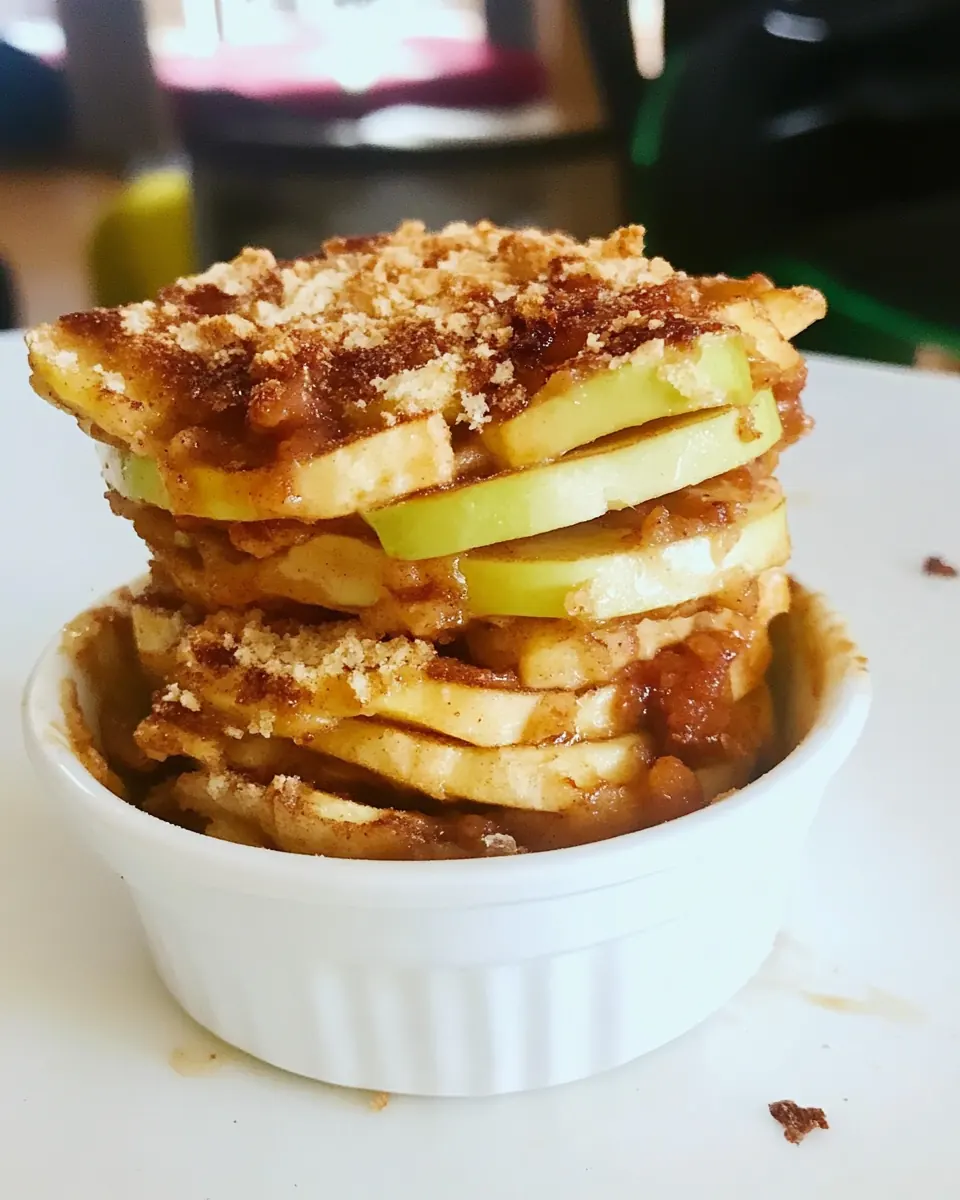
These ingredients are intentionally few yet complementary. The philosophy here is restraint, letting each component play a clear role. The apple provides a crisp, juicy base, the peanut butter lends creaminess and protein, and the cheddar cheese introduces savory contrast. Together they form a simple, balanced bite where texture and flavor interplay.
- 1 apple: Slice thin and crisp to provide a juicy, sweet-tart base that contrasts creamy fillings; serves as the handheld platform for assembling layers. Choose a firm apple to maintain structure during biting and prevent sogginess. Core cleanly and trim to matching thickness for balanced texture in each bite.
- 2 tablespoons peanut butter: Spread evenly to add rich, nutty creaminess and salty depth that complements the fruit and cheese; acts as an adhesive to keep components together. Opt for smooth or crunchy based on desired mouthfeel, and consider warming slightly to ease spreading. Be mindful of portion to balance calories while preserving flavor.
- 1 slice cheddar cheese: Melt slightly or fold thin to contribute a savory, sharp counterpoint that balances sweetness and richness; offers a creamy, tangy element in each sandwich. Select a firm slice that will not overpower other flavors, and cut to size so it layers neatly without sliding. Serve at room temperature for optimal flavor release.
How to Make Applewiches
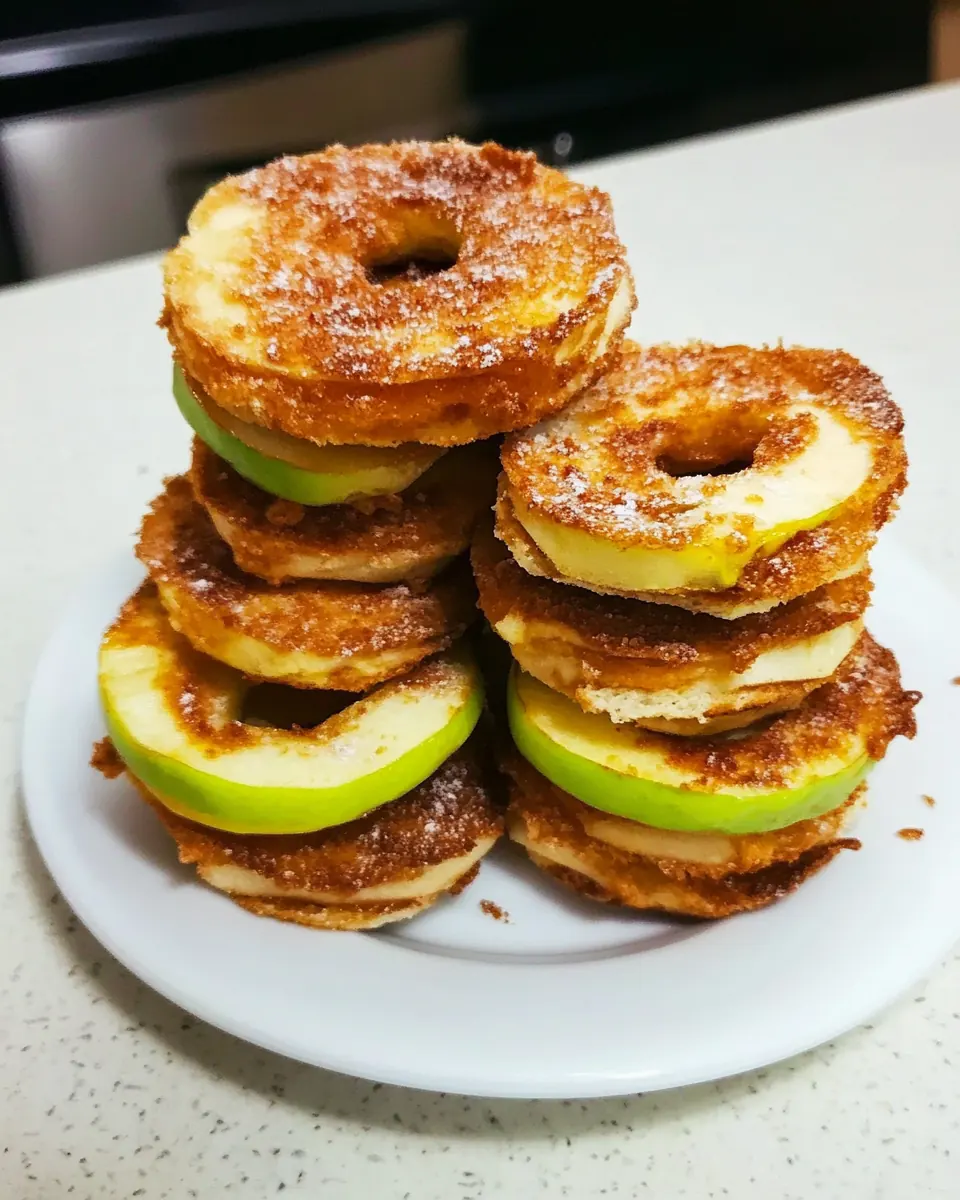
Making Applewiches is quick and tactile, and I enjoy the hands on assembly. Below are step by step descriptions that focus on sensory cues and troubleshooting so you can get consistent results every time.
- Cut four thick slices from apple.: Right after slicing the apple , you will hear a crisp, satisfying snap, and the exposed flesh will look pale and moist, not brown. The thickness should be enough to support the fillings without bending, roughly about the width of a coin or slightly more. This technique matters because thin slices will fold and spill fillings, while too thick slices can be awkward to bite through. A common mistake is leaving the core in the slice, which will make assembly uneven; use a small knife to remove any seeds cleanly. Watch for juice pooling on the cutting board, which is normal, and pat slices slightly if needed to avoid slipping when spreading.
- Spread two slices with one tablespoon of peanut butter each.: When you spread the peanut butter , you should feel gentle resistance from the creamy texture and see the glossy sheen as it levels out. The aroma of roasted peanuts will rise, and the spread should cling to the fruit surface. This step is important so the peanut butter acts as an adhesive for the cheddar cheese . If you glob too much on, the sandwich will become messy and hard to bite, so stick to about one tablespoon per slice. A frequent error is using overly runny peanut butter ; if yours is loose, chill briefly so it firms up. Smooth application prevents sliding and keeps the layers tidy.
- Cut slice of cheddar cheese into two or four equal parts to go onto the apple slices evenly. Place on top of peanut butter.: As you cut the cheddar cheese , notice its slightly tangy scent and the clean edge the knife leaves. Arranging smaller pieces across the spread ensures even flavor with every bite and prevents one spot from being overwhelmingly cheesy. This technique improves balance so the peanut butter and cheddar cheese harmonize across the surface. Avoid making pieces too large, which can create hard to bite lumps; aim for thin, even portions that sit flush on the spread. If the cheddar cheese is cold and crumbly, let it sit a minute to warm to room temperature for better slicing and mouthfeel.
- Top with remaining apple slices.: When you cap the assembled halves with the remaining apple slices, you should feel a slight give as the fillings nestle together, and the overall shape becomes sandwich like. The fresh scent of the apple will mingle with the nutty and tangy notes, signaling readiness. This final layering is crucial to create a compact bite, and aligning edges helps with neatness. A common mistake is misaligning the slices, which makes the sandwich awkward to hold; press gently to secure the layers without squeezing out fillings. If juices start to seep, blot lightly with a napkin to maintain structure.
- Eat immediately.: The moment you bite in, you should experience an immediate contrast of crisp apple and creamy peanut butter followed by the savory pop of cheddar cheese . Freshness is key here, so this is best consumed right away to keep the crunchy texture. Waiting too long allows moisture transfer, making the sandwich soggy, and diminishing the delightful crunch. A typical oversight is packing them too early for lunches; instead, assemble just before eating or keep components separate until ready. If you must prepare ahead, layer parchment between slices to slow moisture migration.
Expert Tips about Applewiches
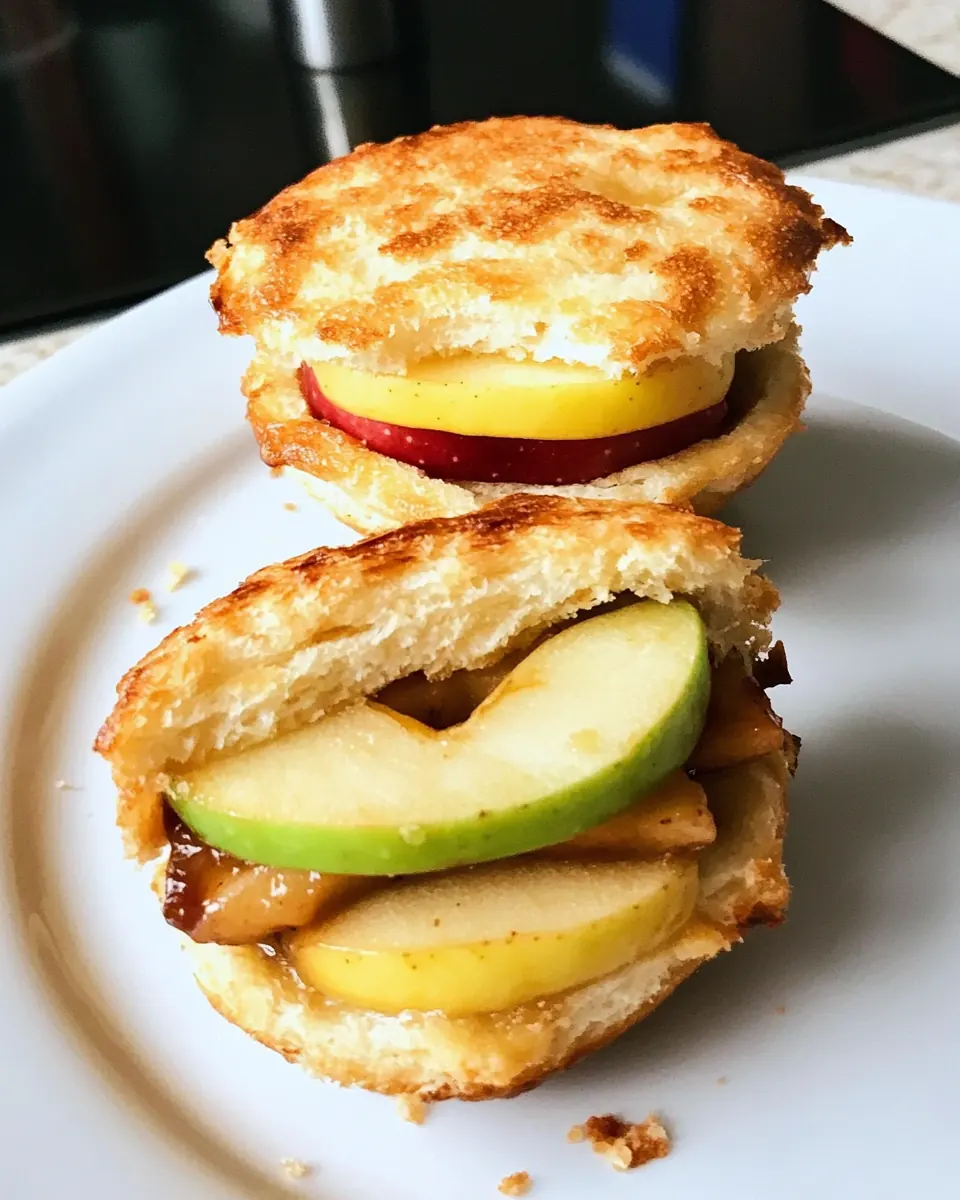
I like to keep a few tricks in my back pocket to make Applewiches consistently great. These tips focus on texture, timing, and small adjustments that yield big improvements in every bite.
- Pick the right apple: Choose a firm variety to ensure the slices hold up and provide a satisfying crunch, which is the backbone of this snack.
- Control peanut butter quantity: Use measured tablespoons so the sandwich remains tidy and easy to eat without fillings slipping out.
- Warm the cheese slightly: Let cheddar cheese sit at room temperature for a few minutes before slicing, which makes cutting easier and improves flavor release.
- Cut evenly: Aim for uniform apple slices so each bite has consistent texture, and the sandwich stacks neatly without sliding.
- Assemble just before eating: To preserve the crunch, build the sandwich moments before serving, unless you separate components for later assembly.
How to Enjoy Applewiches
Applewiches are wonderfully adaptable, and I enjoy them across different occasions. They work as a quick snack, a light lunch, or a playful addition to a kids party. Below I outline serving ideas, complementary sides, and storage suggestions so you can enjoy them in many settings.
- Simple snack: Serve a single Applewich on a small plate as a mid afternoon pick me up. The crisp texture and mix of creamy and savory flavors make it a satisfying mini meal.
- Lunchbox addition: Pack components separately in small containers so the sandwich can be assembled at lunchtime, preserving the apple crunch for kids or adults on the go.
- Party platter: Arrange multiple Applewiches on a board with extra sliced apple and small bowls of peanut butter for guests to customize; they are great for casual gatherings.
- Seasonal pairing: During the fall, pair with a warm beverage and roasted nuts for a cozy snack, the seasonal apple varieties elevate the experience.
- Storage tips: If you must prepare ahead, store sliced apple in a lightly acidulated water bath briefly to slow browning, then dry and keep components separate until serving.
- Occasion ideas: These are perfect for quick breakfasts, school snacks, casual lunches, or an afternoon energy boost during busy days.
FAQ
Conclusion
Applewiches shine because they transform three simple ingredients into a snack that is crunchy, creamy, and satisfyingly savory all at once. I encourage you to try them the next time you want a quick bite that feels both playful and nourishing. They are easy to assemble, travel well when packed thoughtfully, and make a charming change from the usual snack routine.
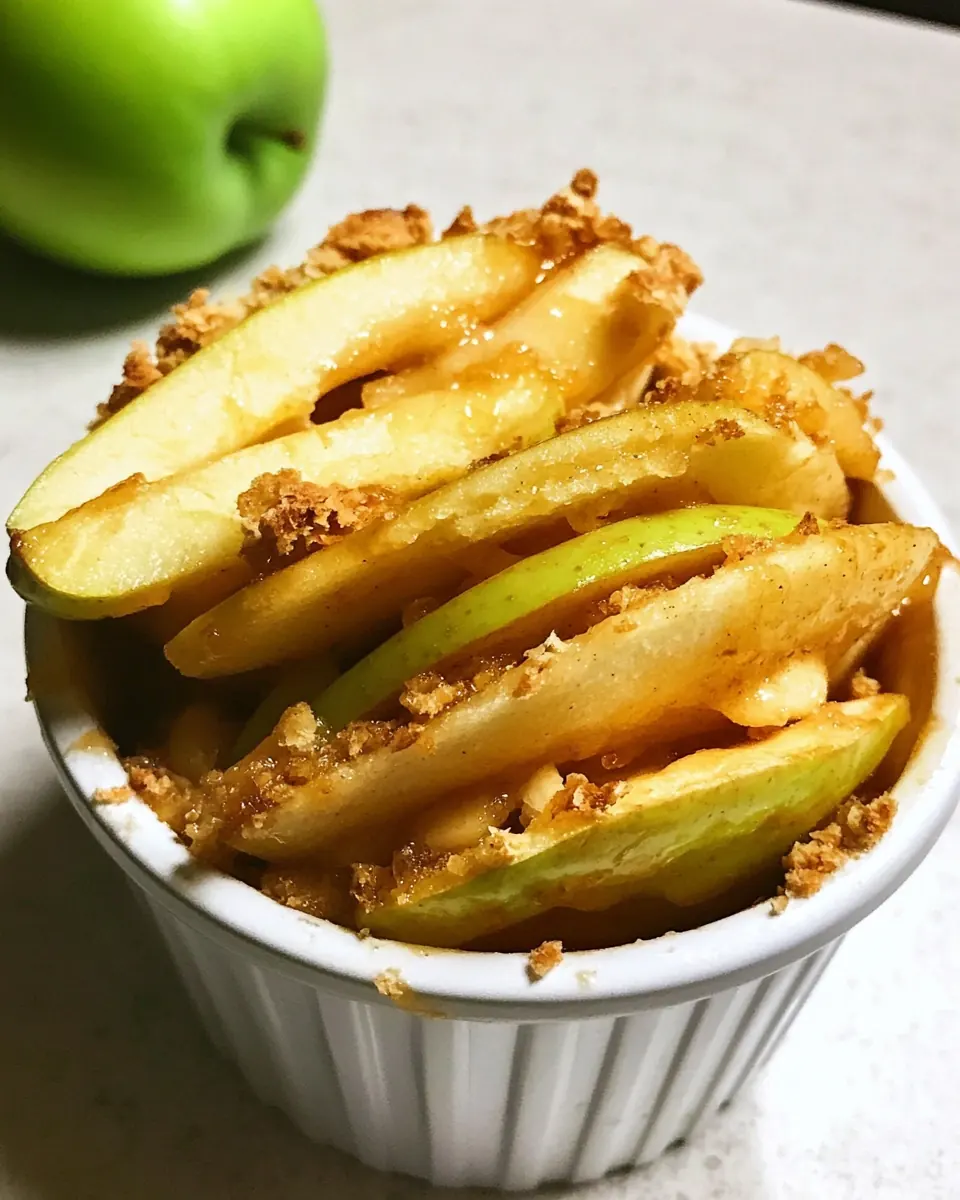
Applewiches
Ingredients
Equipment
Method
- Cut four thick slices from apple.: Right after slicing the apple , you will hear a crisp, satisfying snap, and the exposed flesh will look pale and moist, not brown. The thickness should be enough to support the fillings without bending, roughly about the width of a coin or slightly more. This technique matters because thin slices will fold and spill fillings, while too thick slices can be awkward to bite through. A common mistake is leaving the core in the slice, which will make assembly uneven; use a small knife to remove any seeds cleanly. Watch for juice pooling on the cutting board, which is normal, and pat slices slightly if needed to avoid slipping when spreading.
- Spread two slices with one tablespoon of peanut butter each.: When you spread the peanut butter , you should feel gentle resistance from the creamy texture and see the glossy sheen as it levels out. The aroma of roasted peanuts will rise, and the spread should cling to the fruit surface. This step is important so the peanut butter acts as an adhesive for the cheddar cheese . If you glob too much on, the sandwich will become messy and hard to bite, so stick to about one tablespoon per slice. A frequent error is using overly runny peanut butter ; if yours is loose, chill briefly so it firms up. Smooth application prevents sliding and keeps the layers tidy.
- Cut slice of cheddar cheese into two or four equal parts to go onto the apple slices evenly. Place on top of peanut butter.: As you cut the cheddar cheese , notice its slightly tangy scent and the clean edge the knife leaves. Arranging smaller pieces across the spread ensures even flavor with every bite and prevents one spot from being overwhelmingly cheesy. This technique improves balance so the peanut butter and cheddar cheese harmonize across the surface. Avoid making pieces too large, which can create hard to bite lumps; aim for thin, even portions that sit flush on the spread. If the cheddar cheese is cold and crumbly, let it sit a minute to warm to room temperature for better slicing and mouthfeel.
- Top with remaining apple slices.: When you cap the assembled halves with the remaining apple slices, you should feel a slight give as the fillings nestle together, and the overall shape becomes sandwich like. The fresh scent of the apple will mingle with the nutty and tangy notes, signaling readiness. This final layering is crucial to create a compact bite, and aligning edges helps with neatness. A common mistake is misaligning the slices, which makes the sandwich awkward to hold; press gently to secure the layers without squeezing out fillings. If juices start to seep, blot lightly with a napkin to maintain structure.
- Eat immediately.: The moment you bite in, you should experience an immediate contrast of crisp apple and creamy peanut butter followed by the savory pop of cheddar cheese . Freshness is key here, so this is best consumed right away to keep the crunchy texture. Waiting too long allows moisture transfer, making the sandwich soggy, and diminishing the delightful crunch. A typical oversight is packing them too early for lunches; instead, assemble just before eating or keep components separate until ready. If you must prepare ahead, layer parchment between slices to slow moisture migration.
Notes
- Pick the right apple: Choose a firm variety to ensure the slices hold up and provide a satisfying crunch, which is the backbone of this snack.
- Control peanut butter quantity: Use measured tablespoons so the sandwich remains tidy and easy to eat without fillings slipping out.
- Warm the cheese slightly: Let cheddar cheese sit at room temperature for a few minutes before slicing, which makes cutting easier and improves flavor release.
- Cut evenly: Aim for uniform apple slices so each bite has consistent texture, and the sandwich stacks neatly without sliding.
- Assemble just before eating: To preserve the crunch, build the sandwich moments before serving, unless you separate components for later assembly.