Easy Vegetable Pancakes
Easy Vegetable Pancakes have been my go to on busy weeknights when I want something comforting and a little playful, a dish that turns a bag of frozen veggies into a satisfying meal in minutes.
I first made these when I had a fridge full of random produce and a kiddo begging for something crunchy and fun to eat. I mixed up a simple batter, folded in a colorful frozen veggie medley, and watched the skillet turn each small round into a golden bite that smelled of warm toast and sweet, cooked vegetables. It felt like a small kitchen victory, the kind that makes you grin and vow to keep the pantry stocked with staples.
Over time I learned little tricks that changed the texture and flavor, things like giving the batter a short rest so the flour hydrates, or using a nonstick pan so the edges crisp without sticking. Family and friends started asking for them at brunches, and I began to think of these pancakes as a blank canvas for whatever you have on hand. They can be weeknight supper, a picnic finger food, or a weekend brunch star depending on how you serve them.
Recipe Snapshot
25 mins
10 mins
15 mins
Easy
250 kcal
American
Gluten-Free, Low FODMAP
Breakfast
Green Pan Non-Stick Pan, Storage Containers, Whole-Wheat Flour
What Sets This Easy Vegetable Pancakes Apart
They come together in minutes
I love how fast Easy Vegetable Pancakes are. With just a few pantry staples and a frozen veggie bag, you can have batter ready in minutes, which means less time prepping and more time enjoying the table. That immediate payoff makes this a recipe I reach for when life feels hectic.
Flexible and forgiving
One of the best things about these pancakes is their adaptability. I often tweak the batter depending on what I have, and the recipe forgives small measurement slips, which is perfect when you are cooking with kids or while multitasking. You can swap the milk or use dairy free options without losing the core texture.
Great way to sneak vegetables into meals
I confess I sometimes use these pancakes to convince picky eaters to try more vegetables. The veggies soften and sweeten as they cook, folding into the fluffy batter so the final bite feels more like a savory pancake than a plate of steamed veg, which helps folks enjoy more greens with less fuss.
Textural contrast that delights
The crisp, golden exterior paired with the tender, vegetable studded interior is a combination I keep coming back to. As the edges brown, they offer a satisfying crunch, while the center stays soft and slightly chewy. That variety of mouthfeel is what makes these memorable beyond their convenience.
Versatile serving options
Finally, Easy Vegetable Pancakes are endlessly serviceable. I serve them with cool dollops of sour cream, a bright cucumber sauce, or salsa for a punchy contrast, and they work for breakfast, lunch, or a light dinner. I like recipes that adapt to the moment, and these do just that.
Ingredients Required for Easy Vegetable Pancakes
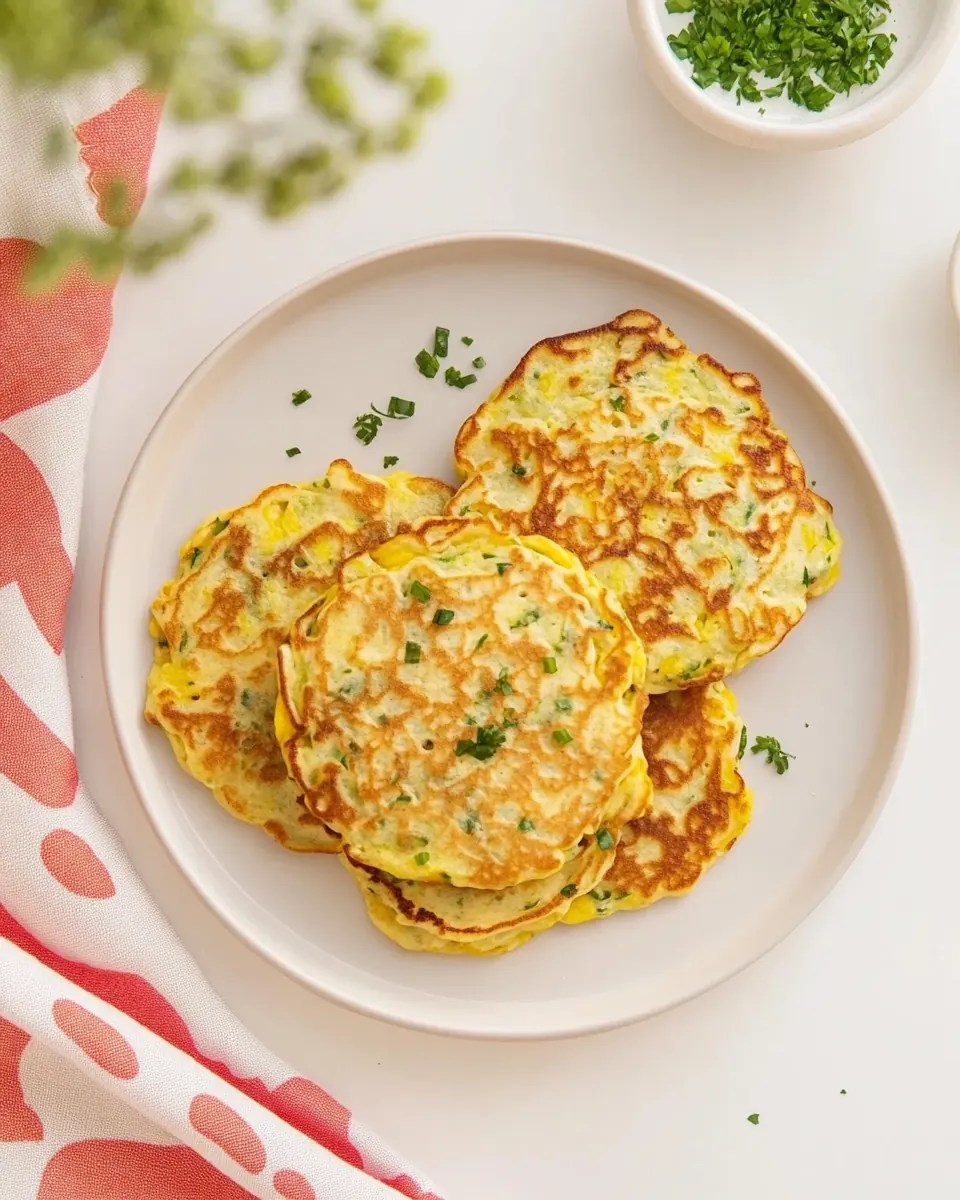
These ingredients create a simple, balanced batter that binds vegetables into tender, golden rounds. The flour and milk build structure, the egg adds richness, and the baking powder gives lift so the pancakes are light despite the veggie fold ins. The shredded cheddar adds savory depth and a touch of creaminess when it melts into the batter.
- 1 cup milk: Provide creaminess and hydration to the batter, helping to bind dry ingredients and create a tender pancake texture. Contribute mild dairy flavor and aid in browning during cooking.
- 1 egg, lightly beaten: Add richness and structure by incorporating proteins that help bind the batter and trap air for lightness. Beat lightly to evenly distribute yolk and white for consistent texture.
- 2 tablespoons vegetable oil (or melted butter): Impart moisture and assist with pan lubrication to prevent sticking, while adding subtle richness to the pancakes. Use vegetable oil or melted butter interchangeably to influence flavor and mouthfeel.
- 1 cup whole wheat flour: Supply bulk and whole grain fiber, contributing to a heartier texture and nutty flavor in the pancakes. Combine with liquids to form the batter and provide structure when cooked.
- 2 teaspoons baking powder: Leaven the batter by producing carbon dioxide when activated, helping pancakes rise and become fluffy. Work in tandem with wet ingredients to create a light, airy crumb.
- 1/2 teaspoon salt: Enhance overall flavor by balancing sweetness and rounding savory notes, while also strengthening gluten development slightly. Keep amount moderate to avoid overly salty taste in the pancakes.
- 10 oz bag frozen veggie medley: Introduce a mix of tender cooked vegetables for color, nutrients, and texture contrast within the pancakes. Use thawed and drained vegetables to prevent excess moisture from thinning the batter.
- 1/2 cup shredded cheddar cheese: Contribute melty, savory flavor and a creamy mouthfeel when folded into the batter or sprinkled on top. Provide a golden, slightly sharp note that complements the vegetables and whole wheat base.
Recipe Directions for Easy Vegetable Pancakes
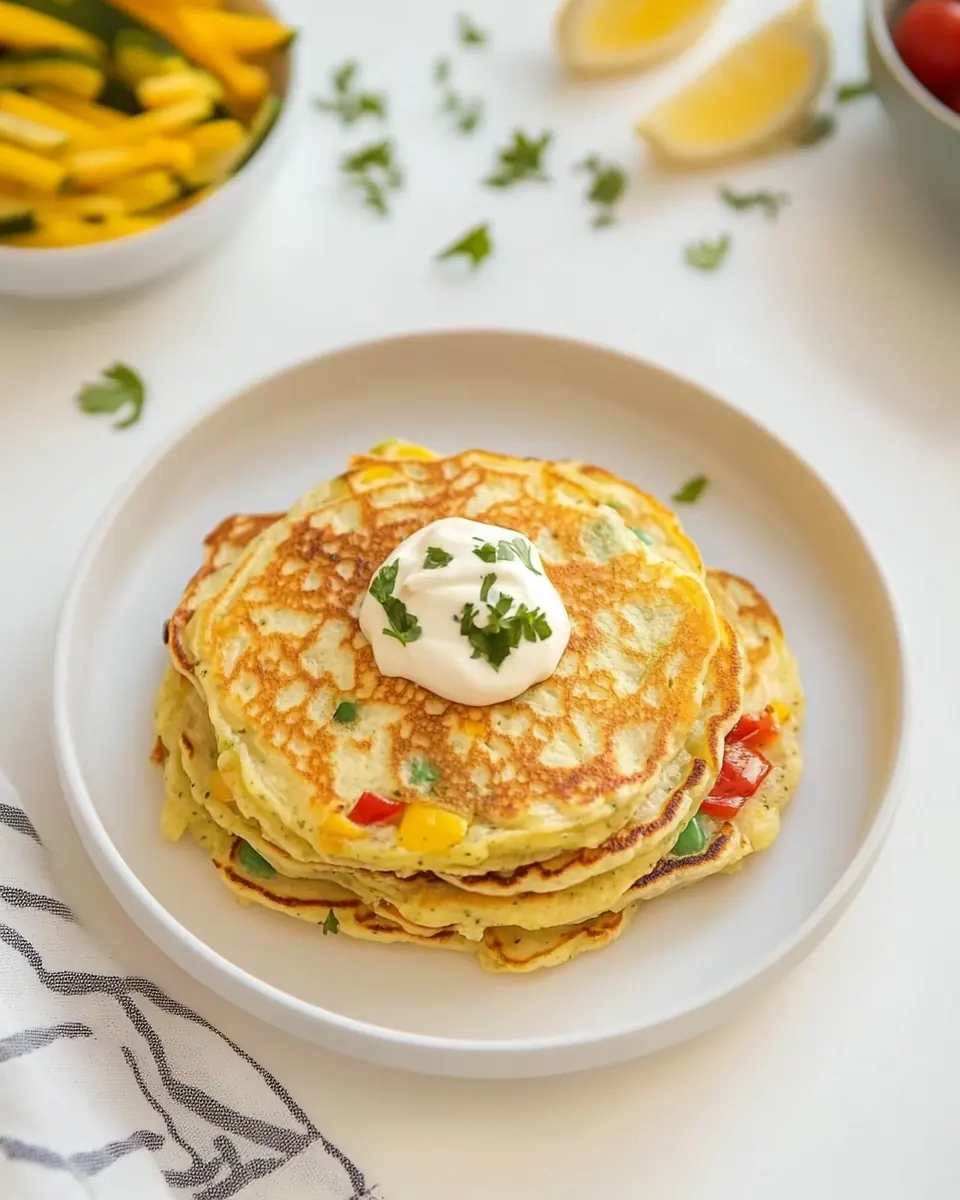
These directions are straightforward and forgiving, but following a few sensory cues will give you consistently golden, tender pancakes. Read through the steps before you start, have your pan hot but not smoking, and listen for the gentle sizzle as batter hits the surface.
- Add the milk, egg, and oil or butter to a medium bowl. Stir together.: Warmth and sound matter here, you should notice the milk becoming slightly glossy as the egg and fat emulsify, producing a uniform liquid without streaks. This blend creates a cohesive base so the dry ingredients will hydrate evenly, which affects tenderness and browning later. A common mistake is hurried mixing that leaves clumps of egg white or streaks of oil, which can cause uneven texture and pockets of dry flour. If you see separation, whisk a little longer until smooth and homogenous, with a faint sheen indicating the fat is well dispersed.
- Gently stir in the flour, baking powder, salt, frozen veggies, and cheese, if using.: Right away you will feel the batter thicken as the whole wheat flour absorbs the liquid, and you will see flecks of cheddar cheese and green, orange, or yellow bits from the veggie medley . The batter should be lumpy but cohesive, not watery, which ensures the pancakes will hold shape and brown correctly. Stirring gently prevents gluten overdevelopment, which keeps the pancakes tender rather than chewy. A typical error is overmixing out of nervousness, leading to dense pancakes; stop once the dry streaks are mostly gone and the veggies are evenly distributed.
- Warm a nonstick or cast iron skillet over medium heat. Add a sliver of butter or about 1 teaspoon oil to heat for about 1 minute.: As the pan heats you should smell a faint toasty note from the oil or butter and see a thin shimmering film across the surface. This temperature is crucial for achieving golden edges while cooking the center through. If the pan is too cool the pancakes will absorb oil and become greasy, and if it is too hot they will char before the inside cooks. A common troubleshooting tip is to test with a small drop of batter; it should sizzle gently and spread slowly, not spatter or sit without sound.
- Portion out pancakes, using about 1/4 cup batter at a time. It should spread flat on its own, but you can also spread it out a little with a spoon if needed.: When the batter hits the skillet you will hear a quiet sizzle and watch it settle into a circular shape; the surface will show a glossy wet sheen at first. Let it sit undisturbed until you notice the edges turning matte and set, which signals the structure is forming and the bottom is browning. Resist the urge to press or flip prematurely, as that can tear the pancake and release steam, making the interior soggy. If your portions spread too thin, the batter may be too loose, so add a touch more flour or reduce the milk slightly next time.
- Cook for 2-3 minutes on each side, waiting to flip them over until they are set around the edges, golden brown, and you see little bubbles on the surface of each.: As they cook you will observe tiny bubbles rising and popping on the surface, and the edges will develop a golden rim that signals readiness to flip. Turning them at the right moment preserves the tender interior and creates an appealing crust that crackles softly when bitten. If you flip too early the pancakes may fall apart, and if you leave them too long they can overbrown and taste bitter. One troubleshooting trick is to watch the underside after a test flip to calibrate your stove; adjust heat as needed to maintain an even golden color.
- Serve warm with sour cream, Cucumber Sauce, ketchup, or salsa as desired.: The finishing contrast is all about temperature and texture, so serve the pancakes hot enough that the cheddar cheese still feels slightly melty and the edges retain crispness. Pairing with a cool dollop of sour cream or a bright sauce adds acidity and cuts through the richness, enhancing each bite. A simple mistake is stacking too many pancakes before serving, which traps steam and softens the crust, so arrange them in a single layer or reheat briefly in a warm oven to restore crispness.
Tips and Variations
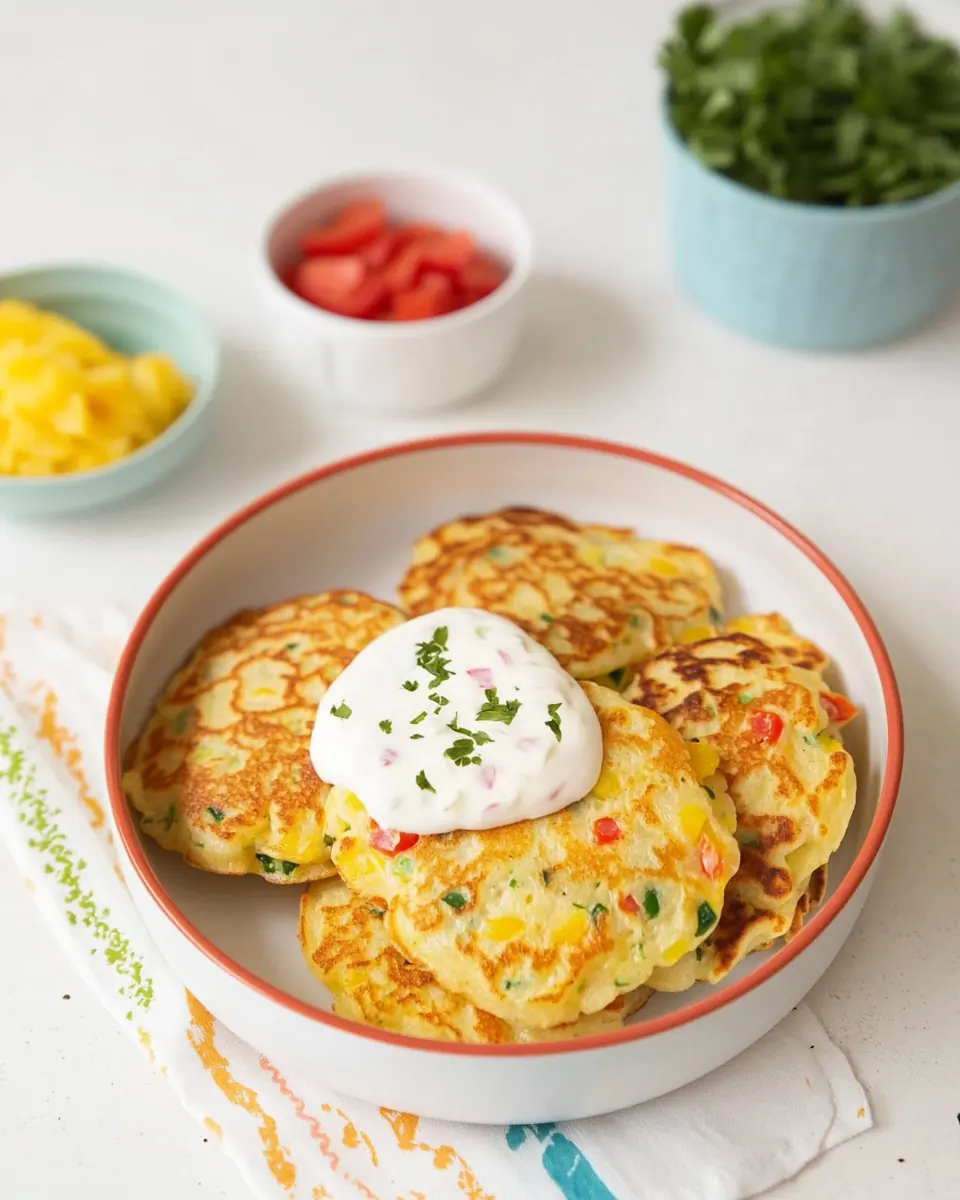
These tips will help you refine texture, streamline prep, and adapt the recipe to your needs. I include practical swaps and storage pointers so you can make Easy Vegetable Pancakes fit whatever meal you are planning.
- Break up frozen clumps: If the veggie medley arrives as a block, break it into smaller pieces before stirring into the batter so the distribution is even and each pancake has a consistent mix of vegetables.
- Adjust moisture carefully: If your batter looks too loose, add small amounts of whole wheat flour until it holds shape; if too stiff, thin with a splash of milk. Make changes in teaspoons to avoid overshooting the texture you want.
- Swap milk freely: Use dairy free milk in the same volume if needed, and keep in mind the flavor will be slightly different; a neutral plant milk keeps the pancakes mild while a richer option adds depth.
- Make ahead and reheat: Store cooked pancakes in an airtight container in the fridge for 3 to 5 days, and reheat in a warm oven or skillet to bring back the crisp edges.
- Freeze for convenience: Cool pancakes fully, then freeze flat in a freezer bag for up to 3 months; thaw overnight in the fridge or reheat straight from frozen in the microwave or oven for a quick meal.
- Enhance with toppers: Offer sour cream, cucumber sauce, ketchup, or salsa at the table so people can personalize their pancakes with cool or spicy contrasts.
What Goes Well With This Easy Vegetable Pancakes
These pancakes pair well with bright, cooling sauces and simple salads that balance their warm, savory profile. They fit into casual lunches, brunch spreads, or light dinners, and are great for packing into lunches when chilled and reheated.
- Serving idea: Arrange pancakes on a platter with small bowls of sour cream and salsa for dipping, creating a casual sharing board for brunch or snacks.
- Side salad: A crisp green salad with a lemon vinaigrette provides acidity and crunch that contrasts the tender, savory pancakes, perfect for a light lunch.
- Occasion suggestions: These work for quick weeknight dinners, weekend brunches with friends, or as a kid friendly option for packed school lunches when chilled and reheated.
- Storage tips: Refrigerate cooked pancakes in an airtight container for 3 to 5 days, or freeze in a single layer so they do not stick together; reheat in a skillet to restore crunch.
- Seasonal pairing: Because the core includes frozen vegetables, these pancakes are great year round, but they feel especially cozy in cooler months when you want a warm, homey meal with minimal fuss.
- Presentation: For a casual family meal, stack pancakes and top with a spoonful of sour cream and a scattering of extra shredded cheddar cheese or chopped herbs for color.
FAQ
Conclusion
These Easy Vegetable Pancakes deliver a comforting, quick, and versatile meal that turns a simple batter and a bag of frozen vegetables into something special. The combination of crisp edges, tender interior, and pockets of melted cheese makes them a family friendly favorite that works for breakfast, lunch, or a light dinner. Try them when you want a practical recipe that still feels homemade and satisfying. Share them with friends or pack them for later, and enjoy how easily they help you get vegetables onto the table.
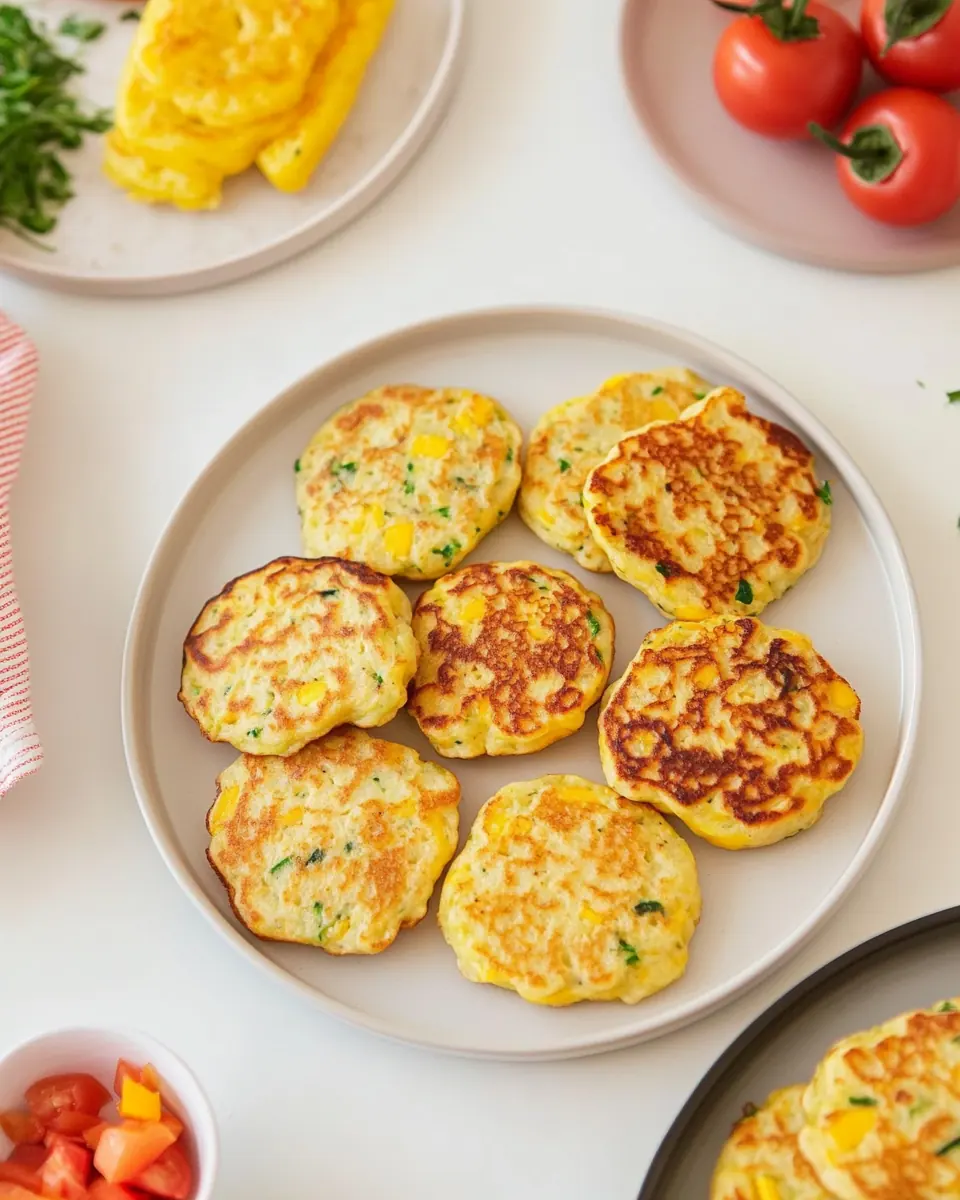
Easy Vegetable Pancakes
Ingredients
Equipment
Method
- Add the milk, egg, and oil or butter to a medium bowl. Stir together.: Warmth and sound matter here, you should notice the milk becoming slightly glossy as the egg and fat emulsify, producing a uniform liquid without streaks. This blend creates a cohesive base so the dry ingredients will hydrate evenly, which affects tenderness and browning later. A common mistake is hurried mixing that leaves clumps of egg white or streaks of oil, which can cause uneven texture and pockets of dry flour. If you see separation, whisk a little longer until smooth and homogenous, with a faint sheen indicating the fat is well dispersed.
- Gently stir in the flour, baking powder, salt, frozen veggies, and cheese, if using.: Right away you will feel the batter thicken as the whole wheat flour absorbs the liquid, and you will see flecks of cheddar cheese and green, orange, or yellow bits from the veggie medley . The batter should be lumpy but cohesive, not watery, which ensures the pancakes will hold shape and brown correctly. Stirring gently prevents gluten overdevelopment, which keeps the pancakes tender rather than chewy. A typical error is overmixing out of nervousness, leading to dense pancakes; stop once the dry streaks are mostly gone and the veggies are evenly distributed.
- Warm a nonstick or cast iron skillet over medium heat. Add a sliver of butter or about 1 teaspoon oil to heat for about 1 minute.: As the pan heats you should smell a faint toasty note from the oil or butter and see a thin shimmering film across the surface. This temperature is crucial for achieving golden edges while cooking the center through. If the pan is too cool the pancakes will absorb oil and become greasy, and if it is too hot they will char before the inside cooks. A common troubleshooting tip is to test with a small drop of batter; it should sizzle gently and spread slowly, not spatter or sit without sound.
- Portion out pancakes, using about 1/4 cup batter at a time. It should spread flat on its own, but you can also spread it out a little with a spoon if needed.: When the batter hits the skillet you will hear a quiet sizzle and watch it settle into a circular shape; the surface will show a glossy wet sheen at first. Let it sit undisturbed until you notice the edges turning matte and set, which signals the structure is forming and the bottom is browning. Resist the urge to press or flip prematurely, as that can tear the pancake and release steam, making the interior soggy. If your portions spread too thin, the batter may be too loose, so add a touch more flour or reduce the milk slightly next time.
- Cook for 2-3 minutes on each side, waiting to flip them over until they are set around the edges, golden brown, and you see little bubbles on the surface of each.: As they cook you will observe tiny bubbles rising and popping on the surface, and the edges will develop a golden rim that signals readiness to flip. Turning them at the right moment preserves the tender interior and creates an appealing crust that crackles softly when bitten. If you flip too early the pancakes may fall apart, and if you leave them too long they can overbrown and taste bitter. One troubleshooting trick is to watch the underside after a test flip to calibrate your stove; adjust heat as needed to maintain an even golden color.
- Serve warm with sour cream, Cucumber Sauce, ketchup, or salsa as desired.: The finishing contrast is all about temperature and texture, so serve the pancakes hot enough that the cheddar cheese still feels slightly melty and the edges retain crispness. Pairing with a cool dollop of sour cream or a bright sauce adds acidity and cuts through the richness, enhancing each bite. A simple mistake is stacking too many pancakes before serving, which traps steam and softens the crust, so arrange them in a single layer or reheat briefly in a warm oven to restore crispness.
Notes
- Break up frozen clumps: If the veggie medley arrives as a block, break it into smaller pieces before stirring into the batter so the distribution is even and each pancake has a consistent mix of vegetables.
- Adjust moisture carefully: If your batter looks too loose, add small amounts of whole wheat flour until it holds shape; if too stiff, thin with a splash of milk. Make changes in teaspoons to avoid overshooting the texture you want.
- Swap milk freely: Use dairy free milk in the same volume if needed, and keep in mind the flavor will be slightly different; a neutral plant milk keeps the pancakes mild while a richer option adds depth.
- Make ahead and reheat: Store cooked pancakes in an airtight container in the fridge for 3 to 5 days, and reheat in a warm oven or skillet to bring back the crisp edges.
- Freeze for convenience: Cool pancakes fully, then freeze flat in a freezer bag for up to 3 months; thaw overnight in the fridge or reheat straight from frozen in the microwave or oven for a quick meal.
- Enhance with toppers: Offer sour cream, cucumber sauce, ketchup, or salsa at the table so people can personalize their pancakes with cool or spicy contrasts.