Golden Pan Fried Potato Cakes
Golden Pan Fried Potato Cakes are one of those comfort foods I reach for when I want something both humble and a little bit celebratory. The very first time I made these I remember the kitchen filling with a warm, toasty aroma while I stood at the stove, flipping each cake like a proud baker showing off a tiny golden medal. Over the years I’ve adjusted small details, and each tweak taught me how delicate the balance is between a crisp exterior and a fluffy interior.
There is something comforting about the ritual here, the way you handle the potatoes, how the parmesan cheese folds into the mash, and the gentle hiss when the cakes meet the hot butter. These moments make cooking feel less like a chore, and more like a conversation with memory. I like to make a big batch, because sharing them is half the joy. Guests always ask for the secret, but it really comes down to patience and a few reliable ingredients.
When the kids were little, these were my weeknight champions, easy to scoop and quick to fry. Lately I serve them at brunch alongside simple greens, and they always disappear first. If you are hesitant about texture, try keeping some skins on the potatoes for a rustic bite. Trust me, once you hear that satisfying sizzle and see that golden edge, you will keep coming back to this method.
Recipe Snapshot
1 hr 20 mins
20 mins
60 mins
Medium
220 kcal
American
Gluten-Free, Low FODMAP
Side Dishes
Large saucepot, Potato masher, Large skillet, Baking sheet, 3 tablespoon scoop
Why This Golden Pan Fried Potato Cakes Works
They are effortlessly crowd friendly
I love how Golden Pan Fried Potato Cakes scale for a group, yet feel handcrafted. When I host, I double the batch and the plates clear out in minutes. The formula is forgiving, so you can portion and fry in rounds without stressing about perfect measurements every time.
Perfect blend of texture and flavor
The crisp outer layer gives way to a pillowy interior, while the parmesan cheese and scallions lend savory depth. I appreciate that balance because it hits multiple pleasure points in one bite, the kind that invites a second helping.
Flexible and forgiving technique
Whether you peel the potatoes or keep the skins on, the recipe tolerates little changes. I often leave the skins for a rustic note and the cakes still bind beautifully thanks to the eggs and flour. That flexibility means less food waste and more creativity.
Great make ahead and freezer friendly
I frequently make a double batch, chill the cakes, and freeze portions for later. Reheating in a skillet or oven brings back the original crispness, so you can enjoy homemade comfort without the fuss on busy days. This makes them ideal for meal prep and unexpected guests.
Simple pantry ingredients, big payoff
These cakes rely on everyday items like Yukon Gold potatoes, eggs, and all purpose flour, yet they deliver something special. I find that modest, familiar ingredients can produce deeply satisfying results when treated with care.
Ingredients Required for Golden Pan Fried Potato Cakes
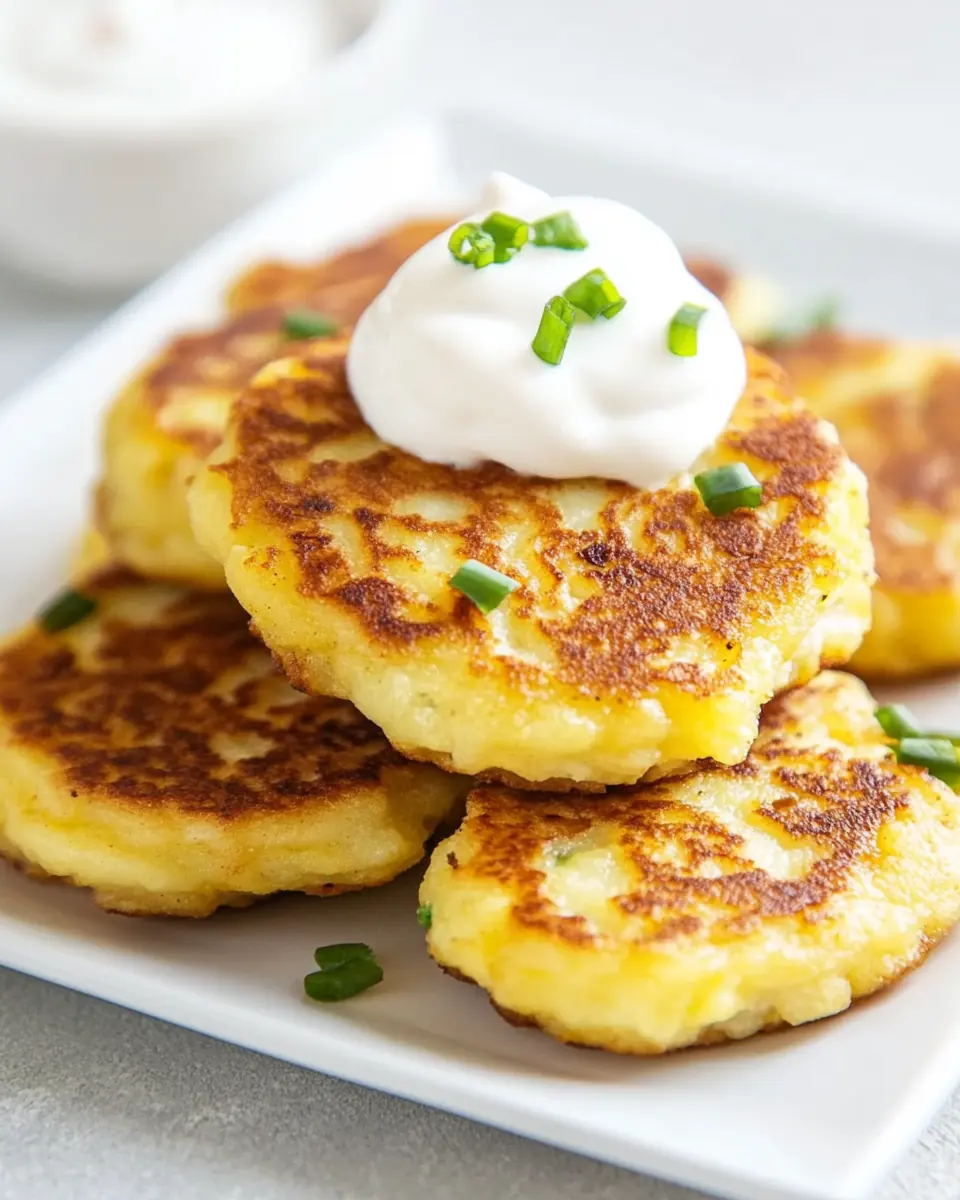
These ingredients form a straightforward, dependable cast that play well together. The starchy Yukon Gold potatoes provide structure and creaminess, the eggs act as binders, and the parmesan cheese adds savory umami. A little flour firms the mixture so the cakes hold their shape while frying in butter. The scallions lend a fresh green note, and a touch of salt ties everything together.
- 5 pounds Yukon Gold potatoes peeled or unpeeled: Provide a creamy, naturally buttery texture and tender crumb to the potato cakes; can be prepared peeled for a smoother finish or left unpeeled for rustic flavor and additional fiber. Add substantial volume so the cakes hold together when mashed, and contribute mild, slightly sweet potato flavor that balances the savory elements. Work as the primary base ingredient that determines final texture based on cooking and mashing technique.
- 5 large eggs: Bind together the grated potatoes and other dry components while adding richness and structure; beaten until uniform to ensure even distribution throughout the mixture. Cook through during frying to set the interior and create a cohesive cake that does not fall apart. Contribute additional protein and help achieve a golden exterior as they cook.
- 1 cup grated parmesan cheese: Introduce a sharp, savory, umami-rich flavor while adding a slightly granular, melting texture when mixed into the potato mass. Help provide saltiness and depth that amplifies the mild potato and egg base without overpowering other flavors. Encourage browning and a lightly crisped surface during pan-frying.
- 3/4 cup all-purpose flour or GF baking mix: Give structure and absorb excess moisture from the grated potatoes to prevent sogginess while forming a pliable dough for shaping into cakes. Work as a thickening agent that helps the mixture hold its shape and crisp in the pan, with the gluten-free alternative providing a comparable binding effect. Adjust quantity slightly if potatoes are very wet to maintain a proper consistency.
- 1/2 cup chopped scallions: Add fresh, onion-like brightness with a mild sharpness and green color that cuts through the richness of potatoes, eggs, and cheese. Contribute small textural bursts and aromatic lift when folded into the mixture just before shaping. Pair well with butter frying to release gentle allium aromas.
- 1 tablespoon salt: Season the mixture uniformly to enhance and balance all flavors, ensuring the savory, cheesy, and potato elements are well-rounded. Provide a baseline salinity that improves overall taste perception; adjust to personal preference if using salted butter or a salty cheese. Distribute evenly to avoid overly salty spots in individual cakes.
- Butter for frying: Facilitate golden, even browning and add a rich, nutty flavor to the exterior while preventing sticking in the skillet. Melt in the pan to create a hot fat surface that crisps the cakes and develops an appealing crust while contributing a buttery aroma. Use enough to coat the cooking surface and replenish between batches for consistent results.
Making Golden Pan Fried Potato Cakes
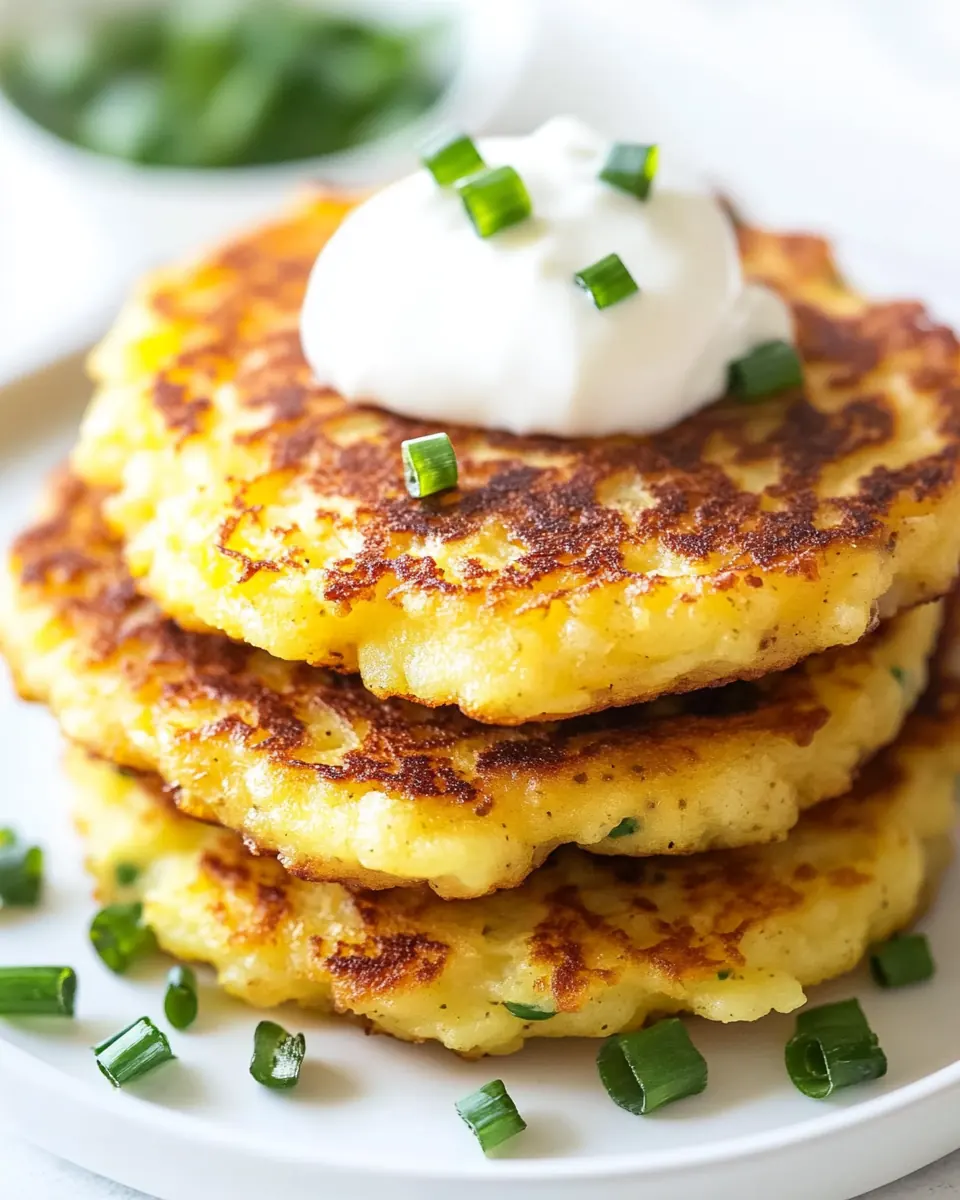
These instructions are meant to guide you through each tactile step with sensory cues and reasons behind the techniques. I like to speak plainly about what to watch for so you feel confident at the skillet.
- Cut the potatoes into large chunks. (You can peel the potatoes if you don’t like the texture of the skins, or leave the peels on and remove some or all of the skins after peeling.) Place in a large saucepot and cover with water. Set over high heat and bring to a boil. Boil the potatoes for 10-15 minutes, until fork-tender.: The first thing you will notice is the heft of the potatoes as you quarter or slice them into large pieces, and the kitchen air will already take on a faint earthy scent. You want even chunk sizes so they cook uniformly, and boiling uniform pieces prevents some from turning to mush while others stay firm. A good tip is to keep pieces roughly the same size as this ensures consistent fork tenderness. Common mistake to avoid, do not cut pieces too small, because they can overcook and absorb excess water which will make the mash runny. When you place them in the pot, they should sit comfortably submerged under cool water, which helps them cook evenly from the outside in.
- Drain the potatoes. Peel off the skins (or some of the skins) if desired. Place the potatoes back in the pot. Use a potato masher to mash the potatoes. Based on your preference, you can roughly mash them, or mash them until smooth.: As the pot warms, steam will begin to rise and you will get that comforting, mild starch aroma that signals potatoes are on their way. Starting with cold water and bringing it up to a boil ensures an even temperature gradient, reducing the chance of a mealy texture. Watch the pot as it comes to a boil because starchy water can foam up, and you may need to reduce the heat to prevent boilovers. One mistake I often see is adding potatoes to already boiling water, which can cause the outside to overcook while the centers stay firm.
- Then stir in the eggs, parmesan cheese, flour, scallions, and salt. Mix well.: You will know they are done when a fork slides in with little resistance and the flesh feels tender, not mushy. The scent at this stage deepens slightly, and a light cloudiness in the water indicates released starch, which is fine. Don’t overshoot the timing, or you risk a waterlogged potato that will make the cakes gluey. If you are unsure, test a piece by mashing a small chunk to confirm it breaks apart cleanly.
- Preheat the oven to 225 degrees F, to act as a warmer. Set a baking sheet in the oven. Set a large skillet over medium heat on the stovetop.: The moment you drain, steam will billow from the colander and the potatoes will shed excess water that would otherwise dilute the flavor. Let them sit briefly to allow surface moisture to evaporate, which aids in a drier mash. A common slip is tossing them immediately into other ingredients while still waterlogged, which makes it hard for the mixture to bind. Give them a minute to rest so the interior texture stabilizes.
- Add one tablespoon butter to the skillet. Use a 3 tablespoon scoop to portion out 6-8 potato cakes into the melted butter. Use the back of a spatula to smash them flat, about 1/2 – 3/4 inch thick. Fry the potato cakes for 3-5 minutes per side.: If you left skins on, peeling now when the potatoes are warm is easier, and doing this affects the final mouthfeel. Keeping some skin is fine for rustic cakes, while fully peeled potatoes lend a silkier interior. Overhandling while peeling can cause excessive loss of potato flesh, so be gentle to preserve volume. If you prefer smooth cakes, take the extra time to remove skins fully.
- Move the fried potato cakes to the warm oven. Repeat in small batches until all the potato mixture is gone.: As you mash, listen for the soft tearing of the potatoes and notice how the texture moves from chunky to cohesive. Mash to your preference; a slightly textured mash gives the cakes more character, while a smooth mash produces a creamier bite. The key is to avoid vigorous overmashing which can activate more starch and create a gummy result. Use a potato masher and stop when you have a consistent base, then let it cool slightly before adding eggs to avoid scrambling them.
- Stir in the eggs parmesan cheese flour scallions and salt: When you fold in the eggs , parmesan cheese , flour , scallions , and salt , the mixture will come together into a pliable mass with little pockets of green and flecks of cheese. The eggs and flour bind, while the cheese adds savory richness and a touch of dryness that helps crisping. Mix gently to avoid developing a pasty texture. A mistake here is overworking the mash, which makes the final cake dense instead of light, so combine until just homogeneous.
- Preheat the oven to 225 degrees F to act as a warmer: Setting the oven as a holding station keeps finished cakes warm and preserves crispness. The low heat will not continue cooking aggressively, but it prevents sogginess while you finish frying batches. Place a baking sheet inside so the cakes have a warm resting place that retains their texture. Avoid using a higher temperature which can dry the cakes out before serving.
- Set a large skillet over medium heat on the stovetop: As the skillet warms, you will hear the metal settle and smell a faint toasty note, signaling readiness. Medium heat creates the sweet spot where the butter browns slowly without burning, producing a fragrant nutty aroma that will coat the cakes. Too high a heat will char the exterior before the inside is warmed through, and too low a heat will prevent crisping and cause the cakes to soak up fat. Adjust accordingly to maintain a steady sizzle.
- Add one tablespoon butter to the skillet: When the butter melts it will foam briefly and then quiet into a shimmering pool, releasing aromatic dairy notes. This fat facilitates the Maillard reaction so the cakes develop that signature golden crust. Use enough fat to create a shallow frying surface but not so much that the cakes deep fry. A common error is adding cold batter to cold fat, which causes sticking, so ensure the butter is fully melted and hot enough that a small drop sizzles on contact.
- Use a three tablespoon scoop to portion and smash them flat: Portioning ensures uniform sizing so cakes cook evenly; when you press them to about 1/2 to 3/4 inch thick, you achieve the ideal balance of crust to fluffy center. The tactile feel should be slightly firm yet yielding when smashed, and the edges should be neat to produce even browning. If you make them too thick they may not heat through before the exterior overbrowns, so aim for consistent thickness.
- Fry the potato cakes for 3 to 5 minutes per side: As they fry you will hear an active sizzle and see the edges take on a deep golden color, with bits of crust bubbling slightly. This timing produces a crisp exterior while keeping the center soft. Flip when the underside releases easily from the skillet and you see even color, otherwise leave them a bit longer. A pitfall is flipping too soon which can tear the cakes, so be patient and use a thin spatula to lift gently.
- Move the fried potato cakes to the warm oven: Transferring to the oven lets residual heat finish the cakes gently and keeps them crisp while you finish the rest. Inside the oven they stay warm without steaming, and the texture remains consistent. Avoid stacking them which traps steam and softens the crust; arrange in a single layer on the baking sheet instead.
- Repeat in small batches until all the potato mixture is gone: Working in manageable batches ensures the pan stays at the right temperature, which is crucial for steady browning and texture. I like to monitor the skillet temperature between batches and add a touch more butter if needed to maintain that satisfying sizzle. Rushing and crowding the skillet can lower the temperature and lead to greasy, under browned cakes, so take your time for the best results.
How to Switch It Up
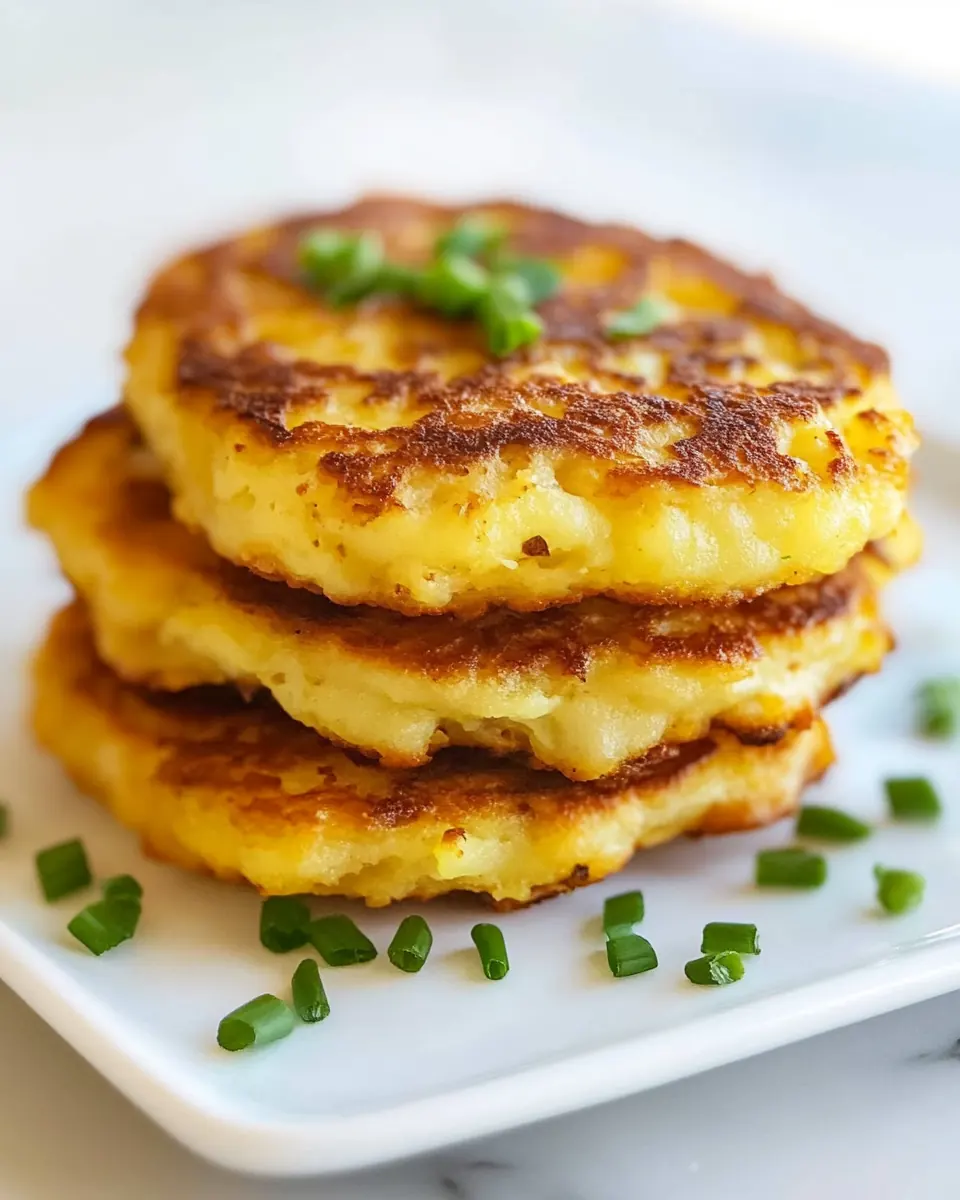
If you like to experiment, there are simple swaps that change the character of Golden Pan Fried Potato Cakes without altering the technique. I enjoy small twists that keep the base familiar but add new flavors or textures.
- Make them gluten free by using a GF baking mix in place of all purpose flour, which keeps the binding properties while accommodating dietary needs.
- Adjust the texture by mashing to different consistencies, leaving some small chunks for a rustic bite or mashing fully smooth for a creamier interior.
- Vary the cheese by swapping the parmesan cheese for a sharper hard cheese if you want more pronounced umami, taking care with salt levels.
- Control the crisp by using clarified butter to raise the smoke point for a deeper brown, while still preserving the aromatic butter flavor.
- Change portion size by scooping smaller cakes for appetizers or larger ones as a side, adjusting fry time to maintain a crisp exterior and warm center.
Best Served With
Golden Pan Fried Potato Cakes are versatile on the plate and suit many meal contexts, from casual lunches to festive brunches. I like pairing them with bright, acidic elements to cut the richness and with simple proteins to round a meal.
- Light salad such as mixed greens dressed with lemon and olive oil, which provides a refreshing contrast to the warm cakes.
- Yogurt or sour cream dip seasoned with herbs, giving a creamy tang that complements the crispy exterior.
- Eggs for brunch like soft fried or poached eggs whose runny yolks mingle with the fluffy interior, turning a snack into a satisfying meal.
- Family gatherings where they work as a shareable side, easy to make in large quantities and hold warm in the oven for serving.
- Storage tips include refrigerating in an airtight container for four to five days, reheating in a skillet to re crisp, or freezing wrapped individually for up to three months.
FAQ
Conclusion
These Golden Pan Fried Potato Cakes stand out because they turn simple pantry ingredients into a remarkably comforting dish with a crisp exterior and tender inside. Give the recipe a try; the method is forgiving and the results are consistently rewarding. Whether you serve them for brunch, a cozy dinner, or prepare them ahead for quick reheating, they bring a warm, nostalgic touch to any table and are sure to win fans at your next meal.
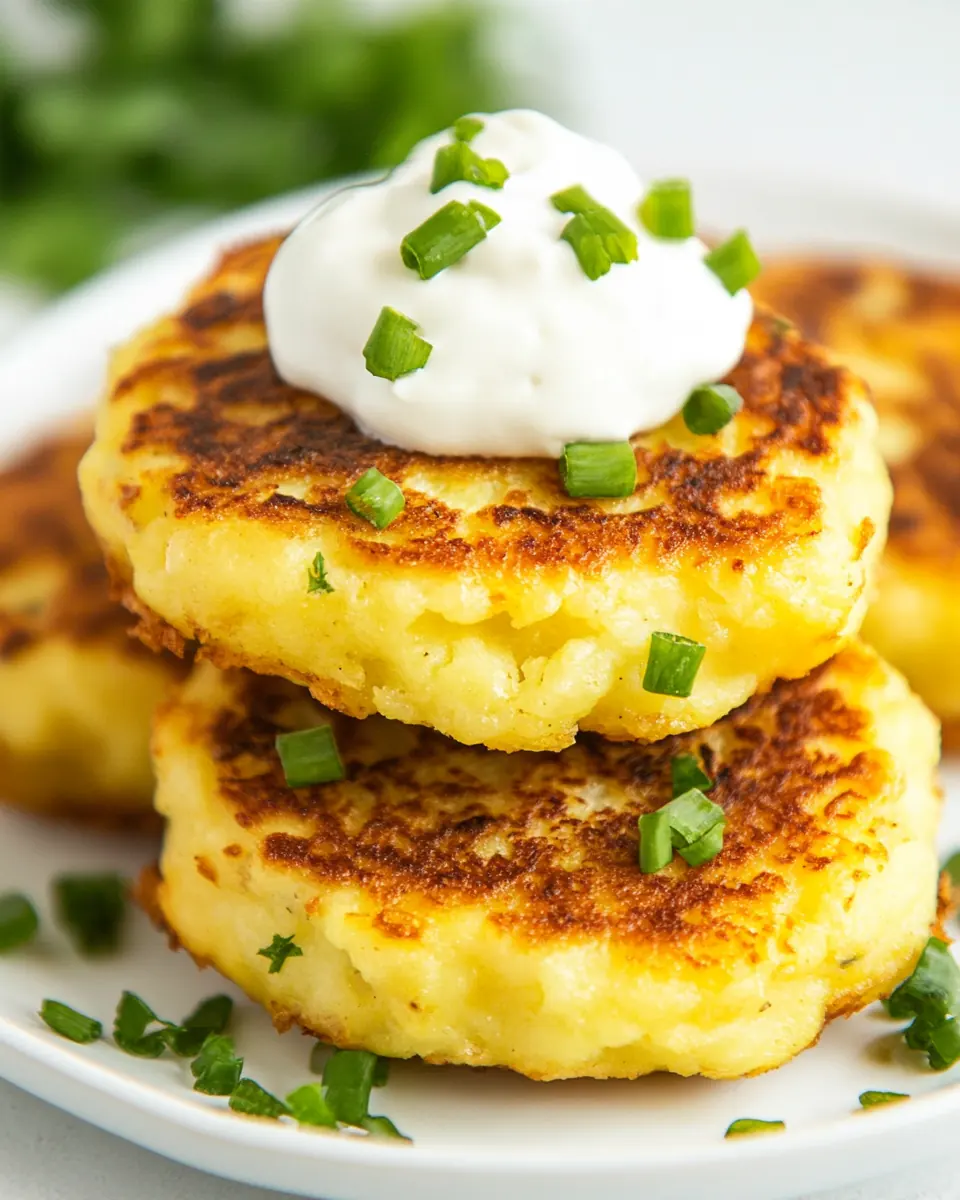
Golden Pan Fried Potato Cakes
Ingredients
Equipment
Method
- Cut the potatoes into large chunks. (You can peel the potatoes if you don’t like the texture of the skins, or leave the peels on and remove some or all of the skins after peeling.) Place in a large saucepot and cover with water. Set over high heat and bring to a boil. Boil the potatoes for 10-15 minutes, until fork-tender.: The first thing you will notice is the heft of the potatoes as you quarter or slice them into large pieces, and the kitchen air will already take on a faint earthy scent. You want even chunk sizes so they cook uniformly, and boiling uniform pieces prevents some from turning to mush while others stay firm. A good tip is to keep pieces roughly the same size as this ensures consistent fork tenderness. Common mistake to avoid, do not cut pieces too small, because they can overcook and absorb excess water which will make the mash runny. When you place them in the pot, they should sit comfortably submerged under cool water, which helps them cook evenly from the outside in.
- Drain the potatoes. Peel off the skins (or some of the skins) if desired. Place the potatoes back in the pot. Use a potato masher to mash the potatoes. Based on your preference, you can roughly mash them, or mash them until smooth.: As the pot warms, steam will begin to rise and you will get that comforting, mild starch aroma that signals potatoes are on their way. Starting with cold water and bringing it up to a boil ensures an even temperature gradient, reducing the chance of a mealy texture. Watch the pot as it comes to a boil because starchy water can foam up, and you may need to reduce the heat to prevent boilovers. One mistake I often see is adding potatoes to already boiling water, which can cause the outside to overcook while the centers stay firm.
- Then stir in the eggs, parmesan cheese, flour, scallions, and salt. Mix well.: You will know they are done when a fork slides in with little resistance and the flesh feels tender, not mushy. The scent at this stage deepens slightly, and a light cloudiness in the water indicates released starch, which is fine. Don’t overshoot the timing, or you risk a waterlogged potato that will make the cakes gluey. If you are unsure, test a piece by mashing a small chunk to confirm it breaks apart cleanly.
- Preheat the oven to 225 degrees F, to act as a warmer. Set a baking sheet in the oven. Set a large skillet over medium heat on the stovetop.: The moment you drain, steam will billow from the colander and the potatoes will shed excess water that would otherwise dilute the flavor. Let them sit briefly to allow surface moisture to evaporate, which aids in a drier mash. A common slip is tossing them immediately into other ingredients while still waterlogged, which makes it hard for the mixture to bind. Give them a minute to rest so the interior texture stabilizes.
- Add one tablespoon butter to the skillet. Use a 3 tablespoon scoop to portion out 6-8 potato cakes into the melted butter. Use the back of a spatula to smash them flat, about 1/2 – 3/4 inch thick. Fry the potato cakes for 3-5 minutes per side.: If you left skins on, peeling now when the potatoes are warm is easier, and doing this affects the final mouthfeel. Keeping some skin is fine for rustic cakes, while fully peeled potatoes lend a silkier interior. Overhandling while peeling can cause excessive loss of potato flesh, so be gentle to preserve volume. If you prefer smooth cakes, take the extra time to remove skins fully.
- Move the fried potato cakes to the warm oven. Repeat in small batches until all the potato mixture is gone.: As you mash, listen for the soft tearing of the potatoes and notice how the texture moves from chunky to cohesive. Mash to your preference; a slightly textured mash gives the cakes more character, while a smooth mash produces a creamier bite. The key is to avoid vigorous overmashing which can activate more starch and create a gummy result. Use a potato masher and stop when you have a consistent base, then let it cool slightly before adding eggs to avoid scrambling them.
- Stir in the eggs parmesan cheese flour scallions and salt: When you fold in the eggs , parmesan cheese , flour , scallions , and salt , the mixture will come together into a pliable mass with little pockets of green and flecks of cheese. The eggs and flour bind, while the cheese adds savory richness and a touch of dryness that helps crisping. Mix gently to avoid developing a pasty texture. A mistake here is overworking the mash, which makes the final cake dense instead of light, so combine until just homogeneous.
- Preheat the oven to 225 degrees F to act as a warmer: Setting the oven as a holding station keeps finished cakes warm and preserves crispness. The low heat will not continue cooking aggressively, but it prevents sogginess while you finish frying batches. Place a baking sheet inside so the cakes have a warm resting place that retains their texture. Avoid using a higher temperature which can dry the cakes out before serving.
- Set a large skillet over medium heat on the stovetop: As the skillet warms, you will hear the metal settle and smell a faint toasty note, signaling readiness. Medium heat creates the sweet spot where the butter browns slowly without burning, producing a fragrant nutty aroma that will coat the cakes. Too high a heat will char the exterior before the inside is warmed through, and too low a heat will prevent crisping and cause the cakes to soak up fat. Adjust accordingly to maintain a steady sizzle.
- Add one tablespoon butter to the skillet: When the butter melts it will foam briefly and then quiet into a shimmering pool, releasing aromatic dairy notes. This fat facilitates the Maillard reaction so the cakes develop that signature golden crust. Use enough fat to create a shallow frying surface but not so much that the cakes deep fry. A common error is adding cold batter to cold fat, which causes sticking, so ensure the butter is fully melted and hot enough that a small drop sizzles on contact.
- Use a three tablespoon scoop to portion and smash them flat: Portioning ensures uniform sizing so cakes cook evenly; when you press them to about 1/2 to 3/4 inch thick, you achieve the ideal balance of crust to fluffy center. The tactile feel should be slightly firm yet yielding when smashed, and the edges should be neat to produce even browning. If you make them too thick they may not heat through before the exterior overbrowns, so aim for consistent thickness.
- Fry the potato cakes for 3 to 5 minutes per side: As they fry you will hear an active sizzle and see the edges take on a deep golden color, with bits of crust bubbling slightly. This timing produces a crisp exterior while keeping the center soft. Flip when the underside releases easily from the skillet and you see even color, otherwise leave them a bit longer. A pitfall is flipping too soon which can tear the cakes, so be patient and use a thin spatula to lift gently.
- Move the fried potato cakes to the warm oven: Transferring to the oven lets residual heat finish the cakes gently and keeps them crisp while you finish the rest. Inside the oven they stay warm without steaming, and the texture remains consistent. Avoid stacking them which traps steam and softens the crust; arrange in a single layer on the baking sheet instead.
- Repeat in small batches until all the potato mixture is gone: Working in manageable batches ensures the pan stays at the right temperature, which is crucial for steady browning and texture. I like to monitor the skillet temperature between batches and add a touch more butter if needed to maintain that satisfying sizzle. Rushing and crowding the skillet can lower the temperature and lead to greasy, under browned cakes, so take your time for the best results.
Notes
- Make them gluten free by using a GF baking mix in place of all purpose flour, which keeps the binding properties while accommodating dietary needs.
- Adjust the texture by mashing to different consistencies, leaving some small chunks for a rustic bite or mashing fully smooth for a creamier interior.
- Vary the cheese by swapping the parmesan cheese for a sharper hard cheese if you want more pronounced umami, taking care with salt levels.
- Control the crisp by using clarified butter to raise the smoke point for a deeper brown, while still preserving the aromatic butter flavor.
- Change portion size by scooping smaller cakes for appetizers or larger ones as a side, adjusting fry time to maintain a crisp exterior and warm center.