Asparagus Casserole
Asparagus Casserole is one of those recipes I reach for when I want comfort with a green, seasonal pulse. The first time I served this dish was at a small spring gathering, and I remember the way the kitchen filled with the warm scent of sautéed butter and roasted asparagus. I felt proud, not because it was fancy, but because it was simple and genuinely satisfying, a dish that made everyone lean in and ask for more.
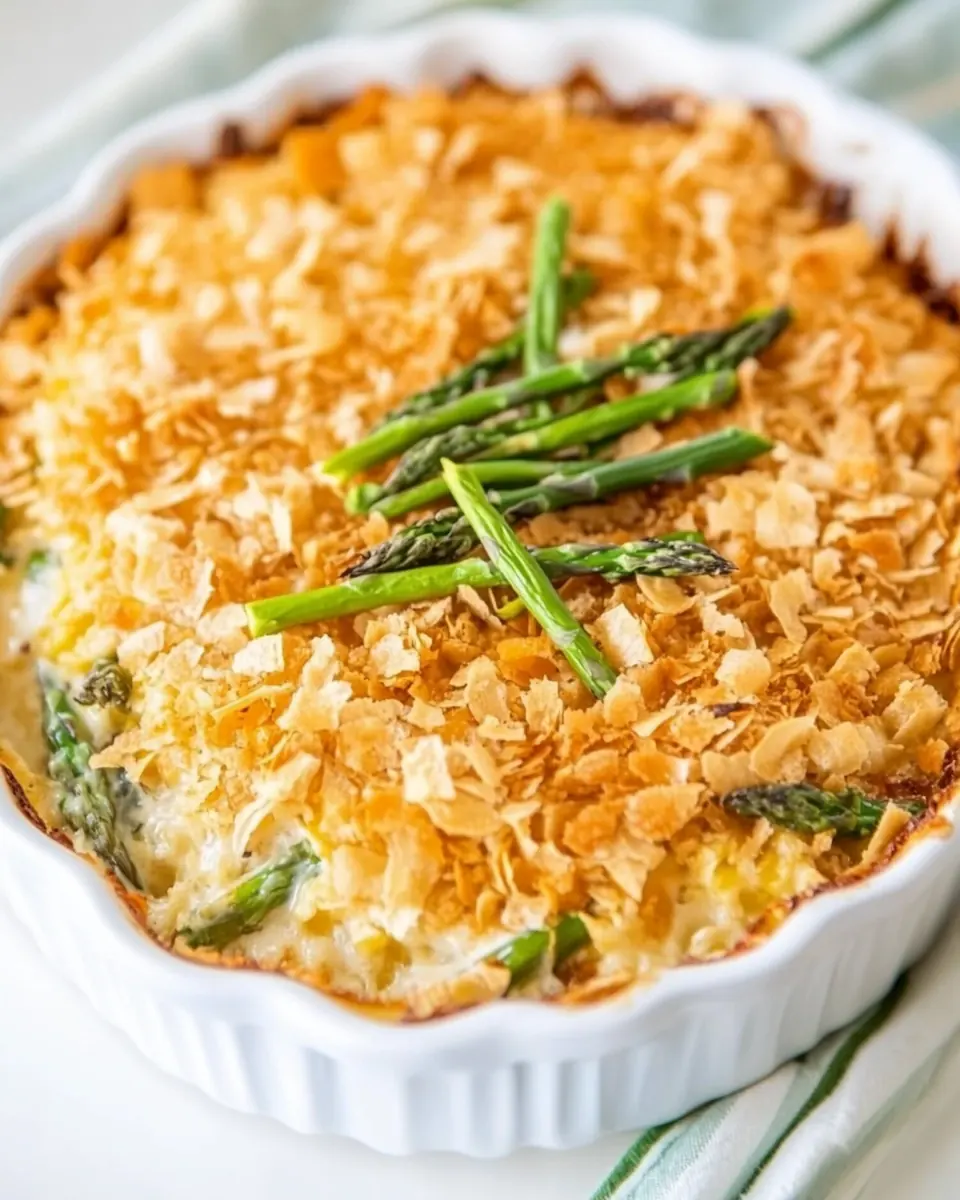
Over the years I have developed little rituals around this recipe. I always trim the asparagus by snapping the woody ends rather than eyeballing them, and I brown the mushrooms until they give off that rich, earthy perfume. Those small choices change the texture and flavor in ways that matter. When I spoon a bubbling portion onto a plate, the cheesy top and the crispy fried onions create a contrast that makes every bite interesting.
Recipe Snapshot
50 mins
20 mins
30 mins
Medium
300 kcal
American
Gluten-Free, Low FODMAP
Side Dishes
Casserole dish, Large pan, Spatula, Oven
The Beauty of This Asparagus Casserole
Comforting and familiar
I love that Asparagus Casserole wraps familiar flavors into a single, cozy dish. The combination of butter, creamy dairy, and melted cheddar cheese gives a savory backbone that everyone recognizes. When I serve it, people immediately feel at ease, like they are getting something both nourishing and homey.
Seasonal showcase
Spring asparagus is the star here, and I adore how it keeps the casserole feeling fresh. The bright green color and delicate snap of properly cooked asparagus lift the heavier creamy elements. I often say this recipe celebrates the season without pretending to be haute cuisine, it just honors good produce.
Texture contrast
The crunchy crown of french fried onions is essential in my book. I enjoy the contrast between the creamy interior and the crisp topping, it keeps each forkful dynamic. The tiny crunch bits carry toasted onion notes that cut through richness and keep the dish from feeling flat.
Easy to scale and share
I’ve made this for two and for a crowd of ten, and it scales beautifully. Because the method is straightforward, you can focus on timing and presentation, rather than complicated technique. I like that you can bring it to potlucks confident it will arrive intact and be devoured.
Comfort with flexibility
Finally, this casserole is forgiving. You can tweak amounts slightly and still end up with a delicious result. I often adapt seasoning to match what I have on hand, and that makes it one of my dependable weeknight or holiday side dishes.
What You Need for Asparagus Casserole
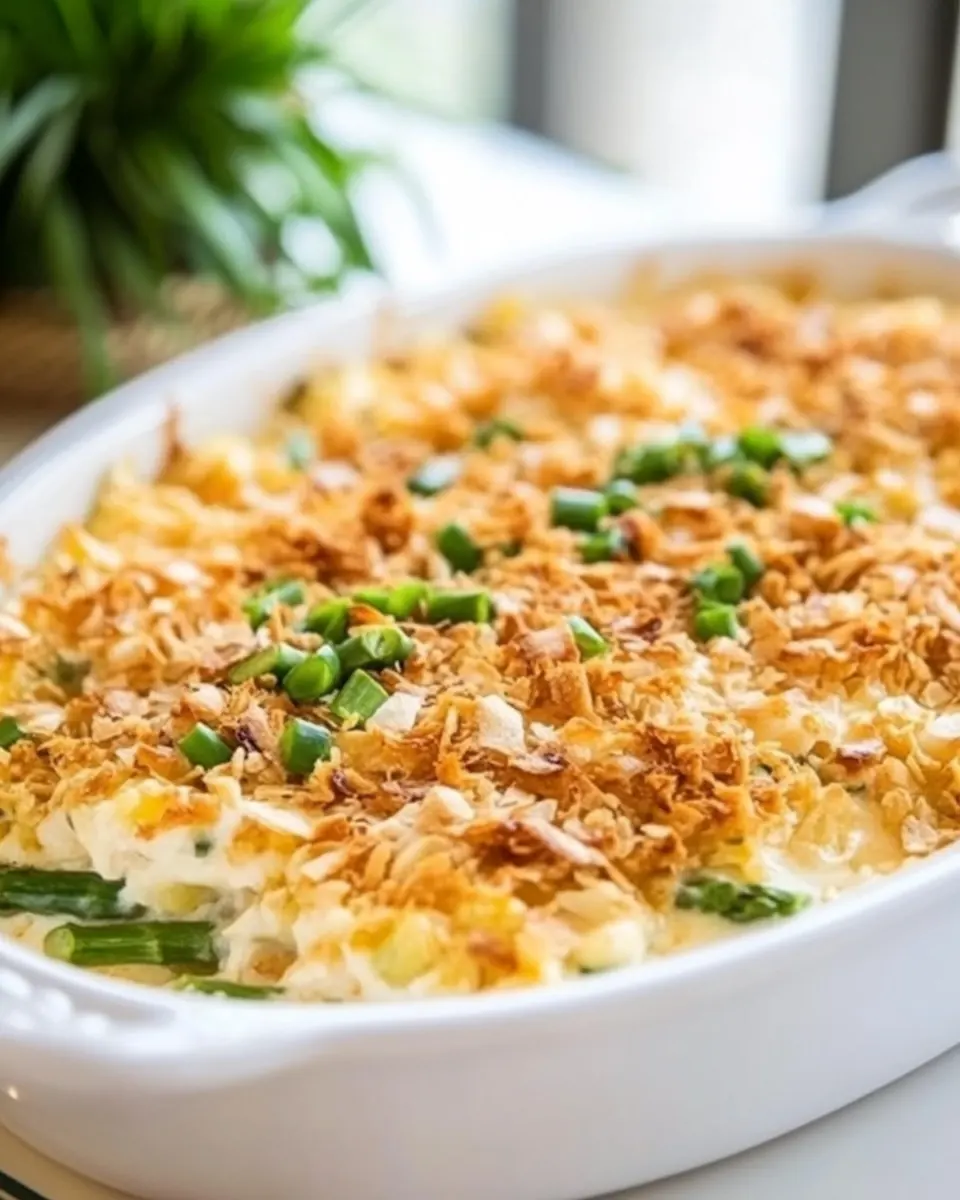
This ingredient list reflects a philosophy of balance. I like bright, crisp asparagus to contrast creamy binders like mayonnaise and sour cream, while cheeses add savory depth. The mushrooms and onion contribute umami and sweetness, and the french fried onions bring texture and a toasty finish. Together these ingredients create a casserole that is rich but not cloying, with each player pulling its weight.
- 4 tablespoons (1/2 stick) butter: Melted to provide rich, buttery flavor and help sauté vegetables; contributes moisture and a silky mouthfeel to the casserole while aiding in browning the top.
- 2 1/2 pounds asparagus, trimmed and cut into 1-inch pieces: Trimmed and cut to tender bite-sized pieces that deliver fresh, slightly grassy flavor and bulk; offers structural body and a seasonal vegetable focus when baked.
- 1 (8-ounce) package white mushrooms, sliced: Sliced to add earthy, umami depth and tender texture; releases savory juices when cooked that enrich the creamy sauce and complement the asparagus.
- 1/2 medium sweet onion, chopped: Chopped to provide sweet, aromatic undertones and a mild onion flavor; softens during cooking and forms part of the savory base with mushrooms.
- 1/4 cup all-purpose flour: Sprinkled in to thicken the sauce and create a velvety consistency; combines with butter to form a roux that stabilizes the casserole filling.
- 1 1/4 cup milk: Poured in to create the creamy sauce base and add dairy richness; blends with the roux to yield a smooth, cohesive texture throughout the dish.
- 1/2 cup mayonnaise: Folded in to add tangy, creamy body and a slight oiliness that enhances mouthfeel; helps bind ingredients and contributes savory depth.
- 1/2 cup sour cream: Blended to give cool tang and extra creaminess while balancing richness; adds a subtle tang that brightens the overall flavor profile.
- 1/2 cup shredded cheddar cheese: Sprinkled to bring sharp, savory, and slightly salty character; melts into the sauce providing cheesy flavor and a bit of color.
- 1/2 cup shredded swiss cheese: Added to contribute nutty, mellow, and slightly sweet cheese notes; melts into the casserole offering depth and a smooth melting quality.
- 1/2 teaspoons salt: Measured to season the dish and enhance overall flavor balance; helps bring out natural tastes of vegetables and cheeses without overwhelming them.
- 1/2 teaspoon lemon pepper: Shaken in to add a citrusy, peppery seasoning that brightens flavors and provides mild heat; works well with lemon-sensitive vegetables like asparagus.
- 1/4 teaspoon paprika: Dusting used to impart warm color and a subtle smoky-sweet note; enhances visual appeal and adds a faint layer of flavor on top.
- 1 (6-ounce) can french-fried onions.: Sprinkled over the finished casserole to provide a crisp, savory crunch and iconic topping texture; adds salty, fried onion flavor for contrast.
Step by Step Instructions for Asparagus Casserole

These instructions will walk you through every stage with sensory cues and reasons for each technique. Read them fully before you begin, and have the butter, milk, and cheeses ready so the rhythm stays smooth.
- Grease a casserole dish and preheat oven to 350 degrees.: As you prepare, notice the scent of a freshly warmed oven as it approaches 350 degrees , which creates a reliable environment for even baking. Greasing the dish ensures the casserole will release cleanly and form a slightly caramelized edge where the filling meets the pan, resulting in a pleasing contrast of texture. A common misstep is not preheating fully, which can lead to longer bake times and a soupy center, so wait until the oven registers the temperature before sliding the dish in.
- Melt butter in a large pan over medium heat. Add asparagus, mushrooms, and onions and cook, stirring occasionally, for about 6 minutes.: When the butter melts, it should foam gently and carry the aromas of the onion and mushrooms as you add them. You will hear soft sizzling and eventually a gentle hiss as moisture evaporates, and the vegetables will begin to glisten. The asparagus will turn a brighter green, an excellent visual cue that it is cooking correctly. Avoid crowding the pan because steaming rather than browning reduces flavor development.
- Sprinkle flour over vegetables and cook, stirring continuously, for 1 to 2 minutes.: As you sprinkle the all purpose flour , it should form a thin dusting that quickly absorbs the pan juices. Stirring continuously creates a roux like base that loses the raw flour taste and will thicken the sauce. You will smell a toasty, nutty note when the flour is cooked enough. If you skip this step or do not cook long enough, your sauce may taste pasty or raw.
- Gradually stir in milk. Cook until thickened.: Pour the milk in slowly while stirring, and watch the mixture change from translucent to glossy and slightly thickened, coating the back of a spoon. You may hear the gentle bubbling as the sauce reaches a simmer, and the steam will carry a warm, creamy aroma. Stirring prevents lumps, and simmering just until thick ensures the sauce will cling to the vegetables rather than pool in the bottom of the casserole.
- Reduce heat to low and mix in mayonnaise, sour cream, both cheeses, salt, lemon pepper, and paprika. Remove from heat.: Lowering the heat before adding the mayonnaise and sour cream keeps them from separating, and you will feel the sauce relax into a silkier texture as the cheddar cheese and swiss cheese melt in. The aroma becomes richer and more complex, and the color shifts to a warm, pale gold. A frequent mistake is adding these ingredients over high heat, which can cause graininess or breakage in the sauce.
- Crush about 1/3 of the can of french-fried onions and mix them into the asparagus mixture.: Crushing a portion of the french fried onions and folding them into the filling gives intermittent crunchy pockets and a deeper toasted onion note throughout. As you mix, you will see little golden fragments dispersed in the creamy sauce, and the textural balance is more interesting. If you skip crushing, the onions will only provide surface crunch and you will miss those integrated bursts of texture.
- Transfer mixture to prepared casserole dish.: Spoon the warm mixture into your greased dish and level it with a spatula, noticing how the sauce settles and the vegetables nestle in. The dish will already radiate steam and savory aroma, signaling it is ready for the oven. Be careful not to overfill the vessel, leaving room for bubbling without spillover, otherwise you risk a messy oven and lost topping.
- Sprinkle remaining french-fried onions on top.: Scatter the remaining french fried onions evenly to form a crunchy crown; this will brown and crisp in the oven, offering that prized contrast. You want an even layer so no one area becomes overly crunchy or under toasted. If you press them into the surface before baking, they may sink and lose their distinct texture.
- Place in oven and bake for 30 minutes.: As the casserole bakes for 30 minutes , the top should bubble lightly and take on a golden hue, while the interior continues to set. You will hear gentle bubbling and smell a toasty, cheesy aroma filling the kitchen. A knife inserted near the center should come out with thick, saucy coating but not wet pools. Opening the oven too often will lower the temperature and extend baking time, so resist peeking frequently.
Tips and Variations
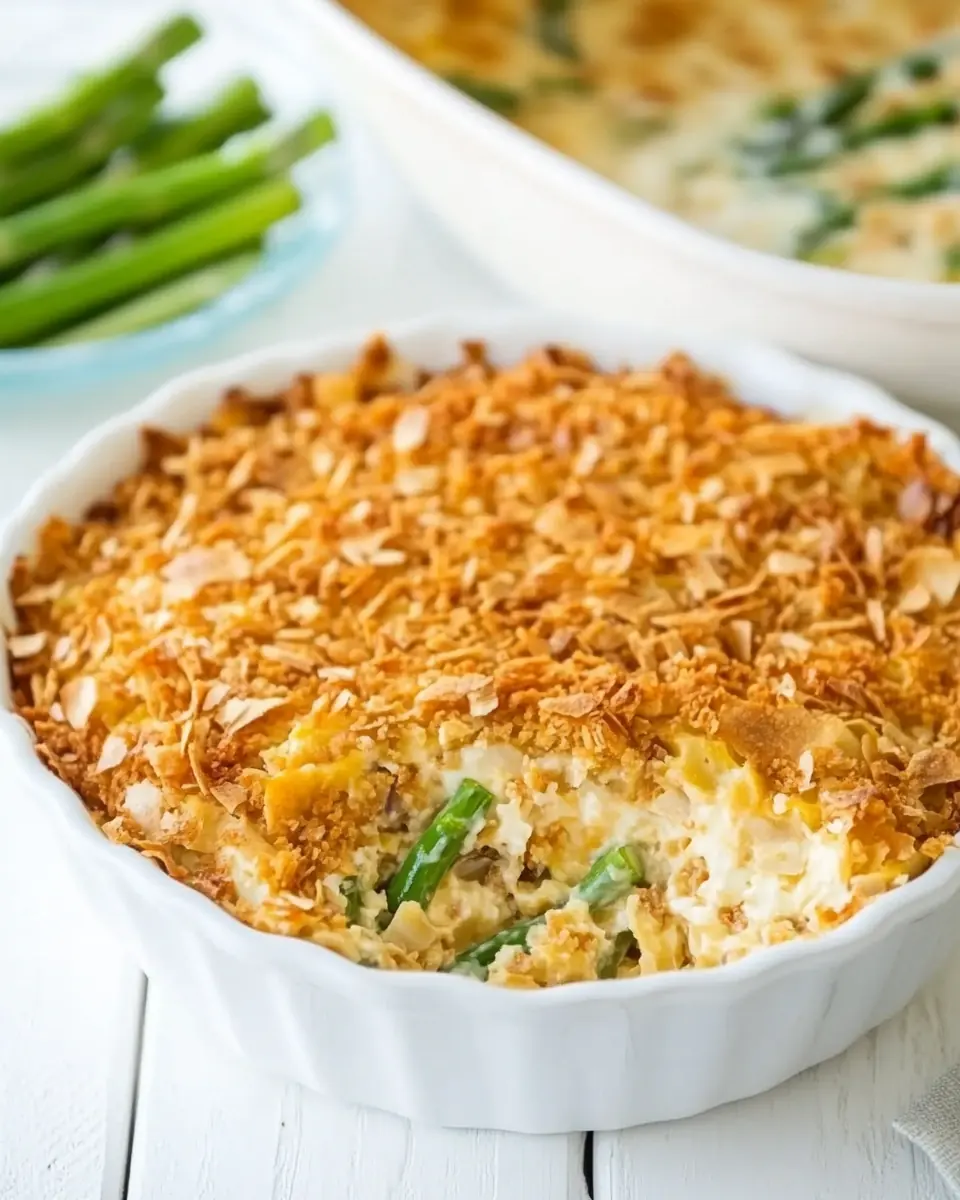
This section shares practical ideas I use to make Asparagus Casserole more reliable and adaptable. Each tip begins with a short, bolded phrase to make scanning easy, followed by deeper guidance.
- Bring cheeses to room temperature: Allow the cheddar cheese and swiss cheese to sit out for 15 to 20 minutes so they melt smoothly into the sauce, preventing a grainy texture when combined.
- Sauté in batches if needed: If your pan feels crowded when cooking the asparagus, mushrooms, and onion, cook in two batches so they brown properly, enhancing overall flavor.
- Toast the breadcrumb alternative: If you want extra crunch but have fewer french fried onions, lightly toast panko with a touch of butter until golden and sprinkle on top for a crisp finish.
- Adjust the seasoning at the end: Taste the filling before transferring to the dish since the cheeses and mayonnaise carry salt, then fine tune with the salt and lemon pepper as needed.
- Make ahead and bake later: Assemble the casserole, cover, and refrigerate for up to one day, then add the topping and bake when ready to serve, this helps with timing for gatherings.
Serving This Asparagus Casserole
This casserole is versatile and feels at home on weeknight tables or festive spring spreads. Below are serving ideas and practical notes for storage and pairing, written as a set of helpful options you can mix and match.
- Serve warm as a side: Place alongside roasted chicken or grilled fish for a complete meal, the creamy texture complements lean proteins without overpowering them.
- Feature at holiday tables: Bring this to spring holiday meals as a bright, green side that pairs well with herb forward mains and lighter salads, it adds comfort without heaviness.
- Family style at potlucks: Serve directly from the casserole dish with a large spoon, encouraging guests to take portions with confidence because the topping holds up well during serving.
- Storage tips: Refrigerate leftovers in an airtight container for up to three days, and reheat in the oven to restore the crunchy top, covered for a few minutes then uncovered to crisp.
- Seasonal pairings: Enjoy in spring with fresh green salads and simple roasted vegetables, the bright asparagus pairs especially well with lemony sides and light vinaigrettes.
- Portioning: This recipe yields multiple servings suitable for family meals or gatherings; cut into individual squares for easy plating and even reheating.
FAQ
Conclusion
This casserole stands out because it balances bright spring asparagus with creamy, cheesy richness and a crisp onion topping. It is both comforting and celebratory, making it perfect for weeknights and special meals alike. Give it a try the next time you want something that is effortless to prepare but impressive on the table. I find it becomes a repeat favorite, returning to my menu whenever I want a dish that feels like a small celebration of seasonal produce.
Asparagus Casserole
Ingredients
Equipment
Method
- Grease a casserole dish and preheat oven to 350 degrees.: As you prepare, notice the scent of a freshly warmed oven as it approaches 350 degrees , which creates a reliable environment for even baking. Greasing the dish ensures the casserole will release cleanly and form a slightly caramelized edge where the filling meets the pan, resulting in a pleasing contrast of texture. A common misstep is not preheating fully, which can lead to longer bake times and a soupy center, so wait until the oven registers the temperature before sliding the dish in.
- Melt butter in a large pan over medium heat. Add asparagus, mushrooms, and onions and cook, stirring occasionally, for about 6 minutes.: When the butter melts, it should foam gently and carry the aromas of the onion and mushrooms as you add them. You will hear soft sizzling and eventually a gentle hiss as moisture evaporates, and the vegetables will begin to glisten. The asparagus will turn a brighter green, an excellent visual cue that it is cooking correctly. Avoid crowding the pan because steaming rather than browning reduces flavor development.
- Sprinkle flour over vegetables and cook, stirring continuously, for 1 to 2 minutes.: As you sprinkle the all purpose flour , it should form a thin dusting that quickly absorbs the pan juices. Stirring continuously creates a roux like base that loses the raw flour taste and will thicken the sauce. You will smell a toasty, nutty note when the flour is cooked enough. If you skip this step or do not cook long enough, your sauce may taste pasty or raw.
- Gradually stir in milk. Cook until thickened.: Pour the milk in slowly while stirring, and watch the mixture change from translucent to glossy and slightly thickened, coating the back of a spoon. You may hear the gentle bubbling as the sauce reaches a simmer, and the steam will carry a warm, creamy aroma. Stirring prevents lumps, and simmering just until thick ensures the sauce will cling to the vegetables rather than pool in the bottom of the casserole.
- Reduce heat to low and mix in mayonnaise, sour cream, both cheeses, salt, lemon pepper, and paprika. Remove from heat.: Lowering the heat before adding the mayonnaise and sour cream keeps them from separating, and you will feel the sauce relax into a silkier texture as the cheddar cheese and swiss cheese melt in. The aroma becomes richer and more complex, and the color shifts to a warm, pale gold. A frequent mistake is adding these ingredients over high heat, which can cause graininess or breakage in the sauce.
- Crush about 1/3 of the can of french-fried onions and mix them into the asparagus mixture.: Crushing a portion of the french fried onions and folding them into the filling gives intermittent crunchy pockets and a deeper toasted onion note throughout. As you mix, you will see little golden fragments dispersed in the creamy sauce, and the textural balance is more interesting. If you skip crushing, the onions will only provide surface crunch and you will miss those integrated bursts of texture.
- Transfer mixture to prepared casserole dish.: Spoon the warm mixture into your greased dish and level it with a spatula, noticing how the sauce settles and the vegetables nestle in. The dish will already radiate steam and savory aroma, signaling it is ready for the oven. Be careful not to overfill the vessel, leaving room for bubbling without spillover, otherwise you risk a messy oven and lost topping.
- Sprinkle remaining french-fried onions on top.: Scatter the remaining french fried onions evenly to form a crunchy crown; this will brown and crisp in the oven, offering that prized contrast. You want an even layer so no one area becomes overly crunchy or under toasted. If you press them into the surface before baking, they may sink and lose their distinct texture.
- Place in oven and bake for 30 minutes.: As the casserole bakes for 30 minutes , the top should bubble lightly and take on a golden hue, while the interior continues to set. You will hear gentle bubbling and smell a toasty, cheesy aroma filling the kitchen. A knife inserted near the center should come out with thick, saucy coating but not wet pools. Opening the oven too often will lower the temperature and extend baking time, so resist peeking frequently.
Notes
- Bring cheeses to room temperature: Allow the cheddar cheese and swiss cheese to sit out for 15 to 20 minutes so they melt smoothly into the sauce, preventing a grainy texture when combined.
- Sauté in batches if needed: If your pan feels crowded when cooking the asparagus, mushrooms, and onion, cook in two batches so they brown properly, enhancing overall flavor.
- Toast the breadcrumb alternative: If you want extra crunch but have fewer french fried onions, lightly toast panko with a touch of butter until golden and sprinkle on top for a crisp finish.
- Adjust the seasoning at the end: Taste the filling before transferring to the dish since the cheeses and mayonnaise carry salt, then fine tune with the salt and lemon pepper as needed.
- Make ahead and bake later: Assemble the casserole, cover, and refrigerate for up to one day, then add the topping and bake when ready to serve, this helps with timing for gatherings.