Greek Seasoning Blend
Greek Seasoning Blend has been my secret shortcut for turning simple chicken and roasted potatoes into something I reach for when life gets busy. The first time I mixed this blend I was rushing to pull together a weeknight meal, and the bright, herby aroma filled my kitchen so quickly I paused, smiled, and knew I had stumbled onto something I would use again and again.
Over the years I have tweaked the ratios, learning how each pinch nudges a dish toward more savory, more floral, or more warm and spiced. My neighbor asked for a jar once and joked that it made her cooking feel effortless, which is exactly why I make it in big batches. When I gift it, people always ask how I got such balance between oregano, garlic notes, and the subtle warmth of cinnamon and nutmeg.
I use this Greek Seasoning Blend as a rub, a sprinkle, and a secret ingredient in dressings. It clings especially well to olive oil coated vegetables and gives a confident backbone to marinades. You do not need any special skills, just a jar and the willingness to taste along the way. I tend to grind it slightly when I want a smoother finish, but leaving it coarser keeps thrilling little bursts of herb and spice when you bite into a roasted bite of eggplant or bell pepper.
Recipe Snapshot
5 mins
5 mins
0 mins
Easy
50 kcal
Mediterranean
Keto, Paleo
Dinner
Bowl, Spoon, Airtight jar, Food processor, Spice grinder
The Beauty of This Greek Seasoning Blend
Concentrated Mediterranean Flavor
I love how this blend bottles a whole region’s character in one spoonful. When I sprinkle it over a pan of vegetables or chicken, the room brightens with a herbal mix that feels sun warmed and honest. The combination of dried oregano and marjoram gives a foundation that is unmistakably Greek, while the supporting spices add unexpected depth.
Versatility That Saves Time
One of the reasons I keep a jar on hand is practical. I use it to season roasted vegetables, finish grain bowls, and even fold into simple vinaigrettes. It simplifies decisions, letting me reach for one blend instead of rummaging for many jars. That kind of time saving is indispensable on hectic nights.
Balanced Heat and Warmth
The blend’s tiny bit of black pepper and sweet paprika introduces a gentle warmth, while cinnamon and nutmeg add a cozy, rounded character. I like how those spices temper the herbs without making the mix taste like dessert. It feels comforting, without ever losing its savory identity.
Customizable Texture and Use
I often adjust the texture depending on the use. Left coarse, it gives pockets of herb and crunch on roasted pieces. Pure9ed or ground finer, it melts into marinades and dressings. That control over mouthfeel makes it a chef’s handy tool when plating differently textured dishes.
Great for Gifting and Batch Making
I make large batches because the mix stores beautifully. It travels well in little jars and always feels like a thoughtful gift. Friends tell me it changes their weeknight cooking, and that kind of feedback keeps me making more.
What to Buy for Greek Seasoning Blend
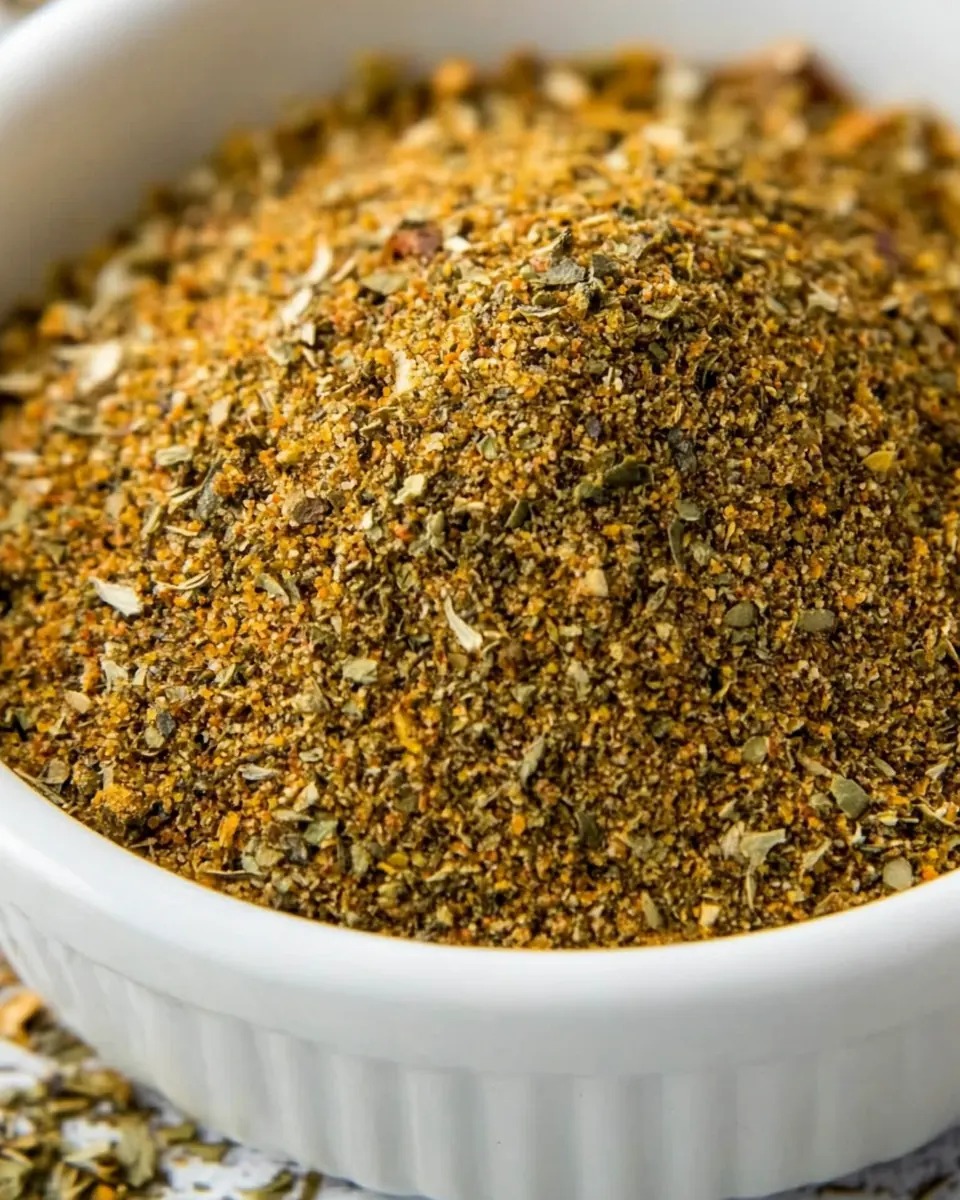
These pantry spices are the backbone of the blend. Each element has a role, the herbs provide the bright green notes, the powders add savory depth, and the warm spices finish with a gentle lift. Together they create a seasoning that clings to vegetables and proteins, bringing layered flavor without fuss.
- 2 tablespoon dried oregano: Adds a warm, slightly bitter Mediterranean aroma and provides the signature Greek herbal backbone to the blend; use dried oregano to anchor savory and tomato-forward dishes. Enhances grilled meats, salads, and marinades by contributing an earthy, pungent note that balances richer flavors.
- 2 tablespoon dried marjoram: Contributes a milder, sweeter herbaceous note that softens the blend and rounds out oregano’s intensity; dried marjoram brings floral, citrusy undertones. Supports depth in sauces and dressings while improving overall balance without overpowering other spices.
- 1 tablespoon onion powder: Provides concentrated savory and slightly sweet onion flavor that deepens umami and adds body to spice mixes; onion powder disperses easily and melds with other dried herbs. Helps replicate savory aromatics found in cooked onions, making the seasoning versatile for rubs and dips.
- 2 teaspoon garlic powder: Delivers a pungent, savory garlic aroma in powdered form that quickly infuses the blend and enhances savory profiles. Boosts taste intensity and pairs well with herbs and paprika to elevate meats, vegetables, and dressings.
- 2 teaspoon dried basil: Adds a sweet, slightly peppery green note that complements oregano and marjoram while contributing subtle floral tones; dried basil lightens the herb profile. Improves complexity in Mediterranean-style recipes and harmonizes with tomato-based dishes.
- 2 teaspoon dried parsley: Provides a fresh, mildly bitter green lift that brightens the overall seasoning; dried parsley adds color and a subtle herbaceous finish. Acts as a neutral balancer that supports stronger flavors without competing.
- 2 teaspoon sweet paprika: Imparts a sweet, smoky color and mild pepperiness that contributes warmth and depth to the mix; sweet paprika also enhances visual appeal with a rich red hue. Helps round out herbal notes and pairs well with black pepper for layered heat and flavor.
- 2 teaspoon black pepper: Introduces sharp, pungent heat and aromatic bite that enhances the blend’s spiciness; freshly ground-like black pepper enlivens savory components. Adds contrast to sweeter and herbal elements, improving overall flavor clarity.
- 1 teaspoon dried thyme: Offers a subtle, earthy floral note with gentle minty and lemony hints that refines the herb profile; dried thyme brings structure and complexity. Works well in marinades and stews by providing a steady aromatic base without overwhelming other spices.
- 1 teaspoon ground nutmeg: Adds warm, nutty sweetness and a hint of earthiness that deepens the blend’s complexity; ground nutmeg provides aromatic warmth in small amounts. Balances savory herbs and spices by contributing rounded, cozy undertones.
- 1 teaspoon cinnamon: Contributes warm, sweet-spicy depth with a mild woody aroma that enhances savory and sweet applications; cinnamon adds distinctive warmth. Complements nutmeg and paprika to create a more rounded, aromatic finishing touch.
Making Greek Seasoning Blend
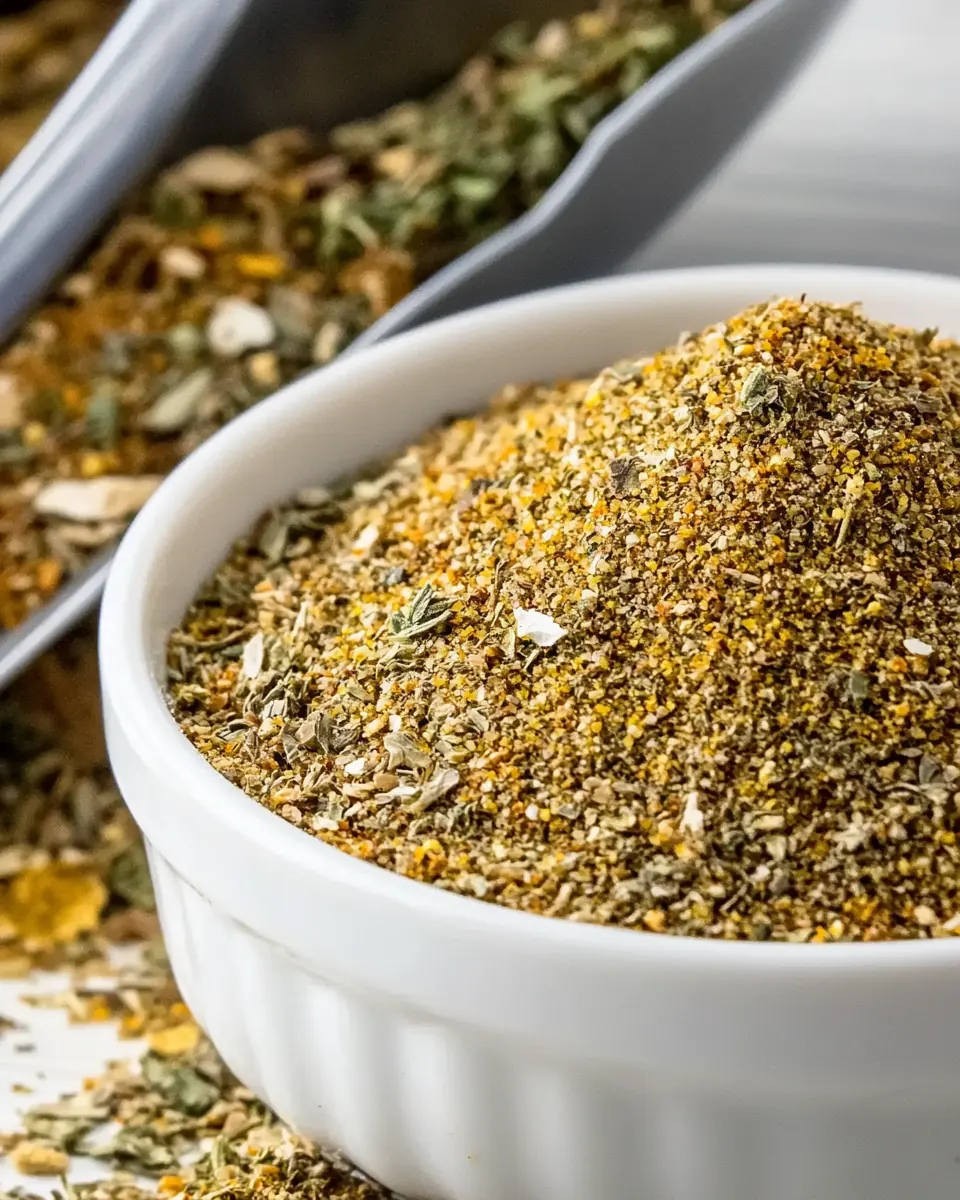
This mix is uncomplicated, but technique matters for texture and aroma. I like to mix thoroughly so every pinch delivers a balanced profile, and sometimes I briefly grind the blend for a smoother finish. Below are the directions expanded into detailed steps so you can master both coarse and fine textures.
- Mix everything together well and store in an airtight jar.: The first sensory cue you will notice is the burst of herbaceous and warm spice aromas when the dried ingredients meet, like a quick inhale of Mediterranean air. I usually place the measured spices in a large bowl, then gently toss them with a spoon until the colors and textures look evenly distributed, making sure no clumps of onion powder or garlic powder remain. This mixing step matters because even distribution ensures consistent flavor when you sprinkle it on vegetables or meat , preventing pockets of overpowering garlic or cinnamon. A common mistake is under-mixing which leads to uneven seasoning on the first uses, so take your time to visually confirm uniformity. As you stir, you should smell oregano and marjoram first, then the warmer undertones of cinnamon and nutmeg surfacing, which indicates a balanced blend. If moisture seems present, dry the bowl and utensils thoroughly before mixing to prevent clumping during storage. Transfer the final mix into a clean, dry, airtight jar, pressing lightly to settle it without packing it too tight, which helps preserve the aroma.
- For a smoother texture, you can purée all ingredients for 30-45 seconds in a food processor or use a spice grinder.: Right away you will notice the sound of the blades whirring and a finer, dustier aroma as the larger herb pieces break down, creating a more homogeneous powder that dissolves into dressings and marinades. I usually pulse the mixture first, then blend for short bursts to control particle size, tasting occasionally to ensure the texture suits my intended use. Grinding matters because a finer grind adheres better to olive oil coated proteins and creates a silkier mouthfeel in sauces. A frequent mistake is over-processing which can lead to heat from the blades releasing volatile oils and dulling fresh herb notes, so keep the pulses brief and check temperature by touching the processor bowl; it should remain cool. When you open the lid, inhale the intensified aroma which should be a balanced medley rather than one dominating note. If the mix becomes too fine, you can reintroduce a bit of coarser dried oregano to restore texture. After pur e9eing, transfer to an airtight container immediately to capture the fragrance and prevent exposure to humidity which would clump the powder.
Making Adjustments
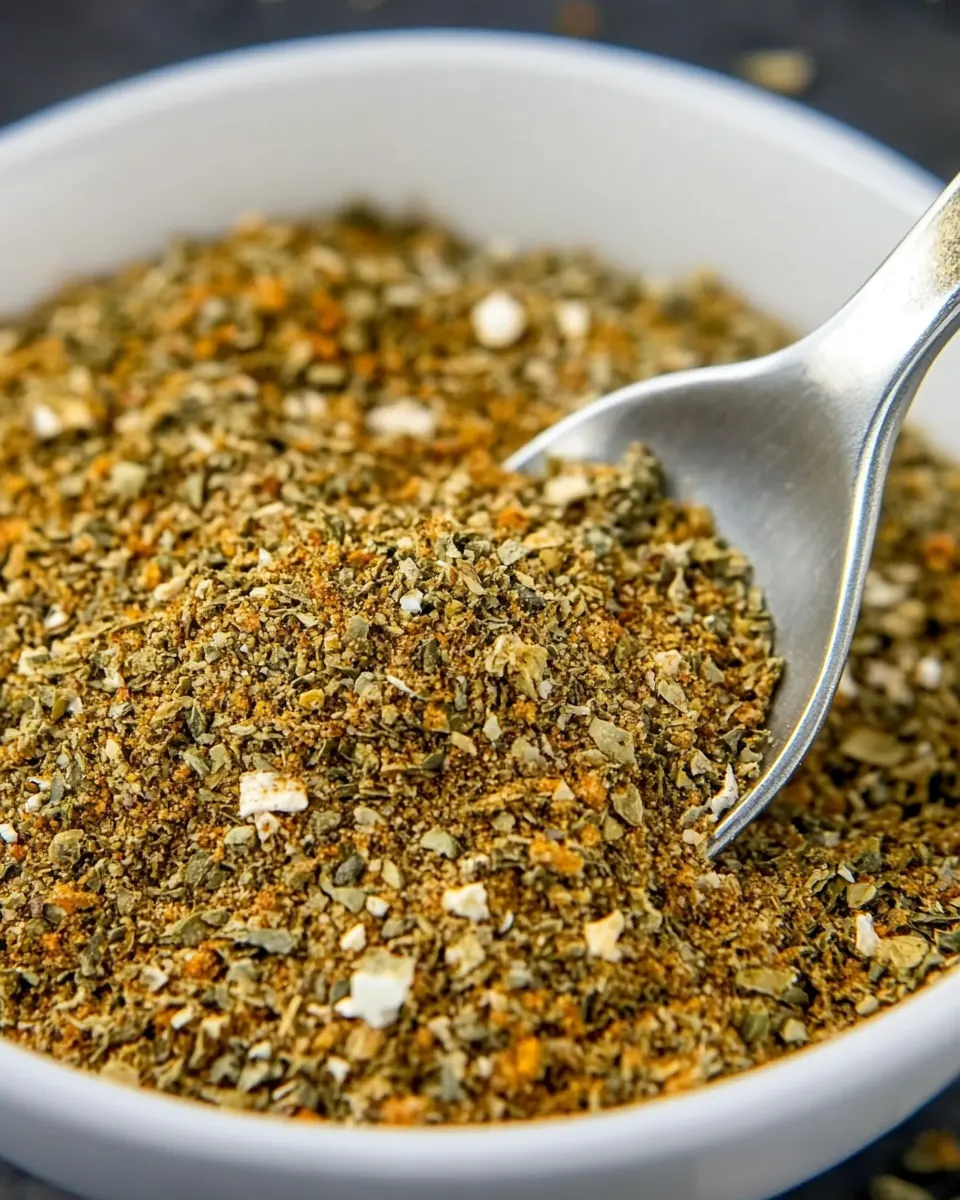
This introduction offers practical ideas for tailoring the Greek Seasoning Blend to your taste and uses. I will outline focused tips you can act on immediately, from texture to intensity. Each tip starts with a clear suggestion and then explains why it works.
- Scale herbs for fresher flavor, if you prefer a more vibrant herbal profile increase the dried oregano and dried marjoram by 25 percent, this brightens the mixture and makes it pop on grilled vegetables and roasted chicken.
- Smooth versus textured, grind briefly in a spice grinder for dressings so the mix disperses evenly, while leaving it coarser creates pleasant herb pockets on roasted items.
- Tweak warmth carefully, if you want a slightly warmer profile boost the sweet paprika by small increments and test, because paprika shifts the color and can change perceived heat.
- Control garlic intensity, reduce the garlic powder if you are using the blend on delicate fish or mild vegetables to avoid overpowering their natural flavors.
- Make single-serving jars, portion into small jars for gifting or quick use, label each jar so you know if you made texture or ratio changes in that batch.
Best Served With
This blend partners with many dishes and occasions. Below are detailed serving ideas, pairing suggestions, and storage advice so you can make the most of each jar. I include seasonal notes and occasion tips to guide how you use it in real meals.
- Roasted Vegetables, toss peeled or chopped potatoes, eggplant, or zucchini with olive oil and a generous sprinkle of the blend, then roast until edges caramelize and herbs crisp, serving as a hearty side for dinner or a weekend lunch.
- Marinated Proteins, mix the blend with olive oil and a squeeze of lemon to form a quick marinade for chicken or firm fish, refrigerate for thirty minutes to let flavors penetrate before grilling for a bright main dish at a casual dinner.
- Grain Bowls and Salads, stir a teaspoon into warm quinoa or couscous with a drizzle of oil and lemon; the herb and spice mix brings instant character, perfect for packed lunches or light dinners during warmer months.
- Holiday and Special Occasion Uses, while suitable year round, the warm notes of cinnamon and nutmeg make this blend especially nice for autumn gatherings, where it supports roasted sides without dominating celebratory mains.
- Storage and Leftovers, keep jars sealed in a cool pantry and use within six to twelve months; for leftover seasoned vegetables, a light fresh sprinkle before reheating revitalizes flavors and smells like a freshly made dish.
FAQ
Conclusion
This Greek Seasoning Blend stands out for its balanced herbal backbone and surprising warm spice finish, making it an effortless way to elevate everyday meals. Try making a jar today and use it on roasted vegetables, grain bowls, or as a quick marinade ingredient to see how one simple mix brightens multiple dishes. It’s easy to make, stores well, and becomes a reliable pantry hero you’ll reach for anytime you want a little Mediterranean flair without fuss.
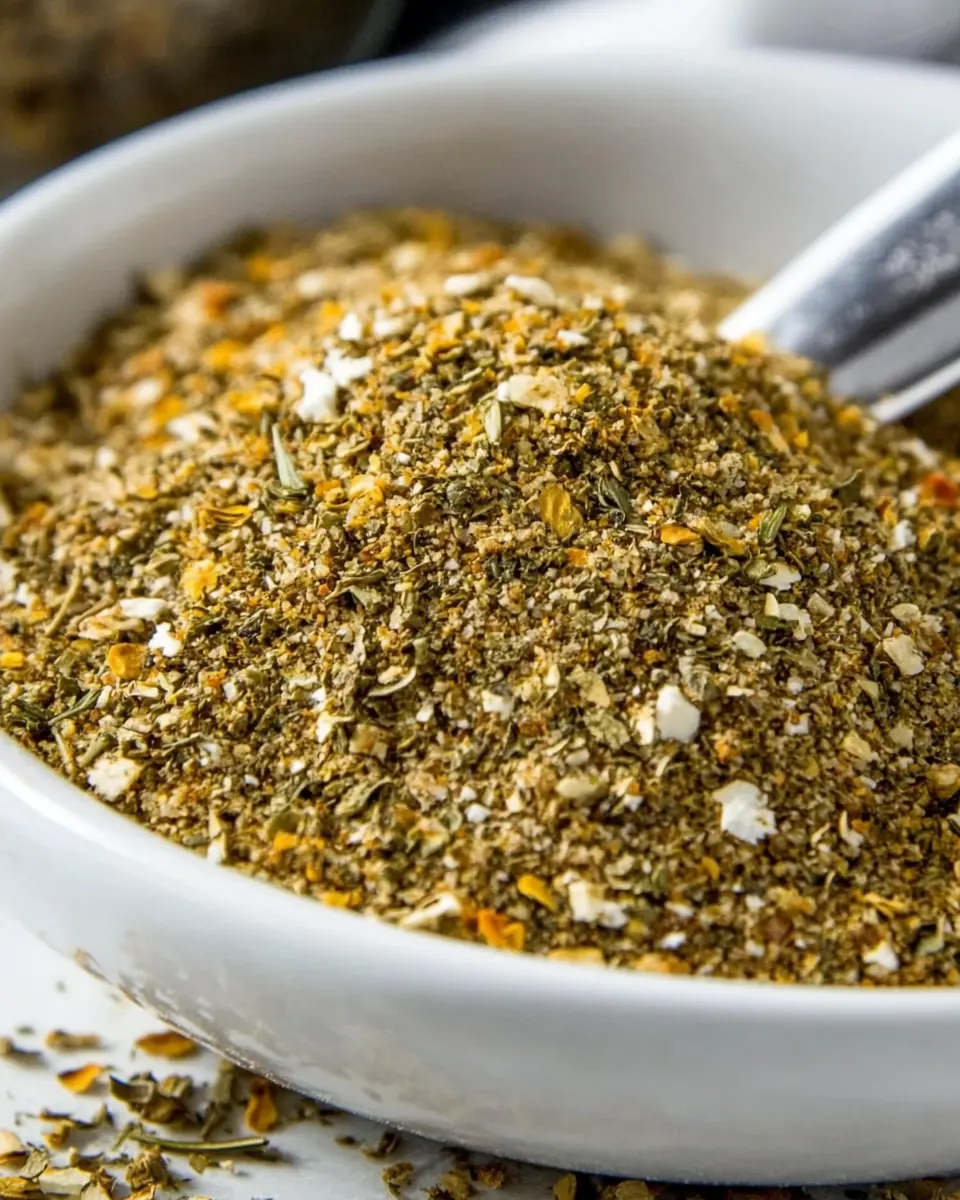
Greek Seasoning Blend
Ingredients
Equipment
Method
- Mix everything together well and store in an airtight jar.: The first sensory cue you will notice is the burst of herbaceous and warm spice aromas when the dried ingredients meet, like a quick inhale of Mediterranean air. I usually place the measured spices in a large bowl, then gently toss them with a spoon until the colors and textures look evenly distributed, making sure no clumps of onion powder or garlic powder remain. This mixing step matters because even distribution ensures consistent flavor when you sprinkle it on vegetables or meat , preventing pockets of overpowering garlic or cinnamon. A common mistake is under-mixing which leads to uneven seasoning on the first uses, so take your time to visually confirm uniformity. As you stir, you should smell oregano and marjoram first, then the warmer undertones of cinnamon and nutmeg surfacing, which indicates a balanced blend. If moisture seems present, dry the bowl and utensils thoroughly before mixing to prevent clumping during storage. Transfer the final mix into a clean, dry, airtight jar, pressing lightly to settle it without packing it too tight, which helps preserve the aroma.
- For a smoother texture, you can purée all ingredients for 30-45 seconds in a food processor or use a spice grinder.: Right away you will notice the sound of the blades whirring and a finer, dustier aroma as the larger herb pieces break down, creating a more homogeneous powder that dissolves into dressings and marinades. I usually pulse the mixture first, then blend for short bursts to control particle size, tasting occasionally to ensure the texture suits my intended use. Grinding matters because a finer grind adheres better to olive oil coated proteins and creates a silkier mouthfeel in sauces. A frequent mistake is over-processing which can lead to heat from the blades releasing volatile oils and dulling fresh herb notes, so keep the pulses brief and check temperature by touching the processor bowl; it should remain cool. When you open the lid, inhale the intensified aroma which should be a balanced medley rather than one dominating note. If the mix becomes too fine, you can reintroduce a bit of coarser dried oregano to restore texture. After pur e9eing, transfer to an airtight container immediately to capture the fragrance and prevent exposure to humidity which would clump the powder.
Notes
- Scale herbs for fresher flavor, if you prefer a more vibrant herbal profile increase the dried oregano and dried marjoram by 25 percent, this brightens the mixture and makes it pop on grilled vegetables and roasted chicken.
- Smooth versus textured, grind briefly in a spice grinder for dressings so the mix disperses evenly, while leaving it coarser creates pleasant herb pockets on roasted items.
- Tweak warmth carefully, if you want a slightly warmer profile boost the sweet paprika by small increments and test, because paprika shifts the color and can change perceived heat.
- Control garlic intensity, reduce the garlic powder if you are using the blend on delicate fish or mild vegetables to avoid overpowering their natural flavors.
- Make single-serving jars, portion into small jars for gifting or quick use, label each jar so you know if you made texture or ratio changes in that batch.