Meyer Lemon Loaf Cake
Meyer Lemon Loaf Cake arrived into my kitchen the way small wonders do, tucked inside a bag of bright, fragrant Meyer lemons from a neighbor who insisted I take more than I could use. I remember the morning I decided to turn that bounty into a loaf, the house filling with a sharp citrus perfume that felt like sunlight poured into batter. As I zested and measured, I kept thinking about how simple ingredients can carry memory, and how a loaf cake can be both an offering and a quiet celebration.
That first slice was still warm, crumbs clinging to the plate, glaze seeping into the tiny holes I had poked across the top. The crumb was tender and fine, the crust a gentle, golden brown that gave way to a moist interior scented with Meyer lemon. Friends arrived with unexpected smiles, and everyone reached for seconds. Baking this Meyer Lemon Loaf Cake felt like coaxing sunshine into something you can slice, wrap, and bring along to a neighbor or a late afternoon tea.
Recipe Snapshot
1 hr 10 mins
20 mins
50 mins
Medium
300 kcal
American
Gluten-Free, Low FODMAP
Desserts
9 x 5-inch loaf pan, Food processor, Medium bowl, Small saucepan, Wire cooling rack
Why This Meyer Lemon Loaf Cake Is a Winner
Bright but gentle citrus flavor
I love how Meyer Lemon Loaf Cake uses Meyer lemon zest and Meyer lemon juice to layer flavor. The zesty oils released during zesting give the loaf a fragrant top note, while the juice folded into the batter and the glaze deepens the lemon character without making it tart. It is citrusy, not sharp, which makes it approachable for people who normally shy away from intensely sour desserts.
Buttery, tender crumb
The use of melted unsalted butter in the batter creates a rich mouthfeel that coats the tongue in a pleasing way. I find that this loaf strikes a perfect balance between a cake that feels indulgent and one that stays light. The texture is what keeps me coming back, because each bite feels like a small, buttery cloud punctuated by bright citrus.
Simple technique, impressive result
I often tell friends that good baking is more about care than complexity. This loaf is proof. The method relies on straightforward steps like creaming the flavored sugar briefly with the eggs in a processor, folding in sifted cake flour, and tempering the batter. Those little techniques elevate the finished cake beyond what the ingredient list suggests.
Glaze that locks in moisture
The thin lemon glaze brushed over the warm cake does two things at once. It adds a glossy, tangy finish that brightens each slice, and it soaks into the crumb to keep the loaf moist for days. I love that a quick simmer of granulated sugar and Meyer lemon juice creates a concentrated syrup that makes the cake sing.
Versatile and shareable
I appreciate how this loaf travels well. It keeps at room temperature for several days when wrapped, which makes it a dependable choice for gifts, brunches, or a simple tea. The combination of modest prep, pantry friendly staples, and that special citrus note makes it a recipe I reach for repeatedly.
What to Buy for Meyer Lemon Loaf Cake
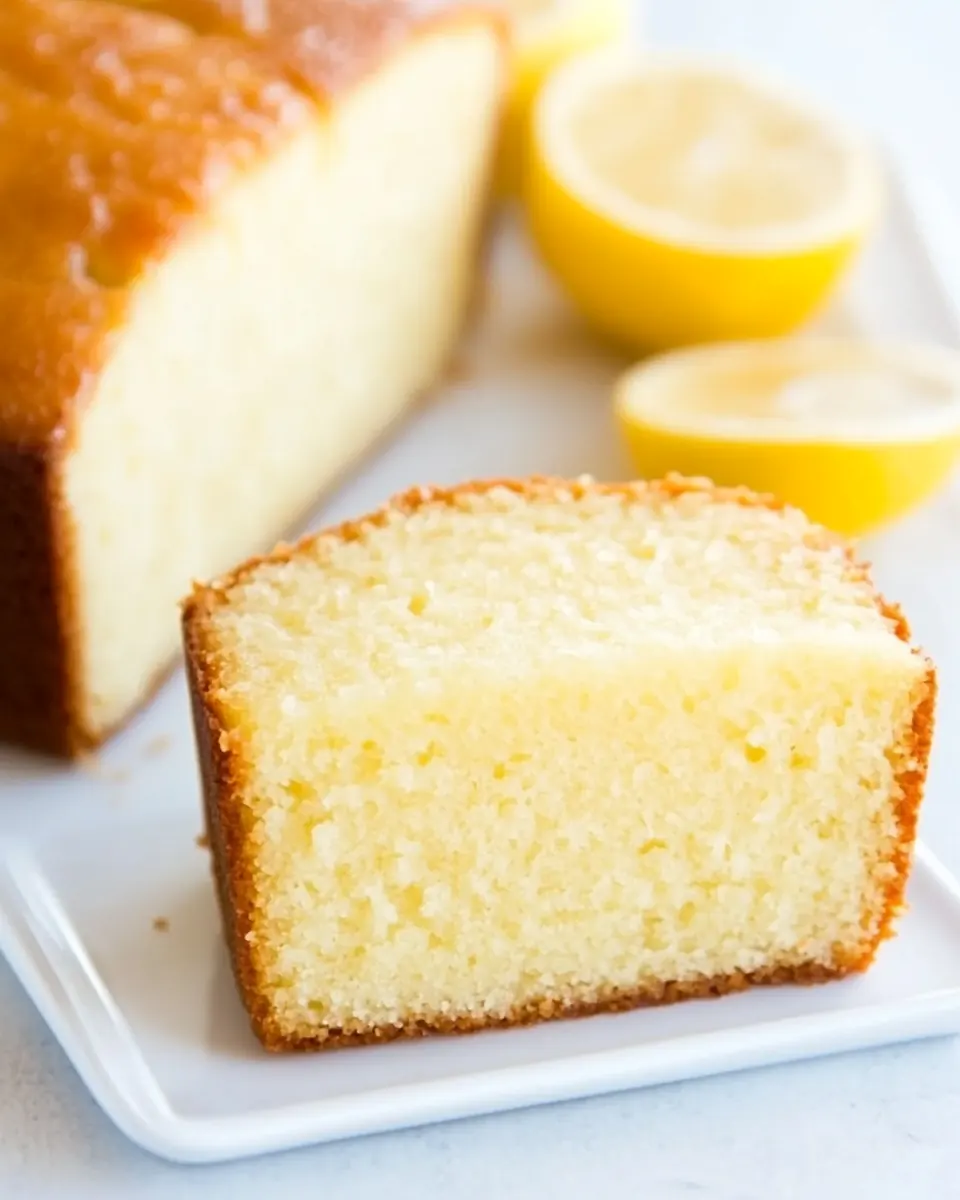
This loaf sings because every ingredient plays a clear role. The cake flour gives a delicate crumb, while unsalted butter adds richness. Meyer lemon zest and Meyer lemon juice provide layered citrus notes, and two sugars serve separate purposes, one for the batter and one for the glaze. These players work together to produce a tender, moist loaf with bright, glossy flavor.
- 1 1/2 cup s (187.5 g) cake flour: Provide tender structure and a fine crumb when sifted and mixed gently into the batter; cake flour’s lower protein content reduces gluten development, resulting in a delicate, moist loaf. Use it to achieve a soft, fine-textured cake that holds lemon flavor without becoming dense.
- 1 teaspoon baking powder: Leaven the batter by producing carbon dioxide during baking, creating lift and a light crumb; combine evenly with dry ingredients to ensure consistent rise. Measure accurately and avoid overmixing after adding to preserve maximum leavening power.
- 1/2 teaspoon (0.5 teaspoon) salt: Enhance overall flavor balance and control fermentation; salt strengthens gluten network slightly and brightens sweet and citrus notes in the loaf. Dissolve into the dry mix so it distributes evenly throughout the batter.
- 1 1/4 cup s (250 g) granulated sugar: Provide bulk sweetness and tenderization by dissolving into the batter; sugar helps retain moisture and contributes to crust browning during baking. Combine with eggs and fats to incorporate air for a lighter texture.
- 2 tablespoons Meyer lemon zest: Concentrate aromatic oils and bright citrus fragrance that intensify the lemon profile; zest adds intense flavor without extra acidity, complementing the juice. Finely grate only the colored part to avoid bitterness from the pith.
- 4 eggs: Incorporate structure, richness, and emulsification as the main binder; eggs set during baking to create stability while adding moisture and lift. Beat or whisk as directed to create volume and ensure even distribution in the batter.
- 2 teaspoons Meyer lemon juice: Contribute bright citrus tang and acidity in small amounts to enhance flavor without curdling the batter; lemon juice balances sweetness and accentuates aroma. Add with other wet ingredients to integrate acidity evenly.
- 1 cup (227 g) unsalted butter, melted: Add richness, moisture, and tender mouthfeel while carrying flavor; melted unsalted butter gives a dense, flavorful crumb and helps with browning. Use unsalted to control sodium and pour in gradually to temper temperature differences in the batter.
- 1 1/2 teaspoon s (1.5 teaspoons) vanilla extract: Provide sweet aromatic depth and enhance perceived sweetness; vanilla extract complements citrus and rounds out the flavor profile. Stir into the wet ingredients to distribute flavor uniformly throughout the loaf.
- 1/2 cup (100 g) granulated sugar: Create a sweet glaze or syrup component and add extra sweetness and moisture to the finished loaf; this sugar amount is likely for a soak or topping to intensify flavor. Dissolve with lemon juice or heat as directed for an even application.
- 1/4 cup (61 ml) Meyer lemon juice: Impart bright acidity and signature lemon flavor for a glaze, syrup, or finishing touch; the juice balances sweetness and sharpens the cake’s profile. Strain to remove pulp and seeds before combining with sugar for a smooth finish.
Step by Step Guide for Meyer Lemon Loaf Cake
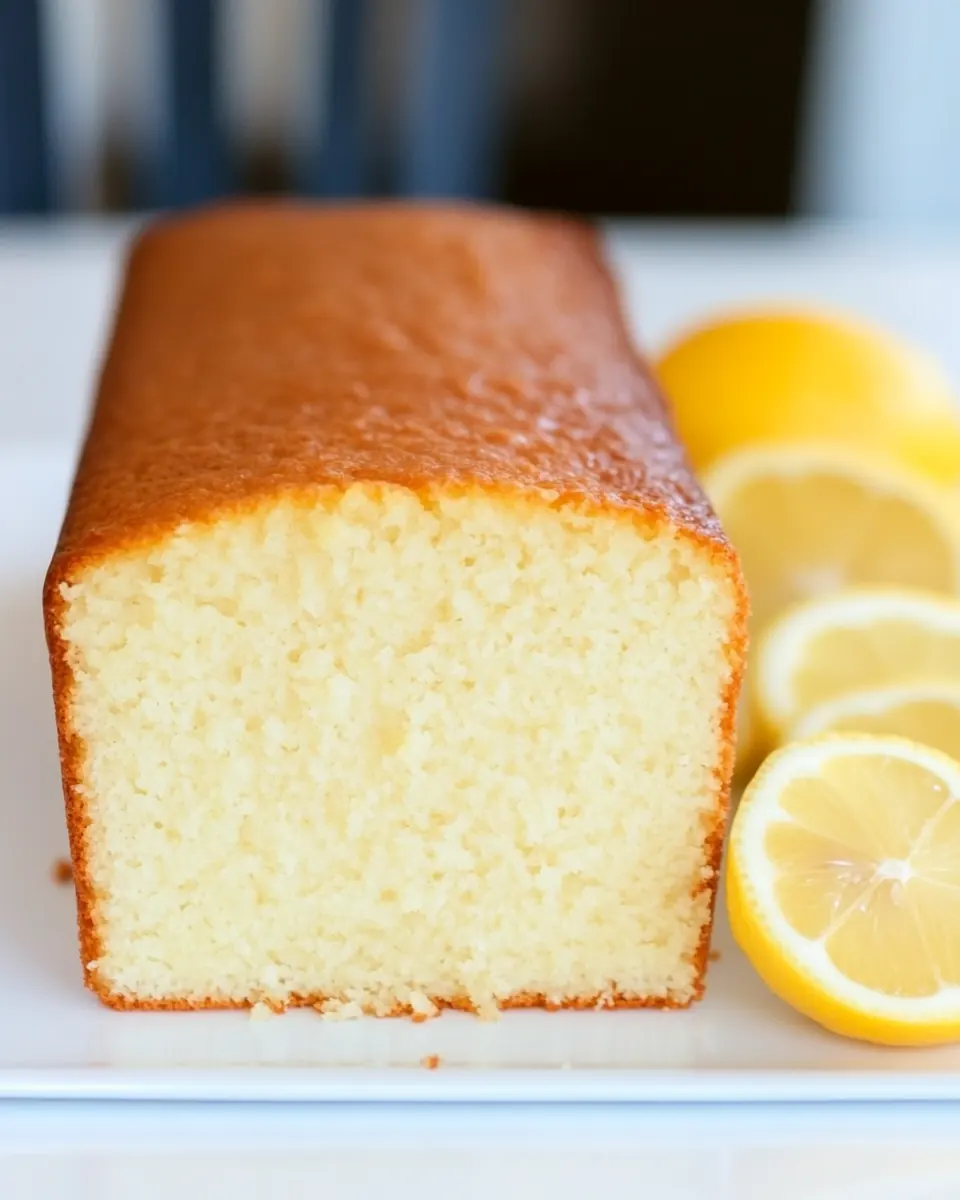
I like to think of the baking process as a short ritual: measure precisely, layer flavors, and pay attention to visual cues. Below are the cleaned steps from the original directions, expanded with sensory notes, why each action matters, and troubleshooting advice so you know what to expect.
- Preheat oven to 350 degrees F. Grease and flour a 9 x 5-inch loaf pan; set aside.: The heat of the oven creates immediate lift and sets the cake edges, so you will hear nothing dramatic, but you will notice the warm oven air and the faint scent of heat once preheated. Greasing and flouring the pan prevents sticking and encourages a clean release with an even crust. When you press the greased pan surface, it should feel slick, not greasy, and the flour should coat evenly without clumps. A common error is insufficient grease or too much flour, which can either cause sticking or leave a floury residue on the crust. I recommend tapping out excess flour so the surface is even, which helps the loaf rise with a smooth exterior.
- In a medium bowl, whisk together the flour, baking powder, and salt; set aside.: As you whisk, you will see the pale, powdery mixture become uniform, and the whisk will stir up a faint dust cloud that smells of raw flour. This step distributes the baking powder and salt so pockets of leavening do not cause uneven rise. The reason for doing this separately is to avoid overmixing later; when these dry components are sifted or whisked, they will settle into the batter more gently. Mistakes here include skipping the whisk which can leave lumps or concentrated leavening, resulting in odd bulges in the loaf. A fine, even mix is the quiet foundation of a fine crumb.
- Add the sugar and lemon zest to the bowl of a food processor; process until combined, about five 1-second pulses. Add the eggs, lemon juice and vanilla; process until combined, about 5 seconds. With the machine running, add the melted butter through feed tube in a steady stream. Transfer the mixture to large bowl. Sift the flour mixture over eggs in three additions, whisking gently after each addition until just combined.: The initial pulsing releases the fragrant oils from the Meyer lemon zest into the granulated sugar , creating a perfumed sugar that will infuse the batter. When you add the eggs , you will notice the mixture thicken and become glossy, the aroma intensifying. Pouring the warm melted butter slowly while processing helps emulsify the fat into the eggs and sugar, resulting in a silky batter rather than one that separates. As you sift the dry ingredients in three parts, you will see the batter change from loose to slightly thicker, and you should stop mixing when streaks of flour mostly disappear, leaving a homogeneous, pale yellow batter. The sensory cue is a smooth sheen and lack of dry pockets. Overmixing at this stage develops gluten and can produce a denser loaf, so be gentle. If the butter is too hot, it can cook the eggs; let it cool slightly before adding to avoid curdling.
- Pour the batter into the prepared pan and bake for 15 minutes. Reduce the oven temperature to 325 degrees F and continue to bake until deep golden brown and a skewer inserted into the center comes out clean, about 35 minutes, rotating the pan halfway through baking time. Cool in pan on a wire rack for 10 minutes.: At first you will notice the batter puff and the top set, often with a faint glossy sheen. Reducing the oven temperature after the initial bake prevents the crust from overbrowning while allowing the center to finish cooking evenly. The aroma will change from raw batter to a warm, buttery lemon scent, and the top should develop a deep, even golden brown. Insert a skewer into the center to check doneness; it should come out clean or with a few moist crumbs, not raw batter. Rotating the pan helps even heat exposure if your oven has hot spots. A common mistake is opening the oven door too often which releases heat and can cause the loaf to sink. Cooling in the pan for 10 minutes lets the crumb set so the loaf does not break when turned out.
- Meanwhile, bring the sugar and lemon juice for the glaze to a boil in a small saucepan, stirring occasionally to dissolve the sugar. Reduce the heat to low and simmer until thickened slightly, about 2 minutes.: As the mixture heats, you will hear a gentle simmer and see the sugar dissolve into a glossy syrup, the air filling with bright citrus steam. Boiling briefly concentrates the flavors and helps the glaze thicken enough to cling to the cake. Simmering for the recommended time reduces the watery edge without becoming syrupy. Avoid boiling too long which can caramelize the sugar and alter the flavor. Stir occasionally to prevent scorching, and remove from heat once it has slightly thickened so it remains pourable for glazing.
- Remove the cake from the pan and place on a wire cooling rack. Using a toothpick, poke holes all over the top and sides of the cake. Brush the lemon glaze all over the top and sides of the cake. Allow the cake to cool to room temperature, at least 1 hour. The cake can be stored at room temperature, wrapped tightly in plastic wrap, for up to 5 days.: When you invert the loaf onto a rack you will feel a light release and see the bottom transformed into a golden surface. Poking holes with a toothpick creates channels for the glaze to penetrate, so the syrup sinks into the crumb and adds moisture plus concentrated lemon flavor. Brushing the warm glaze results in an audible light hiss as the syrup meets the warm surface and quickly soaks in, leaving a glossy sheen. Cooling fully allows flavors to marry and the crumb to stabilize. Storing the wrapped loaf at room temperature preserves moisture, but watch for condensation which can soften the crust. A typical error is glazing a fully cold cake; the glaze will not absorb and will sit on top, rather than permeating the crumb.
Substitutions and Tips
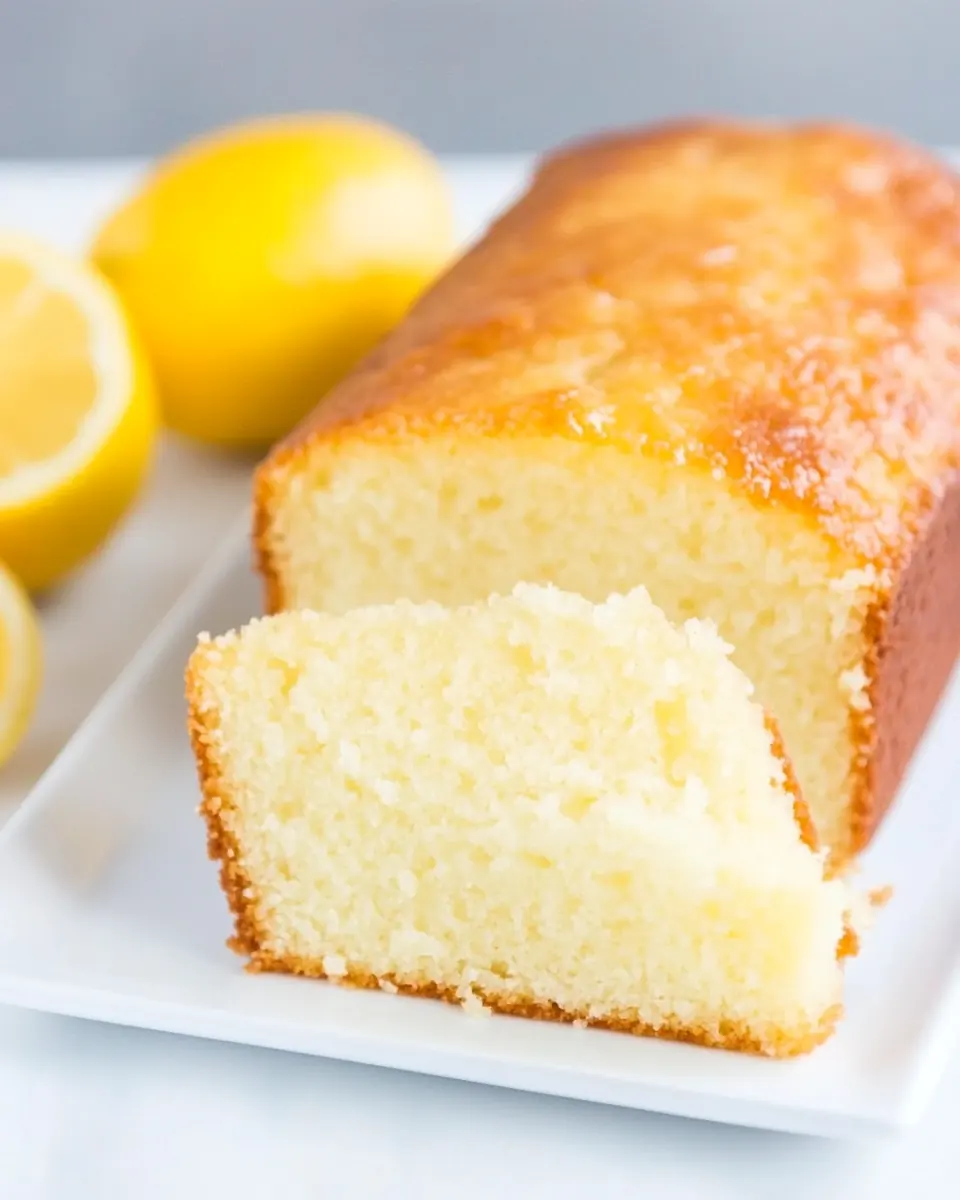
I like to keep substitutions minimal for this loaf because each component plays a clear role. Below are practical, tested tips and small swaps that preserve texture and flavor. Follow these notes to get consistent, bright results every time you bake Meyer Lemon Loaf Cake.
- Use fresh Meyer lemons whenever possible, because the zest and juice provide flavor that bottled juice cannot match. If you must use a substitute, regular lemon will work but will be brighter and more tart.
- Weight ingredients for consistency, especially cake flour and granulated sugar. Using a scale eliminates measuring variance and keeps the crumb reliable from loaf to loaf.
- Cool melted butter slightly before adding to the eggs and sugar. If the butter is piping hot, it risks cooking the eggs and breaking the batter, resulting in a curdled texture.
- Sift or whisk dry ingredients together to distribute baking powder and salt evenly. This prevents pockets of leavening and ensures a uniform rise and texture in the finished loaf.
- Glaze while warm to maximize absorption into the crumb. Brushing the glaze onto a warm cake produces a glossy finish and locks in moisture; if you wait until the cake is cold, the glaze will stay mostly on the surface.
- Rotate the pan halfway through the final bake at 325 degrees F to manage oven hot spots and promote even browning across the top and sides of the loaf.
Serving Suggestions
This loaf is wonderfully adaptable for many occasions. I often serve it at brunch with a pot of tea, or as a sweet finish to a casual dinner. It also travels well to picnics and potlucks when wrapped snugly.
- Slice and serve room temperature for the best texture so the crumb is tender and the glaze is set but not sticky.
- Pair with tea or coffee in the morning, using the loaf as a gentle, citrusy complement to stronger beverages.
- Bring to brunch where it stands in nicely alongside fruit and savory egg dishes because the lemon brightens heavier plates.
- Wrap tightly for gifting, place in parchment and tie with twine, it keeps well at room temperature for several days and makes a thoughtful homemade present.
- Serve at seasonal gatherings in spring when Meyer lemons are most common, the loaf feels perfectly in tune with young greens and floral arrangements.
- Storage keep the loaf at room temperature wrapped in plastic wrap for up to five days to preserve moisture; avoid refrigeration which can dry the crumb.
FAQ
Conclusion
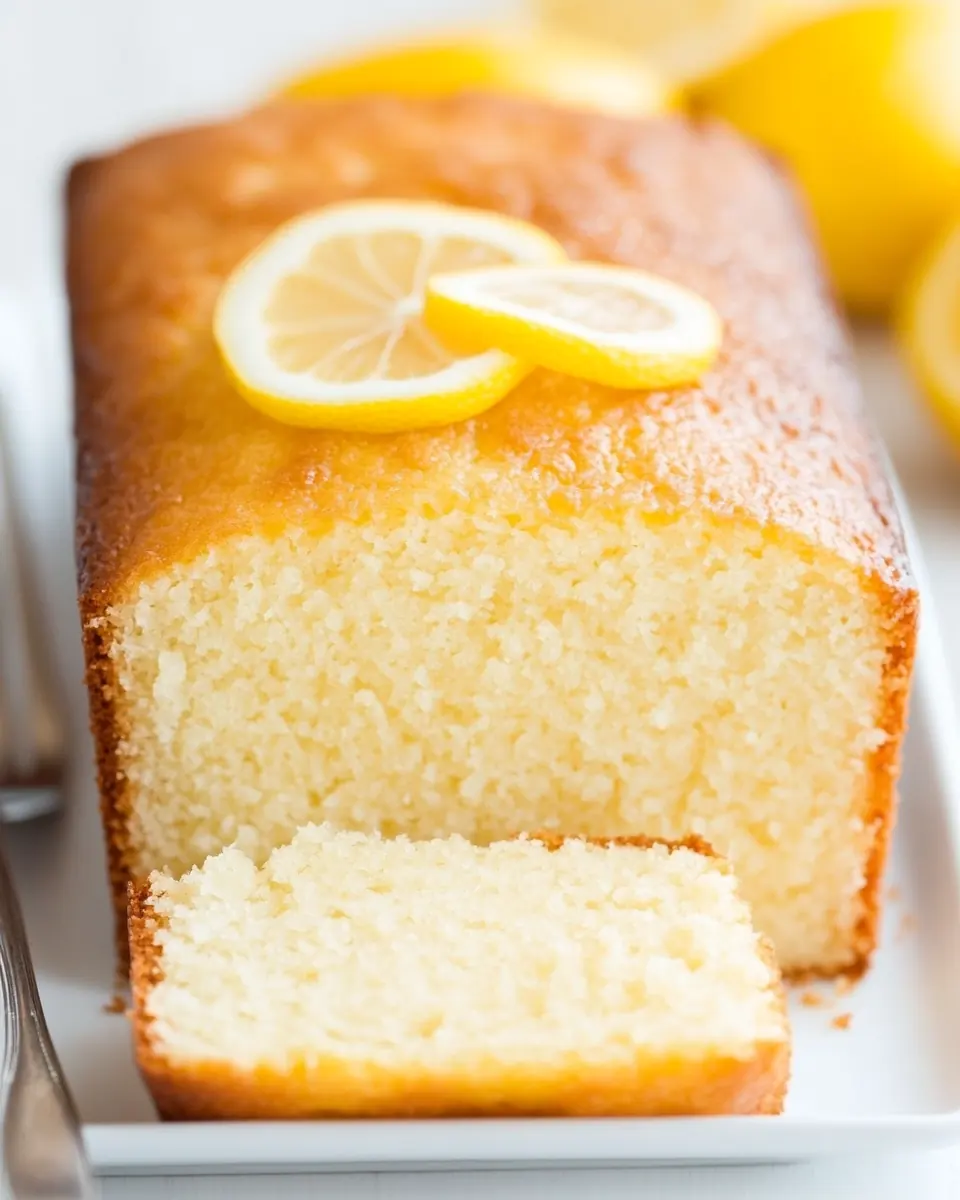
This Meyer Lemon Loaf Cake stands out for its delicate crumb, layered citrus flavor, and glossy lemon glaze, all of which come together to create a loaf that feels both refined and homey. I encourage you to try it soon, especially when Meyer lemons are in season, because the fragrance and texture are best with fresh fruit. Bake it for a weekend brunch, a gift, or a quiet afternoon treat, and enjoy the simple pleasure of slicing into a warm, lemon scented loaf that brings people together.
Meyer Lemon Loaf Cake
Ingredients
Equipment
Method
- Preheat oven to 350 degrees F. Grease and flour a 9 x 5-inch loaf pan; set aside.: The heat of the oven creates immediate lift and sets the cake edges, so you will hear nothing dramatic, but you will notice the warm oven air and the faint scent of heat once preheated. Greasing and flouring the pan prevents sticking and encourages a clean release with an even crust. When you press the greased pan surface, it should feel slick, not greasy, and the flour should coat evenly without clumps. A common error is insufficient grease or too much flour, which can either cause sticking or leave a floury residue on the crust. I recommend tapping out excess flour so the surface is even, which helps the loaf rise with a smooth exterior.
- In a medium bowl, whisk together the flour, baking powder, and salt; set aside.: As you whisk, you will see the pale, powdery mixture become uniform, and the whisk will stir up a faint dust cloud that smells of raw flour. This step distributes the baking powder and salt so pockets of leavening do not cause uneven rise. The reason for doing this separately is to avoid overmixing later; when these dry components are sifted or whisked, they will settle into the batter more gently. Mistakes here include skipping the whisk which can leave lumps or concentrated leavening, resulting in odd bulges in the loaf. A fine, even mix is the quiet foundation of a fine crumb.
- Add the sugar and lemon zest to the bowl of a food processor; process until combined, about five 1-second pulses. Add the eggs, lemon juice and vanilla; process until combined, about 5 seconds. With the machine running, add the melted butter through feed tube in a steady stream. Transfer the mixture to large bowl. Sift the flour mixture over eggs in three additions, whisking gently after each addition until just combined.: The initial pulsing releases the fragrant oils from the Meyer lemon zest into the granulated sugar , creating a perfumed sugar that will infuse the batter. When you add the eggs , you will notice the mixture thicken and become glossy, the aroma intensifying. Pouring the warm melted butter slowly while processing helps emulsify the fat into the eggs and sugar, resulting in a silky batter rather than one that separates. As you sift the dry ingredients in three parts, you will see the batter change from loose to slightly thicker, and you should stop mixing when streaks of flour mostly disappear, leaving a homogeneous, pale yellow batter. The sensory cue is a smooth sheen and lack of dry pockets. Overmixing at this stage develops gluten and can produce a denser loaf, so be gentle. If the butter is too hot, it can cook the eggs; let it cool slightly before adding to avoid curdling.
- Pour the batter into the prepared pan and bake for 15 minutes. Reduce the oven temperature to 325 degrees F and continue to bake until deep golden brown and a skewer inserted into the center comes out clean, about 35 minutes, rotating the pan halfway through baking time. Cool in pan on a wire rack for 10 minutes.: At first you will notice the batter puff and the top set, often with a faint glossy sheen. Reducing the oven temperature after the initial bake prevents the crust from overbrowning while allowing the center to finish cooking evenly. The aroma will change from raw batter to a warm, buttery lemon scent, and the top should develop a deep, even golden brown. Insert a skewer into the center to check doneness; it should come out clean or with a few moist crumbs, not raw batter. Rotating the pan helps even heat exposure if your oven has hot spots. A common mistake is opening the oven door too often which releases heat and can cause the loaf to sink. Cooling in the pan for 10 minutes lets the crumb set so the loaf does not break when turned out.
- Meanwhile, bring the sugar and lemon juice for the glaze to a boil in a small saucepan, stirring occasionally to dissolve the sugar. Reduce the heat to low and simmer until thickened slightly, about 2 minutes.: As the mixture heats, you will hear a gentle simmer and see the sugar dissolve into a glossy syrup, the air filling with bright citrus steam. Boiling briefly concentrates the flavors and helps the glaze thicken enough to cling to the cake. Simmering for the recommended time reduces the watery edge without becoming syrupy. Avoid boiling too long which can caramelize the sugar and alter the flavor. Stir occasionally to prevent scorching, and remove from heat once it has slightly thickened so it remains pourable for glazing.
- Remove the cake from the pan and place on a wire cooling rack. Using a toothpick, poke holes all over the top and sides of the cake. Brush the lemon glaze all over the top and sides of the cake. Allow the cake to cool to room temperature, at least 1 hour. The cake can be stored at room temperature, wrapped tightly in plastic wrap, for up to 5 days.: When you invert the loaf onto a rack you will feel a light release and see the bottom transformed into a golden surface. Poking holes with a toothpick creates channels for the glaze to penetrate, so the syrup sinks into the crumb and adds moisture plus concentrated lemon flavor. Brushing the warm glaze results in an audible light hiss as the syrup meets the warm surface and quickly soaks in, leaving a glossy sheen. Cooling fully allows flavors to marry and the crumb to stabilize. Storing the wrapped loaf at room temperature preserves moisture, but watch for condensation which can soften the crust. A typical error is glazing a fully cold cake; the glaze will not absorb and will sit on top, rather than permeating the crumb.
Notes
- Use fresh Meyer lemons whenever possible, because the zest and juice provide flavor that bottled juice cannot match. If you must use a substitute, regular lemon will work but will be brighter and more tart.
- Weight ingredients for consistency, especially cake flour and granulated sugar. Using a scale eliminates measuring variance and keeps the crumb reliable from loaf to loaf.
- Cool melted butter slightly before adding to the eggs and sugar. If the butter is piping hot, it risks cooking the eggs and breaking the batter, resulting in a curdled texture.
- Sift or whisk dry ingredients together to distribute baking powder and salt evenly. This prevents pockets of leavening and ensures a uniform rise and texture in the finished loaf.
- Glaze while warm to maximize absorption into the crumb. Brushing the glaze onto a warm cake produces a glossy finish and locks in moisture; if you wait until the cake is cold, the glaze will stay mostly on the surface.
- Rotate the pan halfway through the final bake at 325 degrees F to manage oven hot spots and promote even browning across the top and sides of the loaf.