Balsamic Glazed Brussels Sprouts with Pomegranate Seeds
Balsamic Glazed Brussels Sprouts with Pomegranate Seeds has been my go to side when I want something that feels festive but is actually simple to pull off on a busy evening. The first time I made it I remember juggling a work call and dinner, and the smell of roasted Brussels sprouts caramelizing in the oven pulled me back into the kitchen. That sweet tang from the glaze and the sudden bright pop of pomegranate seeds made everyone at the table stop talking long enough to take a second forkful.
Over the seasons I have adjusted tiny things, like tossing the sprouts in the bowl instead of directly on the pan, because I like how the oil and garlic cling to the nooks and crannies. I also learned to keep a close eye near the end of roasting, because the glaze goes from glossy to burnt faster than you think. When I bring out a bowl of these, people always think I worked harder than I did, and that feeling never gets old.
Recipe Snapshot
45 mins
10 mins
35 mins
Medium
150 kcal
American
Paleo, Gluten-Free
Side Dishes
Baking sheet, Mixing bowl, Saucepan, Aluminum foil
Why You’ll Love This Balsamic Glazed Brussels Sprouts with Pomegranate Seeds
One pan yet full of contrasts
I love how Balsamic Glazed Brussels Sprouts with Pomegranate Seeds manages to be both rustic and refined. Roasting the Brussels sprouts gives you those crisp, charred edges while the glaze adds a glossy sweetness that feels elegant. The pomegranate seeds then provide a bright, juicy contrast, so each bite keeps you interested.
Simple technique, impressive results
We don’t need fancy equipment to make this shine. A hot oven and a lined sheet pan are enough to coax deep caramelization from the Brussels sprouts. The balsamic reduction is a small, focused task that rewards patience, and it transforms humble ingredients into something celebratory.
Make ahead friendly and flexible
I like that you can roast the Brussels sprouts ahead of time and warm them with the glaze at the last minute. That flexibility lets you focus on mains or desserts while still delivering a fresh side. The glaze can be made earlier too, and it reheats beautifully with a quick gentle simmer.
Textures that keep each bite exciting
Between the crisp browned outer leaves, the tender inner core of the Brussels sprouts, and the juicy burst from the pomegranate seeds, this dish is a study in texture. The honey in the glaze gives a sticky, lacquer like finish that clings to the sprouts, which makes every forkful satisfying.
Seasonal, festive, and crowd friendly
This recipe fits right into fall or holiday spreads, yet it is unfussy enough for weeknight dinners. The visual appeal alone makes it a hit at gatherings, and the flavors are broadly appealing so even skeptical eaters often ask for seconds.
Ingredients You’ll Need for Balsamic Glazed Brussels Sprouts with Pomegranate Seeds
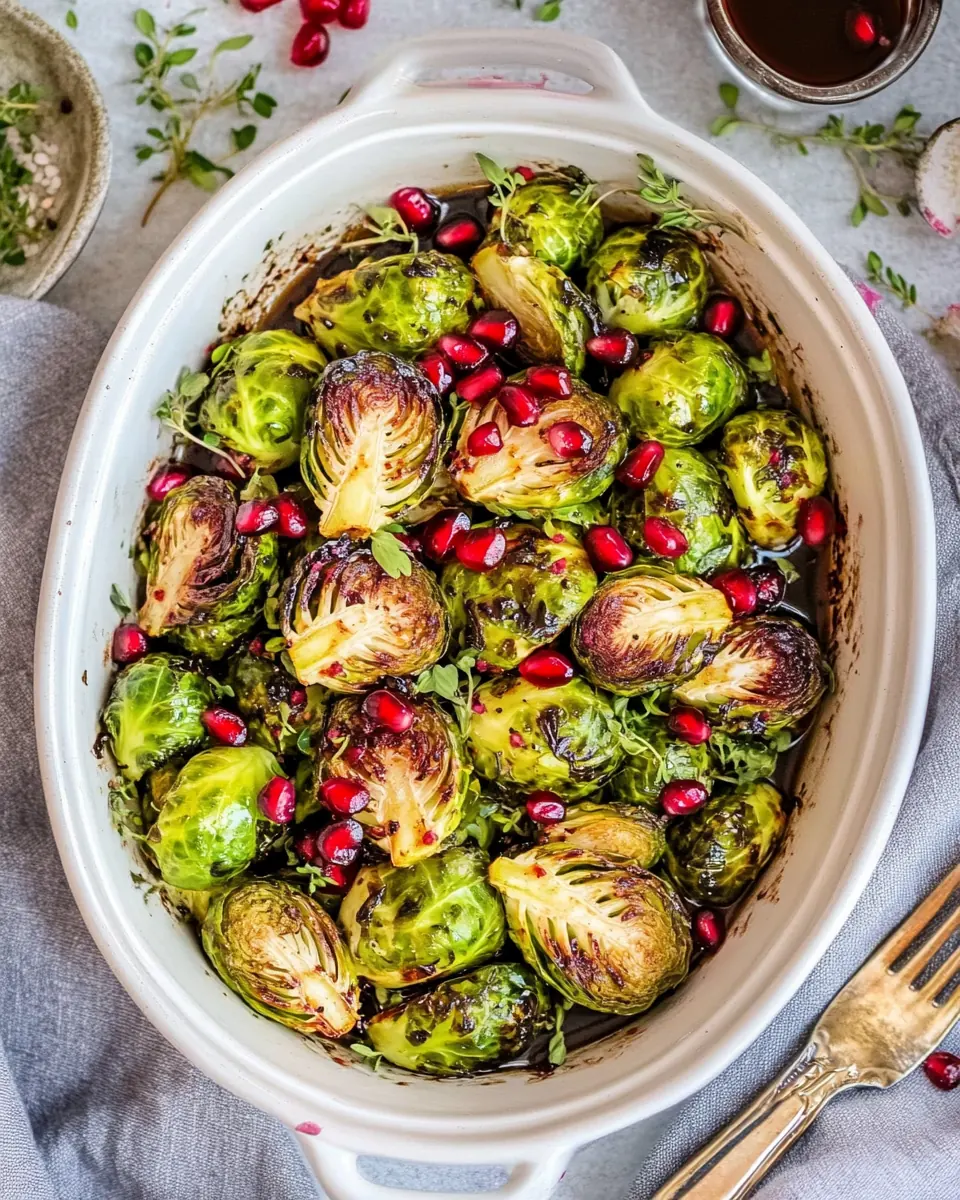
These ingredients are deliberately simple. Each one plays a clear role: Brussels sprouts provide the hearty base, olive oil delivers crisping fat, garlic adds savory depth, and the balsamic vinegar paired with honey creates a sticky, tangy glaze. The pomegranate seeds finish the dish with bright color and a juicy pop.
- 1.5 to 2 pounds fresh Brussels sprouts, cleaned, trimmed, and halved: Trimmed and halved to promote even caramelization, provides a hearty, slightly bitter base and substantial texture after roasting or pan-searing.
- 3 to 4 tablespoons olive oil: Measured to coat and encourage browning, helps crisp the sprouts’ outer leaves while carrying flavors and preventing sticking during cooking.
- 4 cloves garlic, finely minced or pressed: Finely minced to release pungent aromatics, infuses the oil and sprouts with savory depth and brightens the overall flavor profile.
- 1 teaspoon Kosher salt, or to taste: Added for seasoning balance and to enhance natural flavors, helps bring out the sweetness of the glaze while controlling overall taste.
- 1/2 teaspoon freshly ground black pepper, or to taste: Freshly ground to add subtle heat and complexity, balances sweetness and acidity while accentuating the roasted notes of the sprouts.
- 1/3 cup balsamic vinegar: Used to create a sweet-tart glaze, reduces into a glossy syrup that clings to sprouts and provides concentrated acidity and sweetness.
- 1 to 2 tablespoons honey: Measured to taste to adjust sweetness and gloss, blends with balsamic reduction to mellow acidity and add sticky shine to the dish.
- 1/2 teaspoon fresh or dried thyme, and to taste (optional): Sprinkled sparingly for herbal aroma and subtle earthiness, complements the balsamic and honey while offering a fragrant, savory note.
- 2/3 cup fresh pomegranate seeds: Scattered over the finished dish for bright, juicy bursts, adds a refreshing tart-sweet crunch and a vibrant visual contrast to the glaze.
Putting Together Balsamic Glazed Brussels Sprouts with Pomegranate Seeds
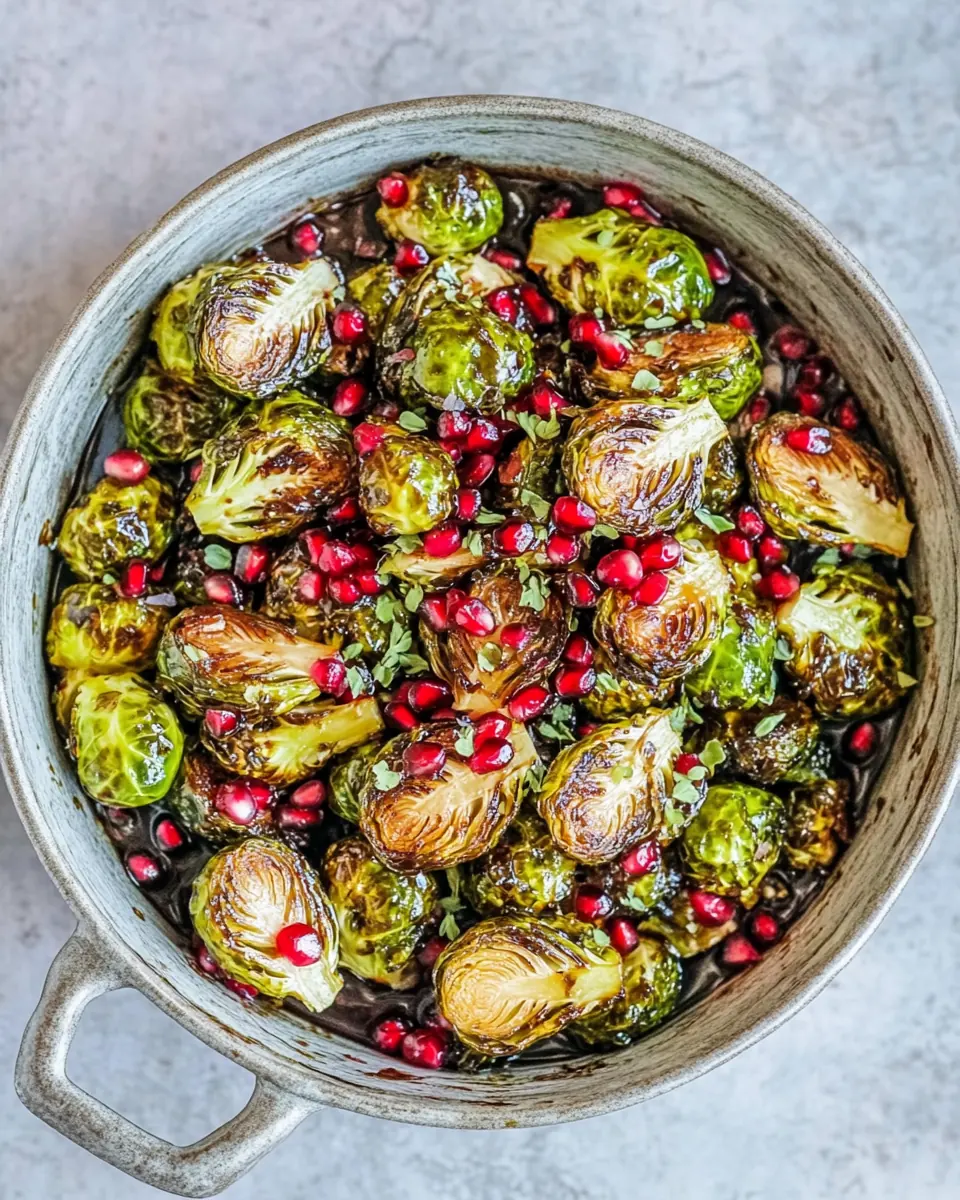
This recipe is straightforward but benefits from attention and timing. I like to have the glaze ready while the Brussels sprouts roast so I can finish them quickly. Lay out your ingredients, preheat the oven, and be ready to watch the final few minutes closely to avoid any burning from the honey in the glaze.
- Preheat oven to 400 F (use Convection if you have it), line a baking sheet with aluminum foil for easier cleanup, and clean the Brussels sprouts by slicing off the tough ends and halving them; some of the leaves will detach and this is okay; set aside.: The aroma at this stage is mostly mineral and vegetal, with that fresh, green note from the halved Brussels sprouts . You will notice the cut faces glisten slightly as you slice; this is good because exposed surface area is what gives you crisp, browned edges. A heavy rimmed sheet pan will radiate heat evenly, encouraging even color. The common mistake here is overcrowding the pan, which leads to steaming instead of browning. If the pan looks crowded, use two pans or roast in batches. Keep an eye on the size of the sprouts too, because smaller ones will need less time once they hit the oven.
- To a large bowl, add the oil, garlic, salt, pepper, and whisk to combine.: Right away you will smell the warmth of the garlic blending with the olive oil , a soft savory perfume that foreshadows the finished dish. Whisking emulsifies the oil slightly so it clings evenly to the Brussels sprouts , promoting uniform browning. If you skip this step and pour oil over the pan instead, some pieces may remain dry and not develop those crisp edges. A troubleshooting tip is to taste a drop of the seasoning mixture before adding the sprouts to ensure the balance of salt and pepper suits you.
- Add the Brussels sprout halves to the mixture and gently toss to evenly coat.: You should feel the weight of the sprouts under your hands as you toss them, and visually they will take on a glossy sheen from the oil. The garlic bits will adhere to the surfaces, which is desirable because they will toast and give that deeper savory note. Avoid over handling which can bruise the leaves; a gentle toss is enough. If you notice clumps of oil or garlic, use a spoon to separate pieces so each halved Brussels sprout gets an even coating.
- Place the Brussels sprouts, cut side down, on the prepared sheet pan, and roast for approximately 20-25 minutes, or until the undersides of the Brussels are nicely browned. If you’re using a Convection oven, start checking after 15 minutes.: When the pan first goes into the oven you will hear a faint dry hiss as moisture begins to evaporate. As roasting progresses the kitchen fills with a sweet roasted scent and you will begin to see the cut sides turn a deep golden to mahogany color. That browned surface is where flavor is concentrated, so getting good contact with the pan matters. A typical error is flipping too often; leave them cut side down to guarantee that Maillard caramelization. If some pieces brown too quickly, move them to a cooler part of the pan or reduce temperature slightly.
- While the sprouts are roasting, make the balsamic glaze. To a high-sided medium sauce pan (it will bubble up quite a bit so use something with sufficient depth), add the balsamic vinegar, honey, and bring to a boil over medium-low heat, whisking occasionally.: Very quickly you will notice the sharp vinegary tang transform into a sweeter perfume as the water evaporates. Use a high sided pan because the mixture will foam and bubble vigorously as it reduces. The sound is a gentle, rolling simmer at first, and as the liquid concentrates the bubbling becomes tighter. A frequent mistake is using too high a heat which burns the sugars; keep it moderate and patient. Whisk intermittently to prevent sticking and to monitor thickening.
- Allow the mixture to gently bubble and reduce until the glaze is thick enough to coat a spoon, and the consistency of runny honey, approximately 10 minutes however keep an eye on it because everyone’s mixture will boil, evaporate, and reduce at a different rate.: You will see the liquid deepen in color and become more syrupy. When a spoon leaves a clear trail through the glaze, you are close. The scent will change from sharp to rich and slightly sweet. Because everyone s heat output differs, watch closely in the final minutes to avoid burning. If it becomes too thick, you can remove from heat and stir in a splash of water to loosen slightly; if it begins to blacken, discard and start over because burnt vinegar tastes bitter.
- When the sprouts have finished roasting, add them back into the original bowl you used to toss them, and drizzle the balsamic glaze over them. Although I use all the glaze, depending on your personal preference, it is not mandatory to use it all.: As you drizzle the warm glaze the Brussels sprouts will take on a glossy coat that catches the light. The aroma becomes layered sweet and savory, and the sticky finish clings to the browned ridges. Tossing here distributes the glaze, but be gentle so you do not crush the tender centers. One mistake is using too much glaze early which can make the sprouts soggy; start with less and reserve some for finishing if you prefer a lighter touch.
- Place them back on the sheet pan, this time with the cut side facing up, optionally evenly sprinkle with the thyme, and roast for an additional for approximately 7 to 10 minutes. Keep a close eye on them because the sugar (honey) in the glaze will be prone to burning in the final moments of roasting.: In this final roast the glaze will set and caramelize slightly, creating a lacquered surface on the Brussels sprouts . Visually you want glossy, slightly sticky surfaces with darkened edges, and you may hear faint popping as moisture escapes. Keep a close watch because the honey in the glaze can scorch quickly in these last minutes, turning a pleasant sweet char into bitterness. If you see smoke or excessively dark spots, remove the pan immediately and tent with foil.
- Remove them from the oven, place them into a serving bowl, add the pomegranate seeds, toss to combine, and serve immediately. The Brussels sprouts are best fresh because they are the crispest, but will keep airtight in the fridge for up to 4 days, noting they will become soggier as they sit in the balsamic glaze; however this is only a texture change and doesn’t affect the actual flavor.: The final mix is where textures harmonize, the warm, sticky Brussels sprouts contrasted by the cool, jewel like pomegranate seeds . The seeds remain crisp if added after roasting, and they provide a fresh brightness that cuts through the glaze. A common oversight is letting them sit too long; serve promptly for the best contrast. If you must hold them, store airtight in the refrigerator but expect the texture to soften as the glaze continues to mingle.
Variations to Try
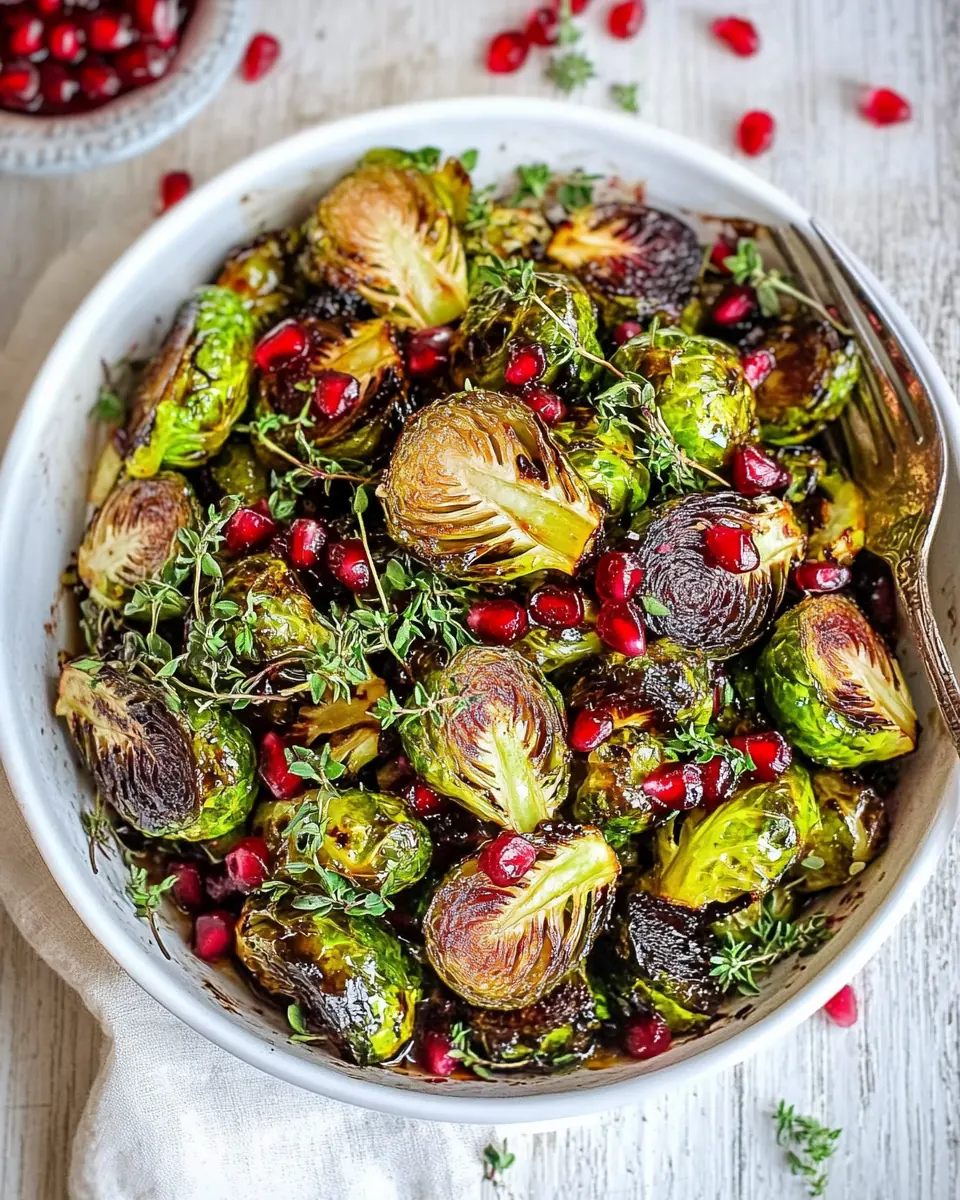
This recipe adapts well to small tweaks that change texture or flavor profile. Below are thoughtful variations and ideas to experiment with while keeping the spirit of Balsamic Glazed Brussels Sprouts with Pomegranate Seeds.
- Swap herbs: Try a light sprinkle of fresh thyme or rosemary at the end for a fragrant lift; add sparingly so the herb does not compete with the glaze.
- Adjust the sweet acid balance: Reduce honey slightly and increase balsamic by a small amount if you prefer a tarter glaze that still has a glossy finish.
- Use different seeds: If you are out of pomegranate seeds consider other crunchy fruit elements like crisp apple cubes for a different textural contrast.
- Make it nuttier: Toasted slivered almonds can be scattered on top after roasting for a toasty counterpoint to the glossy glaze.
- Finish with citrus zest: A small sprinkle of orange or lemon zest brightens the plate and complements the balsamic without adding moisture.
Serving Suggestions
This dish pairs well with many mains and shines as part of holiday spreads. Serve warm for optimal texture, and consider the following ideas for occasions and pairings.
- Holiday table: Arrange the warm Brussels sprouts in a shallow bowl and sprinkle pomegranate seeds on top for color. It complements roasted mains and brings a festive note to Thanksgiving or winter gatherings.
- Weeknight dinner: Serve as a resilient side to roasted chicken or grilled fish for an easy weeknight upgrade that still feels special.
- Meal prep tips: Store leftover sprouts airtight in the refrigerator up to four days. Reheat gently in a skillet to restore some crispness rather than microwaving which can make them soggy.
- Seasonal pairing: This recipe works beautifully in fall and winter when pomegranate seeds are at their best; their acidity balances richer mains typical of cooler months.
- Presentation idea: Serve on a platter with scattered seeds and a light drizzle of reserved glaze right before guests arrive for maximum shine and texture contrast.
FAQ
Conclusion
This recipe stands out because it pairs bold roasted flavor with glossy, tangy sweetness and a fresh burst of pomegranate. Try it for a holiday dinner or a simple weeknight upgrade, you will find it impresses with minimal fuss. The contrast of textures and the deep caramel notes make it memorable, and because it is so flexible you can tweak the glaze or herbs to suit your table. Give it a go and enjoy how a few humble ingredients can feel celebratory.
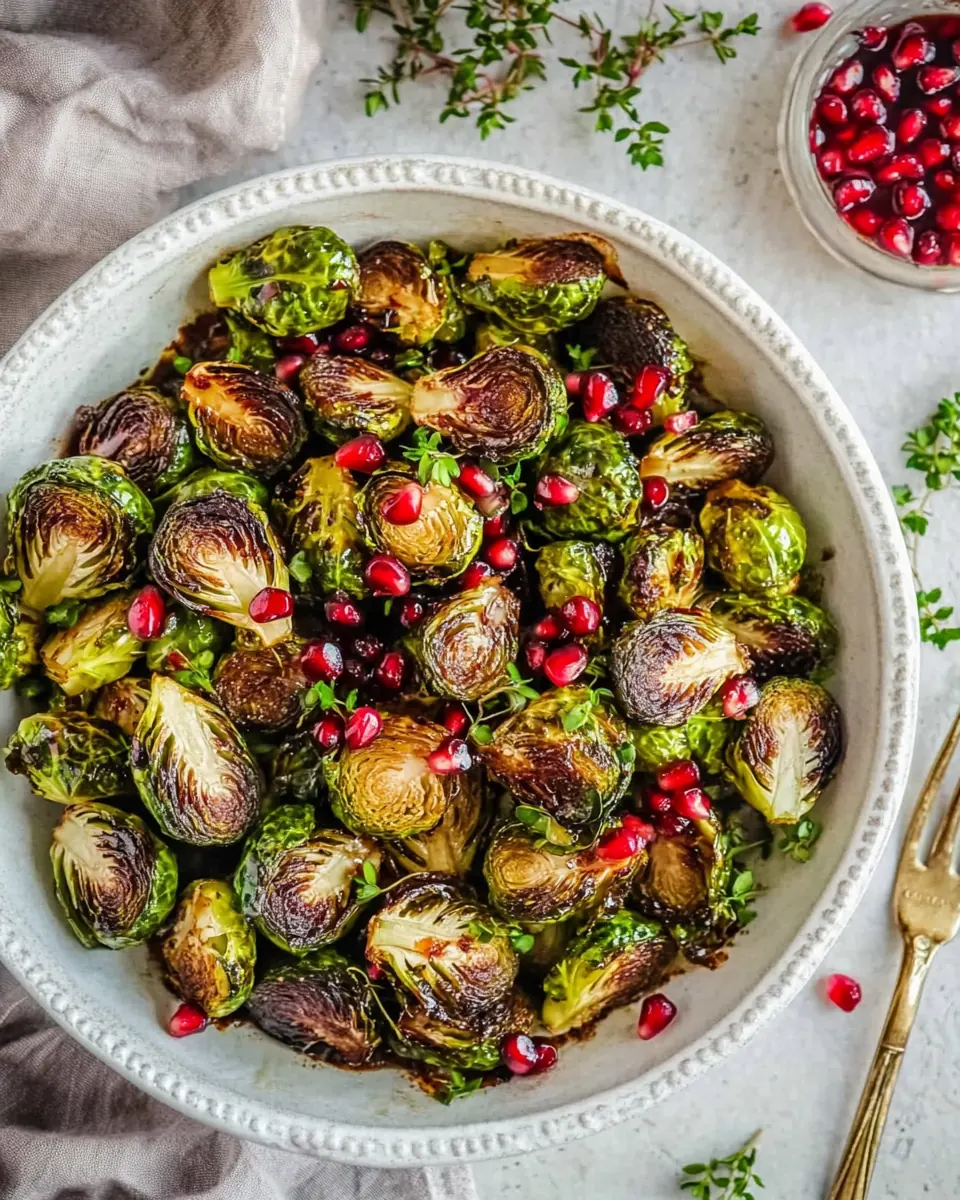
Balsamic Glazed Brussels Sprouts with Pomegranate Seeds
Ingredients
Equipment
Method
- Preheat oven to 400 F (use Convection if you have it), line a baking sheet with aluminum foil for easier cleanup, and clean the Brussels sprouts by slicing off the tough ends and halving them; some of the leaves will detach and this is okay; set aside.: The aroma at this stage is mostly mineral and vegetal, with that fresh, green note from the halved Brussels sprouts . You will notice the cut faces glisten slightly as you slice; this is good because exposed surface area is what gives you crisp, browned edges. A heavy rimmed sheet pan will radiate heat evenly, encouraging even color. The common mistake here is overcrowding the pan, which leads to steaming instead of browning. If the pan looks crowded, use two pans or roast in batches. Keep an eye on the size of the sprouts too, because smaller ones will need less time once they hit the oven.
- To a large bowl, add the oil, garlic, salt, pepper, and whisk to combine.: Right away you will smell the warmth of the garlic blending with the olive oil , a soft savory perfume that foreshadows the finished dish. Whisking emulsifies the oil slightly so it clings evenly to the Brussels sprouts , promoting uniform browning. If you skip this step and pour oil over the pan instead, some pieces may remain dry and not develop those crisp edges. A troubleshooting tip is to taste a drop of the seasoning mixture before adding the sprouts to ensure the balance of salt and pepper suits you.
- Add the Brussels sprout halves to the mixture and gently toss to evenly coat.: You should feel the weight of the sprouts under your hands as you toss them, and visually they will take on a glossy sheen from the oil. The garlic bits will adhere to the surfaces, which is desirable because they will toast and give that deeper savory note. Avoid over handling which can bruise the leaves; a gentle toss is enough. If you notice clumps of oil or garlic, use a spoon to separate pieces so each halved Brussels sprout gets an even coating.
- Place the Brussels sprouts, cut side down, on the prepared sheet pan, and roast for approximately 20-25 minutes, or until the undersides of the Brussels are nicely browned. If you’re using a Convection oven, start checking after 15 minutes.: When the pan first goes into the oven you will hear a faint dry hiss as moisture begins to evaporate. As roasting progresses the kitchen fills with a sweet roasted scent and you will begin to see the cut sides turn a deep golden to mahogany color. That browned surface is where flavor is concentrated, so getting good contact with the pan matters. A typical error is flipping too often; leave them cut side down to guarantee that Maillard caramelization. If some pieces brown too quickly, move them to a cooler part of the pan or reduce temperature slightly.
- While the sprouts are roasting, make the balsamic glaze. To a high-sided medium sauce pan (it will bubble up quite a bit so use something with sufficient depth), add the balsamic vinegar, honey, and bring to a boil over medium-low heat, whisking occasionally.: Very quickly you will notice the sharp vinegary tang transform into a sweeter perfume as the water evaporates. Use a high sided pan because the mixture will foam and bubble vigorously as it reduces. The sound is a gentle, rolling simmer at first, and as the liquid concentrates the bubbling becomes tighter. A frequent mistake is using too high a heat which burns the sugars; keep it moderate and patient. Whisk intermittently to prevent sticking and to monitor thickening.
- Allow the mixture to gently bubble and reduce until the glaze is thick enough to coat a spoon, and the consistency of runny honey, approximately 10 minutes however keep an eye on it because everyone’s mixture will boil, evaporate, and reduce at a different rate.: You will see the liquid deepen in color and become more syrupy. When a spoon leaves a clear trail through the glaze, you are close. The scent will change from sharp to rich and slightly sweet. Because everyone s heat output differs, watch closely in the final minutes to avoid burning. If it becomes too thick, you can remove from heat and stir in a splash of water to loosen slightly; if it begins to blacken, discard and start over because burnt vinegar tastes bitter.
- When the sprouts have finished roasting, add them back into the original bowl you used to toss them, and drizzle the balsamic glaze over them. Although I use all the glaze, depending on your personal preference, it is not mandatory to use it all.: As you drizzle the warm glaze the Brussels sprouts will take on a glossy coat that catches the light. The aroma becomes layered sweet and savory, and the sticky finish clings to the browned ridges. Tossing here distributes the glaze, but be gentle so you do not crush the tender centers. One mistake is using too much glaze early which can make the sprouts soggy; start with less and reserve some for finishing if you prefer a lighter touch.
- Place them back on the sheet pan, this time with the cut side facing up, optionally evenly sprinkle with the thyme, and roast for an additional for approximately 7 to 10 minutes. Keep a close eye on them because the sugar (honey) in the glaze will be prone to burning in the final moments of roasting.: In this final roast the glaze will set and caramelize slightly, creating a lacquered surface on the Brussels sprouts . Visually you want glossy, slightly sticky surfaces with darkened edges, and you may hear faint popping as moisture escapes. Keep a close watch because the honey in the glaze can scorch quickly in these last minutes, turning a pleasant sweet char into bitterness. If you see smoke or excessively dark spots, remove the pan immediately and tent with foil.
- Remove them from the oven, place them into a serving bowl, add the pomegranate seeds, toss to combine, and serve immediately. The Brussels sprouts are best fresh because they are the crispest, but will keep airtight in the fridge for up to 4 days, noting they will become soggier as they sit in the balsamic glaze; however this is only a texture change and doesn’t affect the actual flavor.: The final mix is where textures harmonize, the warm, sticky Brussels sprouts contrasted by the cool, jewel like pomegranate seeds . The seeds remain crisp if added after roasting, and they provide a fresh brightness that cuts through the glaze. A common oversight is letting them sit too long; serve promptly for the best contrast. If you must hold them, store airtight in the refrigerator but expect the texture to soften as the glaze continues to mingle.
Notes
- Swap herbs: Try a light sprinkle of fresh thyme or rosemary at the end for a fragrant lift; add sparingly so the herb does not compete with the glaze.
- Adjust the sweet acid balance: Reduce honey slightly and increase balsamic by a small amount if you prefer a tarter glaze that still has a glossy finish.
- Use different seeds: If you are out of pomegranate seeds consider other crunchy fruit elements like crisp apple cubes for a different textural contrast.
- Make it nuttier: Toasted slivered almonds can be scattered on top after roasting for a toasty counterpoint to the glossy glaze.
- Finish with citrus zest: A small sprinkle of orange or lemon zest brightens the plate and complements the balsamic without adding moisture.