Easy Pecan Praline
Easy Pecan Praline is one of those treats I reach for when I want to slow down and savor a little southern comfort. The first time I made this recipe I was chasing a childhood memory of sticky, glossy candies handed out at family gatherings; from the moment the sugars melted and the kitchen filled with a warm, caramel aroma, I knew I had something special. I still remember stirring, watching the mixture change from cloudy to deep amber, and feeling oddly proud at how simple the ingredients were yet how luxurious the result tasted.
Over the years I have tweaked the balance of sugars and the timing so these pralines set with the perfect chew and slight snap. When I bring a tin of Easy Pecan Praline to a friend s holiday party, it vanishes fast, usually because people can taste the toasted nuts and the buttery, caramel notes in every bite. I love how this candy feels both nostalgic and grown up, an easy project that rewards patience and attention to temperature.
Recipe Snapshot
25 mins
10 mins
15 mins
Easy
150 kcal
American
Gluten-Free, Low FODMAP
Desserts
Candy thermometer, Medium heavy bottomed pot, Baking sheet, Parchment paper or silicone baking mat, Measuring spoons, Spoon or scoop
What We Adore About This Easy Pecan Praline
Toasted, nut forward flavor
I adore how the 2 cups toasted pecans provide a deep, toasty backbone. Toasting concentrates the oils in the nuts and gives a warm aroma that balances the sweetness, so I always start with well toasted pecans.
Simple pantry ingredients, big payoff
Using everyday staples like dark brown sugar, granulated sugar, and evaporated milk means you rarely need a special run to the store. I appreciate recipes that reward basic ingredients with a rich result, and this one does just that.
Technique makes the difference
Reaching the soft ball stage matters because it determines texture. I like that the method teaches you to watch for visual and temperature cues, so you learn to trust your senses as much as your thermometer.
Hands on, but forgiving
This candy invites you to be present for the final steps, stirring and judging readiness, yet it forgives slight variations. I often tell people that a little patience and a steady hand will still yield beautiful pralines.
Perfect for gifting or snacking
These pralines are portable and keep well, making them ideal for sharing. I enjoy packaging them in small boxes when I visit neighbors, because they travel without losing their character.
Ingredient List for Easy Pecan Praline
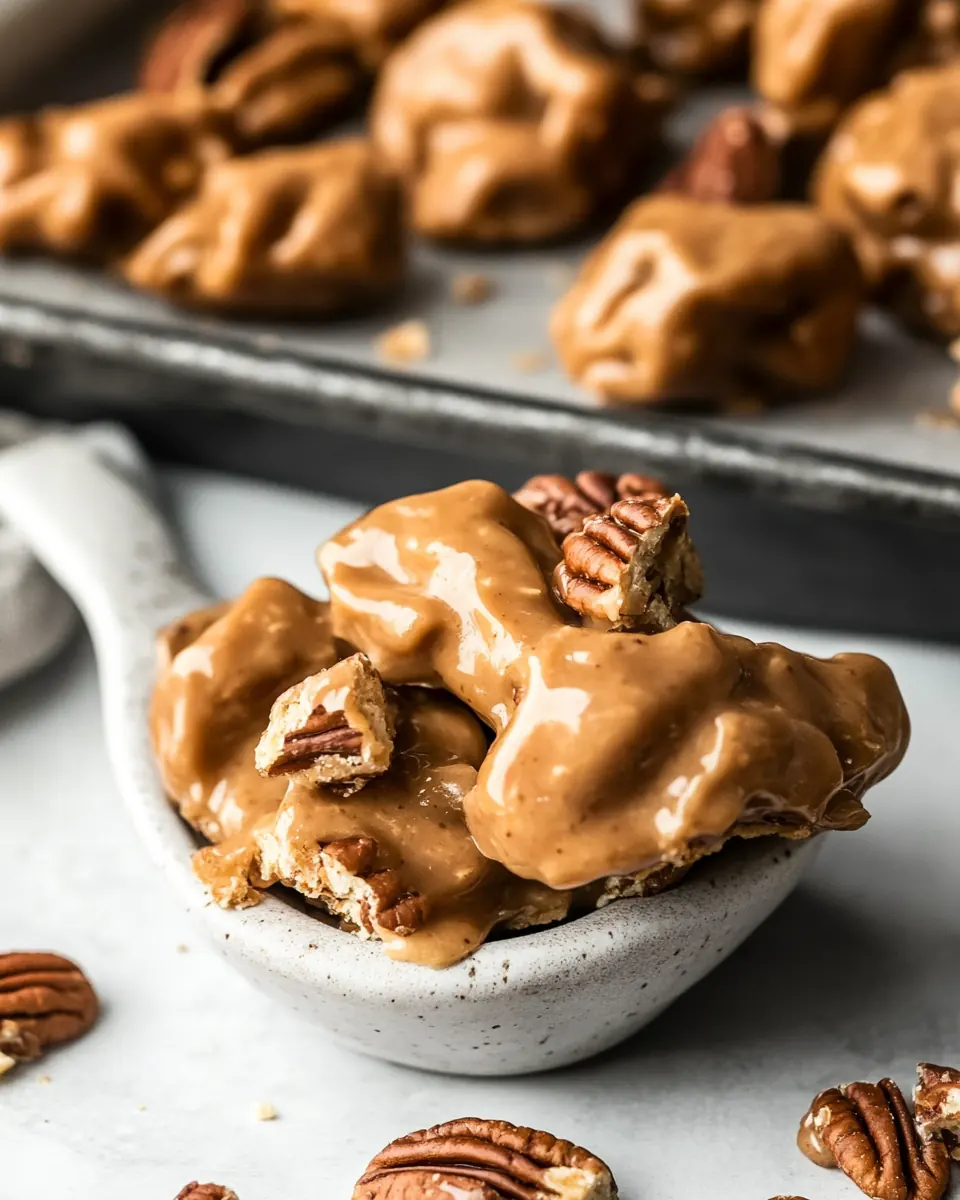
These ingredients are deliberately straightforward, built around a few key players that create texture and flavor. The sugars provide caramel depth, evaporated milk gives a mellow creaminess, and toasted pecans add crunch and a roasted aroma. Together they form a balance between sweet, buttery, and nutty that is classic for southern pralines.
- 1 1/4 cup dark brown sugar: Provides deep caramelized sweetness and rich molasses notes that help form the praline’s fudgy base; melts and combines with other sugars to create a glossy, thick texture when boiled to the correct temperature. Balances flavor intensity and contributes to the final color, so stir consistently to prevent burning and achieve an even cook.
- 3/4 cup granulated sugar: Sweetens and contributes a clean, bright sugar structure that helps achieve the correct crystal formation in the praline; works alongside brown sugar to balance molasses depth and ensure proper set. Dissolves readily into the cooking mixture and aids in achieving the desired sweetness and texture.
- 3/4 cup evaporated milk: Adds creaminess and body to the praline mixture while supplying moisture needed for a smooth, rich candy base; contributes to the custard-like consistency before setting. Evaporated milk’s concentrated milk solids enhance flavor and promote a softer, melt-in-mouth texture once cooled.
- 1/4 teaspoon baking soda: Reacts with hot sugar and acidic components to create a lighter texture by neutralizing acidity and encouraging slight foaming; helps prevent crystallization and yields a smoother, more tender praline. Small amount is sufficient to influence texture without altering flavor noticeably.
- 1/4 cup unsalted butter: Introduces a silky mouthfeel and rich dairy flavor that rounds out the sweetness; melts into the hot sugar mixture to create a creamy, luscious consistency. Unsalted butter allows precise control of overall saltiness and contributes to the candy’s sheen and richness.
- 1 1/2 teaspoon vanilla extract: Provides warm aromatic sweetness that brightens and rounds the overall flavor profile; added near the end to preserve its delicate volatile aromas. Small quantity amplifies complexity and balances the sweetness without overpowering the pecans.
- 2 dashes salt: Enhances and balances the sweetness by bringing subtle savory contrast; a couple of dashes accentuate flavor depth and prevent the praline from tasting flat. Salt also helps to amplify other flavors and refine the final taste profile.
- 2 cups toasted pecans: Offers crunchy texture and nutty, toasty flavor as the primary mix-in that defines pecan praline; toasting intensifies oils and aroma, creating a more pronounced nut profile. Adds contrast to the creamy candy and provides satisfying bite and visual appeal.
How to Prepare Easy Pecan Praline
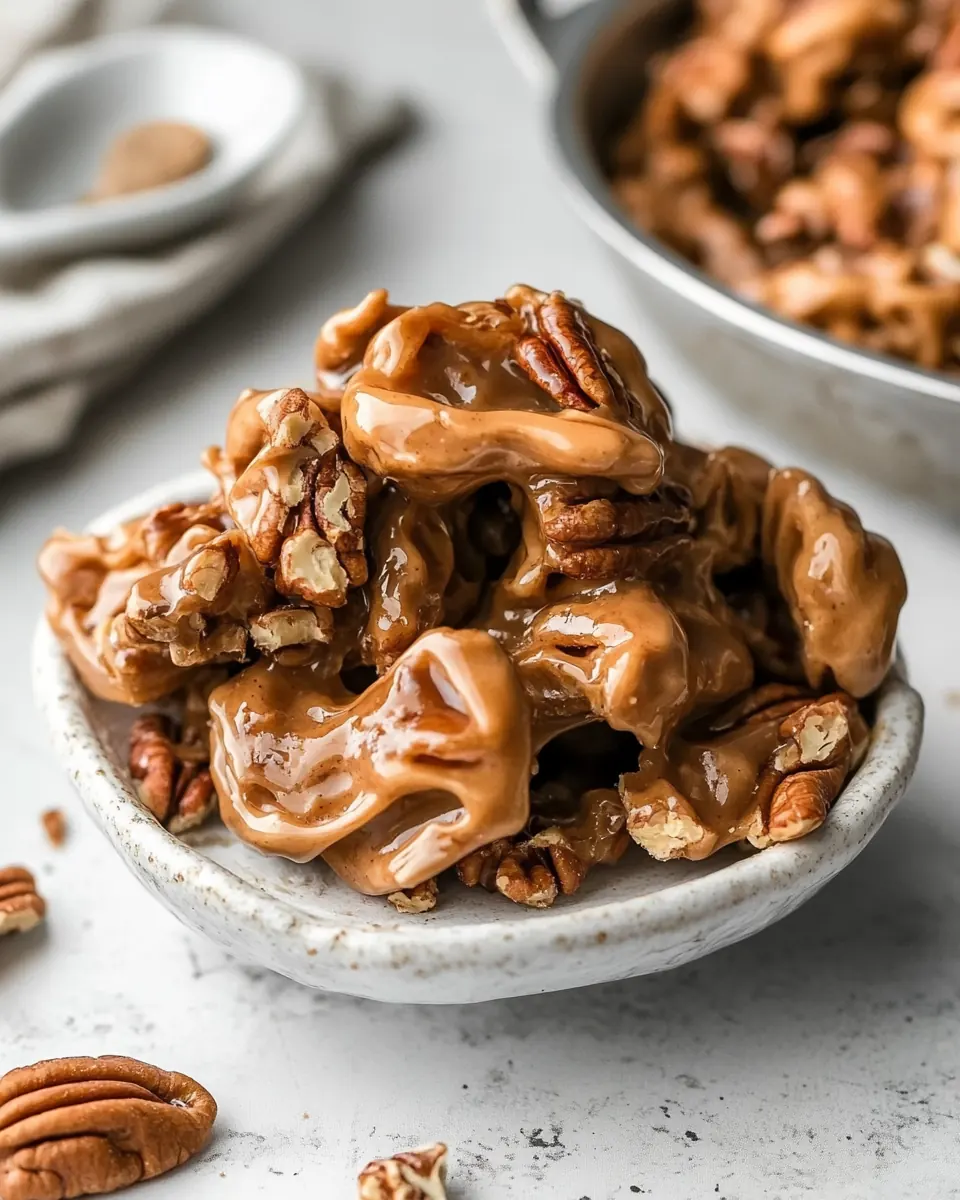
I find that preparing pralines is both ritual and craft, requiring focus but delivering immediate sensory feedback. The directions below will guide you through assembling the sugars, cooking to the correct temperature, and finishing with the ideal set. Keep your tools ready and trust the visual and aromatic cues as you work.
- Line a baking sheet with parchment paper or a silicone baking mat. Set aside.: The aroma of toasted nuts and a warm kitchen is often the first sign of progress, so having your baking sheet prepared means you can move quickly once the mixture is ready, preventing burns or overcooking. Place the parchment or mat on a level surface so dollops set evenly. A common mistake is skipping this step and trying to transfer hot candy to an unprepared pan, which leads to sticking and a slower cool down. Keep a spoon and measuring scoops within reach to avoid last minute scrambling.
- Add 1 1/4 cup dark brown sugar, 3/4 cup granulated sugar, 3/4 cup evaporated milk, and 1/4 teaspoon baking soda to a medium, heavy-bottomed pot. Bring to a boil over medium heat, then reduce to medium-low.: The first hiss of the sugars dissolving is unmistakable, followed by a gentle rolling boil as water evaporates, releasing a sweet, toffee like scent. Using a medium, heavy-bottomed pot ensures even heat distribution so no hot spots burn the sugars, which would produce an off taste. Stir gently at first to integrate ingredients, then allow the boil to stabilize before lowering heat. A frequent error is cranking the heat too high, causing rapid scorching rather than gradual caramelization; go steady to encourage even cooking. Keep a candy thermometer ready because visual cues alone can be misleading when sugars darken quickly.
- Cook, stirring occasionally, until the mixture reaches 235-240 degrees Fahrenheit (soft ball stage) and remove from the heat.: As the temperature climbs the mixture will change from opaque to a glossy, deeper amber and emit a rich caramel aroma, with occasional small bubbles that pop quietly. Reaching the 235 to 240 degrees Fahrenheit range matters for texture, delivering that perfect balance of chew and set. Stirring occasionally prevents hotspots and helps you notice when bubbling becomes more vigorous and the color deepens. One pitfall is overshooting the temperature, which yields a brittle candy; remove the pot promptly at the designated range and place it off the heat to stop cooking.
- Stir in 1/4 cup unsalted butter, 1 1/2 teaspoon vanilla extract, and 2 dashes salt until combined. Stir in 2 cups toasted pecans and continue to stir for 2-3 minutes or until the mixture begins to thicken.: At this stage a burst of buttery aroma will rise as the unsalted butter melts into the hot syrup, creating a glossy sheen and smoothing the texture. The vanilla extract will add fragrant warmth, and the salt will sharpen the sweetness. When you fold in the toasted pecans , listen for a subtle sizzle as they meet the hot mixture and watch the syrup coat the nut surfaces, turning uniformly glossy. Continue stirring for the full 2 to 3 minutes to encourage evaporation and slight thickening, which helps the pralines hold their shape. A common mistake is adding the nuts too late or not stirring enough, resulting in uneven coating or a runny final candy.
- Carefully drop heaping tablespoon sized scoops onto the prepared baking sheet and let sit until cooled.: As you spoon the glossy nut mixture onto the parchment, you ll notice the spoon leaving a tail of syrup that quickly firms at the edges into a matte finish while the center remains slightly shiny, a key visual cue that the pralines are setting. Work efficiently because the hot sugar will continue to cook in the pot; if you pause too long the mixture can become too stiff to drop neatly. Avoid crowding the scoops too close, allow air to circulate so they cool uniformly, and resist the urge to touch them until fully set. A frequent error is scooping with cold hands or a cold spoon which can prematurely cool the candy and create uneven texture.
Making Adjustments
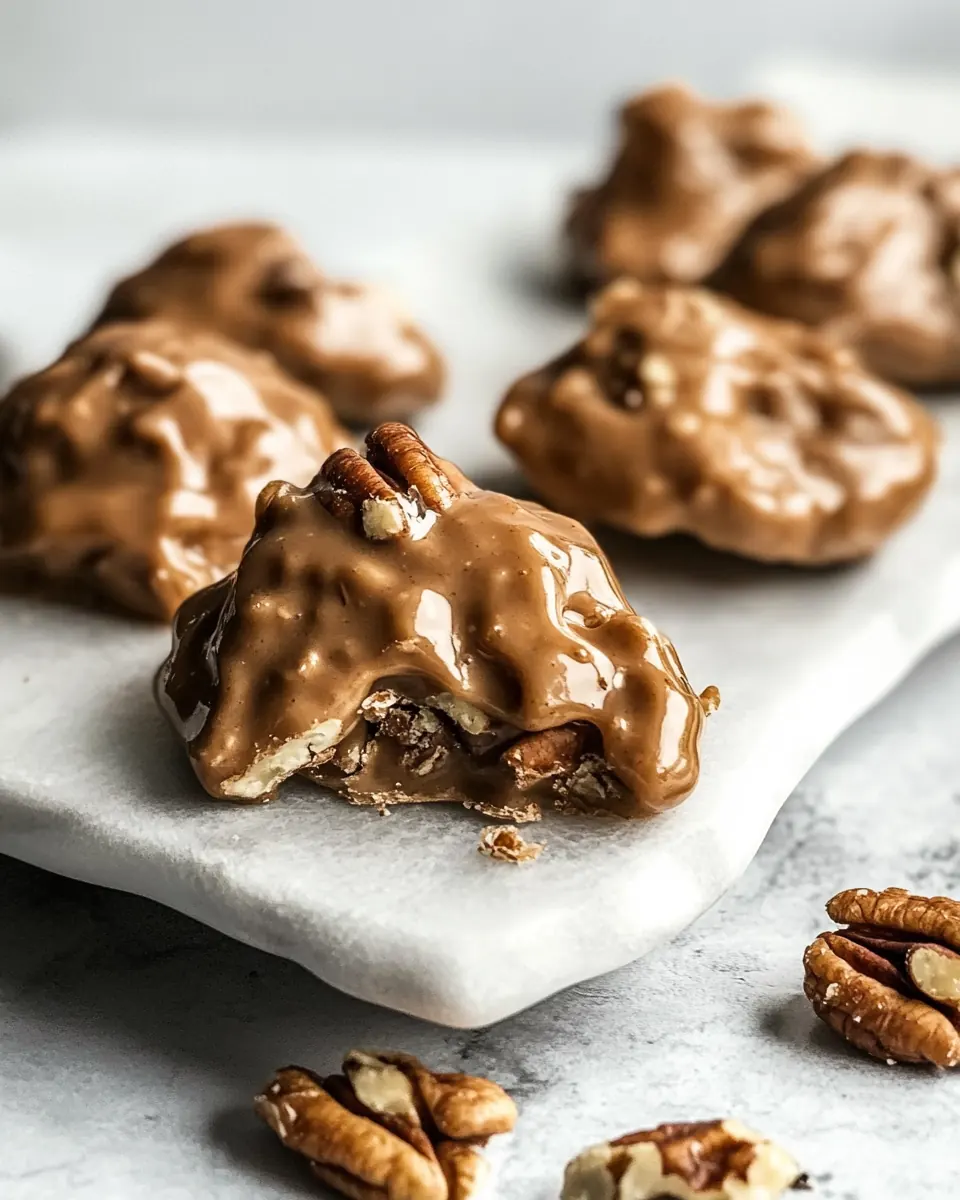
These suggestions help you tailor the Easy Pecan Praline to your preferences while preserving the classic texture and flavor. Small changes make a noticeable difference, so I recommend testing one variable at a time.
- Adjust cooking temperature carefully, if you prefer a slightly firmer praline aim for the upper end of the soft ball stage, but remember that overshooting will create a harder candy.
- Control sweetness with sugar types, using a higher ratio of dark brown sugar deepens molasses flavor, while more granulated sugar yields a cleaner caramel note.
- Enhance nuttiness, toast the pecans until aromatic and slightly darker for a richer roasted profile, but avoid burning which imparts bitterness.
- Adjust portion size, if you want bite size candies, drop smaller scoops and reduce cooling crowding, allowing more even set and easier snacking.
- Use unsalted butter to control salt levels; add the 2 dashes salt gradually and taste if needed to avoid over salting.
Perfect Matches for Easy Pecan Praline
These serving ideas highlight how Easy Pecan Praline can be enjoyed across occasions, from casual snacking to festive sharing. Think about texture contrasts, temperature, and presentation when pairing.
- Gift boxes and tins, wrap pralines individually in parchment and place in small boxes for holiday giving or hostess gifts.
- Party platters, arrange pralines alongside fresh fruit and mild cheeses if you want sweet and savory contrasts during a gathering.
- After dinner treat, serve a few pralines with coffee for a sweet finish to a cozy meal or late night conversation.
- Seasonal occasions, these work beautifully for fall and winter holidays when toasted nuts and warm flavors feel especially appropriate.
- Storage tips, keep pralines in an airtight container at room temperature away from heat, layering pieces with parchment to prevent sticking.
- Travel friendly, pack pralines in a sturdy tin when delivering to neighbors or taking to potlucks, since they travel well without refrigeration.
FAQ
Conclusion
Easy Pecan Praline stands out because it transforms a handful of pantry staples into a deeply flavorful, nut forward candy that feels both nostalgic and refined. I encourage you to give this recipe a try, keeping an eye on temperature and savoring the aromatic moments during cooking. It s a rewarding project, perfect for sharing with friends or tucking into gift tins, and each batch invites a little creativity while delivering reliably delicious results. Enjoy the process, and don t be surprised when everyone asks for seconds.
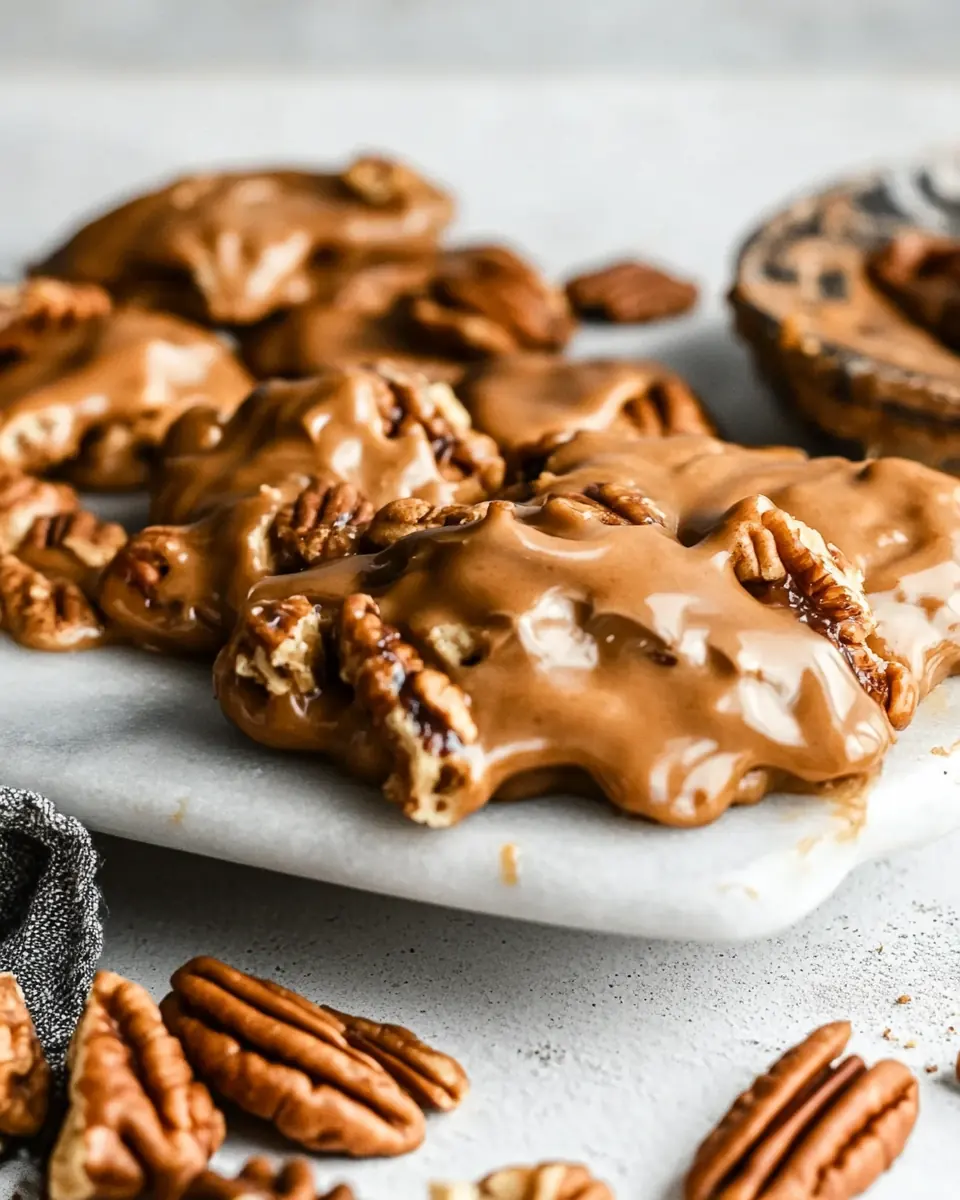
Easy Pecan Praline
Ingredients
Equipment
Method
- Line a baking sheet with parchment paper or a silicone baking mat. Set aside.: The aroma of toasted nuts and a warm kitchen is often the first sign of progress, so having your baking sheet prepared means you can move quickly once the mixture is ready, preventing burns or overcooking. Place the parchment or mat on a level surface so dollops set evenly. A common mistake is skipping this step and trying to transfer hot candy to an unprepared pan, which leads to sticking and a slower cool down. Keep a spoon and measuring scoops within reach to avoid last minute scrambling.
- Add 1 1/4 cup dark brown sugar, 3/4 cup granulated sugar, 3/4 cup evaporated milk, and 1/4 teaspoon baking soda to a medium, heavy-bottomed pot. Bring to a boil over medium heat, then reduce to medium-low.: The first hiss of the sugars dissolving is unmistakable, followed by a gentle rolling boil as water evaporates, releasing a sweet, toffee like scent. Using a medium, heavy-bottomed pot ensures even heat distribution so no hot spots burn the sugars, which would produce an off taste. Stir gently at first to integrate ingredients, then allow the boil to stabilize before lowering heat. A frequent error is cranking the heat too high, causing rapid scorching rather than gradual caramelization; go steady to encourage even cooking. Keep a candy thermometer ready because visual cues alone can be misleading when sugars darken quickly.
- Cook, stirring occasionally, until the mixture reaches 235-240 degrees Fahrenheit (soft ball stage) and remove from the heat.: As the temperature climbs the mixture will change from opaque to a glossy, deeper amber and emit a rich caramel aroma, with occasional small bubbles that pop quietly. Reaching the 235 to 240 degrees Fahrenheit range matters for texture, delivering that perfect balance of chew and set. Stirring occasionally prevents hotspots and helps you notice when bubbling becomes more vigorous and the color deepens. One pitfall is overshooting the temperature, which yields a brittle candy; remove the pot promptly at the designated range and place it off the heat to stop cooking.
- Stir in 1/4 cup unsalted butter, 1 1/2 teaspoon vanilla extract, and 2 dashes salt until combined. Stir in 2 cups toasted pecans and continue to stir for 2-3 minutes or until the mixture begins to thicken.: At this stage a burst of buttery aroma will rise as the unsalted butter melts into the hot syrup, creating a glossy sheen and smoothing the texture. The vanilla extract will add fragrant warmth, and the salt will sharpen the sweetness. When you fold in the toasted pecans , listen for a subtle sizzle as they meet the hot mixture and watch the syrup coat the nut surfaces, turning uniformly glossy. Continue stirring for the full 2 to 3 minutes to encourage evaporation and slight thickening, which helps the pralines hold their shape. A common mistake is adding the nuts too late or not stirring enough, resulting in uneven coating or a runny final candy.
- Carefully drop heaping tablespoon sized scoops onto the prepared baking sheet and let sit until cooled.: As you spoon the glossy nut mixture onto the parchment, you ll notice the spoon leaving a tail of syrup that quickly firms at the edges into a matte finish while the center remains slightly shiny, a key visual cue that the pralines are setting. Work efficiently because the hot sugar will continue to cook in the pot; if you pause too long the mixture can become too stiff to drop neatly. Avoid crowding the scoops too close, allow air to circulate so they cool uniformly, and resist the urge to touch them until fully set. A frequent error is scooping with cold hands or a cold spoon which can prematurely cool the candy and create uneven texture.
Notes
- Adjust cooking temperature carefully, if you prefer a slightly firmer praline aim for the upper end of the soft ball stage, but remember that overshooting will create a harder candy.
- Control sweetness with sugar types, using a higher ratio of dark brown sugar deepens molasses flavor, while more granulated sugar yields a cleaner caramel note.
- Enhance nuttiness, toast the pecans until aromatic and slightly darker for a richer roasted profile, but avoid burning which imparts bitterness.
- Adjust portion size, if you want bite size candies, drop smaller scoops and reduce cooling crowding, allowing more even set and easier snacking.
- Use unsalted butter to control salt levels; add the 2 dashes salt gradually and taste if needed to avoid over salting.