Beet Green Pesto
Beet Green Pesto has been one of those unexpected kitchen wins for me, the kind of recipe that turns an often discarded vegetable into something gloriously useful and memorable.
I first made this when I bought beets for a market bouquet and realized the greens were still attached. I did not want to waste them, so I tossed them into a quick experiment with a few pantry staples. The result surprised me, bright and herbaceous with a nutty backbone, and I started dreaming of all the ways to use it, from tossed pasta to a smear on warm bread. That evening, my small dinner guests kept asking for more, and I felt a real thrill turning what would have been compost into conversation.
Over the months I refined the balance between the peppery edge of the greens and the sweet warmth of toasted hazelnuts, learning that a short blanch preserves vivid color and a clean green flavor. I also learned to be gentle with the olive oil, adding it until the texture felt right rather than measuring by rote. This recipe is forgiving, which makes it perfect for busy weeknights and for those times you want something fresh and green without fussing over complicated technique.
Recipe Snapshot
16 mins
15 mins
1 mins
Easy
250 kcal
Italian
Gluten-Free, Paleo
Appetizers
Pot, Large bowl, Colander, Blender or food processor, Skillet
Why You Need This Beet Green Pesto
It stretches ingredients and reduces waste
I love how Beet Green Pesto takes greens that many people throw away and turns them into a star. When I prepare this, I feel resourceful and a little smug, because what would otherwise be compost becomes a vibrant, usable sauce. The texture of the pesto is rich and spreadable, and that makes it a powerful way to extend small amounts of produce into several meals, which is excellent for both budget and sustainability.
Bright fresh flavor with deep nutty notes
The combination of tender blanched Beet greens and fresh basil gives the pesto a bright, leafy backbone that sings against the roasted warmth of hazelnuts. I find that the basil lifts the mixture while the hazelnuts provide a rounded, toasty mid note. Together with the salty tang of Parmigiano-Reggiano, the pesto feels balanced and luxurious without being heavy.
Fast prep, versatile uses
Even though it looks gourmet, Beet Green Pesto comes together quickly. I enjoy making a batch at the start of the week because it saves me time on busy nights. Use it as a pasta sauce, a sandwich spread, or a finishing swipe on roasted vegetables, and you instantly elevate a simple meal. Its flexibility is one reason I keep making it again and again.
Beautiful color and impressive presentation
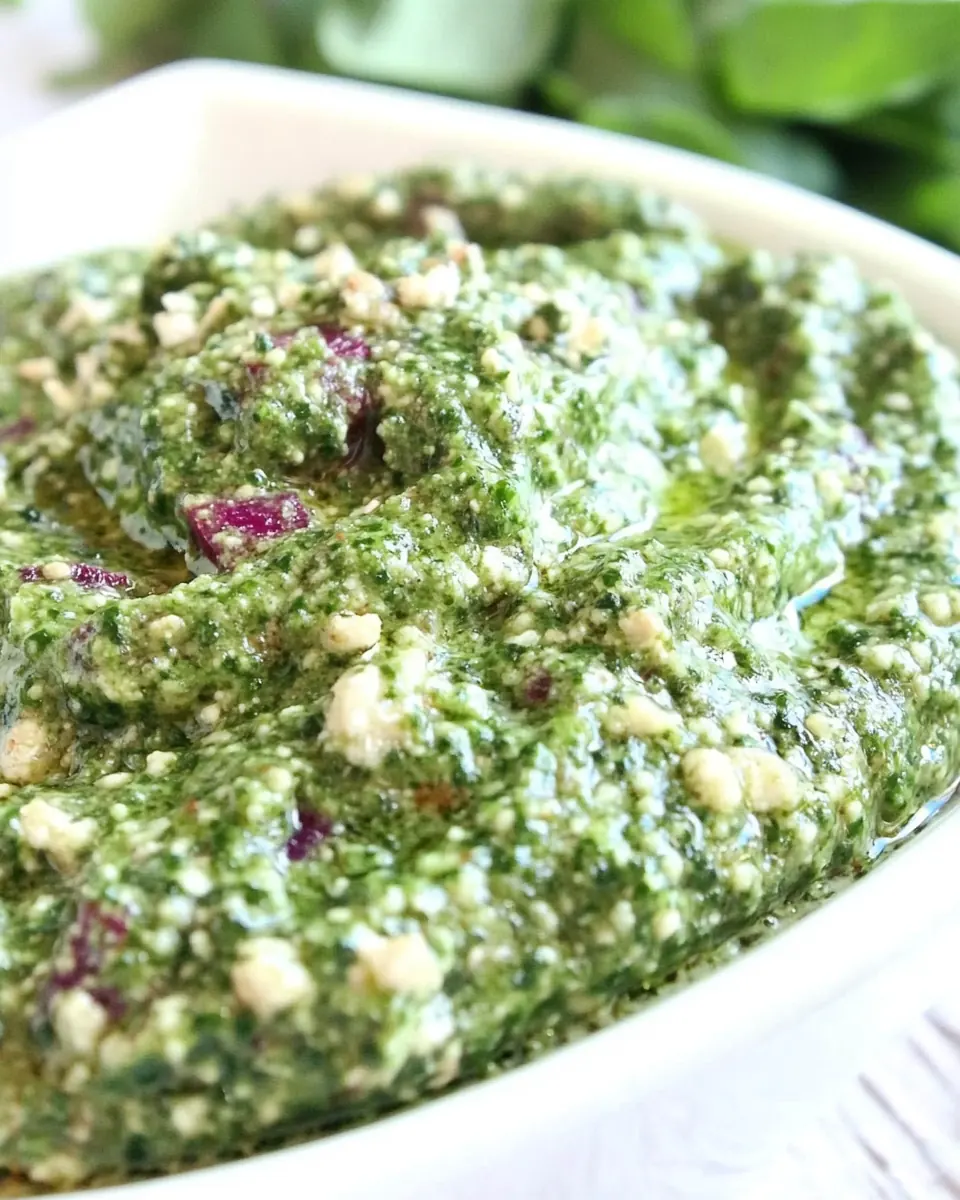
I always notice guests pause when I bring a bowl of this pesto to the table. The deep green hue is striking, and a drizzle of olive oil on top makes it look glossy and appetizing. Presentation matters to me, and this pesto delivers: it makes ordinary dishes look polished and thoughtful without much extra effort.
Customizable texture and seasoning
I appreciate how forgiving the recipe is. If you like it chunkier, pulse less in the food processor. If you prefer it silky, stream in more olive oil. The control over texture and salt level lets you tailor the pesto to your mood or the dish it will accompany, which keeps this recipe feeling new every time I make it.
Recipe Ingredients for Beet Green Pesto
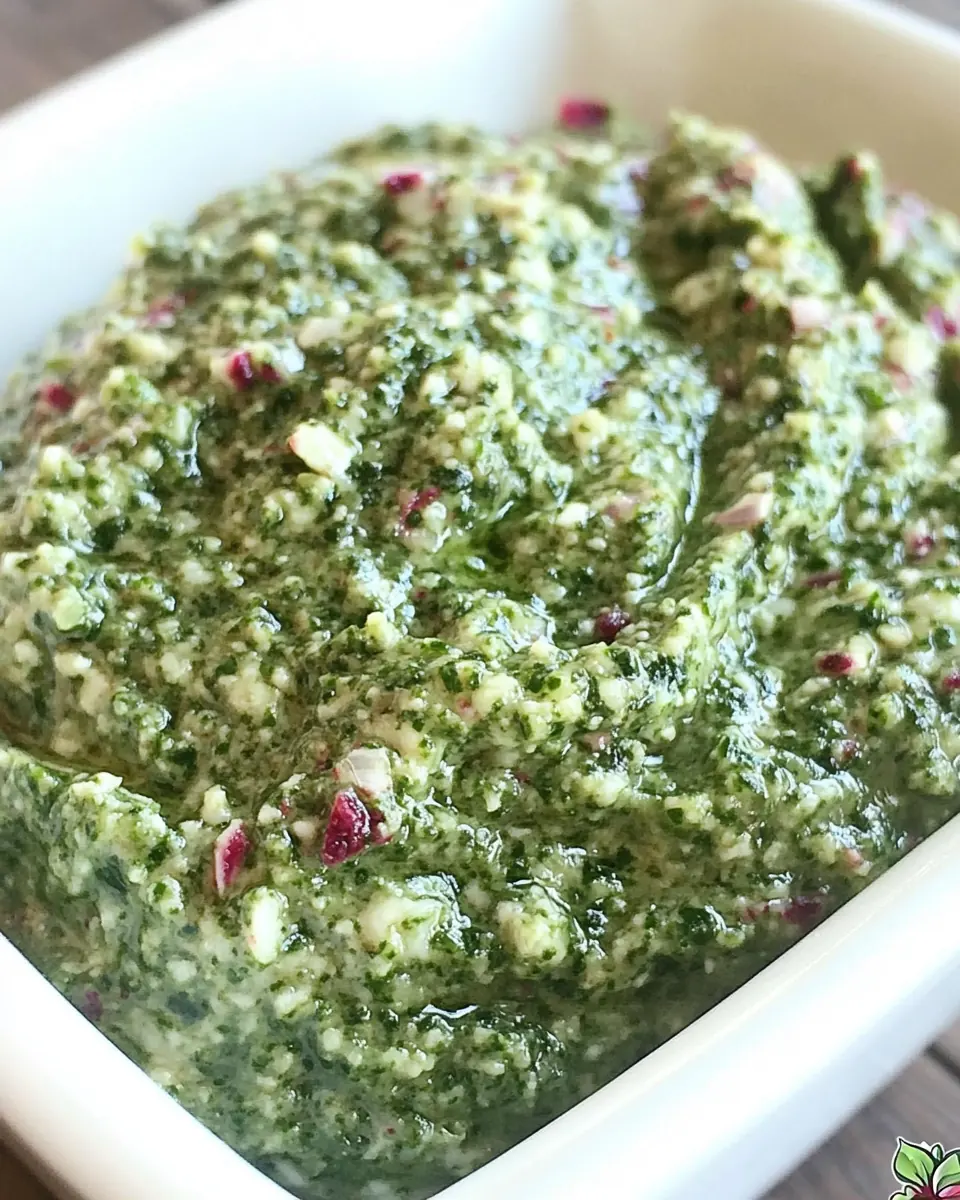
These ingredients come together to make a pesto that is both green and nutty. The key players are the leafy Beet greens for body and color, the basil for aromatic lift, the hazelnuts for texture and warmth, and the Parmigiano-Reggiano for salty savory depth. The olive oil binds everything together into a lush emulsion, while garlic, Kosher salt, and Fresh cracked pepper round out the flavor. Together they make a cohesive sauce that is bright, silky, and versatile.
- 6 Beet greens, from 6 beets: Blanched and finely chopped to soften fibers and reduce bitterness, contributing a vibrant color and earthy base flavor to the pesto. Provide bulk and nutrients while balancing the brightness of basil and richness of oil and cheese.
- 1/2 cup lightly packed fresh basil leaves: Freshly torn to introduce aromatic, sweet herbal notes that lift the overall flavor of the pesto. Add a bright, green fragrance that complements the beet greens and enhances the sauce's complexity without overpowering other elements.
- 1 clove garlic: Minced or crushed to release pungent, savory heat that anchors the pesto and rounds out the herbaceous components. Offer a sharp background flavor that melds with the nuts and cheese for a savory, well-balanced spread.
- 1/2 cup toasted hazelnuts: Toasted and roughly ground to bring warm, nutty depth and a creamy texture that helps emulsify the sauce. Contribute crunchy, buttery notes and a toasty aroma that pairs especially well with both the greens and cheese.
- 1/2 cup grated Parmigiano-Reggiano cheese: Finely grated to add salty, umami richness and a smooth, cohesive mouthfeel when blended with the oil and nuts. Provide savory complexity and help thicken and bind the pesto into a creamy consistency.
- 3/4 cup olive oil, more or less depending on taste and texture: Poured slowly while blending to create a silky, smooth emulsion that carries flavors and adjusts the pesto's consistency. Allow for control over thickness and mouthfeel, balancing the denseness from nuts and cheese for spreadable sauce.
- Kosher salt: Sprinkled and adjusted to taste to enhance and balance all flavors, taming any bitterness or blandness in the greens. Act as a fundamental seasoning that brings out the natural flavors of the other ingredients when used judiciously.
- Fresh cracked pepper: Freshly cracked and added to taste to introduce subtle heat and aromatic complexity that brightens the pesto. Serve as a finishing seasoning that complements salt and lifts the overall flavor profile without overwhelming it.
How to Cook Beet Green Pesto
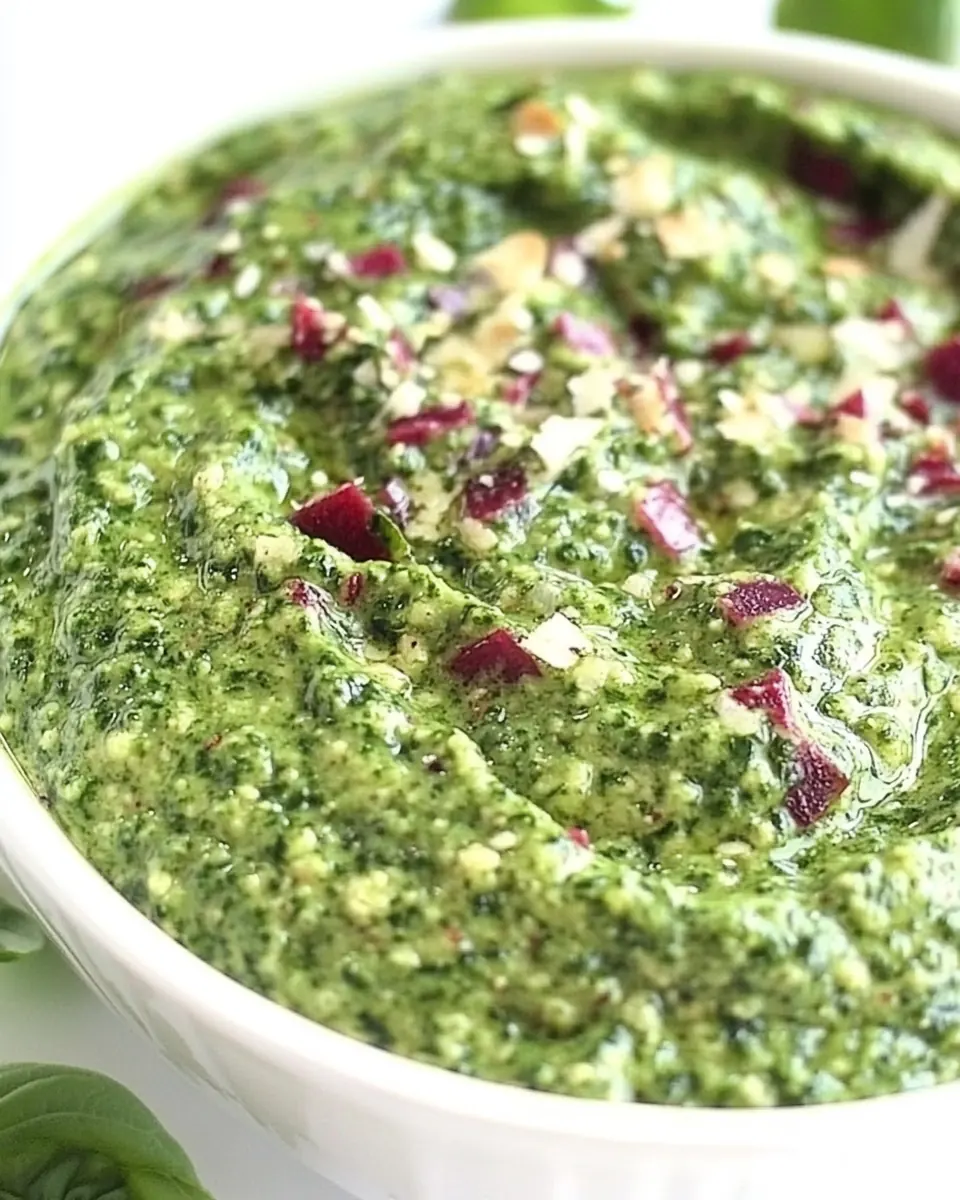
This pesto is straightforward, though a couple of small techniques make a big difference. I will walk you through blanching the greens to preserve color, squeezing out excess water so the pesto stays rich, and pulsing the mixture for ideal texture. Keep your food processor or blender handy for a few quick pulses and then a final stream of olive oil.
- Bring a pot of water to a boil on the stovetop.: The moment the water hits a rolling boil you will hear it roar and see steam rise vigorously, a sign it is hot enough for rapid blanching. This intense heat shocks the greens briefly, which helps them retain their green color and softens the leaves just enough. A common mistake is underheating the water, which results in limp, dull greens, so wait for that full boil before adding them.
- To blanch greens you simply cut away any woody stems and just use the green portion of the stems. Wash thoroughly and set aside. Get a large pot and put it on the stove until boiling. Set another large bowl full of ice water next to the stove. Add greens to boiling water, leave in for 10 seconds, remove and immediately put into ice water. Then drain. Blanching helps soften the beet greens without losing the color.: When you trim the greens, you'll notice firmer, fibrous stems that take longer to cook; removing those keeps the texture even. Washing thoroughly removes dirt and grit you may find in the folds of the leaves, which otherwise would add an unwanted sandy texture. One pitfall is skipping a good wash, so take a few extra minutes to get them clean.
- Drain and squeeze any access water out of the greens.: After washing, the leaves will look fresher and smell greener, a clean vegetal scent that signals they are ready. Spread them out or spin them in a salad spinner so they begin to drain, which shortens the time you need to squeeze out moisture later. Leaving water droplets on the leaves can water down the pesto, so make sure they are well drained.
- Add the greens, basil, garlic and hazelnuts to a blender or food processor.: Using a large pot prevents crowding, which can lower the water temperature and reduce the effectiveness of blanching. The sound will change to a vigorous bubbling when the pot is adequate, and that indicates it's ready for the greens. A mistake is using a small pot, leading to uneven blanching and less vibrant color.
- Process for just a few seconds to start breaking down the nuts and greens. Add Parmigiano-Reggiano and stream in olive oil till desired consistency is reached. Season with kosher salt and fresh cracked pepper.: Preparing an ice bath before you blanch ensures you can cool the greens immediately, locking in color and stopping the cooking. When you plunge the greens into the ice water you will see steam cease and vibrant green return instantly, which is the result you want. Forgetting the ice bath will let residual heat continue to cook the greens and dull their color.
- Add greens to boiling water, leave in for 10 seconds, remove and immediately put into ice water: Ten seconds is long enough to soften the leaves while keeping them bright; you will see a vivid color change in the pot. The immediate plunge into ice water shocks them and halts cooking, preserving both texture and hue. Overcooking here is easy, so set a timer and do not rely on estimation.
- Then drain: Once cooled, the greens will be firm and cool to the touch. Drain them thoroughly in a colander, giving them a gentle shake to remove surface water. If water remains, it will loosen the pesto, so I often press them lightly to encourage drainage. A common misstep is skipping the squeeze, which leaves the pesto watery and less intensely flavored.
- Blanching helps soften the beet greens without losing the color: The sensory payoff is a soft, vibrant leaf rather than a bitter, tough one. You will notice the aroma shift from raw vegetal sharpness to a mellow green fragrance. Avoid blanching too long, because it will mute the bright notes that make this pesto lively.
- Drain and squeeze any access water out of the greens: After draining, take handfuls and compress them gently to expel trapped water; you'll see droplets collect and the greens will become noticeably drier. This step ensures the final pesto is thick rather than thin and oily. If you skip squeezing, the sauce will have a diluted flavor and may separate more quickly.
- Add the greens, basil, garlic and hazelnuts to a blender or food processor: When you put these items together, the scent becomes herbaceous and toasty; the nuts offer a warm, inviting aroma that hints at the pesto's final character. Pulse a few times to begin breaking down textures and to incorporate air, which helps the olive oil bind later. A common error is overfilling the processor, which yields inconsistent chopping, so work in batches if needed.
- Process for just a few seconds to start breaking down the nuts and greens: Short pulses let you control the texture, preserving a pleasant tooth while reducing large chunks. You will hear the hum of the machine change pitch as the mixture becomes more uniform, and visually, the ingredients will liquefy around the blade edges. Overprocessing at this stage can make the mixture too smooth, losing the satisfying nutty flecks I prefer.
- Add Parmigiano-Reggiano and stream in olive oil till desired consistency is reached: Once the cheese is added, the mixture smells savory and complete; streaming in olive oil creates a glossy emulsion that carries flavor across the tongue. Watch the texture as you add oil, stopping when the pesto reaches a spreadable, slightly loose consistency. A frequent mistake is pouring oil too fast, which can make the pesto greasy rather than cohesive.
- Season with kosher salt and fresh cracked pepper: After tasting, the right amount of Kosher salt will lift the greens, while Fresh cracked pepper adds a bright background heat. Season gradually and taste after each addition, because the Parmigiano–Reggiano already contributes salt. The biggest error here is over-salting, so err on the side of caution and adjust later if needed.
Pro Tips and Tweaks
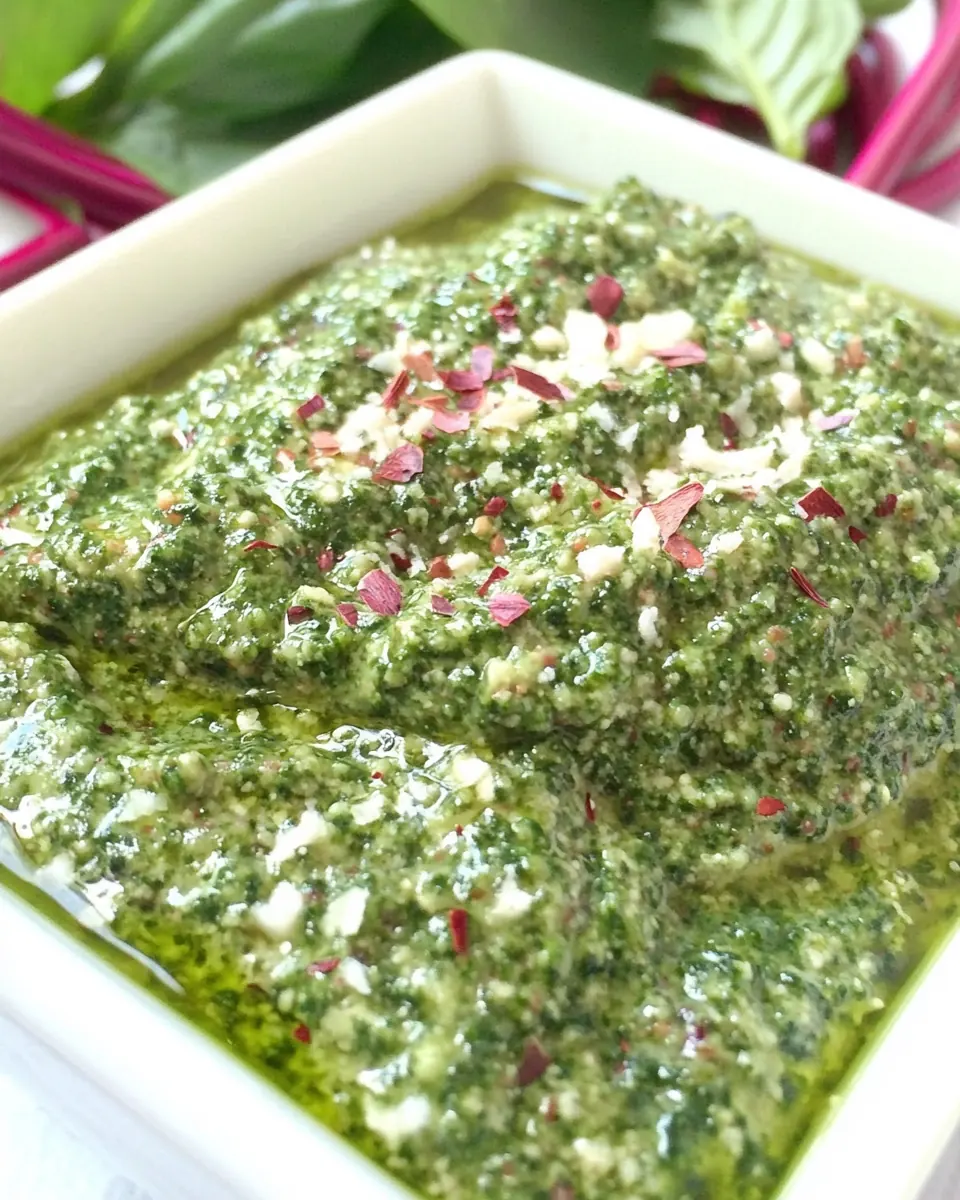
I like to think of these tips as the tweaks that make the pesto sing. Below are practical ideas and adjustments I rely on when I want predictable results, whether I am making a quick batch or preparing jars to gift.
- Toast the hazelnuts until they are golden and aromatic, about 5 to 7 minutes in a dry skillet, shaking frequently to avoid hot spots. This brings out the oils and deepens the flavor, but watch them closely since nuts can go from perfect to bitter quickly.
- Squeeze out excess water from the blanched greens using a clean towel or your hands, pressing firmly to expel trapped moisture. This step avoids a watery pesto and helps the sauce cling to pasta or bread more effectively.
- Adjust olive oil for texture by adding it slowly while blending, stopping when you reach a texture you like, whether chunky or silky. A little extra oil can smooth the pesto for a sauce, while less oil keeps it spoonable for toasts and dollops.
- Use fresh Parmigiano-Reggiano grated finely for a smoother integration into the pesto, which enhances umami without gritty bits. Pre-grated cheese often contains anti caking agents that change mouthfeel.
- Store properly in an airtight container with a thin film of olive oil on top to minimize browning, and refrigerate for up to 5 days, or freeze in portions for longer storage. Freezing in ice cube trays yields convenient single serve portions.
Serving Options for Beet Green Pesto
This pesto is a versatile condiment that lifts many dishes. I like serving it with pasta, as a sandwich spread, or as a finishing spoonful on roasted vegetables, and it works beautifully for casual lunches or festive dinners alike.
- Over pasta, toss with warm pasta and a splash of pasta water for an easy weeknight dinner that feels elevated.
- As a spread on toasted bread or sandwiches, where the pesto adds moisture and flavor instead of mayonnaise.
- With roasted vegetables, dollop on before serving to add a bright, herby contrast to caramelized surfaces.
- For entertaining, serve alongside a cheese board or small plates, letting guests spoon it onto crostini or roast potatoes.
- Storage tips, refrigerate up to 5 days with a thin layer of olive oil on top, or freeze in ice cube trays for single use portions that thaw quickly.
- Seasonal pairings, I find this pesto delightful in spring when greens are fresh, but it also brings welcome brightness to winter meals when used as a finishing touch.
FAQ
Conclusion
This Beet Green Pesto shines because it transforms humble beet tops into a vibrant, flavorful sauce that is both resourceful and delicious. Try it to experience the bright green color, nutty depth from toasted hazelnuts, and savory lift from Parmigiano-Reggiano. It is forgiving, adaptable, and perfect for tossing with pasta, spreading on toast, or finishing roasted vegetables. Give it a go and keep a jar in the fridge for quick, confident flavor boosts all week long.
Beet Green Pesto
Ingredients
Equipment
Method
- Bring a pot of water to a boil on the stovetop.: The moment the water hits a rolling boil you will hear it roar and see steam rise vigorously, a sign it is hot enough for rapid blanching. This intense heat shocks the greens briefly, which helps them retain their green color and softens the leaves just enough. A common mistake is underheating the water, which results in limp, dull greens, so wait for that full boil before adding them.
- To blanch greens you simply cut away any woody stems and just use the green portion of the stems. Wash thoroughly and set aside. Get a large pot and put it on the stove until boiling. Set another large bowl full of ice water next to the stove. Add greens to boiling water, leave in for 10 seconds, remove and immediately put into ice water. Then drain. Blanching helps soften the beet greens without losing the color.: When you trim the greens, you'll notice firmer, fibrous stems that take longer to cook; removing those keeps the texture even. Washing thoroughly removes dirt and grit you may find in the folds of the leaves, which otherwise would add an unwanted sandy texture. One pitfall is skipping a good wash, so take a few extra minutes to get them clean.
- Drain and squeeze any access water out of the greens.: After washing, the leaves will look fresher and smell greener, a clean vegetal scent that signals they are ready. Spread them out or spin them in a salad spinner so they begin to drain, which shortens the time you need to squeeze out moisture later. Leaving water droplets on the leaves can water down the pesto, so make sure they are well drained.
- Add the greens, basil, garlic and hazelnuts to a blender or food processor.: Using a large pot prevents crowding, which can lower the water temperature and reduce the effectiveness of blanching. The sound will change to a vigorous bubbling when the pot is adequate, and that indicates it's ready for the greens. A mistake is using a small pot, leading to uneven blanching and less vibrant color.
- Process for just a few seconds to start breaking down the nuts and greens. Add Parmigiano-Reggiano and stream in olive oil till desired consistency is reached. Season with kosher salt and fresh cracked pepper.: Preparing an ice bath before you blanch ensures you can cool the greens immediately, locking in color and stopping the cooking. When you plunge the greens into the ice water you will see steam cease and vibrant green return instantly, which is the result you want. Forgetting the ice bath will let residual heat continue to cook the greens and dull their color.
- Add greens to boiling water, leave in for 10 seconds, remove and immediately put into ice water: Ten seconds is long enough to soften the leaves while keeping them bright; you will see a vivid color change in the pot. The immediate plunge into ice water shocks them and halts cooking, preserving both texture and hue. Overcooking here is easy, so set a timer and do not rely on estimation.
- Then drain: Once cooled, the greens will be firm and cool to the touch. Drain them thoroughly in a colander, giving them a gentle shake to remove surface water. If water remains, it will loosen the pesto, so I often press them lightly to encourage drainage. A common misstep is skipping the squeeze, which leaves the pesto watery and less intensely flavored.
- Blanching helps soften the beet greens without losing the color: The sensory payoff is a soft, vibrant leaf rather than a bitter, tough one. You will notice the aroma shift from raw vegetal sharpness to a mellow green fragrance. Avoid blanching too long, because it will mute the bright notes that make this pesto lively.
- Drain and squeeze any access water out of the greens: After draining, take handfuls and compress them gently to expel trapped water; you'll see droplets collect and the greens will become noticeably drier. This step ensures the final pesto is thick rather than thin and oily. If you skip squeezing, the sauce will have a diluted flavor and may separate more quickly.
- Add the greens, basil, garlic and hazelnuts to a blender or food processor: When you put these items together, the scent becomes herbaceous and toasty; the nuts offer a warm, inviting aroma that hints at the pesto's final character. Pulse a few times to begin breaking down textures and to incorporate air, which helps the olive oil bind later. A common error is overfilling the processor, which yields inconsistent chopping, so work in batches if needed.
- Process for just a few seconds to start breaking down the nuts and greens: Short pulses let you control the texture, preserving a pleasant tooth while reducing large chunks. You will hear the hum of the machine change pitch as the mixture becomes more uniform, and visually, the ingredients will liquefy around the blade edges. Overprocessing at this stage can make the mixture too smooth, losing the satisfying nutty flecks I prefer.
- Add Parmigiano-Reggiano and stream in olive oil till desired consistency is reached: Once the cheese is added, the mixture smells savory and complete; streaming in olive oil creates a glossy emulsion that carries flavor across the tongue. Watch the texture as you add oil, stopping when the pesto reaches a spreadable, slightly loose consistency. A frequent mistake is pouring oil too fast, which can make the pesto greasy rather than cohesive.
- Season with kosher salt and fresh cracked pepper: After tasting, the right amount of Kosher salt will lift the greens, while Fresh cracked pepper adds a bright background heat. Season gradually and taste after each addition, because the Parmigiano-Reggiano already contributes salt. The biggest error here is over-salting, so err on the side of caution and adjust later if needed.
Notes
- Toast the hazelnuts until they are golden and aromatic, about 5 to 7 minutes in a dry skillet, shaking frequently to avoid hot spots. This brings out the oils and deepens the flavor, but watch them closely since nuts can go from perfect to bitter quickly.
- Squeeze out excess water from the blanched greens using a clean towel or your hands, pressing firmly to expel trapped moisture. This step avoids a watery pesto and helps the sauce cling to pasta or bread more effectively.
- Adjust olive oil for texture by adding it slowly while blending, stopping when you reach a texture you like, whether chunky or silky. A little extra oil can smooth the pesto for a sauce, while less oil keeps it spoonable for toasts and dollops.
- Use fresh Parmigiano-Reggiano grated finely for a smoother integration into the pesto, which enhances umami without gritty bits. Pre-grated cheese often contains anti caking agents that change mouthfeel.
- Store properly in an airtight container with a thin film of olive oil on top to minimize browning, and refrigerate for up to 5 days, or freeze in portions for longer storage. Freezing in ice cube trays yields convenient single serve portions.