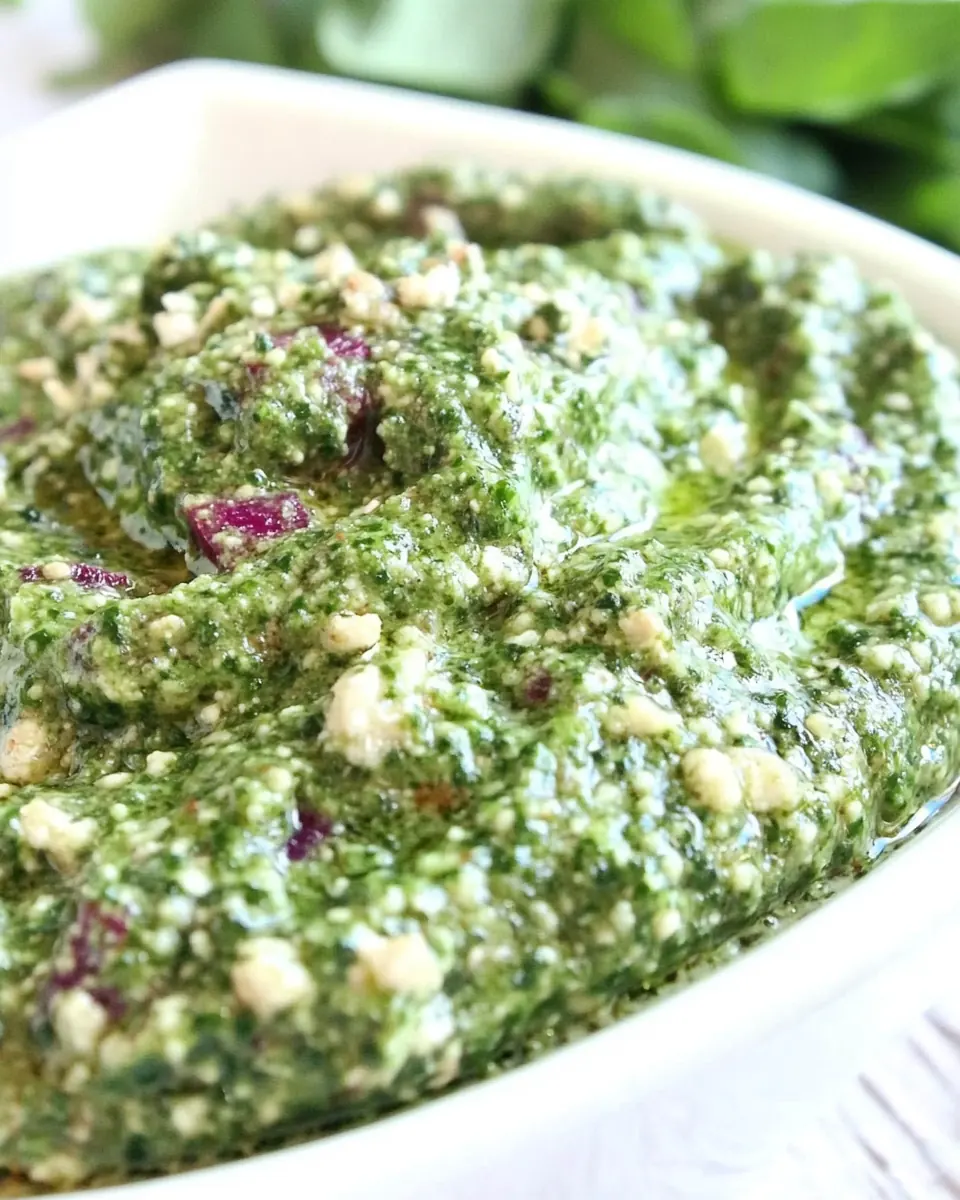
Bring a pot of water to a boil on the stovetop.: The moment the water hits a rolling boil you will hear it roar and see steam rise vigorously, a sign it is hot enough for rapid blanching. This intense heat shocks the greens briefly, which helps them retain their green color and softens the leaves just enough. A common mistake is underheating the water, which results in limp, dull greens, so wait for that full boil before adding them.
To blanch greens you simply cut away any woody stems and just use the green portion of the stems. Wash thoroughly and set aside. Get a large pot and put it on the stove until boiling. Set another large bowl full of ice water next to the stove. Add greens to boiling water, leave in for 10 seconds, remove and immediately put into ice water. Then drain. Blanching helps soften the beet greens without losing the color.: When you trim the greens, you'll notice firmer, fibrous stems that take longer to cook; removing those keeps the texture even. Washing thoroughly removes dirt and grit you may find in the folds of the leaves, which otherwise would add an unwanted sandy texture. One pitfall is skipping a good wash, so take a few extra minutes to get them clean.
Drain and squeeze any access water out of the greens.: After washing, the leaves will look fresher and smell greener, a clean vegetal scent that signals they are ready. Spread them out or spin them in a salad spinner so they begin to drain, which shortens the time you need to squeeze out moisture later. Leaving water droplets on the leaves can water down the pesto, so make sure they are well drained.
Add the greens, basil, garlic and hazelnuts to a blender or food processor.: Using a large pot prevents crowding, which can lower the water temperature and reduce the effectiveness of blanching. The sound will change to a vigorous bubbling when the pot is adequate, and that indicates it's ready for the greens. A mistake is using a small pot, leading to uneven blanching and less vibrant color.
Process for just a few seconds to start breaking down the nuts and greens. Add Parmigiano-Reggiano and stream in olive oil till desired consistency is reached. Season with kosher salt and fresh cracked pepper.: Preparing an ice bath before you blanch ensures you can cool the greens immediately, locking in color and stopping the cooking. When you plunge the greens into the ice water you will see steam cease and vibrant green return instantly, which is the result you want. Forgetting the ice bath will let residual heat continue to cook the greens and dull their color.
Add greens to boiling water, leave in for 10 seconds, remove and immediately put into ice water: Ten seconds is long enough to soften the leaves while keeping them bright; you will see a vivid color change in the pot. The immediate plunge into ice water shocks them and halts cooking, preserving both texture and hue. Overcooking here is easy, so set a timer and do not rely on estimation.
Then drain: Once cooled, the greens will be firm and cool to the touch. Drain them thoroughly in a colander, giving them a gentle shake to remove surface water. If water remains, it will loosen the pesto, so I often press them lightly to encourage drainage. A common misstep is skipping the squeeze, which leaves the pesto watery and less intensely flavored.
Blanching helps soften the beet greens without losing the color: The sensory payoff is a soft, vibrant leaf rather than a bitter, tough one. You will notice the aroma shift from raw vegetal sharpness to a mellow green fragrance. Avoid blanching too long, because it will mute the bright notes that make this pesto lively.
Drain and squeeze any access water out of the greens: After draining, take handfuls and compress them gently to expel trapped water; you'll see droplets collect and the greens will become noticeably drier. This step ensures the final pesto is thick rather than thin and oily. If you skip squeezing, the sauce will have a diluted flavor and may separate more quickly.
Add the greens, basil, garlic and hazelnuts to a blender or food processor: When you put these items together, the scent becomes herbaceous and toasty; the nuts offer a warm, inviting aroma that hints at the pesto's final character. Pulse a few times to begin breaking down textures and to incorporate air, which helps the olive oil bind later. A common error is overfilling the processor, which yields inconsistent chopping, so work in batches if needed.
Process for just a few seconds to start breaking down the nuts and greens: Short pulses let you control the texture, preserving a pleasant tooth while reducing large chunks. You will hear the hum of the machine change pitch as the mixture becomes more uniform, and visually, the ingredients will liquefy around the blade edges. Overprocessing at this stage can make the mixture too smooth, losing the satisfying nutty flecks I prefer.
Add Parmigiano-Reggiano and stream in olive oil till desired consistency is reached: Once the cheese is added, the mixture smells savory and complete; streaming in olive oil creates a glossy emulsion that carries flavor across the tongue. Watch the texture as you add oil, stopping when the pesto reaches a spreadable, slightly loose consistency. A frequent mistake is pouring oil too fast, which can make the pesto greasy rather than cohesive.
Season with kosher salt and fresh cracked pepper: After tasting, the right amount of Kosher salt will lift the greens, while Fresh cracked pepper adds a bright background heat. Season gradually and taste after each addition, because the Parmigiano-Reggiano already contributes salt. The biggest error here is over-salting, so err on the side of caution and adjust later if needed.