Quiche Florentine
Quiche Florentine is one of those recipes I come back to when I want something that feels both comforting and a little elegant, a dish that works for a slow weekend brunch or a simple weeknight dinner. The first time I made this version I remember standing at the counter while the aroma of butter and shallots filled the kitchen, and I felt suddenly reassured that a few good ingredients could transform into something memorable. Over the years I have nudged the balance here toward a custardy filling with a golden, slightly crisp top, and it always brings people to the table.
I learned early on that the heart of Quiche Florentine is the partnership between the tender spinach, the silky egg and cream custard, and the nutty, melty character of gruyere cheese. Each bite offers a contrast between the flakey crust and the soft interior, and I love how the shallots offer a soft, onion like sweetness while the pepper brightens everything. I often make one for casual guests because it travels well and can be served warm or at room temperature.
There are moments when I purposely overbake the crust just a touch so it stays crisp under the wet filling, and other times I tuck in extra cheese for a gooey top. Every time I cut a slice I pay attention to that little jiggle in the center, because it tells me the quiche will set perfectly as it rests. If you enjoy hands on, forgiving recipes with a big payoff, this version of Quiche Florentine will become a staple in your repertoire.
Recipe Snapshot
1 hr 35 mins
30 mins
65 mins
Medium
350 kcal
French
Keto, Gluten-Free
Dinner
9.5-inch Quiche Pan with Removable Bottom
The Charm of This Quiche Florentine
Classic balance of textures
I love how Quiche Florentine combines a crisp, tender crust with a silky custard and bubbling cheese. The contrast in textures is why I reach for this recipe when I want something that feels luxurious but is still simple to make. The crust provides structure while the interior stays soft and comforting, which makes every forkful satisfying.
Bright, layered flavors
There is a subtle layering in this dish that keeps it interesting. The sautéed shallots offer a sweet, aromatic base, the spinach gives a fresh, green note, and the gruyere cheese adds a rich, savory finish. I like that each ingredient plays a clear role, so the final bite is rounded and complete rather than muddled.
Flexible for any meal
I often serve this for brunch, light dinner, or a casual lunch, and it always fits the occasion. You can make it ahead, refrigerate it, then rewarm gently, which makes it a go to for gatherings. Because it holds its texture well at room temperature, it is also great for picnics or potlucks.
Comforting but elegant
There is something oddly celebratory about slicing into a golden quiche. It looks refined, yet it is deeply comforting. I appreciate recipes that feel both accessible and a little special, and this one does exactly that. From the browned cheese top to the delicate custard, it feels like a small celebration each time.
Reliable and forgiving
This recipe is forgiving for home cooks. Small timing differences will not ruin the result, and it tolerates slight variances in oven temperature or resting time. That reliability is why I keep coming back to this particular method, and why I recommend it when you want a dependable, crowd pleasing dish.
What’s In This Quiche Florentine
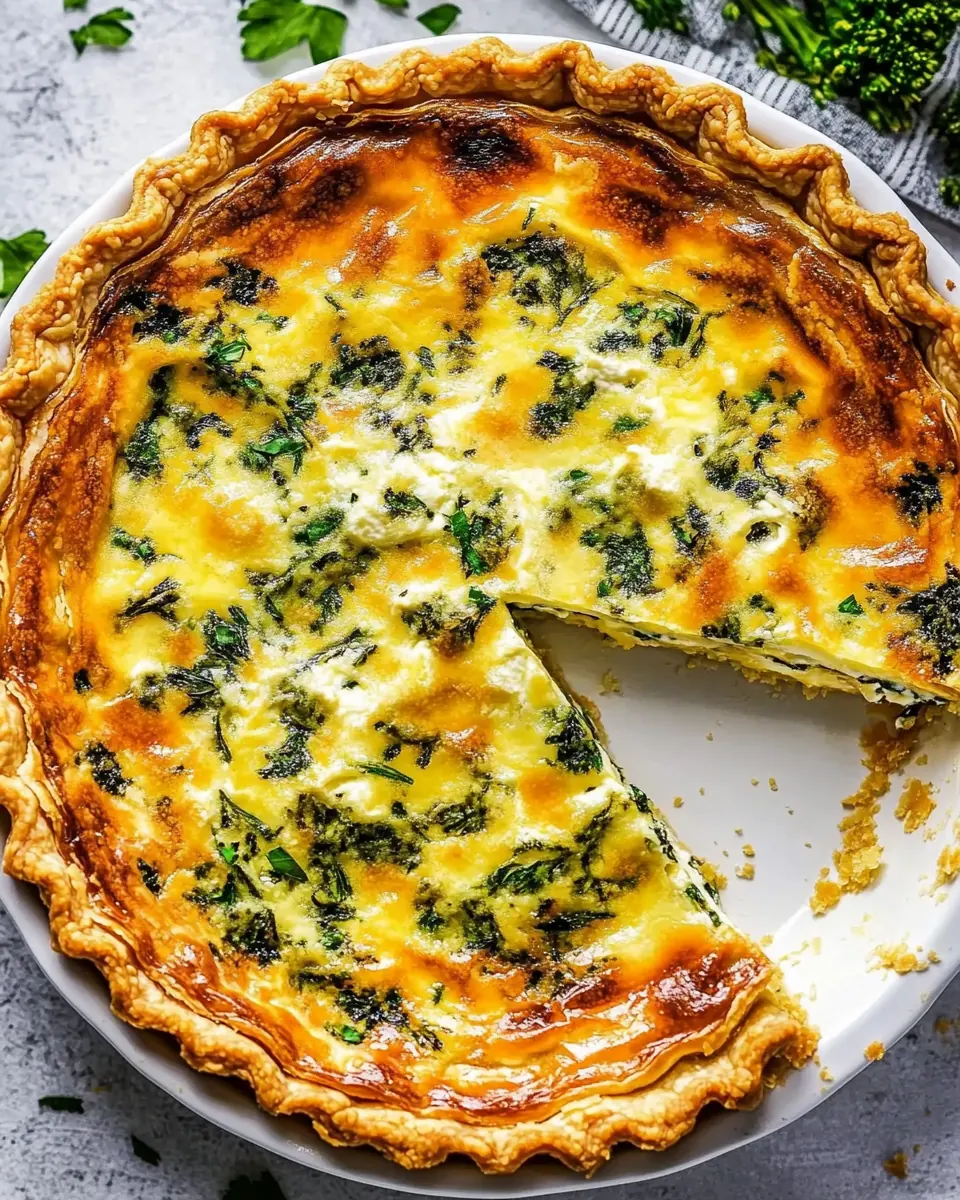
These ingredients are intentionally simple and harmonious. The backbone is an egg and cream custard that sets gently around the cooked spinach and shredded gruyere cheese, while the shallots and butter create an aromatic base. The crust provides contrast and structure, and a little pepper lifts the flavors so the dish does not feel flat. Together they form a balanced, savory quiche that holds up well for serving and storing.
- 1/2 recipe pie crust (or a prepared frozen pie crust): Provide a flaky, buttery base that holds the quiche filling and distributes heat evenly; prebake or blind-bake if using a raw crust to prevent sogginess and ensure a crisp bottom.
- 2 tablespoons butter (unsalted): Add rich, creamy flavor and help sauté aromatics; melt gently to cook shallots until translucent without browning, contributing a silky mouthfeel to the filling.
- 2 medium shallots (chopped): Offer a mild, sweet onion flavor when softened; finely chop and sweat until tender to release aromatic compounds that complement spinach and cheese.
- 1/2 teaspoon pepper (or to taste): Season the filling subtly and balance richness; freshly ground or adjusted to taste during mixing to enhance overall flavor without overpowering delicate components.
- 4 cups spinach (fresh, roughly chopped): Provide vegetal volume, color, and a slightly earthy flavor; roughly chop fresh leaves and wilt down in the pan to remove excess moisture before adding to the custard.
- 4 large eggs: Bind the filling and create a tender, set custard by incorporating proteins and structure; whisk thoroughly with cream and seasoning for an even texture.
- 1 1/2 cups heavy cream: Contribute a luxurious, creamy texture and help the custard set; combine with eggs to produce a smooth filling and adjust richness to taste.
- 2 cups gruyere cheese (shredded): Impart nutty, savory flavor and a gooey, browned topping when baked; grate and mix into the custard so it melts evenly and forms a golden crust.
The Process for Making Quiche Florentine
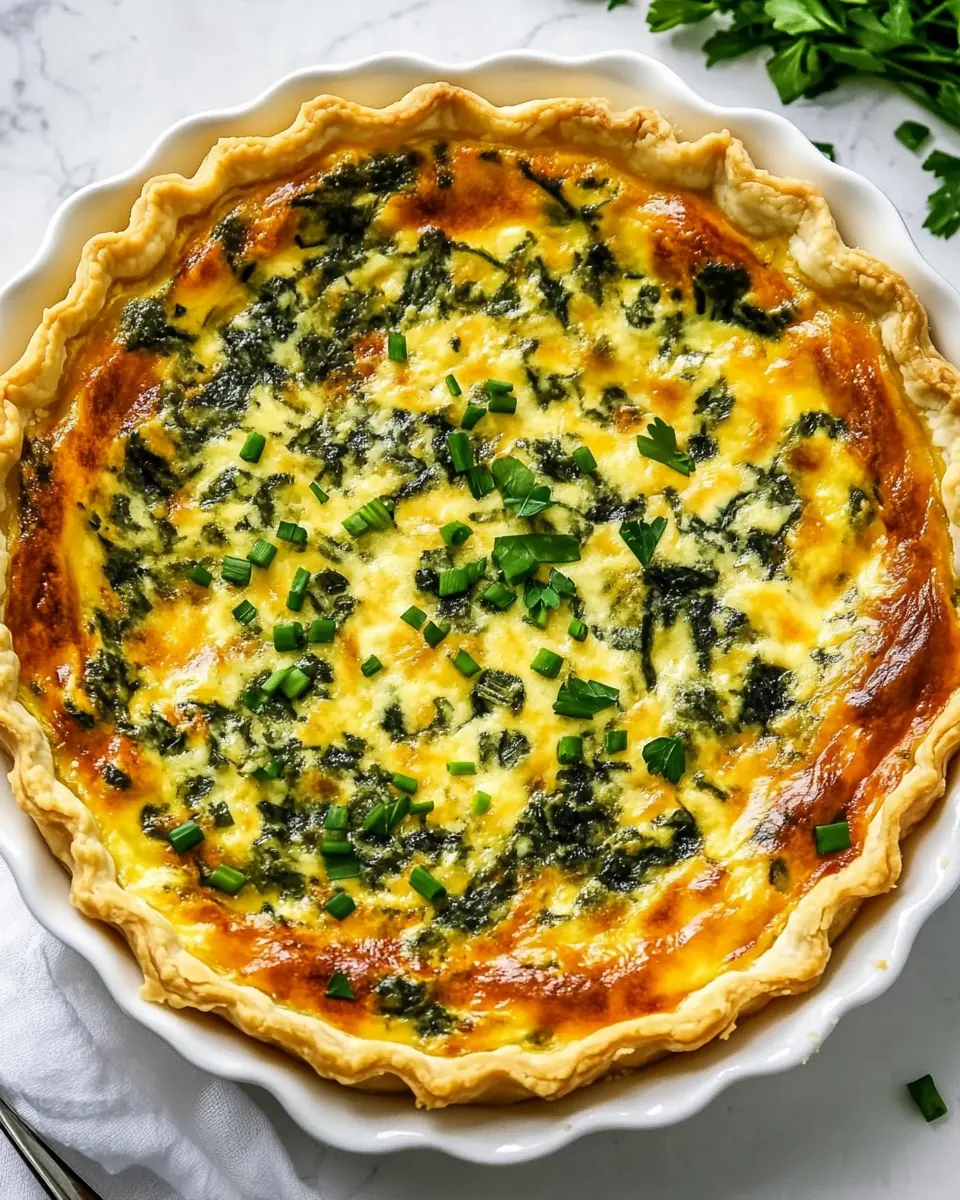
This quiche comes together in a few distinct phases: preparing and blind baking the crust, cooking down the spinach and shallots, whisking the custard, assembling, and baking until just set. Below, each direction has been expanded into a vivid, practical step so you can get the texture and timing right every time.
- Prepare pie crust: If you're making your own pie crust, roll it out and place it in a deeper 9.5-inch quiche pan or a more shallow 11-inch quiche pan, pressing into the corners. Use a rolling pin to roll over the surface of the quiche pan, to cut off the excess dough from the edges. Line the crust with parchment paper and fill it with pie weights or dry beans or rice.: The kitchen will smell faintly of flour and butter as you press the crust into the pan, and the tactile feel of the dough should be cool and slightly tacky but not sticky. Work gently to avoid overworking the gluten which can make the crust tough, and press the dough into every corner so the filling has even support. If edges overhang, use a rolling pin to roll over the rim of the quiche pan and cut the excess evenly; this creates a neat edge that bakes uniformly. A common mistake is not chilling the shaped crust before blind baking, which can allow it to slump as it heats, so return it to the fridge for at least 15 minutes when you can, and avoid stretching it while fitting it into the pan because stretched dough will shrink back during baking.
- Blind bake the crust (pre-bake): Preheat the oven to 425°F. Bake for 12 to 15 minutes. Remove the pie weights and parchment paper. Reduce the oven heat to 375°F and bake the crust for an additional 5 minutes.: You will smell a toasty, slightly nutty aroma as the crust begins to set. Lining the crust with parchment and filling with pie weights or dry beans creates a barrier so the base bakes flat and does not bubble. Start at a higher temperature to set the edges quickly, then reduce the heat to finish without over browning. When you remove the parchment and weights, the surface should look dry and slightly firm; if it feels soft or wet, return it for a few more minutes. A frequent misstep is skipping the second lower temperature bake which can leave the bottom underdone once the wet custard is added, so take those extra minutes to ensure a crisp foundation.
- For store bought pastry: If using store bought pastry, follow the instructions on the package.: There is a convenience aroma in using ready made pastry, and following the package instructions will usually result in a solid shell. Make any recommended docking or partial baking steps to avoid sogginess, and check for even color so you do not end up with underbaked or overly brown edges. Store bought crusts can vary in thickness, so if your crust looks exceptionally thin, reduce blind bake time slightly and keep a close eye during the final bake. One pitfall with store bought pastry is assuming it needs the same baking time as homemade dough, so always monitor for visual cues like a golden rim and a dry surface before moving on.
- Cook the spinach: Add the butter to a large skillet and melt over medium-high heat. Add the shallots and cook for 2 to 3 minutes or until soft and translucent. Season with pepper. Add the chopped spinach and cook for about 2 to 3 minutes until cooked down. Let it cool slightly.: When you add the butter to the skillet, listen for a soft sizzle as it warms. Add the chopped shallots and cook until they become translucent and fragrant, releasing a gentle sweetness. Season with pepper , then add the chopped spinach ; it will wilt rapidly and release a green, vegetal scent. Cook just until the leaves are collapsed and bright, then transfer to a bowl to cool slightly so the filling does not become watery. A common error is overcrowding the pan which steams rather than sautés the greens, so work in batches or use a large skillet to maintain quick, high heat, this preserves flavor and keeps the spinach from becoming mushy.
- Combine eggs and heavy cream: In a medium sized bowl add the eggs and heavy cream. Whisk well.: When you whisk the eggs with the heavy cream , aim for a silky, homogenous mixture with a pale yellow color and a light sheen. Whisking incorporates a little air which helps give the custard a tender lift, and doing this in a medium sized bowl makes for easier tempering and pouring. If the mixture looks streaky or separated, whisk until smooth; room temperature eggs blend more evenly with the cream . Avoid overwhisking to the point of frothiness because too much air can lead to a spongy texture rather than a creamy set.
- Assemble the quiche: Sprinkle half the cheese over the bottom of the precooked crust then top with spinach filling. Carefully pour the egg mixture over the spinach. Top with remaining gruyere cheese.: You'll notice a pleasing contrast as you layer half the shredded gruyere cheese on the crust, then mound the spinach filling and finally pour the custard so it nests into the greens. The custard will sound silky as it flows and settle around the filling; this contact is important because it ensures even cooking and prevents pockets of dry cheese. Sprinkle the remaining gruyere cheese on top so it melts and browns, forming a golden crust. A common mistake here is adding the egg mixture while the spinach is too hot, which can cause the custard to start setting unevenly; cool the filling slightly to avoid that.
- Bake: Transfer the quiche onto a baking sheet and bake for 35 to 40 minutes at 375°F until the top is golden. The center should be a bit jiggly but the rest should be set.: As the quiche bakes at 375°F, the kitchen will fill with a toasty, cheesy scent and you will notice the top turning a warm golden color. The edges will firm first and the center will remain slightly jiggly when gently shaken; aim for a center that still has a subtle wobble because it will finish setting during the rest period. A gentle browning on top signals flavor development, and using a baking sheet underneath helps catch any spills and promotes even heat circulation. Resist the urge to overbake because a dry, crumbly custard is the usual result; test with a light jiggle and remove when the center is just shy of fully firm.
- Rest and serve: Let the quiche cool for 10 to 20 minutes, allowing the quiche to fully set. Cut into slices and serve either warm or at room temperature.: After removing from the oven let the quiche cool for 10 to 20 minutes, during which you will notice it quiet down and set further, developing a sliceable texture. The residual heat continues gentle cooking, so cutting too early will result in a runny center. Resting also helps the flavors meld, making each slice taste more cohesive. Common mistakes include slicing while piping hot which ruins neat slices, so be patient and use a sharp knife for clean cuts when ready.
Recipe Variations about Quiche Florentine

This section offers ways to adapt and vary the recipe while keeping the spirit of Quiche Florentine intact. Below are practical tips and swaps so you can customize for diet, occasion, or pantry limits.
- Swap the cheese Use Emmental, Jarlsberg, or Raclette in place of gruyere cheese for a similar nutty melt, these cheeses will maintain the savory profile while offering slight variations in creaminess and aroma.
- Make ahead strategy Blind bake the crust and prep the cooked spinach and custard the day before, then assemble and bake on the day you plan to serve to save time and reduce stress.
- Freeze for later Bake the quiche, cool completely, then wrap tightly and freeze for one to two months; reheat from frozen at 350°F for about 25 minutes or until warmed through to retain texture.
- Adjust cream richness Keep the heavy cream for best texture, but if you must reduce fat, understand that the filling will be less tender and more custard like rather than lush and silky.
- Portion ideas Use a shallower pan for a quicker set or divide into smaller tart pans for individual servings, which are great for parties and make reheating more even.
- Presentation tip Let the quiche rest fully and slice with a hot, dry knife to achieve clean edges and an appealing cross section that shows the layers.
Great Combinations for Quiche Florentine
Quiche Florentine pairs well with light salads, roasted vegetables, or a simple grain side for a complete meal. Think about occasions when you want something that travels well, like brunches or casual gatherings, and choose sides that complement the rich custard and nutty cheese. Below are serving suggestions and storage notes to make the most of each serving scenario.
- Light green salad A crisp mixed greens salad dressed in a bright vinaigrette contrasts the richness of the quiche and refreshes the palate, ideal for lunch or a light dinner.
- Roasted vegetables Seasonal roasted vegetables such as carrots or asparagus add texture and a slightly caramelized flavor that pairs nicely with the creamy interior of the quiche, especially for a weekend dinner.
- Simple grain side A small bowl of warm couscous or a light barley salad offers earthy texture and makes the meal more filling without competing with the main flavors.
- Occasion suggestions Serve at brunch, casual dinners, or gatherings during spring when fresh spinach is abundant; it is also appropriate for holiday brunch spreads where you want an elegant, easy to slice centerpiece.
- Storage tips Cool completely before wrapping tightly and refrigerate for two to three days. For longer storage freeze freshly baked quiche for one to two months, then reheat from frozen at 350°F until warmed through.
- Serving temperature Offer slices warm or at room temperature to appreciate the texture and flavor, and avoid reheating too aggressively which can dry out the custard and toughen the crust.
FAQ
Conclusion
Quiche Florentine stands out because it marries a flaky crust with a silky egg and cream custard, tender spinach, and nutty gruyere cheese to create a dish that is both comforting and refined. It’s forgiving to prepare and versatile for many occasions, from casual brunches to light dinners with friends. Give it a try the next time you want a make ahead centerpiece that slices neatly and travels well, and enjoy how a handful of simple, quality ingredients can produce something truly satisfying.
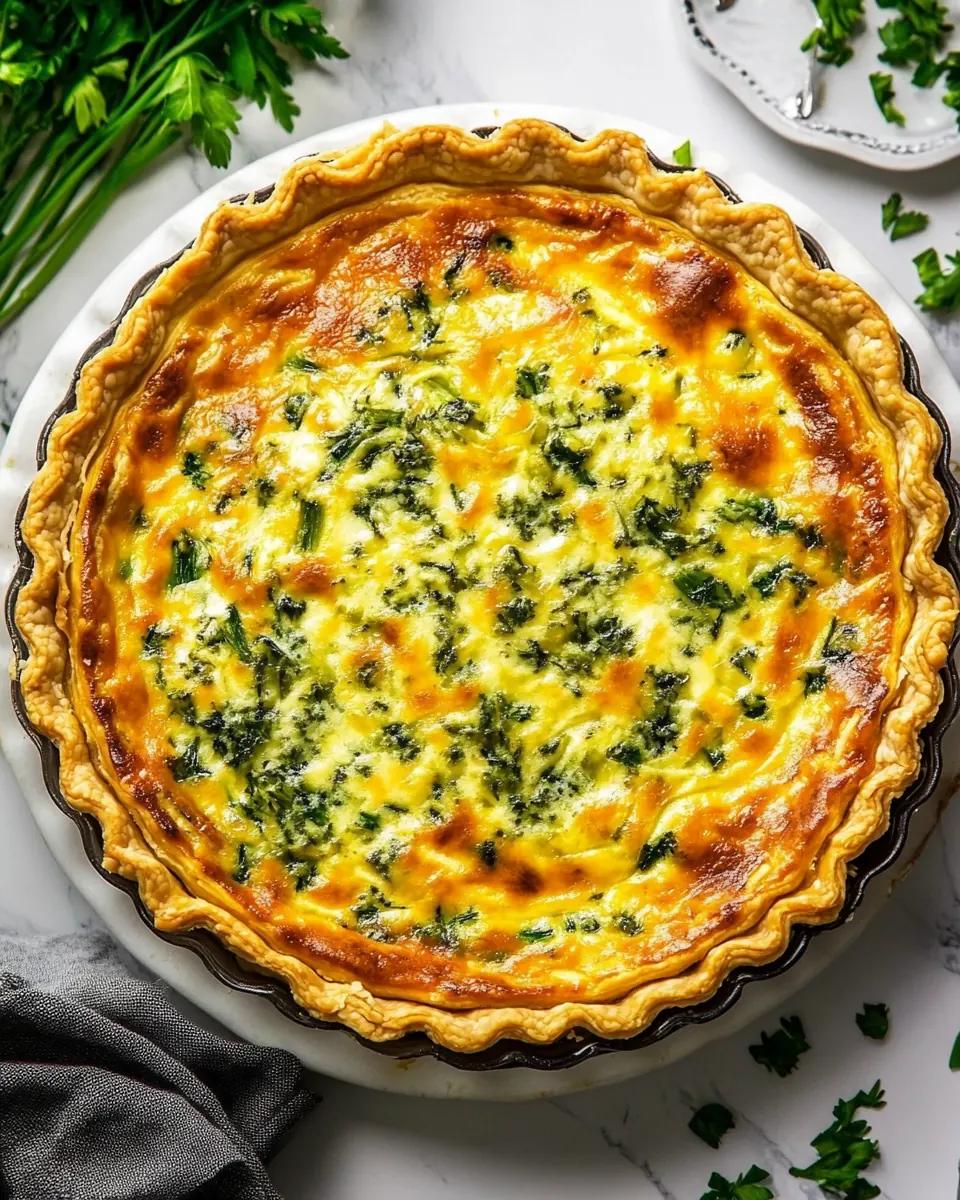
Quiche Florentine
Ingredients
Equipment
Method
- Prepare pie crust: If you're making your own pie crust, roll it out and place it in a deeper 9.5-inch quiche pan or a more shallow 11-inch quiche pan, pressing into the corners. Use a rolling pin to roll over the surface of the quiche pan, to cut off the excess dough from the edges. Line the crust with parchment paper and fill it with pie weights or dry beans or rice.: The kitchen will smell faintly of flour and butter as you press the crust into the pan, and the tactile feel of the dough should be cool and slightly tacky but not sticky. Work gently to avoid overworking the gluten which can make the crust tough, and press the dough into every corner so the filling has even support. If edges overhang, use a rolling pin to roll over the rim of the quiche pan and cut the excess evenly; this creates a neat edge that bakes uniformly. A common mistake is not chilling the shaped crust before blind baking, which can allow it to slump as it heats, so return it to the fridge for at least 15 minutes when you can, and avoid stretching it while fitting it into the pan because stretched dough will shrink back during baking.
- Blind bake the crust (pre-bake): Preheat the oven to 425°F. Bake for 12 to 15 minutes. Remove the pie weights and parchment paper. Reduce the oven heat to 375°F and bake the crust for an additional 5 minutes.: You will smell a toasty, slightly nutty aroma as the crust begins to set. Lining the crust with parchment and filling with pie weights or dry beans creates a barrier so the base bakes flat and does not bubble. Start at a higher temperature to set the edges quickly, then reduce the heat to finish without over browning. When you remove the parchment and weights, the surface should look dry and slightly firm; if it feels soft or wet, return it for a few more minutes. A frequent misstep is skipping the second lower temperature bake which can leave the bottom underdone once the wet custard is added, so take those extra minutes to ensure a crisp foundation.
- For store bought pastry: If using store bought pastry, follow the instructions on the package.: There is a convenience aroma in using ready made pastry, and following the package instructions will usually result in a solid shell. Make any recommended docking or partial baking steps to avoid sogginess, and check for even color so you do not end up with underbaked or overly brown edges. Store bought crusts can vary in thickness, so if your crust looks exceptionally thin, reduce blind bake time slightly and keep a close eye during the final bake. One pitfall with store bought pastry is assuming it needs the same baking time as homemade dough, so always monitor for visual cues like a golden rim and a dry surface before moving on.
- Cook the spinach: Add the butter to a large skillet and melt over medium-high heat. Add the shallots and cook for 2 to 3 minutes or until soft and translucent. Season with pepper. Add the chopped spinach and cook for about 2 to 3 minutes until cooked down. Let it cool slightly.: When you add the butter to the skillet, listen for a soft sizzle as it warms. Add the chopped shallots and cook until they become translucent and fragrant, releasing a gentle sweetness. Season with pepper , then add the chopped spinach ; it will wilt rapidly and release a green, vegetal scent. Cook just until the leaves are collapsed and bright, then transfer to a bowl to cool slightly so the filling does not become watery. A common error is overcrowding the pan which steams rather than sautés the greens, so work in batches or use a large skillet to maintain quick, high heat, this preserves flavor and keeps the spinach from becoming mushy.
- Combine eggs and heavy cream: In a medium sized bowl add the eggs and heavy cream. Whisk well.: When you whisk the eggs with the heavy cream , aim for a silky, homogenous mixture with a pale yellow color and a light sheen. Whisking incorporates a little air which helps give the custard a tender lift, and doing this in a medium sized bowl makes for easier tempering and pouring. If the mixture looks streaky or separated, whisk until smooth; room temperature eggs blend more evenly with the cream . Avoid overwhisking to the point of frothiness because too much air can lead to a spongy texture rather than a creamy set.
- Assemble the quiche: Sprinkle half the cheese over the bottom of the precooked crust then top with spinach filling. Carefully pour the egg mixture over the spinach. Top with remaining gruyere cheese.: You'll notice a pleasing contrast as you layer half the shredded gruyere cheese on the crust, then mound the spinach filling and finally pour the custard so it nests into the greens. The custard will sound silky as it flows and settle around the filling; this contact is important because it ensures even cooking and prevents pockets of dry cheese. Sprinkle the remaining gruyere cheese on top so it melts and browns, forming a golden crust. A common mistake here is adding the egg mixture while the spinach is too hot, which can cause the custard to start setting unevenly; cool the filling slightly to avoid that.
- Bake: Transfer the quiche onto a baking sheet and bake for 35 to 40 minutes at 375°F until the top is golden. The center should be a bit jiggly but the rest should be set.: As the quiche bakes at 375°F, the kitchen will fill with a toasty, cheesy scent and you will notice the top turning a warm golden color. The edges will firm first and the center will remain slightly jiggly when gently shaken; aim for a center that still has a subtle wobble because it will finish setting during the rest period. A gentle browning on top signals flavor development, and using a baking sheet underneath helps catch any spills and promotes even heat circulation. Resist the urge to overbake because a dry, crumbly custard is the usual result; test with a light jiggle and remove when the center is just shy of fully firm.
- Rest and serve: Let the quiche cool for 10 to 20 minutes, allowing the quiche to fully set. Cut into slices and serve either warm or at room temperature.: After removing from the oven let the quiche cool for 10 to 20 minutes, during which you will notice it quiet down and set further, developing a sliceable texture. The residual heat continues gentle cooking, so cutting too early will result in a runny center. Resting also helps the flavors meld, making each slice taste more cohesive. Common mistakes include slicing while piping hot which ruins neat slices, so be patient and use a sharp knife for clean cuts when ready.
Notes
- Swap the cheese Use Emmental, Jarlsberg, or Raclette in place of gruyere cheese for a similar nutty melt, these cheeses will maintain the savory profile while offering slight variations in creaminess and aroma.
- Make ahead strategy Blind bake the crust and prep the cooked spinach and custard the day before, then assemble and bake on the day you plan to serve to save time and reduce stress.
- Freeze for later Bake the quiche, cool completely, then wrap tightly and freeze for one to two months; reheat from frozen at 350°F for about 25 minutes or until warmed through to retain texture.
- Adjust cream richness Keep the heavy cream for best texture, but if you must reduce fat, understand that the filling will be less tender and more custard like rather than lush and silky.
- Portion ideas Use a shallower pan for a quicker set or divide into smaller tart pans for individual servings, which are great for parties and make reheating more even.
- Presentation tip Let the quiche rest fully and slice with a hot, dry knife to achieve clean edges and an appealing cross section that shows the layers.