Blackened Tilapia
Blackened Tilapia is the sort of dish that wakes up a simple weeknight and turns it into a small celebration at the table. The first time I made this, I was chasing a bright, flaky fish that could stand up to a bold, peppery crust and a sweet, tropical salsa. From the moment the spices hit the hot pan, the kitchen filled with a smoky, toasty scent that made everyone wander in for a taste. I still remember the surprise on my partner’s face when the sweet pineapple salsa cut through the spicy, charred edges of the fish.
Over time I’ve learned to treat this recipe like a friendly duet between two strong characters, the seasoned fish and the juicy salsa, and to let them both shine without overcomplicating anything. I love how the rice and black bean mix soaks up the citrusy juices, creating little pockets of brightness with every bite. When I serve this for friends, people always ask for the recipe, and I explain how a few careful steps lock in moisture while building that lovely blackened crust.
Recipe Snapshot
28 mins
20 mins
8 mins
Easy
450 kcal
Mexican
Vegan, Gluten-Free
Dinner
Large pannonstick
Why Try This Blackened Tilapia
Bold flavor with minimal fuss
I adore how Blackened Tilapia delivers restaurant worthy intensity without a long ingredient list. The mojo rub and bright lime make the fish vibrant, so you get layers of flavor fast. I often lean on this when I want something impressive but not fussy.
Balanced contrasts
The contrast between the smoky, spiced tilapia and the fresh, sweet pineapple salsa is what keeps me coming back. I appreciate recipes that pair heat with coolness, texture with juiciness, and this one does that naturally. Every bite feels purposeful, with the rice and black beans providing a grounding backdrop.
Weeknight friendly
This recipe is forgiving and fast, making it one of my go to weeknight winners. You can prep elements ahead, like cooking the rice or chopping the salsa, and still finish in under an hour. That simplicity is a big part of why I make it over and over.
Flexible and shareable
I love serving this for small gatherings because everyone can personalize their plate with extra salsa or lime. The components scale easily, so you can double the rice or salsa without changing technique, which I find incredibly practical when cooking for company.
Fresh ingredients shine
The success of this dish comes from treating each component with respect, from patting the tilapia dry to using ripe pineapple and freshly squeezed lime juice. I like that you do not need fancy tools to get excellent results, just thoughtful handling and good timing.
What You’ll Need for Blackened Tilapia
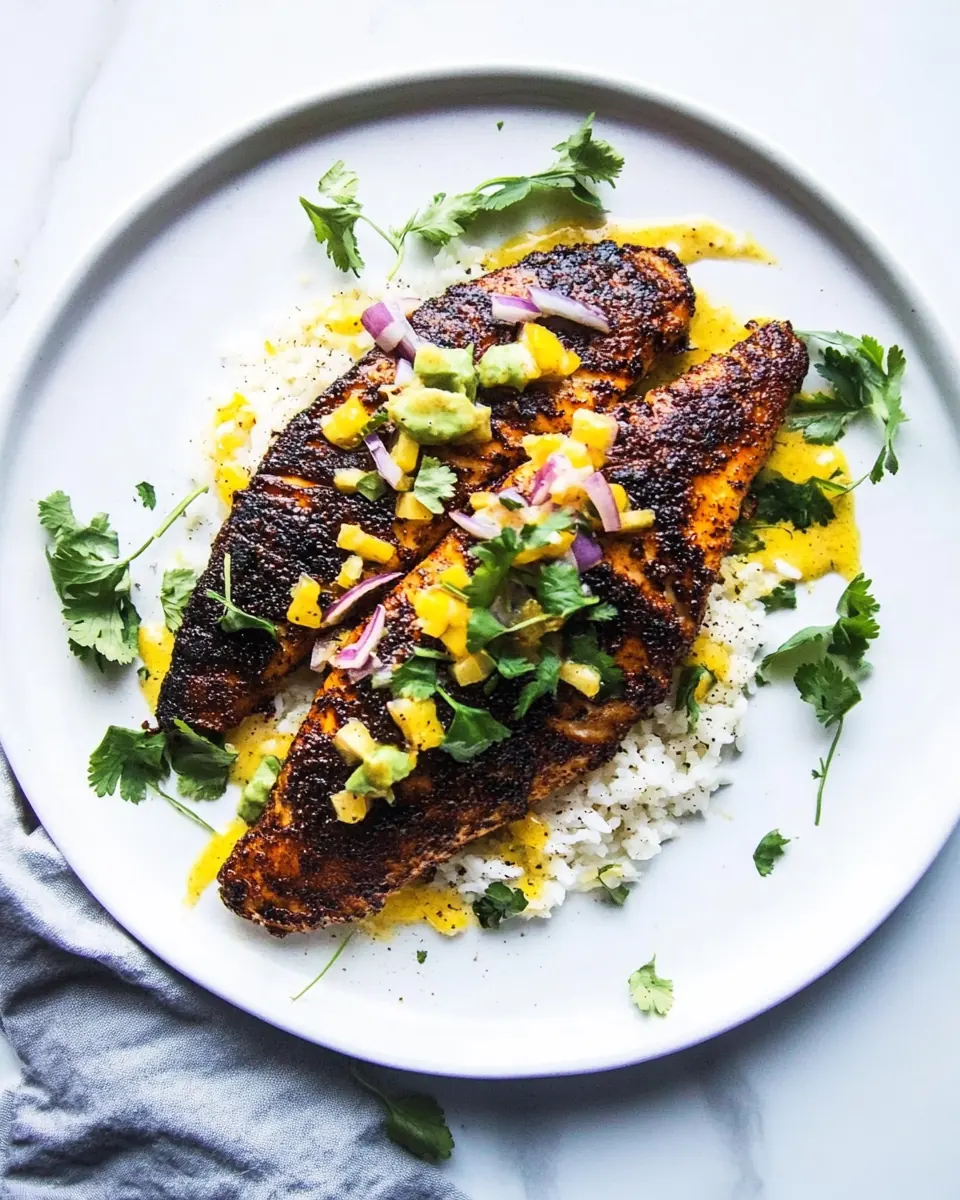
This recipe is built around bright, fresh ingredients and simple pantry players. The philosophy here is contrast and balance: spicy and smoky notes for the fish, sweet and acidic for the salsa, and hearty rice and beans to bring it all together. The key players are the tilapia for texture, the mojo rub for backbone, and the pineapple salsa for lift.
- 5 tablespoons finely diced jalapeño divided: Add finely diced jalapeño to introduce bright heat and fresh vegetal flavor; use divided portions so some can be cooked into the rice or beans while some remains raw for salsa-like topping. Adjust quantity to control spice level and distribute the peppery aroma throughout the dish. Seed or retain seeds depending on desired heat, and finely dicing ensures even dispersion.
- 1 medium red onion diced and sliced: Provide both diced and sliced red onion to contribute sweet-sharp depth and crunchy texture; use diced pieces for cooked components and sliced rings for fresh garnish or contrast. Caramelize slightly if mellowed sweetness is desired, or keep raw for crispness and bite. Red onion also adds color contrast and aromatic complexity to the plate.
- 1 bunch cilantro divided: Use cilantro divided to impart bright, citrusy-herb notes; reserve some leaves for finishing to preserve freshness and stir chopped stems into cooked elements for background flavor. Wash thoroughly and chop just before serving to retain aroma and prevent wilting. Cilantro balances heat and richness while elevating the dish's overall brightness.
- 3 limes divided: Squeeze and zest limes divided to add acidic brightness and lift to both cooked and finished elements; use juice for marinating or seasoning and reserve wedges for serving. Lime acidity cuts through oiliness and enhances other flavors like cilantro and jalapeño. Roll limes before juicing to maximize yield and flavor release.
- 1 cup uncooked basmati rice: Cook basmati rice to provide a fragrant, fluffy starch base that soaks up sauces and balances spicy, savory components; rinse before cooking to remove excess starch and ensure separate grains. Use measured water ratio and simmer gently until tender, then fluff with a fork to prevent clumping. Basmati's aroma complements citrus and herbs in the recipe.
- 2 1/2 tablespoons olive oil divided: Heat and divide olive oil to facilitate searing the tilapia and to sauté aromatics while adding smooth mouthfeel and richness; reserve some oil for finishing if desired. Use moderate heat to avoid burning and to help create a seasoned crust without overwhelming the fish. Olive oil also helps carry fat-soluble flavors from the rub and garlic.
- 1 teaspoon minced garlic: Sauté or incorporate minced garlic to contribute pungent, savory depth and aromatic backbone; add early to oil to flavor the cooking fat or later for a fresher garlic note. Minced form ensures rapid release of flavor and even distribution throughout rice, beans, or pineapple accompaniments. Monitor cooking time to avoid bitterness from overcooking.
- 1 (15-ounce) can black beans drained and rinsed: Rinse and drain canned black beans to add creamy texture, protein, and earthy flavor while reducing sodium; fold into rice or serve alongside the fish to enhance heartiness. Warm gently with seasoning so the beans absorb surrounding flavors without falling apart. Black beans also provide color contrast and nutritional balance to the meal.
- Salt and pepper: Season with salt and pepper to enhance and balance all flavors, bringing out natural tastes of seafood, herbs, and aromatics; add salt gradually and taste as components combine. Use freshly ground pepper for aromatic heat and slight bite. Proper seasoning is essential to make other ingredients sing without overpowering delicate tilapia.
- 3 cups diced pineapple: Chop pineapple into diced pieces to contribute sweet-tart juiciness and tropical brightness that contrasts spicy and smoky elements; use as a salsa or side to refresh the palate. Balance sweetness with lime and jalapeño for complex flavor interplay, and add toward the end to preserve texture. Pineapple enzymes can tenderize proteins if marinated briefly, so time contact accordingly.
- 3 tilapia filets 1 pound: Pat and season tilapia filets to serve as the main protein, offering mild, flaky texture that readily absorbs blackening rub and marinades; handle gently to keep fillets intact while cooking. Sear on high heat to develop a crisp, spiced exterior without overcooking the interior. Portion size yields balanced servings for sharing or plated mains.
- 2 teaspoons mojo rub: Apply mojo rub to create a bold, smoky, and citrusy blackened crust that defines the dish's flavor profile; rub evenly into the tilapia and allow a brief rest for seasoning penetration. Use enough to form a flavorful sear when cooked at high heat, and pair with lime and pineapple to complement its savory notes. Mojo rub streamlines seasoning while delivering complex taste.
Making This Blackened Tilapia
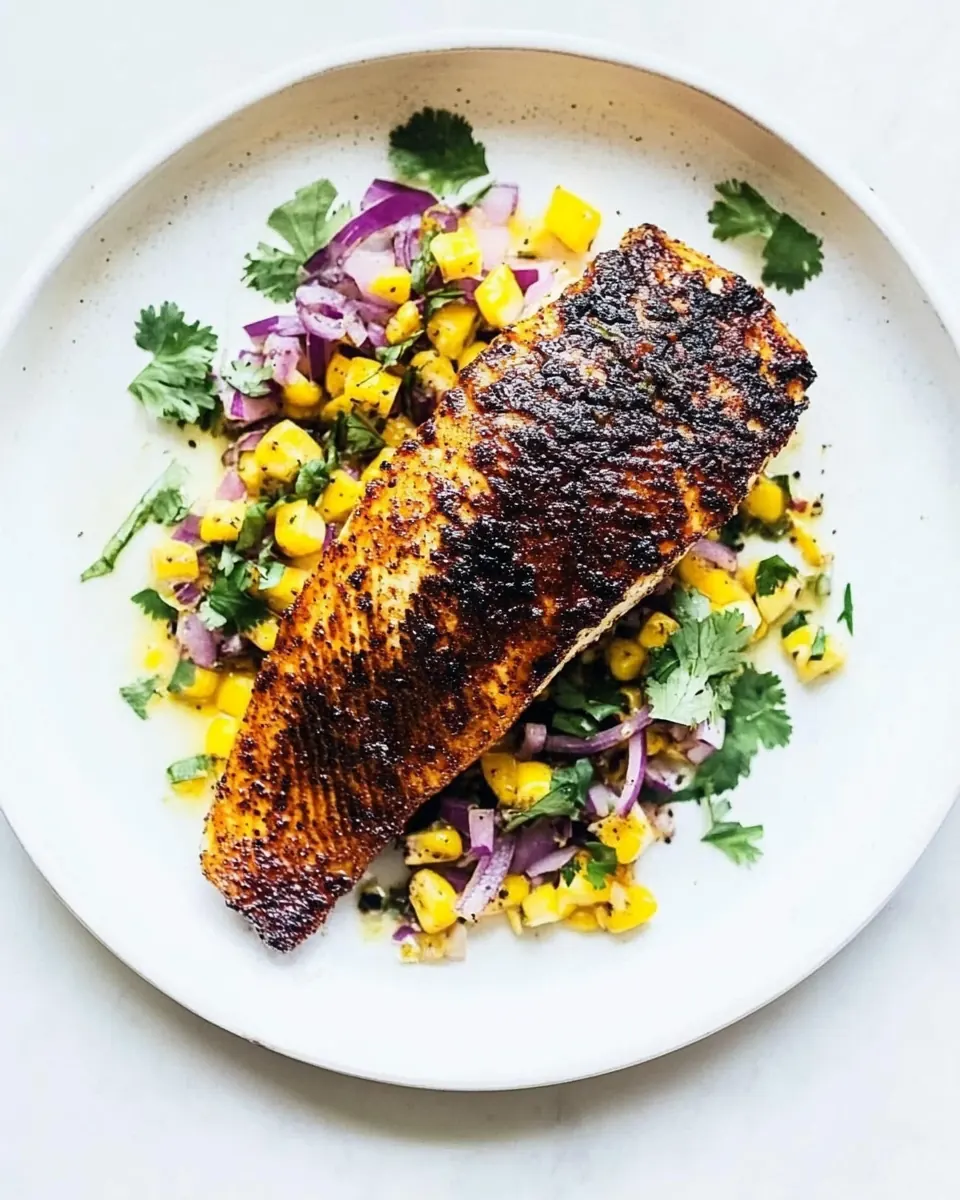
I like to think of the cooking as a series of short, focused moments: building the rice, waking up the beans, assembling the salsa, then finishing the fish. The following steps walk you through each moment, guiding your senses so you know what to look and listen for as the dish comes together.
- Dice a jalapeño and measure 5 tablespoons. Halve a red onion and cut one half into thin strips to get about 3/4 cup, then finely dice the other half to measure 1/2 cup. Finely chop cilantro to obtain 3/4 cup for the salsa and 3 tablespoons for the rice. Zest and juice the limes to get 4 tablespoons of juice and 1 teaspoon of zest. Cut the remaining lime into wedges for serving. Cook rice according to package directions.: The aroma of fresh jalapeño is bright and vegetal, with a green, slightly grassy note that lifts the whole dish. When you finely dice and measure, you ensure even distribution of heat across the rice and salsa. Listen for the faint crunch as you chop, and smell the spicy citrus top note that releases when you cut into the pepper. Be careful not to touch your eyes after handling the jalapeño , that's a common mistake that can cause irritation. Using a consistent dice keeps the texture uniform, so no single bite overpowers the others.
- Add 1 tablespoon olive oil to a large nonstick pan, and heat to medium-high heat. When oil is shimmering, add diced jalapeño and thinly sliced red onion. Sauté, stirring frequently, until softened. Add garlic and stir for 30 seconds. Add black beans and stir until warmed through, 2–3 minutes. Remove from heat and then add black bean mixture to the cooked rice. Add 2 tablespoons lime juice and 3 tablespoons diced cilantro. Season rice and beans mixture to taste with salt and pepper; I use about 1/2 teaspoon salt and 1/4 teaspoon pepper. Toss and taste for seasoning; adjust according to personal preference. Cover to keep warm and set aside.: The thin strips will soften and sweeten when sautéd, while the diced half stays crisp in the salsa to provide contrast. As the onion hits a hot pan later, you'll hear a gentle sizzle and smell a sweet, savory fragrance as sugars begin to brown. The tiny diced pieces release sharp, pungent notes that mellow with lime. Avoid overheating the thin strips until they burn, that will impart bitterness; cook them until translucent and slightly golden for best flavor.
- Add the remaining 2 tablespoons lime juice and 1 teaspoon zest to a bowl along with 3/4 cup diced cilantro, remaining 2 tablespoons diced jalapeño, remaining 1/2 cup diced red onion, and diced pineapple. Add salt and pepper to taste, I add about 1/4 teaspoon salt and 1/16 teaspoon pepper. Stir until combined and set aside.: Fresh cilantro smells bright and almost citrusy; chopping it right before use preserves volatile oils. The larger portion goes into the pineapple salsa to make it pop, while the small amount folded into the rice gives an herbal lift. A common mistake is over chopping cilantro into a paste; aim for a coarse chop so you maintain little bursts of leaf texture.
- Heat 1-1/2 tablespoons olive oil in the large nonstick pan you used for the beans over medium-high heat. Pat tilapia dry with a paper towel, season all over with mojo rub, 1 teaspoon salt, and pepper as desired. Gently rub seasoning on all sides of the fish. When oil is shimmering, add tilapia. Fry until browned on the bottom, about 3–5 minutes. Flip and cook until spices are blackened and fish is opaque and flakes easily with a fork, about 3–5 more minutes. Remove fish from the heat. Season with additional salt if needed.: The scent of lime zest is intensely aromatic, far more concentrated than the juice. Using both zest and juice builds a layered acidity that brightens rice, beans, and salsa. When squeezing the limes, roll them first to maximize juice yield, and strain if seeds escape. Avoid substituting bottled lime juice here, the fresh oils in the zest are essential for brightness.
- Divide the rice evenly between plates and add tilapia right on top. Generously spoon pineapple salsa on top of everything. Serve with fresh lime wedges and enjoy!: Lime wedges provide a final, interactive element on the plate that lets guests customize acidity. The tactile act of squeezing a wedge over hot tilapia releases a burst of fragrant citrus and a shine on the fish. Keep the wedges chilled until serving to retain their firmness and juiciness. Do not skip this step, a quick squeeze can dramatically lift the finished dish.
- Cook rice according to package directions: Properly cooked basmati rice should be fluffy and separate, not sticky. Smell the rice as it cooks, it will develop a delicate, nutty aroma; visually the grains will swell and become translucent at the edges. Fluff with a fork and let it rest briefly so moisture evens out. A common error is stirring too vigorously, which makes the grains clump; handle gently for the light texture you want under the beans and fish.
- Add 1 tablespoon olive oil to a large nonstick pan and heat to medium-high: The oil should shimmer but not smoke, indicating correct temperature for sautéeing. You'll hear a faint ripple when the oil is ready, and it will spread easily across the pan. Heating properly ensures the onion and jalapeño sauté quickly without soaking up oil. Overheating at this stage causes burning, so adjust heat to maintain a steady sizzle.
- Add diced jalapeño and thinly sliced red onion and sauté until softened: As these hit the pan, you will hear an active sizzle and smell the sweetening onion notes emerge. Stir frequently so they cook evenly and do not brown too quickly. Softened onions turn translucent and slightly golden, while jalapeño pieces mellow and release their heat. A typical mistake is undercooking; leaving them too crisp will keep a raw bite that clashes with the rest of the dish.
- Add garlic and stir for 30 seconds: The moment you add minced garlic , the kitchen fills with a warm, savory scent. Stirring briefly allows the garlic to bloom without burning, which is essential since burnt garlic becomes bitter. Watch closely and keep it moving for about the time specified, then proceed quickly to the next step. Burning the garlic is a common pitfall to avoid here.
- Add black beans and stir until warmed through: When the black beans hit the pan, they soak up the garlicky, onion flavored oil and begin to release an earthy, comforting aroma. Stir until they are heated and supple, about two to three minutes, so they integrate well into the rice later. Over stirring can break down the beans and make the mixture mushy, so be gentle while ensuring even warming.
- Remove from heat and add black bean mixture to cooked rice. Add lime juice and cilantro and season: Off heat, the combined rice and beans will syncretize as the lime and cilantro infuse warmth, releasing a fragrant citrusy steam. Toss gently to combine so every grain is coated. Taste and add salt and pepper incrementally to avoid over seasoning. A common mistake is to over salt at this stage; season cautiously and adjust after the fish is plated if needed.
- Add remaining lime juice, zest, cilantro, jalapeño, red onion, and pineapple; stir and set aside: The pineapple salsa should smell tropical and tangy, with the herbs and citrus harmonizing. Stir until combined so the juices mingle but the fruit remains intact. Letting it rest briefly allows flavors to marry. Avoid chopping pineapple too fine or it will lose texture; aim for small, bite sized dice to keep freshness and structure.
- Heat 1-1/2 tablespoons olive oil in the large nonstick pan over medium-high heat: For searing the tilapia , the pan should be hot and the oil shimmering, producing an immediate sizzle when the fillets hit the surface. This intense contact creates the blackened crust you want. Too cool and the fish will stick and steam rather than sear; too hot and the spices will burn, so aim for a lively but controlled heat.
- Pat tilapia dry, season all over with mojo rub, salt, and pepper: Drying the fillets is crucial to achieving a crisp crust, as surface moisture prevents proper searing. When the spices meet the dry surface, they form a gritty rub that chars attractively. Rub seasoning gently into the fish so it adheres. A frequent error is over seasoning in one place; distribute evenly so every bite is balanced.
- Add tilapia and fry until browned then flip and cook until opaque and flaky: As the fillets sear, you will hear a hearty sizzle and see the edges turn deep brown to blackened. The aroma transforms into smoky, toasty notes. After flipping, watch for the fish to turn opaque and flake easily when tested with a fork. Overcooking will yield dry, tough fillets, so remove promptly once flaky and just cooked through.
- Remove fish from heat and season with additional salt if needed: After resting briefly, taste and add a touch more salt if the crust needs brightening. Letting the fish rest off heat allows juices to settle and prevents them from escaping when you plate. Avoid heavy seasoning at this point; small adjustments are best to preserve delicate moisture and texture.
- Divide rice between plates, add tilapia on top, and spoon pineapple salsa generously: The final plating should be colorful and inviting, the warm rice forming a bed for the hot, blackened fillet and the cool, juicy salsa crowning everything. The contrast in temperature and texture is what makes the dish sing. A common misstep is adding salsa too early, which wilts it; spoon it on at the last moment for a fresh finish.
- Serve with fresh lime wedges and enjoy: A squeeze of fresh lime just before eating brightens the flavors and adds a pleasant tang. Encourage diners to add more to taste, as acidity is subjective. Serve immediately while the fish is hot and the salsa is cool and vibrant, ensuring the intended contrasts are preserved.
Change It Up
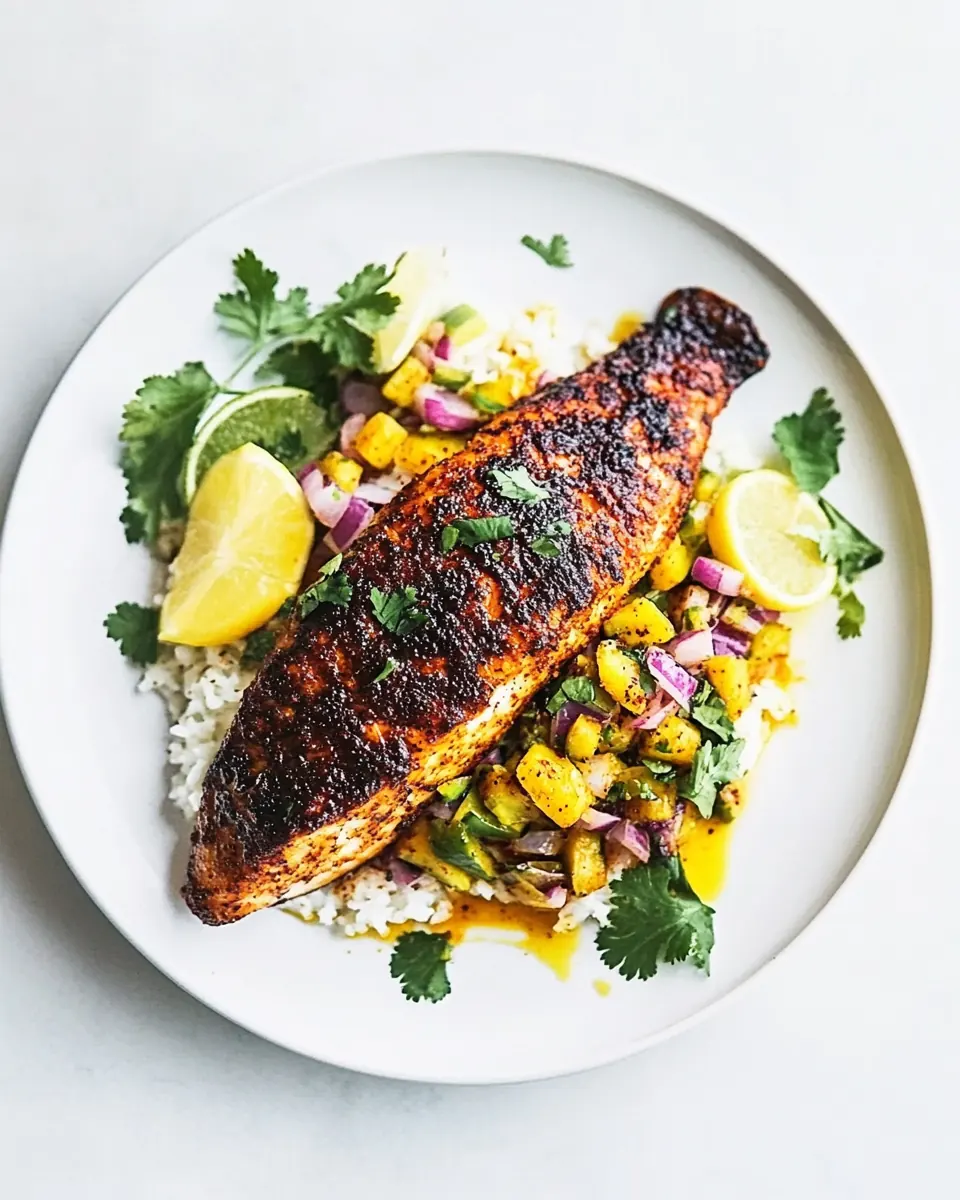
You can easily tweak this plate to suit different preferences or occasions. Here are practical variations and helpful ideas to keep the spirit of the dish while shifting flavor, texture, or presentation.
- Make it milder by removing the jalapeño seeds or reducing the amount used in the salsa and rice, which keeps flavor while dialing down the heat for sensitive palates.
- Boost the citrus by adding more lime zest into the rice, which will increase aromatic oils and add a stronger citrus note without extra acidity from juice.
- Extra salsa for dipping works great, store leftover pineapple salsa in a separate container and serve with chips or as a bright side to other proteins.
- Double the rice if you want more bulk for hungry eaters, the extra grains soak up the juices and make the meal more filling without changing technique.
- Prep ahead by chopping onions, cilantro, and pineapple in advance and keeping them refrigerated, then assemble the salsa just before serving for peak freshness.
Perfect Pairings for Blackened Tilapia
The dish pairs wonderfully with simple sides, seasonal produce, and occasions where bright, balanced flavors are welcome. Below are ideas for how to serve and when to bring this to the table.
- Side idea: Serve with the warm rice and black beans from the recipe for a complete plate that is filling and texturally satisfying, ideal for a casual dinner.
- Vegetable pairing: A crisp green salad dressed lightly with lime vinaigrette complements the richness of the blackened crust and adds a refreshing crunch.
- Occasions: Great for weeknight dinners, casual dinner parties, or summer gatherings where fresh pineapple and lime feel seasonally appropriate and festive.
- Serving style: Plate the rice first, nestle the hot tilapia on top, then spoon the chilled pineapple salsa over the fish so each bite integrates hot and cool elements.
- Storage tips: Keep leftover tilapia in an airtight container in the fridge for up to three days, and store salsa separately to preserve texture; reheat the fish gently to avoid drying.
- Seasonal note: This is a lovely summer recipe, when sweet pineapple and bright limes are at their peak, but it works any time you want a fresh, vibrant meal.
FAQ
Conclusion
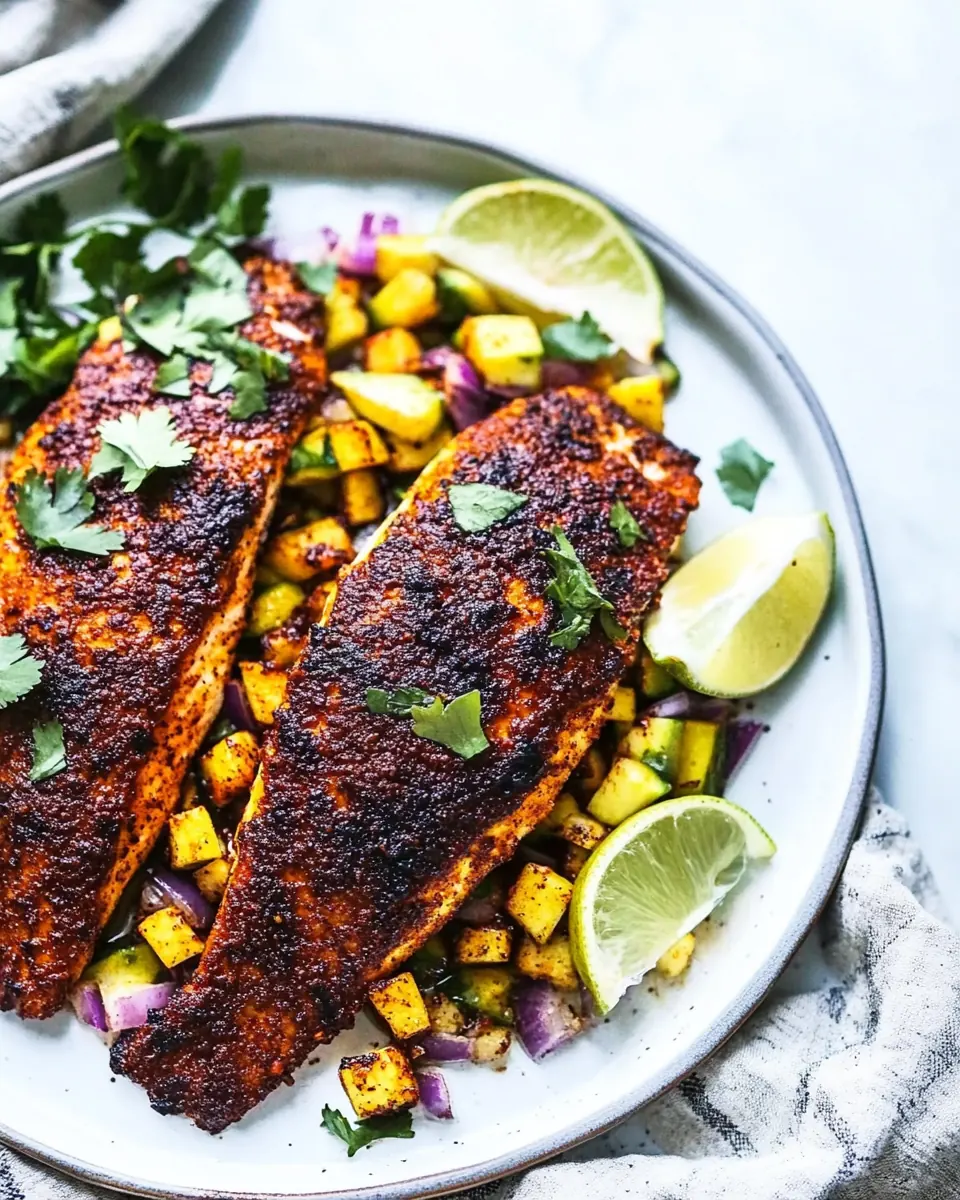
Blackened Tilapia shines because it pairs a smoky, peppery crust with a bright, sweet pineapple salsa for striking contrasts in flavor and texture. This approachable recipe is fast enough for weeknights yet special enough for guests, offering warm rice and beans that soak up every savory and citrusy bite. I encourage you to give it a try, take pride in the sizzling pan moments, and enjoy how a few fresh ingredients can transform a simple fish into a memorable meal.
Blackened Tilapia
Ingredients
Equipment
Method
- Dice a jalapeño and measure 5 tablespoons. Halve a red onion and cut one half into thin strips to get about 3/4 cup, then finely dice the other half to measure 1/2 cup. Finely chop cilantro to obtain 3/4 cup for the salsa and 3 tablespoons for the rice. Zest and juice the limes to get 4 tablespoons of juice and 1 teaspoon of zest. Cut the remaining lime into wedges for serving. Cook rice according to package directions.: The aroma of fresh jalapeño is bright and vegetal, with a green, slightly grassy note that lifts the whole dish. When you finely dice and measure, you ensure even distribution of heat across the rice and salsa. Listen for the faint crunch as you chop, and smell the spicy citrus top note that releases when you cut into the pepper. Be careful not to touch your eyes after handling the jalapeño , that's a common mistake that can cause irritation. Using a consistent dice keeps the texture uniform, so no single bite overpowers the others.
- Add 1 tablespoon olive oil to a large nonstick pan, and heat to medium-high heat. When oil is shimmering, add diced jalapeño and thinly sliced red onion. Sauté, stirring frequently, until softened. Add garlic and stir for 30 seconds. Add black beans and stir until warmed through, 2–3 minutes. Remove from heat and then add black bean mixture to the cooked rice. Add 2 tablespoons lime juice and 3 tablespoons diced cilantro. Season rice and beans mixture to taste with salt and pepper; I use about 1/2 teaspoon salt and 1/4 teaspoon pepper. Toss and taste for seasoning; adjust according to personal preference. Cover to keep warm and set aside.: The thin strips will soften and sweeten when sautéd, while the diced half stays crisp in the salsa to provide contrast. As the onion hits a hot pan later, you'll hear a gentle sizzle and smell a sweet, savory fragrance as sugars begin to brown. The tiny diced pieces release sharp, pungent notes that mellow with lime. Avoid overheating the thin strips until they burn, that will impart bitterness; cook them until translucent and slightly golden for best flavor.
- Add the remaining 2 tablespoons lime juice and 1 teaspoon zest to a bowl along with 3/4 cup diced cilantro, remaining 2 tablespoons diced jalapeño, remaining 1/2 cup diced red onion, and diced pineapple. Add salt and pepper to taste, I add about 1/4 teaspoon salt and 1/16 teaspoon pepper. Stir until combined and set aside.: Fresh cilantro smells bright and almost citrusy; chopping it right before use preserves volatile oils. The larger portion goes into the pineapple salsa to make it pop, while the small amount folded into the rice gives an herbal lift. A common mistake is over chopping cilantro into a paste; aim for a coarse chop so you maintain little bursts of leaf texture.
- Heat 1-1/2 tablespoons olive oil in the large nonstick pan you used for the beans over medium-high heat. Pat tilapia dry with a paper towel, season all over with mojo rub, 1 teaspoon salt, and pepper as desired. Gently rub seasoning on all sides of the fish. When oil is shimmering, add tilapia. Fry until browned on the bottom, about 3–5 minutes. Flip and cook until spices are blackened and fish is opaque and flakes easily with a fork, about 3–5 more minutes. Remove fish from the heat. Season with additional salt if needed.: The scent of lime zest is intensely aromatic, far more concentrated than the juice. Using both zest and juice builds a layered acidity that brightens rice, beans, and salsa. When squeezing the limes, roll them first to maximize juice yield, and strain if seeds escape. Avoid substituting bottled lime juice here, the fresh oils in the zest are essential for brightness.
- Divide the rice evenly between plates and add tilapia right on top. Generously spoon pineapple salsa on top of everything. Serve with fresh lime wedges and enjoy!: Lime wedges provide a final, interactive element on the plate that lets guests customize acidity. The tactile act of squeezing a wedge over hot tilapia releases a burst of fragrant citrus and a shine on the fish. Keep the wedges chilled until serving to retain their firmness and juiciness. Do not skip this step, a quick squeeze can dramatically lift the finished dish.
- Cook rice according to package directions: Properly cooked basmati rice should be fluffy and separate, not sticky. Smell the rice as it cooks, it will develop a delicate, nutty aroma; visually the grains will swell and become translucent at the edges. Fluff with a fork and let it rest briefly so moisture evens out. A common error is stirring too vigorously, which makes the grains clump; handle gently for the light texture you want under the beans and fish.
- Add 1 tablespoon olive oil to a large nonstick pan and heat to medium-high: The oil should shimmer but not smoke, indicating correct temperature for sautéeing. You'll hear a faint ripple when the oil is ready, and it will spread easily across the pan. Heating properly ensures the onion and jalapeño sauté quickly without soaking up oil. Overheating at this stage causes burning, so adjust heat to maintain a steady sizzle.
- Add diced jalapeño and thinly sliced red onion and sauté until softened: As these hit the pan, you will hear an active sizzle and smell the sweetening onion notes emerge. Stir frequently so they cook evenly and do not brown too quickly. Softened onions turn translucent and slightly golden, while jalapeño pieces mellow and release their heat. A typical mistake is undercooking; leaving them too crisp will keep a raw bite that clashes with the rest of the dish.
- Add garlic and stir for 30 seconds: The moment you add minced garlic , the kitchen fills with a warm, savory scent. Stirring briefly allows the garlic to bloom without burning, which is essential since burnt garlic becomes bitter. Watch closely and keep it moving for about the time specified, then proceed quickly to the next step. Burning the garlic is a common pitfall to avoid here.
- Add black beans and stir until warmed through: When the black beans hit the pan, they soak up the garlicky, onion flavored oil and begin to release an earthy, comforting aroma. Stir until they are heated and supple, about two to three minutes, so they integrate well into the rice later. Over stirring can break down the beans and make the mixture mushy, so be gentle while ensuring even warming.
- Remove from heat and add black bean mixture to cooked rice. Add lime juice and cilantro and season: Off heat, the combined rice and beans will syncretize as the lime and cilantro infuse warmth, releasing a fragrant citrusy steam. Toss gently to combine so every grain is coated. Taste and add salt and pepper incrementally to avoid over seasoning. A common mistake is to over salt at this stage; season cautiously and adjust after the fish is plated if needed.
- Add remaining lime juice, zest, cilantro, jalapeño, red onion, and pineapple; stir and set aside: The pineapple salsa should smell tropical and tangy, with the herbs and citrus harmonizing. Stir until combined so the juices mingle but the fruit remains intact. Letting it rest briefly allows flavors to marry. Avoid chopping pineapple too fine or it will lose texture; aim for small, bite sized dice to keep freshness and structure.
- Heat 1-1/2 tablespoons olive oil in the large nonstick pan over medium-high heat: For searing the tilapia , the pan should be hot and the oil shimmering, producing an immediate sizzle when the fillets hit the surface. This intense contact creates the blackened crust you want. Too cool and the fish will stick and steam rather than sear; too hot and the spices will burn, so aim for a lively but controlled heat.
- Pat tilapia dry, season all over with mojo rub, salt, and pepper: Drying the fillets is crucial to achieving a crisp crust, as surface moisture prevents proper searing. When the spices meet the dry surface, they form a gritty rub that chars attractively. Rub seasoning gently into the fish so it adheres. A frequent error is over seasoning in one place; distribute evenly so every bite is balanced.
- Add tilapia and fry until browned then flip and cook until opaque and flaky: As the fillets sear, you will hear a hearty sizzle and see the edges turn deep brown to blackened. The aroma transforms into smoky, toasty notes. After flipping, watch for the fish to turn opaque and flake easily when tested with a fork. Overcooking will yield dry, tough fillets, so remove promptly once flaky and just cooked through.
- Remove fish from heat and season with additional salt if needed: After resting briefly, taste and add a touch more salt if the crust needs brightening. Letting the fish rest off heat allows juices to settle and prevents them from escaping when you plate. Avoid heavy seasoning at this point; small adjustments are best to preserve delicate moisture and texture.
- Divide rice between plates, add tilapia on top, and spoon pineapple salsa generously: The final plating should be colorful and inviting, the warm rice forming a bed for the hot, blackened fillet and the cool, juicy salsa crowning everything. The contrast in temperature and texture is what makes the dish sing. A common misstep is adding salsa too early, which wilts it; spoon it on at the last moment for a fresh finish.
- Serve with fresh lime wedges and enjoy: A squeeze of fresh lime just before eating brightens the flavors and adds a pleasant tang. Encourage diners to add more to taste, as acidity is subjective. Serve immediately while the fish is hot and the salsa is cool and vibrant, ensuring the intended contrasts are preserved.
Notes
- Make it milder by removing the jalapeño seeds or reducing the amount used in the salsa and rice, which keeps flavor while dialing down the heat for sensitive palates.
- Boost the citrus by adding more lime zest into the rice, which will increase aromatic oils and add a stronger citrus note without extra acidity from juice.
- Extra salsa for dipping works great, store leftover pineapple salsa in a separate container and serve with chips or as a bright side to other proteins.
- Double the rice if you want more bulk for hungry eaters, the extra grains soak up the juices and make the meal more filling without changing technique.
- Prep ahead by chopping onions, cilantro, and pineapple in advance and keeping them refrigerated, then assemble the salsa just before serving for peak freshness.