Chicken Noodle Egg Drop Soup
Chicken Noodle Egg Drop Soup is the kind of bowl I reach for when I want something that feels like a warm hug and a clever twist all at once.
Years ago I learned to make this at a weekend family gathering where everyone had a job, and my role was always the noodle taster. I remember standing over a steaming pot while the kitchen filled with the smell of simmering chicken and roasted garlic, and someone drizzled a little toasted sesame oil at the last minute. That tiny flourish changed the whole memory of the meal for me, so now I repeat it whenever I want that same comforting finish. The texture contrast between soft wide egg noodles and the delicate ribbons from the beaten eggs keeps each spoonful interesting, and friends always comment on how the soup tastes homemade in the best possible way.
I like to make a big pot on a quiet afternoon, letting the stock simmer low while I tidy up and listen to music. Pulling the meat off the cooled bird feels oddly satisfying, and the double strain gives the broth a clarity that makes the soup sing. When guests arrive, the kitchen smells like effort and care, and people notice. I usually set out bowls of herbs so everyone can garnish to taste, and someone inevitably asks for the recipe. That question never gets old.
Recipe Snapshot
3 hr 45 mins
180 mins
45 mins
Hard
350 kcal
American
Gluten-Free, Paleo
Soups
Large stock pot, Fine mesh strainer, Ladle, Measuring cup
Why This Chicken Noodle Egg Drop Soup Stands Out
Deep, soulful flavor from the homemade stock
I cook this soup the way my grandmother taught me, letting the chicken, carrots, celery, and a halved onion simmer until the whole kitchen smells rich and savory. The long simmer extracts collagen and flavor, giving the broth a rounded mouthfeel that store bought stocks rarely match.
Textural contrast that keeps every bite interesting
The combination of wide egg noodles and the silken ribbons of beaten egg is delightful. The noodles soak up some broth while staying tender, and the egg ribbons add a glossy, silky element that feels elegant yet comforting.
Flexible and forgiving for home cooks
Because you start with a full pot of stock, this recipe is very forgiving. You can make a large batch, freeze portions, or add extra water when reheating. The soup adapts to your preferences, whether you want it noodle heavy or more brothy.
Bright finishing touches that elevate it
A squeeze of lemon juice and a tiny drizzle of toasted sesame oil at the end lift the flavors beautifully. The citrus brightens the broth and the sesame oil adds an umami note that rounds everything out.
Great for sharing and special moments
This soup is ideal for family dinners, chilly evenings, or when you need to feed a crowd. It stores and reheats well, so it works for busy weeks or as a make ahead dish for gatherings.
Chicken Noodle Egg Drop Soup Ingredients
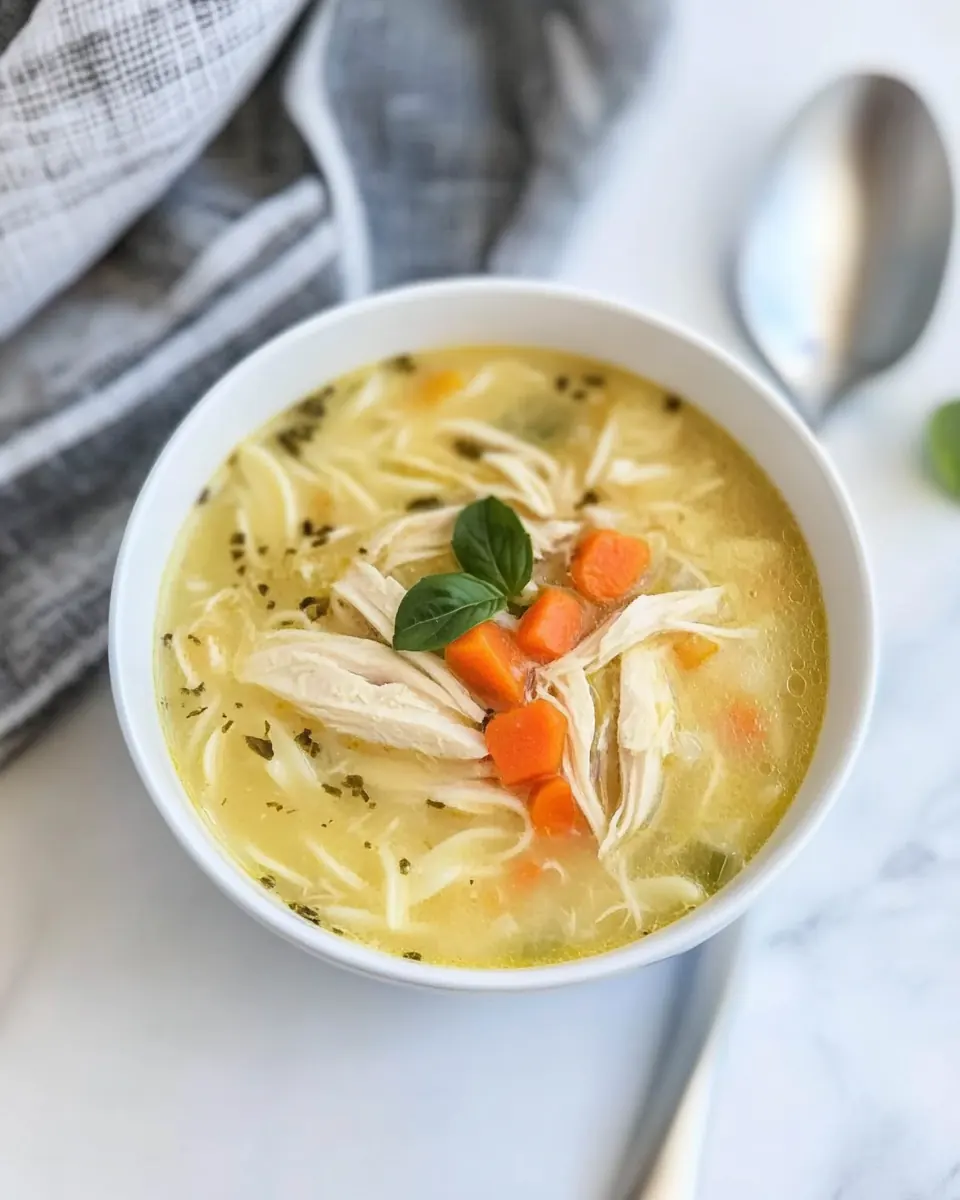
These ingredients form a classic, layered soup structure where each player contributes something distinct. The whole chicken and aromatics make a long simmered stock that becomes the backbone. Root vegetables like carrots and celery add sweetness and body, while the wide egg noodles give comforting chew. Finishing touches such as a squeeze of lemon and a drizzle of toasted sesame oil punch up the flavor and leave a memorable last impression.
- 13 to 4 pound whole chicken: Roast or simmer to create a rich, gelatinous base for the broth that provides body and deep chicken flavor for the soup.
- 4 whole carrots: Peel and chop to add natural sweetness, color, and modest texture to the broth during simmering, balancing savory flavors.
- 3 celery stalks: Trim and roughly chop to contribute aromatic, slightly bitter notes and a subtle vegetal backbone to the stock.
- 1 onion, cut in half: Halve and add to the simmering pot to impart savory aromatics and a mild sweetness that rounds the broth.
- 1 head of garlic, top sliced off: Cut the top to expose cloves and roast or add whole to infuse the stock with mellow, caramelized garlic flavor and depth.
- 1 to 2 bay leaves: Tuck into the pot while simmering to introduce an earthy, slightly floral layer that enhances the overall complexity of the broth.
- a handful of fresh herbs, including thyme, sage, parsley: Bundle or scatter during simmering to release bright, herbaceous, and slightly savory notes that lift and freshen the stock.
- 1/2 teaspoon kosher salt: Dissolve into the simmering liquid to season the stock, help draw flavors from the chicken and vegetables, and control overall seasoning.
- 1/2 teaspoon whole peppercorns: Crush or leave whole in the stock to lend subtle heat and aromatic punctuations that brighten the savory profile of the broth.
- 1 to 2 tablespoons unsalted butter: Melt in a pot to sauté aromatics, adding a silky mouthfeel and gentle richness that supports the soup’s overall texture.
- 1 sweet onion, diced: Sauté until translucent to build sweet and savory layers of flavor that form the aromatic base for the finished soup.
- 2/3 cups sliced carrots: Slice and simmer or sauté to provide tender vegetable bites and reinforce the carrot flavor already present in the stock.
- 1/2 cup diced celery: Dice and cook with aromatics to add crunchy, herbaceous texture and mild, celery-like savoriness to the noodle soup.
- 1 1/2 cups shredded or cubed chicken breast: Shred or cube and fold into the finished broth to provide lean protein, tender bites, and continuation of the chicken flavor.
- 8 to 12 ounces wide egg noodles: Boil until tender in the broth to offer a broad, chewy pasta element that soaks up flavor and provides comforting texture.
- 1/2 lemon, juiced: Squeeze into the finished soup to add bright acidity that cuts through richness and balances the savory flavors.
- salt and pepper to taste: Season the finished soup to personal taste to fine-tune saltiness and enhance the overall flavor balance of the bowl.
- 1 to 2 large eggs, per bowl: Whisk and drizzle into individual bowls to create silky strands and a delicate, custardy texture typical of egg-drop soups.
- chopped fresh herbs, for garnish: Chop finely and sprinkle over the finished bowls to add fresh color, herbal aroma, and a bright finishing note.
- toasted sesame oil, for drizzling: Drizzle sparingly at the end to introduce a nutty, toasted aroma and a touch of savory richness that complements the egg.
Step by Step Instructions for Chicken Noodle Egg Drop Soup
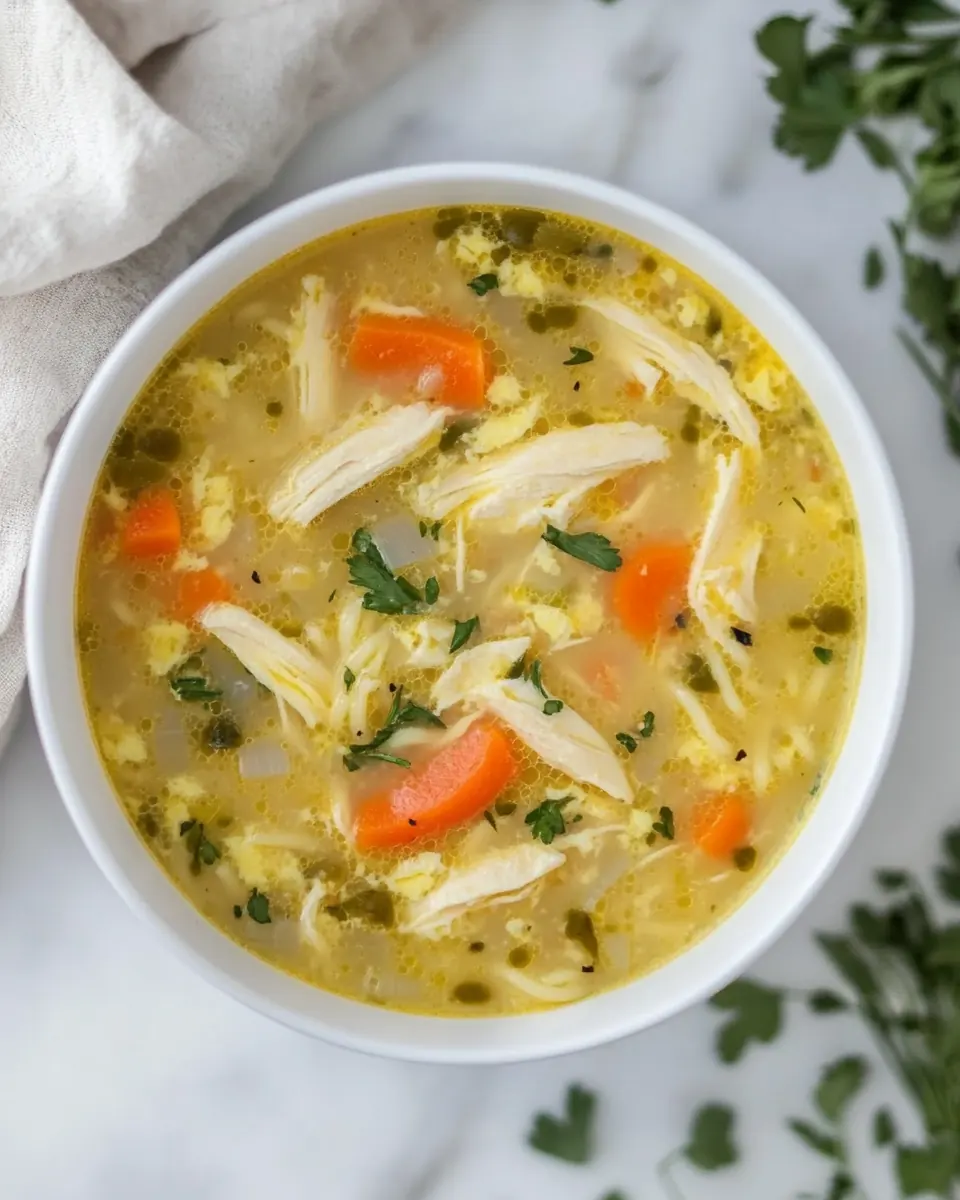
These steps transform a pot of simmered ingredients into a balanced, comforting soup. I wrote these directions to follow the natural order of building flavor, from stock to sauté to final assembly. Read through each step before you start, and keep your station organized so you can add the beaten eggs at the perfect moment.
- To make the stock, place the whole chicken, carrots, celery, onion, garlic, bay leaves, herbs, salt and pepper in a large stock pot. Cover the ingredients with water – enough to cover them by an inch or so. I usually use about 4 quarts (a gallon!) of water total and I find that makes for a very flavorful stock!: The room will fill with an earthy aroma as the water covers the ingredients, and that first gentle heat draws flavors from the chicken and aromatics. I aim for a calm simmer because it teases collagen from the bones without clouding the broth, and you will notice small bubbles rising slowly rather than a roiling boil. While it starts heating, make sure the chicken is fully submerged by about an inch so extraction is even. A common misstep is using too high heat which creates foam and a cloudy stock, so keep the temperature controlled and skim any foam that rises to the surface.
- Bring the stock to a boil, then reduce it to a simmer and cover it. I tend to leave the lid very slightly cracked – enough so the stock doesn’t boil over, but not enough that the liquid evaporates. As you’re cooking the stock, you can skin the foam off the top. I let my stock simmer for 2 to 3 hours.: You will hear the pot move from aggressive bubbling to a steady faint murmur as it moves into simmer mode; that sound is what you want for long extraction. I crack the lid slightly to keep steam from building and evaporating too quickly. As you simmer for two to three hours, aromatic steam fills the kitchen and the liquid will take on a deep golden color, a sign the flavors are concentrating. If too much evaporates, add hot water to maintain level. Avoid boiling hard, which breaks proteins into the broth and makes it cloudy.
- When it’s finished, I discard the vegetables and herbs. I place the chicken on a large platter to cool and then pull the meat from the chicken.: When you strain, the stock should smell rich and clean, and the softened vegetables will be spent of flavor. Transfer the chicken to a platter and let it cool until you can handle it; the meat will release easily and feel tender when properly cooked. I use tongs and forks to pull meat off the bones, aiming for consistent shredding or cubing. A common oversight is shredding while the meat is too hot which leads to fat fingers and splashes, so rest it briefly first.
- I like to double strain the chicken stock. I place a fine mesh strainer over a large bowl or measuring cup and strain the stock once. This catches any loose herbs, vegetables or pieces of chicken. I then strain it one more time the same way.: Pouring the broth through a fine mesh strainer once and then again gives you a crystal clear liquid that feels refined. You will notice tiny bits and fine herbs captured in the first pass, and the second pass polishes it. The visual difference matters when serving because a clear broth looks and tastes more elegant. Avoid pushing solids through the strainer, which leads to grit in the finished soup.
- I like to use the chicken from the whole bird that I use to make the stock. I always see conflicting information about this (some people think it’s flavorless, others think it’s dry, etc), but I think it works great and we love it. If you’d like to discard the entire chicken and meat, you can always use a store bought rotisserie chicken or cook other chicken breasts to get the meat for your soup.: Using this cooked chicken layers flavor and keeps the soup cohesive; the meat will have absorbed some of the stock and tastes integrated. If you prefer, store bought rotisserie meat works but the depth will differ. I find the pulled meat cooks back into the soup beautifully because it has already been infused with flavor. A mistake here is over shredding into tiny pieces which can make the texture too uniform; leave some chunkiness for interest.
- To make the soup, heat the same stock pot over medium heat. Add the butter and once it’s melted, add the onions, carrots and celery with a pinch of salt and pepper. Cook, stirring often, until the vegetables soften, about 6 to 8 minutes.: When the unsalted butter melts and the vegetables hit the pot, you will hear a gentle sizzle and smell a sweet savory lift as the onions soften. Stir frequently so the pieces soften evenly and develop a little translucence without browning, which keeps the soup bright in flavor. This step builds a flavorful base and helps the vegetables keep their texture in the final dish. Avoid high heat which browns the vegetables and changes the intended profile.
- Stir the chicken into the vegetables. Add the stock back into the pot. I usually add it all back in and this makes a large portion of chicken noodle soup! Depending on how many people you are feeding, you can take the soup and freeze it at this point, before adding the noodles. The noodles will soak up the liquid, so you want to add those in shortly before serving.: As the shredded or cubed chicken warms with the softened vegetables, aromas deepen and the mixture becomes cohesive. Pour the previously strained stock back in and watch the pot steam as everything reconnects. If you are planning to freeze portions, this is a good moment to portion and freeze before adding noodles because they will swell over time. A common slip is adding noodles too early, making the broth overly starchy and the noodles gummy.
- Bring the mixture to a simmer. If you like a noodle heavy soup, you can go with a full 12 ounces. If you want a more brothy soup, start with 8 ounces. Add the noodles and within 15 minutes, the soup should be ready to serve. Squeeze in the lemon juice. Taste the soup and season it additionally with salt and pepper if desired.: The pot will steam and you will see the broth move gently; add wide egg noodles according to how brothy you want the soup to be. If you want more noodles use the higher amount, if you want more broth use the lower amount. The noodles will soften within about 15 minutes and slightly thicken the broth, so watch for tenderness and taste frequently. Overcooking the noodles makes them fall apart, so remove the pot from heat as soon as they are tender to the bite.
- To serve bowls of the egg drop soup, take 1 to 2 eggs (your preference!) and lightly beat them in small bowl of measuring cup. Ladle the hot soup into bowls (this is the key! You want it to be hot!) and immediately drizzle in the beaten egg in a slow stream. Use your spoon to slowly swirl the soup back and forth.: The citrus brightens the whole pot and you will notice the broth lift immediately, turning from rich to lively. Add salt and pepper gradually and taste because the noodles absorb seasoning; you want the final bowl to taste balanced. A mistake is over salting early; always adjust at the end.
- You can garnish the soup with fresh parsley or cilantro, as well as a drop of toasted sesame oil if you wish!: Ladle the hot soup into a bowl and stream the beaten eggs in a thin ribbon while stirring the surface gently. The heat will coagulate the egg into delicate ribbons that look silky and feel smooth in the mouth. This technique creates visual contrast and luscious texture, and you should do it at serving temperature rather than boiling to keep the ribbons tender. Avoid pouring eggs into lukewarm soup which will not form proper ribbons.
- Garnish with fresh herbs and a drop of toasted sesame oil: A sprinkle of chopped fresh herbs and a tiny drizzle of toasted sesame oil finishes the bowl with aroma and a nutty pop. The herbal brightness and sesame note round the soup and make it feel restaurant quality while staying homey. Use the oil sparingly, as too much overwhelms the delicate broth.
Recipe Variations about Chicken Noodle Egg Drop Soup
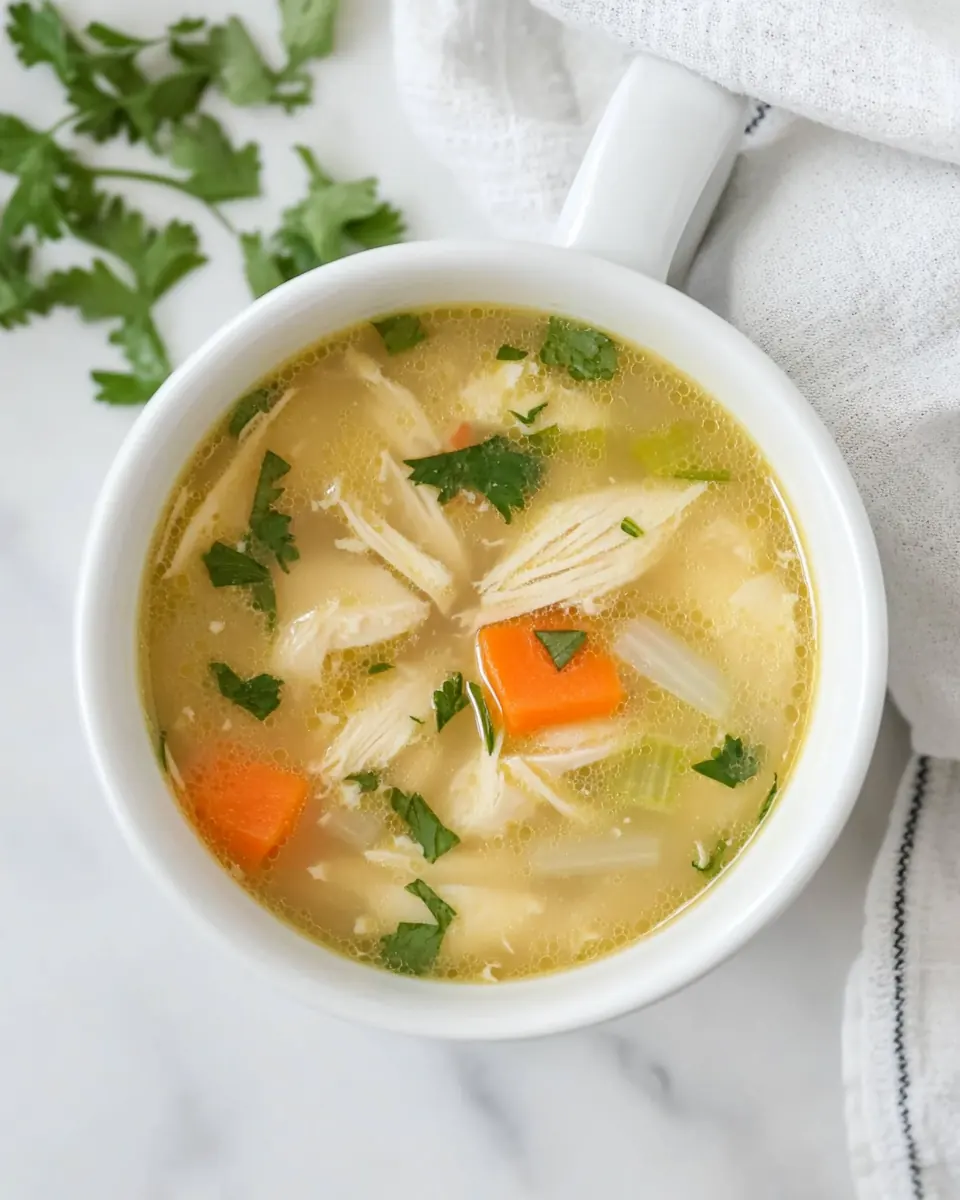
This section explores variations and useful tweaks to make the soup your own. The list covers ways to change texture, intensity, and presentation while staying true to the recipe’s spirit.
- Make it more brothy by using 8 ounces of wide egg noodles and keeping the simmer time shorter for the pasta, so the broth remains the star.
- More noodle forward use 12 ounces of wide egg noodles, which soaks up more liquid and creates a heartier bowl ideal for colder nights.
- Use rotisserie chicken for a shortcut, shredding the meat and adding it to the sautéed vegetables if you prefer not to simmer a whole bird.
- Freeze portions before adding noodles, so you can reheat later with fresh noodles added at serving, preventing soggy pasta.
- Adjust egg ribbons by adding one egg per bowl for a subtler silkiness, or two eggs for a more luxurious texture per serving.
Perfect Matches for Chicken Noodle Egg Drop Soup
This soup pairs well with simple sides and fits many occasions. Below are serving ideas, storage guidance, and situations where the dish shines.
- Light lunch pairing serve with a crisp green salad and a squeeze of lemon to keep the meal bright and balanced.
- Comforting dinner offer warm crusty bread for dipping and a side of quick roasted vegetables to round out the plate.
- Family gatherings make a large pot and set out garnishes like fresh chopped herbs and extra toasted sesame oil for personalization.
- Ramadan iftar this soup makes a gentle opener after a long fast, offering warmth and hydration without being heavy.
- Storage tips refrigerate up to four days, and when reheating add a splash of water or stock to loosen the noodles and bring gently to a simmer.
- Freezing freeze the soup before adding noodles for up to three months, then add fresh egg noodles when you reheat for best texture.
- Seasonal pairing it is especially comforting in winter when warming brothy dishes feel most welcome.
FAQ
Conclusion
This Chicken Noodle Egg Drop Soup stands out because it marries deep homemade stock with silky egg ribbons and tender wide noodles for a comforting but refined bowl. Give it a try on a chilly evening or when you need an easy, satisfying meal that feels special. I hope you enjoy the layers of flavor and the small finishing touches that make this soup feel both familiar and a little elevated.
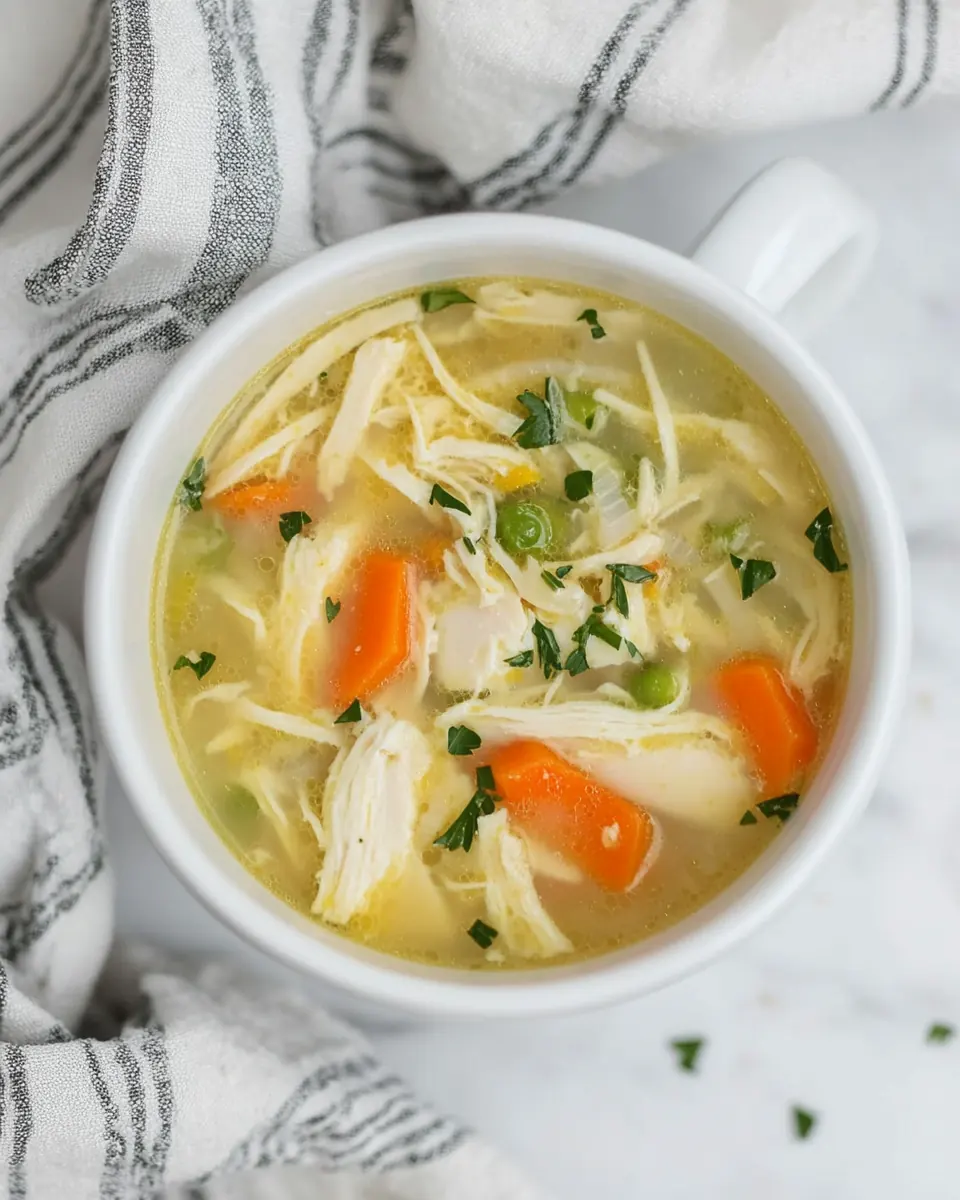
Chicken Noodle Egg Drop Soup
Ingredients
Equipment
Method
- To make the stock, place the whole chicken, carrots, celery, onion, garlic, bay leaves, herbs, salt and pepper in a large stock pot. Cover the ingredients with water – enough to cover them by an inch or so. I usually use about 4 quarts (a gallon!) of water total and I find that makes for a very flavorful stock!: The room will fill with an earthy aroma as the water covers the ingredients, and that first gentle heat draws flavors from the chicken and aromatics. I aim for a calm simmer because it teases collagen from the bones without clouding the broth, and you will notice small bubbles rising slowly rather than a roiling boil. While it starts heating, make sure the chicken is fully submerged by about an inch so extraction is even. A common misstep is using too high heat which creates foam and a cloudy stock, so keep the temperature controlled and skim any foam that rises to the surface.
- Bring the stock to a boil, then reduce it to a simmer and cover it. I tend to leave the lid very slightly cracked – enough so the stock doesn’t boil over, but not enough that the liquid evaporates. As you’re cooking the stock, you can skin the foam off the top. I let my stock simmer for 2 to 3 hours.: You will hear the pot move from aggressive bubbling to a steady faint murmur as it moves into simmer mode; that sound is what you want for long extraction. I crack the lid slightly to keep steam from building and evaporating too quickly. As you simmer for two to three hours, aromatic steam fills the kitchen and the liquid will take on a deep golden color, a sign the flavors are concentrating. If too much evaporates, add hot water to maintain level. Avoid boiling hard, which breaks proteins into the broth and makes it cloudy.
- When it’s finished, I discard the vegetables and herbs. I place the chicken on a large platter to cool and then pull the meat from the chicken.: When you strain, the stock should smell rich and clean, and the softened vegetables will be spent of flavor. Transfer the chicken to a platter and let it cool until you can handle it; the meat will release easily and feel tender when properly cooked. I use tongs and forks to pull meat off the bones, aiming for consistent shredding or cubing. A common oversight is shredding while the meat is too hot which leads to fat fingers and splashes, so rest it briefly first.
- I like to double strain the chicken stock. I place a fine mesh strainer over a large bowl or measuring cup and strain the stock once. This catches any loose herbs, vegetables or pieces of chicken. I then strain it one more time the same way.: Pouring the broth through a fine mesh strainer once and then again gives you a crystal clear liquid that feels refined. You will notice tiny bits and fine herbs captured in the first pass, and the second pass polishes it. The visual difference matters when serving because a clear broth looks and tastes more elegant. Avoid pushing solids through the strainer, which leads to grit in the finished soup.
- I like to use the chicken from the whole bird that I use to make the stock. I always see conflicting information about this (some people think it’s flavorless, others think it’s dry, etc), but I think it works great and we love it. If you’d like to discard the entire chicken and meat, you can always use a store bought rotisserie chicken or cook other chicken breasts to get the meat for your soup.: Using this cooked chicken layers flavor and keeps the soup cohesive; the meat will have absorbed some of the stock and tastes integrated. If you prefer, store bought rotisserie meat works but the depth will differ. I find the pulled meat cooks back into the soup beautifully because it has already been infused with flavor. A mistake here is over shredding into tiny pieces which can make the texture too uniform; leave some chunkiness for interest.
- To make the soup, heat the same stock pot over medium heat. Add the butter and once it’s melted, add the onions, carrots and celery with a pinch of salt and pepper. Cook, stirring often, until the vegetables soften, about 6 to 8 minutes.: When the unsalted butter melts and the vegetables hit the pot, you will hear a gentle sizzle and smell a sweet savory lift as the onions soften. Stir frequently so the pieces soften evenly and develop a little translucence without browning, which keeps the soup bright in flavor. This step builds a flavorful base and helps the vegetables keep their texture in the final dish. Avoid high heat which browns the vegetables and changes the intended profile.
- Stir the chicken into the vegetables. Add the stock back into the pot. I usually add it all back in and this makes a large portion of chicken noodle soup! Depending on how many people you are feeding, you can take the soup and freeze it at this point, before adding the noodles. The noodles will soak up the liquid, so you want to add those in shortly before serving.: As the shredded or cubed chicken warms with the softened vegetables, aromas deepen and the mixture becomes cohesive. Pour the previously strained stock back in and watch the pot steam as everything reconnects. If you are planning to freeze portions, this is a good moment to portion and freeze before adding noodles because they will swell over time. A common slip is adding noodles too early, making the broth overly starchy and the noodles gummy.
- Bring the mixture to a simmer. If you like a noodle heavy soup, you can go with a full 12 ounces. If you want a more brothy soup, start with 8 ounces. Add the noodles and within 15 minutes, the soup should be ready to serve. Squeeze in the lemon juice. Taste the soup and season it additionally with salt and pepper if desired.: The pot will steam and you will see the broth move gently; add wide egg noodles according to how brothy you want the soup to be. If you want more noodles use the higher amount, if you want more broth use the lower amount. The noodles will soften within about 15 minutes and slightly thicken the broth, so watch for tenderness and taste frequently. Overcooking the noodles makes them fall apart, so remove the pot from heat as soon as they are tender to the bite.
- To serve bowls of the egg drop soup, take 1 to 2 eggs (your preference!) and lightly beat them in small bowl of measuring cup. Ladle the hot soup into bowls (this is the key! You want it to be hot!) and immediately drizzle in the beaten egg in a slow stream. Use your spoon to slowly swirl the soup back and forth.: The citrus brightens the whole pot and you will notice the broth lift immediately, turning from rich to lively. Add salt and pepper gradually and taste because the noodles absorb seasoning; you want the final bowl to taste balanced. A mistake is over salting early; always adjust at the end.
- You can garnish the soup with fresh parsley or cilantro, as well as a drop of toasted sesame oil if you wish!: Ladle the hot soup into a bowl and stream the beaten eggs in a thin ribbon while stirring the surface gently. The heat will coagulate the egg into delicate ribbons that look silky and feel smooth in the mouth. This technique creates visual contrast and luscious texture, and you should do it at serving temperature rather than boiling to keep the ribbons tender. Avoid pouring eggs into lukewarm soup which will not form proper ribbons.
- Garnish with fresh herbs and a drop of toasted sesame oil: A sprinkle of chopped fresh herbs and a tiny drizzle of toasted sesame oil finishes the bowl with aroma and a nutty pop. The herbal brightness and sesame note round the soup and make it feel restaurant quality while staying homey. Use the oil sparingly, as too much overwhelms the delicate broth.
Notes
- Make it more brothy by using 8 ounces of wide egg noodles and keeping the simmer time shorter for the pasta, so the broth remains the star.
- More noodle forward use 12 ounces of wide egg noodles, which soaks up more liquid and creates a heartier bowl ideal for colder nights.
- Use rotisserie chicken for a shortcut, shredding the meat and adding it to the sautéed vegetables if you prefer not to simmer a whole bird.
- Freeze portions before adding noodles, so you can reheat later with fresh noodles added at serving, preventing soggy pasta.
- Adjust egg ribbons by adding one egg per bowl for a subtler silkiness, or two eggs for a more luxurious texture per serving.