Dice a jalapeño and measure 5 tablespoons. Halve a red onion and cut one half into thin strips to get about 3/4 cup, then finely dice the other half to measure 1/2 cup. Finely chop cilantro to obtain 3/4 cup for the salsa and 3 tablespoons for the rice. Zest and juice the limes to get 4 tablespoons of juice and 1 teaspoon of zest. Cut the remaining lime into wedges for serving. Cook rice according to package directions.: The aroma of fresh jalapeño is bright and vegetal, with a green, slightly grassy note that lifts the whole dish. When you finely dice and measure, you ensure even distribution of heat across the rice and salsa. Listen for the faint crunch as you chop, and smell the spicy citrus top note that releases when you cut into the pepper. Be careful not to touch your eyes after handling the jalapeño , that's a common mistake that can cause irritation. Using a consistent dice keeps the texture uniform, so no single bite overpowers the others.
Add 1 tablespoon olive oil to a large nonstick pan, and heat to medium-high heat. When oil is shimmering, add diced jalapeño and thinly sliced red onion. Sauté, stirring frequently, until softened. Add garlic and stir for 30 seconds. Add black beans and stir until warmed through, 2–3 minutes. Remove from heat and then add black bean mixture to the cooked rice. Add 2 tablespoons lime juice and 3 tablespoons diced cilantro. Season rice and beans mixture to taste with salt and pepper; I use about 1/2 teaspoon salt and 1/4 teaspoon pepper. Toss and taste for seasoning; adjust according to personal preference. Cover to keep warm and set aside.: The thin strips will soften and sweeten when sautéd, while the diced half stays crisp in the salsa to provide contrast. As the onion hits a hot pan later, you'll hear a gentle sizzle and smell a sweet, savory fragrance as sugars begin to brown. The tiny diced pieces release sharp, pungent notes that mellow with lime. Avoid overheating the thin strips until they burn, that will impart bitterness; cook them until translucent and slightly golden for best flavor.
Add the remaining 2 tablespoons lime juice and 1 teaspoon zest to a bowl along with 3/4 cup diced cilantro, remaining 2 tablespoons diced jalapeño, remaining 1/2 cup diced red onion, and diced pineapple. Add salt and pepper to taste, I add about 1/4 teaspoon salt and 1/16 teaspoon pepper. Stir until combined and set aside.: Fresh cilantro smells bright and almost citrusy; chopping it right before use preserves volatile oils. The larger portion goes into the pineapple salsa to make it pop, while the small amount folded into the rice gives an herbal lift. A common mistake is over chopping cilantro into a paste; aim for a coarse chop so you maintain little bursts of leaf texture.
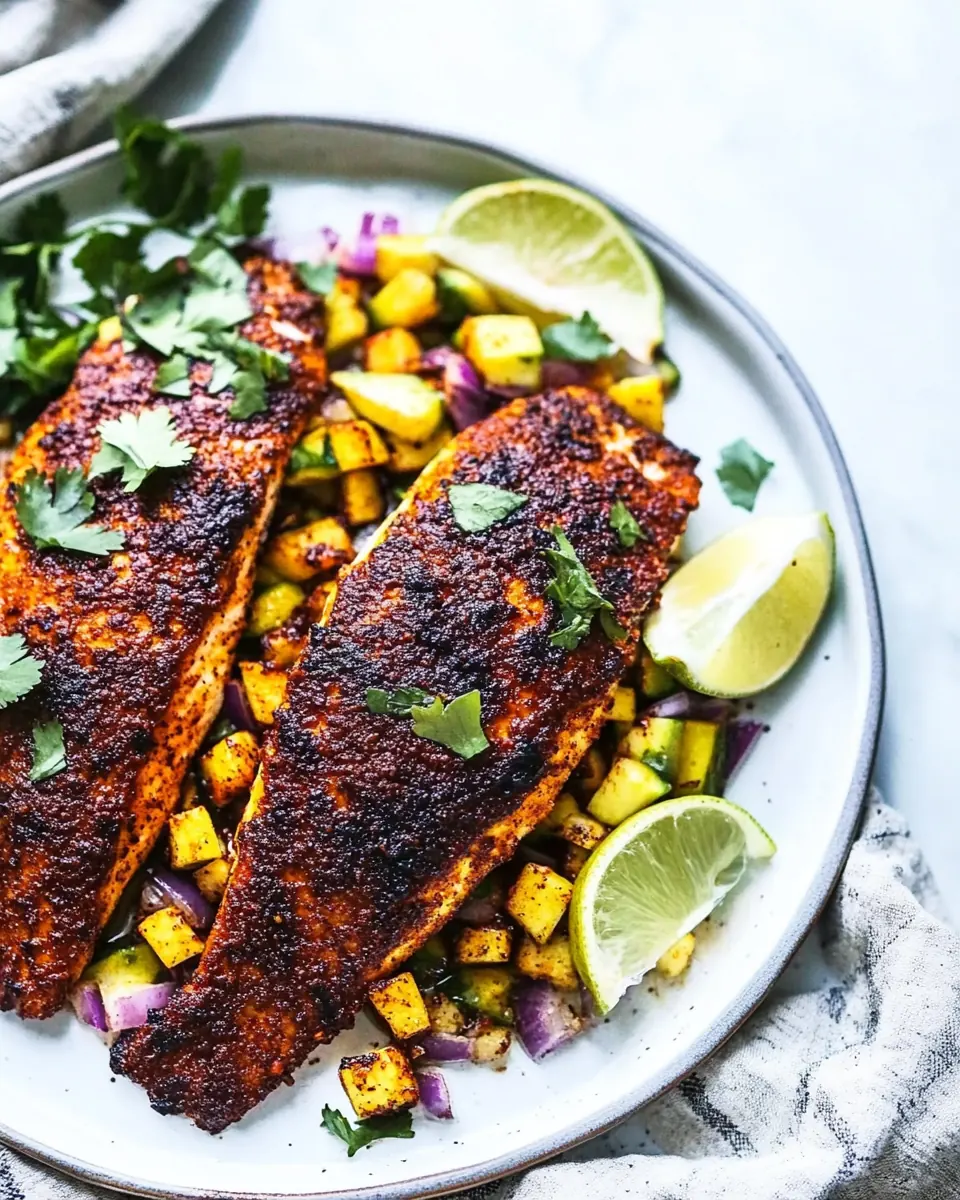
Heat 1-1/2 tablespoons olive oil in the large nonstick pan you used for the beans over medium-high heat. Pat tilapia dry with a paper towel, season all over with mojo rub, 1 teaspoon salt, and pepper as desired. Gently rub seasoning on all sides of the fish. When oil is shimmering, add tilapia. Fry until browned on the bottom, about 3–5 minutes. Flip and cook until spices are blackened and fish is opaque and flakes easily with a fork, about 3–5 more minutes. Remove fish from the heat. Season with additional salt if needed.: The scent of lime zest is intensely aromatic, far more concentrated than the juice. Using both zest and juice builds a layered acidity that brightens rice, beans, and salsa. When squeezing the limes, roll them first to maximize juice yield, and strain if seeds escape. Avoid substituting bottled lime juice here, the fresh oils in the zest are essential for brightness.
Divide the rice evenly between plates and add tilapia right on top. Generously spoon pineapple salsa on top of everything. Serve with fresh lime wedges and enjoy!: Lime wedges provide a final, interactive element on the plate that lets guests customize acidity. The tactile act of squeezing a wedge over hot tilapia releases a burst of fragrant citrus and a shine on the fish. Keep the wedges chilled until serving to retain their firmness and juiciness. Do not skip this step, a quick squeeze can dramatically lift the finished dish.
Cook rice according to package directions: Properly cooked basmati rice should be fluffy and separate, not sticky. Smell the rice as it cooks, it will develop a delicate, nutty aroma; visually the grains will swell and become translucent at the edges. Fluff with a fork and let it rest briefly so moisture evens out. A common error is stirring too vigorously, which makes the grains clump; handle gently for the light texture you want under the beans and fish.
Add 1 tablespoon olive oil to a large nonstick pan and heat to medium-high: The oil should shimmer but not smoke, indicating correct temperature for sautéeing. You'll hear a faint ripple when the oil is ready, and it will spread easily across the pan. Heating properly ensures the onion and jalapeño sauté quickly without soaking up oil. Overheating at this stage causes burning, so adjust heat to maintain a steady sizzle.
Add diced jalapeño and thinly sliced red onion and sauté until softened: As these hit the pan, you will hear an active sizzle and smell the sweetening onion notes emerge. Stir frequently so they cook evenly and do not brown too quickly. Softened onions turn translucent and slightly golden, while jalapeño pieces mellow and release their heat. A typical mistake is undercooking; leaving them too crisp will keep a raw bite that clashes with the rest of the dish.
Add garlic and stir for 30 seconds: The moment you add minced garlic , the kitchen fills with a warm, savory scent. Stirring briefly allows the garlic to bloom without burning, which is essential since burnt garlic becomes bitter. Watch closely and keep it moving for about the time specified, then proceed quickly to the next step. Burning the garlic is a common pitfall to avoid here.
Add black beans and stir until warmed through: When the black beans hit the pan, they soak up the garlicky, onion flavored oil and begin to release an earthy, comforting aroma. Stir until they are heated and supple, about two to three minutes, so they integrate well into the rice later. Over stirring can break down the beans and make the mixture mushy, so be gentle while ensuring even warming.
Remove from heat and add black bean mixture to cooked rice. Add lime juice and cilantro and season: Off heat, the combined rice and beans will syncretize as the lime and cilantro infuse warmth, releasing a fragrant citrusy steam. Toss gently to combine so every grain is coated. Taste and add salt and pepper incrementally to avoid over seasoning. A common mistake is to over salt at this stage; season cautiously and adjust after the fish is plated if needed.
Add remaining lime juice, zest, cilantro, jalapeño, red onion, and pineapple; stir and set aside: The pineapple salsa should smell tropical and tangy, with the herbs and citrus harmonizing. Stir until combined so the juices mingle but the fruit remains intact. Letting it rest briefly allows flavors to marry. Avoid chopping pineapple too fine or it will lose texture; aim for small, bite sized dice to keep freshness and structure.
Heat 1-1/2 tablespoons olive oil in the large nonstick pan over medium-high heat: For searing the tilapia , the pan should be hot and the oil shimmering, producing an immediate sizzle when the fillets hit the surface. This intense contact creates the blackened crust you want. Too cool and the fish will stick and steam rather than sear; too hot and the spices will burn, so aim for a lively but controlled heat.
Pat tilapia dry, season all over with mojo rub, salt, and pepper: Drying the fillets is crucial to achieving a crisp crust, as surface moisture prevents proper searing. When the spices meet the dry surface, they form a gritty rub that chars attractively. Rub seasoning gently into the fish so it adheres. A frequent error is over seasoning in one place; distribute evenly so every bite is balanced.
Add tilapia and fry until browned then flip and cook until opaque and flaky: As the fillets sear, you will hear a hearty sizzle and see the edges turn deep brown to blackened. The aroma transforms into smoky, toasty notes. After flipping, watch for the fish to turn opaque and flake easily when tested with a fork. Overcooking will yield dry, tough fillets, so remove promptly once flaky and just cooked through.
Remove fish from heat and season with additional salt if needed: After resting briefly, taste and add a touch more salt if the crust needs brightening. Letting the fish rest off heat allows juices to settle and prevents them from escaping when you plate. Avoid heavy seasoning at this point; small adjustments are best to preserve delicate moisture and texture.
Divide rice between plates, add tilapia on top, and spoon pineapple salsa generously: The final plating should be colorful and inviting, the warm rice forming a bed for the hot, blackened fillet and the cool, juicy salsa crowning everything. The contrast in temperature and texture is what makes the dish sing. A common misstep is adding salsa too early, which wilts it; spoon it on at the last moment for a fresh finish.
Serve with fresh lime wedges and enjoy: A squeeze of fresh lime just before eating brightens the flavors and adds a pleasant tang. Encourage diners to add more to taste, as acidity is subjective. Serve immediately while the fish is hot and the salsa is cool and vibrant, ensuring the intended contrasts are preserved.