Broccoli Cheddar Soup
Broccoli Cheddar Soup has been my go to for chilly evenings when I want comfort without heaviness. The first time I made it, I was coming home from a long shift and needed something fast yet soothing, so I pulled together simple pantry staples and ended up with a bowl that felt like a warm hug. I remember standing over the pot, stirring slowly, and breathing in the savory scent of leek and garlic as the kitchen filled with steam. It instantly felt like medicine for the soul.
Since then, Broccoli Cheddar Soup has become my fallback when I need to impress guests or just feed the family with minimal fuss. I often use the stems as much as the florets, because they add structure and an almost sweet green note once cooked down. I like to save a few bright green florets to blanch and place on top, they make the presentation feel thoughtful without any extra effort. Over time I learned little tricks that keep this soup velvety without heavy cream, and I enjoy sharing those with friends who lean on pantry friendly cooking.
Recipe Snapshot
50 mins
20 mins
30 mins
Medium
250 kcal
American
Gluten-Free, Vegan
Soups
Large pot
What We Adore About This Broccoli Cheddar Soup
Comfort without heaviness
I love that Broccoli Cheddar Soup manages to feel indulgent and light at the same time. The texture is creamy from the purée and cheese, but the recipe uses no cream, so it never sits heavy. That balance makes it a go to when I want something soothing after a long day, yet not overly rich.
Smart use of humble vegetables
What stands out to me is how the simple trio of leek, carrot, and celery builds a deep savory base. I appreciate recipes that rely on technique rather than a long ingredient list, and this one delivers a layered vegetable flavor without fuss. It feels honest and homey.
Speed and approachability
This recipe is straightforward, and I can usually have it on the table in under an hour. Because the steps are clear and forgiving, I often make it on busy weeknights. It is the kind of dish I’m comfortable making when friends drop by unexpectedly.
Flexible for presentation
I adore the way a few blanched broccoli florets or a sprinkle of extra shredded cheddar can elevate the bowl from casual to guest worthy. It’s an easy canvas for small finishing touches, and that makes it fun to plate for company.
Freezer friendly and reliable
I value recipes that store well, and this soup freezes beautifully. I make a double batch when I have the time, and it becomes a lifesaver. Knowing you can make it ahead and reheat without losing much quality is one more reason I keep returning to this version.
Ingredient List for Broccoli Cheddar Soup
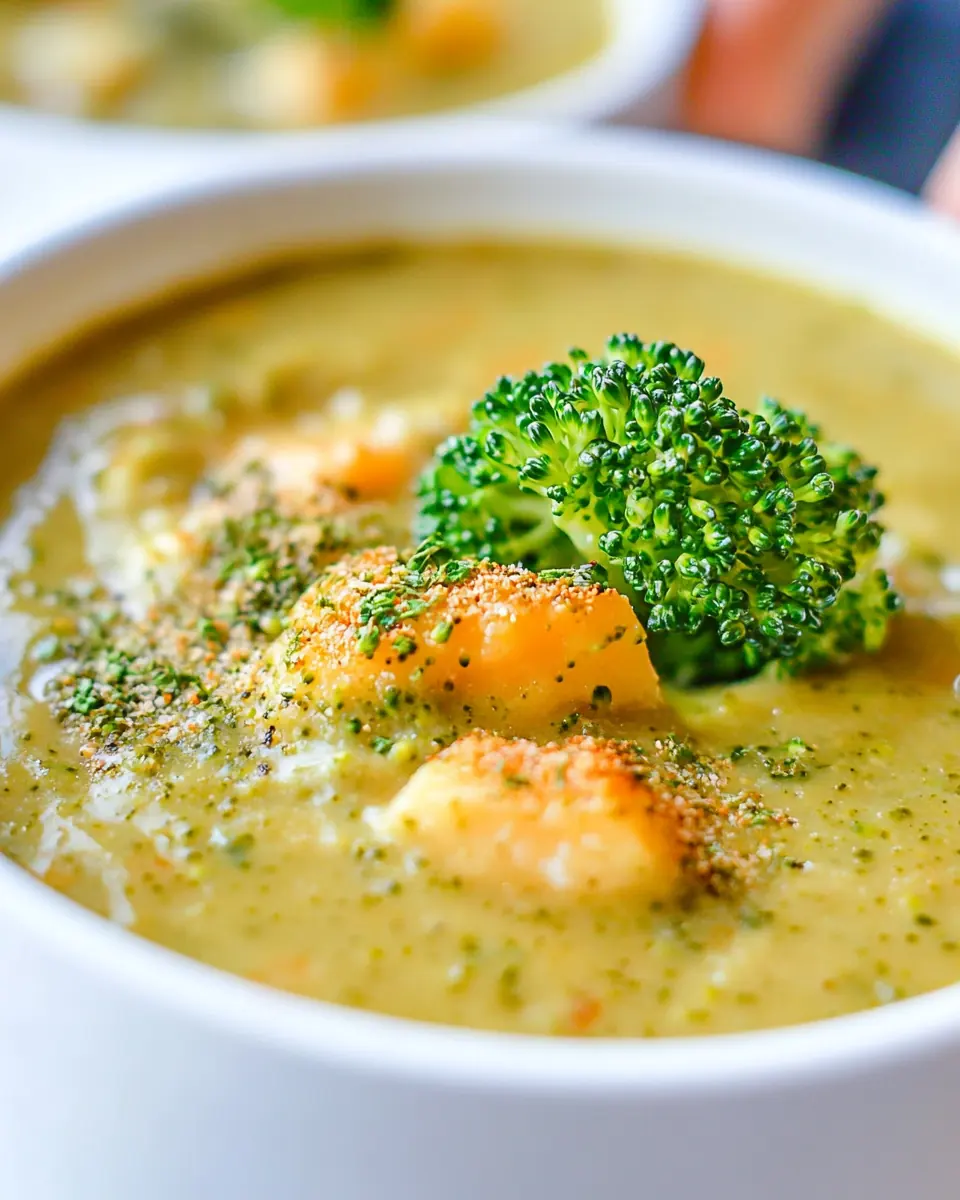
I think of these ingredients as a small orchestra where each player has a distinct job. The broccoli provides bright, vegetal body, while the leek, carrot, and celery form a savory foundation that sings when softened. The flour creates a light thickening veil, and the cheddar folds in to add creamy, tangy richness. Everything works together to produce a soup that tastes far more complex than the short list suggests.
- 2 tablespoon olive oil: Heat and add richness and a light fruity flavor to the base; use to sauté aromatics until softened and slightly translucent, forming the flavor foundation of the soup.
- 2 tablespoon unsalted butter: Melt and contribute a creamy mouthfeel and nutty depth; combine with oil to brown aromatics gently and help create a roux when flour is added for thickening.
- 1 leek white and pale green parts, sliced: Slice and impart a mild onion-like sweetness and subtle vegetal complexity; cook until tender to release gentle aromatics that complement the soup’s savory profile.
- 1 carrot chopped, or thinly sliced: Chop and provide natural sweetness and body; soften through cooking to build layered flavor and add faint textural contrast in the finished soup.
- 1 celery rib chopped: Chop and add vegetal savoriness and aromatic depth; sweat with other vegetables to round out the soup’s base and provide subtle earthy notes.
- 1 garlic clove minced: Mince and contribute pungent, savory aroma and flavor; cook briefly to mellow sharpness and infuse the broth with an umami boost.
- 1 1/2 heads broccoli stems and tops cut into florets (save some florets for steaming or blanching for garnish): Cut and supply fresh green flavor and substantial texture; cook stems and florets until tender so they blend smoothly while some reserved florets can be steamed for garnish.
- 1/4 cup all-purpose flour: Measure and incorporate thickening starch and slight toasty flavor; stir into melted fat to form a roux that will thicken the broth into a velvety soup consistency.
- 5 cups chicken broth: Pour and supply the savory liquid base and depth of flavor; simmer with vegetables and roux to create the soup’s body and balance its seasonings.
- 8 oz cheddar cheese shredded: Shred and deliver sharp, creamy, and savory dairy richness; melt into the hot soup off-heat to create a smooth, cheesy texture and pronounced cheddar flavor.
- 2 teaspoon Kosher salt: Measure and season for balanced savory taste and proper seasoning; add gradually and taste to avoid over-salting while enhancing all other flavors.
- 1 teaspoon black pepper: Measure and add mild heat and earthy sharpness; grind into the soup to bring subtle spice and enhance the overall flavor profile without overpowering.
Making Broccoli Cheddar Soup
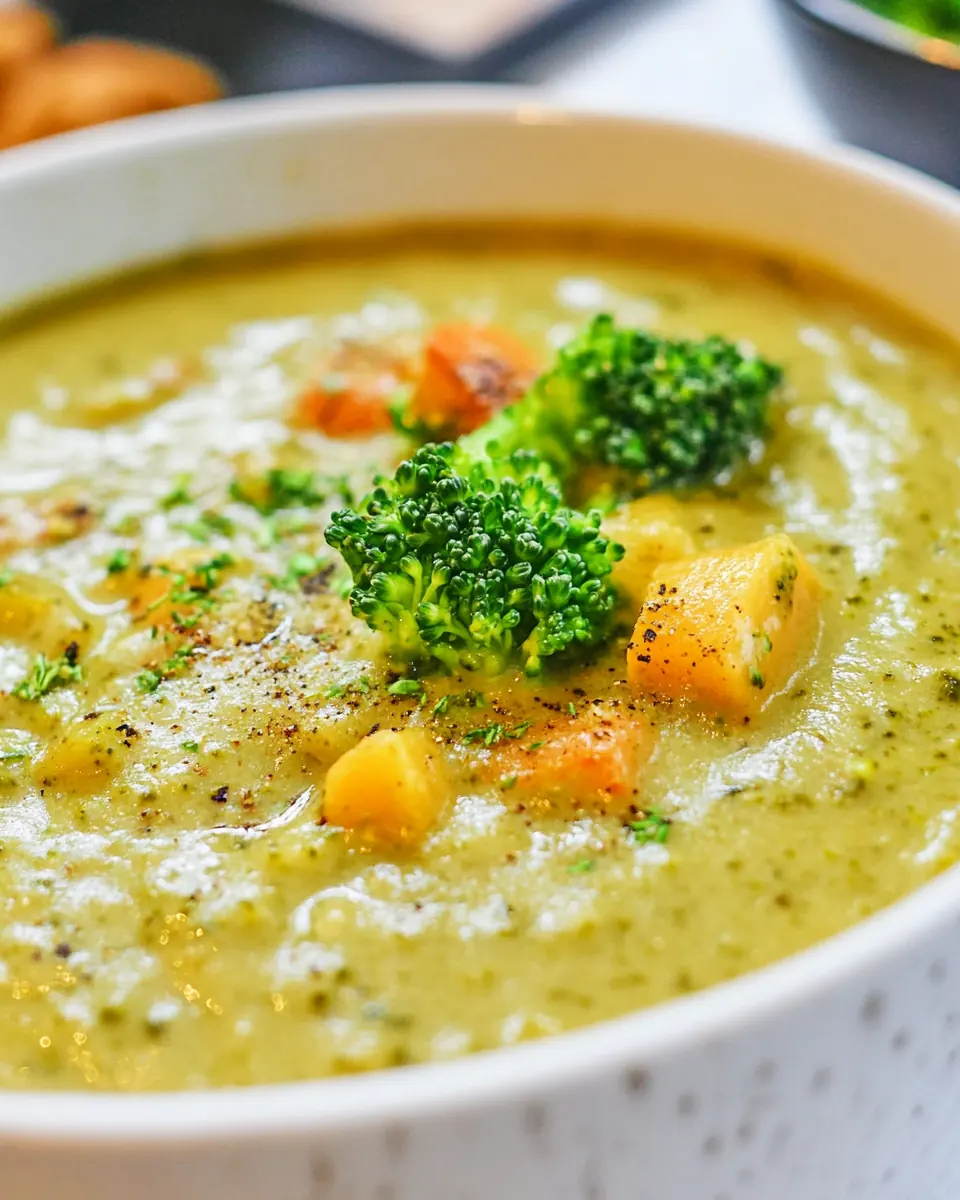
I like to keep the instructions conversational so you can cook alongside me mentally. These steps transform raw vegetables into a creamy bowl through gentle cooking, thickening, and careful melting of cheese. Read each step fully, and you will recognize the sensory cues that tell you when to move on. Below, I expand each direction so you know what to look, smell, and listen for while avoiding common pitfalls.
- In a large pot, preferably a Dutch oven, heat the oil over medium heat until shimmering. Add the butter and stir until melted.: The pan will give off a faint, glossy shimmer from the olive oil , and the moment the butter melts it will foam gently and soften the surface sheen. You should hear a quiet, almost whispering hiss, not a loud crackle, which tells you the temperature is steady and suitable for softening aromatics. This layer of fat is important because it helps carry flavors from the vegetables into the liquid, producing a rounded mouthfeel later. If the pan gets too hot you risk browning the butter and creating bitter notes, so reduce heat if you see darkening or smell burning. Stir continuously until the butter fully integrates into the oil and forms a glossy base. A common mistake is rushing this step and cranking up the heat which leads to uneven cooking of the vegetables and an acrid scent, so be patient and watch the color of the butter.
- Add the leek, carrot, celery, and garlic. Cook, stirring frequently, until they are tender, about 8 minutes.: You will notice the smell shift from neutral fats to sweet vegetal aromatics as the leek , carrot , and celery soften. Stirring releases steam and prevents sticking, and after several minutes the edges of the vegetables take on a translucent sheen. The garlic should become fragrant without browning; if you smell a toasty garlic aroma, pull back the heat to avoid bitterness. These softened vegetables form the savory backbone, so patience here pays dividends in depth of flavor. If pieces brown too quickly it can change the final profile, so aim for gentle sweating rather than searing. Taste a small piece to ensure it is tender, and adjust time as needed, remembering stovetops can vary.
- Stir in the broccoli.: At this point you will add the chopped broccoli , and the pot should exhale a bright, green scent as the steam rises. Visually the mixture gains volume and color, and the broccoli will sit among the softened vegetables. This is the stage where the soup begins to take its primary identity, so distribute the florets evenly for consistent cooking. If the pot feels crowded, stir to settle pieces and ensure even contact with the warm fats. A mistake here is adding particularly large chunks that remain undercooked later, so aim for similar sized florets and slices of stem for even tenderness.
- Sprinkle the broccoli mixture with the flour and mix well.: You will dust the vegetables with flour , which will look like a light pale film at first, then hydrate as you stir. The flour binds with the fats and forms a roux like coating that thickens the soup when the liquid is introduced. As you mix, it may take a minute for the flour to fully disappear into the vegetables; watch for a faint toasting aroma which indicates the raw flavor is cooking out. If you skip this or do not cook the flour briefly, the finished bowl can taste pasty, so take a moment to combine thoroughly and cook for a short interval until the raw flour scent mellows.
- Stir in the broth and bring to a simmer over medium-high heat.: When the chicken broth hits the pan you will hear a gentle bubbling as it warms, and the mixture loosens into a soupy consistency. Bringing it to a simmer activates the thickening power of the flour and extracts deeper flavor from the vegetables. You should see small, steady bubbles breaking the surface, not a vigorous rolling boil which can break down texture too quickly. Allowing everything to come together at this temperature helps the starches release evenly. A common error is boiling too hard which can make the broccoli overcook and the soup thin or grainy, so aim for a gentle simmer.
- Reduce the heat to medium and simmer, with the lid on, but ajar, until the broccoli is very tender, about 20 minutes. Remove from the heat.: As the pot simmers with the lid slightly open, fragrant steam will escape and the kitchen will fill with a rounded, vegetal aroma. The broccoli should become very tender so it mashes easily with a spoon. This long simmer is crucial because it softens stems and allows flavors to meld into a unified base. If you close the lid fully you may trap too much moisture, and if you simmer on too high a setting the edges can overcook unevenly. Test tenderness by piercing a stalk with a fork; it should yield with little resistance. Remove the pot from the heat to stop further cooking once tenderness is achieved.
- Purée the soup with a hand-held immersion blender, or very carefully, working in batches, transfer the soup to a blender and purée.: You will notice an immediate change as the vegetables transform into a smooth texture, and the color will brighten into a vibrant green. Use an immersion blender for control, pulsing until you reach a velvety consistency, or work in blender batches, venting the lid slightly to avoid pressure build up. The purée stage determines the mouthfeel, so blend until silky but not overly frothy. One mistake people make is blending too aggressively which can introduce air and change the texture; pulse gently and stop when the texture looks silky and even. If the soup is too thick after blending, return it to the pot and stir in a little extra broth to reach the desired consistency.
- Add the soup back into the pot and simmer over medium-low heat.: Returning the puréed soup to the pot lets flavors knit and residual steam evaporate slightly, concentrating taste. On medium low you want a gentle heat that keeps the soup warm without boiling, because high heat can alter cheese melting later. As it simmers, the aroma deepens and the surface may show small, even bubbles. Stir occasionally to prevent sticking to the base, and keep the temperature steady. A frequent misstep is raising the heat too high here, which will make the next step of adding cheese problematic, so be deliberate and patient.
- A handful at a time, add the Cheddar cheese to the soup, and let it melt.: Add the shredded cheddar gradually, letting each addition melt fully before adding more, which keeps the texture smooth and prevents clumping. You will see the cheese soften and fold into the soup, turning it creamier and giving off a warm, savory aroma. Stir continuously in a figure eight motion so the melted cheese integrates and the fat emulsifies into the liquid. If you dump all the cheese in at once, it can seize into stringy clumps, so take your time and maintain a gentle heat. Taste as you go for the ideal cheese intensity.
- Season with salt and pepper.: At the end you will bring forward the seasoning using Kosher salt and black pepper . Season slowly, tasting frequently, because the chicken broth and cheddar already contribute salt. The black pepper adds warmth and balance, so crack it fresh if possible for brightness. Over seasoning is a common error, and if it happens you can dilute slightly with extra broth, but it is easier to add than to subtract, so proceed conservatively and adjust to your preference.
- Serve piping hot topped with a few blanched florets!: The final presentation includes a few reserved blanched broccoli florets placed on top which add visual contrast and a fresh, crunchy bite. Serve immediately while the soup is steaming; you should see gentle wisps of steam rising and smell the complete bouquet of vegetables and cheese. If you let it sit too long, the surface can form a slight skin and the texture may tighten, so plan to serve right away. A tip is to ladle into warm bowls so the soup remains hot longer at the table.
Customization Ideas

I like to offer a handful of customization ideas to make this soup your own. Below are expanded tips that honor the original flavor while giving choices for texture, richness, and presentation. Each suggestion starts with a bold phrase so you can scan quickly and decide what will suit your meal.
- Swap broth for vegetable broth if you prefer, using a high quality vegetable broth keeps the soup vegetarian friendly while maintaining savory depth. If you choose this route, taste for salt because some vegetable broths are less seasoned than chicken stock.
- Use sharp cheddar for a bolder flavor, which gives the soup a tangy, pronounced cheese note. If you want a milder profile, pick a medium cheddar and adjust to taste when melting.
- Add a squeeze of lemon at the end, a small splash brightens the bowl and cuts through richness without changing the overall character. Add slowly and taste often to avoid overpowering the delicate vegetable notes.
- Finish with a swirl of plain yogurt or crème fraîche, adding a spoonful on top brings cooling creaminess and a touch of acidity that complements the cheddar. Stir gently into the bowl for a marbled effect as you serve.
- Serve over toasted bread for a heartier meal, place a slice of warm crusty bread under the ladle to soak up the soup. This makes the recipe feel more substantial, especially on chillier nights.
What to Serve Alongside Broccoli Cheddar Soup
This soup pairs beautifully with simple sides that either contrast texture or echo comfort. Think crunchy, fresh, or warm, and choose one or two accompaniments to round out the meal. Below I outline ideas for occasions, storage notes, and seasonal pairings so you can plan based on timing and audience.
- Crusty bread or sourdough: Thick slices of warm bread provide a crisp counterpoint to the creamy soup, perfect for dunking and soaking up every last drop. Toast until golden for texture.
- Light green salad with vinaigrette: A simple salad with a bright vinaigrette cuts through the richness and adds freshness, especially useful if you serve the soup as part of a multi course lunch.
- Roasted vegetable platter: Serve alongside roasted seasonal vegetables for a heartier spread that still highlights green notes; this works well for a casual dinner.
- Occasion pairing: For cozy winter evenings or a casual holiday lunch, this soup warms the table without being heavy, making it suitable for family style serving.
- Storage tips: Keep the soup in airtight containers in the refrigerator for up to five days, and freeze in portions for up to two months. Reheat gently on the stove to preserve texture.
- Seasonal pairings: In winter, pair with warm, spiced sides like roasted root vegetables. In spring, serve with a fresh herb salad to lighten the meal.
FAQ
Conclusion
This Broccoli Cheddar Soup stands out for its creamy texture achieved without heavy cream and its straightforward, pantry friendly ingredients. It combines bright broccoli with savory aromatics and melted cheddar for a bowl that comforts and satisfies. I encourage you to try it on a chilly evening or whenever you need a reliable, warming meal. It is forgiving, adaptable, and stores well, making it a practical recipe to add to your weekly rotation. Enjoy sharing it with family or saving portions for quick, cozy meals later.
Broccoli Cheddar Soup
Ingredients
Equipment
Method
- In a large pot, preferably a Dutch oven, heat the oil over medium heat until shimmering. Add the butter and stir until melted.: The pan will give off a faint, glossy shimmer from the olive oil , and the moment the butter melts it will foam gently and soften the surface sheen. You should hear a quiet, almost whispering hiss, not a loud crackle, which tells you the temperature is steady and suitable for softening aromatics. This layer of fat is important because it helps carry flavors from the vegetables into the liquid, producing a rounded mouthfeel later. If the pan gets too hot you risk browning the butter and creating bitter notes, so reduce heat if you see darkening or smell burning. Stir continuously until the butter fully integrates into the oil and forms a glossy base. A common mistake is rushing this step and cranking up the heat which leads to uneven cooking of the vegetables and an acrid scent, so be patient and watch the color of the butter.
- Add the leek, carrot, celery, and garlic. Cook, stirring frequently, until they are tender, about 8 minutes.: You will notice the smell shift from neutral fats to sweet vegetal aromatics as the leek , carrot , and celery soften. Stirring releases steam and prevents sticking, and after several minutes the edges of the vegetables take on a translucent sheen. The garlic should become fragrant without browning; if you smell a toasty garlic aroma, pull back the heat to avoid bitterness. These softened vegetables form the savory backbone, so patience here pays dividends in depth of flavor. If pieces brown too quickly it can change the final profile, so aim for gentle sweating rather than searing. Taste a small piece to ensure it is tender, and adjust time as needed, remembering stovetops can vary.
- Stir in the broccoli.: At this point you will add the chopped broccoli , and the pot should exhale a bright, green scent as the steam rises. Visually the mixture gains volume and color, and the broccoli will sit among the softened vegetables. This is the stage where the soup begins to take its primary identity, so distribute the florets evenly for consistent cooking. If the pot feels crowded, stir to settle pieces and ensure even contact with the warm fats. A mistake here is adding particularly large chunks that remain undercooked later, so aim for similar sized florets and slices of stem for even tenderness.
- Sprinkle the broccoli mixture with the flour and mix well.: You will dust the vegetables with flour , which will look like a light pale film at first, then hydrate as you stir. The flour binds with the fats and forms a roux like coating that thickens the soup when the liquid is introduced. As you mix, it may take a minute for the flour to fully disappear into the vegetables; watch for a faint toasting aroma which indicates the raw flavor is cooking out. If you skip this or do not cook the flour briefly, the finished bowl can taste pasty, so take a moment to combine thoroughly and cook for a short interval until the raw flour scent mellows.
- Stir in the broth and bring to a simmer over medium-high heat.: When the chicken broth hits the pan you will hear a gentle bubbling as it warms, and the mixture loosens into a soupy consistency. Bringing it to a simmer activates the thickening power of the flour and extracts deeper flavor from the vegetables. You should see small, steady bubbles breaking the surface, not a vigorous rolling boil which can break down texture too quickly. Allowing everything to come together at this temperature helps the starches release evenly. A common error is boiling too hard which can make the broccoli overcook and the soup thin or grainy, so aim for a gentle simmer.
- Reduce the heat to medium and simmer, with the lid on, but ajar, until the broccoli is very tender, about 20 minutes. Remove from the heat.: As the pot simmers with the lid slightly open, fragrant steam will escape and the kitchen will fill with a rounded, vegetal aroma. The broccoli should become very tender so it mashes easily with a spoon. This long simmer is crucial because it softens stems and allows flavors to meld into a unified base. If you close the lid fully you may trap too much moisture, and if you simmer on too high a setting the edges can overcook unevenly. Test tenderness by piercing a stalk with a fork; it should yield with little resistance. Remove the pot from the heat to stop further cooking once tenderness is achieved.
- Purée the soup with a hand-held immersion blender, or very carefully, working in batches, transfer the soup to a blender and purée.: You will notice an immediate change as the vegetables transform into a smooth texture, and the color will brighten into a vibrant green. Use an immersion blender for control, pulsing until you reach a velvety consistency, or work in blender batches, venting the lid slightly to avoid pressure build up. The purée stage determines the mouthfeel, so blend until silky but not overly frothy. One mistake people make is blending too aggressively which can introduce air and change the texture; pulse gently and stop when the texture looks silky and even. If the soup is too thick after blending, return it to the pot and stir in a little extra broth to reach the desired consistency.
- Add the soup back into the pot and simmer over medium-low heat.: Returning the puréed soup to the pot lets flavors knit and residual steam evaporate slightly, concentrating taste. On medium low you want a gentle heat that keeps the soup warm without boiling, because high heat can alter cheese melting later. As it simmers, the aroma deepens and the surface may show small, even bubbles. Stir occasionally to prevent sticking to the base, and keep the temperature steady. A frequent misstep is raising the heat too high here, which will make the next step of adding cheese problematic, so be deliberate and patient.
- A handful at a time, add the Cheddar cheese to the soup, and let it melt.: Add the shredded cheddar gradually, letting each addition melt fully before adding more, which keeps the texture smooth and prevents clumping. You will see the cheese soften and fold into the soup, turning it creamier and giving off a warm, savory aroma. Stir continuously in a figure eight motion so the melted cheese integrates and the fat emulsifies into the liquid. If you dump all the cheese in at once, it can seize into stringy clumps, so take your time and maintain a gentle heat. Taste as you go for the ideal cheese intensity.
- Season with salt and pepper.: At the end you will bring forward the seasoning using Kosher salt and black pepper . Season slowly, tasting frequently, because the chicken broth and cheddar already contribute salt. The black pepper adds warmth and balance, so crack it fresh if possible for brightness. Over seasoning is a common error, and if it happens you can dilute slightly with extra broth, but it is easier to add than to subtract, so proceed conservatively and adjust to your preference.
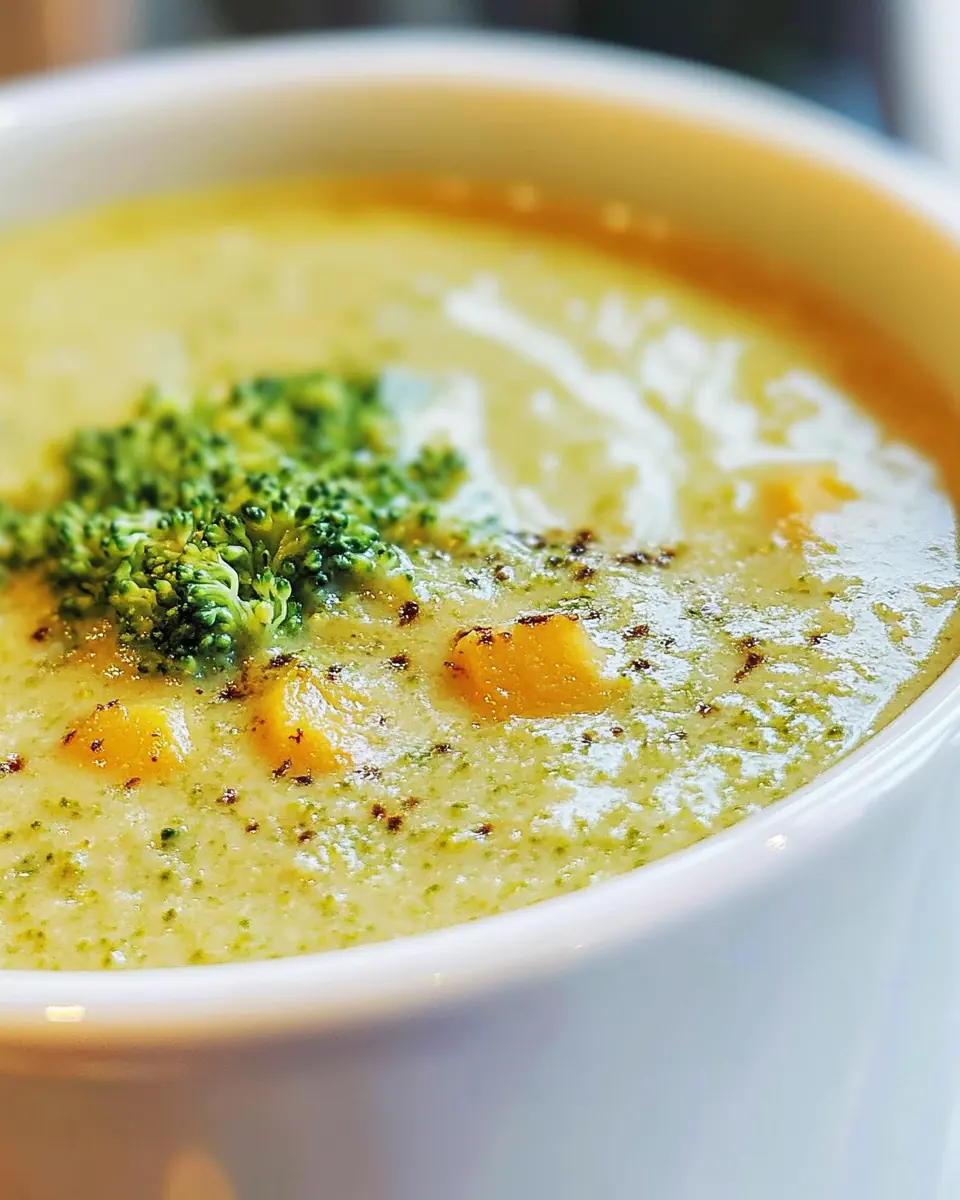
- Serve piping hot topped with a few blanched florets!: The final presentation includes a few reserved blanched broccoli florets placed on top which add visual contrast and a fresh, crunchy bite. Serve immediately while the soup is steaming; you should see gentle wisps of steam rising and smell the complete bouquet of vegetables and cheese. If you let it sit too long, the surface can form a slight skin and the texture may tighten, so plan to serve right away. A tip is to ladle into warm bowls so the soup remains hot longer at the table.
Notes
- Swap broth for vegetable broth if you prefer, using a high quality vegetable broth keeps the soup vegetarian friendly while maintaining savory depth. If you choose this route, taste for salt because some vegetable broths are less seasoned than chicken stock.
- Use sharp cheddar for a bolder flavor, which gives the soup a tangy, pronounced cheese note. If you want a milder profile, pick a medium cheddar and adjust to taste when melting.
- Add a squeeze of lemon at the end, a small splash brightens the bowl and cuts through richness without changing the overall character. Add slowly and taste often to avoid overpowering the delicate vegetable notes.
- Finish with a swirl of plain yogurt or crème fraîche, adding a spoonful on top brings cooling creaminess and a touch of acidity that complements the cheddar. Stir gently into the bowl for a marbled effect as you serve.
- Serve over toasted bread for a heartier meal, place a slice of warm crusty bread under the ladle to soak up the soup. This makes the recipe feel more substantial, especially on chillier nights.