Caramel Pumpkin Cake Roll
Caramel Pumpkin Cake Roll has been one of those recipes that shows up every fall at our family gatherings, the kind of dessert that announces itself the moment you slice into it, sending warm pumpkin spice aromas across the table.
I first made Caramel Pumpkin Cake Roll on an overcast November afternoon when my neighbor dropped off a jar of home canned applesauce and asked if I had time to bake. I had the oven on and a playlist going, and by the time the cake cooled I had convinced myself that rolling cake is therapeutic. It was messy, a little imperfect, and utterly satisfying. That first slice, with streaks of glossy caramel and a cloudlike filling, convinced me that this could be a new holiday favorite.
Over the years I tweaked the balance between the pumpkin batter and the filling, and I learned a few tricks that made the rolling less precarious and the caramel more spreadable. I like serving Caramel Pumpkin Cake Roll when friends are over for coffee because it feels seasonal, but not formally intimidating. Everyone leans in when the powdered sugar dusted towel comes off and the cake is unrolled and spread.
Recipe Snapshot
50 mins
30 mins
20 mins
Medium
350 kcal
American
Gluten-Free, Low FODMAP
Desserts
Jelly roll pan, Mixing bowls, Hand mixer, Microwave safe bowl, Kitchen towel
Why This Caramel Pumpkin Cake Roll Stands Out
Comfort in every bite
I love Caramel Pumpkin Cake Roll because it combines that creamy whipped filling with a subtly spiced pumpkin sponge, giving you soft textures and buttery caramel in each forkful. The pumpkin keeps the cake tender while the spices make each bite feel like fall in a mouthful.
Show stopping presentation
When I bring this to gatherings people are immediately curious. The spiral reveals layers of pumpkin cake, rich caramel, and cloudlike filling. It looks like effort, but it is approachable once you get the technique down, and that makes it a perfect centerpiece.
Versatile and forgiving
This roll is forgiving if the cake cracks when you unroll it. I have had mine fracture and still finish with a beautiful presentation, because the filling hides imperfections and the cracked cake simply adds rustic charm.
Textural contrast
The silky caramel contrasts with the airy whipped cream and the tender pumpkin sponge. I always appreciate desserts that pair different textures, and this one delivers a luscious mouthfeel that keeps people coming back for seconds.
Make ahead friendly
I often assemble this a day ahead. The chilling time helps the flavors meld and makes slicing neater. If you want to prep in stages, you can make the caramel first, then the sponge, and finish with the filling when you are ready to serve.
Caramel Pumpkin Cake Roll Shopping List
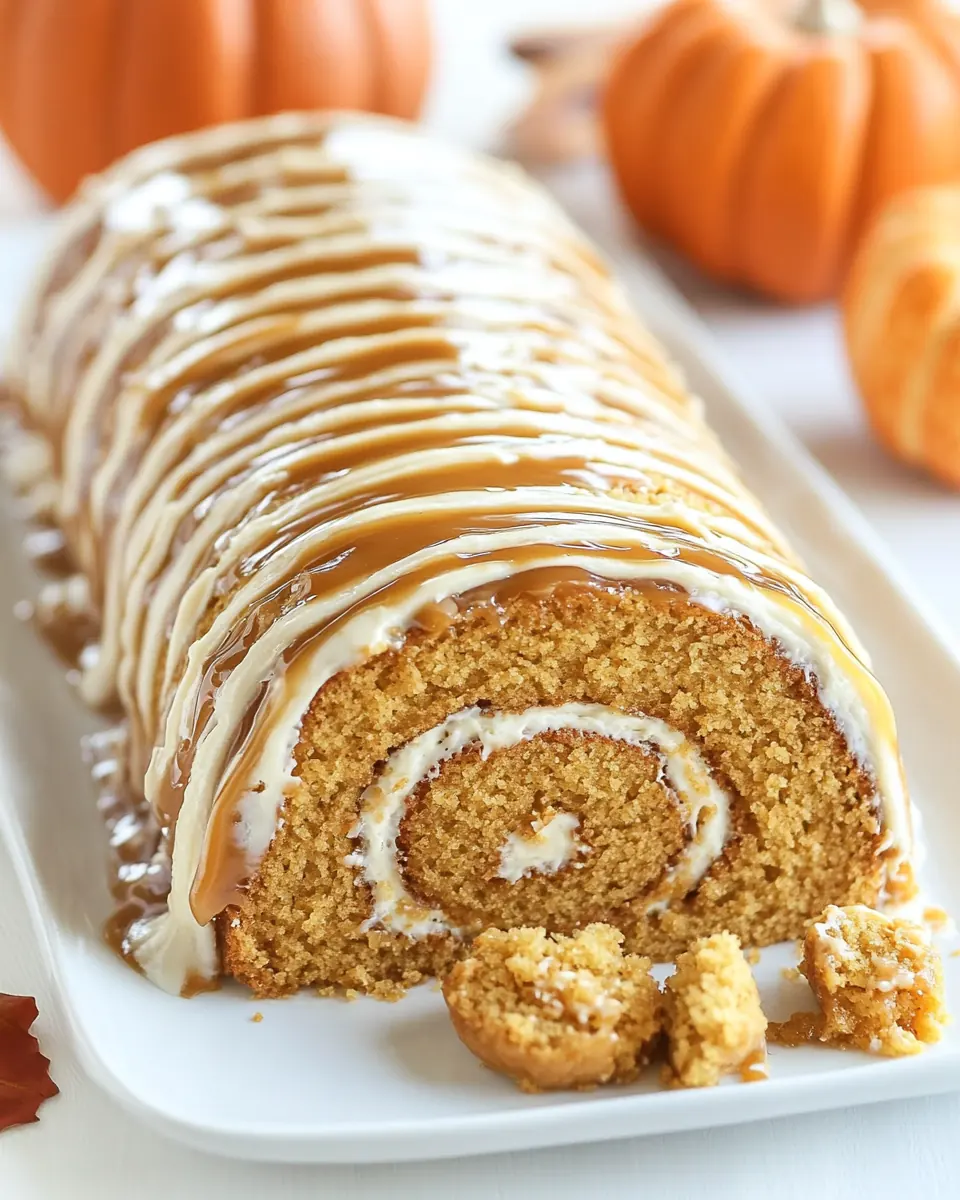
The ingredients for Caramel Pumpkin Cake Roll are chosen to create a balance between rich caramel and a tender, spiced pumpkin sponge. The key players are the pumpkin puree which provides moisture and flavor, the eggs which give structure and lift, and the heavy cream which becomes a luscious whipped filling. The caramel squares form a simple ganache, and the cream cheese adds tang to cut through the sweetness.
- 15 caramel squares unwrapped: Melt evenly to create a smooth caramel base for the sauce or drizzle, providing concentrated sweetness and a glossy texture when combined with cream.
- 1/4 cup heavy whipping cream: Whip or warm gently to loosen the caramel and create a pourable consistency; contributes richness and a velvety mouthfeel to the filling or topping.
- 3 large eggs: Beat until light and incorporated to provide structure and lift in the cake sponge; eggs also enrich flavor and help bind wet ingredients.
- 1 cup granulated sugar: Cream or dissolve to sweeten the batter and stabilize whipped egg structure; granulated sugar aids in browning and tender crumb development.
- 2/3 cup pumpkin puree: Puree to add moistness, natural sweetness, and pumpkin flavor to the cake; contributes fiber and a silky texture to the sponge.
- 1 teaspoon lemon juice: Acidify slightly to brighten flavors and help stabilize whipped egg whites; lemon juice also balances sweetness and enhances overall taste.
- 1 teaspoon baking powder: Leaven to help the cake rise gently and provide a tender crumb; baking powder releases gases that lighten the batter during baking.
- 2 teaspoons cinnamon: Spice warmly to impart classic pumpkin-pie aroma and depth; cinnamon complements the pumpkin and sweet components of the roll.
- 1 teaspoon ginger: Add warmth and complexity with a slightly sharp, aromatic note; ginger enhances the spiced profile and balances sweetness.
- 1/2 teaspoon nutmeg: Season subtly with an aromatic, warm note to round out the spice blend; nutmeg enhances the cake's autumnal flavor.
- 1/2 teaspoon salt: Season and enhance overall flavor by balancing sweetness and controlling taste intensity; salt also strengthens gluten structure slightly.
- 3/4 cup all purpose flour: Bind and structure the cake by providing gluten and starch; all purpose flour creates the framework for the sponge while affecting texture.
- Powdered sugar for rolling: Dust lightly to prevent sticking and to add a touch of sweetness and presentation appeal when rolling the cake; powdered sugar also helps absorb moisture.
- 4 ounces cream cheese room temperature: Soften to make a smooth, tangy filling base that provides creaminess and slight acidity; cream cheese balances the sweet elements.
- 1/4 cup granulated sugar: Sweeten the cream cheese filling to the desired taste and help achieve a spreadable consistency; granulated sugar also stabilizes texture.
- 1 cup heavy whipping cream: Chill and whip to create a light, airy filling or frosting component; heavy whipping cream adds volume, richness, and a silky mouthfeel when whipped.
- 1 teaspoon vanilla: Flavor subtly to enhance the cream cheese and whipped cream filling with a warm, familiar aroma and rounded sweetness.
Directions for Caramel Pumpkin Cake Roll
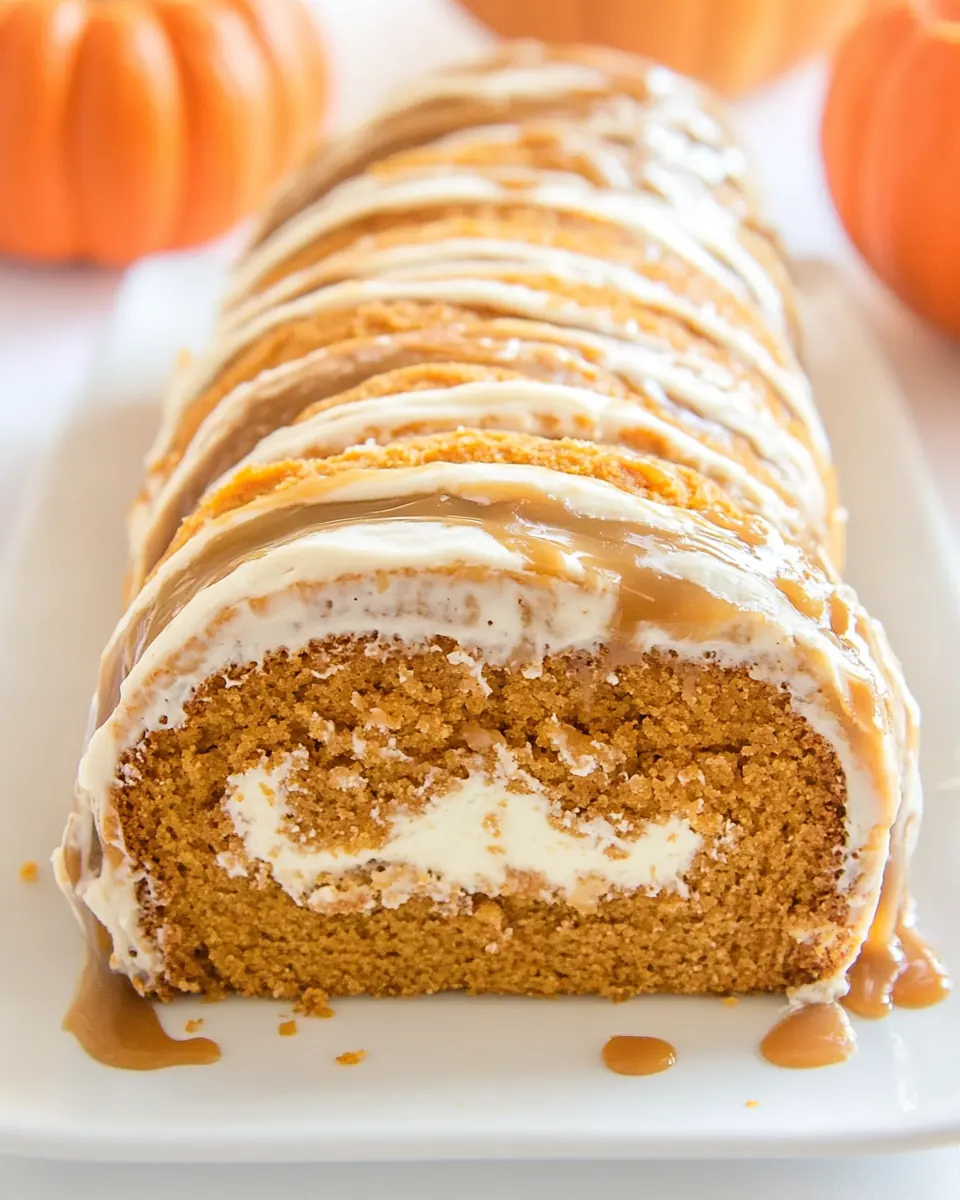
Working through this recipe is a satisfying rhythm of whisking, baking, chilling, and assembling. Keep your tools nearby, move confidently through each stage, and trust the sensory cues such as aroma and texture to guide you.
- Preheat oven to 375°F. Line a 10 x 15 jelly roll pan with foil and spray with nonstick cooking spray for easy removal.: As the oven warms you will notice a steady heat and the faint mechanical hum that signals it is ready; this step ensures the pan hits the oven at the correct temperature so the sponge rises evenly and bakes in the short time needed. If you skip preheating the cake can bake unevenly and become dense, so always wait until the oven registers the full heat. A common mistake is placing the pan in too early which leads to pale, underbaked tops, so be patient and let the oven reach a true 375°F before sliding the pan in.
- Make the caramel ganache: place caramels and heavy whipping cream in a medium microwave safe bowl. Heat on high power in 30 second increments, stirring between each, until melted and smooth. Chill until set, a few hours. While the caramel is chilling, make the cake and filling.: The moment you start heating the caramel squares with heavy whipping cream you will smell a warm, buttery aroma, and as you stir the glossy mixture you will see the caramel turn from candy pieces into a satin sauce. The gentle microwave increments help avoid scorching, which would ruin the smooth texture and introduce a burnt flavor. Stirring between bursts helps distribute heat and encourages an even melt. One mistake is overheating which can seize the caramel; if it becomes grainy, gentle warming while stirring can rescue it, but prevention is best. After melting, chilling helps the ganache firm to a spreadable consistency, which is crucial for assembly.
- Beat eggs at high speed for 4 minutes, or until the eggs are thick and dark yellow and foamy. Mix in sugar until combined. Add pumpkin, lemon juice, baking powder, spices, and salt, mix until combined, then slowly mix in the flour, scraping the sides of the bowl as needed.: When you whisk the eggs quickly they transform into a pale, foamy mass that smells slightly sweet and looks glossy, indicating trapped air that will leaven the sponge. Mixing in the granulated sugar at this point helps stabilize the foam and encourages a fine, even crumb. Adding the pumpkin puree , lemon juice , baking powder , spices, and salt introduces moisture and flavor; fold them with care so you retain the aeration. Slowly stirring in the all purpose flour prevents overworking the batter which would create toughness. A common error is rushing the egg beating or over mixing flour, which leads to a flat, dense cake instead of a tender, springy sponge.
- Place cake batter in prepared pan and spread into an even layer. Bake for 11-15 minutes or until it somewhat bounces back when you lightly press it (and the top of the cake doesn’t stick to your fingers). A toothpick will come out clean.: As you spread the batter in the lined jelly roll pan aim for an even thickness so it bakes uniformly; the surface should look smooth and slightly glossy. Baking for the short interval will produce a top that springs back when lightly pressed and should not stick to your finger; these tactile cues tell you the sponge is done. If you rely only on time you might overbake, drying the cake and making it crackier when rolled. A common misstep is underbaking which yields a gummy center; test by lightly pressing and using a toothpick to confirm a clean pull.
- While the cake is in the oven, lay out a clean kitchen towel and sprinkle it liberally with powdered sugar. Remove the hot cake from the oven and immediately flip it over (careful not to burn yourself) and remove the pan and foil. Roll up the cake using the towel. Let sit at room temperature to cool, about 2-3 hours.: The towel dusted with powdered sugar smells faintly sweet and provides friction that prevents the hot sponge from sticking as you roll it. When you remove the hot cake and flip it onto the towel, you should feel the warmth of the cake and see steam lifting off; immediately peeling away the foil and rolling prevents cracks from forming as the cake cools in a shaped spiral. Leaving the cake too long before rolling is a frequent mistake that causes the cake to set flat and then crack when forced to bend; roll it hot to establish the spiral memory, then let it cool rolled for the specified time.
- Make the filling: beat cream cheese until creamy, then mix in sugar until smooth. While the mixer is running, add the heavy whipping cream slowly and then the vanilla. Turn the mixer up and beat until the mixture has turned into whipped cream with stiff peaks.: Beating the cream cheese produces a smooth, silky base with a tangy scent; adding the granulated sugar and then slowly incorporating heavy whipping cream while increasing speed transforms the mixture into a light whipped filling. You will see it thicken into soft to stiff peaks, holding shape and smelling faintly sweet and dairy rich. This airy texture is what contrasts the sticky caramel and the tender sponge, creating that delightful mouthfeel. Overbeating past stiff peaks can cause the filling to separate, so stop once peaks hold. A common mistake is starting with cold cream cheese which leads to lumps, so always bring it to room temperature.
- Finish the caramel by removing it from the refrigerator and beating it with a hand mixer until it’s spreadable. It will change in color and consistency.: Once chilled the ganache will firm and change color slightly, and beating it restores a smooth, pipeable texture that spreads without running. You will notice a richer, deeper scent and a glossy sheen once it loosens. This step matters because a runny caramel will soak the sponge and make rolling messy, while a too firm caramel will crack the cake. If the caramel feels too stiff, a few seconds in the microwave on low can soften it, and if it gets too runny chill briefly before using.
- Assemble the cake: carefully unroll the cake from the towel. It may crack, but that’s okay, just be gentle. (Mine cracked but you couldn’t tell!) Spread a thin layer of caramel on the cake, then top with a hefty helping of the filling. Re-roll the cake, removing it from the towel as you go. (It may stick a little). Wrap the cake in plastic wrap and chill at least one hour before serving.: When you unroll the cooled spiral, the surface should be cool to the touch and the cake will release from the towel with a faint dusting of sugar; if it cracks, let that imperfection become part of the rustic look. Start with a thin layer of caramel spread evenly, feeling the caramel glide and leaving a glossy sheen, then add the fluffy cream cheese filling on top; the contrast between the sticky caramel and the airy filling is what makes each slice sing. Re rolling should feel gentle, and the cake may stick slightly to the towel but will come free as you roll away. A key mistake to avoid is piling on too much filling which forces the cake to bulge and lose its spiral, so keep the layers balanced. After rolling, wrap the cake snugly in plastic and chill, which allows flavors to meld and slicing to be clean.
Making Adjustments
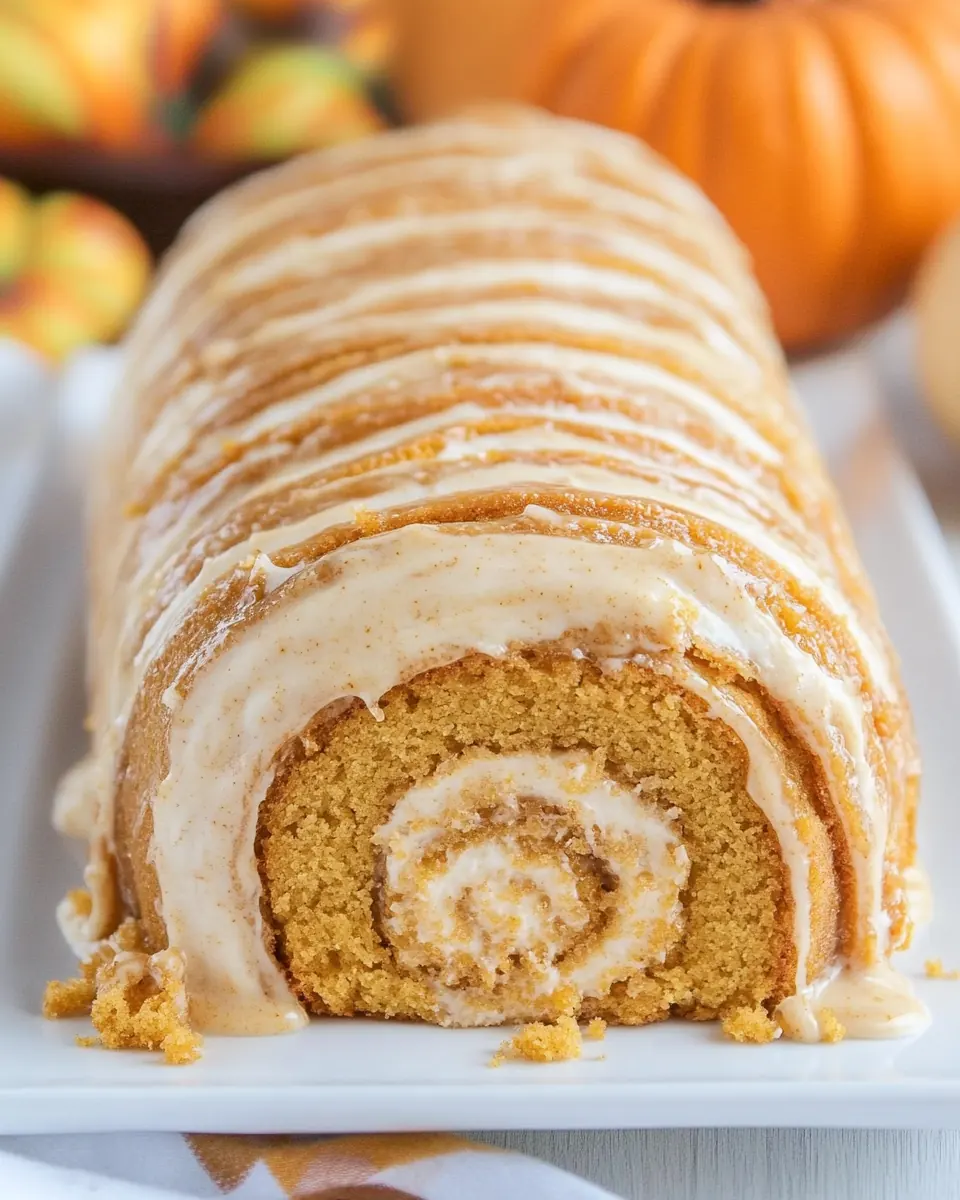
Small adjustments can make a big difference with Caramel Pumpkin Cake Roll. Consider texture, sweetness, and timing as levers you can tweak to match your taste and schedule.
- Adjusting sweetness: If you prefer a less sweet finish, use slightly fewer caramel squares when making the ganache or reduce the sugar in the filling by a tablespoon or two, this keeps the pumpkin and spices more pronounced without sacrificing structure.
- Chill timing: Chill the assembled roll at least one hour for cleaner slices, but for best flavor marry time, chill overnight so the filling and caramel meld and the cake slices like a dream.
- Texture control: For a firmer filling, beat the cream cheese and heavy whipping cream until very stiff peaks form, but watch closely to avoid graininess from overbeating.
- Rescuing a runny caramel: If the ganache becomes too loose, refrigerate briefly then beat until spreadable, reheating cautiously in short bursts if needed to soften without burning.
- Serving temperature: Serve slightly chilled for neat slices and a firmer mouthfeel, or let it sit a few minutes at room temperature if you prefer a softer, creamier texture.
- Spice level: If you want a bolder spice profile, increase the cinnamon by half a teaspoon and the ginger by a quarter teaspoon, tasting the batter to keep balance with the pumpkin.
Perfect Matches for Caramel Pumpkin Cake Roll
Caramel Pumpkin Cake Roll pairs beautifully with simple companions that let its spiced pumpkin and caramel shine. Think warm beverages, light accompaniments, and seasonal settings that enhance the experience.
- Warm drink pairing: Offer a hot coffee or spiced tea alongside the cake, the bitter notes will balance the sweet caramel and creamy filling, making each bite feel balanced and comforting.
- Occasion suggestions: This roll is ideal for holiday brunch, Thanksgiving dessert, or a cozy afternoon coffee with friends; its presentation makes it feel celebratory yet approachable.
- Serving tips: Slice with a sharp serrated knife chilled from the refrigerator for tidy rounds, wiping the blade between cuts to keep the edges clean and the spiral visible.
- Storage guidance: Keep the cake wrapped and chilled to preserve texture, and it will stay fresh for two to three days; bring it to room temperature for about 20 minutes before serving if you prefer softer slices.
- Seasonal pairings: Serve during fall gatherings when pumpkins are in season, the spice profile complements autumn fruit desserts and warm, cozy menus.
- Plating idea: Dust a light sprinkle of powdered sugar over the slices before serving to add a delicate finish and visual contrast against the caramel streaks.
FAQ
Conclusion
This Caramel Pumpkin Cake Roll stands out for its layered textures and warming spice notes, combining a tender pumpkin sponge, silky caramel, and a cloudlike cream cheese filling. I encourage you to try this recipe because its approachable steps yield a show stopping dessert that feels special without being intimidating. Whether you serve it for a holiday gathering or a cozy afternoon with friends, the balance of sweet caramel and spiced pumpkin makes every slice memorable, and with a little practice the rolling becomes a satisfying ritual that yields beautiful results.
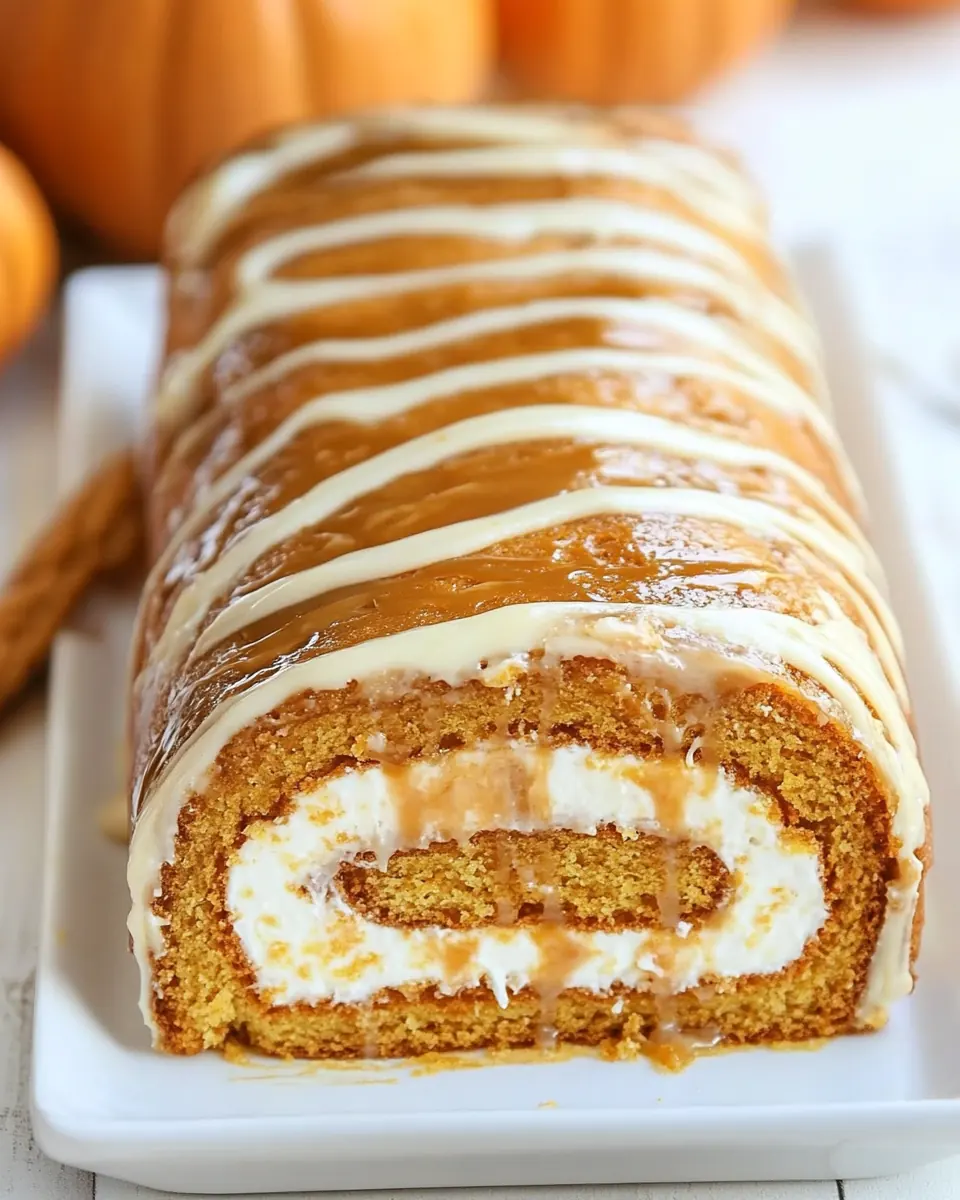
Caramel Pumpkin Cake Roll
Ingredients
Equipment
Method
- Preheat oven to 375°F. Line a 10 x 15 jelly roll pan with foil and spray with nonstick cooking spray for easy removal.: As the oven warms you will notice a steady heat and the faint mechanical hum that signals it is ready; this step ensures the pan hits the oven at the correct temperature so the sponge rises evenly and bakes in the short time needed. If you skip preheating the cake can bake unevenly and become dense, so always wait until the oven registers the full heat. A common mistake is placing the pan in too early which leads to pale, underbaked tops, so be patient and let the oven reach a true 375°F before sliding the pan in.
- Make the caramel ganache: place caramels and heavy whipping cream in a medium microwave safe bowl. Heat on high power in 30 second increments, stirring between each, until melted and smooth. Chill until set, a few hours. While the caramel is chilling, make the cake and filling.: The moment you start heating the caramel squares with heavy whipping cream you will smell a warm, buttery aroma, and as you stir the glossy mixture you will see the caramel turn from candy pieces into a satin sauce. The gentle microwave increments help avoid scorching, which would ruin the smooth texture and introduce a burnt flavor. Stirring between bursts helps distribute heat and encourages an even melt. One mistake is overheating which can seize the caramel; if it becomes grainy, gentle warming while stirring can rescue it, but prevention is best. After melting, chilling helps the ganache firm to a spreadable consistency, which is crucial for assembly.
- Beat eggs at high speed for 4 minutes, or until the eggs are thick and dark yellow and foamy. Mix in sugar until combined. Add pumpkin, lemon juice, baking powder, spices, and salt, mix until combined, then slowly mix in the flour, scraping the sides of the bowl as needed.: When you whisk the eggs quickly they transform into a pale, foamy mass that smells slightly sweet and looks glossy, indicating trapped air that will leaven the sponge. Mixing in the granulated sugar at this point helps stabilize the foam and encourages a fine, even crumb. Adding the pumpkin puree , lemon juice , baking powder , spices, and salt introduces moisture and flavor; fold them with care so you retain the aeration. Slowly stirring in the all purpose flour prevents overworking the batter which would create toughness. A common error is rushing the egg beating or over mixing flour, which leads to a flat, dense cake instead of a tender, springy sponge.
- Place cake batter in prepared pan and spread into an even layer. Bake for 11-15 minutes or until it somewhat bounces back when you lightly press it (and the top of the cake doesn’t stick to your fingers). A toothpick will come out clean.: As you spread the batter in the lined jelly roll pan aim for an even thickness so it bakes uniformly; the surface should look smooth and slightly glossy. Baking for the short interval will produce a top that springs back when lightly pressed and should not stick to your finger; these tactile cues tell you the sponge is done. If you rely only on time you might overbake, drying the cake and making it crackier when rolled. A common misstep is underbaking which yields a gummy center; test by lightly pressing and using a toothpick to confirm a clean pull.
- While the cake is in the oven, lay out a clean kitchen towel and sprinkle it liberally with powdered sugar. Remove the hot cake from the oven and immediately flip it over (careful not to burn yourself) and remove the pan and foil. Roll up the cake using the towel. Let sit at room temperature to cool, about 2-3 hours.: The towel dusted with powdered sugar smells faintly sweet and provides friction that prevents the hot sponge from sticking as you roll it. When you remove the hot cake and flip it onto the towel, you should feel the warmth of the cake and see steam lifting off; immediately peeling away the foil and rolling prevents cracks from forming as the cake cools in a shaped spiral. Leaving the cake too long before rolling is a frequent mistake that causes the cake to set flat and then crack when forced to bend; roll it hot to establish the spiral memory, then let it cool rolled for the specified time.
- Make the filling: beat cream cheese until creamy, then mix in sugar until smooth. While the mixer is running, add the heavy whipping cream slowly and then the vanilla. Turn the mixer up and beat until the mixture has turned into whipped cream with stiff peaks.: Beating the cream cheese produces a smooth, silky base with a tangy scent; adding the granulated sugar and then slowly incorporating heavy whipping cream while increasing speed transforms the mixture into a light whipped filling. You will see it thicken into soft to stiff peaks, holding shape and smelling faintly sweet and dairy rich. This airy texture is what contrasts the sticky caramel and the tender sponge, creating that delightful mouthfeel. Overbeating past stiff peaks can cause the filling to separate, so stop once peaks hold. A common mistake is starting with cold cream cheese which leads to lumps, so always bring it to room temperature.
- Finish the caramel by removing it from the refrigerator and beating it with a hand mixer until it’s spreadable. It will change in color and consistency.: Once chilled the ganache will firm and change color slightly, and beating it restores a smooth, pipeable texture that spreads without running. You will notice a richer, deeper scent and a glossy sheen once it loosens. This step matters because a runny caramel will soak the sponge and make rolling messy, while a too firm caramel will crack the cake. If the caramel feels too stiff, a few seconds in the microwave on low can soften it, and if it gets too runny chill briefly before using.
- Assemble the cake: carefully unroll the cake from the towel. It may crack, but that’s okay, just be gentle. (Mine cracked but you couldn’t tell!) Spread a thin layer of caramel on the cake, then top with a hefty helping of the filling. Re-roll the cake, removing it from the towel as you go. (It may stick a little). Wrap the cake in plastic wrap and chill at least one hour before serving.: When you unroll the cooled spiral, the surface should be cool to the touch and the cake will release from the towel with a faint dusting of sugar; if it cracks, let that imperfection become part of the rustic look. Start with a thin layer of caramel spread evenly, feeling the caramel glide and leaving a glossy sheen, then add the fluffy cream cheese filling on top; the contrast between the sticky caramel and the airy filling is what makes each slice sing. Re rolling should feel gentle, and the cake may stick slightly to the towel but will come free as you roll away. A key mistake to avoid is piling on too much filling which forces the cake to bulge and lose its spiral, so keep the layers balanced. After rolling, wrap the cake snugly in plastic and chill, which allows flavors to meld and slicing to be clean.
Notes
- Adjusting sweetness: If you prefer a less sweet finish, use slightly fewer caramel squares when making the ganache or reduce the sugar in the filling by a tablespoon or two, this keeps the pumpkin and spices more pronounced without sacrificing structure.
- Chill timing: Chill the assembled roll at least one hour for cleaner slices, but for best flavor marry time, chill overnight so the filling and caramel meld and the cake slices like a dream.
- Texture control: For a firmer filling, beat the cream cheese and heavy whipping cream until very stiff peaks form, but watch closely to avoid graininess from overbeating.
- Rescuing a runny caramel: If the ganache becomes too loose, refrigerate briefly then beat until spreadable, reheating cautiously in short bursts if needed to soften without burning.
- Serving temperature: Serve slightly chilled for neat slices and a firmer mouthfeel, or let it sit a few minutes at room temperature if you prefer a softer, creamier texture.
- Spice level: If you want a bolder spice profile, increase the cinnamon by half a teaspoon and the ginger by a quarter teaspoon, tasting the batter to keep balance with the pumpkin.