Tropical Fruit Salsa
Tropical Fruit Salsa is one of those bright, juicy things I reach for whenever the heat makes me crave something fresh and lively. The first time I made it, I was coming home from a long market run with sticky hands and a bag full of sun warmed fruit, and I wanted something fast that would celebrate each flavor without fuss. I remember standing at my counter, tasting bits of mango and pineapple, and knowing they belonged together, folded into a salsa that could wake up any bowl, chip, or plate.
There’s a simplicity to Tropical Fruit Salsa that I adore. It feels celebratory without being showy, and it comes together in a single bowl so you can focus on the textures and aromas. I like to chop while listening to music, letting the citrus scent fill the kitchen, and thinking about how the crisp jicama or Granny Smith will add a pleasant snap against the sweet fruit. Each time I make it for friends, it disappears first.
Recipe Snapshot
15 mins
15 mins
0 mins
Easy
80 kcal
Mexican
Paleo, Vegan
Appetizers
Large bowl, Knife, Cutting board, Citrus juicer
What We Adore About This Tropical Fruit Salsa
Fresh and Fast
I love that Tropical Fruit Salsa comes together in minutes, making it perfect for last minute gatherings or a quick snack. The fruits do the heavy lifting, so you can focus on balancing acid and heat. I often throw this together between errands, and it still tastes like something I spent an hour on.
Vibrant Textures
The mix of ripe mango, firm pineapple, and crunchy jicama or Granny Smith apples gives the salsa a lively mouthfeel. I like that every bite has contrast, the soft fruit against crisp elements, so it never feels monotonous.
Flavor Harmony
With bright lime juice and a touch of jalapeno, the salsa balances sweet, tangy, and spicy notes. I find that the acid wakes up the fruit and the gentle heat keeps each bite interesting without overwhelming the natural sweetness.
Flexible and Crowd Friendly
I often bring this to picnics and potlucks because it travels well. You can tweak the herbs, switch cilantro for parsley, or leave the mint leaves out if someone prefers. It holds in the fridge for a couple of days, making it practical as well as delicious.
Healthy and Bright
This recipe is mostly whole fruit and fresh herbs, so it feels nourishing. I like serving it when I want something light that still feels festive, and it pairs well with a variety of dishes. It’s one of those recipes I keep returning to whenever I want something simple yet striking.
Main Ingredients for Tropical Fruit Salsa
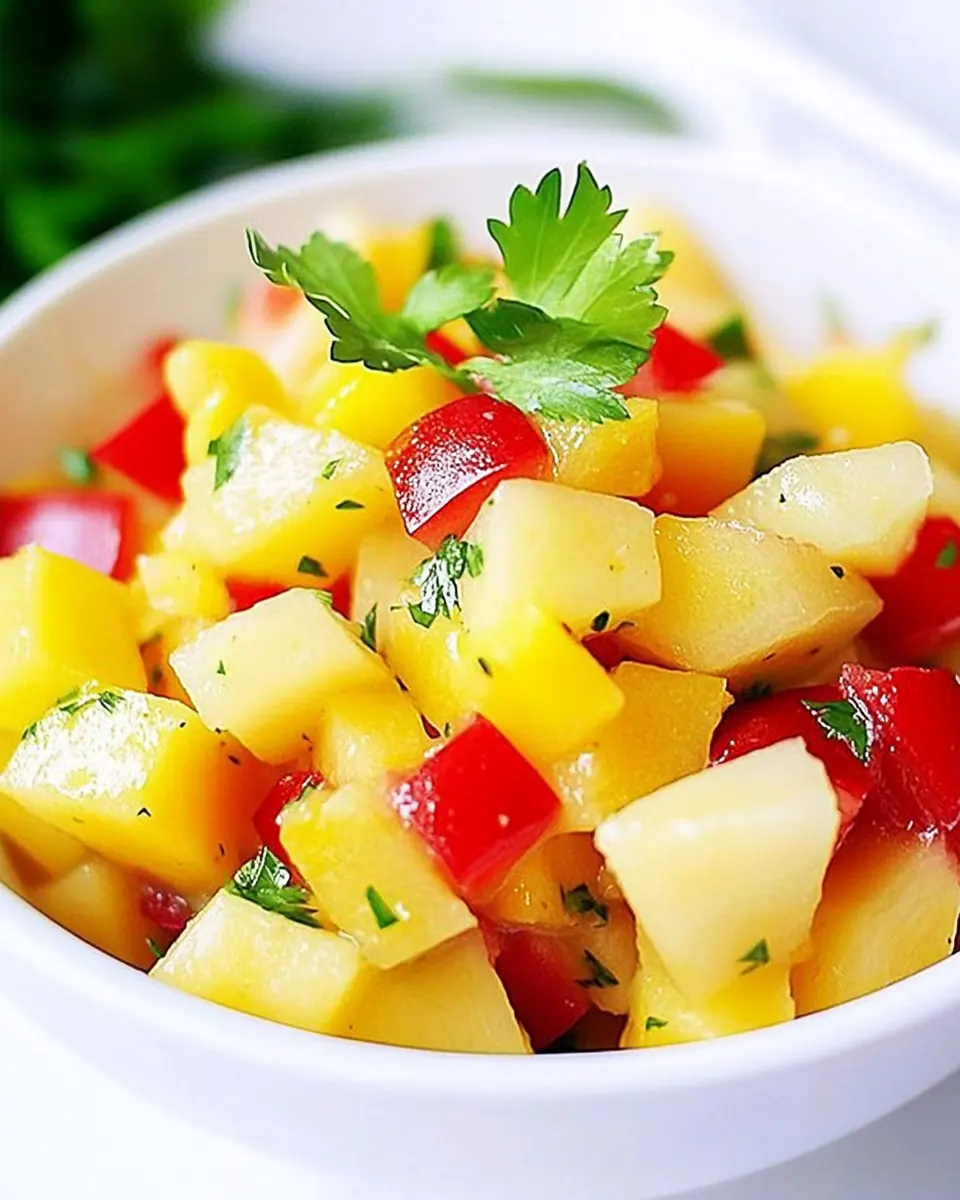
These ingredients are chosen to highlight contrast, both in flavor and texture. The ripe sweet pieces like mango and pineapple provide a juicy foundation, while crunchy elements such as jicama or Granny Smith apples give structure. Cooling cucumber and bright lime juice keep the mix refreshing, and the small amounts of jalapeno, garlic, and red onion bring depth. Fresh herbs finish everything with aroma and color.
- 1 cup mango firm-ripe, 1 to 2 peeled, pitted, and finely diced: Provide sweet, juicy body and tropical flavor while adding soft texture; peel and pit before finely dicing to distribute sweetness evenly throughout the salsa. Use firm–ripe mangoes to avoid mushiness and to maintain small, uniform chunks that hold up when tossed with other ingredients.
- 1 1/2 cups pineapple about 1/2 pineapple – peeled, cored, and finely diced: Contribute bright acidity and fibrous sweetness that balances the mango; core, peel, and finely dice to match the mango’s size for consistent bites. Fresh pineapple adds moisture and tropical tang that helps meld flavors without overpowering other components.
- 1 cup jicama finely diced (about 1 jicama) or Granny Smith apples (about 2 apples): Add crisp, mildly sweet crunch and a refreshing, slightly nutty note when finely diced; choose jicama for a neutral, water-rich crunch or Granny Smith apples for tartness. Keep pieces small to ensure an even texture and to prevent water release from altering the salsa’s consistency.
- 1 cup cucumber about 1 cucumber, peeled and diced: Bring cool, hydrating crunch and a light vegetal flavor; peel and dice to small pieces so cucumber integrates smoothly with softer fruits. Use seedless or de-seeded cucumber to reduce excess moisture and preserve the salsa’s texture.
- 2 tablespoons jalapeno about 1/2 jalapeno, seeds removed and finely chopped: Provide mild to medium heat and bright herbal bite; remove seeds for less heat and finely chop to distribute the spice evenly. Adjust quantity based on heat tolerance and mix thoroughly so the jalapeno flavor is balanced throughout.
- 1 garlic clove minced: Offer pungent, savory depth and a subtle sharpness when minced finely; use one clove to add a warm background note without dominating the fresh fruit flavors. Mince very small so garlic disperses uniformly and won’t create hard bites.
- 3 tablespoons red onion finely chopped or 3 tablespoons sliced scallion greens: Contribute zippy, aromatic pungency and a slight crisp texture; finely chop red onion or slice scallion greens to add mild bite and color contrast. Rinse chopped onion if desired to soften its sharpness and ensure it complements rather than overshadows the fruits.
- 4 tablespoons lime juice about 2 limes – freshly squeezed: Provide bright acidity and citrus lift that ties together sweet and savory elements; freshly squeeze lime juice for the best fresh, tangy flavor. Use the specified amount to brighten the salsa and help preserve color while balancing sweetness.
- 1/4 teaspoons ea salt: Enhance overall seasoning with balanced salinity that accentuates natural flavors; measure precisely to avoid over-salting the delicate fruit mix. Stir salt in evenly so it dissolves and flavors distribute throughout the salsa.
- 2 tablespoons mint leaves fresh, finely chopped () (optional): Add cool, aromatic freshness and a slightly sweet menthol note when finely chopped; use fresh mint sparingly as an optional accent to complement tropical fruits. Chop mint finely so its flavor is present without overpowering cilantro or fruit.
- 1/4 cup cilantro fresh, finely chopped or parsley: Introduce bright herbal, citrusy undertones and freshness when finely chopped; choose cilantro for traditional flavor or parsley for a milder, less assertive herbal note. Chop to a fine consistency so herbs integrate seamlessly and provide uniform bursts of herbaceousness.
How to Make Tropical Fruit Salsa
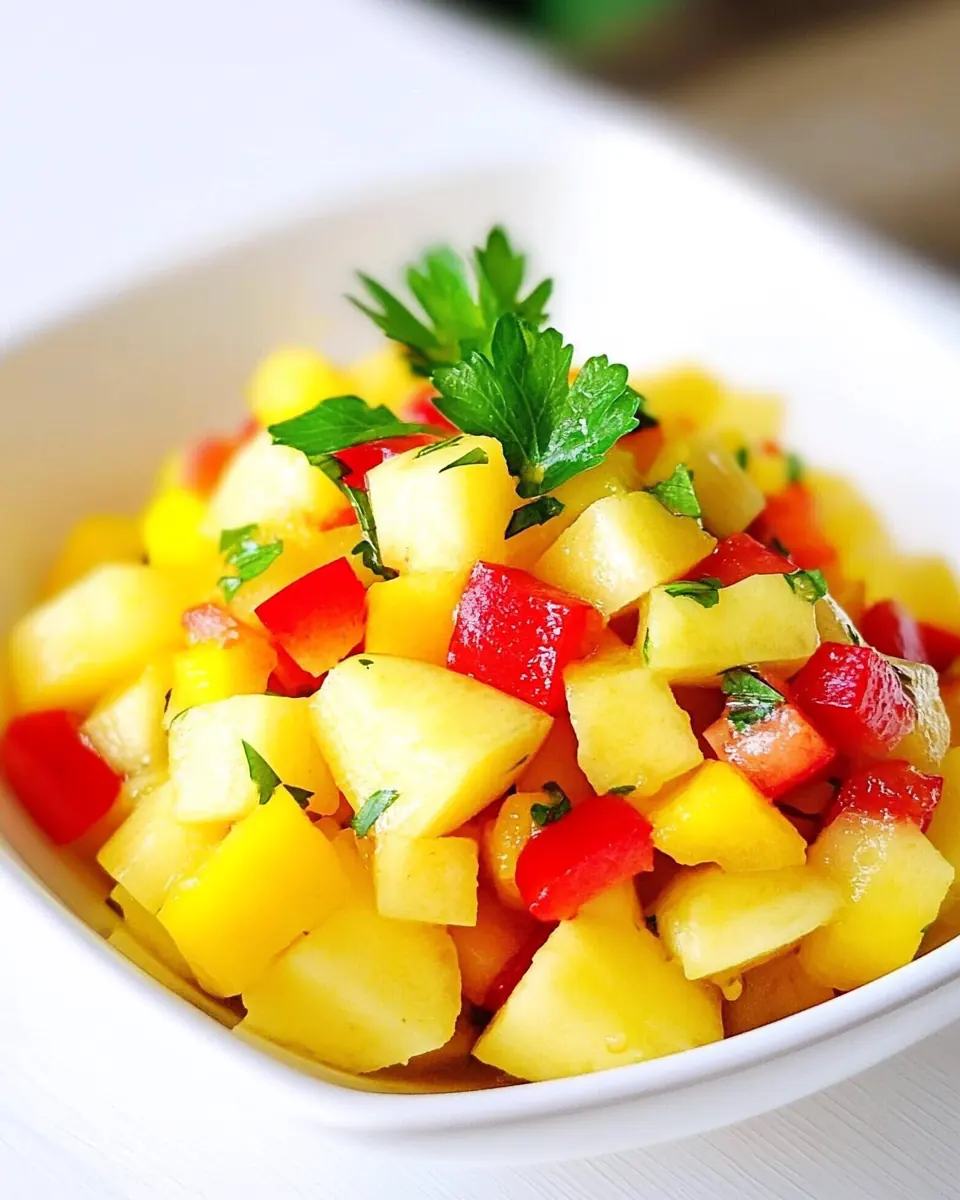
I like to keep this process very relaxed, focusing on clean cuts and fresh juices. The cooking is zero fuss, so the main job is to prep everything evenly and then taste for balance. Here are the steps rewritten with the kind of detail I wish someone had told me the first time I made it.
- Combine all of the ingredients together in a large bowl, stirring well. Serve immediately. Salsa can also be stored in an airtight container for up to 3 days in the fridge.: The moment you mix the diced mango , pineapple , crunchy jicama or Granny Smith apples , and cool cucumber , the kitchen fills with a bright, layered aroma that hints at both sweetness and citrus. Listen for the soft clink of fruit hitting the bowl as textures mingle, and notice how the colors—golden, pale green, and white—create a lively mosaic. Mixing in a single large bowl ensures even distribution so every spoonful has bursts of each ingredient. The reason this gentle toss matters is that it keeps softer pieces from getting squashed and lets the juices coat everything. If you chop unevenly, smaller pieces can get lost and larger ones dominate, so take a moment to aim for uniform dice. A common mistake here is over stirring, which can turn softer fruits sloppy. Use a light folding motion to preserve shape and texture.
- stirring well: When you stir the salsa, you should sense a slight resistance as the firmer bits move and the softer fruit yields. Stirring extracts a little juice from the fruit, which helps the lime juice and salt cling to each piece, enhancing flavor. The sound is a soft shuffle rather than a splatter, and the aroma intensifies as citrus brightens the whole mixture. This step matters because adequate stirring ensures that the minced garlic and finely chopped jalapeno are evenly distributed, so no bite is unexpectedly spicy or raw. Avoid stirring too vigorously, which can bruise tender fruit and release excess liquid, leading to a watery salsa.
- Serve immediately: Serving right away preserves the fresh, crisp textures and the lively, citrusy aroma that make this salsa sing. The first spoonful should be a contrast of cool cucumber , sweet mango , and a hint of heat from jalapeno , with the lime juice cutting through to brighten each mouthful. If you let it sit too long, the fruit softens and the juices can dilute the crunchy elements, changing the intended texture. One tip is to wait until the last minute to add delicate herbs like mint leaves or cilantro , so they remain vibrant and fragrant.
- Salsa can also be stored in an airtight container for up to 3 days in the fridge: When refrigerated, the flavors continue to mingle and can even mellow into a more cohesive profile, though the texture will soften over time. I always recommend storing the salsa in a shallow airtight container so it chills quickly and stays bright. Expect some liquid to collect, which you can drain or spoon back over when serving to redistribute flavors. A frequent error is leaving it at room temperature for long stretches, which speeds up degradation; keep it chilled to maintain freshness. If you plan to store it, consider holding off on adding herbs so they do not wilt prematurely.
Tips for Success
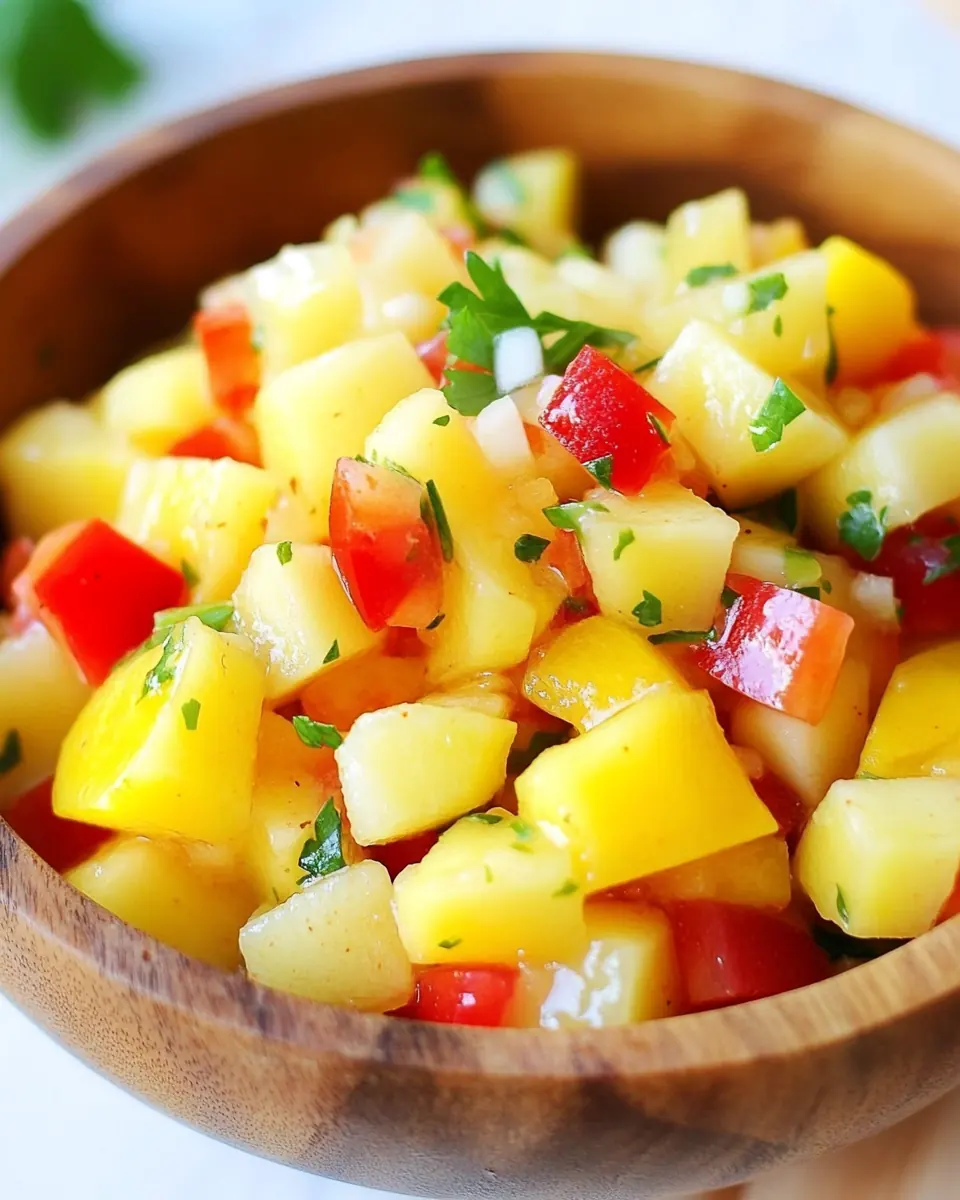
I like to think of these tips as small changes that make a noticeable difference. They focus on timing, texture, and how to preserve the salsa if you make it ahead. Read through them and pick the ones that suit your rhythm.
- Choose the right mango Use a firm ripe mango so you get juicy flavor without a mushy texture.
- Fresh lime matters Always use freshly squeezed lime juice to brighten the salsa and balance sweetness.
- Prep uniformly Dice all fruits and vegetables to similar sizes so each bite offers balanced textures.
- Control the heat Remove jalapeno seeds for milder spice, or include some for more warmth, but chop finely for even distribution.
- Add herbs last Stir in mint leaves and cilantro right before serving to keep them fresh and aromatic.
- Store smart Keep the salsa in an airtight container in the fridge for up to three days and spoon off any excess liquid before serving.
Serving Ideas for Tropical Fruit Salsa
This salsa is versatile, and I like to think about pairing it in three ways: as a bright condiment, a chilled topping, or a centerpiece side. Think about balance when serving, offering textures that complement rather than compete. Below are ideas that span casual snacks to festive spreads, with storage suggestions woven in.
- Chip or crisp pairing Serve the salsa with corn chips or pita chips for a simple appetizer that highlights the fruitiness and crisp textures.
- Grilled fish topper Spoon over grilled white fish or shrimp to add contrast, the acidity cutting through rich seafood flavors and lifting the dish.
- Taco finishing Use as a fresh topping for fish or vegetarian tacos to introduce brightness and crunch, finishing with extra cilantro if desired.
- Salad accent Add a scoop to a bed of greens for a fruity, textural boost that transforms a simple salad into a summery side.
- Brunch side Offer the salsa at brunch alongside cheeses and crusty bread, letting guests spoon it over soft cheese or avocado toast.
- Party platter Include on a buffet alongside roasted proteins and grain bowls, where it acts as a refreshing counterpoint to richer items.
- Storage tip Store in an airtight container in the refrigerator up to three days, and add herbs fresh when serving to preserve color and aroma.
- Seasonal pairing This is ideal for summer gatherings, when tropical fruit is at its peak and you want light, cooling flavors.
- Occasion fit Great for outdoor lunches, picnics, Ramadan if serving during iftar to break fast with fresh, hydrating food, or as a light side at dinner.
- Plating idea Serve in a shallow bowl with a wedge of lime and a small sprig of mint leaves to make the presentation pop.
FAQ
Conclusion
Tropical Fruit Salsa stands out for its vibrant mix of sweet, tangy, and crisp elements that come together effortlessly. It’s a recipe that celebrates fresh produce and simple technique, producing a bright condiment that livens up snacks and meals. I encourage you to try it as a topping, side, or party snack, and to tweak the herb and heat levels until it feels just right for your table. Keep it chilled, serve it fresh, and enjoy how quickly it becomes a favorite.
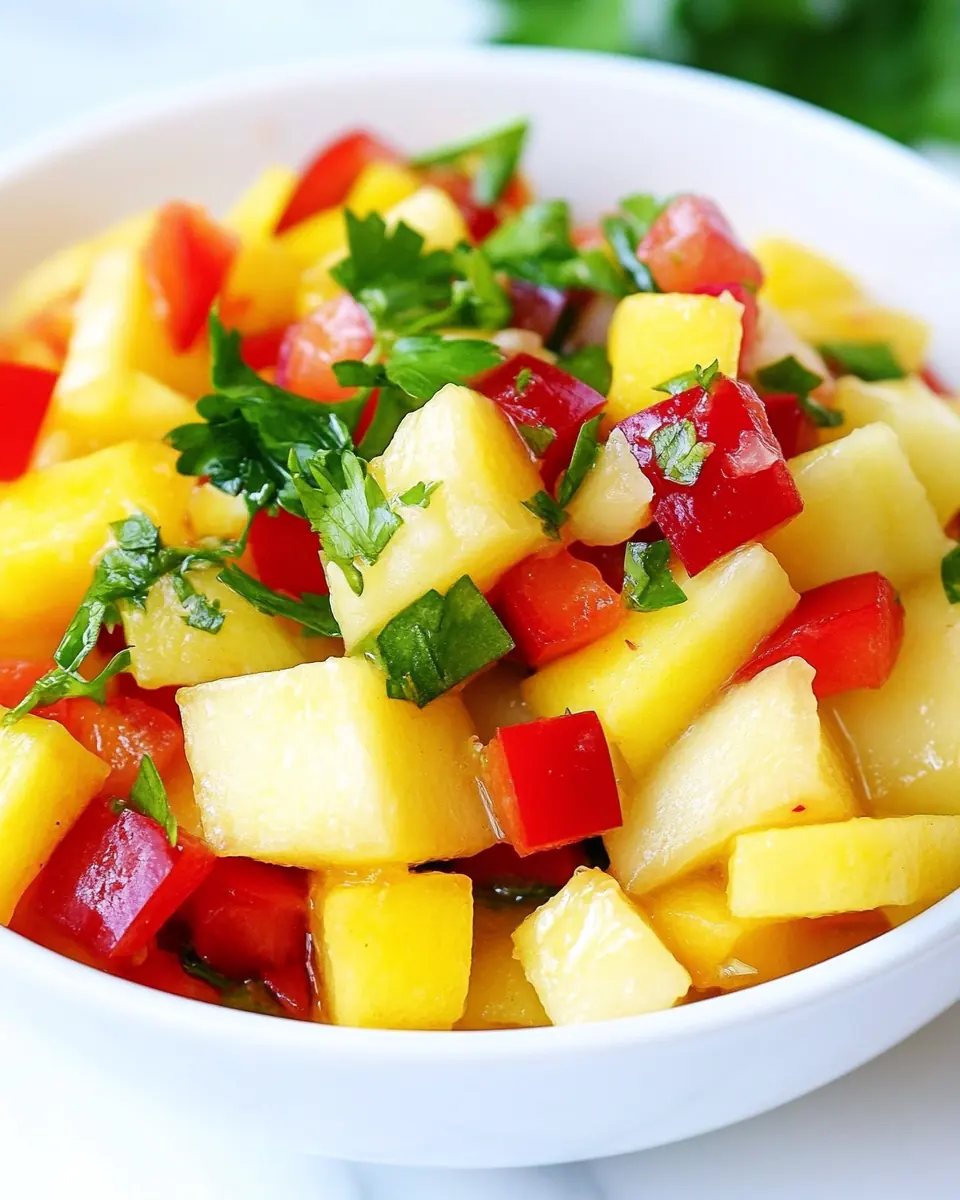
Tropical Fruit Salsa
Ingredients
Equipment
Method
- Combine all of the ingredients together in a large bowl, stirring well. Serve immediately. Salsa can also be stored in an airtight container for up to 3 days in the fridge.: The moment you mix the diced mango , pineapple , crunchy jicama or Granny Smith apples , and cool cucumber , the kitchen fills with a bright, layered aroma that hints at both sweetness and citrus. Listen for the soft clink of fruit hitting the bowl as textures mingle, and notice how the colors—golden, pale green, and white—create a lively mosaic. Mixing in a single large bowl ensures even distribution so every spoonful has bursts of each ingredient. The reason this gentle toss matters is that it keeps softer pieces from getting squashed and lets the juices coat everything. If you chop unevenly, smaller pieces can get lost and larger ones dominate, so take a moment to aim for uniform dice. A common mistake here is over stirring, which can turn softer fruits sloppy. Use a light folding motion to preserve shape and texture.
- stirring well: When you stir the salsa, you should sense a slight resistance as the firmer bits move and the softer fruit yields. Stirring extracts a little juice from the fruit, which helps the lime juice and salt cling to each piece, enhancing flavor. The sound is a soft shuffle rather than a splatter, and the aroma intensifies as citrus brightens the whole mixture. This step matters because adequate stirring ensures that the minced garlic and finely chopped jalapeno are evenly distributed, so no bite is unexpectedly spicy or raw. Avoid stirring too vigorously, which can bruise tender fruit and release excess liquid, leading to a watery salsa.
- Serve immediately: Serving right away preserves the fresh, crisp textures and the lively, citrusy aroma that make this salsa sing. The first spoonful should be a contrast of cool cucumber , sweet mango , and a hint of heat from jalapeno , with the lime juice cutting through to brighten each mouthful. If you let it sit too long, the fruit softens and the juices can dilute the crunchy elements, changing the intended texture. One tip is to wait until the last minute to add delicate herbs like mint leaves or cilantro , so they remain vibrant and fragrant.
- Salsa can also be stored in an airtight container for up to 3 days in the fridge: When refrigerated, the flavors continue to mingle and can even mellow into a more cohesive profile, though the texture will soften over time. I always recommend storing the salsa in a shallow airtight container so it chills quickly and stays bright. Expect some liquid to collect, which you can drain or spoon back over when serving to redistribute flavors. A frequent error is leaving it at room temperature for long stretches, which speeds up degradation; keep it chilled to maintain freshness. If you plan to store it, consider holding off on adding herbs so they do not wilt prematurely.
Notes
- Choose the right mango Use a firm ripe mango so you get juicy flavor without a mushy texture.
- Fresh lime matters Always use freshly squeezed lime juice to brighten the salsa and balance sweetness.
- Prep uniformly Dice all fruits and vegetables to similar sizes so each bite offers balanced textures.
- Control the heat Remove jalapeno seeds for milder spice, or include some for more warmth, but chop finely for even distribution.
- Add herbs last Stir in mint leaves and cilantro right before serving to keep them fresh and aromatic.
- Store smart Keep the salsa in an airtight container in the fridge for up to three days and spoon off any excess liquid before serving.