Buttery Apple Pie
Buttery Apple Pie is the kind of dessert that turns an ordinary afternoon into a remembered Sunday, and the moment I took my first forkful I knew I had a keeper. Growing up, my grandmother always had a pie cooling on the windowsill, and the warm, buttery crust with tender, spiced apples became the measure of comfort in our house. I still recall the sound of her rolling pin on the counter and the way the kitchen smelled like cinnamon and caramelizing fruit. Those memories shape every pie I make, and this Buttery Apple Pie is my tribute to that old, reliable flavor combination.
I love how this pie balances a flaky, rich crust with apples that hold their shape, so you get both silky filling and satisfying texture. I learned to cook the apples briefly in butter and sugar first, which concentrates flavor and keeps the slices from turning to mush once baked. When I bring this pie to gatherings friends always ask for the recipe, and I always tell them it’s part technique, part good apples, and a little daring with the lattice top. There is something quietly celebratory about making a lattice crust, it asks for patience and rewards you with golden, woven beauty.
Recipe Snapshot
2 hr
75 mins
45 mins
Medium
350 kcal
American
Gluten-Free, Vegan
Desserts
Large bowl, Skillet, 9 inch glass pie plate, Rolling pin, Strainer
The Appeal of This Buttery Apple Pie
Classic comforting flavor
I adore this recipe because it captures that warm, homey taste I grew up with. The combination of apples, cinnamon, and butter hits familiar notes that feel safe and satisfying, and I often reach for it when I want to share something reliably loved.
Texture contrast that sings
The flaky all purpose flour crust gives a crisp, tender shell for the tender, lightly sauced filling. I appreciate how the crust provides a crunchy frame while the apples remain slightly firm, so every bite has contrast.
Technique driven results
I find that par-cooking the apples in butter and sugar concentrates flavor and prevents a soggy bottom. That small extra step is what separates a decent pie from a memorable one in my kitchen.
Approachable yet impressive
This pie feels celebratory on the table, but the methods are straightforward. I like serving it at holidays because it looks special, yet I can make it on a busy afternoon without complicated equipment.
Flexible for gatherings
It adapts to different occasions, and I often scale or time it to fit my schedule. The lattice top is optional, yet it always makes guests pause and admire the work, which is a lovely moment to enjoy with coffee or tea.
Ingredients Overview for Buttery Apple Pie
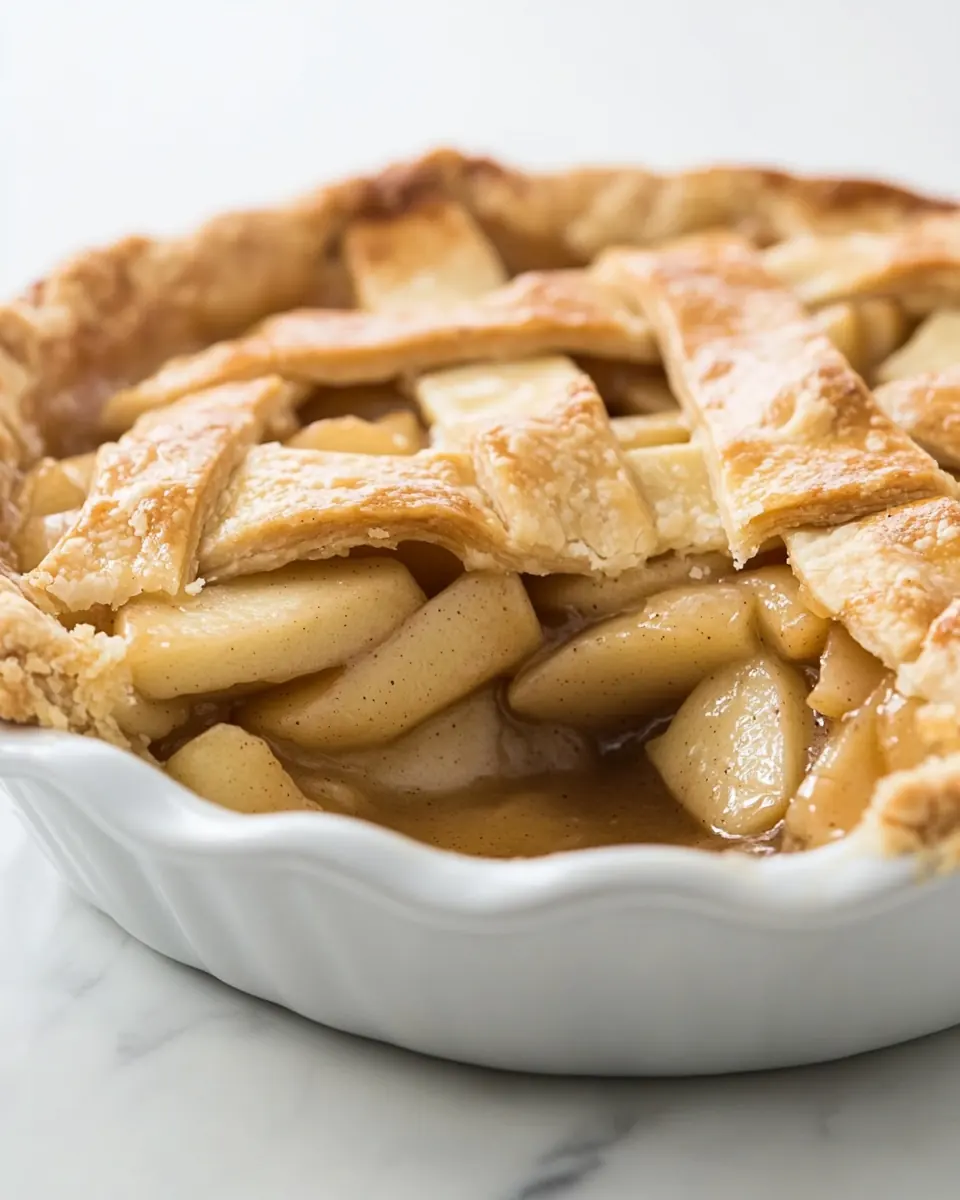
These ingredients are built around a simple philosophy, quality and balance. The dough needs just a few pantry staples to make a rich, flaky crust while the filling relies on bright, tart apples and a little butter to build depth. The key players are the all purpose flour for structure, the cold butter for flakiness, and the apples plus cinnamon and a touch of lemon juice for bright, spiced sweetness.
- 2 1/2 cups all purpose flour: Provides structure and body to the pie dough, forming the base of both crust layers. Works with cold fats and water to create a flaky texture when properly mixed and rested before rolling.
- 1 teaspoons salt: Adds a balancing flavor and enhances the dough by strengthening gluten slightly; helps control sweetness perception. Used sparingly to avoid toughening the crust while providing a subtle savory contrast.
- 1 cup cold butter cut into chunks: Contributes richness and creates flaky pockets in the pastry when kept cold and cut into the flour. Melts during baking to impart buttery flavor and tenderize the dough, crucial for a classic pie crust texture.
- 1/2 cup cold water or more, if needed: Supplies moisture to bring the flour and fat together into a cohesive dough, allowing it to be kneaded and rolled without crumbling. Adjusted as needed to achieve the proper consistency for a pliable, not sticky, crust.
- 2 tablespoons butter: Enhances flavor and browning when dotted on the filling or used to brush the crust; adds extra buttery richness. Melts into the apple filling as it bakes, contributing to mouthfeel and depth of taste.
- 6 whole granny smith apples peeled, cored and sliced: Provides the main filling component with a firm, tart profile that holds its shape when baked; slices release juices that make the filling saucy. Benefits from peeling and coring to ensure even cooking and a smooth texture in each pie slice.
- 1 cup granulated sugar divided: Adds sweetness to balance the apples' tartness and helps create a syrupy filling; portioned for both the filling and possibly topping or sprinkling. Dissolves into the fruit juices during baking to enhance flavor and caramelization.
- 3 tablespoons lemon juice: Brightens and balances the sweetness while preventing the apple slices from browning before assembly. Introduces a subtle acidic note that enhances fruit flavor and helps create a well-rounded pie filling.
- 2 teaspoons cinnamon: Imparts warm, aromatic flavor that complements apples and enhances the overall spice profile of the pie. Blended into the filling to distribute evenly so each bite has a consistent cinnamon presence.
- 1/4 cup all purpose flour: Acts as a thickening agent for the apple juices released during baking, helping the filling set rather than runny. Coats the fruit and absorbs excess moisture so the finished pie has a cohesive, sliceable filling.
How to Cook Buttery Apple Pie
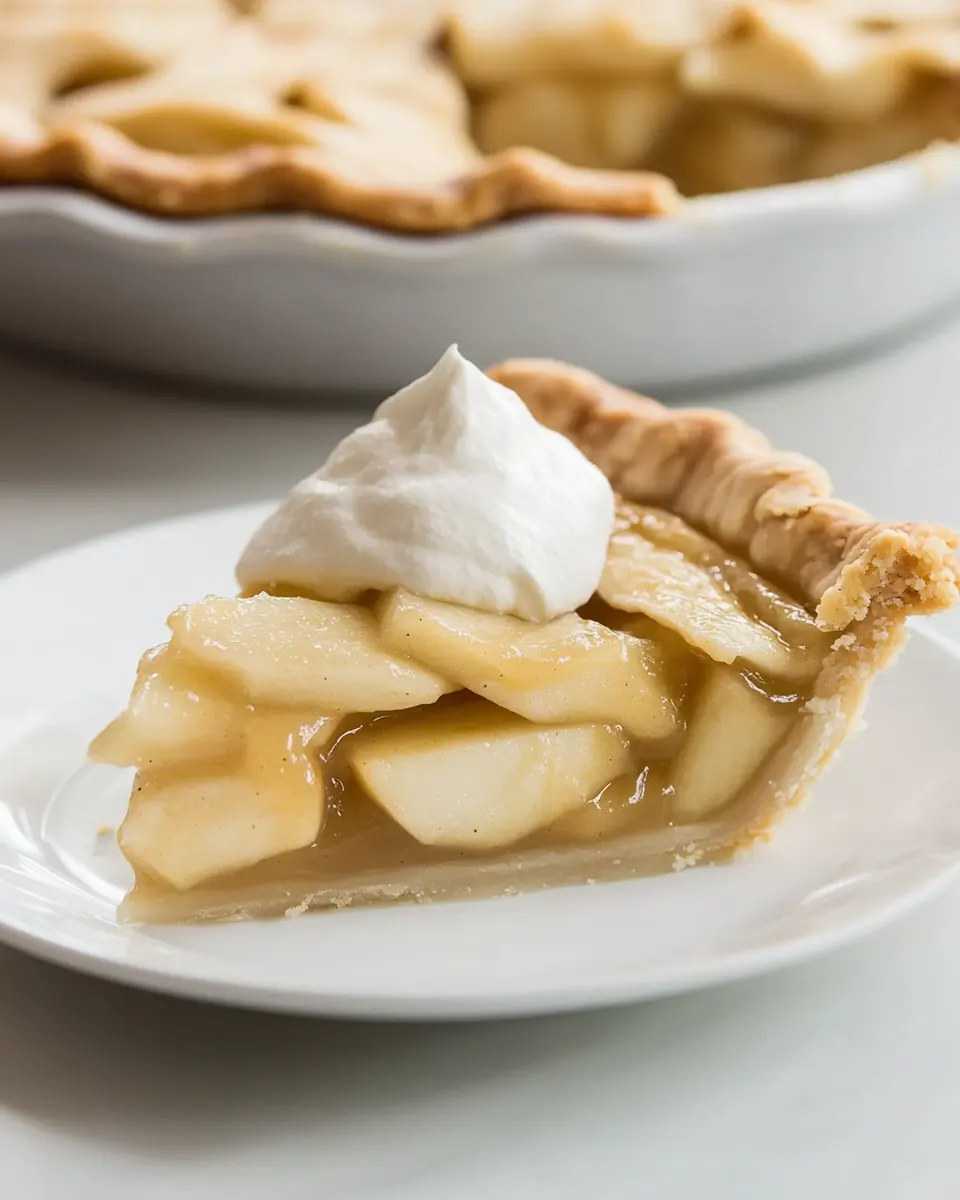
These instructions walk you through creating a flaky crust and a spiced, well textured filling. I wrote each step to explain sensory cues and why the techniques matter, so you can feel confident at the counter. Take your time with chilling and the apple cooking, those moments pay off in a pie that cuts neatly and tastes deep.
- In a large bowl, stir flour and salt together. Cut cold butter into the flour until it is the size of small peas. Slowly stir in cold water, 1-2 tablespoons at a time until the dough comes together. Roll into a ball, wrap in plastic wrap and refrigerate.: You will notice the dry mixture looks pale and uniform, and stirring distributes the salt so each bite is balanced. The dry scent of the all purpose flour shifts slightly when mixed with salt , a subtle sign that the base is ready for the butter . Use a feel test, rubbing a pinch between fingers, to ensure even distribution. A common mistake is under-mixing, which can leave pockets of salt that create salty bites later.
- In a large, deep skillet (or heavy-bottomed pot), heat butter over medium heat. Add apples, 1/2 cup granulated sugar and lemon juice. Cook 5-7 minutes or until form tender, but still holding their shape. Pour into a strainer and drain off any excess liquid. Cool 30 minutes.: As you work, you will hear a soft, rubbing noise and see pea sized butter bits coated in flour, which is exactly what you want. These visible pockets are the promise of flakiness, since they melt during baking and form steam layers. Work quickly so the butter stays cold; warm hands or a long process will make the dough greasy and dense, losing that delicate texture.
- Stir remaining sugar, cinnamon and flour together with cooked apples.: You will feel the mixture begin to cohere into a shaggy mass, slightly tacky but not wet. Adding water a little at a time gives you control, preventing an overly hydrated dough. Once it gathers into a rough ball, stop; over-hydrating will make the crust tough. A usual slip is adding all the water at once, which forces you to overwork the dough to compensate.
- Remove pie crust from fridge, cut into two, roll one half on a floured board and place into 9-inch glass pie plate. Pour in apple filling and smooth the top. Roll out remaining pie crust and cut into strips. Create a lattice pattern over the top of the pie. Cut away any excess dough over the sides and crimp edges.: The dough will feel cool and slightly firm after a short rest, and refrigeration relaxes gluten while keeping butter solid. Chilling for at least thirty minutes firms the dough for rolling and prevents shrinkage while baking. Skipping this rest often leads to shrinking and a tough bite, so I always chill it as advised.
- Bake pie at 425 degrees for 15 minutes. Reduce heat to 350 degrees and bake another 30 minutes or until edges and top of pie are golden brown.: When the butter melts you will see it foam and then settle into a glossy pool, which is the right moment to add the apples . This moderate heat lets you build gentle caramelization rather than scorching. If the pan gets too hot, the butter will brown quickly and the exterior of the apples may darken before softening.
- Cool at least 1 hour before enjoying. For pieces that cut perfectly and hold their shape, cool completely, reheat and then cut. Serve with vanilla ice cream.: As the apples hit the pan you will hear a faint sizzle and smell bright fruit and warm butter. The sugar begins to dissolve, drawing out juices and coaxing the surface to caramelize. The lemon juice brightens flavors and helps prevent browning. Overcrowding the pan can steam the slices instead of caramelizing them, so work in batches if necessary.
- Cook 5 7 minutes or until form tender, but still holding their shape: During this short cook the apples will soften slightly yet keep a defined edge, and their aroma will concentrate, smelling almost candied. The flesh should yield to a fork without collapsing. Cooking too long will make them mushy and increase the risk of a soggy pie, so watch for the tender but intact cue.
- Pour into a strainer and drain off any excess liquid: You will see glossy syrup collect, and draining it prevents a runny filling once baked. The drained juices are flavorful, but too much here will prevent the filling from setting cleanly. A common slip is skipping the drain, which leads to a fluid pie that does not slice well.
- Cool 30 minutes: As the apples cool the juices thicken and flavors settle, and the temperature drop makes mixing with the remaining sugar and flour easier. If you add the thickener while hot, it can clump or break down the starch. Rushing this rest can cause a filling that is too fluid during assembly.
- Stir remaining sugar cinnamon and flour together with cooked apples: The aroma of cinnamon will bloom as you toss and the flour will absorb juices, creating a cohesive, glossy mixture. This step sets the final sweetness and texture, and thorough coating ensures even thickening during baking. Uneven mixing can leave pockets of raw flour or clumps that do not cook through.
- Remove pie crust from fridge cut into two roll one half on a floured board and place into 9 inch glass pie plate: The chilled dough will feel firm and slightly pliable, and rolling will produce a smooth, even sheet if you flour lightly. Transferring to the plate should be gentle to avoid tearing; the dough will relax into the dish. If the dough is too warm it will stick and deform, so keep it cold between handling.
- Pour in apple filling and smooth the top: As you spoon in the filling you will see the gleam of sauce and the layered apple slices, and smoothing helps the lattice sit neatly. Leave a small gap at the rim for juices that bubble up during baking. Overfilling can cause bubbling over and messy edges, so keep the amount recommended.
- Roll out remaining pie crust and cut into strips Create a lattice pattern over the top of the pie: Weaving the strips produces an inviting, golden web, and brushing with a light egg wash if desired will deepen the color. The lattice allows steam to escape, concentrating flavors and promoting even baking. A common mistake is making strips uneven, which causes inconsistent browning.
- Cut away any excess dough over the sides and crimp edges: Trimming and crimping seals the pie and creates an attractive border, and the edges will brown to a nutty aroma. A tight seal prevents juices from leaking during baking. Rushing the crimp can tear the crust and invite leaks, so take a steady minute to finish the rim.
- Bake pie at 425 degrees for 15 minutes: At this initial high heat the crust begins to set and color quickly, producing a flaky lift and a short burst of steam that crisps layers. You will see the top turn golden and the filling bubble. If you start at too low a temperature the crust may not rise properly, resulting in a dense edge.
- Reduce heat to 350 degrees and bake another 30 minutes or until edges and top of pie are golden brown: Lowering the heat lets the filling thicken without burning the crust, and the pie will settle into a deep, caramelized aroma. Watch the edges for a warm brown hue and the filling for gentle bubbling in the center. Baking too long at this stage risks overbrowning the crust and drying the filling.
- Cool at least 1 hour before enjoying: Cooling allows the flour to finish absorbing liquid and the pie to set, so slices cut cleanly and hold shape. You will notice the aroma mellow as it cools and the texture firm slightly. Serving too soon yields a runny filling and messy slices, so patience rewards you with neat pieces.
- For pieces that cut perfectly and hold their shape cool completely reheat and then cut: If you need neat slices, chilling completely firms the filling. Reheating gently restores warmth without liquefying the structure, and you will get tidy pieces with a pleasing mouthfeel. Cutting warm from fresh out of the oven will often produce sloppy slices, so allow time for setting.
- Serve with vanilla ice cream: The cold creaminess of vanilla ice cream contrasts with the warm, spiced filling, creating a classic balance of temperatures and textures. Spoonfuls will meld melting cream with the pie's caramel notes, an experience many guests find irresistible. Forgetting the ice cream is not an error, but it does miss an iconic pairing that elevates the dessert.
Tips and Variations
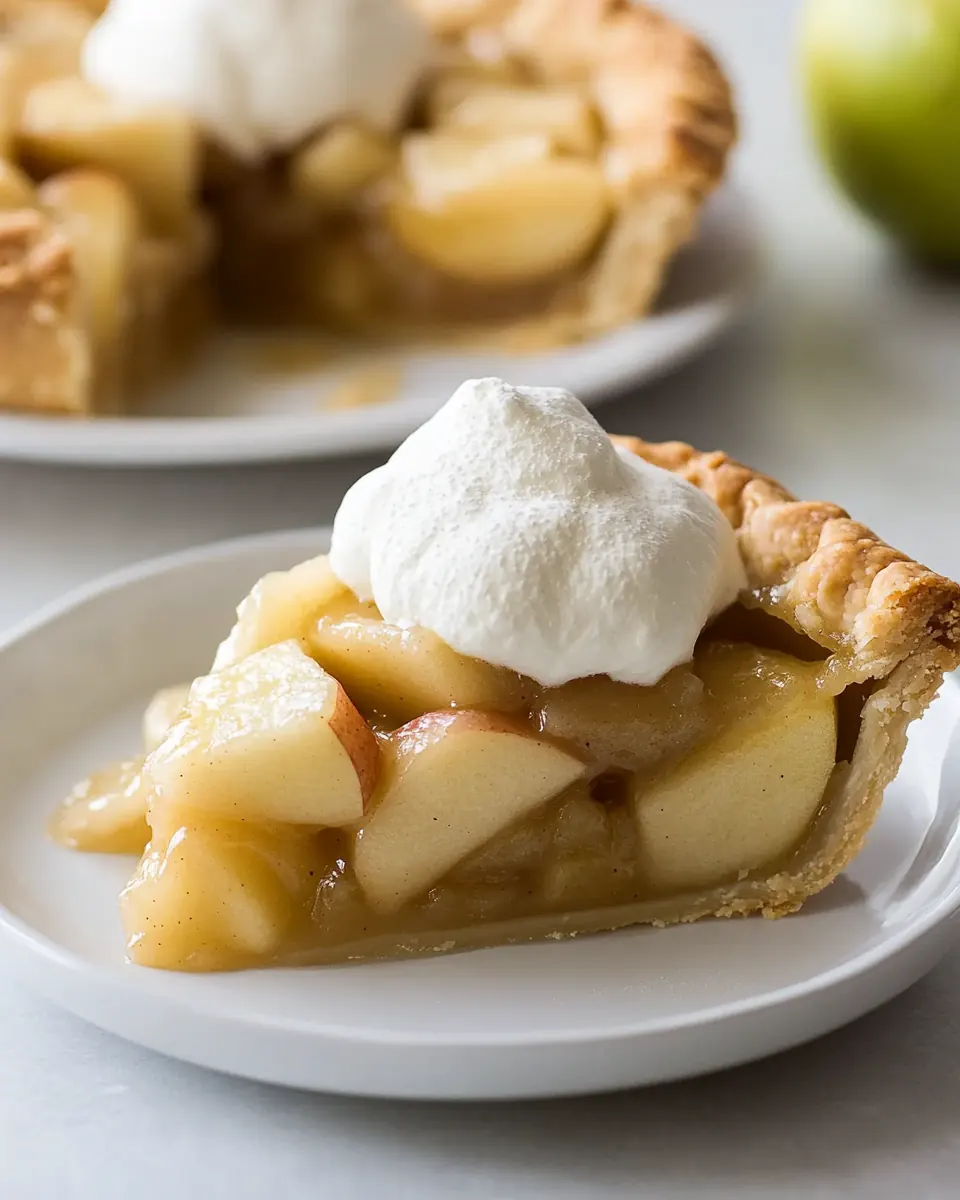
I like to offer small adjustments and serving ideas that keep the core recipe intact while letting you personalize the result. Below are practical tips that reflect how I actually make this pie on busy days or when I want to impress guests.
- Use cold ingredients: Always chill your butter and keep the water ice cold to ensure flakiness in the crust; if the butter softens, refrigerate the dough briefly before proceeding.
- Par cook the apples: Cooking the apples briefly with butter and part of the granulated sugar concentrates flavor and prevents a runny filling, which is the difference between a messy pie and one that slices cleanly.
- Measure flour correctly: Spoon the all purpose flour into measuring cups and level with a knife to avoid packing, which can create a dense crust.
- Drain the filling well: After cooking, drain excess liquid from the apples so the flour thickener can do its job without becoming diluted, ensuring slices hold form.
- Protect the crust edges: If the edges brown too quickly, shield them with foil or a pie shield to prevent burning while the center finishes baking.
Serving Ideas for Buttery Apple Pie
This pie is versatile, suitable for a casual afternoon coffee or the centerpiece of a holiday table. Below are detailed ways to serve and pair it, including storage and occasion suggestions to help you present it beautifully.
- Classic dessert plate: Serve a warm slice with a scoop of cold vanilla ice cream for contrast, the melting ice cream creating a creamy sauce that highlights the cinnamon and caramel notes.
- Holiday centerpiece: For Thanksgiving or family gatherings, place the pie in the center of the table with a pie server and small plates, letting guests help themselves to neat slices.
- Afternoon tea: Pair small wedges with a pot of black tea or coffee, the pie’s buttery crust and spiced apples matching well with brighter beverages for a cozy midday treat.
- Make ahead: Bake the pie a day in advance and refrigerate fully cooled. Reheat gently in a moderate oven to restore warmth before serving, which helps slices set and simplifies hosting.
- Storage tips: Store leftover pie covered in the refrigerator for up to four days to preserve texture. For longer storage, freeze slices wrapped tightly and thaw in the fridge before reheating.
- Seasonal pairing: In fall and winter, serve with warm drinks like spiced cider. The pie’s rich, buttery qualities complement cozy seasonal beverages and make it ideal for colder months.
FAQ
Conclusion
Buttery Apple Pie stands out because it pairs a tender, flaky crust with spiced, slightly firm apples for a dessert that is both comforting and precise. Give this recipe a try when you want something that reads as special on the table but stays approachable to prepare. You’ll likely find that the small technique steps, like par cooking the apples and keeping the butter cold, are what turn a good pie into a memorable one; enjoy sharing it with friends and family.
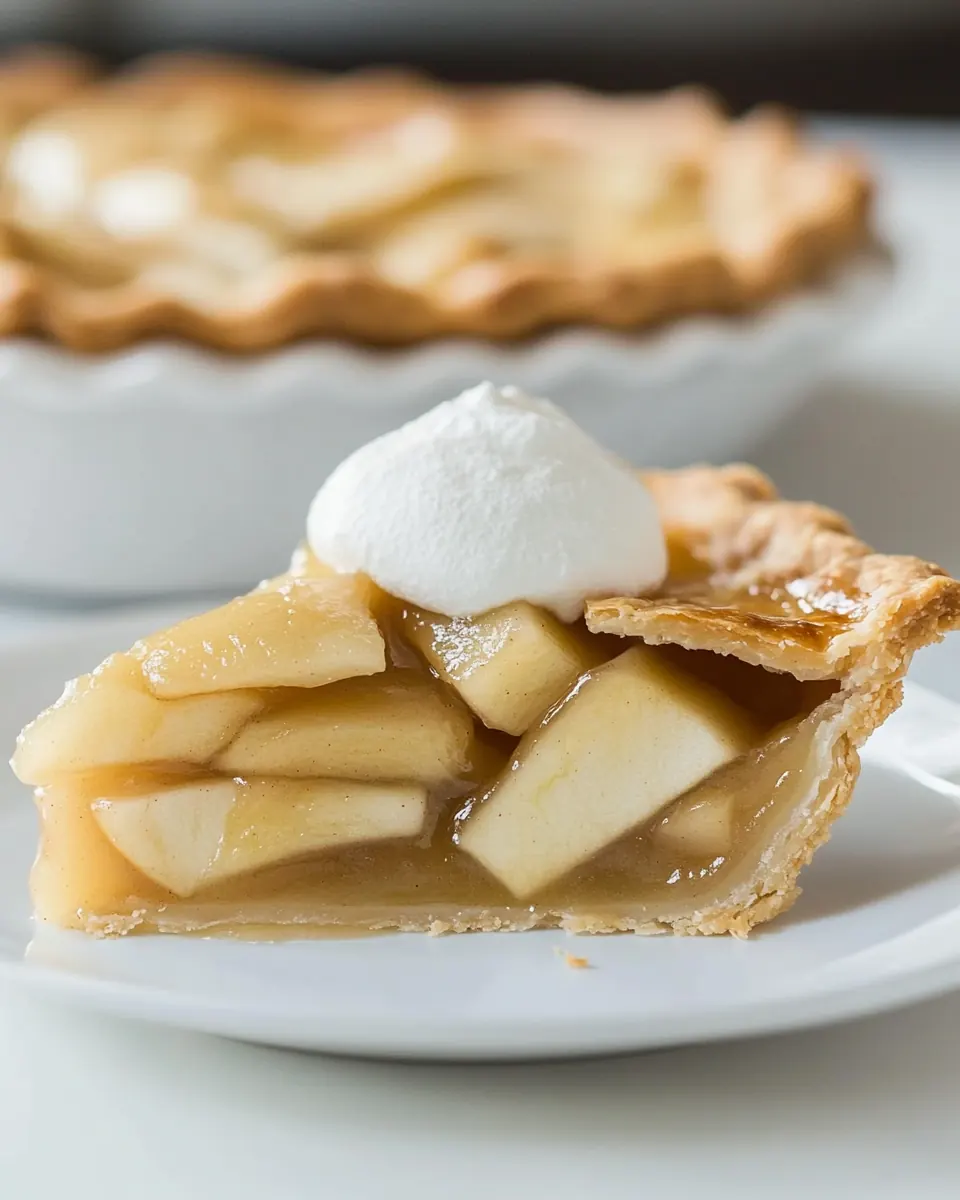
Buttery Apple Pie
Ingredients
Equipment
Method
- In a large bowl, stir flour and salt together. Cut cold butter into the flour until it is the size of small peas. Slowly stir in cold water, 1-2 tablespoons at a time until the dough comes together. Roll into a ball, wrap in plastic wrap and refrigerate.: You will notice the dry mixture looks pale and uniform, and stirring distributes the salt so each bite is balanced. The dry scent of the all purpose flour shifts slightly when mixed with salt , a subtle sign that the base is ready for the butter . Use a feel test, rubbing a pinch between fingers, to ensure even distribution. A common mistake is under-mixing, which can leave pockets of salt that create salty bites later.
- In a large, deep skillet (or heavy-bottomed pot), heat butter over medium heat. Add apples, 1/2 cup granulated sugar and lemon juice. Cook 5-7 minutes or until form tender, but still holding their shape. Pour into a strainer and drain off any excess liquid. Cool 30 minutes.: As you work, you will hear a soft, rubbing noise and see pea sized butter bits coated in flour, which is exactly what you want. These visible pockets are the promise of flakiness, since they melt during baking and form steam layers. Work quickly so the butter stays cold; warm hands or a long process will make the dough greasy and dense, losing that delicate texture.
- Stir remaining sugar, cinnamon and flour together with cooked apples.: You will feel the mixture begin to cohere into a shaggy mass, slightly tacky but not wet. Adding water a little at a time gives you control, preventing an overly hydrated dough. Once it gathers into a rough ball, stop; over-hydrating will make the crust tough. A usual slip is adding all the water at once, which forces you to overwork the dough to compensate.
- Remove pie crust from fridge, cut into two, roll one half on a floured board and place into 9-inch glass pie plate. Pour in apple filling and smooth the top. Roll out remaining pie crust and cut into strips. Create a lattice pattern over the top of the pie. Cut away any excess dough over the sides and crimp edges.: The dough will feel cool and slightly firm after a short rest, and refrigeration relaxes gluten while keeping butter solid. Chilling for at least thirty minutes firms the dough for rolling and prevents shrinkage while baking. Skipping this rest often leads to shrinking and a tough bite, so I always chill it as advised.
- Bake pie at 425 degrees for 15 minutes. Reduce heat to 350 degrees and bake another 30 minutes or until edges and top of pie are golden brown.: When the butter melts you will see it foam and then settle into a glossy pool, which is the right moment to add the apples . This moderate heat lets you build gentle caramelization rather than scorching. If the pan gets too hot, the butter will brown quickly and the exterior of the apples may darken before softening.
- Cool at least 1 hour before enjoying. For pieces that cut perfectly and hold their shape, cool completely, reheat and then cut. Serve with vanilla ice cream.: As the apples hit the pan you will hear a faint sizzle and smell bright fruit and warm butter. The sugar begins to dissolve, drawing out juices and coaxing the surface to caramelize. The lemon juice brightens flavors and helps prevent browning. Overcrowding the pan can steam the slices instead of caramelizing them, so work in batches if necessary.
- Cook 5 7 minutes or until form tender, but still holding their shape: During this short cook the apples will soften slightly yet keep a defined edge, and their aroma will concentrate, smelling almost candied. The flesh should yield to a fork without collapsing. Cooking too long will make them mushy and increase the risk of a soggy pie, so watch for the tender but intact cue.
- Pour into a strainer and drain off any excess liquid: You will see glossy syrup collect, and draining it prevents a runny filling once baked. The drained juices are flavorful, but too much here will prevent the filling from setting cleanly. A common slip is skipping the drain, which leads to a fluid pie that does not slice well.
- Cool 30 minutes: As the apples cool the juices thicken and flavors settle, and the temperature drop makes mixing with the remaining sugar and flour easier. If you add the thickener while hot, it can clump or break down the starch. Rushing this rest can cause a filling that is too fluid during assembly.
- Stir remaining sugar cinnamon and flour together with cooked apples: The aroma of cinnamon will bloom as you toss and the flour will absorb juices, creating a cohesive, glossy mixture. This step sets the final sweetness and texture, and thorough coating ensures even thickening during baking. Uneven mixing can leave pockets of raw flour or clumps that do not cook through.
- Remove pie crust from fridge cut into two roll one half on a floured board and place into 9 inch glass pie plate: The chilled dough will feel firm and slightly pliable, and rolling will produce a smooth, even sheet if you flour lightly. Transferring to the plate should be gentle to avoid tearing; the dough will relax into the dish. If the dough is too warm it will stick and deform, so keep it cold between handling.
- Pour in apple filling and smooth the top: As you spoon in the filling you will see the gleam of sauce and the layered apple slices, and smoothing helps the lattice sit neatly. Leave a small gap at the rim for juices that bubble up during baking. Overfilling can cause bubbling over and messy edges, so keep the amount recommended.
- Roll out remaining pie crust and cut into strips Create a lattice pattern over the top of the pie: Weaving the strips produces an inviting, golden web, and brushing with a light egg wash if desired will deepen the color. The lattice allows steam to escape, concentrating flavors and promoting even baking. A common mistake is making strips uneven, which causes inconsistent browning.
- Cut away any excess dough over the sides and crimp edges: Trimming and crimping seals the pie and creates an attractive border, and the edges will brown to a nutty aroma. A tight seal prevents juices from leaking during baking. Rushing the crimp can tear the crust and invite leaks, so take a steady minute to finish the rim.
- Bake pie at 425 degrees for 15 minutes: At this initial high heat the crust begins to set and color quickly, producing a flaky lift and a short burst of steam that crisps layers. You will see the top turn golden and the filling bubble. If you start at too low a temperature the crust may not rise properly, resulting in a dense edge.
- Reduce heat to 350 degrees and bake another 30 minutes or until edges and top of pie are golden brown: Lowering the heat lets the filling thicken without burning the crust, and the pie will settle into a deep, caramelized aroma. Watch the edges for a warm brown hue and the filling for gentle bubbling in the center. Baking too long at this stage risks overbrowning the crust and drying the filling.
- Cool at least 1 hour before enjoying: Cooling allows the flour to finish absorbing liquid and the pie to set, so slices cut cleanly and hold shape. You will notice the aroma mellow as it cools and the texture firm slightly. Serving too soon yields a runny filling and messy slices, so patience rewards you with neat pieces.
- For pieces that cut perfectly and hold their shape cool completely reheat and then cut: If you need neat slices, chilling completely firms the filling. Reheating gently restores warmth without liquefying the structure, and you will get tidy pieces with a pleasing mouthfeel. Cutting warm from fresh out of the oven will often produce sloppy slices, so allow time for setting.
- Serve with vanilla ice cream: The cold creaminess of vanilla ice cream contrasts with the warm, spiced filling, creating a classic balance of temperatures and textures. Spoonfuls will meld melting cream with the pie's caramel notes, an experience many guests find irresistible. Forgetting the ice cream is not an error, but it does miss an iconic pairing that elevates the dessert.
Notes
- Use cold ingredients: Always chill your butter and keep the water ice cold to ensure flakiness in the crust; if the butter softens, refrigerate the dough briefly before proceeding.
- Par cook the apples: Cooking the apples briefly with butter and part of the granulated sugar concentrates flavor and prevents a runny filling, which is the difference between a messy pie and one that slices cleanly.
- Measure flour correctly: Spoon the all purpose flour into measuring cups and level with a knife to avoid packing, which can create a dense crust.
- Drain the filling well: After cooking, drain excess liquid from the apples so the flour thickener can do its job without becoming diluted, ensuring slices hold form.
- Protect the crust edges: If the edges brown too quickly, shield them with foil or a pie shield to prevent burning while the center finishes baking.