In a large bowl, stir flour and salt together. Cut cold butter into the flour until it is the size of small peas. Slowly stir in cold water, 1-2 tablespoons at a time until the dough comes together. Roll into a ball, wrap in plastic wrap and refrigerate.: You will notice the dry mixture looks pale and uniform, and stirring distributes the salt so each bite is balanced. The dry scent of the all purpose flour shifts slightly when mixed with salt , a subtle sign that the base is ready for the butter . Use a feel test, rubbing a pinch between fingers, to ensure even distribution. A common mistake is under-mixing, which can leave pockets of salt that create salty bites later.
In a large, deep skillet (or heavy-bottomed pot), heat butter over medium heat. Add apples, 1/2 cup granulated sugar and lemon juice. Cook 5-7 minutes or until form tender, but still holding their shape. Pour into a strainer and drain off any excess liquid. Cool 30 minutes.: As you work, you will hear a soft, rubbing noise and see pea sized butter bits coated in flour, which is exactly what you want. These visible pockets are the promise of flakiness, since they melt during baking and form steam layers. Work quickly so the butter stays cold; warm hands or a long process will make the dough greasy and dense, losing that delicate texture.
Stir remaining sugar, cinnamon and flour together with cooked apples.: You will feel the mixture begin to cohere into a shaggy mass, slightly tacky but not wet. Adding water a little at a time gives you control, preventing an overly hydrated dough. Once it gathers into a rough ball, stop; over-hydrating will make the crust tough. A usual slip is adding all the water at once, which forces you to overwork the dough to compensate.
Remove pie crust from fridge, cut into two, roll one half on a floured board and place into 9-inch glass pie plate. Pour in apple filling and smooth the top. Roll out remaining pie crust and cut into strips. Create a lattice pattern over the top of the pie. Cut away any excess dough over the sides and crimp edges.: The dough will feel cool and slightly firm after a short rest, and refrigeration relaxes gluten while keeping butter solid. Chilling for at least thirty minutes firms the dough for rolling and prevents shrinkage while baking. Skipping this rest often leads to shrinking and a tough bite, so I always chill it as advised.
Bake pie at 425 degrees for 15 minutes. Reduce heat to 350 degrees and bake another 30 minutes or until edges and top of pie are golden brown.: When the butter melts you will see it foam and then settle into a glossy pool, which is the right moment to add the apples . This moderate heat lets you build gentle caramelization rather than scorching. If the pan gets too hot, the butter will brown quickly and the exterior of the apples may darken before softening.
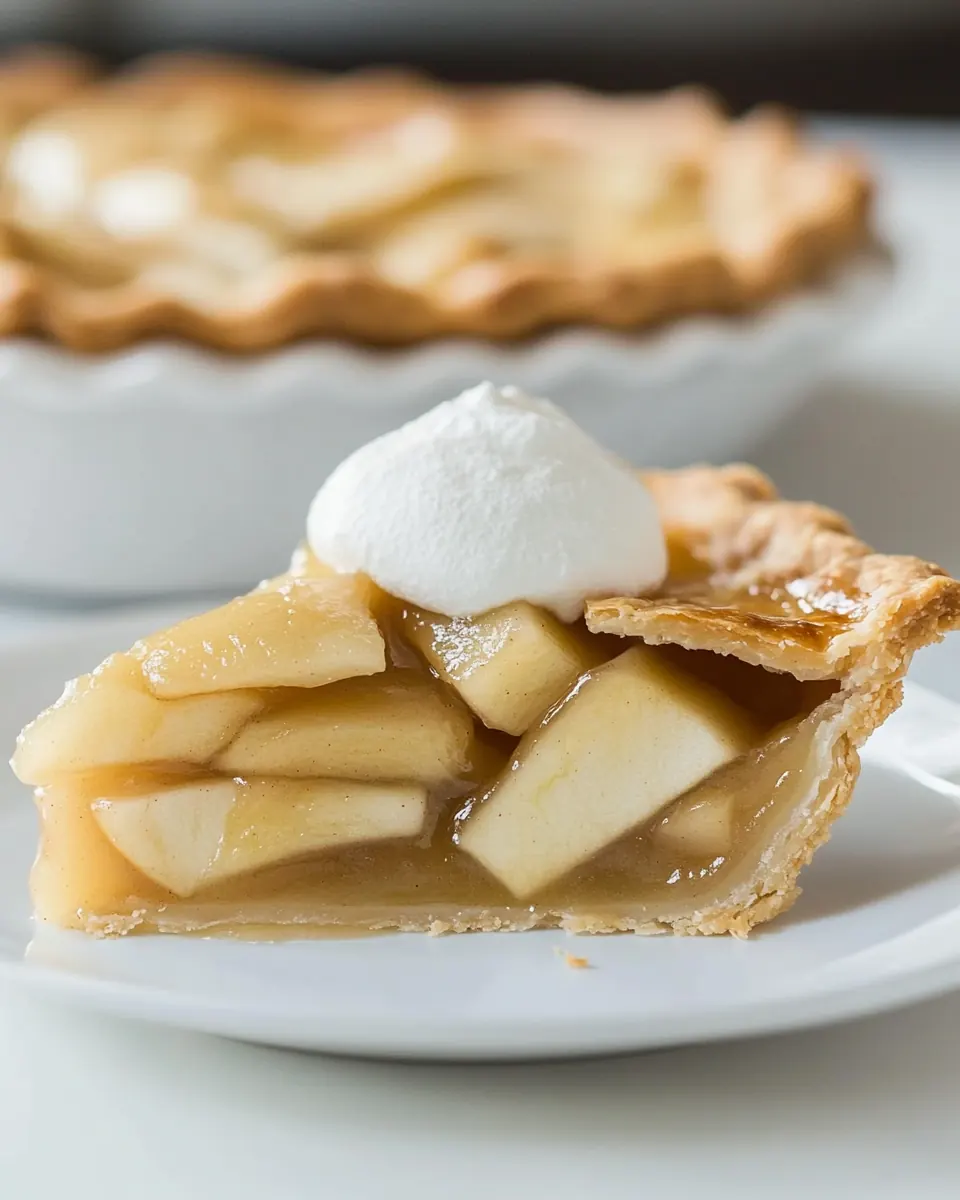
Cool at least 1 hour before enjoying. For pieces that cut perfectly and hold their shape, cool completely, reheat and then cut. Serve with vanilla ice cream.: As the apples hit the pan you will hear a faint sizzle and smell bright fruit and warm butter. The sugar begins to dissolve, drawing out juices and coaxing the surface to caramelize. The lemon juice brightens flavors and helps prevent browning. Overcrowding the pan can steam the slices instead of caramelizing them, so work in batches if necessary.
Cook 5 7 minutes or until form tender, but still holding their shape: During this short cook the apples will soften slightly yet keep a defined edge, and their aroma will concentrate, smelling almost candied. The flesh should yield to a fork without collapsing. Cooking too long will make them mushy and increase the risk of a soggy pie, so watch for the tender but intact cue.
Pour into a strainer and drain off any excess liquid: You will see glossy syrup collect, and draining it prevents a runny filling once baked. The drained juices are flavorful, but too much here will prevent the filling from setting cleanly. A common slip is skipping the drain, which leads to a fluid pie that does not slice well.
Cool 30 minutes: As the apples cool the juices thicken and flavors settle, and the temperature drop makes mixing with the remaining sugar and flour easier. If you add the thickener while hot, it can clump or break down the starch. Rushing this rest can cause a filling that is too fluid during assembly.
Stir remaining sugar cinnamon and flour together with cooked apples: The aroma of cinnamon will bloom as you toss and the flour will absorb juices, creating a cohesive, glossy mixture. This step sets the final sweetness and texture, and thorough coating ensures even thickening during baking. Uneven mixing can leave pockets of raw flour or clumps that do not cook through.
Remove pie crust from fridge cut into two roll one half on a floured board and place into 9 inch glass pie plate: The chilled dough will feel firm and slightly pliable, and rolling will produce a smooth, even sheet if you flour lightly. Transferring to the plate should be gentle to avoid tearing; the dough will relax into the dish. If the dough is too warm it will stick and deform, so keep it cold between handling.
Pour in apple filling and smooth the top: As you spoon in the filling you will see the gleam of sauce and the layered apple slices, and smoothing helps the lattice sit neatly. Leave a small gap at the rim for juices that bubble up during baking. Overfilling can cause bubbling over and messy edges, so keep the amount recommended.
Roll out remaining pie crust and cut into strips Create a lattice pattern over the top of the pie: Weaving the strips produces an inviting, golden web, and brushing with a light egg wash if desired will deepen the color. The lattice allows steam to escape, concentrating flavors and promoting even baking. A common mistake is making strips uneven, which causes inconsistent browning.
Cut away any excess dough over the sides and crimp edges: Trimming and crimping seals the pie and creates an attractive border, and the edges will brown to a nutty aroma. A tight seal prevents juices from leaking during baking. Rushing the crimp can tear the crust and invite leaks, so take a steady minute to finish the rim.
Bake pie at 425 degrees for 15 minutes: At this initial high heat the crust begins to set and color quickly, producing a flaky lift and a short burst of steam that crisps layers. You will see the top turn golden and the filling bubble. If you start at too low a temperature the crust may not rise properly, resulting in a dense edge.
Reduce heat to 350 degrees and bake another 30 minutes or until edges and top of pie are golden brown: Lowering the heat lets the filling thicken without burning the crust, and the pie will settle into a deep, caramelized aroma. Watch the edges for a warm brown hue and the filling for gentle bubbling in the center. Baking too long at this stage risks overbrowning the crust and drying the filling.
Cool at least 1 hour before enjoying: Cooling allows the flour to finish absorbing liquid and the pie to set, so slices cut cleanly and hold shape. You will notice the aroma mellow as it cools and the texture firm slightly. Serving too soon yields a runny filling and messy slices, so patience rewards you with neat pieces.
For pieces that cut perfectly and hold their shape cool completely reheat and then cut: If you need neat slices, chilling completely firms the filling. Reheating gently restores warmth without liquefying the structure, and you will get tidy pieces with a pleasing mouthfeel. Cutting warm from fresh out of the oven will often produce sloppy slices, so allow time for setting.
Serve with vanilla ice cream: The cold creaminess of vanilla ice cream contrasts with the warm, spiced filling, creating a classic balance of temperatures and textures. Spoonfuls will meld melting cream with the pie's caramel notes, an experience many guests find irresistible. Forgetting the ice cream is not an error, but it does miss an iconic pairing that elevates the dessert.