Cajun Butter Steak Bites
Cajun Butter Steak Bites started showing up at my table on nights when I wanted something bold and unfussy, something that felt indulgent without a lot of fuss. The first time I made them I remember the kitchen filling with a warm, smoky aroma that made everyone pause what they were doing and gather by the stove. My partner walked in, took one whiff, and announced they were staying for dinner, no questions asked. That moment of sudden attention has stuck with me, because these steak bites do that, they demand company.
Over the years I have adjusted tiny things, like the amount of cayenne or whether I finish with a pat more butter, to suit the mood. I like the way the seasoning clings to each cube of steak, forming those caramelized edges that give you that first crunchy chew before the interior goes tender. I serve them with something simple, and everyone gets to enjoy the contrast between the spicy crust and the buttery, garlicky finish. These bites are fast enough for weeknights, but bold enough to star at a casual weekend dinner with friends.
Recipe Snapshot
20 mins
10 mins
10 mins
Easy
350 kcal
American
Gluten-Free, Keto
Dinner
Skillet, Tongs, Shallow bowl
What’s Great About This Cajun Butter Steak Bites
Bold Flavor from Simple Pantry Staples
I love how a handful of dried spices like paprika, garlic powder, and cayenne pepper can transform plain cubes of steak into something memorable. The seasoning mix builds layers of smoky, savory, and slightly sweet notes, so every bite feels full and complete.
Speed Without Sacrifice
One reason I keep coming back to Cajun Butter Steak Bites is the speed. You can go from fridge to table in under 30 minutes, and that is a lifesaver on hectic evenings. Fast does not mean flimsy here, the quick sear locks in juices and creates a satisfying crust.
Versatile and Crowd Friendly
These bites are fantastic as a main, or chopped up as a hearty topping. I like that they fit into weeknight dinners, date nights, or casual get togethers. The seasoning is easy to scale, so I’ll make a double batch when friends pop by.
Fat and Heat in Harmony
Finishing with butter and garlic softens the heat from the cayenne and enriches the pan juices, making a glossy coating that clings to the meat. That balance of spicy and silky makes the dish addictive.
Minimal Tools, Maximum Impact
You do not need a long ingredient list or special equipment. A hot skillet, a little oil, and a confident sear are all it takes. I love recipes that reward attention with flavor, and this one does exactly that.
Ingredients Overview for Cajun Butter Steak Bites
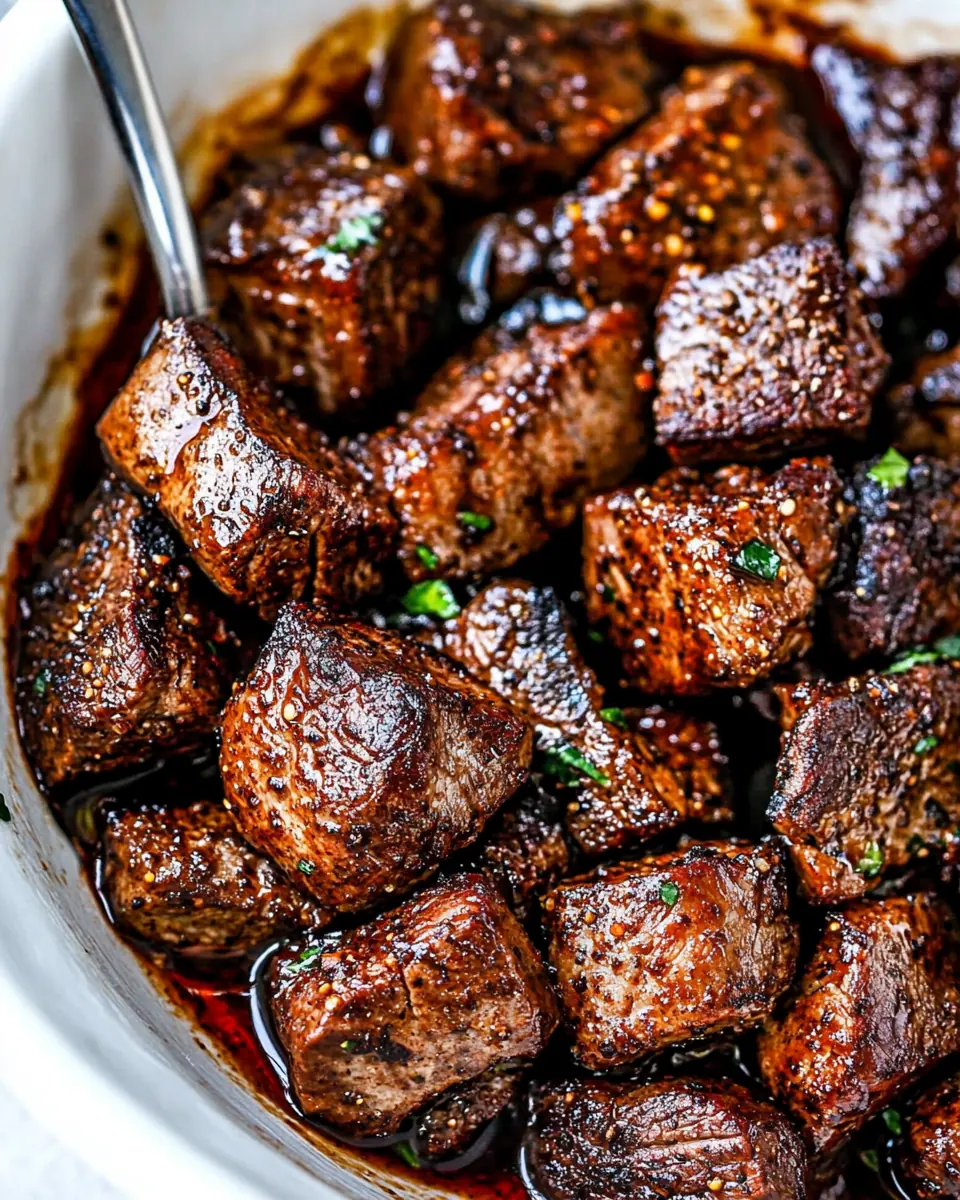
These ingredients are built around a simple philosophy: bold spice, high quality steak, and finishing fat. The seasoning blend provides smoky, savory, and spicy notes that form a flavorful crust, while the butter and garlic finish create a rich sauce that clings to each bite. The key players are the spice mix and the cut of steak, which together create contrast between crisp edges and juicy centers.
- 1 tablespoon mild paprika: Season generously to provide earthy color and mild smoky flavor that forms the base of the Cajun spice blend; helps create an attractive crust when seared.
- 1 1/2 teaspoons salt: Enhance overall flavor balance and aid in seasoning the meat so the steak bites taste well-rounded and savory throughout.
- 1 1/2 teaspoons garlic powder: Add savory, pungent depth that echoes roasted garlic notes; helps build the signature garlicky undertone in the spice rub and sauce.
- 1 teaspoon onion powder: Bring subtle sweet-onion aroma and rounded savory background that complements garlic and paprika without overpowering the other spices.
- 1 teaspoon chili powder add more if you like heat: Introduce gentle warmth and complexity with a mild chili flavor; can be adjusted to increase overall heat and Cajun character.
- 3/4 teaspoon dried thyme: Contribute a lightly floral, slightly minty herbiness that brightens the meat and pairs well with other dried herbs in the rub.
- 1/2 teaspoon dried oregano: Provide a warm, slightly bitter herb note that supports the thyme and balances the spice mixture for a more layered flavor.
- 1/2 teaspoon brown sugar keto: use brown sugar substitute: Offer a touch of sweetness to balance heat and savory elements; use a brown sugar substitute for a keto-friendly alternative.
- 1/2 3/4 teaspoon cayenne pepper add more if you like heat: Deliver concentrated heat and a sharp, spicy kick that can be increased or reduced to control the dish's spiciness level.
- 1/4 teaspoon cracked pepper to taste: Add a sharp, freshly cracked peppery bite that enhances overall spiciness and complements the other dry seasonings.
- 23 oz steak, cut into 2-inch cubes, Sirloin, Rump, New York Strip, Porterhouse or Ribeye: Serve as the primary protein, cut into uniform 2-inch cubes for quick, even cooking; choose a tender, well-marbled cut for juiciness.
- 1 2 tablespoons canola oil divided: Aid in searing by providing a high smoke point fat to achieve a brown crust; divided use allows control of heat and pan seasoning.
- 1/4 cup butter: Enrich the pan sauce with creamy richness and help meld spices, garlic, and juices into a glossy, buttery coating for the steak bites.
- 4 cloves garlic finely chopped: Impart fresh, pungent garlic flavor that brightens the buttery sauce and infuses the meat with aromatic savory notes when finely chopped.
Preparation Steps for Cajun Butter Steak Bites
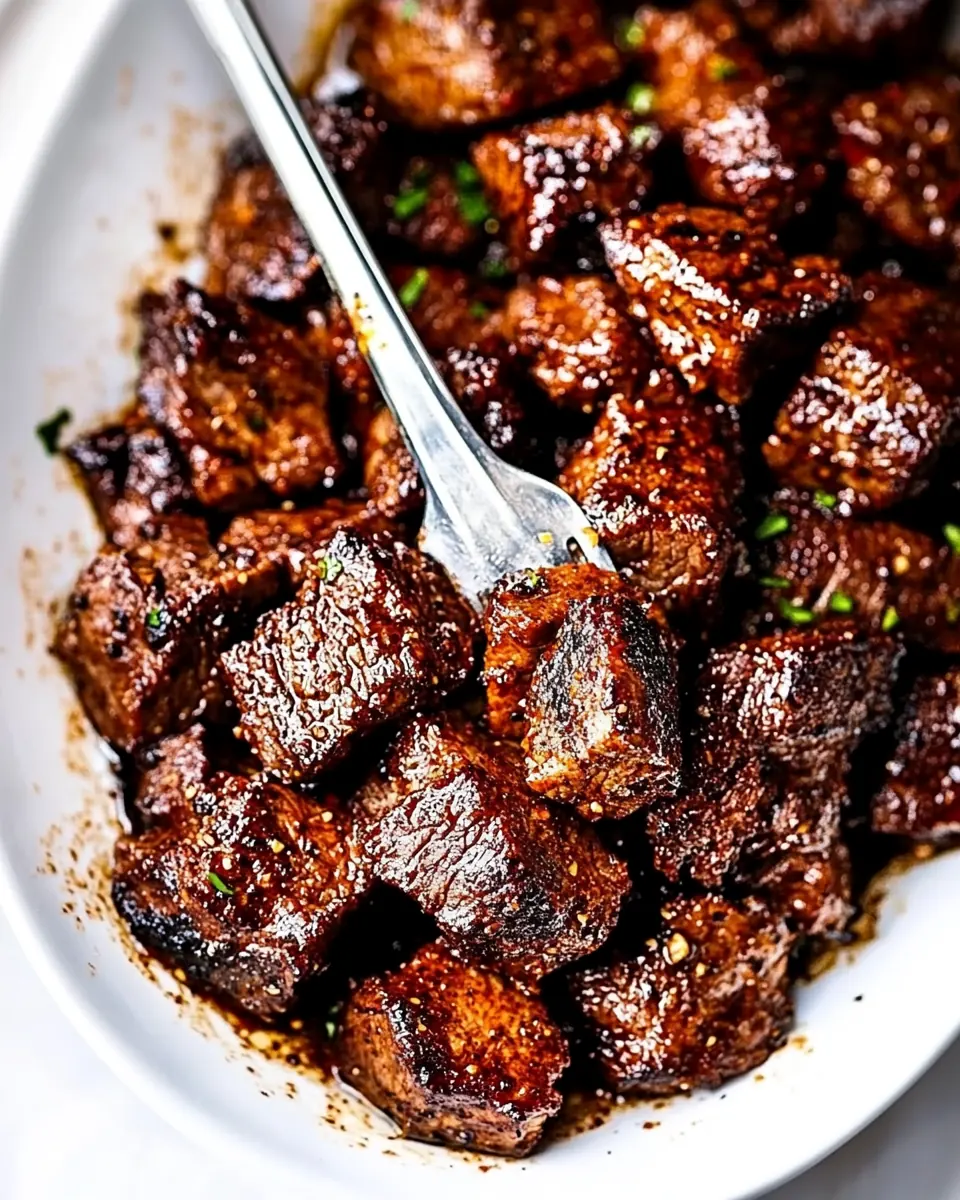
I approach these steps like a short performance, each action timed to build flavor and texture. Get your pan properly hot, work in batches, and pay attention to the aromas as the garlic and butter finish the dish. The sequence is simple but each moment matters for the final result.
- Combine cajun seasoning in a shallow bowl. Add the steak bites and toss to evenly coat.: The moment you mix the spices, the aroma will shift from dry powdered notes to something more integrated, with paprika giving a warm smell and the herbs adding an earthy lift. I often rub the blend between my fingers to wake up the oils in the spices, which helps them cling to the steak . Why this matters, because an even coating ensures every cube gets that flavorful crust during searing. A common mistake is over mixing wet ingredients into this dry mix, which can make clumps; keep it dry and free of moisture.
- Heat 2 teaspoons oil in a skillet or pan over medium-high heat until hot.: As you toss, you will feel the seasoning adhere to the meat, and you may notice little specks of spice sticking to the surface. This tactile step helps ensure all pieces sear evenly, creating an even distribution of flavor. If pieces are unevenly coated you risk some bites tasting bland while others are overly spiced. Avoid crowding the pieces together at this stage, because moisture will prevent a good sear.
- Sear the steak bites in batches for 2-3 minutes each side until edges are crispy and browned, adding extra oil as needed. Set aside.: You will see the oil shimmer and possibly a faint wispy smoke when it is ready, signaling a high enough temperature to sear. A properly heated pan promotes rapid Maillard reaction, creating the crisp, brown edges you want. A common pitfall is not preheating long enough, resulting in steaming rather than searing, so be patient until you see the glint in the oil.
- Reduce heat to medium. Add butter to the skillet and heat until melted. Sauté the chopped garlic until fragrant (about 30 seconds), while scraping up any browned bits from the pan.: The sizzle is your guide, a loud, energetic sound means the sugars and proteins are browning correctly. Watch for deep golden brown edges and tiny caramelized bits forming; that contrast in texture is the hallmark of a great bite. When you sear in batches the pan stays hot, preventing crowding which would lower the temperature. One common mistake is flipping too often, which interrupts crust formation, so let each side develop undisturbed.
- Take the pan off the heat. Throw the steak bites back in and toss through the garlic butter to evenly coat.: As the cooked pieces rest on a plate, you will notice steam rising and juices redistributing; resting helps the interior remain juicy. Leaving them in the pan risks overcooking once the residual heat continues to work on the meat. A typical mistake here is leaving the meat in a crowded pile, which can trap steam and soften the crust; spread them slightly so they cool just enough before the final toss.
- Serve warm.: Dropping the heat creates a gentler environment to melt butter and to sauté garlic without burning it. This control preserves the sweet nutty notes of the butter and the aromatic piquancy of the garlic . A misstep is keeping the heat too high, which can scorch the butter and make the garlic bitter, so watch the pan and lower the flame promptly.
- Add butter to the skillet and heat until melted: When the butter melts and foams slightly, it releases a rich, toasty scent that adds depth. Allowing it to warm gently creates a silky medium to carry the garlic flavor into the pan juices. Avoid letting the butter brown heavily unless you want deeper nutty notes; for this recipe I usually keep it just melted and shimmering.
- Sauté the chopped garlic until fragrant about 30 seconds while scraping up any browned bits from the pan: The first 30 seconds will release an intense aroma that signals readiness, and scraping the browned bits lifts concentrated flavor into the butter . This creates a glossy, flavorful sauce that coats the meat. Watch carefully because garlic can go from fragrant to burnt very quickly; if it browns too fast, take the pan off the heat to cool for a moment.
- Take the pan off the heat: Removing the pan from direct heat prevents overcooking the garlic as you combine components, and it lets residual warmth bring everything together gently. This pause protects the delicate aromatics while you handle the steak . A common error is keeping the pan on heat while tossing, which risks further cooking the meat and burning the garlic.
- Throw the steak bites back in and toss through the garlic butter to evenly coat: At this stage you will see the butter sheen the meat, and hear a soft, satisfying sizzle as juices meet fat. Tossing helps the flavors marry and ensures each cube has that glossy finish. This step deepens the spice profile and brings forward a savory, slightly sweet coating. Avoid over tossing vigorously which can tear the crust off the meat; a gentle fold is all you need.
- Serve warm: Serve right away so the contrast between warm buttery sauce and the crisped edges is at its peak. The scent will be inviting and the texture will be at its best when enjoyed immediately. A mistake I see is letting the bites sit too long, which softens the crust and mutes the freshness of the garlic and butter .
Tips and Variations
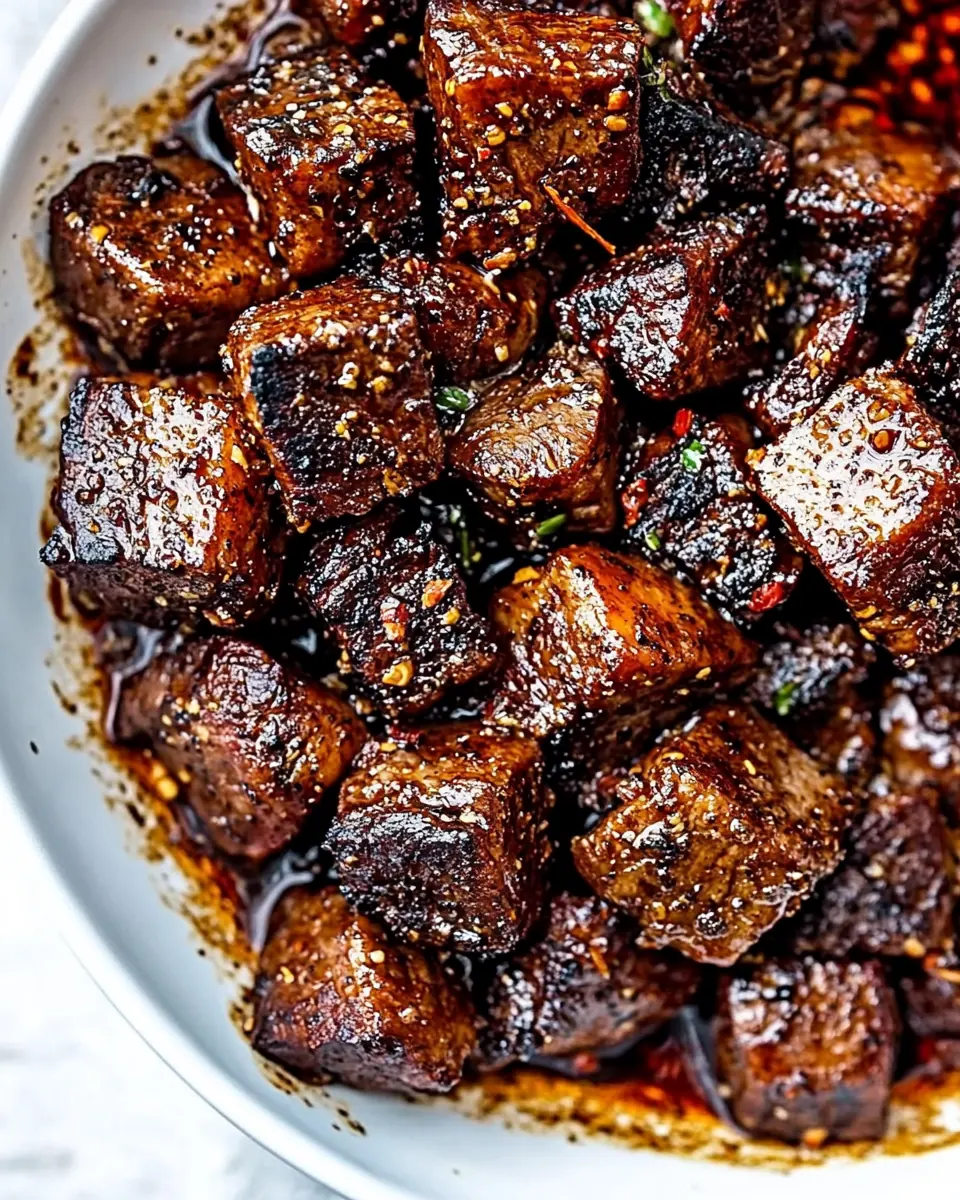
These tips will help you dial the recipe to your taste and get consistent results. Small adjustments in technique or seasoning can make a big difference, so I included practical variations to match heat tolerance and time available.
- Make ahead If you want to speed dinner, you can mix the dry Cajun seasoning in advance and store it in an airtight jar for up to a month, keeping it handy for quick use.
- Store bought option If you prefer convenience, use 3 tablespoons of a low sodium store bought Cajun seasoning, tasting as you go to ensure salt balance.
- Low carb swap If you are avoiding sugar, use a brown sugar substitute in place of the brown sugar to still achieve browning without the carbs.
- Adjusting heat Start with 1/2 teaspoon cayenne and increase gradually; you can always add more to plated portions if guests want extra kick.
- Pan choice Use a heavy skillet or cast iron to maintain steady high heat, which creates a better sear than thinner pans.
- Oil technique Add oil in increments while searing batches to keep the pan hot and prevent sticking, rather than starting with too much oil which can cool the surface.
Accompaniments for Cajun Butter Steak Bites
These serving ideas emphasize pairing simplicity with the boldness of the steak bites. Think about texture contrasts and neutral carriers that let the seasoned meat shine. Below are specific situations and side dish suggestions to match occasions and storage guidance.
- Simple starch, Serve the steak bites over steamed rice or creamy mashed potatoes for a comforting dinner where the starch soaks up the buttery pan juices.
- Light vegetable, Bright steamed green beans or roasted asparagus provide a clean, crisp counterpoint to the rich, spicy bites for balanced plates.
- Casual gathering, Arrange on a platter with toothpicks for easy passing at a party, making them a hearty appetizer or part of a small plates spread.
- Weeknight meal, Pair with a quick salad of crisp greens dressed lightly so the spice and butter of the steak remain the focal point.
- Storage tips, Refrigerate leftovers in an airtight container for up to three days; reheat gently in a skillet to restore some crust, avoid microwaving which softens the exterior.
- Seasonal pairing, In colder months I like to plate them with roasted root vegetables, while in warmer seasons a crisp salad keeps the meal bright and fresh.
FAQ
Conclusion
Cajun Butter Steak Bites shine because they combine bold spices, a hot sear, and a silky garlic butter finish for an indulgent yet speedy meal. Try them the next time you want a recipe that feels special but does not require hours in the kitchen. Enjoy the layers of smoky, spicy, and buttery flavors, and share them with friends or keep them all to yourself for a satisfying dinner.
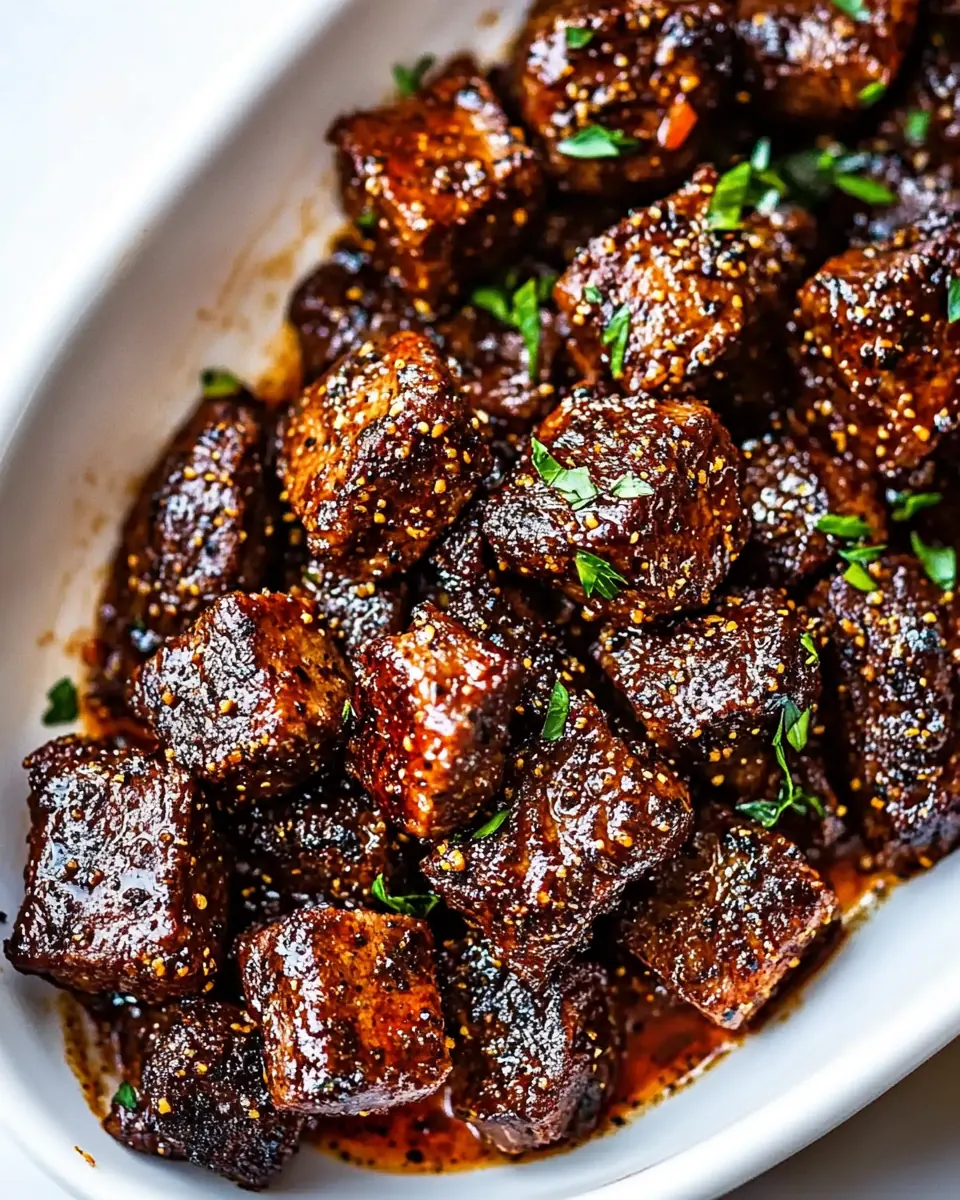
Cajun Butter Steak Bites
Ingredients
Equipment
Method
- Combine cajun seasoning in a shallow bowl. Add the steak bites and toss to evenly coat.: The moment you mix the spices, the aroma will shift from dry powdered notes to something more integrated, with paprika giving a warm smell and the herbs adding an earthy lift. I often rub the blend between my fingers to wake up the oils in the spices, which helps them cling to the steak . Why this matters, because an even coating ensures every cube gets that flavorful crust during searing. A common mistake is over mixing wet ingredients into this dry mix, which can make clumps; keep it dry and free of moisture.
- Heat 2 teaspoons oil in a skillet or pan over medium-high heat until hot.: As you toss, you will feel the seasoning adhere to the meat, and you may notice little specks of spice sticking to the surface. This tactile step helps ensure all pieces sear evenly, creating an even distribution of flavor. If pieces are unevenly coated you risk some bites tasting bland while others are overly spiced. Avoid crowding the pieces together at this stage, because moisture will prevent a good sear.
- Sear the steak bites in batches for 2-3 minutes each side until edges are crispy and browned, adding extra oil as needed. Set aside.: You will see the oil shimmer and possibly a faint wispy smoke when it is ready, signaling a high enough temperature to sear. A properly heated pan promotes rapid Maillard reaction, creating the crisp, brown edges you want. A common pitfall is not preheating long enough, resulting in steaming rather than searing, so be patient until you see the glint in the oil.
- Reduce heat to medium. Add butter to the skillet and heat until melted. Sauté the chopped garlic until fragrant (about 30 seconds), while scraping up any browned bits from the pan.: The sizzle is your guide, a loud, energetic sound means the sugars and proteins are browning correctly. Watch for deep golden brown edges and tiny caramelized bits forming; that contrast in texture is the hallmark of a great bite. When you sear in batches the pan stays hot, preventing crowding which would lower the temperature. One common mistake is flipping too often, which interrupts crust formation, so let each side develop undisturbed.
- Take the pan off the heat. Throw the steak bites back in and toss through the garlic butter to evenly coat.: As the cooked pieces rest on a plate, you will notice steam rising and juices redistributing; resting helps the interior remain juicy. Leaving them in the pan risks overcooking once the residual heat continues to work on the meat. A typical mistake here is leaving the meat in a crowded pile, which can trap steam and soften the crust; spread them slightly so they cool just enough before the final toss.
- Serve warm.: Dropping the heat creates a gentler environment to melt butter and to sauté garlic without burning it. This control preserves the sweet nutty notes of the butter and the aromatic piquancy of the garlic . A misstep is keeping the heat too high, which can scorch the butter and make the garlic bitter, so watch the pan and lower the flame promptly.
- Add butter to the skillet and heat until melted: When the butter melts and foams slightly, it releases a rich, toasty scent that adds depth. Allowing it to warm gently creates a silky medium to carry the garlic flavor into the pan juices. Avoid letting the butter brown heavily unless you want deeper nutty notes; for this recipe I usually keep it just melted and shimmering.
- Sauté the chopped garlic until fragrant about 30 seconds while scraping up any browned bits from the pan: The first 30 seconds will release an intense aroma that signals readiness, and scraping the browned bits lifts concentrated flavor into the butter . This creates a glossy, flavorful sauce that coats the meat. Watch carefully because garlic can go from fragrant to burnt very quickly; if it browns too fast, take the pan off the heat to cool for a moment.
- Take the pan off the heat: Removing the pan from direct heat prevents overcooking the garlic as you combine components, and it lets residual warmth bring everything together gently. This pause protects the delicate aromatics while you handle the steak . A common error is keeping the pan on heat while tossing, which risks further cooking the meat and burning the garlic.
- Throw the steak bites back in and toss through the garlic butter to evenly coat: At this stage you will see the butter sheen the meat, and hear a soft, satisfying sizzle as juices meet fat. Tossing helps the flavors marry and ensures each cube has that glossy finish. This step deepens the spice profile and brings forward a savory, slightly sweet coating. Avoid over tossing vigorously which can tear the crust off the meat; a gentle fold is all you need.
- Serve warm: Serve right away so the contrast between warm buttery sauce and the crisped edges is at its peak. The scent will be inviting and the texture will be at its best when enjoyed immediately. A mistake I see is letting the bites sit too long, which softens the crust and mutes the freshness of the garlic and butter .
Notes
- Make ahead If you want to speed dinner, you can mix the dry Cajun seasoning in advance and store it in an airtight jar for up to a month, keeping it handy for quick use.
- Store bought option If you prefer convenience, use 3 tablespoons of a low sodium store bought Cajun seasoning, tasting as you go to ensure salt balance.
- Low carb swap If you are avoiding sugar, use a brown sugar substitute in place of the brown sugar to still achieve browning without the carbs.
- Adjusting heat Start with 1/2 teaspoon cayenne and increase gradually; you can always add more to plated portions if guests want extra kick.
- Pan choice Use a heavy skillet or cast iron to maintain steady high heat, which creates a better sear than thinner pans.
- Oil technique Add oil in increments while searing batches to keep the pan hot and prevent sticking, rather than starting with too much oil which can cool the surface.