Creamy Poblano Soup
Creamy Poblano Soup is the kind of bowl I reach for when the weather leans into chilly and I want comfort that feels both honest and a little bit festive.
Years ago I first roasted poblano peppers on a whim, curious about how their smoky flesh would play with a silky, cheese laden broth. I remember the kitchen filling with a warm, nutty aroma as the peppers blistered, and how that smell became the memory hook for the whole dish. That first spoonful, warm and luxuriously smooth, convinced me that this soup belongs at both weeknight dinners and slower, cozy weekend meals.
I love that Creamy Poblano Soup is flexible, forgiving, and layered in flavor without needing fuss. One evening I served it simply with warm tortillas and an easy salad, and another time I ladled it into bowls for friends who were unexpectedly snowed in. Each time it landed as the kind of recipe people asked about between bites. It gives you that smoky poblano backbone, bright notes from fresh cilantro, and the melty, silky comfort of the right melting cheese.
Recipe Snapshot
60 mins
10 mins
50 mins
Medium
250 kcal
Mexican
Gluten-Free, Low FODMAP
Soups
Oven, Baking sheet, Parchment paper, Large saucepot, Immersion blender, Food mill
Why Try This Creamy Poblano Soup
Smoky roasted heat with gentle warmth
Roasting the poblano peppers amplifies their natural smokiness while keeping their heat tame. I find the blistered skin and slightly charred bits add depth you cannot fake with spices. We get a rich, rounded background that makes every spoonful feel thoughtfully composed.
Cheesy creaminess that does not overwhelm
The choice of a good melting cheese is critical, it melts into the soup and creates a velvety mouthfeel without turning gummy. I personally love when the texture reads as silk rather than paste, it keeps the bowl lush and comforting.
Freshness from the cilantro and aromatics
A burst of chopped cilantro and gentle sautéed onion and garlic keeps the flavor profile lively. Those bright green notes counterbalance the richness, making the soup feel balanced and never cloying.
Simple technique, big payoff
This recipe uses straightforward techniques roasting, simmering, and pureeing that reward attention rather than skill. I appreciate recipes that make you look like a cook without asking you to be a chef, and this one consistently delivers that experience.
Versatility for serving occasions
Whether we are feeding a family dinner, offering a starter for a celebratory meal, or scooping bowls for a cozy solo night, the soup adapts. It stores well, reheats nicely, and is forgiving if you want to blend or strain for a refined finish.
What’s In This Creamy Poblano Soup
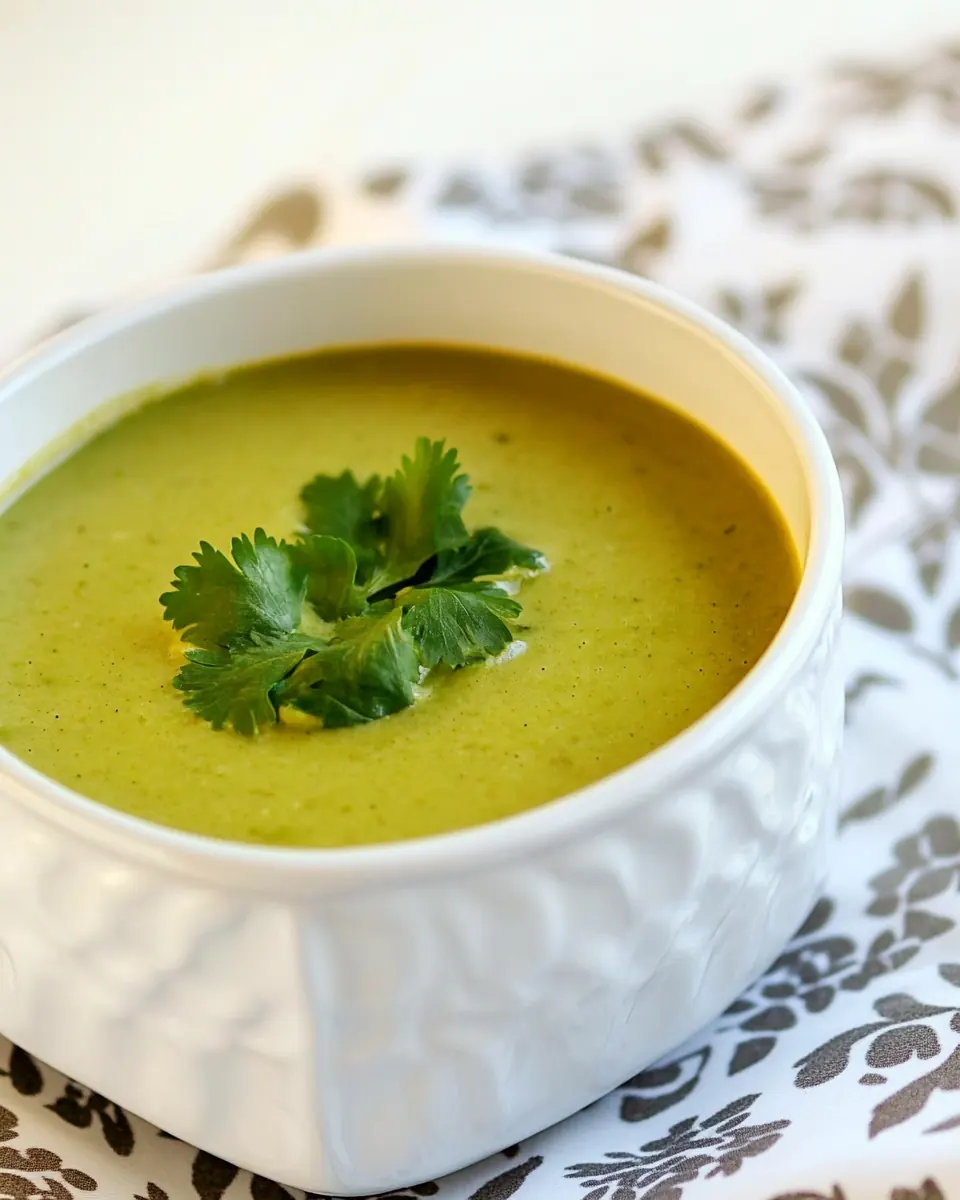
The philosophy behind these ingredients is straightforward, we build layers of flavor from simple, honest elements. The roasted poblano peppers provide smoke and mild heat, aromatics like onion and garlic add savory depth, and the right melting cheese creates a silky body. The broth carries everything, while small seasonings and a bit of butter and cornstarch refine texture and mouthfeel. Each ingredient plays a clear role in the final balance.
- 10 poblano peppers, average-sized: Roasted and blistered to add smoky depth and mild heat; peppers provide the soup’s characteristic poblano flavor and a vibrant green color when pureed. Seed removal helps control spiciness while skins contribute to a roasted aroma that balances the creamy elements. Preparing several peppers ensures enough volume and complexity for a rich, layered base.
- 1 tablespoon butter: Melted gently to sauté aromatics and develop flavor; butter adds a silky mouthfeel and subtle richness that harmonizes with peppers and cheese. Browning slightly helps create a flavorful fond on the pot bottom, which enhances the overall savory profile of the soup.
- 1 large onion peeled and chopped: Sweated until translucent to build a sweet, aromatic foundation; onion contributes natural sugars and savory depth when softened. Cooking chopped onion releases moisture and mellows sharpness, creating a balanced base that integrates smoothly with garlic and spices.
- 4 cloves garlic minced: Minced finely and sautéed briefly to release pungent, aromatic oils; garlic offers bright, savory notes that lift the soup’s flavor. Adding toward the end of sautéing prevents bitterness while ensuring its fragrance permeates the broth and cheese blend.
- 1 cup chopped fresh cilantro: Chopped and stirred in to impart fresh, herbal brightness and a slightly citrusy finish; cilantro lightens the richness and enhances Latin-inspired flavors. Added at the end or used as a garnish preserves its fresh color and aroma for contrast with the creamy base.
- 1 teaspoon salt: Sprinkled to season and unify flavors throughout the soup; salt heightens natural tastes from peppers, cheese, and broth. Adjusting the amount at the end ensures balance without over-salting the concentrated cheese and reduced broth.
- 1 teaspoon ground cumin: Ground and toasted briefly to contribute warm, earthy, and slightly citrusy notes; cumin reinforces the soup’s Mexican-inspired flavor profile. Using a measured amount avoids overpowering the delicate poblano smoke while adding savory complexity.
- 48 ounces chicken broth or vegetable broth: Simmered as the liquid backbone to build soup body and convey savory depth; broth dissolves flavors and provides necessary volume. Choosing chicken or vegetable broth tailors the soup to preferred richness and dietary considerations while supporting the cheese’s melting properties.
- 14 ounces Mexican Queso good for melting, like "Queso Quesadilla," Asadero, Chihuahua, or even Monterey Jack (not Queso Fresco or Panela.): Melted into the hot soup to create a smooth, creamy texture and prominent savory-cheesy flavor; melty Mexican cheeses like Asadero or Chihuahua give stretch and richness. Selecting a melting cheese rather than fresh crumbly varieties ensures a velvety finish and cohesive mouthfeel.
- 1 teaspoon cornstarch: Mixed with a small amount of cold liquid and whisked in to thicken and stabilize the soup; cornstarch adds body without altering flavor when cooked briefly. Using a slurry prevents lumps and yields a glossy, clingy consistency that carries the cheese and peppers.
Putting Together Creamy Poblano Soup
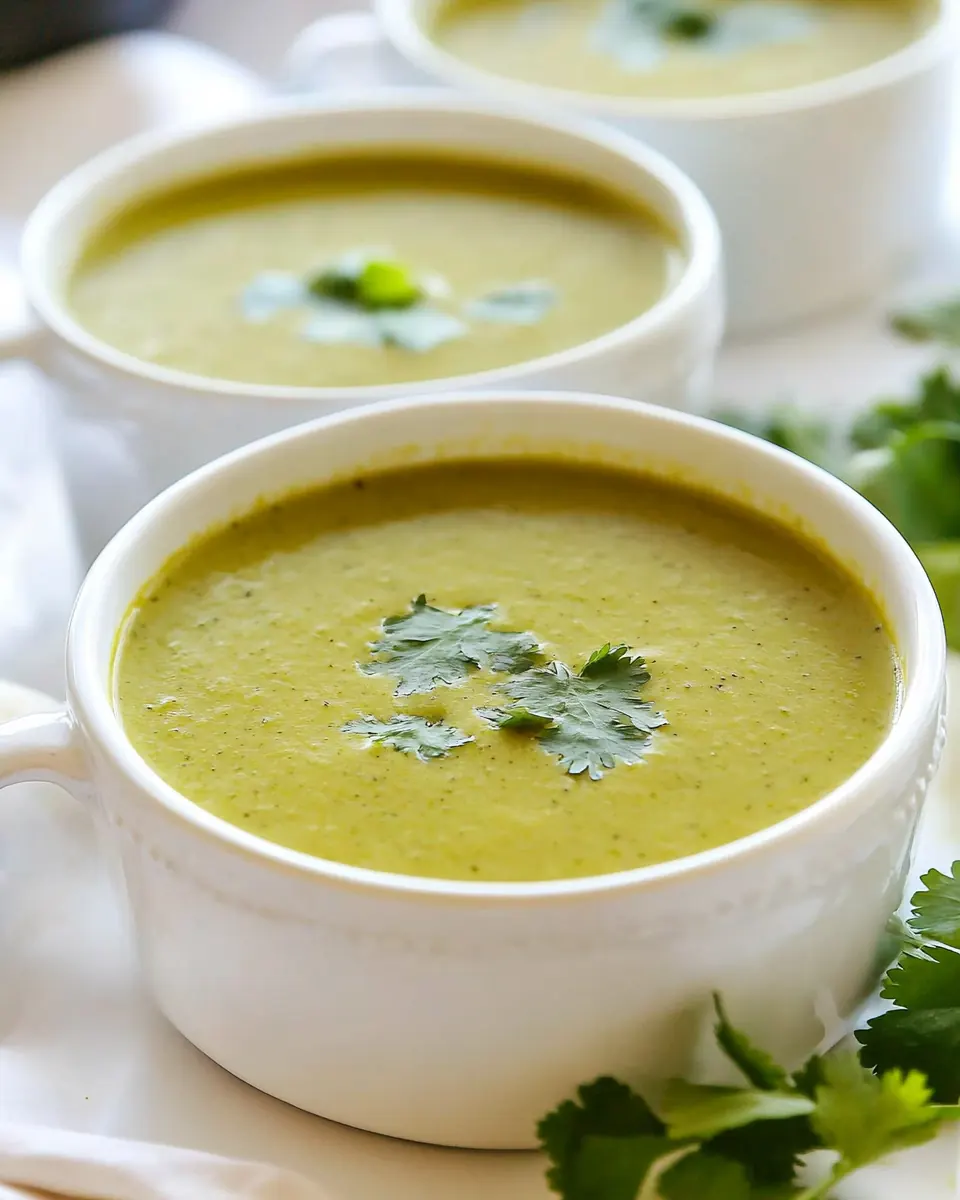
Bringing this soup to life involves roasting, sautéeing, simmering, and blending. The process is approachable and rewarding so take your time to notice aromas and textures. I always move step by step, tasting and adjusting as I go so the final bowl feels balanced and comforting.
- Preheat the oven to 450 degrees F. Line a baking sheet with parchment paper and lay the poblano peppers on top. Roast the peppers in the oven for 15-20 minutes, until the waxing skin bubbles up over the surface of the poblanos.: The oven heat should feel immediate and hot, producing audible crackles as the pepper skins blister. Roasting at this temperature forces the skins to separate from the flesh, making peeling far easier and creating a smoky perfume that fills the kitchen. A common mistake is using a lower temperature which will not blister the skins properly, leaving you with underdeveloped flavor and a tougher peel.
- Meanwhile place a large saucepot over medium heat and add the butter, onions, garlic, cilantro, salt and cumin. Saute for 5-6 minutes. Then add the broth to the pot.: You'll notice the peppers settle on the sheet, glossy and taut before roasting. Lining the pan prevents sticking and concentrates heat around the peppers, helping them char evenly. If you overcrowd the pan the peppers will steam instead of blister, so give them space to roast individually.
- Once the poblano peppers are out of the oven, carefully peel off the waxy exterior. Remove the stems and seeds and place the flesh of the peppers in the pot. Bring the soup to boil. Then lower the heat and simmer for 20 minutes.: The skins will blacken and bubble, and the smell becomes toasty and slightly sweet. You want visible blistering across each pepper, not just a few charred spots. Pull them the moment the skin bubbles widely; leaving them longer can overcook and toughen the flesh.
- Shred or crumble the cheese and toss with the cornstarch. Add it to the soup base and stir to melt the cheese.: As the butter melts the onions should soften and become translucent, the garlic will release aromatic steam, and the cilantro will brighten the pan. The sizzling sound will shift from sharp to gentle as moisture evaporates, signaling readiness. A common issue is pushing heat too high which browns the aromatics and introduces bitter notes.
- Then use an immersion blender to puree the soup until smooth and creamy. Salt and pepper to taste.: The texture should move from crisp to tender, the scent turning sweet and savory. This tenderizing step unlocks sugars in the onion and melds spices into a cohesive base. If you skip this, the final soup can taste flat or have pieces of undercooked onion .
- Serve the soup as-is with a slightly rustic texture, or use a food mill to strain the soup for a fine creamy texture. Serve warm.: When the warm broth hits the pot you will see a steam column and hear a soft simmer start, carrying the aromatics outward. Adding warm or room temperature broth avoids shocking the pan, and it immediately becomes the vehicle for all flavors to mingle. Using a weak broth will dilute the peppers so choose one with character.
- Once the poblano peppers are out of the oven carefully peel off the waxy exterior: The flesh underneath should be tender and glossy, with a concentrated smoky smell. Peeling under a bowl or with a paper towel helps, and removing stems and seeds prevents bitterness and unwanted texture. Rushing this step can leave small pieces of skin which can be slightly chewy in the soup.
- Remove the stems and seeds and place the flesh of the peppers in the pot: Add the soft, smoky flesh directly to the simmering base, watching the broth take on deeper color and aroma. The peppers will release juices that enhance the broth, and you'll notice a richer scent layering the pot. If you include too many seeds the soup will pick up pockets of heat and astringency.
- Bring the soup to boil: A full boil brings the pot to life with rolling bubbles and a stronger fragrance, helping flavors meld more quickly. Boiling briefly is fine, but prolonged strong boiling risks breaking down delicate aromatics. Many cooks make the mistake of a long, aggressive boil which can flatten nuanced flavors.
- Then lower the heat and simmer for 20 minutes: A gentle simmer allows the components to marry, and the aromas will deepen into a comforting, cohesive scent. The broth should show small, steady bubbles and steam, not vigorous activity. Simmering too long at high heat can over reduce the broth and concentrate saltiness.
- Shred or crumble the cheese and toss with the cornstarch: The cool, slightly salty shreds should feel powdery coated after tossing, which prevents clumping and helps them disperse when warmed. This step ensures a smooth integration and stops the cheese from becoming stringy or separating. Adding cheese without cornstarch often results in lumps.
- Add it to the soup base and stir to melt the cheese: As the cheese warms it will slowly marry with the broth yielding a glossy, thickened texture. You should see the soup become more viscous and hear a quieter bubbling sound. If the heat is too high the cheese can break and become oily, so keep the pot gently warmed.
- Then use an immersion blender to puree the soup until smooth and creamy: The motor buzzes while you blend and the soup transforms visually, losing visible chunks and gaining velvety consistency. Keep the blender moving to avoid over blending in one spot, and pulse until the texture feels silky. If you overblend you can introduce excess air, making the soup foamier than desired.
- Salt and pepper to taste: After pureeing, seasoning becomes clearer as flavors concentrate; add small increments and taste between additions. This final seasoning step polishes the bowl and ensures balance. A common misstep is over salting before the cheese is added, which can make the finished soup too salty.
- Serve the soup as is with a slightly rustic texture or use a food mill to strain the soup for a fine creamy texture: The finished bowl can celebrate rustic flecks of poblano peppers or be refined for a silky presentation, depending on your mood. If you choose to strain, press gently to capture the smoothest body. Forgetting to cool slightly before straining can lead to safety issues handling hot soup.
- Serve warm: Ladle into bowls and enjoy the comforting steam and rounded flavors. The ideal temperature should be cozy and not scalding, allowing the aromas to lift as you eat. Serving too hot can mask subtle flavors and make it hard to taste the full balance.
How to Switch It Up
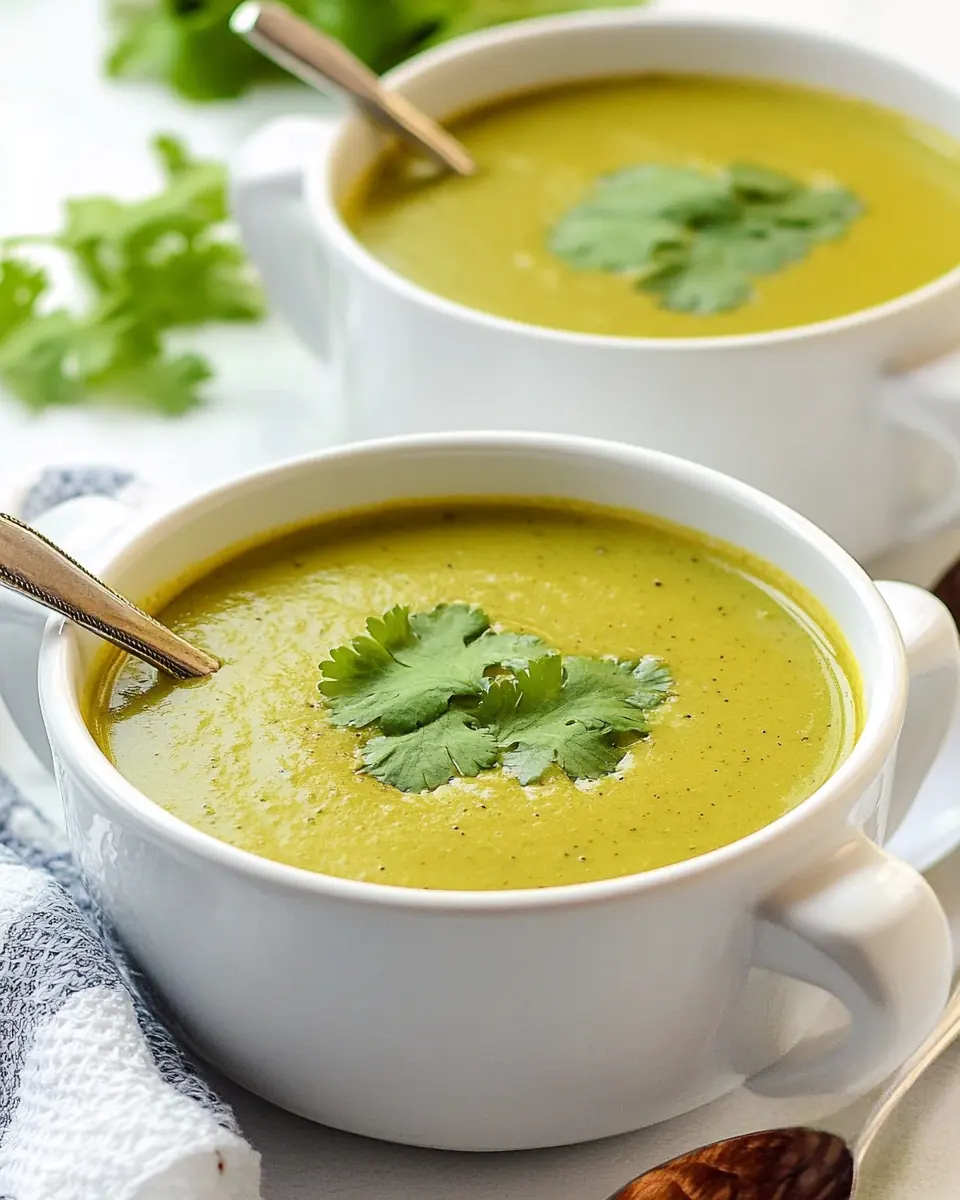
This section offers approachable ideas for variations and practical adjustments that keep the core of the soup intact while letting you adapt it to what you have or prefer. Each tip starts with a bolded phrase so you can scan for inspiration quickly.
- Swap melting cheeses If you cannot find a Mexican melting cheese, Monterey Jack is an excellent stand in, it melts smoothly and keeps the soup creamy without overshadowing the poblano peppers.
- Use vegetable broth For a vegetarian friendly version, pick a rich vegetable broth that has body, and taste as you go to ensure the soup remains savory and full.
- Blend carefully If using a regular blender instead of an immersion blender, cool the soup a bit and vent the lid covered with a towel to prevent hot soup from bursting out.
- Control texture For a rustic feel leave some pepper bits intact after blending, or for refined service strain through a food mill to achieve glass like smoothness.
- Adjust heat If you prefer less heat, remove all seeds and white membranes from the poblano peppers before adding them to the pot, they hold most of the spice.
- Make ahead The soup stores well in the fridge for several days, reheat gently over low heat to avoid separating the cheese and stirring often to maintain silky texture.
- Finish with fresh herbs A sprinkle of reserved chopped cilantro right before serving brightens the bowl and refreshes each spoonful.
Serving Ideas for Creamy Poblano Soup
This soup adapts easily to different occasions and accompaniments. Below are thoughtful serving suggestions and storage guidance that complement the soup while keeping service simple and satisfying.
- Casual family meal Serve bowls with warm tortillas or crusty bread for dipping, creating a relaxed and filling dinner everyone can enjoy.
- Starter for a dinner party Offer small cups as a starter, garnished with a bit of chopped cilantro and a drizzle of olive oil to elevate the presentation.
- Weeknight comfort Pair with a simple green salad and you have an easy weeknight dinner that feels homey and complete.
- Storage tips Refrigerate in an airtight container for three to five days. Reheat gently on the stove to preserve a silky consistency and stir frequently.
- Freezing guidance Freeze in suitable containers for up to six months. Thaw overnight in the fridge before reheating slowly on the stove.
- Seasonal pairings In winter the warm, smoky bowl pairs well with roasted root vegetables or simple grain salads, and in transitional months it sits nicely alongside lighter sides.
- Occasion ideas Great for cozy nights, casual entertaining, or when you want a bowl that comforts without fuss, especially in cooler months.
FAQ
Conclusion
This soup stands out for its smoky roasted peppers, melty cheese silkiness, and bright cilantro lift, creating a bowl that feels both comforting and thoughtfully balanced. Try it tonight for an easy, satisfying meal that rewards simple technique with delicious results. I hope you enjoy how approachable and versatile this recipe is, and that it becomes one of those dishes you return to when you want reliable warmth and flavor.
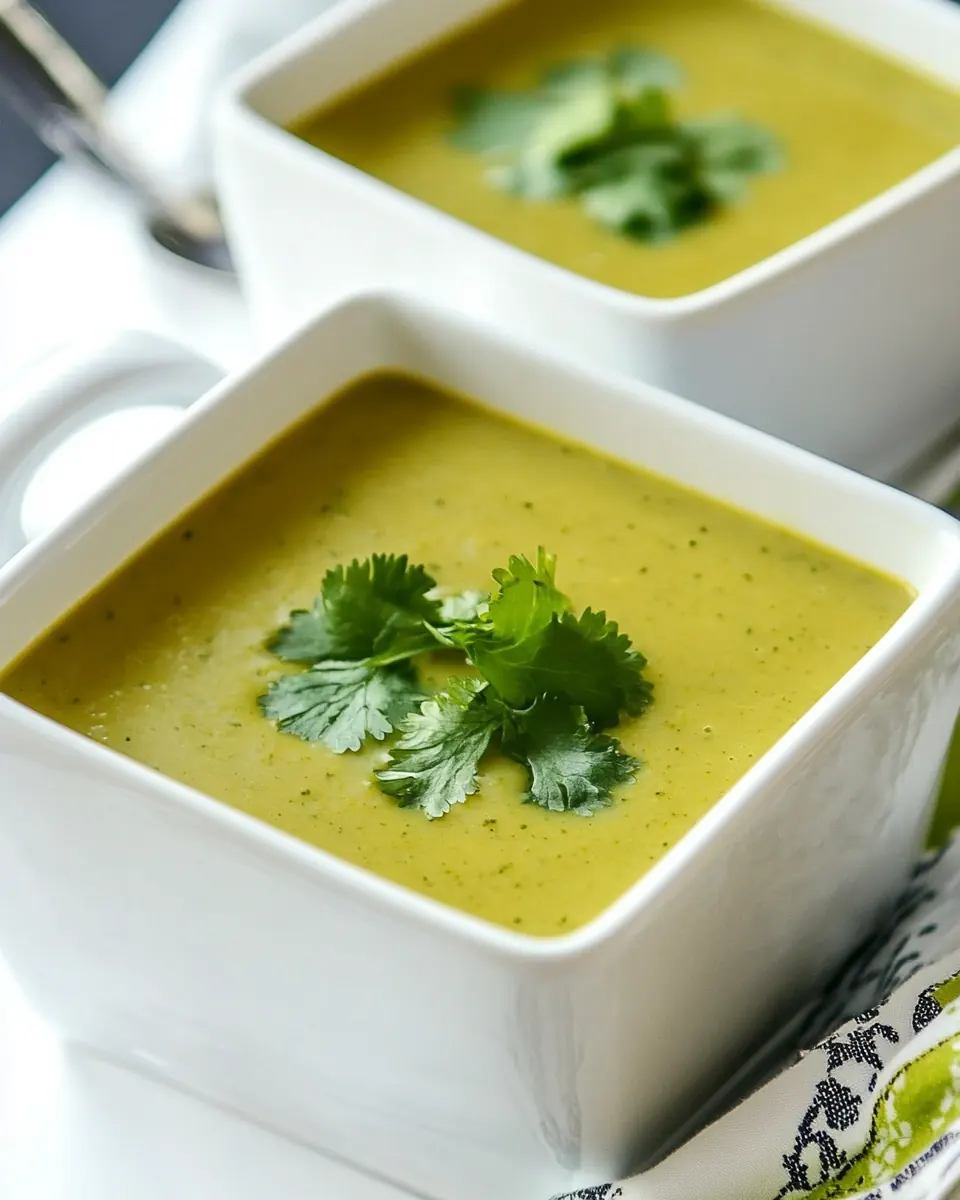
Creamy Poblano Soup
Ingredients
Equipment
Method
- Preheat the oven to 450 degrees F. Line a baking sheet with parchment paper and lay the poblano peppers on top. Roast the peppers in the oven for 15-20 minutes, until the waxing skin bubbles up over the surface of the poblanos.: The oven heat should feel immediate and hot, producing audible crackles as the pepper skins blister. Roasting at this temperature forces the skins to separate from the flesh, making peeling far easier and creating a smoky perfume that fills the kitchen. A common mistake is using a lower temperature which will not blister the skins properly, leaving you with underdeveloped flavor and a tougher peel.
- Meanwhile place a large saucepot over medium heat and add the butter, onions, garlic, cilantro, salt and cumin. Saute for 5-6 minutes. Then add the broth to the pot.: You'll notice the peppers settle on the sheet, glossy and taut before roasting. Lining the pan prevents sticking and concentrates heat around the peppers, helping them char evenly. If you overcrowd the pan the peppers will steam instead of blister, so give them space to roast individually.
- Once the poblano peppers are out of the oven, carefully peel off the waxy exterior. Remove the stems and seeds and place the flesh of the peppers in the pot. Bring the soup to boil. Then lower the heat and simmer for 20 minutes.: The skins will blacken and bubble, and the smell becomes toasty and slightly sweet. You want visible blistering across each pepper, not just a few charred spots. Pull them the moment the skin bubbles widely; leaving them longer can overcook and toughen the flesh.
- Shred or crumble the cheese and toss with the cornstarch. Add it to the soup base and stir to melt the cheese.: As the butter melts the onions should soften and become translucent, the garlic will release aromatic steam, and the cilantro will brighten the pan. The sizzling sound will shift from sharp to gentle as moisture evaporates, signaling readiness. A common issue is pushing heat too high which browns the aromatics and introduces bitter notes.
- Then use an immersion blender to puree the soup until smooth and creamy. Salt and pepper to taste.: The texture should move from crisp to tender, the scent turning sweet and savory. This tenderizing step unlocks sugars in the onion and melds spices into a cohesive base. If you skip this, the final soup can taste flat or have pieces of undercooked onion .
- Serve the soup as-is with a slightly rustic texture, or use a food mill to strain the soup for a fine creamy texture. Serve warm.: When the warm broth hits the pot you will see a steam column and hear a soft simmer start, carrying the aromatics outward. Adding warm or room temperature broth avoids shocking the pan, and it immediately becomes the vehicle for all flavors to mingle. Using a weak broth will dilute the peppers so choose one with character.
- Once the poblano peppers are out of the oven carefully peel off the waxy exterior: The flesh underneath should be tender and glossy, with a concentrated smoky smell. Peeling under a bowl or with a paper towel helps, and removing stems and seeds prevents bitterness and unwanted texture. Rushing this step can leave small pieces of skin which can be slightly chewy in the soup.
- Remove the stems and seeds and place the flesh of the peppers in the pot: Add the soft, smoky flesh directly to the simmering base, watching the broth take on deeper color and aroma. The peppers will release juices that enhance the broth, and you'll notice a richer scent layering the pot. If you include too many seeds the soup will pick up pockets of heat and astringency.
- Bring the soup to boil: A full boil brings the pot to life with rolling bubbles and a stronger fragrance, helping flavors meld more quickly. Boiling briefly is fine, but prolonged strong boiling risks breaking down delicate aromatics. Many cooks make the mistake of a long, aggressive boil which can flatten nuanced flavors.
- Then lower the heat and simmer for 20 minutes: A gentle simmer allows the components to marry, and the aromas will deepen into a comforting, cohesive scent. The broth should show small, steady bubbles and steam, not vigorous activity. Simmering too long at high heat can over reduce the broth and concentrate saltiness.
- Shred or crumble the cheese and toss with the cornstarch: The cool, slightly salty shreds should feel powdery coated after tossing, which prevents clumping and helps them disperse when warmed. This step ensures a smooth integration and stops the cheese from becoming stringy or separating. Adding cheese without cornstarch often results in lumps.
- Add it to the soup base and stir to melt the cheese: As the cheese warms it will slowly marry with the broth yielding a glossy, thickened texture. You should see the soup become more viscous and hear a quieter bubbling sound. If the heat is too high the cheese can break and become oily, so keep the pot gently warmed.
- Then use an immersion blender to puree the soup until smooth and creamy: The motor buzzes while you blend and the soup transforms visually, losing visible chunks and gaining velvety consistency. Keep the blender moving to avoid over blending in one spot, and pulse until the texture feels silky. If you overblend you can introduce excess air, making the soup foamier than desired.
- Salt and pepper to taste: After pureeing, seasoning becomes clearer as flavors concentrate; add small increments and taste between additions. This final seasoning step polishes the bowl and ensures balance. A common misstep is over salting before the cheese is added, which can make the finished soup too salty.
- Serve the soup as is with a slightly rustic texture or use a food mill to strain the soup for a fine creamy texture: The finished bowl can celebrate rustic flecks of poblano peppers or be refined for a silky presentation, depending on your mood. If you choose to strain, press gently to capture the smoothest body. Forgetting to cool slightly before straining can lead to safety issues handling hot soup.
- Serve warm: Ladle into bowls and enjoy the comforting steam and rounded flavors. The ideal temperature should be cozy and not scalding, allowing the aromas to lift as you eat. Serving too hot can mask subtle flavors and make it hard to taste the full balance.
Notes
- Swap melting cheeses If you cannot find a Mexican melting cheese, Monterey Jack is an excellent stand in, it melts smoothly and keeps the soup creamy without overshadowing the poblano peppers.
- Use vegetable broth For a vegetarian friendly version, pick a rich vegetable broth that has body, and taste as you go to ensure the soup remains savory and full.
- Blend carefully If using a regular blender instead of an immersion blender, cool the soup a bit and vent the lid covered with a towel to prevent hot soup from bursting out.
- Control texture For a rustic feel leave some pepper bits intact after blending, or for refined service strain through a food mill to achieve glass like smoothness.
- Adjust heat If you prefer less heat, remove all seeds and white membranes from the poblano peppers before adding them to the pot, they hold most of the spice.
- Make ahead The soup stores well in the fridge for several days, reheat gently over low heat to avoid separating the cheese and stirring often to maintain silky texture.
- Finish with fresh herbs A sprinkle of reserved chopped cilantro right before serving brightens the bowl and refreshes each spoonful.