Preheat oven to 375°F. Line a 10 x 15 jelly roll pan with foil and spray with nonstick cooking spray for easy removal.: As the oven warms you will notice a steady heat and the faint mechanical hum that signals it is ready; this step ensures the pan hits the oven at the correct temperature so the sponge rises evenly and bakes in the short time needed. If you skip preheating the cake can bake unevenly and become dense, so always wait until the oven registers the full heat. A common mistake is placing the pan in too early which leads to pale, underbaked tops, so be patient and let the oven reach a true 375°F before sliding the pan in.
Make the caramel ganache: place caramels and heavy whipping cream in a medium microwave safe bowl. Heat on high power in 30 second increments, stirring between each, until melted and smooth. Chill until set, a few hours. While the caramel is chilling, make the cake and filling.: The moment you start heating the caramel squares with heavy whipping cream you will smell a warm, buttery aroma, and as you stir the glossy mixture you will see the caramel turn from candy pieces into a satin sauce. The gentle microwave increments help avoid scorching, which would ruin the smooth texture and introduce a burnt flavor. Stirring between bursts helps distribute heat and encourages an even melt. One mistake is overheating which can seize the caramel; if it becomes grainy, gentle warming while stirring can rescue it, but prevention is best. After melting, chilling helps the ganache firm to a spreadable consistency, which is crucial for assembly.
Beat eggs at high speed for 4 minutes, or until the eggs are thick and dark yellow and foamy. Mix in sugar until combined. Add pumpkin, lemon juice, baking powder, spices, and salt, mix until combined, then slowly mix in the flour, scraping the sides of the bowl as needed.: When you whisk the eggs quickly they transform into a pale, foamy mass that smells slightly sweet and looks glossy, indicating trapped air that will leaven the sponge. Mixing in the granulated sugar at this point helps stabilize the foam and encourages a fine, even crumb. Adding the pumpkin puree , lemon juice , baking powder , spices, and salt introduces moisture and flavor; fold them with care so you retain the aeration. Slowly stirring in the all purpose flour prevents overworking the batter which would create toughness. A common error is rushing the egg beating or over mixing flour, which leads to a flat, dense cake instead of a tender, springy sponge.
Place cake batter in prepared pan and spread into an even layer. Bake for 11-15 minutes or until it somewhat bounces back when you lightly press it (and the top of the cake doesn’t stick to your fingers). A toothpick will come out clean.: As you spread the batter in the lined jelly roll pan aim for an even thickness so it bakes uniformly; the surface should look smooth and slightly glossy. Baking for the short interval will produce a top that springs back when lightly pressed and should not stick to your finger; these tactile cues tell you the sponge is done. If you rely only on time you might overbake, drying the cake and making it crackier when rolled. A common misstep is underbaking which yields a gummy center; test by lightly pressing and using a toothpick to confirm a clean pull.
While the cake is in the oven, lay out a clean kitchen towel and sprinkle it liberally with powdered sugar. Remove the hot cake from the oven and immediately flip it over (careful not to burn yourself) and remove the pan and foil. Roll up the cake using the towel. Let sit at room temperature to cool, about 2-3 hours.: The towel dusted with powdered sugar smells faintly sweet and provides friction that prevents the hot sponge from sticking as you roll it. When you remove the hot cake and flip it onto the towel, you should feel the warmth of the cake and see steam lifting off; immediately peeling away the foil and rolling prevents cracks from forming as the cake cools in a shaped spiral. Leaving the cake too long before rolling is a frequent mistake that causes the cake to set flat and then crack when forced to bend; roll it hot to establish the spiral memory, then let it cool rolled for the specified time.
Make the filling: beat cream cheese until creamy, then mix in sugar until smooth. While the mixer is running, add the heavy whipping cream slowly and then the vanilla. Turn the mixer up and beat until the mixture has turned into whipped cream with stiff peaks.: Beating the cream cheese produces a smooth, silky base with a tangy scent; adding the granulated sugar and then slowly incorporating heavy whipping cream while increasing speed transforms the mixture into a light whipped filling. You will see it thicken into soft to stiff peaks, holding shape and smelling faintly sweet and dairy rich. This airy texture is what contrasts the sticky caramel and the tender sponge, creating that delightful mouthfeel. Overbeating past stiff peaks can cause the filling to separate, so stop once peaks hold. A common mistake is starting with cold cream cheese which leads to lumps, so always bring it to room temperature.
Finish the caramel by removing it from the refrigerator and beating it with a hand mixer until it’s spreadable. It will change in color and consistency.: Once chilled the ganache will firm and change color slightly, and beating it restores a smooth, pipeable texture that spreads without running. You will notice a richer, deeper scent and a glossy sheen once it loosens. This step matters because a runny caramel will soak the sponge and make rolling messy, while a too firm caramel will crack the cake. If the caramel feels too stiff, a few seconds in the microwave on low can soften it, and if it gets too runny chill briefly before using.
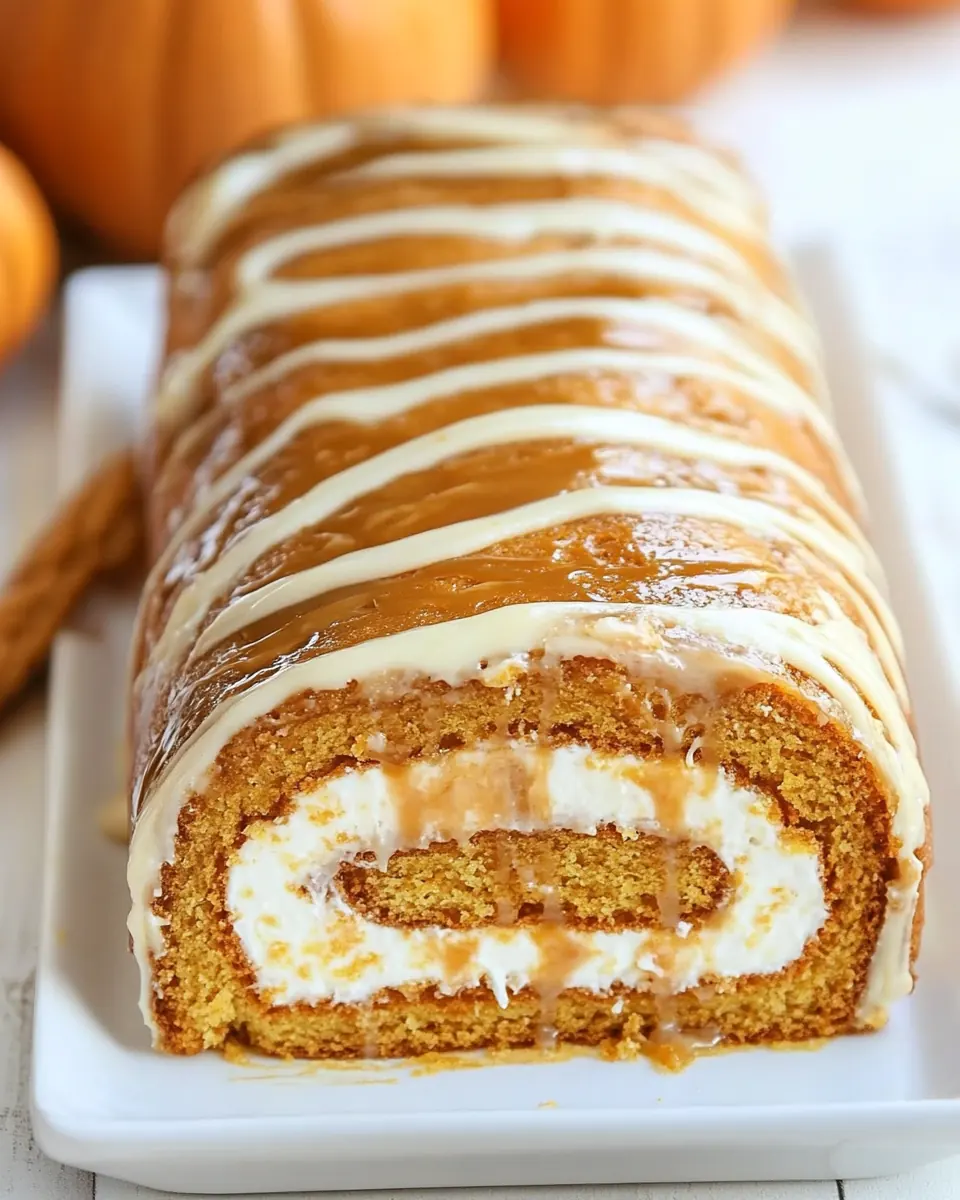
Assemble the cake: carefully unroll the cake from the towel. It may crack, but that’s okay, just be gentle. (Mine cracked but you couldn’t tell!) Spread a thin layer of caramel on the cake, then top with a hefty helping of the filling. Re-roll the cake, removing it from the towel as you go. (It may stick a little). Wrap the cake in plastic wrap and chill at least one hour before serving.: When you unroll the cooled spiral, the surface should be cool to the touch and the cake will release from the towel with a faint dusting of sugar; if it cracks, let that imperfection become part of the rustic look. Start with a thin layer of caramel spread evenly, feeling the caramel glide and leaving a glossy sheen, then add the fluffy cream cheese filling on top; the contrast between the sticky caramel and the airy filling is what makes each slice sing. Re rolling should feel gentle, and the cake may stick slightly to the towel but will come free as you roll away. A key mistake to avoid is piling on too much filling which forces the cake to bulge and lose its spiral, so keep the layers balanced. After rolling, wrap the cake snugly in plastic and chill, which allows flavors to meld and slicing to be clean.