Sally Lunn Bread
Sally Lunn Bread is a warm, slightly sweet loaf that feels like a hug from an old friend the moment you slice into it. I first met this bread on a rainy afternoon when a neighbor knocked on my door with a slice wrapped in wax paper, still steaming, and I remember thinking how something so simple can make a rainy day kinder. Since then, I have returned to this recipe whenever I want comfort, company, or a quick celebration at the breakfast table.
That first slice had a soft crumb and a glossy top that begged for a smear of butter. Over the years I have learned the little moves that help the dough behave, like gently cooling the milk mixture so the yeast wakes up without getting stressed, and greasing the pan so the loaf releases cleanly. I love how the texture sits between a brioche and a classic sandwich loaf, making it versatile enough to be served with jam in the morning, or alongside a hearty stew at night.
When I make Sally Lunn Bread for guests, I enjoy the ritual of letting the dough rise twice, watching the bowl slowly double in size as scents of warmth and baked butter sneak through the kitchen. That quiet waiting time is one of my favorite parts of baking, because it gives me a chance to tidy up, set a table, and think about what handmade touches will make the moment special. The ends are often my reward, crisp and buttery, and they vanish first every time.
Recipe Snapshot
50 mins
15 mins
35 mins
Medium
200 kcal
American
Gluten-Free, Low FODMAP
Desserts
Electric Stand Mixer, Bundt Pan
Why You Need This Sally Lunn Bread
Soft, But Substantial Texture
I adore how Sally Lunn Bread manages to be pillowy and still hold its shape. The combination of warm milk, butter, and eggs creates a tender crumb that is soft when you press it, yet strong enough to toast evenly. I find this balance makes it perfect for slices that will be buttered, toasted, or turned into an indulgent French toast.
Simple Ingredients, Big Impact
There is something honest about using pantry staples such as milk, sugar, butter, eggs, and flour. Each plays a clear role, and together they produce a loaf that tastes richer than the sum of its parts. I like that I do not need obscure items to impress family and friends, just careful technique and patience.
Hands Off But Rewarding Process
This recipe gives you meaningful steps without demanding constant labor. You let the dough rest and rise, and between those pauses you can attend to other things. I value recipes that respect my time, and Sally Lunn Bread rewards a little waiting with a lot of flavor and texture.
Versatility at the Table
I serve Sally Lunn Bread for breakfast with butter and jam, as a sandwich base, or warm beside soups and salads. It transitions from morning to evening gracefully, which makes it one of my go to loaves whenever I want one recipe to do many jobs.
Reliable Results
When I follow the key steps, this loaf rises predictably and bakes to a golden top. That dependability gives me confidence to bake it for guests, because even if the kitchen is a little chaotic, the bread usually turns out well.
Key Ingredients for Sally Lunn Bread
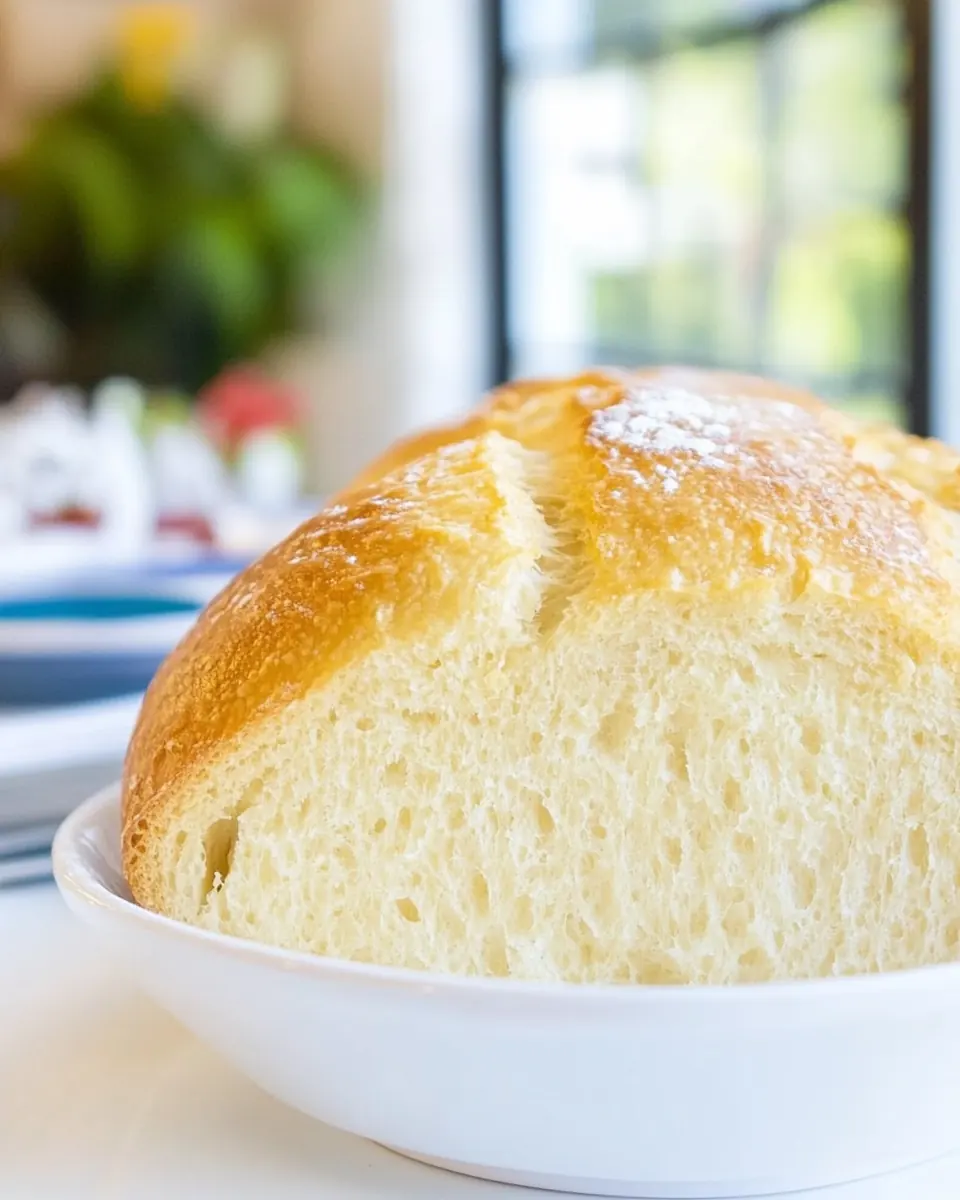
These ingredients come together to make a rich, slightly sweet, and tender loaf. The focus here is on creating a soft crumb with enough fat and sugar to tenderize the gluten while still producing structure. Each component plays a role in texture, flavor, or fermentation, and together they give you that classic Sally Lunn character.
- 1 1/2 cups whole milk: Heat and enrich the dough by providing warm liquid that hydrates flour and activates yeast; contributes tenderness and crumb when combined with fats and eggs. Use whole milk for its fat content which improves flavor, browning, and overall mouthfeel in the enriched Sally Lunn loaf.
- 3/4 cups sugar: Add sweetness and aid in browning while tenderizing the crumb by interfering with gluten formation; sugar also serves as food for yeast, promoting fermentation and a better rise. Measure carefully to balance sweetness without overfeeding the yeast, which can cause overly rapid fermentation.
- 1/2 cup butter: Introduce fat that coats flour proteins to inhibit excessive gluten development, resulting in a softer, richer crumb and improved shelf life. Melted or softened butter also contributes flavor and helps create an appealing crust and tender interior.
- 1 teaspoon salt: Provide essential seasoning to enhance and balance flavor while strengthening gluten structure slightly and regulating yeast activity for controlled fermentation. Use the specified amount to avoid overly salty bread which can inhibit yeast performance and mask other flavors.
- 2 (1/4-ounce) packets active dry yeast: Supply fermentation power to leaven the enriched dough by producing carbon dioxide and contributing to flavor complexity during proofing. Use fresh active dry yeast and verify packet weight to ensure reliable rising consistent with the recipe timing.
- 1/2 cup warm water (100 to 110 degrees): Warm and dissolve the yeast, activating it without killing live cultures when kept within the specified temperature range; also helps to evenly distribute yeast throughout the dough. Use water at 100–110°F to wake the yeast gently and encourage a steady, predictable rise.
- 2 large eggs: Bind and enrich the dough while adding moisture, tenderness, and color from the proteins and fats; eggs contribute structure and emulsification, improving volume and crumb. Beat or temper eggs as directed to incorporate them smoothly into the enriched batter-like dough characteristic of Sally Lunn.
- 5 cups all-purpose flour: Form the bulk of the structure by supplying starches and proteins (gluten) that create the bread's framework when hydrated and kneaded. Use all-purpose flour measured properly to achieve the correct balance of strength and tenderness for an enriched, slightly cake-like loaf.
Putting Together Sally Lunn Bread
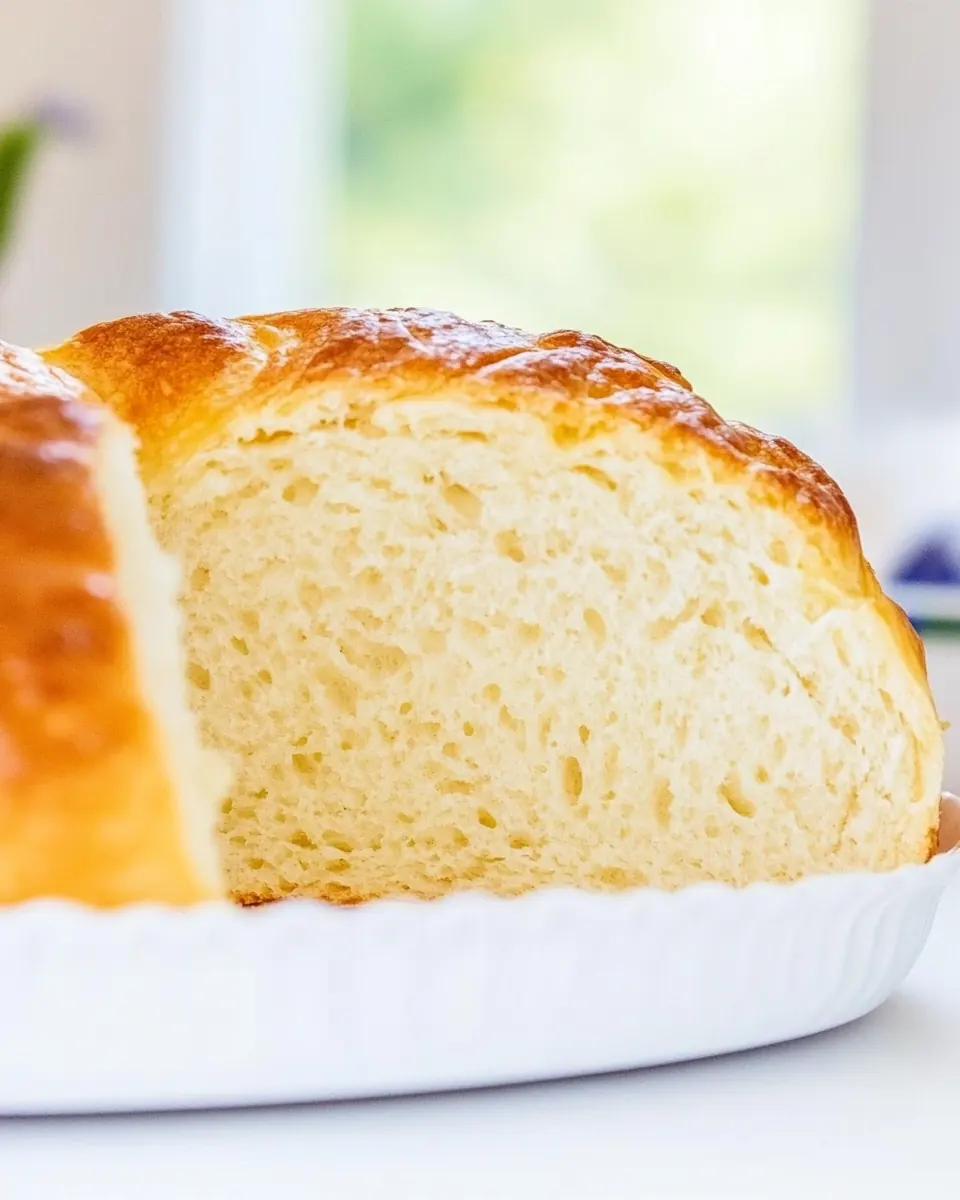
These instructions guide you through a relaxed, sensory focused process that emphasizes temperature, texture, and watching the dough so you know when it is behaving properly. Read each step and take your time between rises, because those pauses are where flavor and structure develop.
- In a saucepan, heat milk, sugar, butter, and salt just until butter melts. Stir well and let cool to 100 to 110 degrees.: The kitchen will start to smell like warm butter and sweet milk, a comforting aroma that signals the beginning of the loaf. You want gentle heat, so keep the pan over medium low and stir so the sugar dissolves and the butter fully melts into the milk . Watch for tiny steam wisps and remove from heat before any bubbling begins, because boiling alters the proteins in the milk and can change the dough texture. I like to transfer the saucepan to a cool burner to let it come down toward the yeast proof temperature. Common mistake, avoid overheating, which can kill the yeast later.
- Combine yeast and warm water in small bowl. Let sit 5 minutes.: As the mixture cools you can feel the kitchen humidity shift, and a gentle warmth on the bowl lets you know it is approaching the right range. Use a thermometer if you have one to confirm it is between 100 to 110 degrees, because this is the sweet spot for activating yeast without stress. If you rush and add the yeast too soon while it is still hot, the yeast cells will be damaged and the dough may not rise. A simple wrist test can help too, it should feel warm but not uncomfortably hot.
- Add yeast mixture, butter mixture and eggs to a mixing bowl and beat with an electric mixer until blended.: When you mix the active dry yeast with the warm water you should see tiny bubbles and a foamy cap within about five minutes, which is a lively, promising sign. The water acts as a wake up call, coaxing the yeast into activity. If there is no foam, it often means the yeast is old or the liquid was not warm enough, and you should start over. One error to watch for is using water that is too hot, which can kill the yeast and lead to a heavy dough.
- With mixer on low, gradually add in flour. Mixture will be very sticky.: While it rests you will observe faint fizzing and a yeasty scent developing, a small but telling transformation. This short pause is a test of vitality, and it gives you confidence to move forward. Resist the urge to rush; if you proceed without a foamy proof you risk a loaf that does not rise properly. If your environment is very cool, give it an extra minute or two, but avoid leaving it too long as the foam can collapse.
- Cover bowl and let dough rise for 1 hour or until doubled in bulk.: As the ingredients join, the bowl fills with a rich, slightly glossy batter that smells of butter and warmth. Use the mixer with a paddle or dough hook on low to medium speed, scraping the sides occasionally so everything combines evenly. The eggs add silkiness and the butter helps the mixture feel luxurious. A common slip is under mixing, which leaves pockets of dry flour or uneven texture, so mix until the batter looks uniform and slightly thick.
- Punch dough down and cover and let rise for 30 minutes.: As you add the all purpose flour slowly, the mixture will thicken and become noticeably more resistant to the paddle, hinting that gluten is developing. The bowl will grow heavy and sticky, and that tacky feel is expected here. Keep the mixer low so you do not overheat the dough or overwork the gluten, which would make the final loaf tough. If you add all the flour at once you could end up with a dry, crumbly dough, so patience is key.
- Transfer dough to a well-greased Bundt pan. I like to spray it with baking spray with flour. Cover and let rise for 20 to 30 minutes.: The texture should be tacky rather than dry, and this tackiness helps produce a soft crumb after baking. Touch tests will tell you more than times do, so lightly flour your fingers if you need to handle the dough briefly. Avoid adding too much extra flour to correct stickiness, because that will tighten the crumb and make the loaf dense. A common mistake is over flouring at this point; instead trust the recipe and the rising steps to set the structure.
- Bake in a 350 degree oven for 35 to 40 minutes. Remove from pan immediately. Serve with butter or jam.: During this rise the dough will mellow and the scent of fermentation will appear, a warm, slightly tangy aroma that feels like progress. I find placing the bowl in a slightly warm corner speeds things along, but avoid direct heat that can dry the surface. The volume should nearly double, which is the most reliable visual cue. If it has not doubled after an hour, give it time; rushing this step yields a dense loaf.
- Punch dough down and cover and let rise for 30 minutes: After you deflate the dough gently, you will notice it relax, the elasticity easing. This second rise refines the crumb and reduces large air pockets, producing an even texture. Cover it so it does not form a skin, and check after 30 minutes for a slightly puffy surface. A common oversight is skipping this second rise, which often leads to irregular holes and uneven crumb.
- Transfer dough to a well greased Bundt pan: Moving the dough into the prepared pan is tactile and satisfying, you will feel the weight and shape as it settles. I prefer a spray with flour for easy release, but thorough greasing also works. Smooth the top gently so it sits evenly for the final rise. If you jam the dough into the pan too forcefully you can create dense zones, so handle it with gentle encouragement rather than brute force.
- I like to spray it with baking spray with flour: This extra step ensures a clean release and preserves the loaf's glossy surface, a small trick that saves frustration later. The thin flour layer helps prevent sticking while still allowing the crust to brown nicely. If you skip this and the loaf sticks, you risk tearing the sides when removing it, so take this few seconds to prep the pan carefully.
- Cover and let rise for 20 to 30 minutes: During the final rest the dough will fill the pan slightly and appear airy and puffy, a clear sign it is ready to bake. Keep it covered so it does not dry out, and aim for a gentle, uniform rise. If it doubles too much it can overflow, so check at the twenty minute mark and judge by how puffy it looks in the pan. Overproofing at this stage can lead to a collapse in the oven.
- Bake in a 350 degree oven for 35 to 40 minutes: As the loaf bakes you will smell a deepening, toasty aroma, and the top will gradually darken to a golden brown. The crust should feel firm and spring back slightly when touched. Use a thermometer if unsure, the center should be near 190 degrees for fully baked bread. A typical mistake is removing it too soon, which yields a gummy interior, so allow the full time and check doneness carefully.
- Remove from pan immediately: Taking the loaf out right away prevents steam from collecting and making the sides soggy, and it preserves the loaf shape as it cools. Set it on a rack to cool, where the air can circulate and the crumb can set. If you leave it in the pan while hot, condensation can soften the crust and ruin the desired texture.
- Serve with butter or jam: The final act is pure pleasure, the first slice releasing a warm, yeasty fragrance and a soft crumb that invites a generous smear of butter or a bright jam. I like to wait a few minutes so the crumb firms slightly, but warm is wonderful too. Avoid cutting too early and underestimating the set; very hot bread can compress under the knife and tear.
Helpful Hints
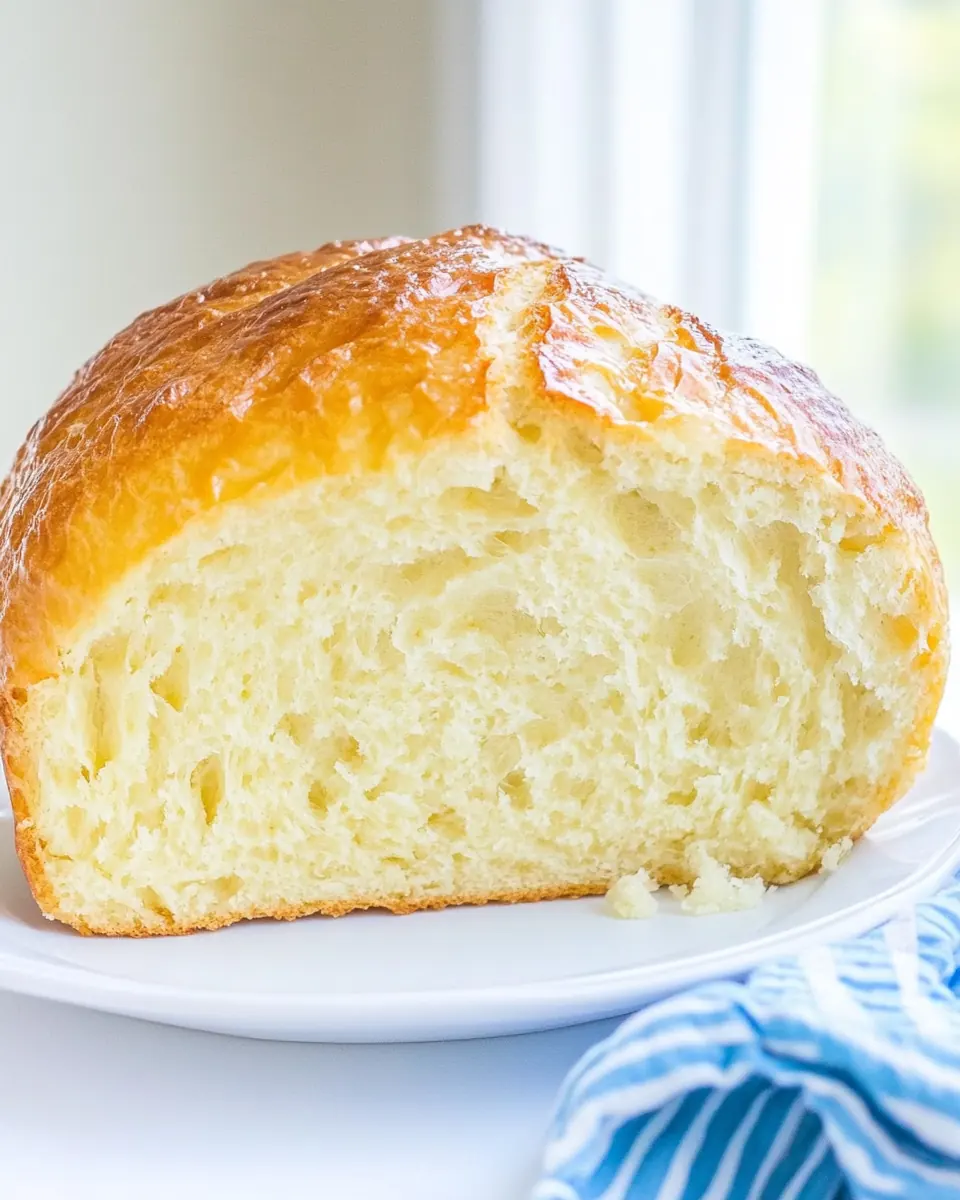
I like to keep tips practical and rooted in small adjustments that deliver predictable, comforting results. These notes reflect what I have learned from many loaves: small steps matter, and they compound into a reliably delicious Sally Lunn Bread.
- Check your yeast: After mixing the yeast and warm water, you should see small bubbles and foam within five minutes, signaling active yeast. If you do not see activity, it likely means the yeast is expired or the water was the wrong temperature, and using it will risk a dense loaf.
- Temperature matters: Keep the warm mixture between 100 to 110 degrees before combining with yeast. Too hot will kill the yeast, too cool will slow fermentation. A quick wrist test helps when you lack a thermometer.
- Don’t over flour: The dough should be sticky before the first rise, which leads to a tender crumb. Adding too much flour at the mixer stage makes the loaf dry and tight, so trust the rising steps to build structure.
- Use proper pan prep: Grease the Bundt pan well or use a flour spray so the loaf releases cleanly. This small step preserves the loaf’s glossy top and avoids tearing when unmolding.
- Watch the crust color: Aim for a deep golden brown, which indicates Maillard reaction and developed flavor. If the top browns too quickly you can tent loosely with foil for the final minutes to prevent overbrowning while the center finishes baking.
Serving Suggestions
This loaf works beautifully in many contexts, from relaxed breakfasts to more formal dinners. Think about pairing it thoughtfully so the texture and mild sweetness shine through.
- Breakfast table: Serve slices warm with butter and a selection of jams, honey, or clotted cream for a leisurely morning. It pairs well with tea or coffee and makes an inviting centerpiece for weekend mornings.
- Brunch or tea: Offer slightly thicker slices with savory accompaniments like soft cheeses, or keep it sweet with lemon curd. The tender crumb stands up well to spreads and toppings without crumbling excessively.
- Sandwich base: Use cooled slices to make open faced or stacked sandwiches. The bread’s structure holds fillings without becoming soggy, making it suitable for egg salad or mild roasted vegetables.
- Dinner side: Present warm slices alongside soups or stews, where the bread can soak up broths and add a comforting richness. It is also lovely on holiday tables as a gentle, crowd pleasing loaf.
- Storage tips: Wrap cooled slices tightly in plastic or place in an airtight container for up to three days at room temperature, or freeze for up to three months. Thaw at room temperature and refresh in a low oven to restore the crust and softness.
- Occasions: This is excellent for weekend gatherings, casual family dinners, Ramadan iftar tables where soft bread is welcome, or any time you want a homemade loaf that feels special without being fussy.
FAQ
Conclusion
Sally Lunn Bread stands out for its tender crumb, gentle sweetness, and reliable, comforting performance. It is a loaf that bridges breakfast and dinner, offering warm slices for mornings or sturdy pieces for soaking up soups and stews. Give it a try the next time you want a homemade loaf that is approachable yet special, and enjoy the ritual of watching the dough rise and fill your kitchen with warm, buttered aromas. This bread rewards a little patience with generous, buttery slices that will likely disappear quickly at the table.
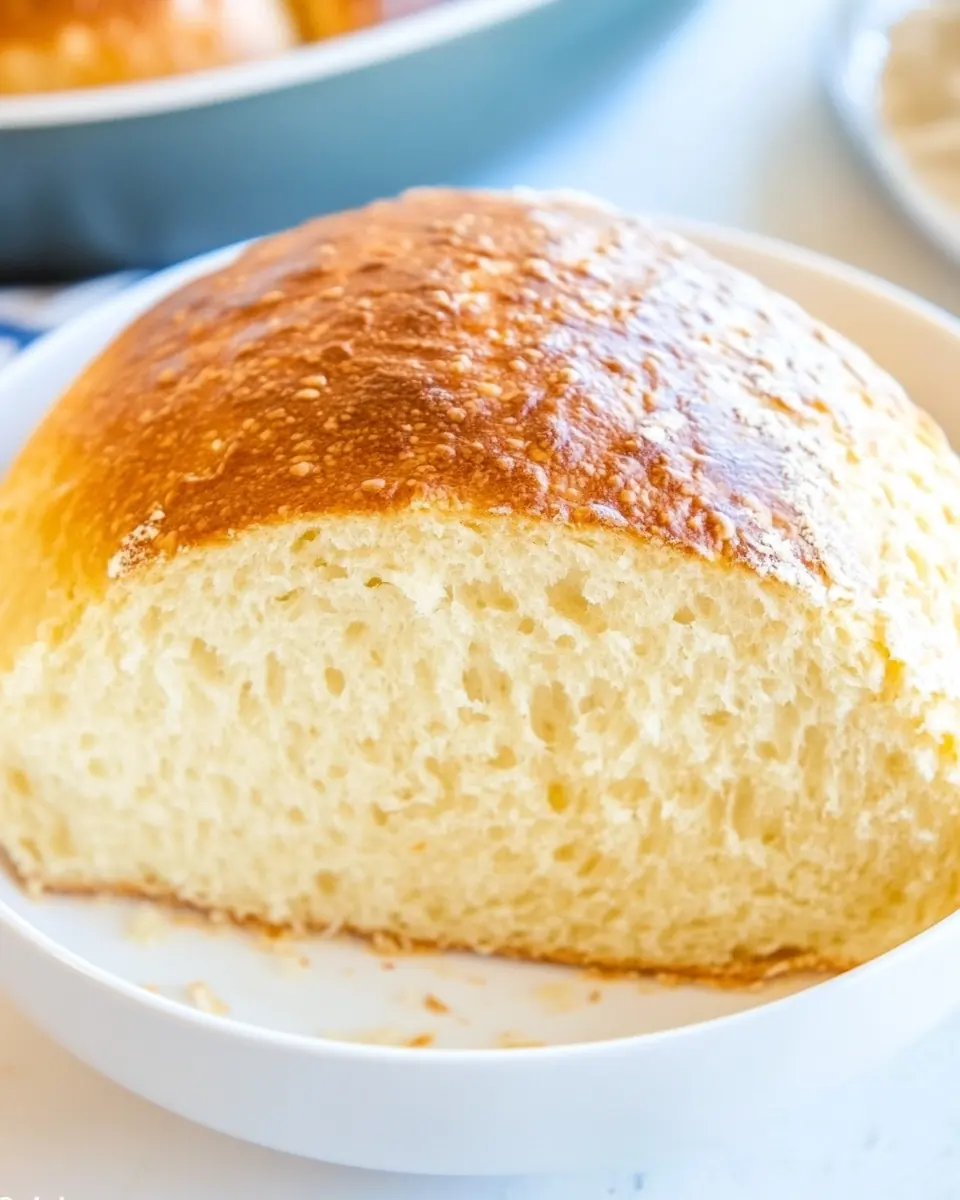
Sally Lunn Bread
Ingredients
Equipment
Method
- In a saucepan, heat milk, sugar, butter, and salt just until butter melts. Stir well and let cool to 100 to 110 degrees.: The kitchen will start to smell like warm butter and sweet milk, a comforting aroma that signals the beginning of the loaf. You want gentle heat, so keep the pan over medium low and stir so the sugar dissolves and the butter fully melts into the milk . Watch for tiny steam wisps and remove from heat before any bubbling begins, because boiling alters the proteins in the milk and can change the dough texture. I like to transfer the saucepan to a cool burner to let it come down toward the yeast proof temperature. Common mistake, avoid overheating, which can kill the yeast later.
- Combine yeast and warm water in small bowl. Let sit 5 minutes.: As the mixture cools you can feel the kitchen humidity shift, and a gentle warmth on the bowl lets you know it is approaching the right range. Use a thermometer if you have one to confirm it is between 100 to 110 degrees, because this is the sweet spot for activating yeast without stress. If you rush and add the yeast too soon while it is still hot, the yeast cells will be damaged and the dough may not rise. A simple wrist test can help too, it should feel warm but not uncomfortably hot.
- Add yeast mixture, butter mixture and eggs to a mixing bowl and beat with an electric mixer until blended.: When you mix the active dry yeast with the warm water you should see tiny bubbles and a foamy cap within about five minutes, which is a lively, promising sign. The water acts as a wake up call, coaxing the yeast into activity. If there is no foam, it often means the yeast is old or the liquid was not warm enough, and you should start over. One error to watch for is using water that is too hot, which can kill the yeast and lead to a heavy dough.
- With mixer on low, gradually add in flour. Mixture will be very sticky.: While it rests you will observe faint fizzing and a yeasty scent developing, a small but telling transformation. This short pause is a test of vitality, and it gives you confidence to move forward. Resist the urge to rush; if you proceed without a foamy proof you risk a loaf that does not rise properly. If your environment is very cool, give it an extra minute or two, but avoid leaving it too long as the foam can collapse.
- Cover bowl and let dough rise for 1 hour or until doubled in bulk.: As the ingredients join, the bowl fills with a rich, slightly glossy batter that smells of butter and warmth. Use the mixer with a paddle or dough hook on low to medium speed, scraping the sides occasionally so everything combines evenly. The eggs add silkiness and the butter helps the mixture feel luxurious. A common slip is under mixing, which leaves pockets of dry flour or uneven texture, so mix until the batter looks uniform and slightly thick.
- Punch dough down and cover and let rise for 30 minutes.: As you add the all purpose flour slowly, the mixture will thicken and become noticeably more resistant to the paddle, hinting that gluten is developing. The bowl will grow heavy and sticky, and that tacky feel is expected here. Keep the mixer low so you do not overheat the dough or overwork the gluten, which would make the final loaf tough. If you add all the flour at once you could end up with a dry, crumbly dough, so patience is key.
- Transfer dough to a well-greased Bundt pan. I like to spray it with baking spray with flour. Cover and let rise for 20 to 30 minutes.: The texture should be tacky rather than dry, and this tackiness helps produce a soft crumb after baking. Touch tests will tell you more than times do, so lightly flour your fingers if you need to handle the dough briefly. Avoid adding too much extra flour to correct stickiness, because that will tighten the crumb and make the loaf dense. A common mistake is over flouring at this point; instead trust the recipe and the rising steps to set the structure.
- Bake in a 350 degree oven for 35 to 40 minutes. Remove from pan immediately. Serve with butter or jam.: During this rise the dough will mellow and the scent of fermentation will appear, a warm, slightly tangy aroma that feels like progress. I find placing the bowl in a slightly warm corner speeds things along, but avoid direct heat that can dry the surface. The volume should nearly double, which is the most reliable visual cue. If it has not doubled after an hour, give it time; rushing this step yields a dense loaf.
- Punch dough down and cover and let rise for 30 minutes: After you deflate the dough gently, you will notice it relax, the elasticity easing. This second rise refines the crumb and reduces large air pockets, producing an even texture. Cover it so it does not form a skin, and check after 30 minutes for a slightly puffy surface. A common oversight is skipping this second rise, which often leads to irregular holes and uneven crumb.
- Transfer dough to a well greased Bundt pan: Moving the dough into the prepared pan is tactile and satisfying, you will feel the weight and shape as it settles. I prefer a spray with flour for easy release, but thorough greasing also works. Smooth the top gently so it sits evenly for the final rise. If you jam the dough into the pan too forcefully you can create dense zones, so handle it with gentle encouragement rather than brute force.
- I like to spray it with baking spray with flour: This extra step ensures a clean release and preserves the loaf's glossy surface, a small trick that saves frustration later. The thin flour layer helps prevent sticking while still allowing the crust to brown nicely. If you skip this and the loaf sticks, you risk tearing the sides when removing it, so take this few seconds to prep the pan carefully.
- Cover and let rise for 20 to 30 minutes: During the final rest the dough will fill the pan slightly and appear airy and puffy, a clear sign it is ready to bake. Keep it covered so it does not dry out, and aim for a gentle, uniform rise. If it doubles too much it can overflow, so check at the twenty minute mark and judge by how puffy it looks in the pan. Overproofing at this stage can lead to a collapse in the oven.
- Bake in a 350 degree oven for 35 to 40 minutes: As the loaf bakes you will smell a deepening, toasty aroma, and the top will gradually darken to a golden brown. The crust should feel firm and spring back slightly when touched. Use a thermometer if unsure, the center should be near 190 degrees for fully baked bread. A typical mistake is removing it too soon, which yields a gummy interior, so allow the full time and check doneness carefully.
- Remove from pan immediately: Taking the loaf out right away prevents steam from collecting and making the sides soggy, and it preserves the loaf shape as it cools. Set it on a rack to cool, where the air can circulate and the crumb can set. If you leave it in the pan while hot, condensation can soften the crust and ruin the desired texture.
- Serve with butter or jam: The final act is pure pleasure, the first slice releasing a warm, yeasty fragrance and a soft crumb that invites a generous smear of butter or a bright jam. I like to wait a few minutes so the crumb firms slightly, but warm is wonderful too. Avoid cutting too early and underestimating the set; very hot bread can compress under the knife and tear.
Notes
- Check your yeast: After mixing the yeast and warm water, you should see small bubbles and foam within five minutes, signaling active yeast. If you do not see activity, it likely means the yeast is expired or the water was the wrong temperature, and using it will risk a dense loaf.
- Temperature matters: Keep the warm mixture between 100 to 110 degrees before combining with yeast. Too hot will kill the yeast, too cool will slow fermentation. A quick wrist test helps when you lack a thermometer.
- Don’t over flour: The dough should be sticky before the first rise, which leads to a tender crumb. Adding too much flour at the mixer stage makes the loaf dry and tight, so trust the rising steps to build structure.
- Use proper pan prep: Grease the Bundt pan well or use a flour spray so the loaf releases cleanly. This small step preserves the loaf’s glossy top and avoids tearing when unmolding.
- Watch the crust color: Aim for a deep golden brown, which indicates Maillard reaction and developed flavor. If the top browns too quickly you can tent loosely with foil for the final minutes to prevent overbrowning while the center finishes baking.