Cauliflower Fried Rice
Cauliflower Fried Rice came into my weeknight rotation on a hectic Tuesday when I wanted something fast, bright, and just a little unexpected. I remember opening the fridge to find a head of cauliflower and some sad carrots, and I decided to treat those humble ingredients like the stars they deserve to be. That first bite, warm and slightly nutty, convinced me this was not a compromise meal, it was a new favorite.
Over time I learned small ways to coax the best texture and flavor from this dish, from how long to let the cauliflower brown, to the exact moment to add the soy sauce so it caramelizes without turning everything soggy. Friends who said they do not like vegetables have come back for seconds. I like to think that happens because the dish balances savory, slightly sweet, and just a touch of heat, all with a satisfying, rice like mouthfeel.
Recipe Snapshot
10 mins
2 mins
8 mins
Easy
180 kcal
American
Vegan, Gluten-Free
Dinner
Nonstick pan, Spatula
The Best Thing About This Cauliflower Fried Rice
1. Versatile and quick
I love that Cauliflower Fried Rice adapts to what I have on hand. It can be a light lunch, a side for a weeknight dinner, or a base to toss in cooked protein. The recipe cooks fast, so it becomes my go to when time is short and flavor matters.
2. Bright vegetable flavor with comforting notes
The nutty aroma of sautéed cauliflower paired with the sweet edge of carrots and the gentle bite of onion creates a balanced profile that feels both fresh and comforting. I find the contrast keeps each forkful interesting.
3. Flexible for dietary needs
Because the recipe relies on pantry friendly seasonings like soy sauce and optional toasted sesame, you can easily tune it for keto, vegetarian, or lower sodium preferences. I often swap the oil for water when I want to reduce fat, and it still hits the mark.
4. Textural satisfaction
The quick sauté builds slight browning on the cauliflower, which gives a light crisp chew that mimics fried rice. That contrast between browned edges and tender interior is what keeps me coming back.
5. Crowd pleasing and humble
I bring this to potlucks and casual dinners because it travels well and pairs with many mains. Guests often ask for the recipe, which always feels like a small victory.
Cauliflower Fried Rice Shopping List
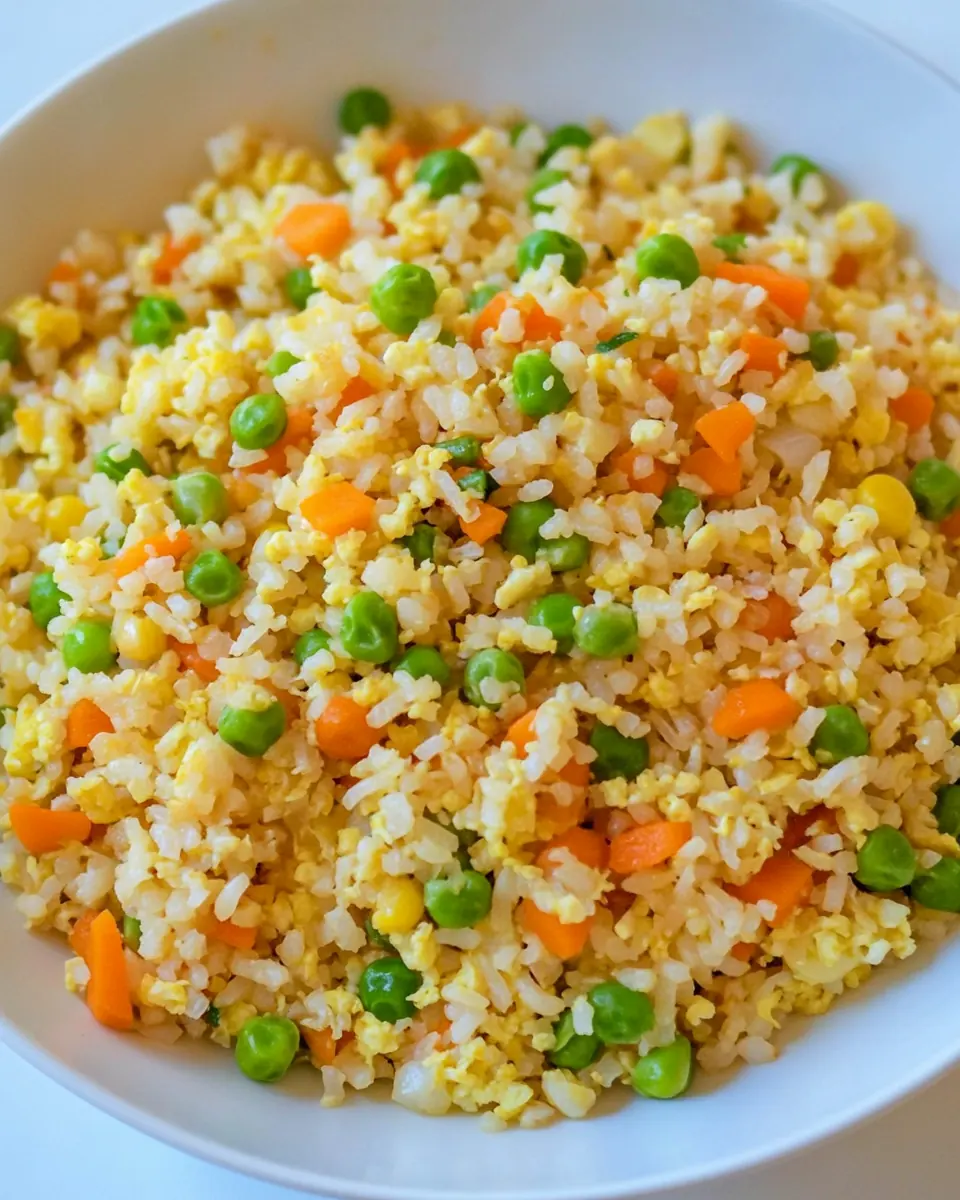
These ingredients are chosen to showcase simplicity and balance. The core players are the cauliflower for body, the carrots and peas for sweetness and texture, and the soy sauce for savory depth. Small amounts of onion and garlic layer in aromatics that transform the dish from a simple veg medley into something full flavored.
- 6 cups cauliflower rice, fresh or frozen: Provide a low-carb rice alternative by pulsing cauliflower into small grains; adds bulk and soaks up flavors while keeping the dish light and vegetable-forward.
- 2 diced carrots, or 1/2 cup finely chopped broccoli: Contribute sweet, earthy bite and a slight crunch when diced; can be swapped for finely chopped broccoli to vary texture and nutrients.
- 1 cup peas or edamame (can sub a different vegetable for keto): Add a pop of color and natural sweetness while delivering protein and fiber; can substitute a different vegetable for a lower-carb keto variation.
- 1/2 cup diced onion: Supply savory aromatic depth and a soft texture when diced and sautéed; helps build the flavor base for the fried rice.
- 2 tsp minced garlic: Deliver pungent, aromatic spice in small amounts; mince finely so the garlic disperses flavor evenly throughout the dish.
- 3 tbsp soy sauce or coconut aminos: Season the dish with savory umami and saltiness; use soy sauce or coconut aminos to adjust sodium and accommodate dietary preferences.
- 1 tbsp oil or water for sautéing: Facilitate sautéing and prevent sticking while helping to brown vegetables; can use water as a lower-fat alternative for cooking.
- 2 tsp toasted sesame oil (adds a ton of flavor) (optional): Impart a pronounced nutty aroma and depth when toasted in small amounts; enhances overall flavor but should be used sparingly.
- 1/2 cup corn (optional): Contribute a sweet, starchy note and additional texture when included; keep optional to maintain lower-carb profile if desired.
- sriracha or hot sauce to taste (optional): Increase heat and add tangy spice to taste; drizzle sparingly to customize the dish’s spiciness and flavor profile.
- salt and pepper as desired: Balance and enhance flavors by seasoning to taste; adjust salt and pepper gradually to avoid over-salting.
- feel free to stir cooked protein of choice in near the end: Allow cooked protein to be stirred in near the end for added substance; integrates with the rice and picks up the dish’s seasonings.
Recipe Steps for Cauliflower Fried Rice
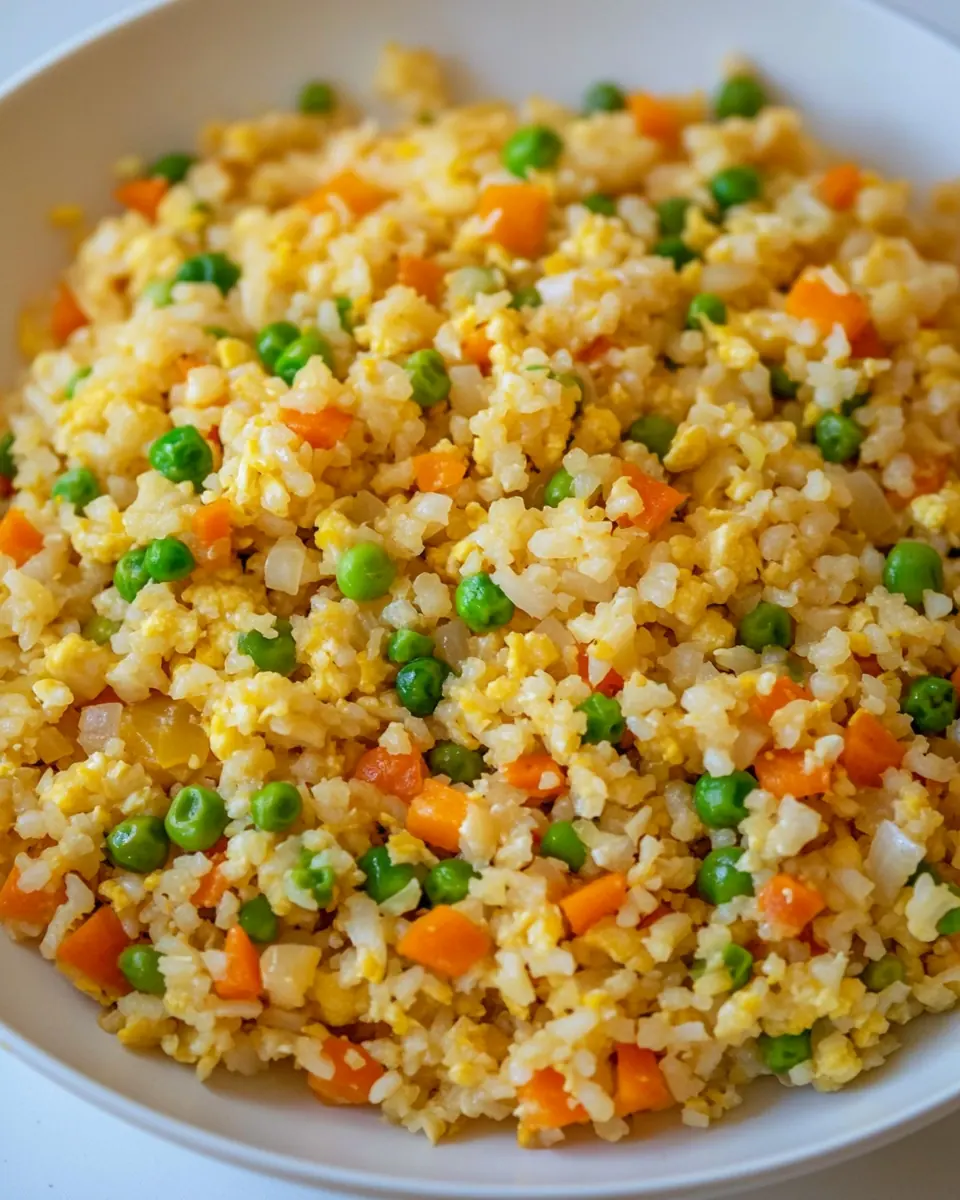
This comes together very quickly, so set up your ingredients first. I like to have my cauliflower, diced carrots, onion, and garlic within arm reach because the cooking window is short. A warm pan and steady attention make all the difference.
- If using frozen cauliflower rice, do not defrost it first. In a nonstick pan, sauté the onion, carrot, and garlic in a little oil or water over medium heat until the onion begins to brown. Stir in the remaining ingredients except sesame oil, and cook until the cauliflower browns and carrots are soft. Stir in the oil, and season with salt and pepper as desired. For spicy cauliflower rice, add sriracha or hot sauce to taste. Serve hot, and enjoy. Leftovers can be stored in a covered airtight container in the refrigerator for 3-4 days.: The moment you add frozen cauliflower to a hot pan you will hear a sizzle as moisture releases, which helps steam and then evaporate liquid, preventing mushiness. Visually watch for the ice to melt and the bits to loosen, you want them to separate rather than clump. A common mistake is defrosting first, which makes the cauliflower waterlogged and slows browning, so keep it frozen when the recipe calls for that approach.
- In a nonstick pan, sauté the onion, carrot, and garlic in a little oil or water over medium heat until the onion begins to brown: Soon after the vegetables hit the hot surface you will smell sweet onion and savory garlic, and the edges of the onion will turn translucent then golden. The sound is a gentle sustained sizzle, not aggressive splatter. Browning creates caramelized notes, which deepen the overall flavor. A misstep is cooking too low, which yields soft, pale veg, or too high, which risks burning the garlic; maintain medium heat for even color and aroma.
- Stir in the remaining ingredients except sesame oil, and cook until the cauliflower browns and carrots are soft: As you fold in the cauliflower , peas , and soy sauce , you will see the sauce coat each piece and start to evaporate. Keep the pan moving so bits contact the surface and form small browned patches, that toasted edge gives a roast like depth. Taste for carrot tenderness to know when it is done. Overcrowding the pan prevents browning, so if your pan is stuffed, cook in batches to preserve texture.
- Stir in the oil, and season with salt and pepper as desired: Adding the optional toasted sesame oil at this stage releases a warm, nutty perfume that lifts the dish. Season carefully because soy sauce already contributes saltiness, so add a pinch, taste, and adjust. If you skip tasting, you may over salt the dish, so sample a spoonful before final seasoning.
- For spicy cauliflower rice, add sriracha or hot sauce to taste: A small drizzle will introduce a bright heat that contrasts with the savory base. Start with a little, mix thoroughly, and wait a moment for flavors to meld before adding more, because the heat builds as it warms. Too much at once can overwhelm the other flavors, so proceed gradually and keep tasting.
- Serve hot, and enjoy: The aroma will be warm and inviting, with toasted sesame notes if used, and the plate should show flecks of browned cauliflower and colorful vegetables. Serving immediately preserves the delicate crispness of some pieces, whereas letting it sit can soften the texture. If you leave it too long before serving, reheat briefly over medium heat to revive the browned edges and tighten the texture.
- Leftovers can be stored in a covered airtight container in the refrigerator for 3 to 4 days: Cool the rice quickly before sealing to preserve texture and safety, then chill. When reheating, sprinkle a little water or add a splash of oil and warm over medium heat to refresh the texture and avoid drying out. A common issue is microwaving straight from cold which can steam it into a mushy consistency, so reheat gently on the stove when possible.
Helpful Hints
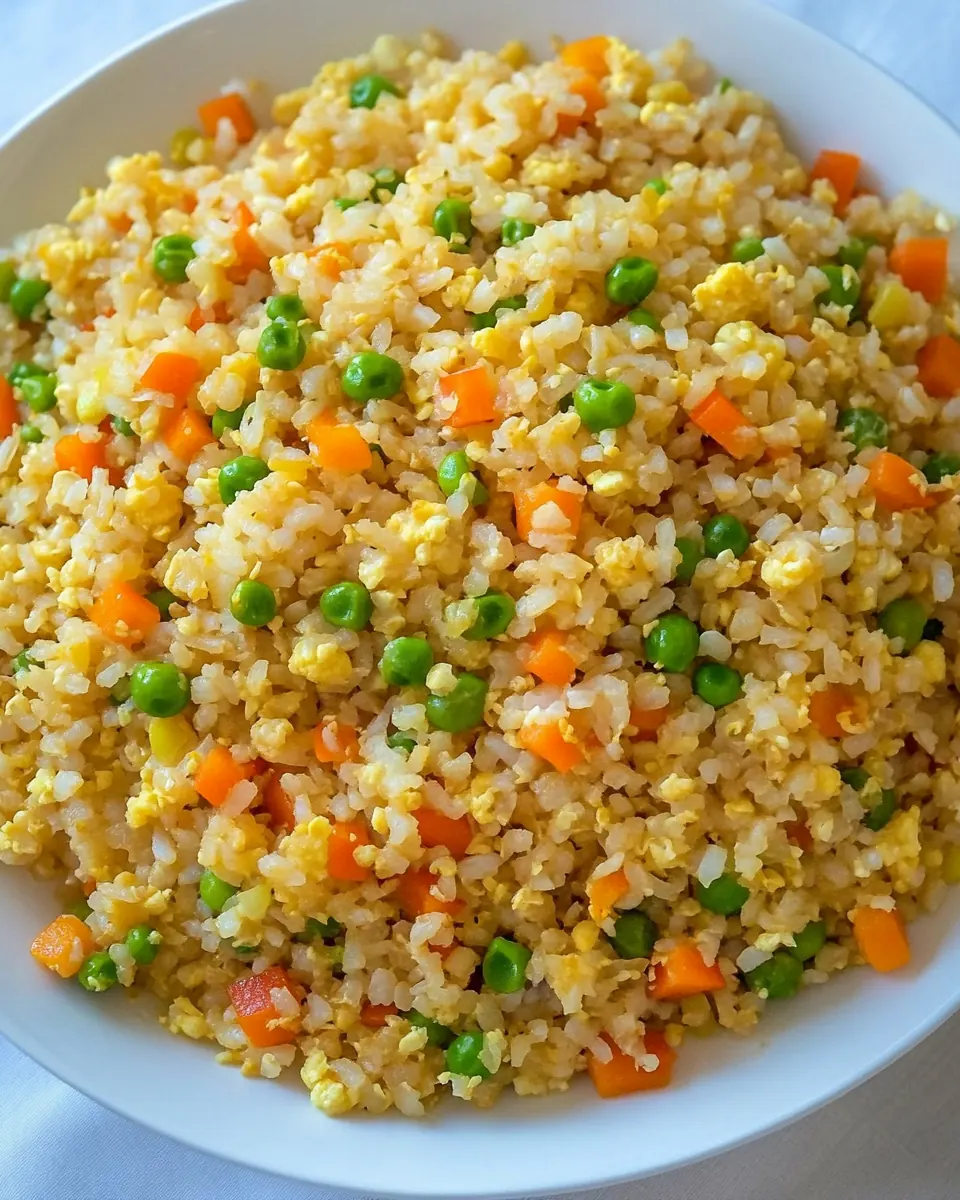
I like to keep these pointers nearby while cooking Cauliflower Fried Rice. They make the difference between good and memorable. Below are practical, expanded tips to guide you through ingredient choices, timing, and flavor adjustments.
- Prep mise en place Make sure all vegetables and sauces are measured and ready because this dish moves quickly once you start cooking, saving you from scrambling and letting ingredients sit too long.
- Choose the right cauliflower form Fresh riced cauliflower gives firmer texture while frozen is convenient; if frozen, keep it cold until it hits the pan to help evaporation and browning.
- Control moisture If excess water accumulates, increase the heat slightly and spread the rice so steam escapes, this concentrates flavor and prevents a soggy result.
- Layer flavors Brown the onion and garlic first to develop depth, then add the soy sauce near the end so it caramelizes rather than stewing the vegetables.
- Finish with aroma Add the optional toasted sesame oil off the heat to preserve its nutty perfume, which reads as a gourmet flourish even in a humble dish.
Perfect Matches for Cauliflower Fried Rice
This dish is flexible enough to pair with many sides and occasions. Below are ideas for serving, storage, and occasions to help you plan meals and present the dish with purpose.
- Weeknight dinners Serve Cauliflower Fried Rice as a quick centerpiece with a simple green salad on the side for a balanced meal that comes together in minutes.
- Meal prep Store in airtight containers and portion for lunches, the dish reheats well with a splash of water or oil to revive texture.
- Special occasions Dress it up for a casual dinner party by stirring in a cooked protein before serving and finishing with toasted sesame and sliced scallions for a polished look.
- Seasonal pairings In winter use hearty root vegetables alongside the cauliflower, while in summer keep it light with extra peas or fresh herbs to brighten the plate.
- Ramadan or fasting meals This can be a gentle, nourishing option to break a fast, offering vegetables and room to add tender cooked protein for sustenance.
- Storage tip Cool quickly and refrigerate for up to 4 days; when freezing, expect slight texture changes, so reserve frozen portions for cooked dishes rather than pristine servings.
FAQ
Conclusion
What makes this recipe special is how it elevates simple ingredients into a satisfying, flavorful dish with minimal fuss. Give Cauliflower Fried Rice a try the next time you need a quick, adaptable meal that still feels thoughtful and satisfying. I hope it becomes a regular in your rotation, showing how creative cooking can make weeknight dinners both easy and delicious.
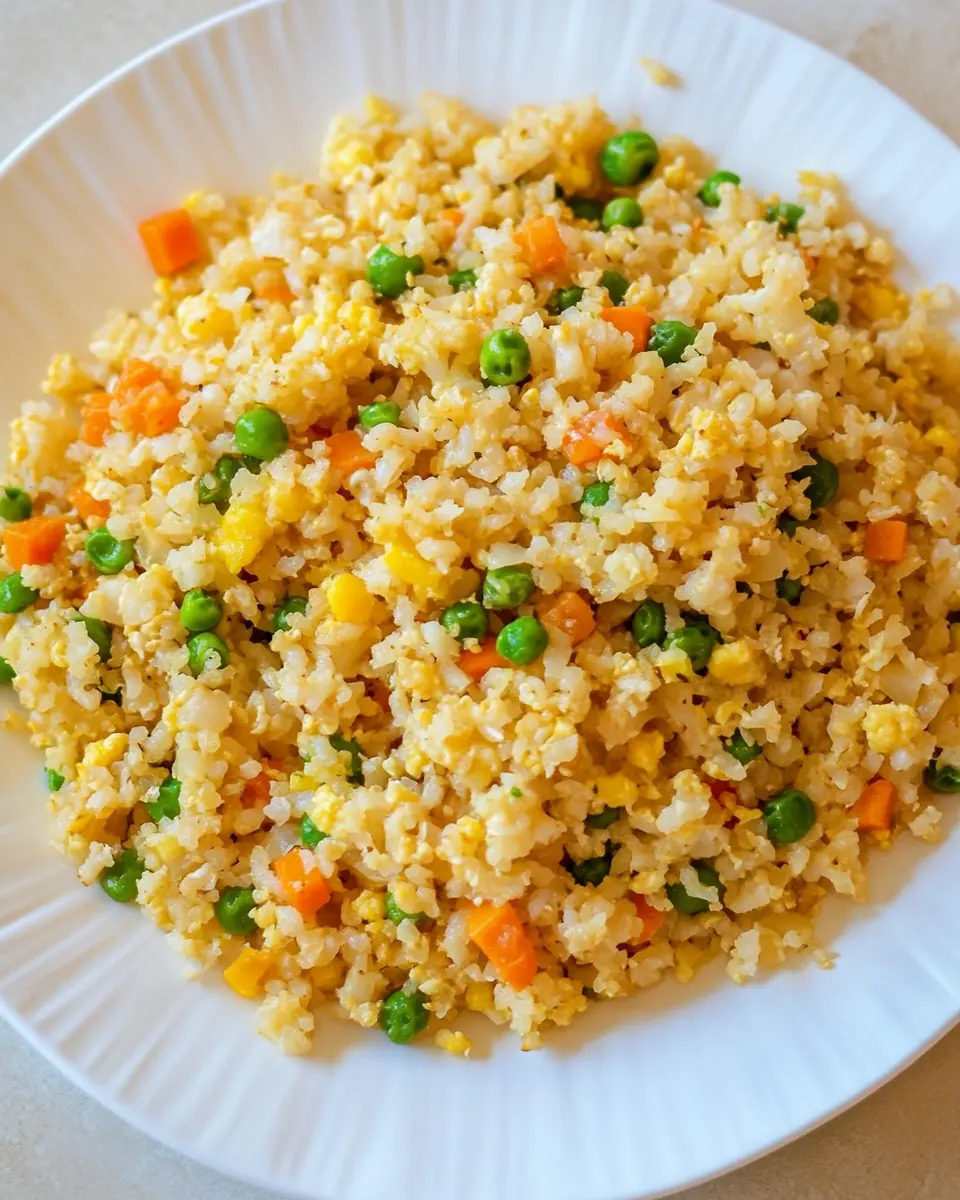
Cauliflower Fried Rice
Ingredients
Equipment
Method
- If using frozen cauliflower rice, do not defrost it first. In a nonstick pan, sauté the onion, carrot, and garlic in a little oil or water over medium heat until the onion begins to brown. Stir in the remaining ingredients except sesame oil, and cook until the cauliflower browns and carrots are soft. Stir in the oil, and season with salt and pepper as desired. For spicy cauliflower rice, add sriracha or hot sauce to taste. Serve hot, and enjoy. Leftovers can be stored in a covered airtight container in the refrigerator for 3-4 days.: The moment you add frozen cauliflower to a hot pan you will hear a sizzle as moisture releases, which helps steam and then evaporate liquid, preventing mushiness. Visually watch for the ice to melt and the bits to loosen, you want them to separate rather than clump. A common mistake is defrosting first, which makes the cauliflower waterlogged and slows browning, so keep it frozen when the recipe calls for that approach.
- In a nonstick pan, sauté the onion, carrot, and garlic in a little oil or water over medium heat until the onion begins to brown: Soon after the vegetables hit the hot surface you will smell sweet onion and savory garlic, and the edges of the onion will turn translucent then golden. The sound is a gentle sustained sizzle, not aggressive splatter. Browning creates caramelized notes, which deepen the overall flavor. A misstep is cooking too low, which yields soft, pale veg, or too high, which risks burning the garlic; maintain medium heat for even color and aroma.
- Stir in the remaining ingredients except sesame oil, and cook until the cauliflower browns and carrots are soft: As you fold in the cauliflower , peas , and soy sauce , you will see the sauce coat each piece and start to evaporate. Keep the pan moving so bits contact the surface and form small browned patches, that toasted edge gives a roast like depth. Taste for carrot tenderness to know when it is done. Overcrowding the pan prevents browning, so if your pan is stuffed, cook in batches to preserve texture.
- Stir in the oil, and season with salt and pepper as desired: Adding the optional toasted sesame oil at this stage releases a warm, nutty perfume that lifts the dish. Season carefully because soy sauce already contributes saltiness, so add a pinch, taste, and adjust. If you skip tasting, you may over salt the dish, so sample a spoonful before final seasoning.
- For spicy cauliflower rice, add sriracha or hot sauce to taste: A small drizzle will introduce a bright heat that contrasts with the savory base. Start with a little, mix thoroughly, and wait a moment for flavors to meld before adding more, because the heat builds as it warms. Too much at once can overwhelm the other flavors, so proceed gradually and keep tasting.
- Serve hot, and enjoy: The aroma will be warm and inviting, with toasted sesame notes if used, and the plate should show flecks of browned cauliflower and colorful vegetables. Serving immediately preserves the delicate crispness of some pieces, whereas letting it sit can soften the texture. If you leave it too long before serving, reheat briefly over medium heat to revive the browned edges and tighten the texture.
- Leftovers can be stored in a covered airtight container in the refrigerator for 3 to 4 days: Cool the rice quickly before sealing to preserve texture and safety, then chill. When reheating, sprinkle a little water or add a splash of oil and warm over medium heat to refresh the texture and avoid drying out. A common issue is microwaving straight from cold which can steam it into a mushy consistency, so reheat gently on the stove when possible.
Notes
- Prep mise en place Make sure all vegetables and sauces are measured and ready because this dish moves quickly once you start cooking, saving you from scrambling and letting ingredients sit too long.
- Choose the right cauliflower form Fresh riced cauliflower gives firmer texture while frozen is convenient; if frozen, keep it cold until it hits the pan to help evaporation and browning.
- Control moisture If excess water accumulates, increase the heat slightly and spread the rice so steam escapes, this concentrates flavor and prevents a soggy result.
- Layer flavors Brown the onion and garlic first to develop depth, then add the soy sauce near the end so it caramelizes rather than stewing the vegetables.
- Finish with aroma Add the optional toasted sesame oil off the heat to preserve its nutty perfume, which reads as a gourmet flourish even in a humble dish.