Challah French Toast
Challah French Toast is one of those recipes that feels like a warm handshake from an old friend, arriving on a slow weekend morning when you have nowhere urgent to be. I remember the first time I made this for a bleary holiday brunch, the house smelling faintly of caramel as the custard hit the hot pan, and my family gathering like moths to the sound of the skillet. That first bite, with a crisp golden edge giving way to a custardy interior, convinced me that a simple loaf and a few eggs could deliver something almost celebratory.
I grew up around generous breakfasts where bread was an event, not an afterthought. Over the years I’ve learned how small choices change everything. Using challah instead of regular sandwich loaf, swapping whole eggs for mostly yolks, and taking the time to stale the slices, creates texture and depth that make this more than just a quick meal. It’s a ritual that starts the day with a little more patience and a lot more flavor. When I serve Challah French Toast for friends, they always ask what I did differently. My answer is usually a shrug and a conspiratorial smile, because the secret is mostly kindness, and the rest is technique.
There have been mornings when I’ve had a slice or two saved for myself, reheated gently in a low oven so the outsides regain a hint of crisp while the inside stays tender. Those quiet bites, fork poised, make me appreciate why some recipes stick around. They are forgiving, reliable, and somehow intimate. If you love a breakfast that can bridge casual weekdays and special mornings, Challah French Toast is the one I come back to again and again.
Recipe Snapshot
40 mins
10 mins
30 mins
Easy
350 kcal
American
Gluten-Free, Low FODMAP
Breakfast
12 inch skillet, Large bowl, 13×9 inch baking pan, Spatula, Paper towels
Why We Love This Challah French Toast
1. Rich custard for a silkier interior
I believe the heart of great French toast is the custard. This recipe relies on extra egg yolks and whole milk to produce a lush, silky interior. The yolks add body and color, and when you soak the slices properly, each bite is creamy without being soggy. I’ve found this makes a dramatic difference compared to just whisking whole eggs alone, and it’s the reason the dish feels indulgent without extra fuss.
2. Bread that stands up
Choosing a sturdy loaf like challah matters. The dense crumb soaks up custard while keeping its structure, so you get a custardy center with crisp edges. When I stale the bread overnight, it acts like a sponge for flavor rather than falling apart. For family brunches I’ll sometimes cut the slices thicker to make every mouthful feel substantial and satisfying.
3. Low and slow browning for perfect texture
I always cook over medium low heat, letting the custard set gently as the exterior browns. That slow approach ensures the inside is cooked through while the outside develops a deep golden color. Rushing this step leads to a burnt exterior and an undercooked center, so patience rewards you with consistent results every time.
4. Small batches keep control
Cooking two slices at a time in a skillet helps control temperature and yields uniform browning. When I try to crowd the pan, the oil cools and the bread steams, losing crispness. Working in batches also gives me a rhythm, and I can refresh the pan with a touch more butter so each batch gets that delicate, nutty finish.
5. Flexible and crowd friendly
This method scales well, and it’s forgiving when you need to make larger trays for guests. You can soak the bread and keep it chilled briefly before cooking, or keep cooked pieces warm in a low oven. I love that it adapts to whatever the morning demands, whether a slow family brunch or a celebratory breakfast.
What You Need for Challah French Toast
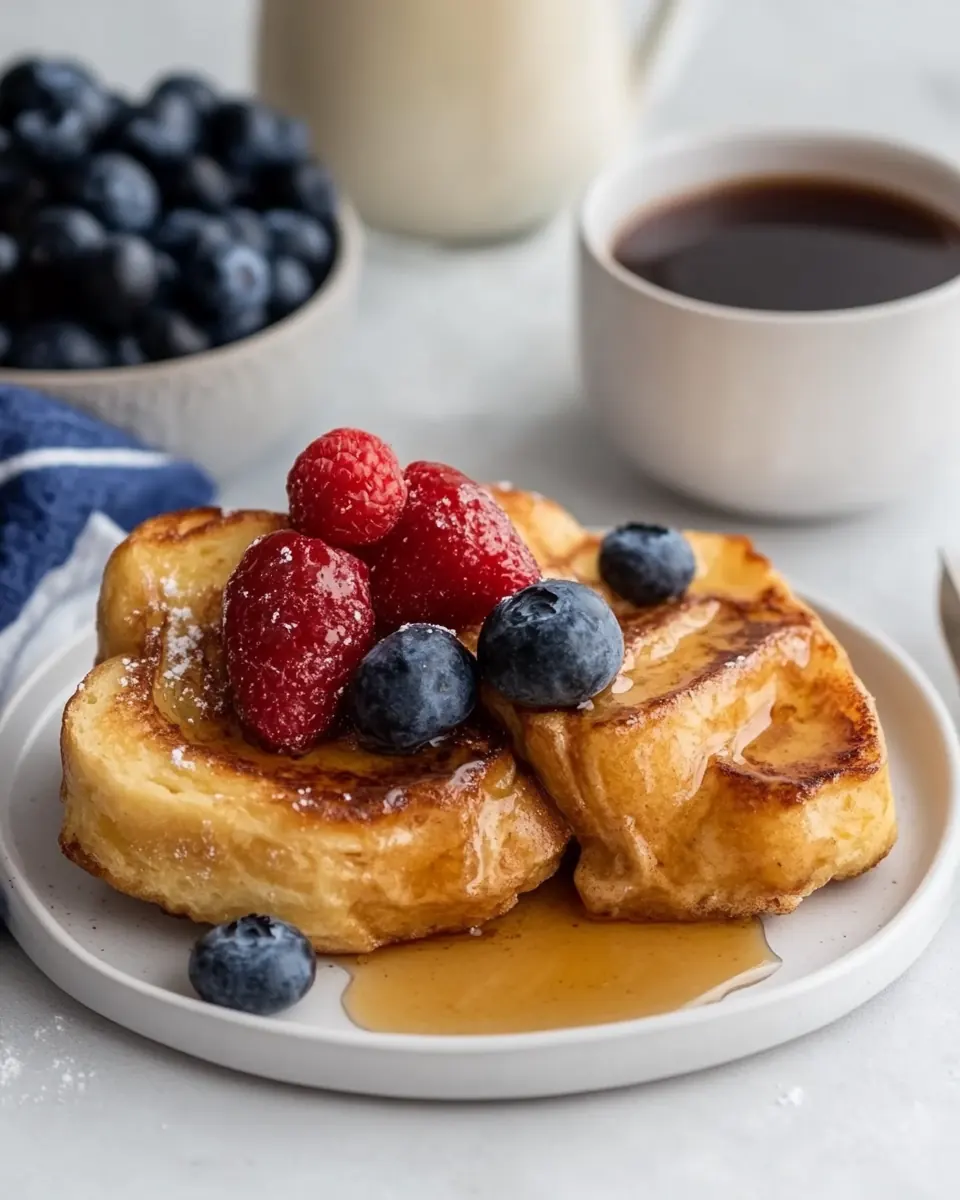
The ingredient list here is purposeful and tight. Each item plays a clear role: the custard builds texture, the butter adds flavor and facilitates browning, and the salt balances the sweetness. These are not extraneous extras, they are the key players that interact to produce that signature golden outside and custardy inside.
- 8 slices challah bread, sliced 1/2-inch thick: Use to provide the base and texture for the dish; challah slices soak up custard while maintaining a rich, tender crumb. Cut into 1/2-inch slices to balance absorption and structural integrity during cooking, creating golden, custardy French toast.
- 1 1/2 cup (366 ml) whole milk: Add creaminess and body to the custard; whole milk contributes fat that enriches flavor and helps produce a silky custard coating. Measure precisely to maintain the proper custard-to-bread ratio for ideal soak and texture.
- 6 egg yolks: Provide richness and concentrated egg flavor that thickens the custard without adding excess egg white; yolks create a smooth, custardy coating and help achieve a custard that browns evenly. Use the specified number to ensure proper binding and a decadent mouthfeel.
- 3 tablespoons light brown sugar: Contribute sweetness and a hint of molasses complexity; light brown sugar dissolves into the custard to balance richness and promote caramelization during cooking. Adjusting slightly can tweak sweetness while preserving overall flavor balance.
- 2 tablespoons unsalted butter, melted: Introduce a rich, buttery flavor and help create a glossy, tender finish in the custard; melted unsalted butter blends into the mixture and enhances mouthfeel. Use melted form to incorporate evenly without cold spots.
- 1/4 teaspoon (0.25 teaspoon) salt: Provide balance and enhance the other flavors; salt brightens sweetness and deepens the overall taste of the custard. Measure carefully to avoid overpowering the delicate egg-milk balance while ensuring flavor harmony.
- 1 tablespoon vanilla extract: Impart aromatic sweetness and enhance overall flavor profile; vanilla extract rounds out the custard and complements the bread’s richness. Add as specified to avoid overpowering and to achieve a classic French toast aroma.
- 2 tablespoons unsalted butter, divided (for cooking): Serve for cooking and finishing with controlled browning; divided unsalted butter is used to grease the skillet and to brown the bread, adding flavor and crisp edges. Reserve part for initial cooking and part for finishing to maintain consistent browning.
Recipe Steps for Challah French Toast
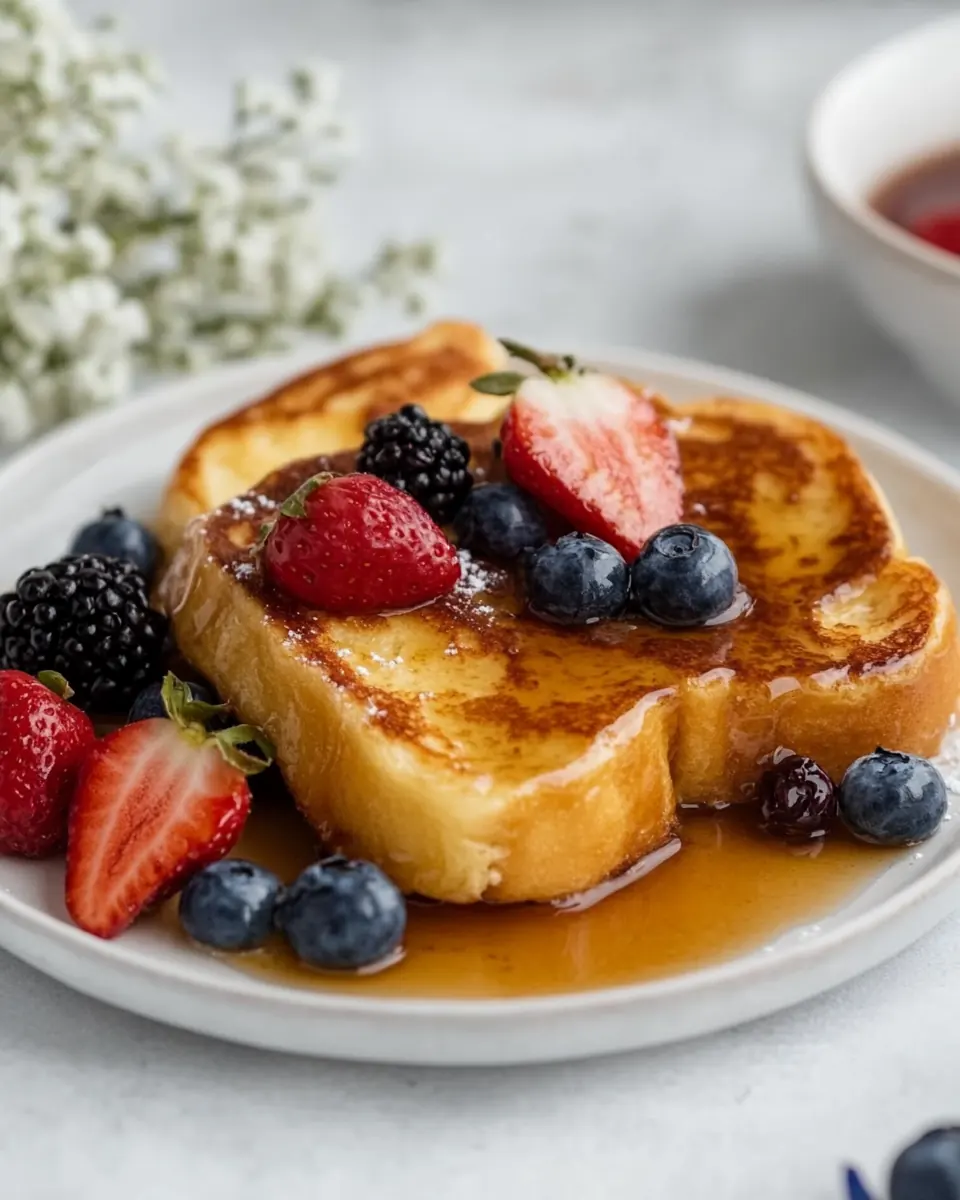
These steps follow a rhythm that emphasizes patience and sensory cues. Take your time with soaking and use a gentle heat. The result is a reliably tender interior and a golden, slightly crisp exterior. Below I expand each direction with detail so you can follow along confidently.
- Stale the bread by setting it out on a cooling rack uncovered overnight.: You will notice the slices lose surface moisture and become slightly firmer, which helps them absorb the custard without disintegrating. The drier crumb acts like a sponge, drawing in the custard so the center sets rather than becoming saturated. One common mistake is skipping this step, which can cause the bread to become mushy when soaked. If you need a faster option, briefly dry the slices in a low oven, but be careful not to toast them into crispness. When done properly the bread should bend slightly without falling apart, indicating readiness for soaking.
- Whisk milk, egg yolks, sugar, melted butter, salt, and vanilla in large bowl until well blended. Transfer milk mixture to 13×9-inch baking pan.: As you whisk, pay attention to the custard's texture, it should look homogenous and slightly glossy, with no streaks of yolk. Smell the mixture for a warm, sweet vanilla aroma that signals the flavor base is right. The pan gives an even shallow pool to submerge slices evenly; a deep bowl can hide pockets of custard. A frequent oversight is inadequate whisking, which leaves lumps of yolk, so whisk until smooth. Use a shallow pan so each slice soaks uniformly and you avoid under soaked centers.
- Working with 3 slices of bread at a time, dip into custard for 20 seconds. Using a spatula turn bread over and soak for another 20 seconds. (Bread should be saturated but not falling apart.) Transfer soaked bread to baking sheet or tray and continue until all bread is soaked.: The sound here is almost imperceptible, a soft dribble as the custard cling drains off the edges. You want the slices fully saturated but still holding their shape, a tactile balance you’ll learn to feel. Over soaking is a trap, it leads to heavy, collapsing pieces that will not crisp well. If you see the bread sloughing apart, reduce soak time. Arrange soaked slices spaced apart so the surface moisture can settle rather than turning into steam that makes them soggy.
- Heat 1/2 tablespoon of butter in a 12-inch skillet over medium-low heat. When foaming subsides, use slotted spatula to transfer 2 slices soaked bread to skillet until golden brown, 3 to 4 minutes. Flip and continue to cook until second side is golden brown, 3 to 4 minutes longer. Wipe out skillet with paper towels. Repeat cooking remaining bread, 2 pieces at a time, adding 1/2 tablespoon of butter for each batch. The French toast should be served immediately, but can be kept warm in a 200-degree oven until served.: Listen for a gentle sizzle and watch the butter foam calm, that indicates the pan has reached the right temperature. A slow golden browning develops and a faint nutty aroma emerges as the milk sugars caramelize. If the butter smokes, the pan is too hot and the exterior will char before the interior sets. Keep the heat controlled and give each batch enough time to develop color; rushing at higher heat ruins the custard center.
- Flip and continue to cook until second side is golden brown, 3 to 4 minutes longer.: When you flip, the surface should release easily and reveal a deep golden hue. The interior should feel slightly springy when pressed gently, an indication the custard has set but not dried. Avoid repetitive flipping, which interrupts browning and can cause uneven texture. A mistake to watch for is flipping too soon, before the crust forms; this can lead to tearing. Let the edge set fully before turning for a neat finish.
- Wipe out skillet with paper towels. Repeat cooking remaining bread, 2 pieces at a time, adding 1/2 tablespoon of butter for each batch.: Wiping the skillet removes browned bits that can burn and impart bitterness to subsequent batches, helping maintain consistent flavor. Each time you add a small pat of butter , the pan regains its nutty sheen, ensuring every batch browns evenly. Overcrowding or failing to refresh the fat results in uneven color and texture. Keep the rhythm of two slices per batch so you maintain control of temperature and finish with uniformly golden pieces.
- The French toast should be served immediately, but can be kept warm in a 200 degree oven until served.: If holding the cooked slices, place them in a single layer on a rack in a low oven to retain crisp edges while keeping interiors tender. The warm, enveloping smell of buttered toast in the oven is a cue that you can serve all plates together. A common pitfall is stacking the slices, which traps steam and softens the crust. Keep them separate and give guests the crispiest experience, finishing with a flourish of syrup or fruit as desired.
Recipe Notes about Challah French Toast
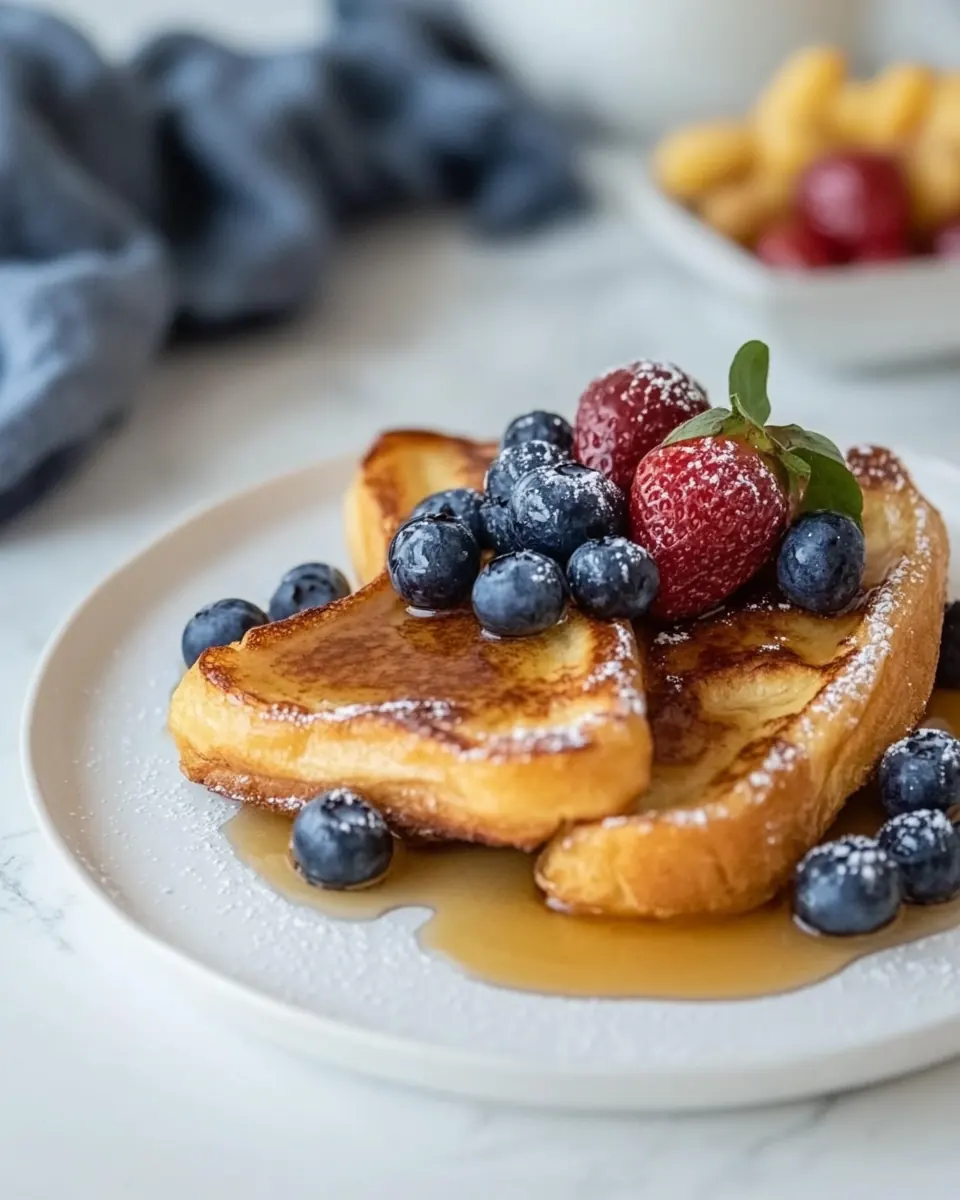
This intro explains why thoughtful notes make a big difference. I often leave five points that address timing, technique, and serving so you can reproduce the best results without guesswork. Below are practical notes expanded into actionable tips that I use every time I make this recipe.
- Choose the right bread, such as challah or brioche, because their tender crumb holds custard well without falling apart. If your loaf is very fresh, stale it overnight or lightly toast at low heat to remove excess moisture. Dense loaves soak more evenly, producing a custardy interior and crisp exterior.
- Use mostly yolks for richness to achieve a silkier custard. The extra fat in yolks gives deeper color and a creamier mouthfeel. Avoid substituting with low fat milk or egg whites, as that will change texture significantly and yield a less indulgent result.
- Soak judiciously working in small batches so each slice is saturated but intact. Over soaking makes slices fragile, while under soaking yields dry centers. A shallow baking pan helps you control soak depth for uniform results.
- Maintain a low to medium low heat so the custard sets throughout while the outside browns slowly. High heat will brown too quickly and leave the center underdone, which is a common pitfall for rushed cooks.
- Hold properly in a 200 degree oven on a rack if you need to serve multiple plates at once. This preserves texture and warmth without steaming the slices, ensuring everyone gets the same crisp edges and tender middle.
What Complements This Challah French Toast
Serving choices can elevate Challah French Toast from comforting to celebratory. Below I outline sides, occasions, and storage advice so you can plan complete breakfasts or brunches that feel intentional. Think about contrast and temperature, sweet and bright, to balance the rich custard.
- Classic accompaniments, such as butter and maple syrup, amplify the toast without competing. The hot toast melts the butter into tiny pools, and the syrup adds a warm sweetness that complements the custardy interior.
- Fresh fruit like berries or sliced peaches adds acidity and brightness that cut through richness. Serve fruit on the side or create a quick compote for spooning over the toast for color and freshness.
- Powdered sugar or a light dusting of cinnamon provides a pretty finish and a hint of spice that pairs well with the vanilla in the custard. Use sparingly to keep the balance right and let the bread shine.
- Occasions this works for include leisurely weekend breakfasts, festive holiday mornings, or a special Ramadan suhoor when you want something substantial and comforting. It scales well and feels appropriate for both intimate family meals and larger gatherings.
- Storage and reheating instructions: keep leftovers chilled in an airtight container up to two days. Reheat in a 300 degree oven to regain crispness, flipping halfway, rather than using a microwave which makes them soggy. If you want to pre soak for a crowd, you can soak, refrigerate briefly, then cook batches when ready.
- Seasonal pairings are simple: late summer stone fruit, winter spiced pear compote, or spring berries all work beautifully. Choose a side that adds brightness or acidity to counterbalance the custard richness.
FAQ
Conclusion
Challah French Toast stands out because it balances a crisp, golden exterior with a decadently custardy interior, achieved through simple but intentional choices. I encourage you to try it when you want a breakfast that feels both comforting and special, whether for a leisurely weekend morning or a holiday brunch. Take your time with the soaking and the pan temperature, and you will be rewarded with plates that bring people to the table and start the day on a warm note.
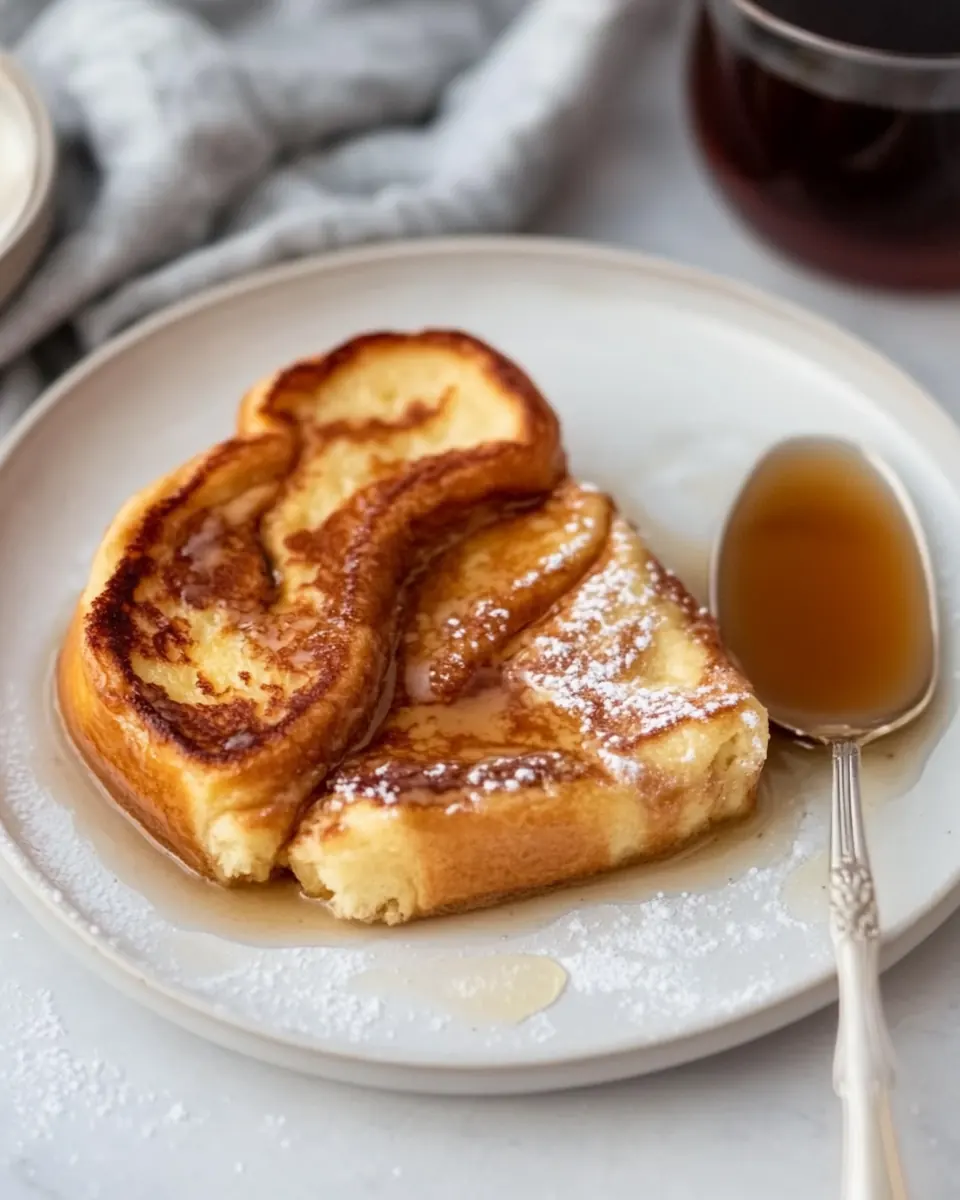
Challah French Toast
Ingredients
Equipment
Method
- Stale the bread by setting it out on a cooling rack uncovered overnight.: You will notice the slices lose surface moisture and become slightly firmer, which helps them absorb the custard without disintegrating. The drier crumb acts like a sponge, drawing in the custard so the center sets rather than becoming saturated. One common mistake is skipping this step, which can cause the bread to become mushy when soaked. If you need a faster option, briefly dry the slices in a low oven, but be careful not to toast them into crispness. When done properly the bread should bend slightly without falling apart, indicating readiness for soaking.
- Whisk milk, egg yolks, sugar, melted butter, salt, and vanilla in large bowl until well blended. Transfer milk mixture to 13×9-inch baking pan.: As you whisk, pay attention to the custard's texture, it should look homogenous and slightly glossy, with no streaks of yolk. Smell the mixture for a warm, sweet vanilla aroma that signals the flavor base is right. The pan gives an even shallow pool to submerge slices evenly; a deep bowl can hide pockets of custard. A frequent oversight is inadequate whisking, which leaves lumps of yolk, so whisk until smooth. Use a shallow pan so each slice soaks uniformly and you avoid under soaked centers.
- Working with 3 slices of bread at a time, dip into custard for 20 seconds. Using a spatula turn bread over and soak for another 20 seconds. (Bread should be saturated but not falling apart.) Transfer soaked bread to baking sheet or tray and continue until all bread is soaked.: The sound here is almost imperceptible, a soft dribble as the custard cling drains off the edges. You want the slices fully saturated but still holding their shape, a tactile balance you’ll learn to feel. Over soaking is a trap, it leads to heavy, collapsing pieces that will not crisp well. If you see the bread sloughing apart, reduce soak time. Arrange soaked slices spaced apart so the surface moisture can settle rather than turning into steam that makes them soggy.
- Heat 1/2 tablespoon of butter in a 12-inch skillet over medium-low heat. When foaming subsides, use slotted spatula to transfer 2 slices soaked bread to skillet until golden brown, 3 to 4 minutes. Flip and continue to cook until second side is golden brown, 3 to 4 minutes longer. Wipe out skillet with paper towels. Repeat cooking remaining bread, 2 pieces at a time, adding 1/2 tablespoon of butter for each batch. The French toast should be served immediately, but can be kept warm in a 200-degree oven until served.: Listen for a gentle sizzle and watch the butter foam calm, that indicates the pan has reached the right temperature. A slow golden browning develops and a faint nutty aroma emerges as the milk sugars caramelize. If the butter smokes, the pan is too hot and the exterior will char before the interior sets. Keep the heat controlled and give each batch enough time to develop color; rushing at higher heat ruins the custard center.
- Flip and continue to cook until second side is golden brown, 3 to 4 minutes longer.: When you flip, the surface should release easily and reveal a deep golden hue. The interior should feel slightly springy when pressed gently, an indication the custard has set but not dried. Avoid repetitive flipping, which interrupts browning and can cause uneven texture. A mistake to watch for is flipping too soon, before the crust forms; this can lead to tearing. Let the edge set fully before turning for a neat finish.
- Wipe out skillet with paper towels. Repeat cooking remaining bread, 2 pieces at a time, adding 1/2 tablespoon of butter for each batch.: Wiping the skillet removes browned bits that can burn and impart bitterness to subsequent batches, helping maintain consistent flavor. Each time you add a small pat of butter , the pan regains its nutty sheen, ensuring every batch browns evenly. Overcrowding or failing to refresh the fat results in uneven color and texture. Keep the rhythm of two slices per batch so you maintain control of temperature and finish with uniformly golden pieces.
- The French toast should be served immediately, but can be kept warm in a 200 degree oven until served.: If holding the cooked slices, place them in a single layer on a rack in a low oven to retain crisp edges while keeping interiors tender. The warm, enveloping smell of buttered toast in the oven is a cue that you can serve all plates together. A common pitfall is stacking the slices, which traps steam and softens the crust. Keep them separate and give guests the crispiest experience, finishing with a flourish of syrup or fruit as desired.
Notes
- Choose the right bread, such as challah or brioche, because their tender crumb holds custard well without falling apart. If your loaf is very fresh, stale it overnight or lightly toast at low heat to remove excess moisture. Dense loaves soak more evenly, producing a custardy interior and crisp exterior.
- Use mostly yolks for richness to achieve a silkier custard. The extra fat in yolks gives deeper color and a creamier mouthfeel. Avoid substituting with low fat milk or egg whites, as that will change texture significantly and yield a less indulgent result.
- Soak judiciously working in small batches so each slice is saturated but intact. Over soaking makes slices fragile, while under soaking yields dry centers. A shallow baking pan helps you control soak depth for uniform results.
- Maintain a low to medium low heat so the custard sets throughout while the outside browns slowly. High heat will brown too quickly and leave the center underdone, which is a common pitfall for rushed cooks.
- Hold properly in a 200 degree oven on a rack if you need to serve multiple plates at once. This preserves texture and warmth without steaming the slices, ensuring everyone gets the same crisp edges and tender middle.